- Published on
Unitree Clears Major Hurdle with Fast-Track STAR Market IPO Approval
One tap, and our reporting appears more often in your Google Top Stories. It makes a real difference to a small newsroom.


Your guide
Rich Robinson
Jee Chee Ren · Executive tour
See China’s AI and robotics ecosystem first-hand.
Six days exploring AI, robotics and advanced manufacturing.
With Rich Robinson, Clinical Professor of Entrepreneurship at Peking University
Beijing · Guangzhou · Shenzhen
29 November–4 December 2026
Referral partnership · We earn a commission on referred bookings.
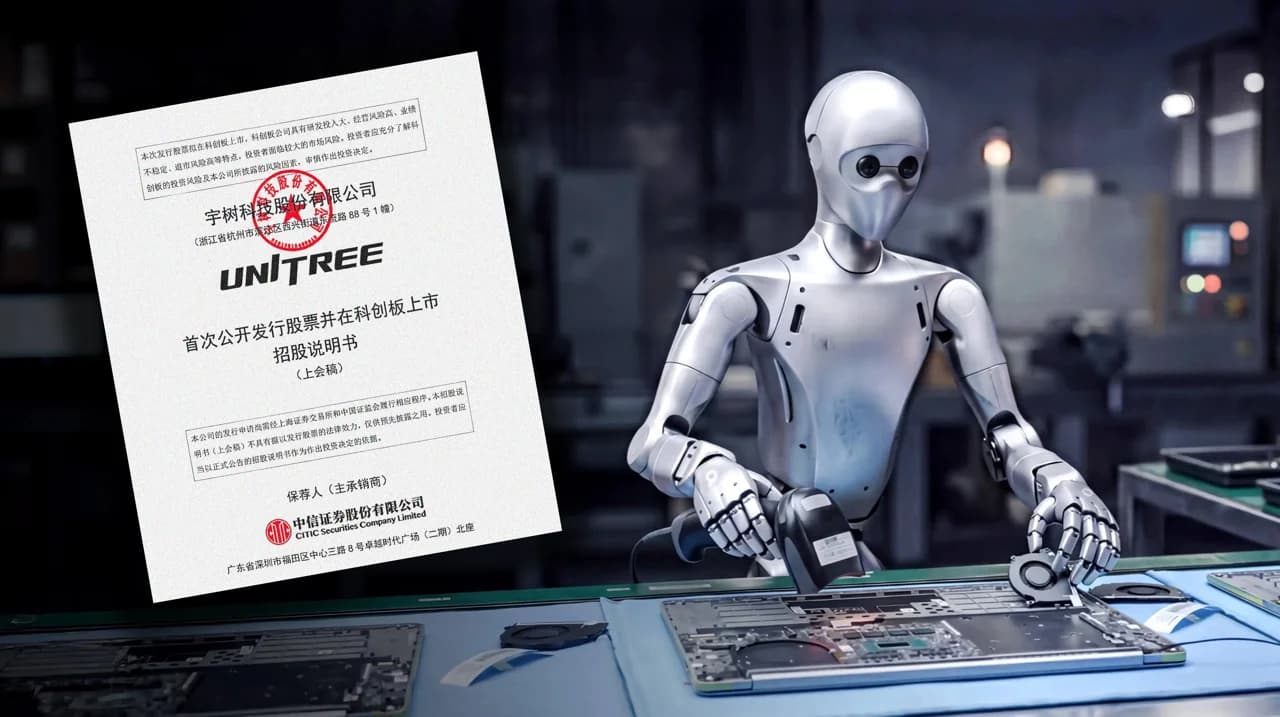
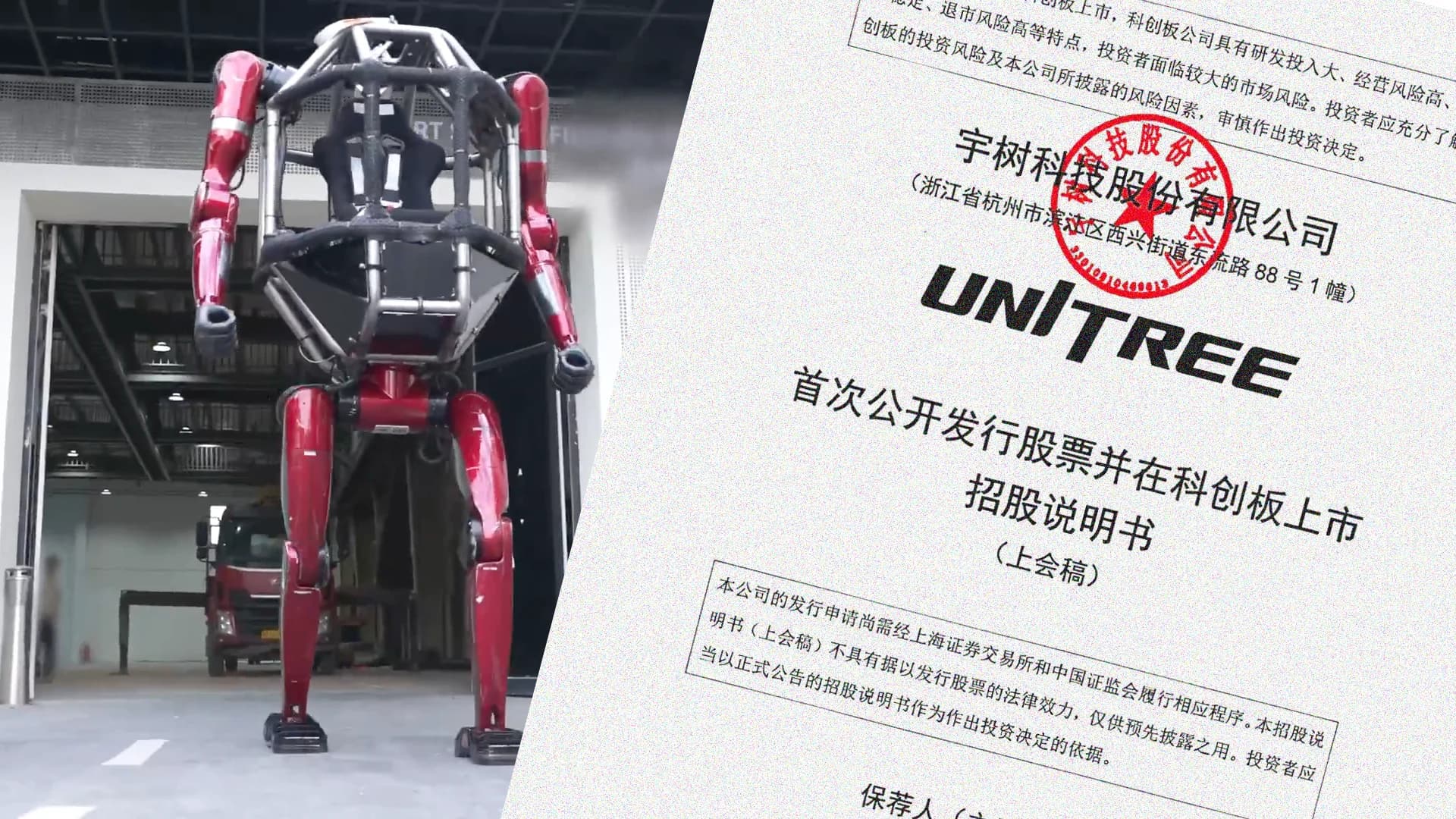
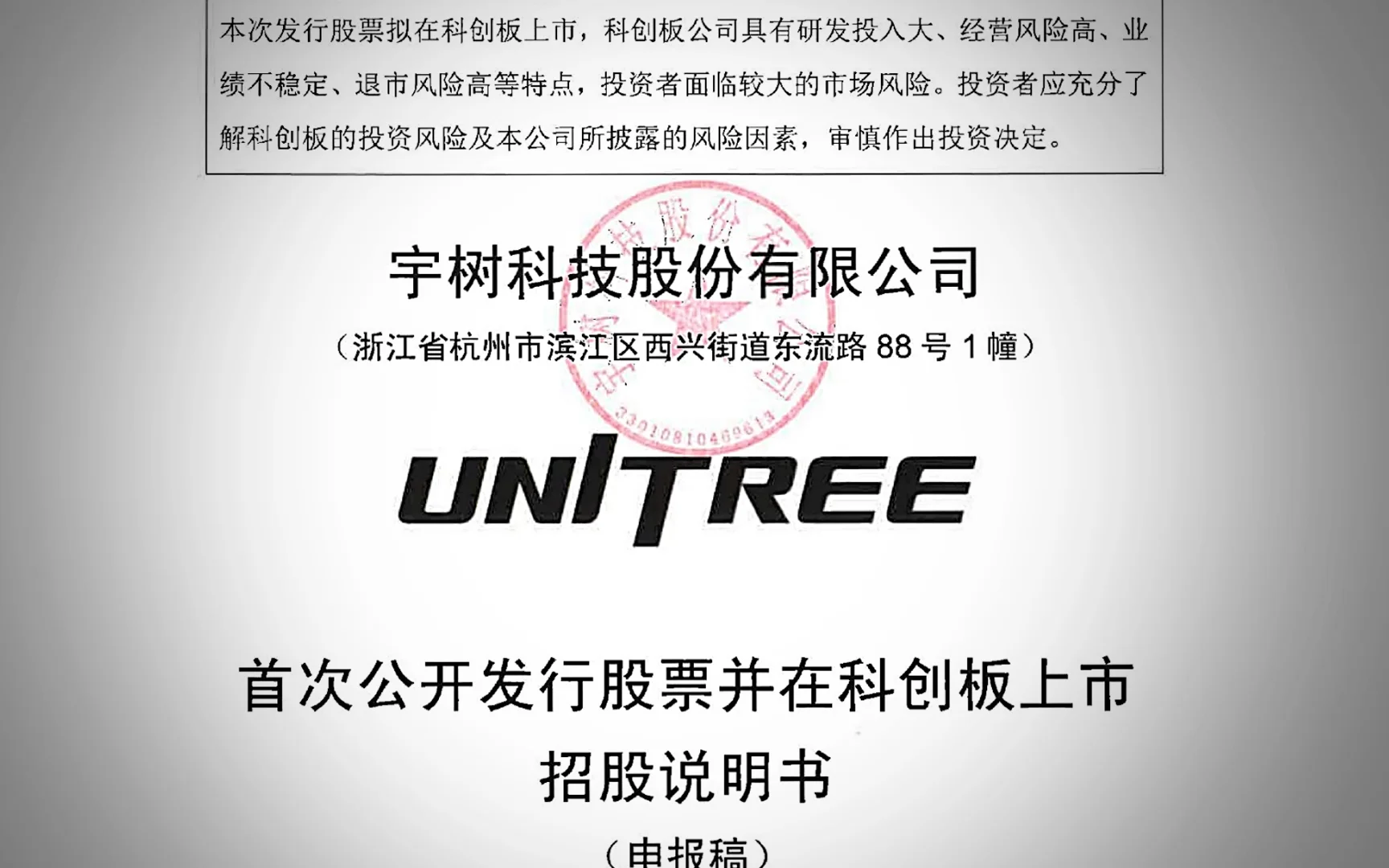
- Unitree Robotics officially passed its listing committee hearing on June 1, 2026, clearing the path to become the first "embodied AI" listing on China's A-share market.
- The approval was secured in a record-breaking 73 days after its March 20 filing, leveraging the Shanghai Stock Exchange's pre-review mechanism for critical "hard-tech" sectors.
- Unitree aims to raise 4.2 billion yuan ($620–$621 million), targeting a post-IPO valuation of approximately 42 billion yuan ($6 billion) to fund intelligent robot models, hardware development, and a massive manufacturing base.
- The milestone coincides with a major global hardware validation: NVIDIA and Sharpa announced an open-frontier reference design utilizing Unitree's newly unveiled H2 Plus chassis.
- Despite leading the world with 5,500 humanoid units shipped in 2025, Unitree face near-term profit compression and intellectual property risks from a lean patent portfolio.
The race to establish public market dominance in the physical artificial intelligence era has reached a historic milestone. On Monday, June 1, 2026, the Shanghai Stock Exchange’s (SSE) STAR Market listing committee officially approved the initial public offering (IPO) application of Unitree Robotics (Hangzhou Unitree Technology).
The successful hearing clears the path for the Hangzhou-based company to proceed to registration and issuance, making Unitree the first "纯粹" (pure-play) embodied AI firm to land on the Chinese A-share market. The decision marks a critical transition for the robotics sector, shifting it from a landscape fueled primarily by venture capital to one subject to independent pricing and liquidity in public capital markets.
A Fast-Track Record for 'Hard-Tech'
What has caught the attention of local financial analysts is not just the approval itself, but the unprecedented velocity of the regulatory process. Unitree’s application passed the listing committee just 73 days after its initial filing was accepted on March 20, 2026. This establishes a new record for the fastest review under the STAR Market's pre-review mechanism since its implementation in July 2025.
The accelerated timeline underscores Beijing's broader strategic push to fast-track "hard-tech" listings.
The weekly humanoid robotics briefing
One email a week: the launches, funding and research that mattered, with context from Humanoids Daily.
Read recent issuesAccording to the official SSE results announcement, the listing committee’s primary inquiries during the live hearing focused on market sustainability and commercial risks. Regulators pushed Unitree executives to defend against the risk of future performance volatility, asking them to contextualize their commercial progress against the broader competitive landscape, downstream market demands, and technical differentiation from peers.
Capital Influx to Fund Brains and Factories
Unitree intends to offer at least 40.4 million shares—representing a minimum 10% stake—to raise 4.2 billion yuan (approximately $620 million to $621 million). Given these targets, the firm is eyeing a post-IPO market valuation of roughly 42 billion yuan ($6 billion), representing a substantial 3.3x appreciation over its final private funding valuation of 12.7 billion yuan ($1.75 billion) in June 2025.
According to Unitree's updated prospectus, the proceeds are strictly earmarked across four major capital projects:
- Intelligent Robot Model Development: Funding software architectures, including CEO Wang Xingxing's heavily prioritized video-based world models.
- Robotics Hardware Development: Iterating on core structural elements such as actuators and mechanical limbs.
- New Product Innovation: Developing next-generation intelligent platforms and expansion components.
- Smart Manufacturing Base: Constructing industrial infrastructure designed to eventually scale annual output to 75,000 humanoid robots and 115,000 quadruped machines.
Scaling Through Profit Compression and IP Headwinds
Unitree’s regulatory victory is anchored by an unmatched shipment volume. In an industry frequently criticized for endless loops of non-production prototypes, Unitree has broken through to genuine industrial scale. The company reported shipping more than 5,500 humanoid robots globally in 2025 alone (excluding wheeled variants), cementing its spot as the volume leader over Western competitors like Figure and Agility Robotics, as well as domestic rivals like UBTECH and AGIBOT.
This massive scaling effort is clearly visible in the company’s dramatic top-line trajectory. Unitree’s annual revenue exploded from 159.13 million yuan in 2023 to 392.37 million yuan in 2024, before hitting a massive 1.71 billion yuan in 2025. Furthermore, its 2025 net profit stood at a healthy 288 million yuan (with some reports citing up to 590.8 million yuan in net profit depending on non-recurring accounting lines), making it one of the very few profitable general-purpose robotics companies globally.
However, recent disclosures from late May reveal that this growth curve comes with near-term turbulence. While Q1 2026 revenue jumped 68% year-on-year to 422.8 million yuan, Unitree's adjusted net profit dropped 52% to 40.3 million yuan due to soaring R&D and aggressive sales expansion expenditures.
Furthermore, the prospectus highlights a distinct lack of legal defensibility regarding intellectual property. Because Unitree historically relied heavily on trade secrets, it holds just 262 registered patents globally, including a mere 20 domestic invention patents. Management explicitly warned investors that this modest portfolio could limit its ability to block technical cloning or shield itself from aggressive patent litigation as a brutal domestic price war looms.
Global Validation on the Geopolitical Stage
The domestic IPO approval coincided with an enormous validation on the international stage. At NVIDIA GTC Taipei, the Silicon Valley chip giant and Singaporean startup Sharpa unveiled the NVIDIA Isaac GR00T Reference Humanoid Robot.
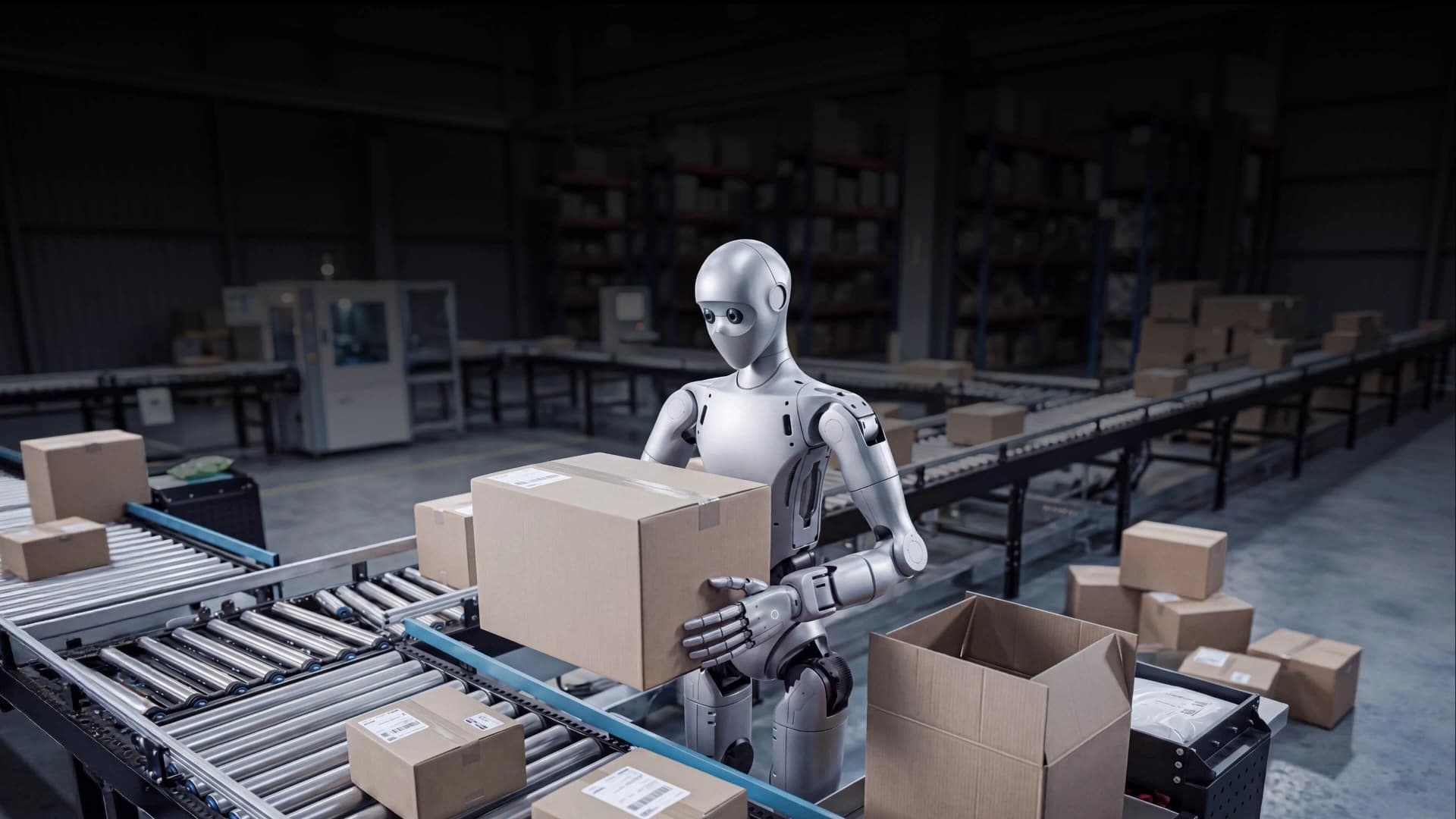
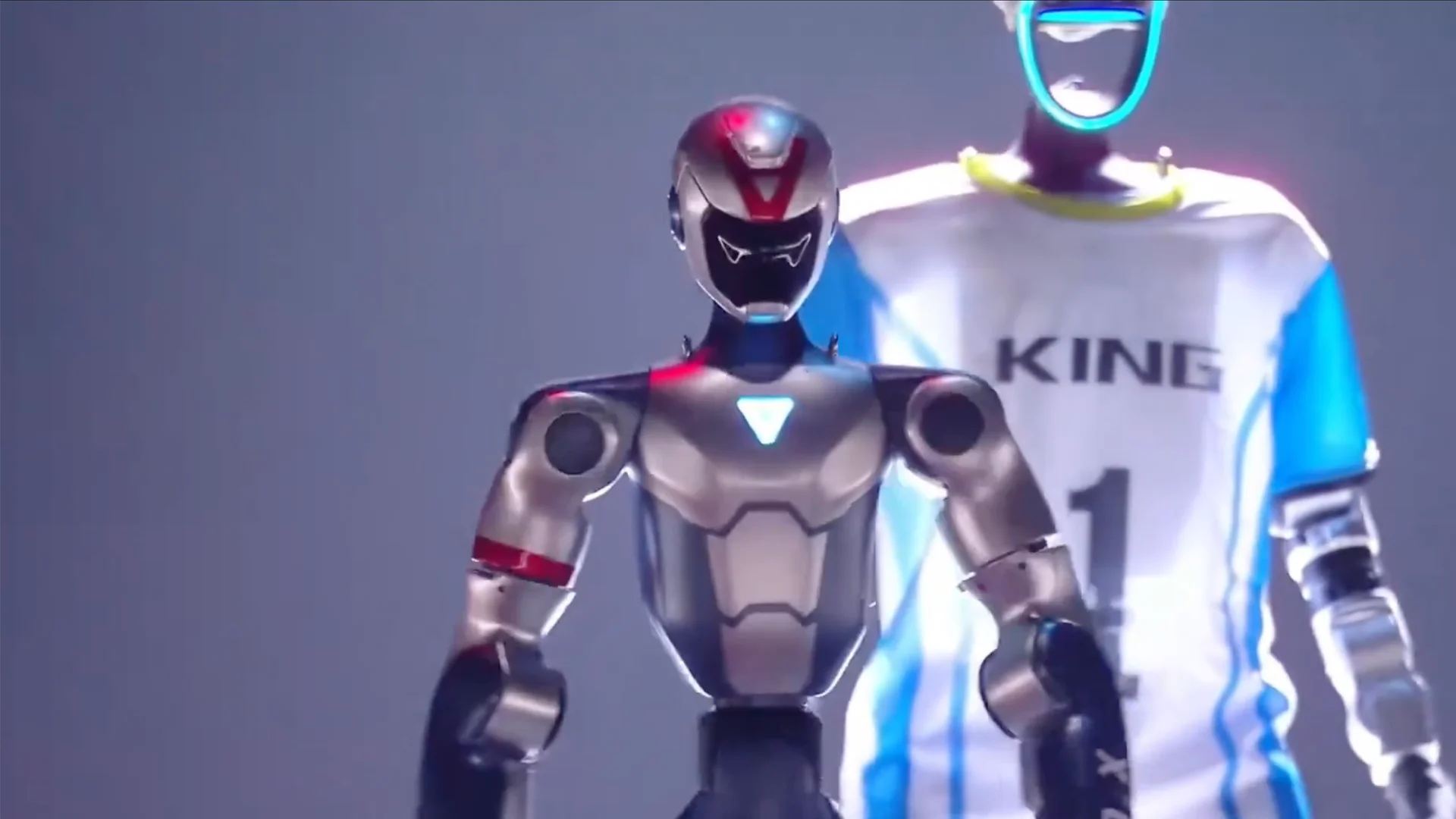
The open-frontier reference design—which couples NVIDIA's Jetson AGX Thor T5000 compute module with Sharpa's high-fidelity Wave tactile hands—relies entirely on Unitree’s newly announced H2 Plus humanoid chassis as its physical body. The fact that NVIDIA has standardized its first physical AI developer kit for research institutions like Stanford and ETH Zurich on Unitree hardware provides a profound vote of confidence for institutional investors evaluating the technical baseline of the H2 platform.
By positioning its new chassis as part of a global, open-source framework backed by American compute silicon and anchored via a Singaporean entity, Unitree may also be attempting to insulate its commercial pipeline from legislative headwinds in Washington, where U.S. lawmakers are currently advancing the American Security Robotics Act to ban Chinese unmanned ground systems from federal procurement.
With the listing committee’s green light officially secured, Unitree enters the public markets with a formidable moat in production volume and high-profile ecosystem partnerships, even as it prepares to navigate tightening global trade environments and the margin-squeezing realities of mass manufacturing.
Share this article
Read next
- Published on
- Reading time
- 4 min read
Unitree Soars Over 600% in Shanghai IPO, Cements China’s Lead in Humanoid Hardware
- Published on
- Reading time
- 5 min read
Unitree’s Blockbuster IPO Highlights the Scramble for Embodied AI Supremacy
- Published on
- Reading time
- 4 min read
Unitree Kicks Off STAR Market IPO Amid Deepening US-China Robotics Rivalry
- Published on
- Reading time
- 5 min read
Inside Unitree’s Prospectus: Revenue Climbs and Profits Dip as Star Market IPO Hearing Approaches
- Published on
- Reading time
- 6 min read
Unitree Files for $580M IPO: Humanoid Sales Surpass Robot Dogs as Profits Soar
- Published on
- Reading time
- 4 min read
Unitree Completes IPO Tutoring, Clearing Key Hurdle for A-Share Listing
The weekly humanoid robotics briefing
One email a week: the launches, funding and research that mattered, with context from Humanoids Daily.
Read recent issues