- Published on
The DJI Playbook: How Unitree’s Aggressive Vertical Integration is Cornering the Humanoid Market
One tap, and our reporting appears more often in your Google Top Stories. It makes a real difference to a small newsroom.


Your guide
Rich Robinson
Jee Chee Ren · Executive tour
See China’s AI and robotics ecosystem first-hand.
Six days exploring AI, robotics and advanced manufacturing.
With Rich Robinson, Clinical Professor of Entrepreneurship at Peking University
Beijing · Guangzhou · Shenzhen
29 November–4 December 2026
Referral partnership · We earn a commission on referred bookings.
- A new report from SemiAnalysis argues that Unitree Robotics is executing the "DJI/BYD Playbook," utilizing intense vertical integration and rapid iteration to dominate the global humanoid market.
- SemiAnalysis estimates the Unitree G1's Bill of Materials (BoM) at just $8,976, enabling a pre-tax price of $27,300 that slides safely under the critical $28,000 enterprise adoption threshold.
- Despite historical thermal limitations, targeted iterations to Unitree's quasi-direct-drive (QDD) actuators now allow the G1 to sustain 10 to 15 minutes of operation while carrying a 5kg payload.
- The report estimates roughly 250 Unitree humanoids are currently active in labor deployments, primarily performing teleoperated logistics tasks that already undercut a $30-per-hour human labor cost.
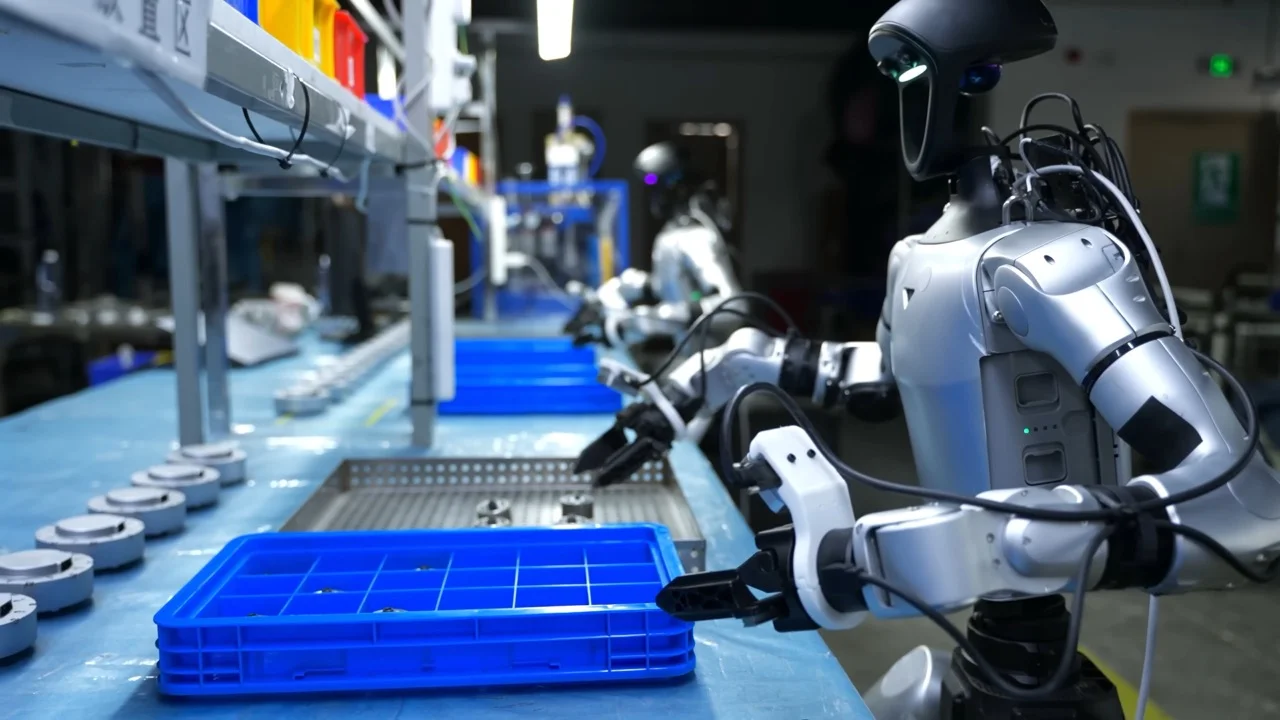
Unitree Robotics is no longer just a purveyor of research platforms and viral robotic backflips. According to a comprehensive new report from SemiAnalysis, the Hangzhou-based company is rapidly maturing into a global hardware juggernaut, meticulously executing the same aggressive scale-and-conquer strategies that propelled companies like BYD and DJI to global dominance.
With Unitree clearing major regulatory hurdles for an upcoming STAR Market IPO, the financial and mechanical mechanics underlying its massive market share are coming into sharp focus. The SemiAnalysis research suggests that Unitree's structural cost advantages and deep ecosystem integration are bringing humanoids out of the lab and into economically viable, real-world labor much faster than Western competitors.
The BoM and the "DJI Strategy"
SemiAnalysis frames Unitree's trajectory as a textbook execution of the "DJI Strategy": identify and own the most difficult bottleneck component, bootstrap a willing audience of researchers and hobbyists, ride the local supply chain ecosystem, and use subsequent hardware generations to unlock entirely new commercial markets. For the humanoid sector, that bottleneck component is the actuator.
Instead of relying on expensive, complex strainwave gearboxes (such as those from HarmonicDrive) which require decades of metallurgical expertise to perfect, Unitree bet early on quasi-direct-drive (QDD) actuators. While QDDs require beefier motors, they are vastly simpler to machine and up to 80% cheaper to produce.
The weekly humanoid robotics briefing
One email a week: the launches, funding and research that mattered, with context from Humanoids Daily.
Read recent issuesBy aggressively in-housing motor and gearbox development, Unitree has pushed its estimated Bill of Materials (BoM) for the G1 to an incredibly lean $8,976. This verticalization allows the company to offer the robot at a pre-tax price of roughly $27,300 while maintaining estimated gross margins of 67%. Crucially, this pricing strategy slips right under the 200,000 yuan (approximately $28,000) ceiling identified by Morgan Stanley as the absolute maximum cost the vast majority of Chinese executives are willing to pay for enterprise adoption.
Overcoming the Thermal Bottleneck
The trade-off for using cheaper QDD actuators has historically been heat. Because the motor bears more of the direct torque burden without the massive amplification of a high-ratio gearbox, early Unitree humanoids drew immense current and required lengthy cooldowns after minimal exertion.
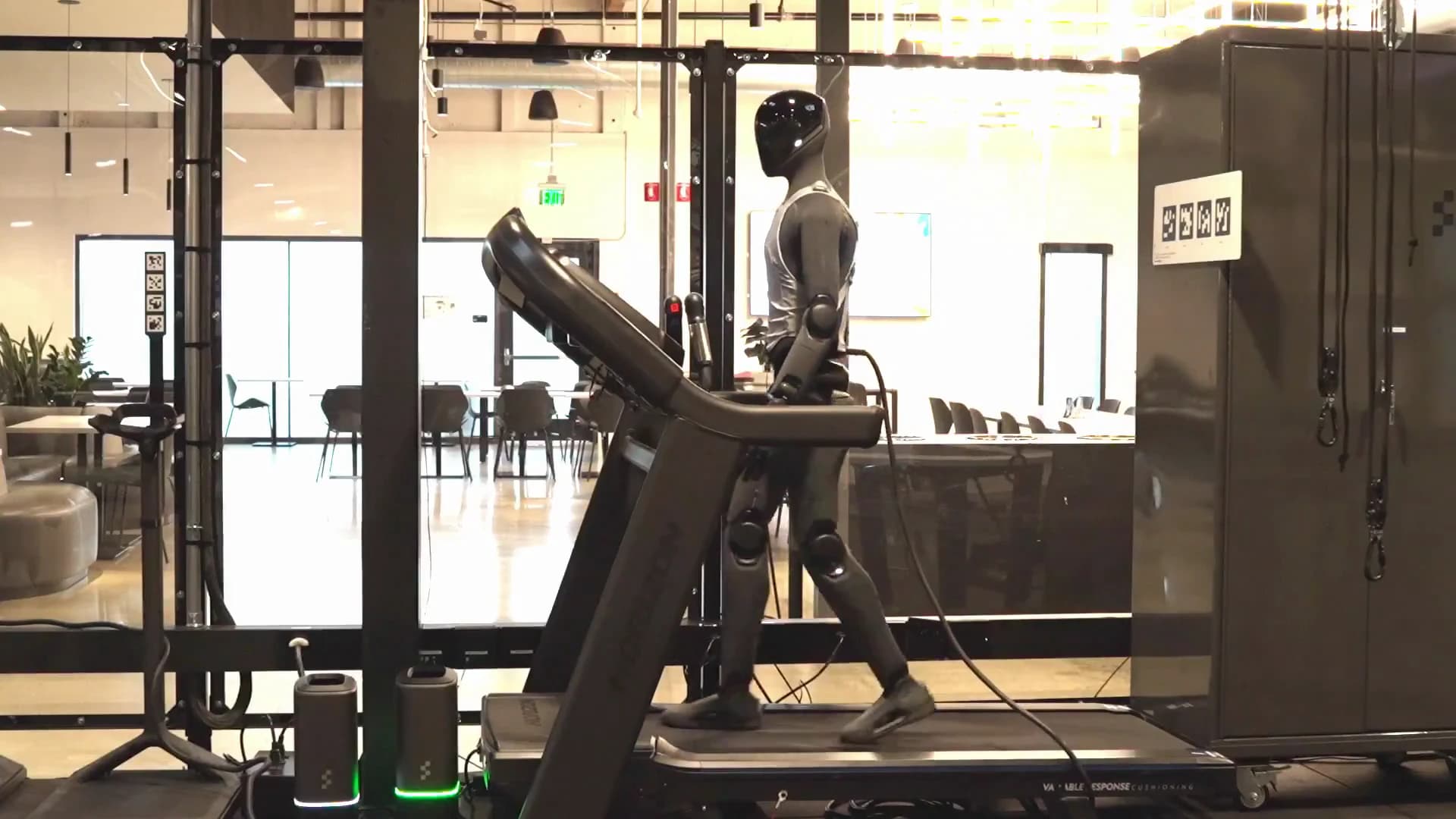
However, SemiAnalysis highlights that Unitree's rapid iteration cycles—unburdened by the slow turnaround times of outsourced Western supply chains—have yielded massive thermal improvements. By optimizing copper wire density, smoothing magnetic fields to reduce torque ripple, and introducing active cooling to areas like the pelvis, Unitree has expanded the G1's operational envelope.
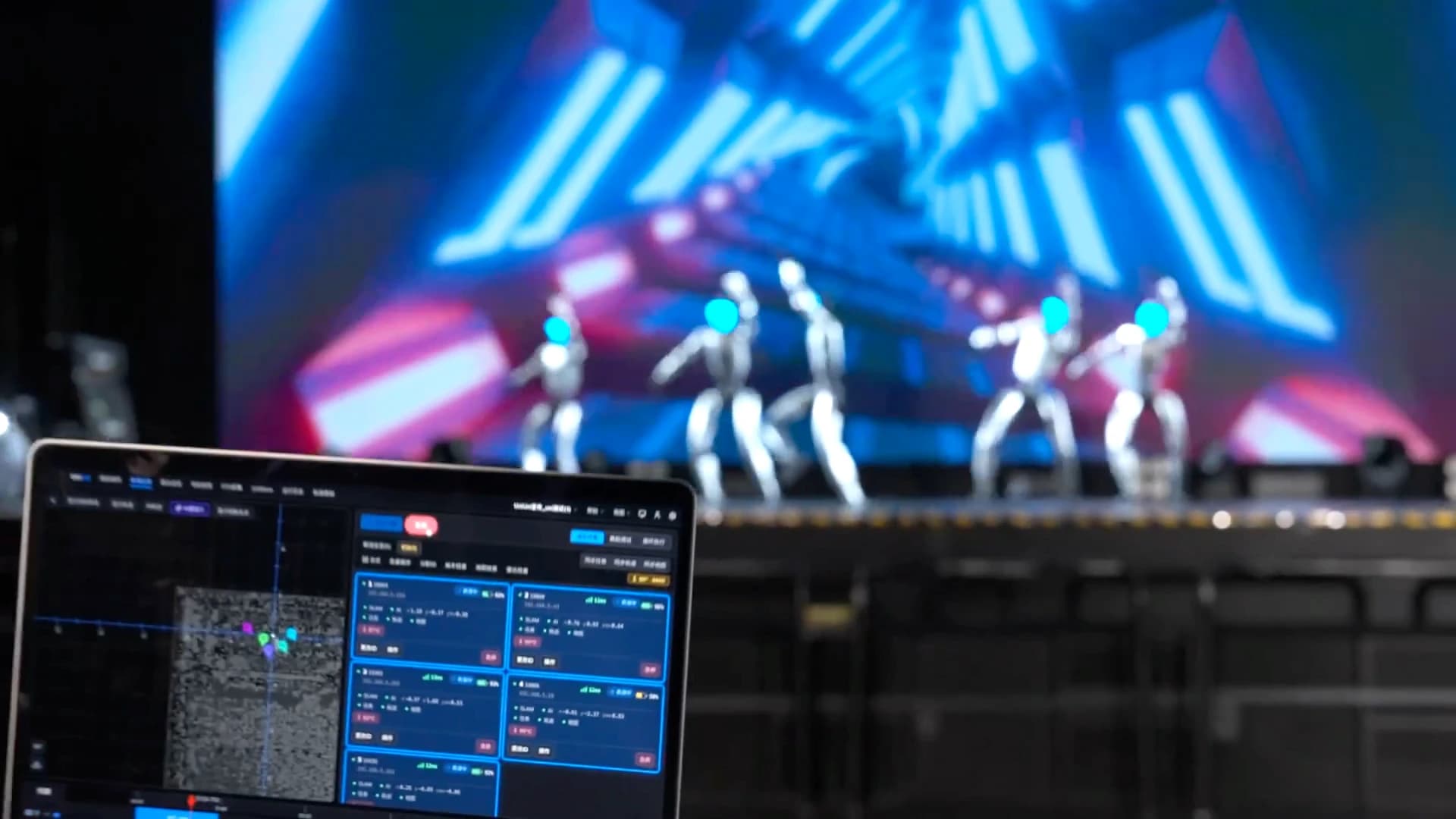
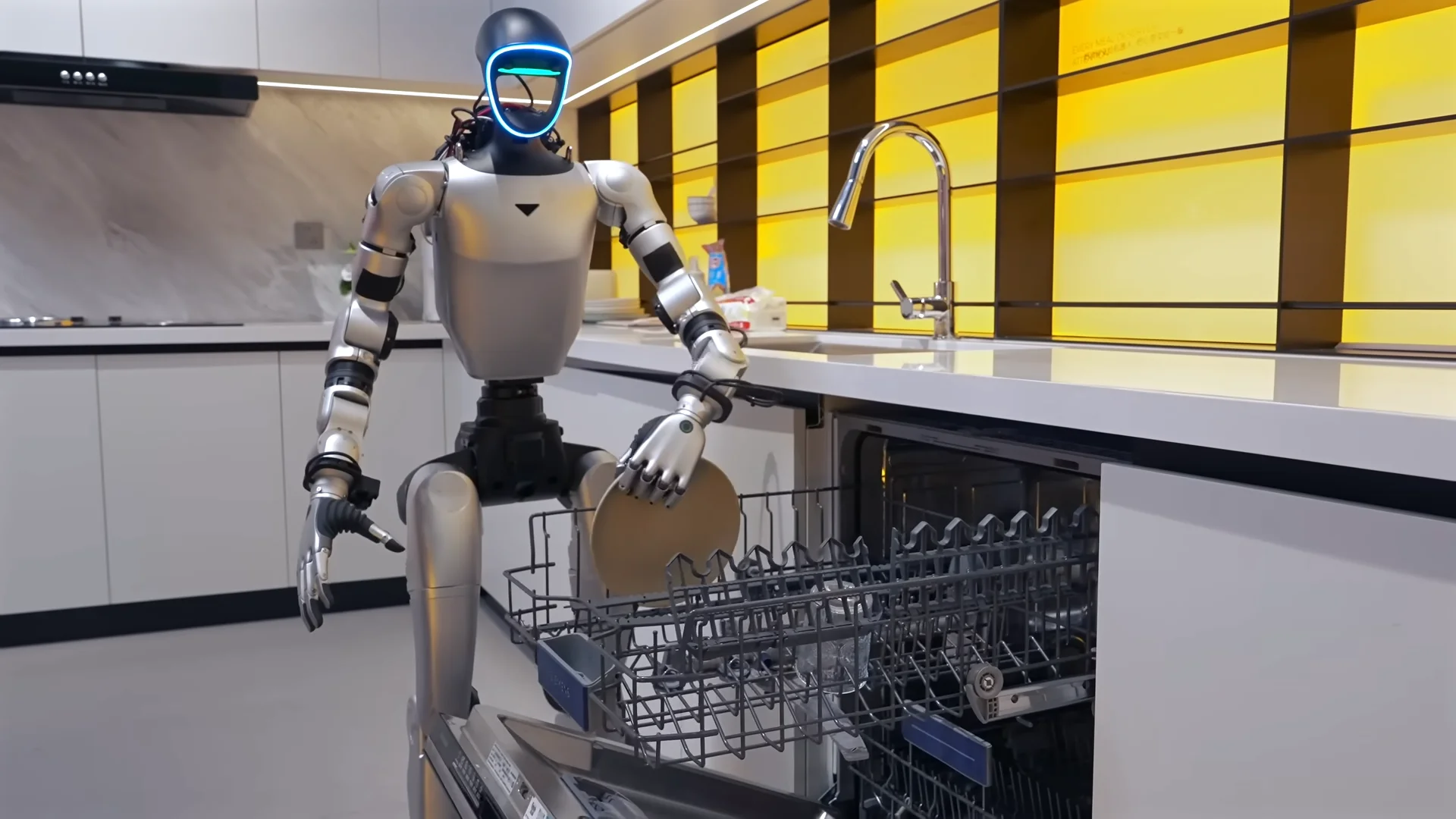
The robot can now reportedly sustain 10 to 15 minutes of continuous operation while carrying a 5kg payload with bent arms. While this is not the all-day endurance of a dedicated industrial arm, it is enough to transition the G1 from high-dynamic stage performances to a practical tool for short-burst materials handling.
The Economics of Teleoperated Labor
The most striking finding in the report is that Unitree has likely already crossed the threshold into economically viable commercial labor. SemiAnalysis estimates that, aside from the thousands of units sold to researchers, roughly 250 Unitree humanoids are currently deployed in productive industry pilots in 2025.
These robots are primarily operating in logistics environments, moving lightweight ( less than 5kg) e-commerce totes from autonomous mobile robots (AMRs) to conveyor belts. Because generalizable, end-to-end AI models remain a significant bottleneck, these deployments rely heavily on teleoperation. This mirrors the human-in-the-loop teleoperation strategies Unitree employs within its own factories to generate high-quality training data.
Even factoring in the mandatory thermal cooldown periods and the overhead of human operators, the math works. SemiAnalysis calculates that for this specific, intermittent logistics workload, a teleoperated G1 operates below the $30-per-hour baseline cost of human labor.
The Path to Dominance
As Unitree approaches its 10,000th shipped humanoid—building rapidly upon the 5,500 units it officially reported shipping in 2025 —the company is leveraging a manufacturing ecosystem that is difficult to replicate outside of Shenzhen and Hangzhou.
By combining the low barrier to entry of a sub-$30,000 platform with continuously improving, vertically integrated hardware, Unitree is positioning itself not just as a robot manufacturer, but as the foundational infrastructure layer for the entire physical AI industry.
Share this article
Read next
- Published on
- Reading time
- 3 min read
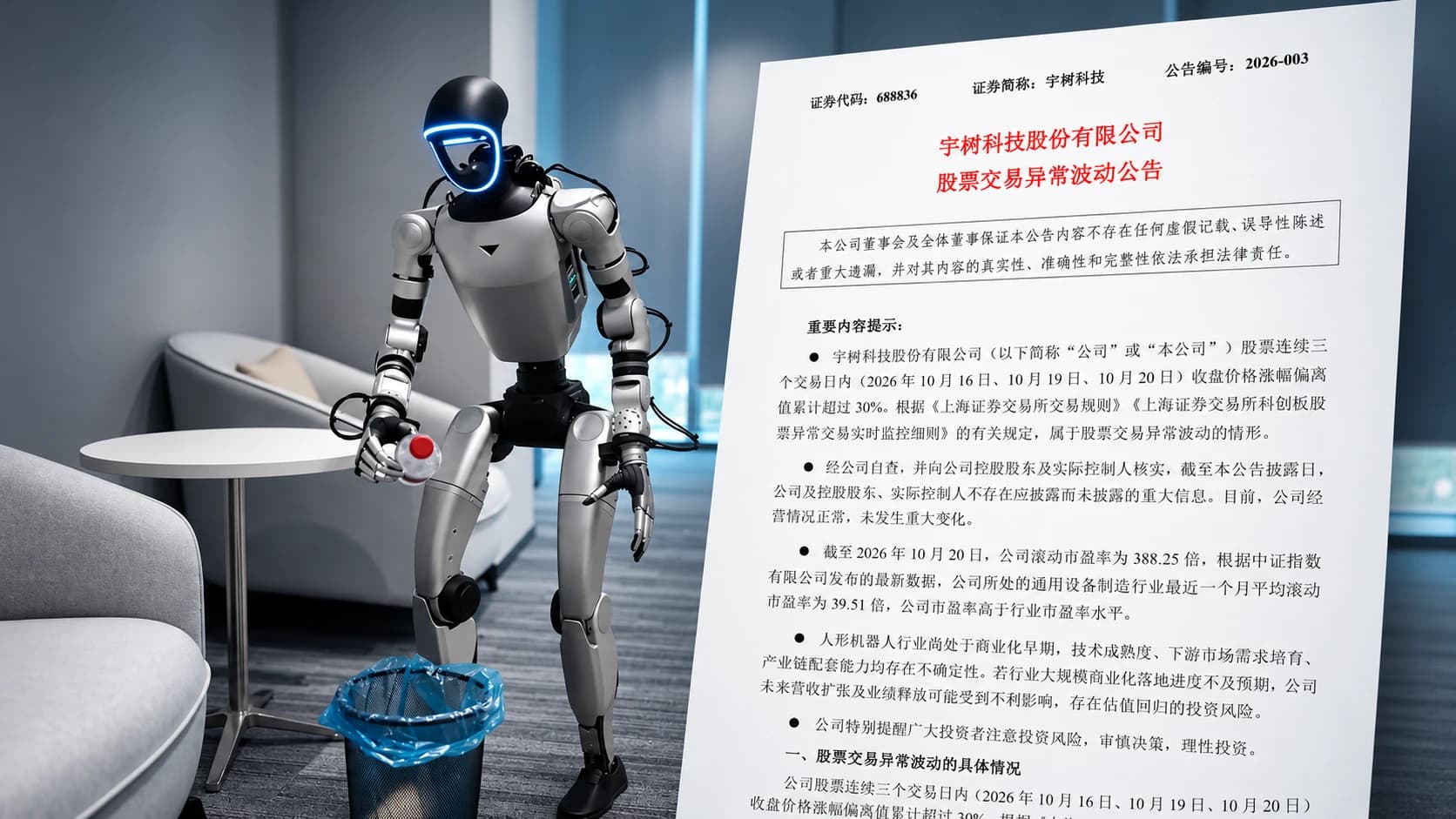
After Its Stock Surge, Unitree Warns Humanoid Commercialization Is Still in Its Early Days
- Published on
- Reading time
- 2 min read
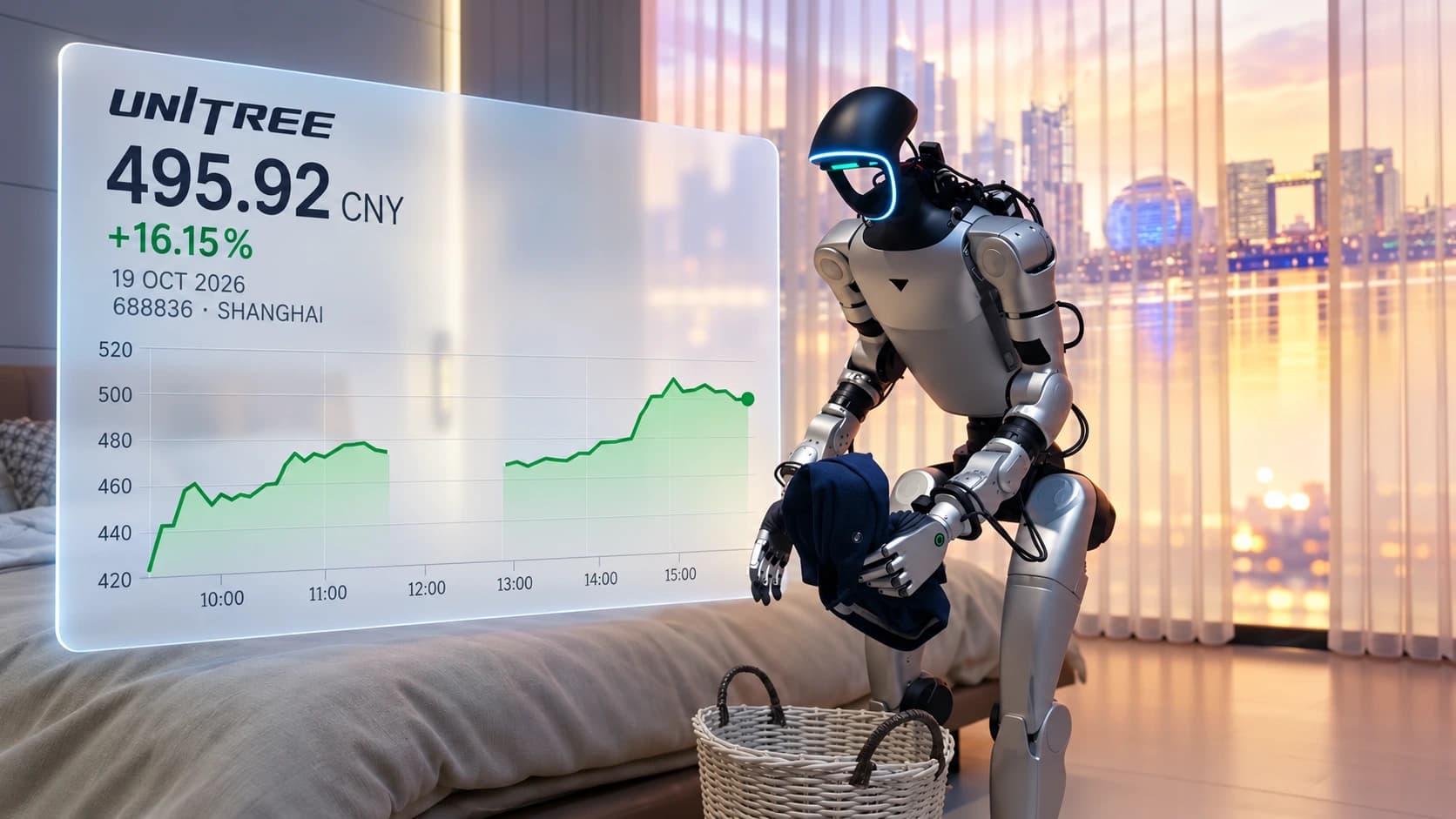
Unitree Shares Jump 16% as China Pushes Robots Into Everyday Commerce
- Published on
- Reading time
- 3 min read
Unitree Says It Won’t Become a Robot Integration Company
- Published on
- Reading time
- 4 min read
Unitree Soars Over 600% in Shanghai IPO, Cements China’s Lead in Humanoid Hardware
- Published on
- Reading time
- 3 min read
Unitree Reclaims the Spotlight with 18,000 Cumulative Bipedal Humanoids Produced
- Published on
- Reading time
- 5 min read
Unitree’s Blockbuster IPO Highlights the Scramble for Embodied AI Supremacy

The weekly humanoid robotics briefing
One email a week: the launches, funding and research that mattered, with context from Humanoids Daily.
Read recent issues