- Published on
Inside Unitree’s Prospectus: Revenue Climbs and Profits Dip as Star Market IPO Hearing Approaches
One tap, and our reporting appears more often in your Google Top Stories. It makes a real difference to a small newsroom.

- Unitree is scheduled for its Star Market listing hearing on June 1, 2026, aiming to raise 4.2 billion yuan ($618.94 million).
- Updated financial disclosures reveal that while Q1 2026 revenue jumped 68% year-on-year, adjusted net profit plunged 52% to 40.3 million yuan due to massive R&D and sales expenses.
- First-half 2026 guidance shows resilience, with revenue projected to reach up to 1.13 billion yuan and profit declines expected to narrow.
- The company faces intensifying competitive pressures from Tesla and domestic tech giant cross-entrants, alongside unique IP risks due to a historically small patent portfolio.
The race to become the defining commercial heavyweight of the embodied AI era is entering a critical regulatory phase. Hangzhou-based Unitree Robotics, a dominant volume leader in the global humanoid market, is scheduled to face the Shanghai Stock Exchange’s listing committee on Monday, June 1, 2026.
As the company seeks to raise 4.2 billion yuan (approximately $618.94 million) to finance humanoid bodies, manufacturing facilities, and embodied AI architectures, an updated prospectus filing has revealed a complex financial trajectory. The data shows a company aggressively scaling its market presence while absorbing the heavy cost burdens of a rapidly shifting, highly competitive industry.
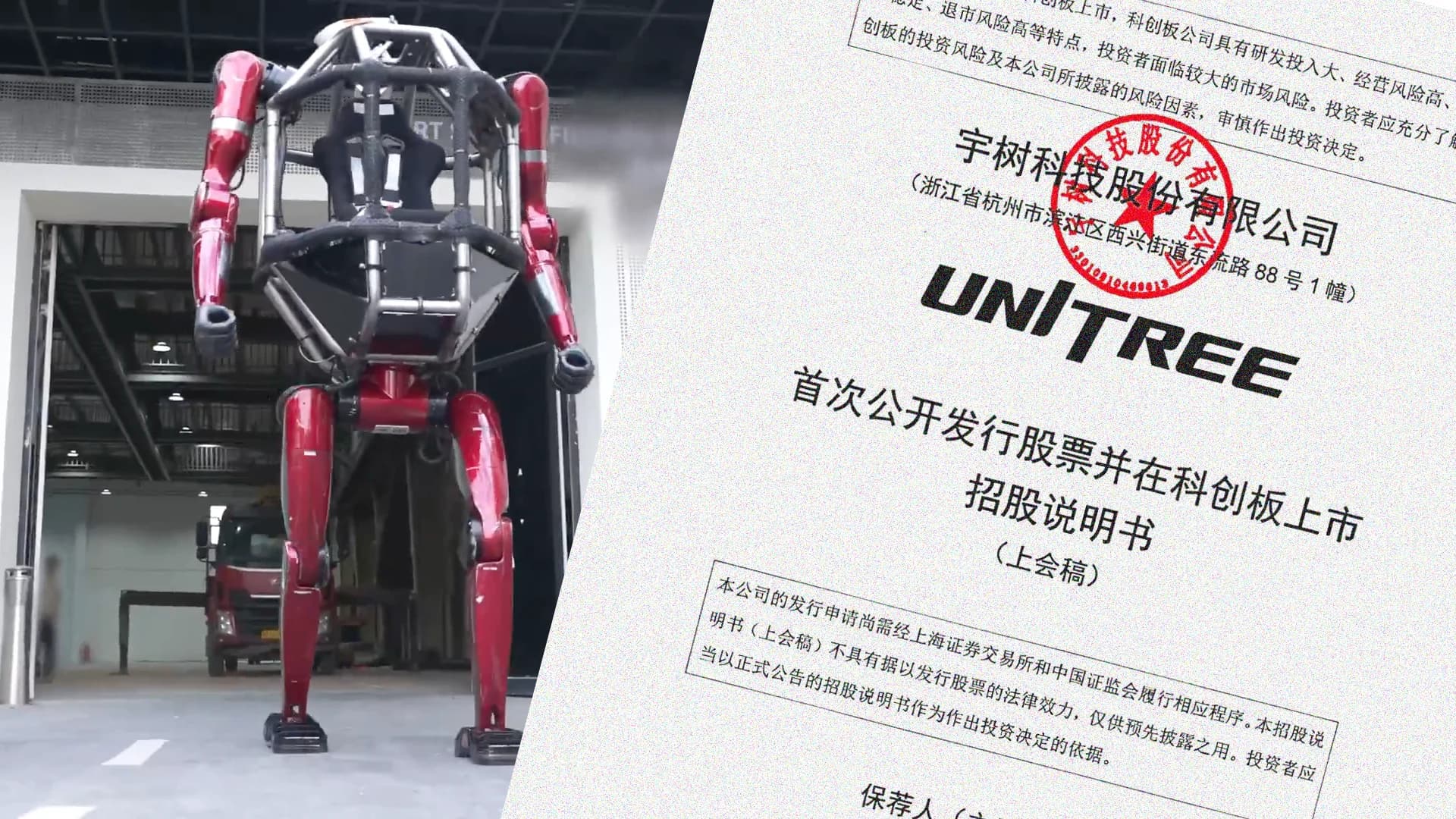
The Q1 Squeeze: Revenue Surges, Profits Pivot
The freshly disclosed numbers present a stark dichotomy between market adoption and near-term profitability. For the first quarter of 2026, Unitree reported a robust 68% year-on-year surge in revenue, reaching 422.8 million yuan. However, its adjusted net profit—excluding non-recurring items—dropped by more than 52% to 40.3 million yuan, down from 84.8 million yuan in the same period last year.
| Metric (Q1 2026) | Financial Value | Year-on-Year Change |
|---|---|---|
| Revenue | 422.8 million yuan ($62.3M) | +68% |
| Adjusted Net Profit | 40.3 million yuan ($5.9M) | -52% |
Unitree attribute this profit squeeze to a significant spike in research, development, and sales expenses. While traditional public markets often view sharp profit declines with skepticism, China's tech-heavy STAR Market has historically accommodated high R&D expenditures, prioritizing foundational technical breakthroughs over immediate cash flow.
The weekly humanoid robotics briefing
One email a week: the launches, funding and research that mattered, with context from Humanoids Daily.
Read recent issuesThis financial pivot follows a staggering 2025 fiscal year. As revealed in the original prospectus filed in March, Unitree’s revenue exploded to 1.70 billion yuan in 2025, up from just 392 million yuan in 2024, with gross margins climbing to an impressive 60.1%.
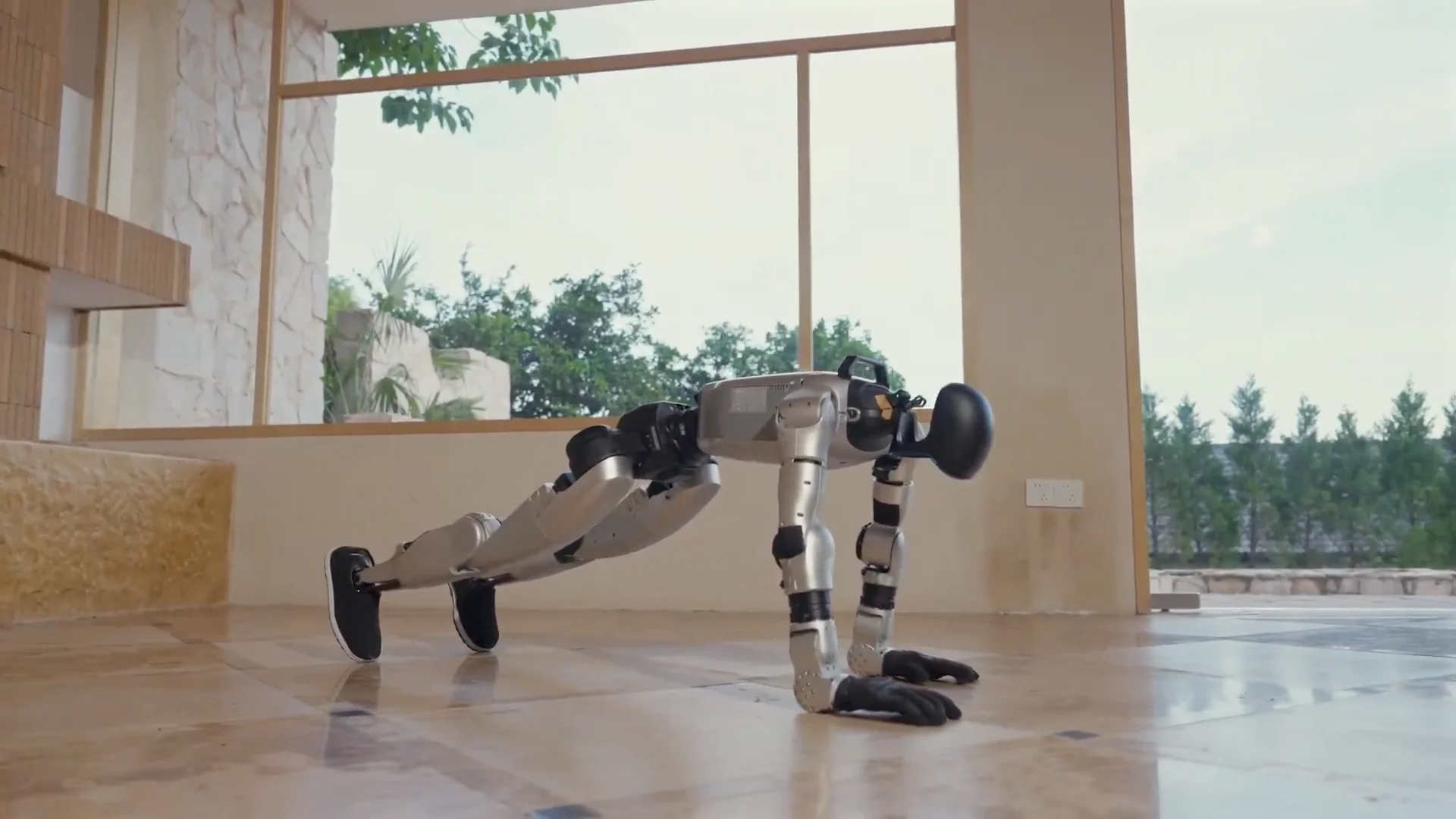
Stabilizing Projections for Mid-2026
Despite the Q1 profit dip, Unitree’s management signaled to investors that the initial financial turbulence is expected to stabilize heading into the summer.
The company provided optimistic projections for the first half of 2026:
- H1 Revenue Forecast: Anticipated to hit between 1.05 billion yuan and 1.13 billion yuan, representing a year-on-year growth rate of 35.6% to 45.4%.
- H1 Profit Trends: The adjusted net profit decline is expected to contract sharply, narrowing to a drop of between 6.4% and 22% compared to H1 2025.
While these numbers remain management estimates rather than firm performance guarantees, they suggest that Unitree is managing its operational efficiencies effectively after absorbing a higher expense base during its explosive 2025 rollout.
The Price War and the Patent Moat
The updated regulatory filing does not shy away from the macro pressures threatening the humanoid sector. Unitree explicitly warned that the broader humanoid robotics hype has begun to cool, and cautioned that if general-purpose commercial adoption or short-term leasing markets weaken, margins could face further strain.
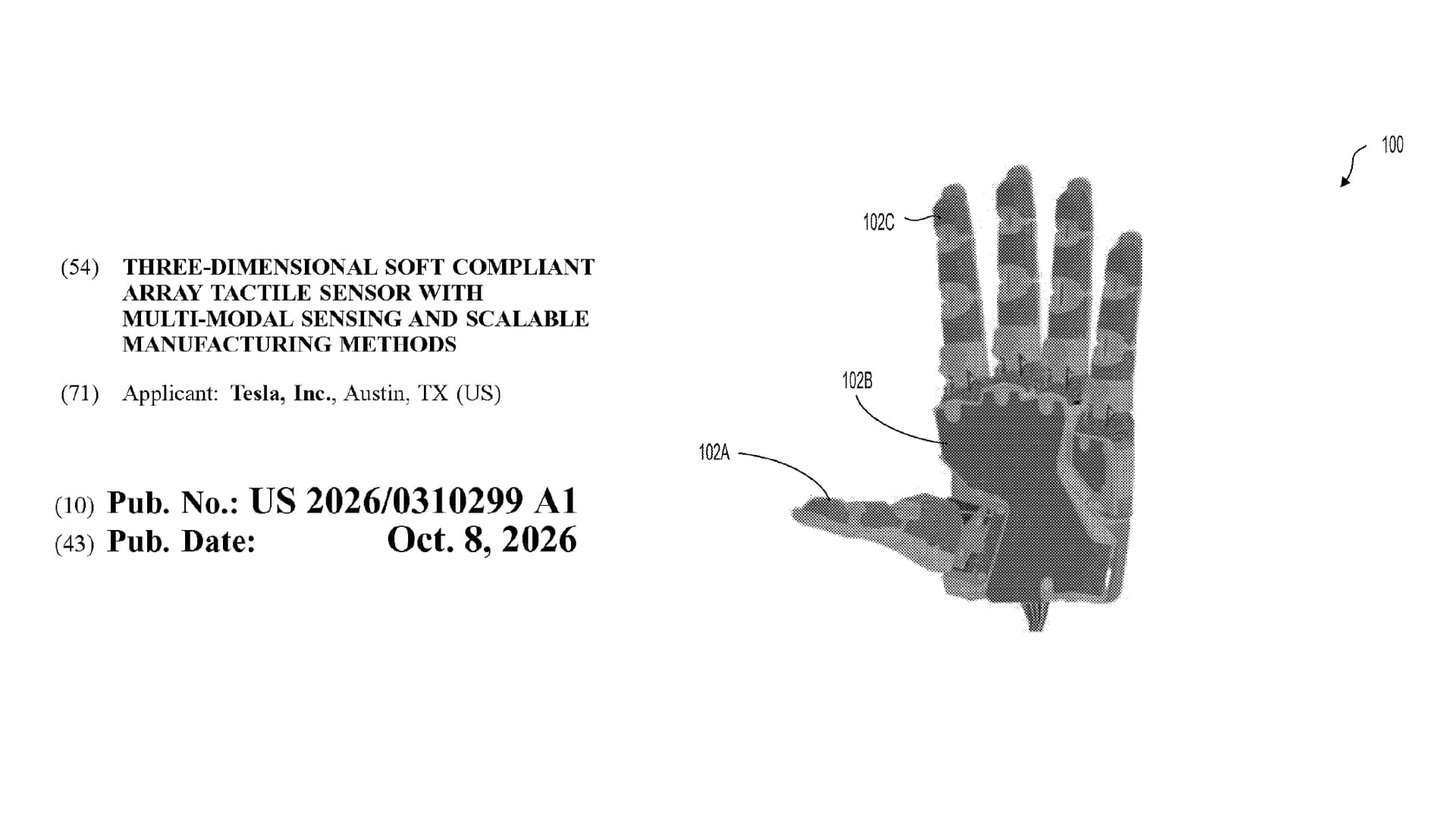
Competition is arriving from all sides. The prospectus highlights rising competitive risks from international initiatives like Tesla's Optimus project, as well as an influx of heavily capitalized Chinese carmakers and consumer electronics companies entering the hardware space. This crowding of the marketplace is stoking fears of a brutal price war that could erode industry margins.
Furthermore, the document sheds light on a vulnerabilities block regarding intellectual property. Because Unitree has historically prioritized trade secrets and technical confidentiality, its registered patent portfolio is relatively lean. As of January 31, 2026, the firm held 262 registered patents globally, including just 20 domestic invention patents. Unitree candidly noted that this modest portfolio could limit its capability to legally block tech-cloning or defend against aggressive IP infringement claims.
Scaling Through Geopolitical Wind
Even with near-term profit compression and intense local competition, Unitree remains an unrivaled volume heavyweight. The filing notes that Unitree shipped more than 30,000 quadruped machines and 4,000 humanoids between 2022 and September 2025. For the full year 2025 alone, its humanoid shipments reached 5,500 units—a volume scale that has allowed platforms like the G1 to deeply penetrate Western academic labs despite intensifying geopolitical tensions in North America.
As Monday’s listing committee approaches, investors will be watching closely to see if Unitree’s raw volume, high-margin foundation, and aggressive R&D strategy can convince regulators that it has the staying power to navigate the transition from hype to industrial utility.
Share this article
Read next
- Published on
- Reading time
- 4 min read
Unitree Soars Over 600% in Shanghai IPO, Cements China’s Lead in Humanoid Hardware
- Published on
- Reading time
- 5 min read
Unitree’s Blockbuster IPO Highlights the Scramble for Embodied AI Supremacy
- Published on
- Reading time
- 4 min read
Unitree Kicks Off STAR Market IPO Amid Deepening US-China Robotics Rivalry
- Published on
- Reading time
- 6 min read
Unitree Clears Major Hurdle with Fast-Track STAR Market IPO Approval
- Published on
- Reading time
- 6 min read
Unitree Files for $580M IPO: Humanoid Sales Surpass Robot Dogs as Profits Soar
- Published on
- Reading time
- 4 min read
Unitree Completes IPO Tutoring, Clearing Key Hurdle for A-Share Listing




The weekly humanoid robotics briefing
One email a week: the launches, funding and research that mattered, with context from Humanoids Daily.
Read recent issues