- Published on
The Adcock Triad: Inside the $1M-a-Month Sprint to General Robotics
One tap, and our reporting appears more often in your Google Top Stories. It makes a real difference to a small newsroom.

Supported by RoboStrategySupport for Humanoids Daily comes from RoboStrategy
Sponsored
Investing involves risk, including possible loss of principal. Read the prospectus before investing.
- Brett Adcock confirmed he dissolved Figure's partnership with OpenAI because his internal team was "running circles" around the AI lab's robotics efforts.
- Figure is targeting a massive production ramp at its BotQ facility, aiming to triple March output by May and eventually reach 1 million units per year.
- Adcock is simultaneously scaling Cover, a school safety firm using NASA-derived terahertz imaging, and Hark, an AI lab focused on personalized intelligence hardware.
- The CEO maintains a "11 out of 10" effort level, having self-funded Figure with a $1 million monthly burn rate during its first four months of operation.
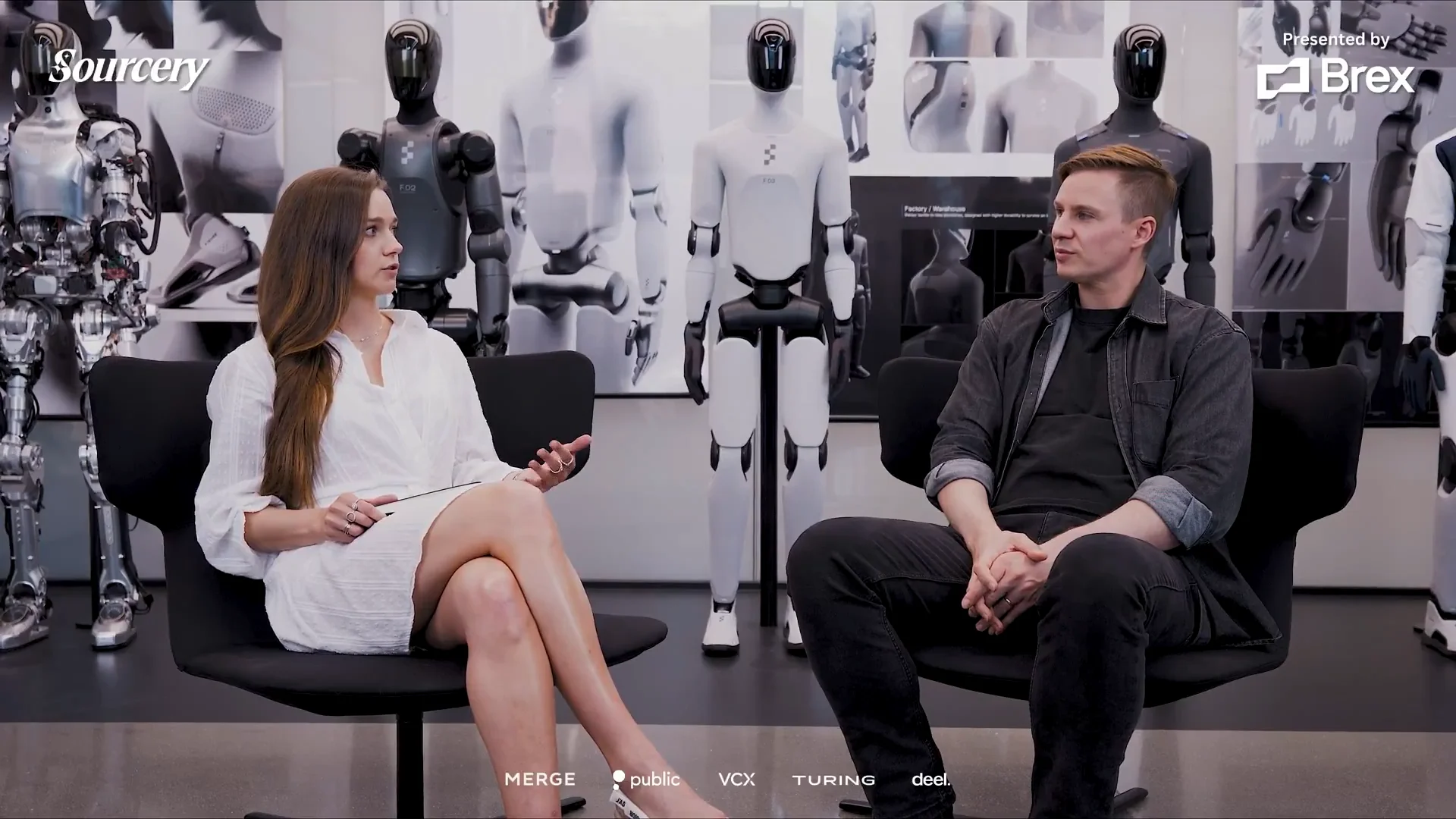
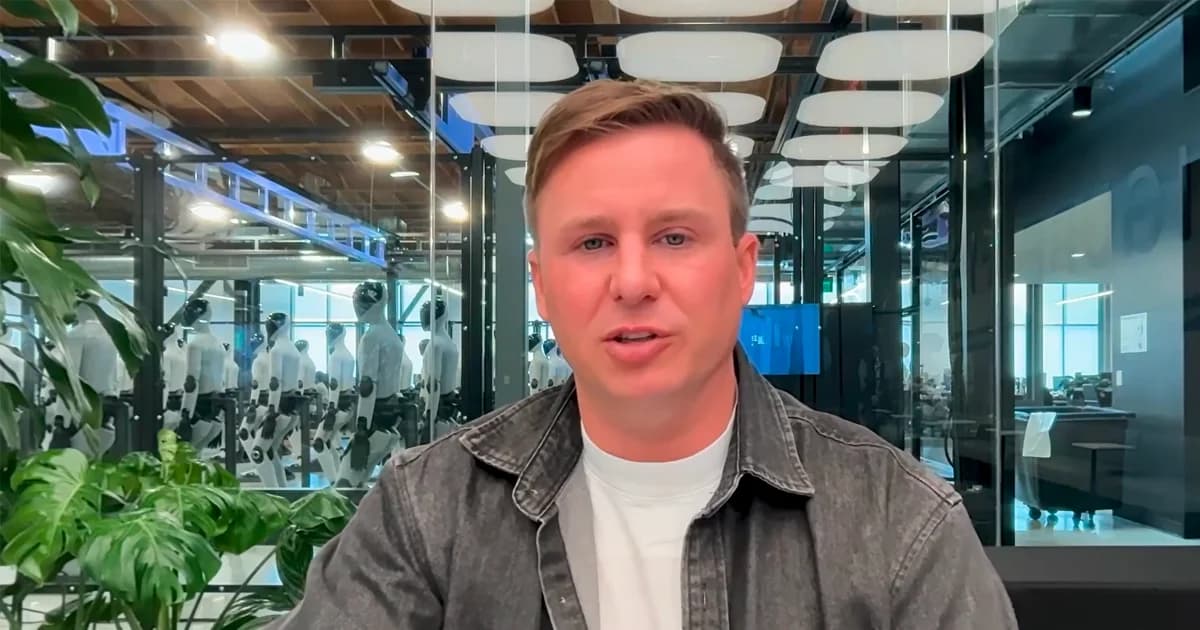
In a sprawling interview with Molly O’Shea for the Sourcery podcast, Figure CEO Brett Adcock provided a rare, unvarnished look at the internal mechanics of his $39 billion robotics empire. While Adcock has never been shy about his "hardcore" approach to engineering, the discussion highlighted the sheer scale of his ambition: a vertically integrated future where humanoids, school security, and personalized AI hardware are all managed under a single, high-intensity leadership philosophy.
The OpenAI Split: "I Fired Them"
One of the most significant revelations in the interview was Adcock’s blunt explanation for the end of Figure’s partnership with OpenAI. While the collaboration was initially seen as a landmark alliance between LLM expertise and physical robotics, Adcock suggested the reality was far more lopsided.
Adcock reiterated claims made previously that Figure’s internal team—largely comprised of veterans from Google DeepMind—was outpacing OpenAI in testing and training models on physical hardware. "We were just way better at this, so I fired them," Adcock stated, adding that the relationship became a strategic liability once it became clear Figure was effectively teaching OpenAI how to approach robot learning while receiving diminishing returns.
This pivot has allowed Figure to double down on its own "omni-model" architecture, which powers the Helix 02 system to compute torque directly from pixels without third-party interference.
The weekly humanoid robotics briefing
One email a week: the launches, funding and research that mattered, with context from Humanoids Daily.
Read recent issuesThe BotQ Machine and the $1M Burn
Scaling Figure has not been an exercise in cautious growth. Adcock revealed that in the company's first four months, he self-funded the venture through a burn rate of $1 million per month to hire a 40-person "best athlete" team.
That early sprint has transitioned into a manufacturing race at the company's BotQ facility. Adcock confirmed that Figure hit record production levels in March 2026 and plans to triple that output by May. The long-term target is staggering: 1 million units per year. To achieve this, Figure has adopted a strategy of total vertical integration, designing everything from motors and rotors to battery packs and sensors in-house.
"Without that, you're like left at the mercy of some vendor," Adcock noted. This philosophy of "supply chain decoupling" is central to his goal of removing nearly all Chinese components from the Figure 03 by summer 2026.
Beyond Humanoids: Cover and Hark
While Figure captures the most headlines, Adcock revealed he is applying the same high-intensity model to two other ventures:
- Cover: A security company focused on school safety. Adcock spun out and acquired IP from the NASA Jet Propulsion Lab (JPL) involving "terahertz imaging radar." The technology, originally used to detect explosives in war zones from a distance, is being repurposed to detect concealed weapons in K-12 schools. Adcock plans to deploy beta units to schools by the end of 2026.
- Hark: An AI lab and hardware company launched in late 2025. Hark is focused on "personalized intelligence" and designing new devices that move beyond the "20-year-old interface" of phones and laptops. The lab recently secured a full datacenter of NVIDIA B200 GPUs to train these next-generation models.
The Price of 11/10 Effort
The interview also touched on the personal cost of building what Adcock calls "the most important businesses of our lifetime." Adcock described a life of radical prioritization, having cut out almost all social activities—including golf trips and dinner with old friends—to focus exclusively on his family and his companies.
"I want to play the game like 11 out of 10," he said, reflecting a competitive drive that views the humanoid race as an "intelligence problem" rather than a manufacturing one.
However, this "move fast" culture remains under scrutiny. While Adcock speaks of robots "almost killing" him to get right, the company is still navigating the fallout of a whistleblower lawsuit alleging that the pursuit of speed has at times compromised safety.
Adcock admitted that the path to "general robotics"—a machine that can do anything a human can—is a "fun house of problems" that has yet to be fully solved. But with a production line now moving at one robot per hour, Figure is betting that the sheer volume of data and vertical control will be enough to crack the code of physical AI.
Share this article
Read next
- Published on
- Reading time
- 6 min read
Figure CEO Brett Adcock Claims Humanoids Are Already Delivering ROI Amid Severe Labor Shortages
- Published on
- Reading time
- 4 min read
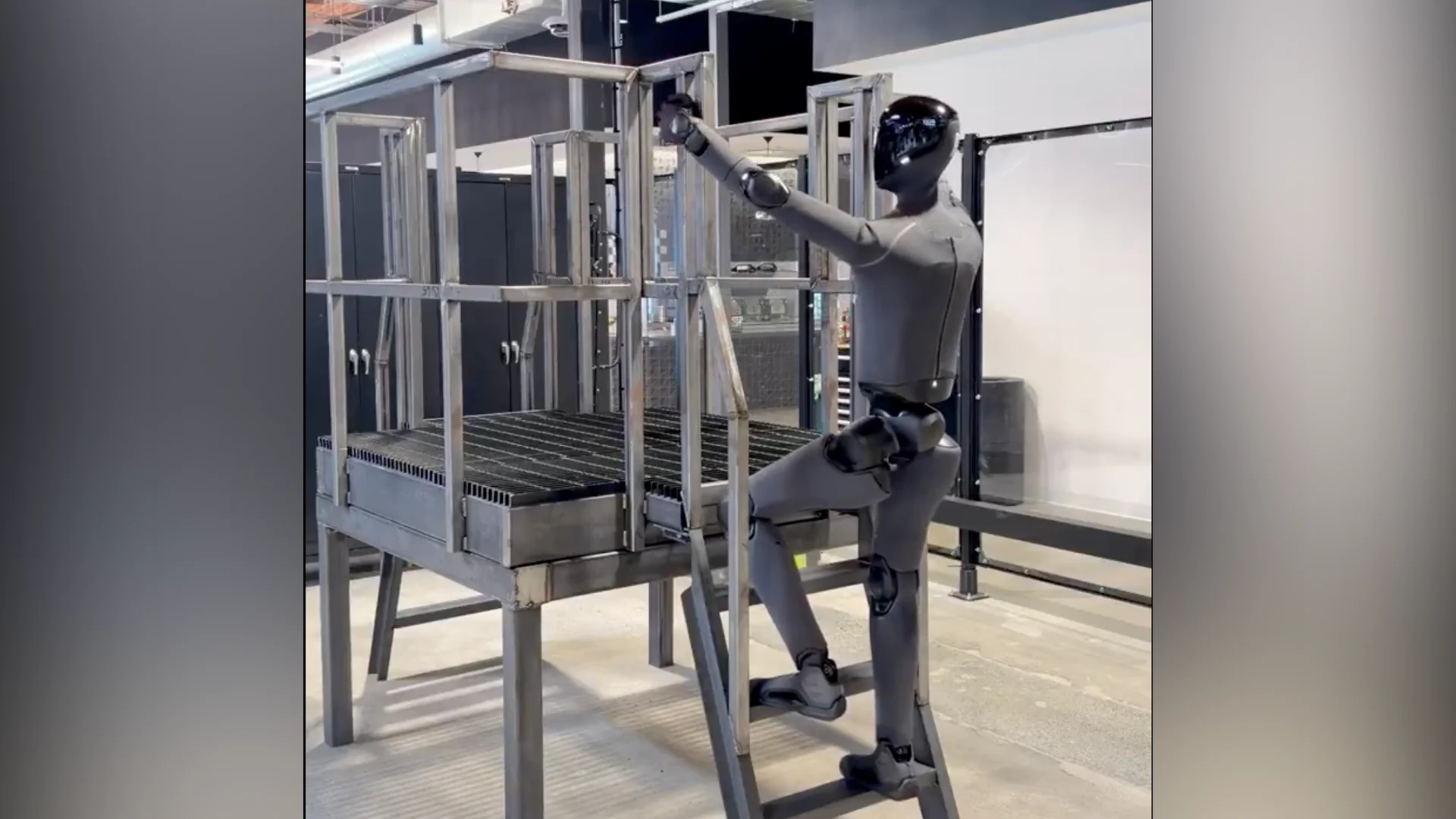
Stepping Up: Figure 03 Achieves Autonomous Ladder Climbing, Reigniting the Bipedal Debate
- Published on
- Reading time
- 4 min read
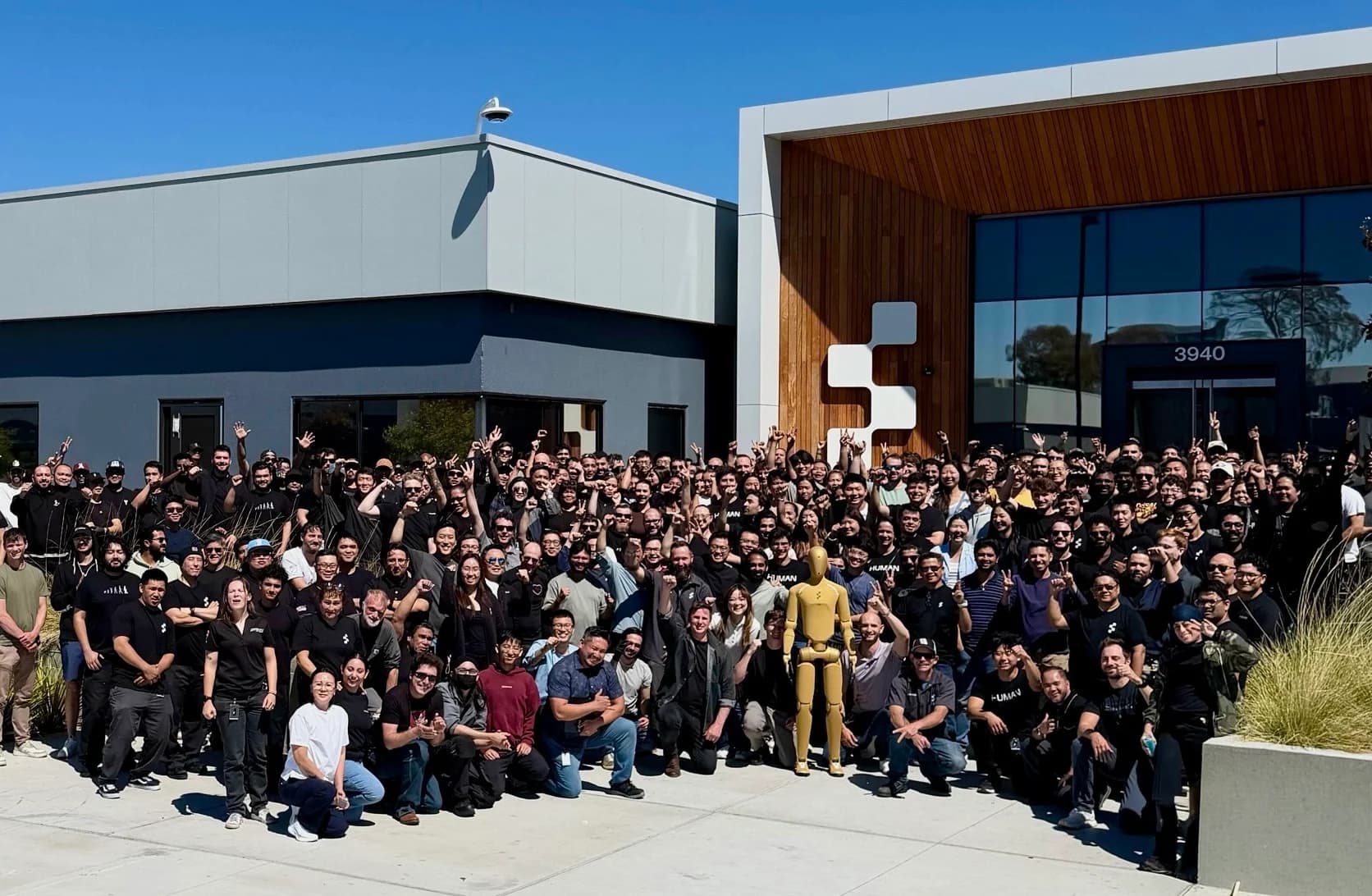
A Golden Milestone: Figure Manufactures Its 1,000th Figure 03 Humanoid
- Published on
- Reading time
- 4 min read
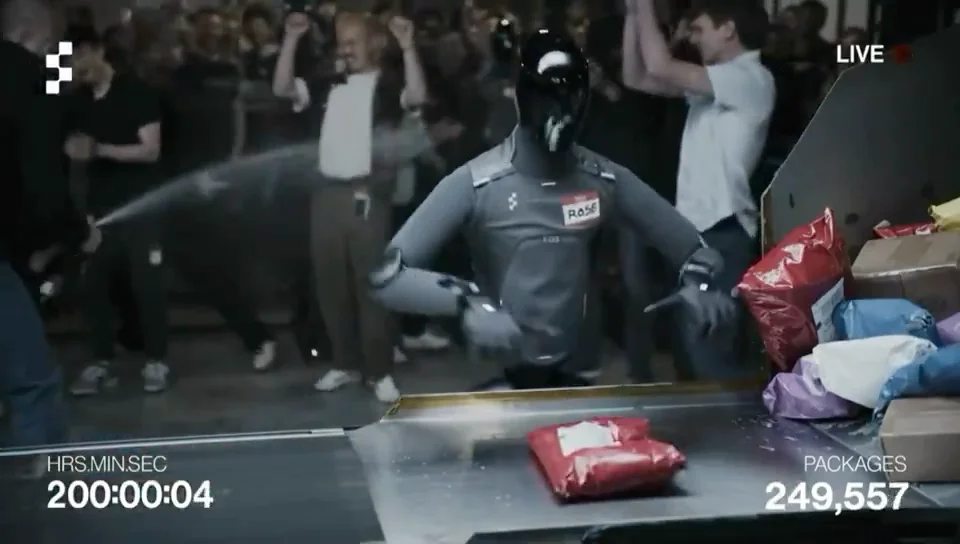
Figure AI Pops Champagne as Autonomous Marathon Crosses 200 Hours Without Hardware Failure
- Published on
- Reading time
- 5 min read
Man vs. Machine: Figure AI Intern Edges Out Humanoid Fleet in 10-Hour Sorting Challenge
- Published on
- Reading time
- 8 min read
Beyond the 60-Hour Mark: Figure AI’s Endurance Marathon Signals Playbook for Figure 4 and Supply Chain Independence
The weekly humanoid robotics briefing
One email a week: the launches, funding and research that mattered, with context from Humanoids Daily.
Read recent issues