- Published on
Inside the Campus: Figure’s Plan for 24/7 Autonomy and Leasable Home Robots
One tap, and our reporting appears more often in your Google Top Stories. It makes a real difference to a small newsroom.

Supported by RoboStrategySupport for Humanoids Daily comes from RoboStrategy
Sponsored
Investing involves risk, including possible loss of principal. Read the prospectus before investing.
- Figure’s "Never Fall" protocol, powered by the Vulcan AI policy, allows robots to remain upright and "limp" to safety even after total mechanical failure in the legs.
- The company is targeting a car-like lease model for domestic robots, with projected costs between $400 and $600 per month for 24/7 household assistance.
- All robots now run on the Helix 02 "omni-model," a Vision-Language-Action (VLA) neural network that operates on-board and offline to manage potential body states.
- CEO Brett Adcock argues that physical interaction data—the ability to touch and feel the world—is the "last missing piece" required to achieve Artificial General Intelligence (AGI).
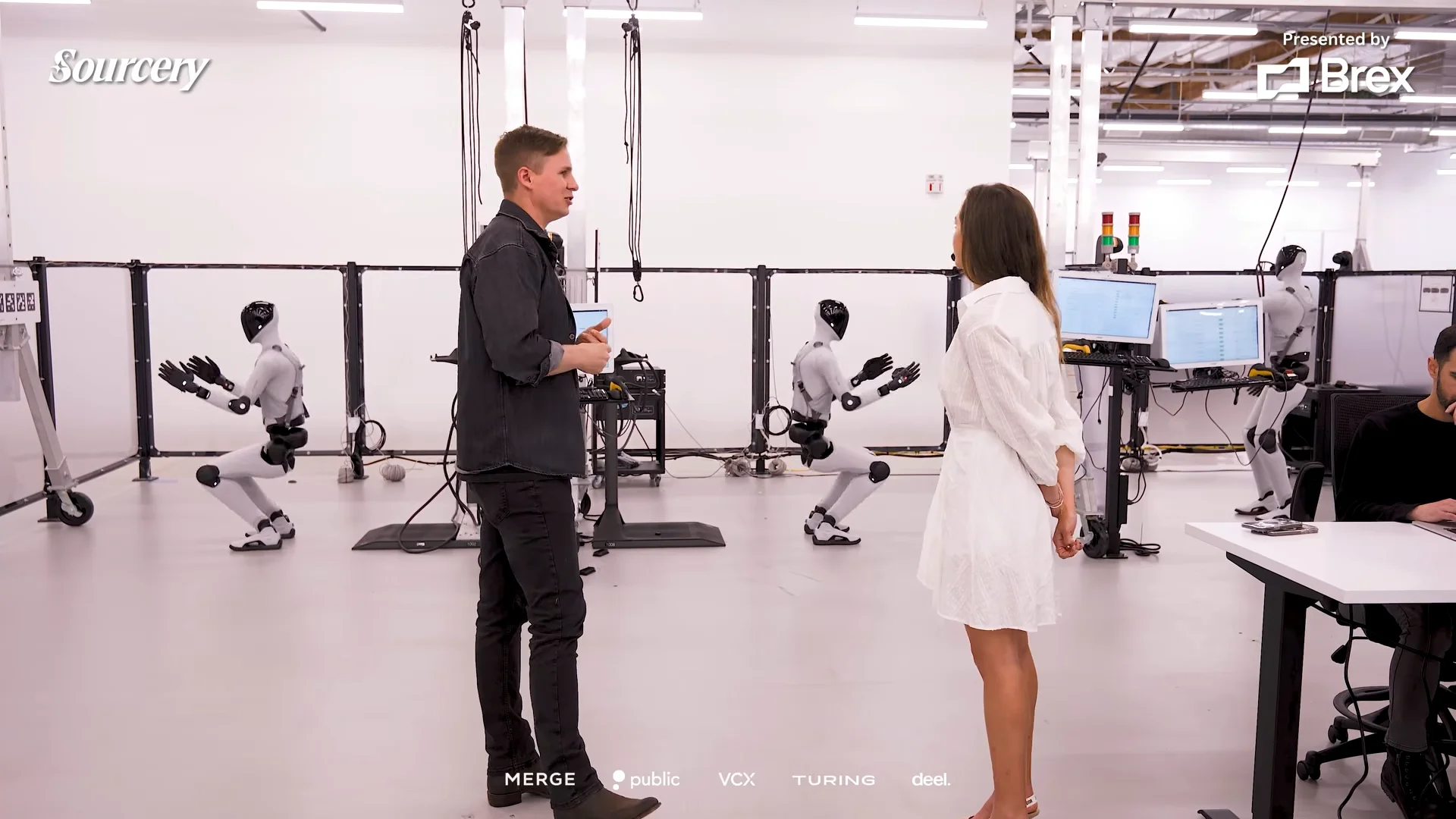
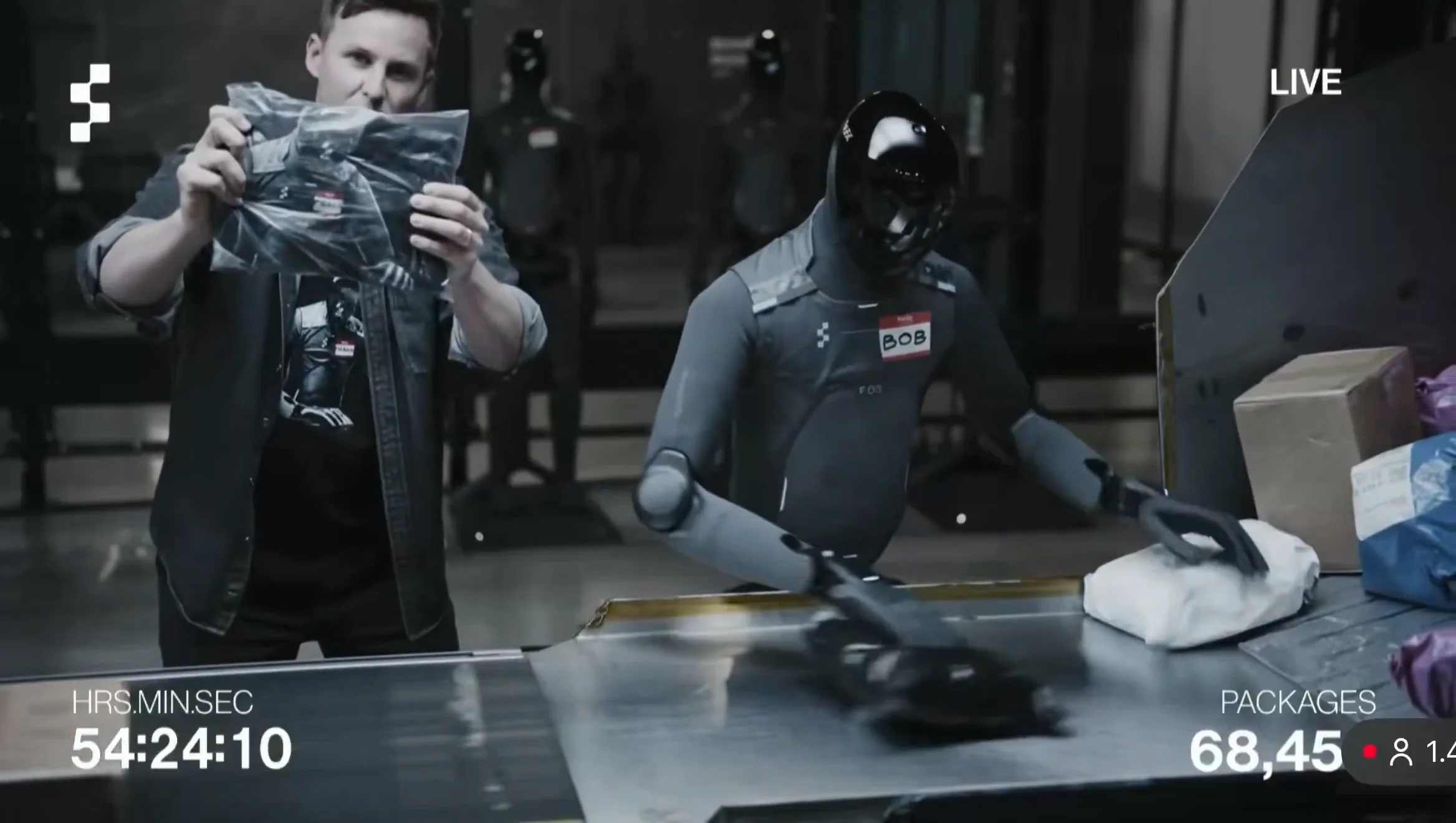
In the concluding installment of a deep-dive tour with Molly O’Shea (following the first part of the series), Figure CEO Brett Adcock opened the doors to the company’s Sunnyvale "Robot Campus." The tour, which spanned from high-security design labs to the BotQ manufacturing facility, revealed a company transitioning from a pure research lab into a high-output production machine focused on 24/7 reliability.
With a current headcount of roughly 500 employees, Figure is scaling its internal fleet to "a few hundred" robots. Adcock noted that his ultimate goal for the headquarters is to have more humanoid robots than humans walking the halls—a metric intended to stress-test the hardware in the same "unstructured" environments humans inhabit.
The "Never Fall" Protocol
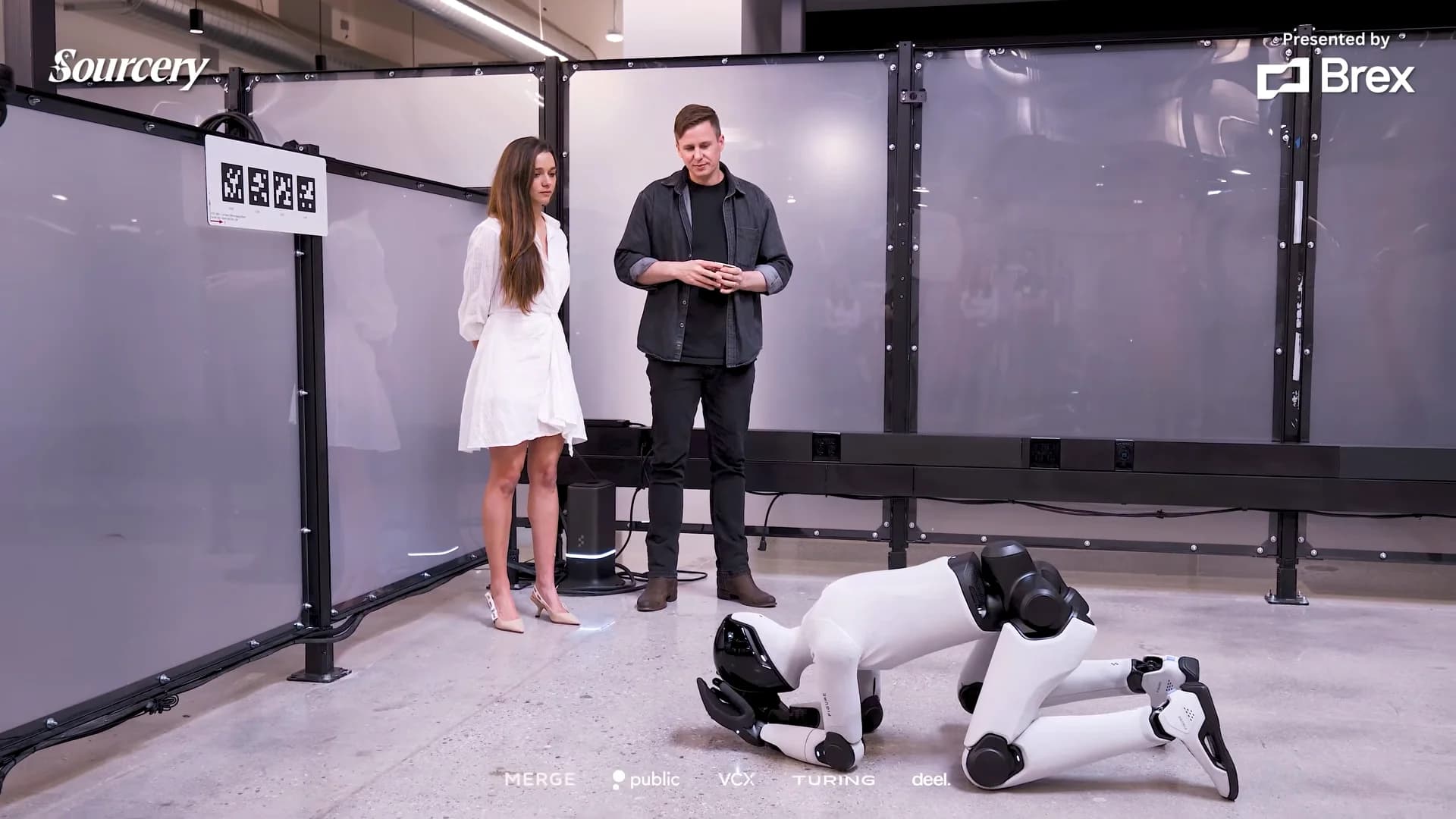
A recurring theme of the tour was the shift from fragile prototypes to industrial-grade resilience. Adcock highlighted an internal initiative dubbed "Never Fall," aimed at eliminating the catastrophic collapses that plague many humanoid projects. This is achieved through the Vulcan project, a reinforcement-learned controller that allows the Figure 03 to adapt to hardware failures in real-time.
In a live demonstration, the robot was shown "hobbling" on a locked left knee. Rather than falling, the AI policy autonomously adjusted the robot’s center of mass to compensate for the dead joint. Adcock explained that the system can "velocity lock" a failing limb, allowing the machine to limp off to a maintenance bay for service without human intervention. This capability is critical for Figure’s vision of "lights-out" operations, where robots must self-triage during 2:00 AM shifts.
The weekly humanoid robotics briefing
One email a week: the launches, funding and research that mattered, with context from Humanoids Daily.
Read recent issues24/7 Autonomy and Wireless Refueling
To maintain continuous operation, Figure has abandoned manual plug-in charging in favor of 2kW wireless inductive charging built directly into the robots' feet. The Figure 03 typically operates for four to five hours on a single charge before autonomously docking for one hour of refueling.
The campus utilizes a "hot-swap" strategy for logistics and manufacturing tasks. When a robot reaches roughly 10%–15% battery, a fresh unit undocks to replace it. According to Adcock, this transition takes less than 30 seconds, ensuring that the work—whether it is industrial package sorting or domestic cleaning—never stops.
Importantly, the Helix 02 architecture runs entirely on-board the robot’s torso-mounted GPUs. While the machines are equipped with 5G and Wi-Fi, they do not require an internet connection to perform tasks, a design choice Adcock says is essential for both privacy and operational stability in "unseen" environments.
Embodied AGI: The Shortcut to Intelligence?
Adcock offered a provocative take on the path to Artificial General Intelligence, suggesting that humanoids might reach AGI before digital-only models. He argued that most human intelligence is derived from physical interaction—touching the world and witnessing the results through trial and error.
"This interaction data of like touching the world and seeing what happens... it actually might be the case that we get to AGI first in these embodiments," Adcock stated. By collecting data from a global fleet of robots, Figure hopes to achieve "positive transfer," where a robot learning to fold a towel in a Sunnyvale lab improves the performance of a robot performing autonomous living room tidying in a customer's home.
The Economics of a Home Robot
While Figure recently celebrated a White House debut, the company is already eyeing the mass consumer market. Adcock revealed a potential pricing strategy modeled after the automotive industry: a lease ranging between $400 and $600 per month.
To reach this price point, Figure has focused on radical cost reduction and maintenance-friendly hardware. The current robots feature fabric "suits" with rear zippers, allowing non-technicians to swap out damaged aesthetics or "merch" easily. The high-top sneakers are also functional, acting as the interface for the charging docks while housing a new "passive toe" design to assist with crouching and getting up from the ground.
As the company moves toward the design of Figure 4, which Adcock claims will be an "iPhone 1 moment" for the industry, the focus remains on the hands. Having iterated through seven generations of technology (including the recently teased 7th-generation hands), Adcock believes that the combination of tactile sensing and mass-produced hardware will finally deliver on the promise of a general-purpose machine that can "do everything a human can."
Share this article
Read next
- Published on
- Reading time
- 6 min read
Figure CEO Brett Adcock Claims Humanoids Are Already Delivering ROI Amid Severe Labor Shortages
- Published on
- Reading time
- 4 min read
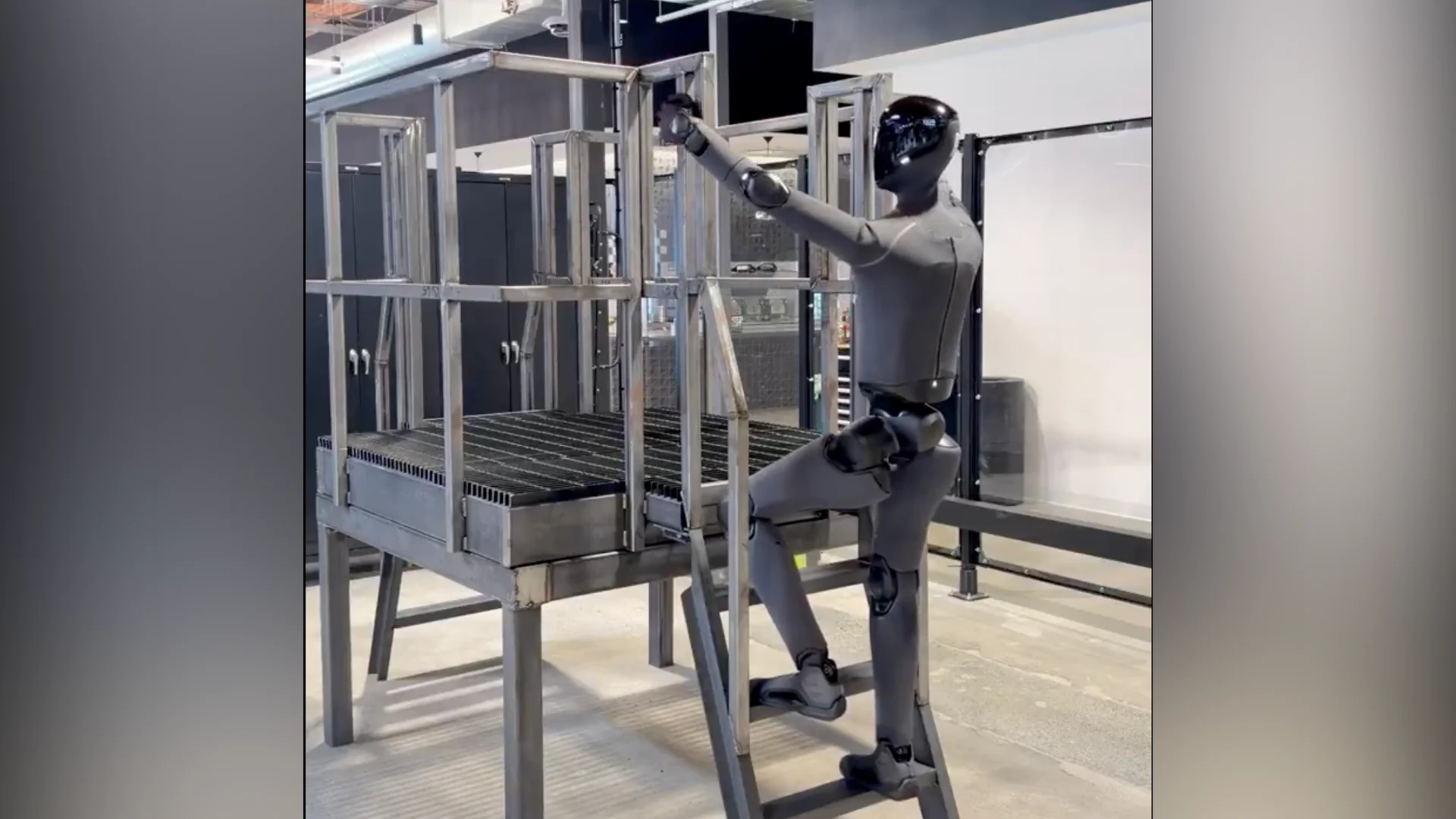
Stepping Up: Figure 03 Achieves Autonomous Ladder Climbing, Reigniting the Bipedal Debate
- Published on
- Reading time
- 4 min read
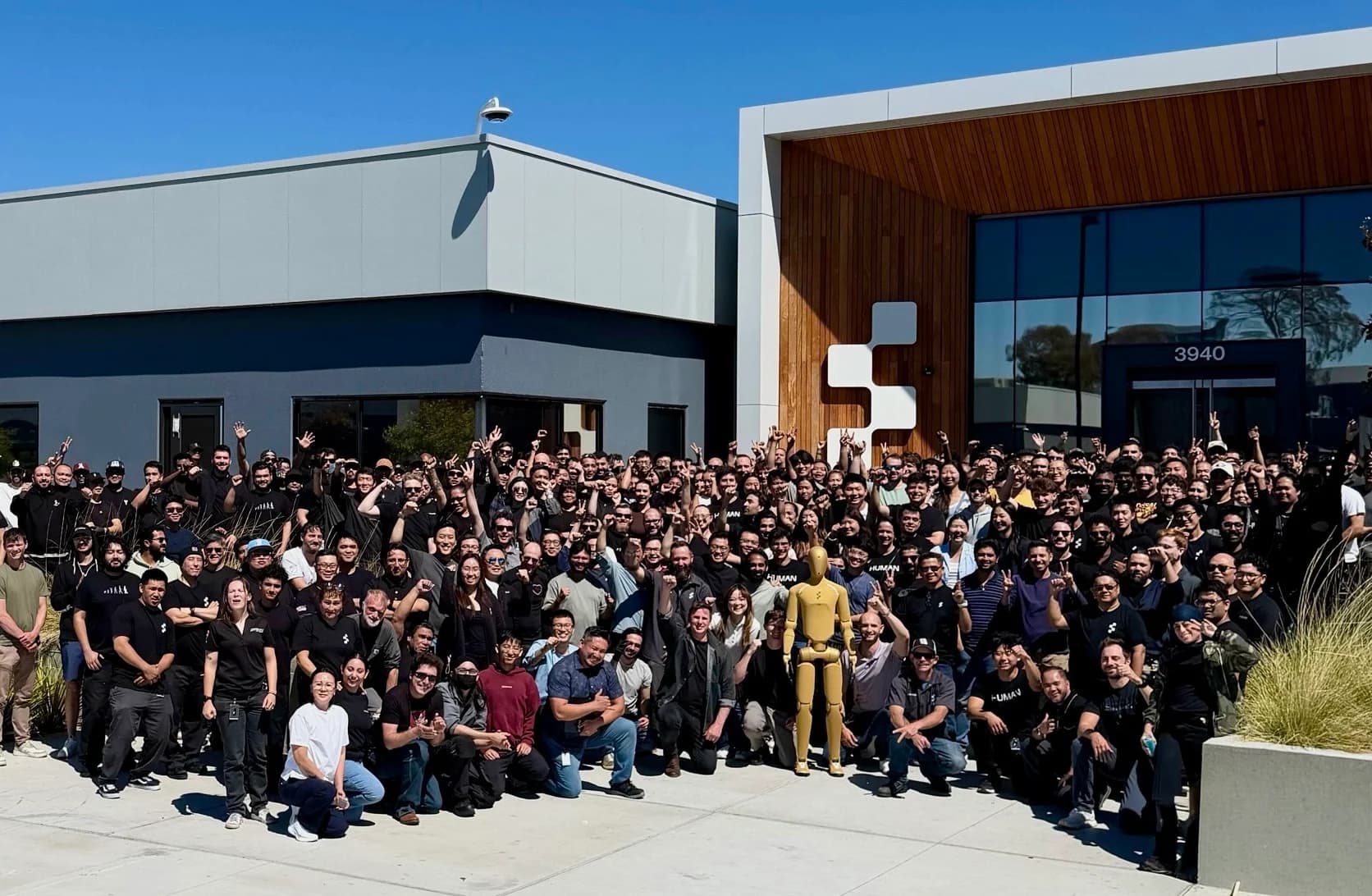
A Golden Milestone: Figure Manufactures Its 1,000th Figure 03 Humanoid
- Published on
- Reading time
- 4 min read
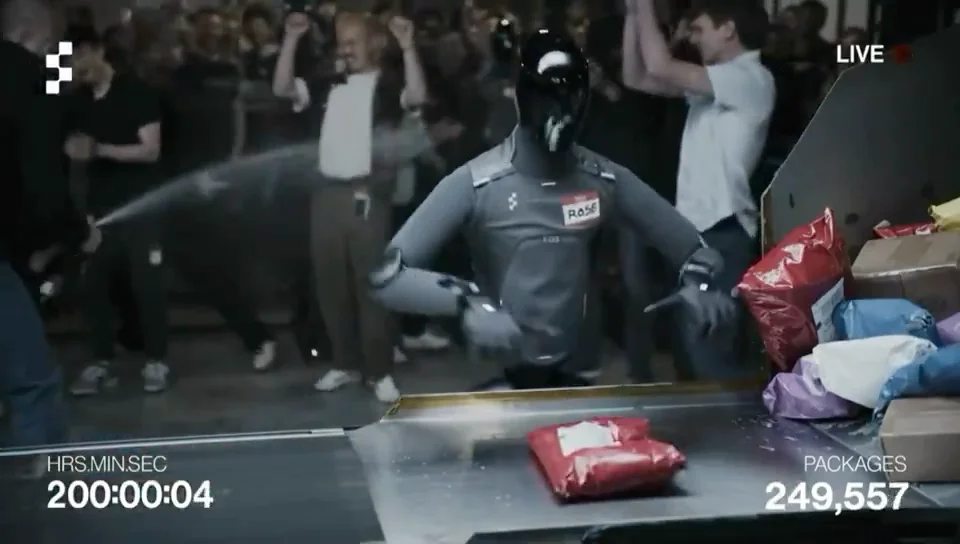
Figure AI Pops Champagne as Autonomous Marathon Crosses 200 Hours Without Hardware Failure
- Published on
- Reading time
- 5 min read
Man vs. Machine: Figure AI Intern Edges Out Humanoid Fleet in 10-Hour Sorting Challenge
- Published on
- Reading time
- 8 min read
Beyond the 60-Hour Mark: Figure AI’s Endurance Marathon Signals Playbook for Figure 4 and Supply Chain Independence


The weekly humanoid robotics briefing
One email a week: the launches, funding and research that mattered, with context from Humanoids Daily.
Read recent issues