- Published on
Modularizing the Last Mile: AGIBOT Unveils Genie Studio Agent to Scale Robot Deployment
One tap, and our reporting appears more often in your Google Top Stories. It makes a real difference to a small newsroom.


This article is part of AGIBOT AI Week — a collaboration between Humanoids Daily and AGIBOT.
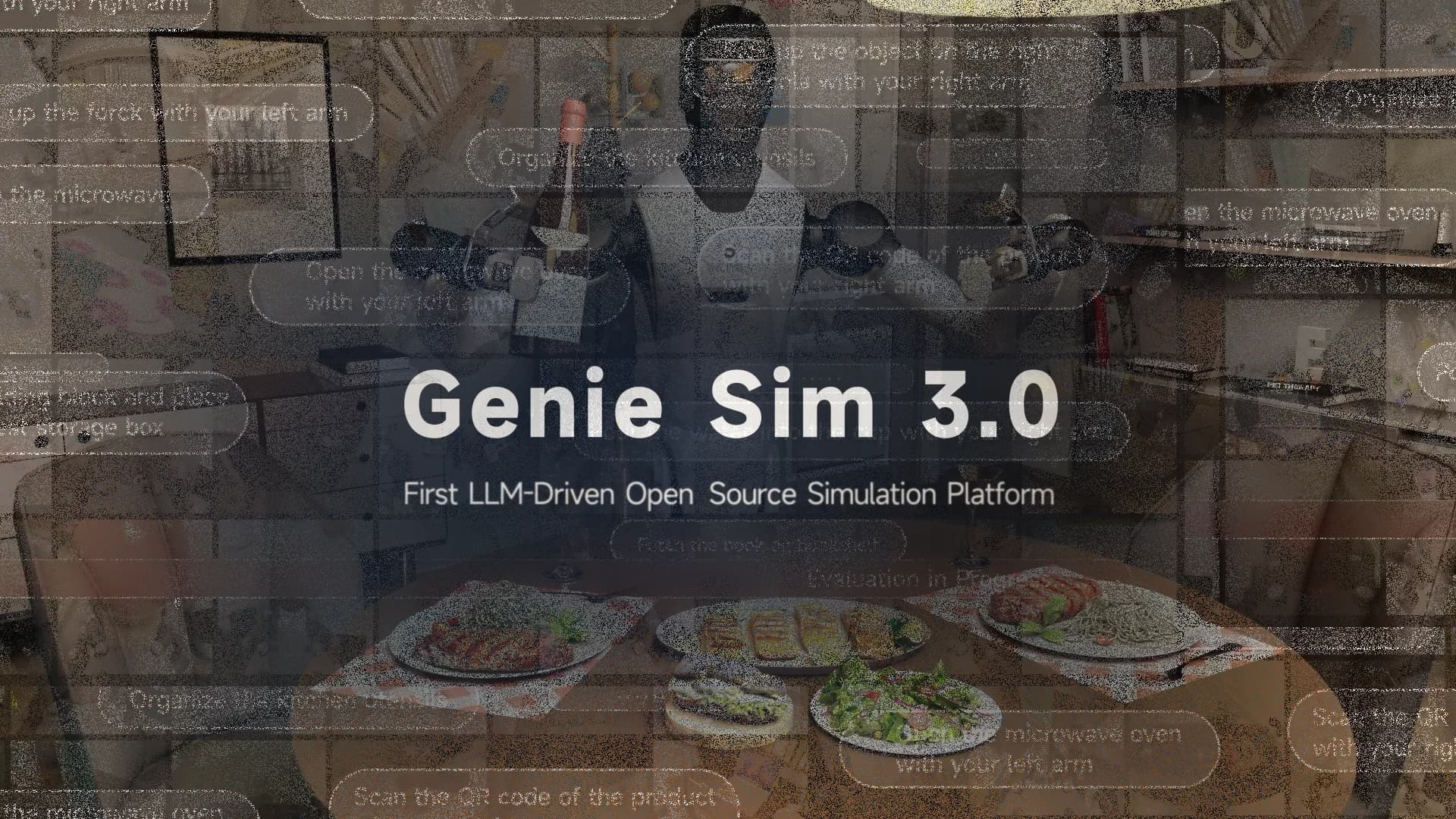
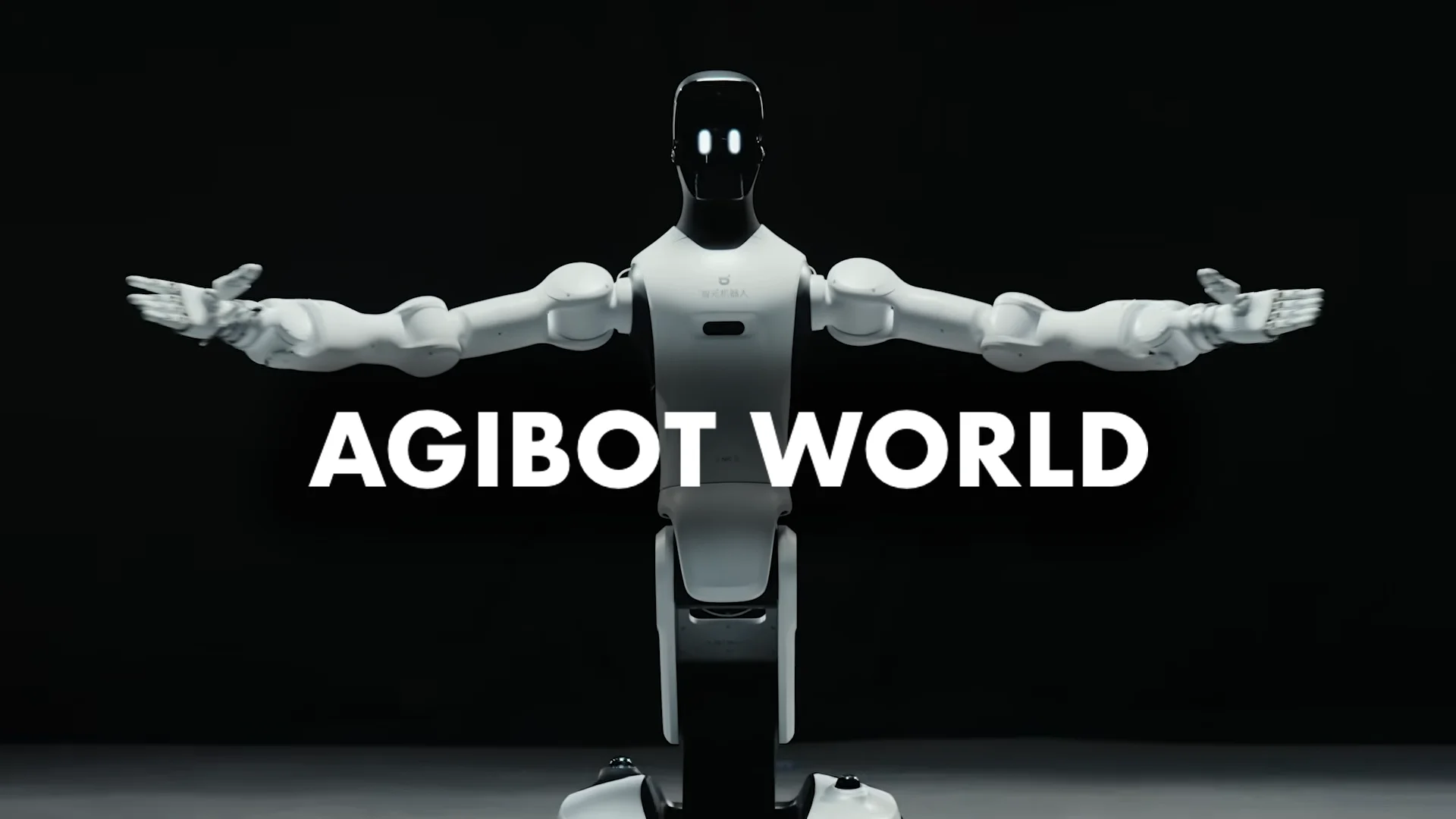
The first four days of AGIBOT AI Week have traced a clear trajectory: from the massive AGIBOT WORLD 2026 dataset that solved the data bottleneck, to the Genie Sim 3.0 and Genie Envisioner 2.0 simulation engines, and finally to the GO-2 foundation model that unified reasoning and action.
However, even the most sophisticated Vision-Language-Action (VLA) models face a terminal hurdle: the "Last Mile" of deployment. Historically, moving a humanoid robot from a laboratory demo to a factory floor has required weeks of custom code, site-specific engineering, and high operational risk.
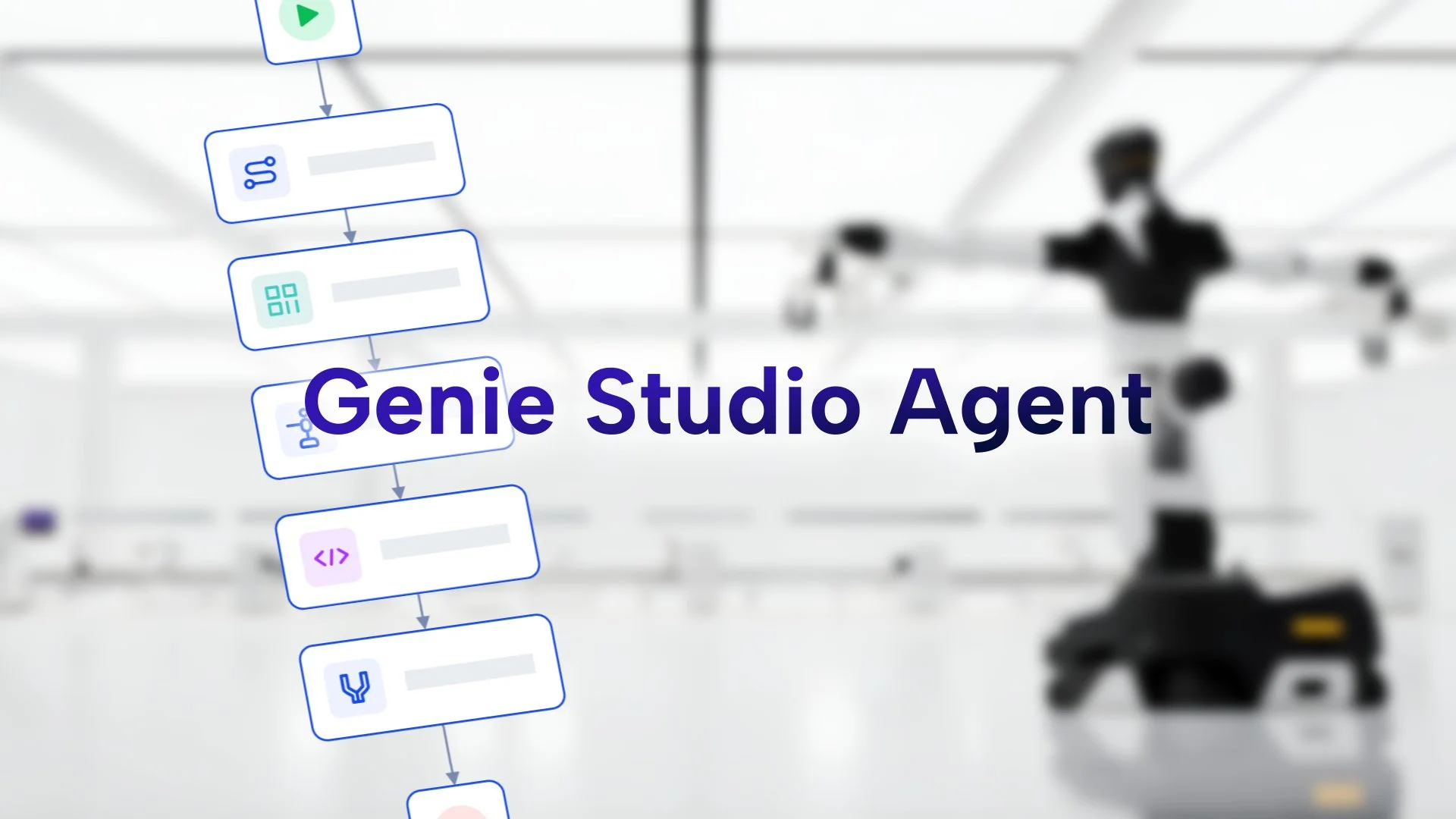
Today, AGIBOT aims to turn that hurdle into a gateway. The company has announced Genie Studio Agent, a zero-code application platform designed to make building and scaling robot applications as simple as assembling blocks.
From Custom Engineering to Orchestration
The industry has long treated robot deployment as a bespoke project. Each new environment—be it a warehouse, a laboratory, or a workshop—traditionally demands a specialized team of engineers to integrate perception, navigation, and manipulation stacks.
The weekly humanoid robotics briefing
One email a week: the launches, funding and research that mattered, with context from Humanoids Daily.
Read recent issuesGenie Studio Agent represents a strategic shift from delivering capabilities to building infrastructure. Building upon the Genie Studio development platform launched in 2025, the new "Agent" layer provides a full-lifecycle software environment. It allows non-technical users to manage the entire deployment workflow—development, operation, and optimization—without writing a single line of code.
The Four Technical Pillars of Scalable Deployment
To move beyond project-based delivery toward ecosystem-driven scaling, AGIBOT has anchored the platform on four core capabilities:
- No-Code Workflow Orchestration: The platform modularizes complex robotic functions. Elements like torque-controlled grasping, high-frequency navigation, and VLA-driven decision-making are encapsulated into reusable "nodes." Using a visual task editor, operators can design intricate workflows by dragging and connecting these components, shifting control from software engineers to scenario-driven domain experts.
- Simulation-First Validation: Integration with AGIBOT’s existing simulation stack is seamless. Before a robot ever touches the physical floor, its path planning and task execution are validated within a 3D reconstructed digital twin. This minimizes on-site debugging and prevents costly hardware downtime during integration.
- Real-World Reinforcement Learning (RL): Unlike static scripts, Genie Studio Agent enables "on-the-job" learning. Robots can refine their strategies via real-time feedback loops, combining force sensing and visual perception to optimize high-precision tasks—such as inserting delicate components—over repeated iterations.
- End-to-End Monitoring: The platform provides a unified visualization of system states and anomalies. This shifts the maintenance paradigm from reactive (fixing a robot after it fails) to proactive (identifying drifts in performance before a failure occurs).
Case Study: High-Precision Semiconductor Handling
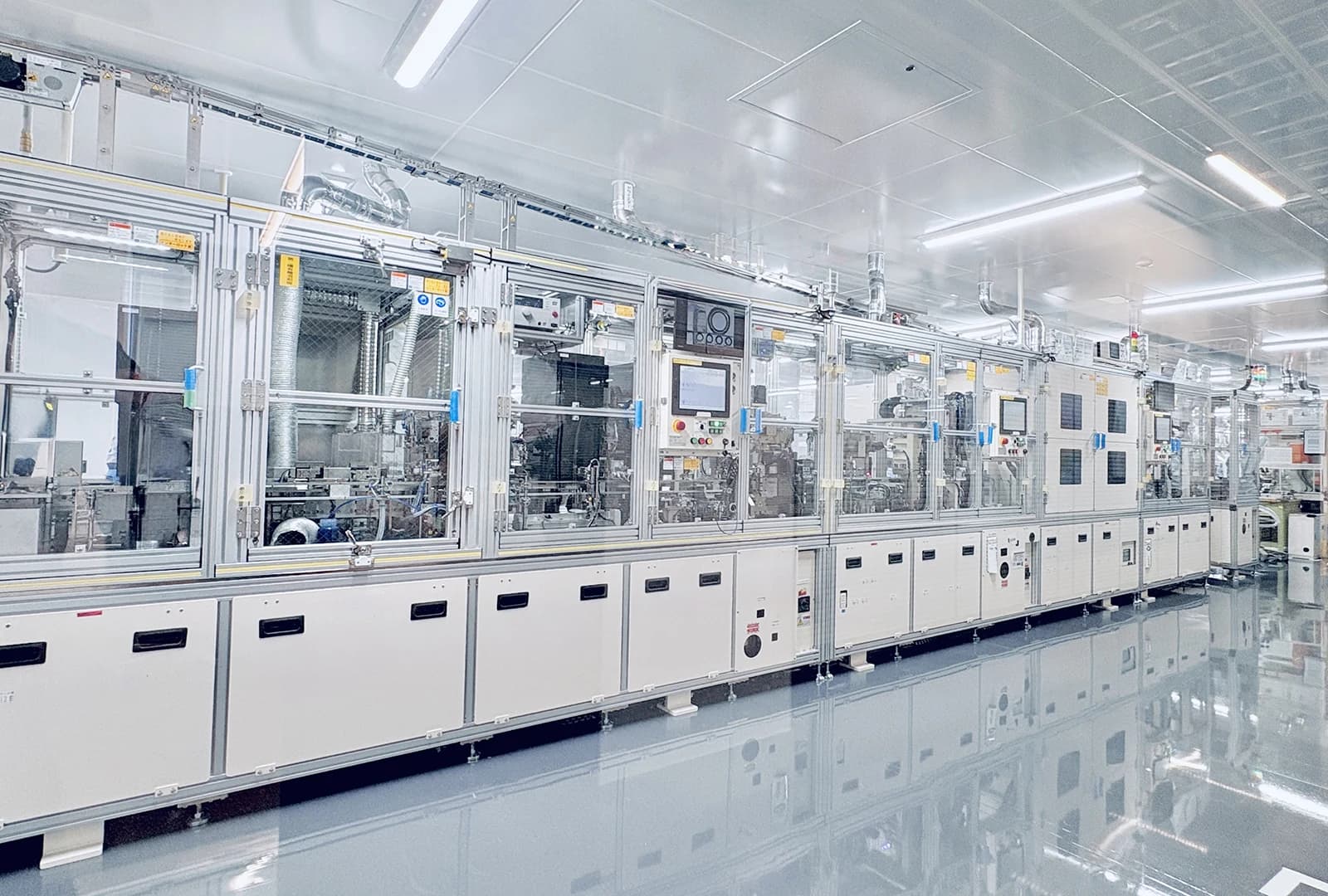
The efficacy of Genie Studio Agent is already being demonstrated in the high-stakes environment of semiconductor manufacturing. In collaboration with Huatian Technology, AGIBOT has deployed the platform to power a full wafer-handling workflow for packaging and testing.
The deployment requires the robot to navigate complex cleanroom environments, perform high-precision pose adjustments, and execute force-controlled grasping of fragile materials. By utilizing the modular framework of Genie Studio Agent, the team was able to integrate these disparate stages into a stable, unified execution pipeline far faster than traditional integration methods allow.
The Infrastructure Play
As embodied AI moves toward the "Unity of Reasoning and Action" showcased by the GO-2 model, the bottleneck is no longer just intelligence—it is accessibility.
By open-sourcing its data and standardizing its deployment tools, AGIBOT is betting that the winner of the humanoid race won't just be the company with the smartest robot, but the one that makes those robots easiest to employ. As AGIBOT notes, "When deployment becomes simple, applications can scale."
For technical specifications and to explore the platform, visit the Genie Studio Agent documentation.
Share this article
Read next
- Published on
- Reading time
- 4 min read
The Era of Embodied AGI Begins: AGIBOT and Longcheer Deploy World’s First Humanoid-Led Mass Production Line
- Published on
- Reading time
- 5 min read
From Representation to Reality: AGIBOT Unveils Genie Envisioner 2.0 as a Scalable “World Simulator”
- Published on
- Reading time
- 6 min read
Bridging the Semantic-Actuation Gap: AGIBOT Unveils the GO-2 Embodied Foundation Model
- Published on
- Reading time
- 4 min read
The Synthetic Engine: How AGIBOT Genie Sim 3.0 Resolves the Embodied AI Data Bottleneck
- Published on
- Reading time
- 5 min read
The Data Bottleneck: Why AGIBOT is Open-Sourcing its Real-World Training Library
- Published on
- Reading time
- 4 min read
AGIBOT Brings 300-Plus Robots to Chimelong Theme Park
The weekly humanoid robotics briefing
One email a week: the launches, funding and research that mattered, with context from Humanoids Daily.
Read recent issues