- Published on
Unitree H1 Reclaims Speed Record with Blistering 10 m/s Sprint
One tap, and our reporting appears more often in your Google Top Stories. It makes a real difference to a small newsroom.

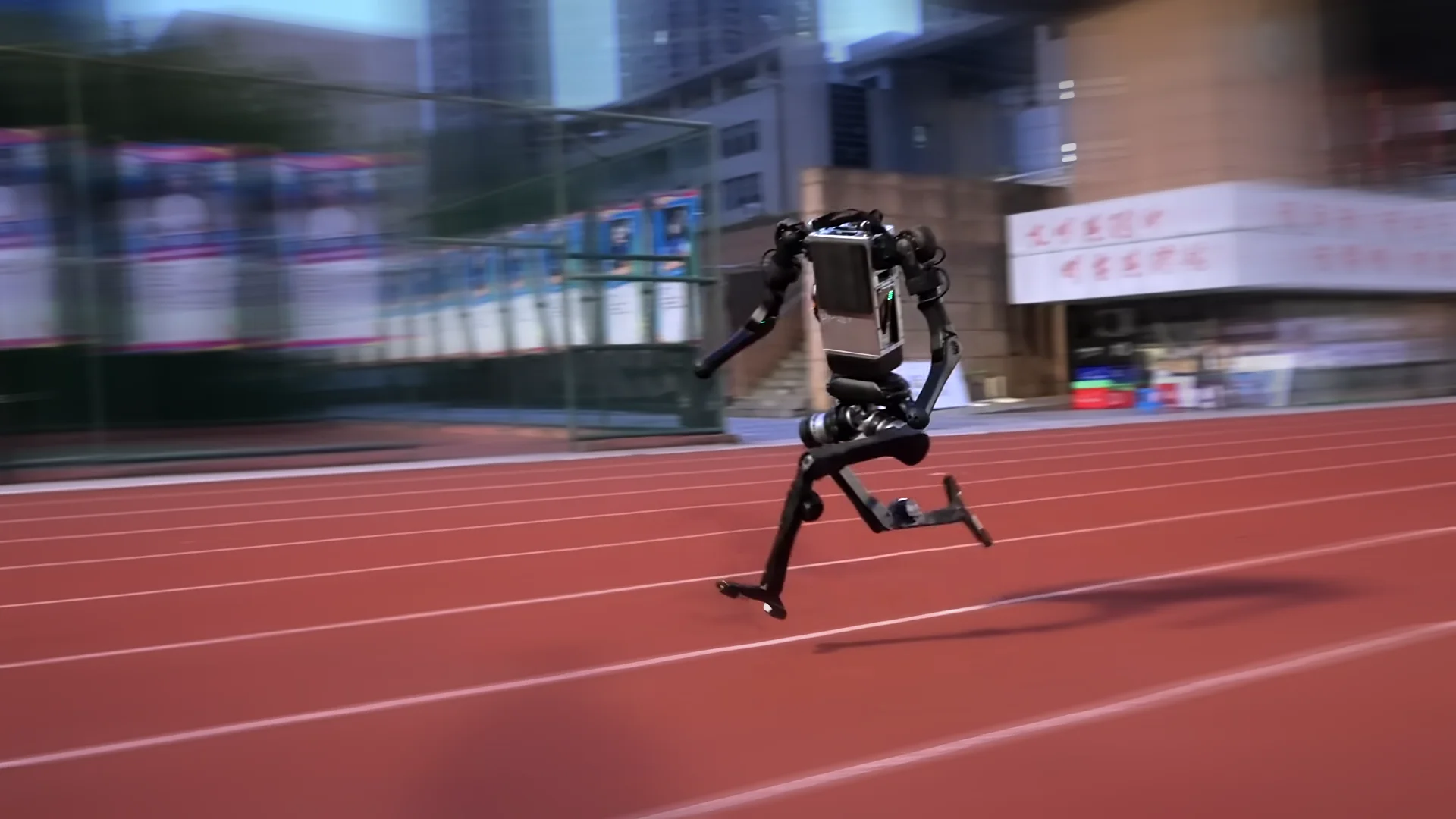
The humanoid speed race has hit a new, explosive milestone. On April 11, 2026, Unitree Robotics released footage of its H1 model reaching a peak running speed of 10 meters per second (m/s)—approximately 22.4 mph. The achievement brings the Hangzhou-based company back to the top of the leaderboard, effectively matching the record set just months ago by MirrorMe’s Bolt.
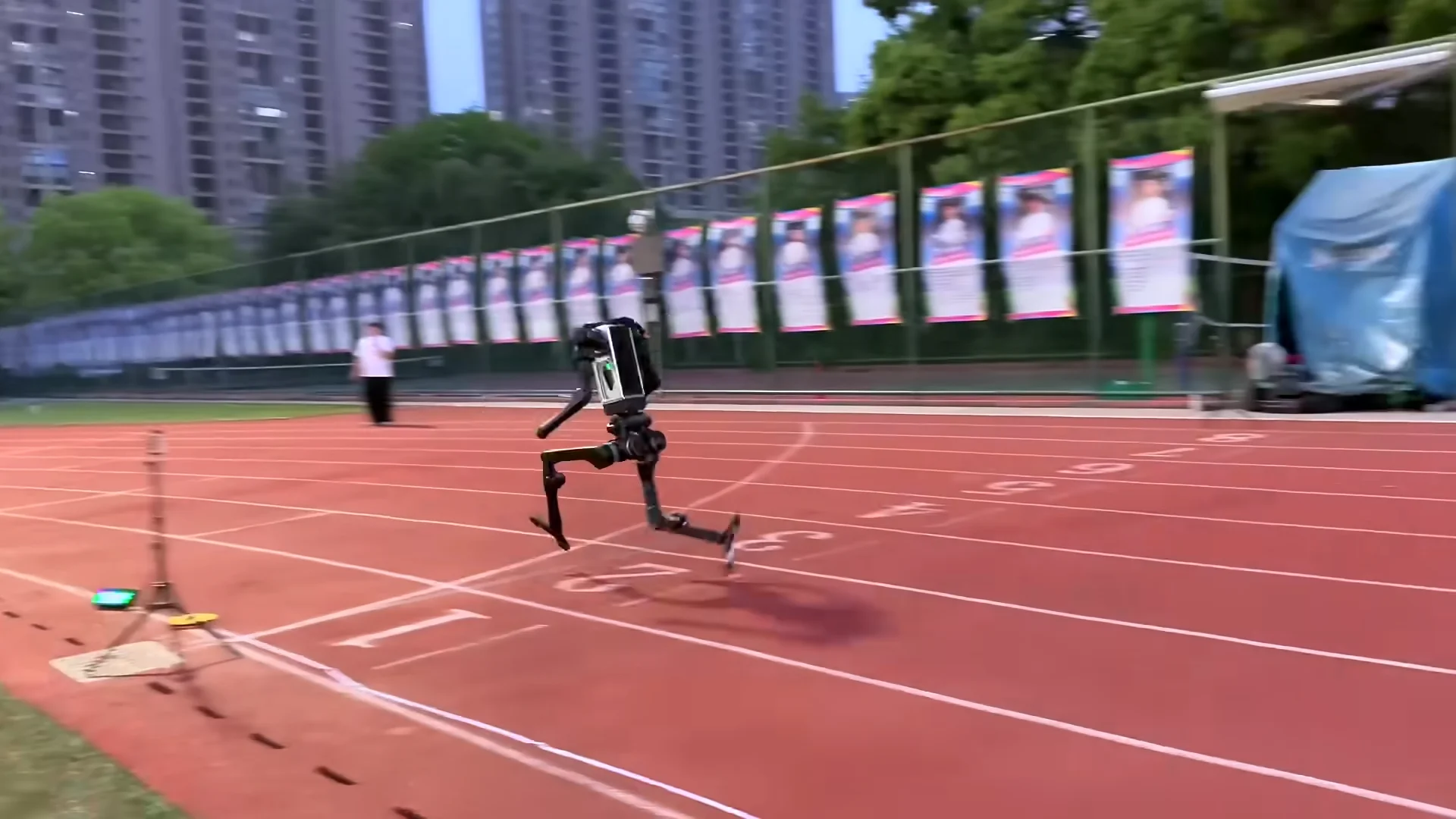
The reveal is a significant validation of the aggressive timeline set by Unitree CEO Wang Xingxing, who predicted in March that humanoids would outrun Usain Bolt by mid-2026. While Bolt’s peak speed of 12.42 m/s remains the human benchmark, Unitree’s latest demonstration suggests that the "utility gap" in robotic locomotion is closing faster than many industry analysts expected.
"Give the World One More Honor"
The choice of the H1 for this record attempt is notable. While Unitree has recently shifted its marketing focus toward the mass-market R1 and the re-architected H2, the H1 remains the company’s "raw, speed-focused design".
In its social media announcement, Unitree highlighted the H1’s physical specifications during the run:
The weekly humanoid robotics briefing
One email a week: the launches, funding and research that mattered, with context from Humanoids Daily.
Read recent issues- Weight: Approximately 62 kg.
- Leg Length: 0.8 meters.
- Peak Velocity: 10 m/s.
Robotics expert Scott Walter noted that a sustained speed of 10 m/s is equivalent to a 10-second 100-meter dash. For context, this 10 m/s peak represents a 200% increase over the H1's previous record of 3.3 m/s set in early 2024. Boris Belousov, a senior researcher at DFKI, commented on the technical difficulty of the feat, stating that "everyone who worked with H1 can appreciate how crazy this is," hinting that the breakthrough likely stems from software and control logic rather than hardware iterations.
Software Over Hardware
This leap in performance aligns with Wang Xingxing's strategy of doubling down on "Video-Based World Models" to bridge the gap between hardware and intelligence. While the recently unveiled H2 flagship trades top-end speed (currently rated at under 2 m/s) for human-like articulation and 31 degrees of freedom, the H1 remains the company's primary platform for high-dynamic athleticism.
The 10 m/s sprint places Unitree comfortably ahead of other international rivals:
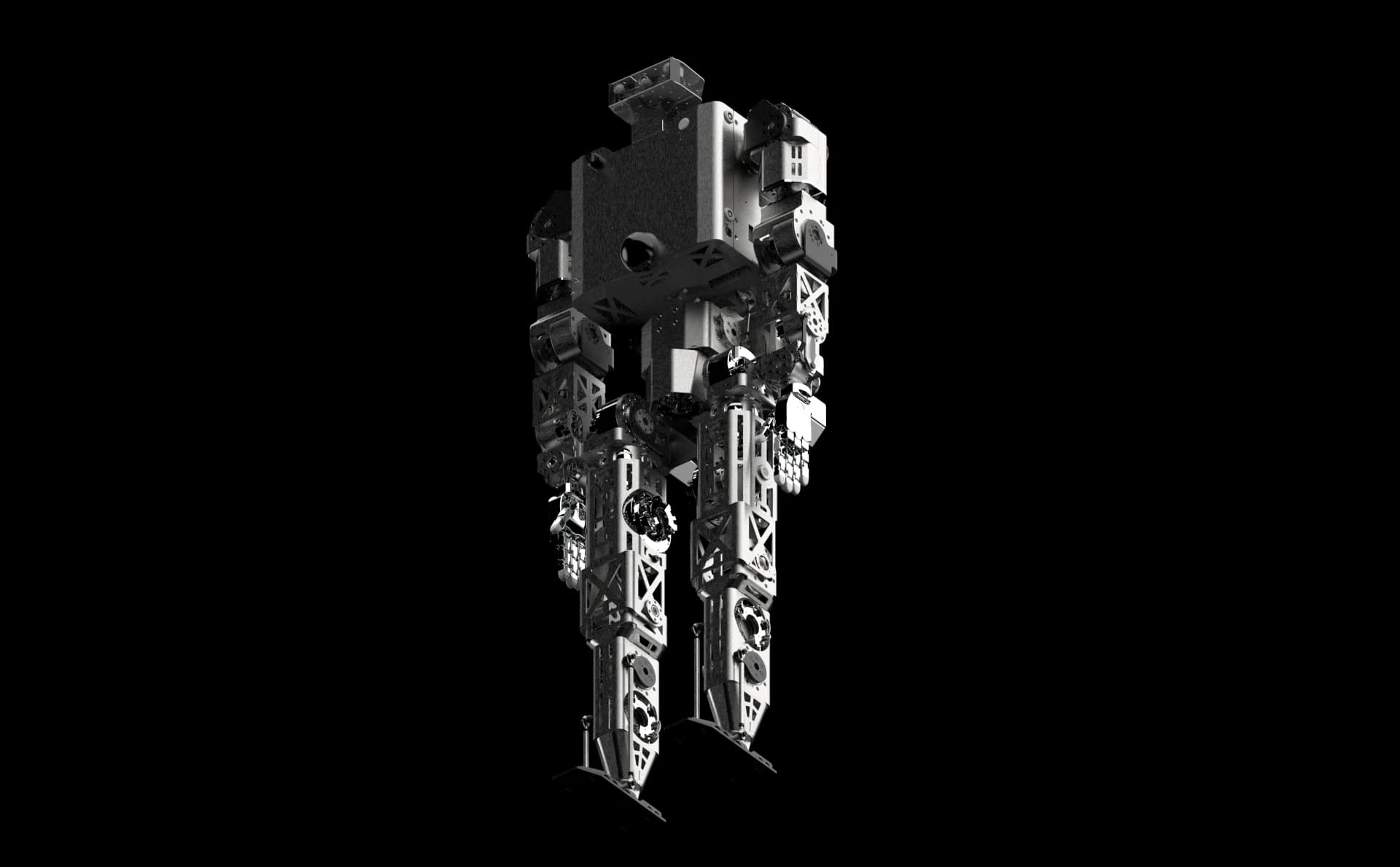
- Tesla Optimus: Recently reached a personal record of approximately 2.7 m/s (6 mph).
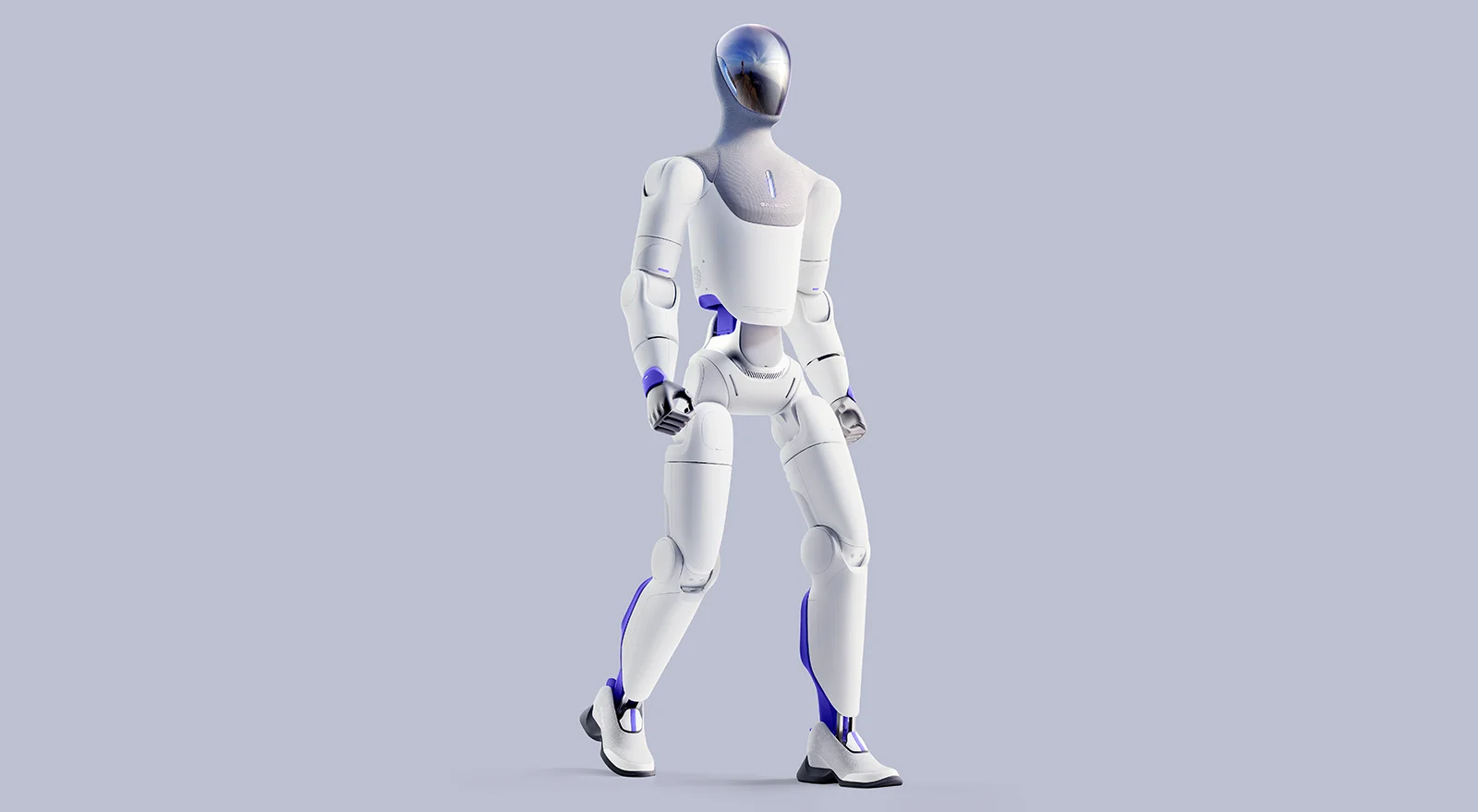
- RobotEra STAR1: Demonstrated speeds of 3.6 m/s (8.0 mph).
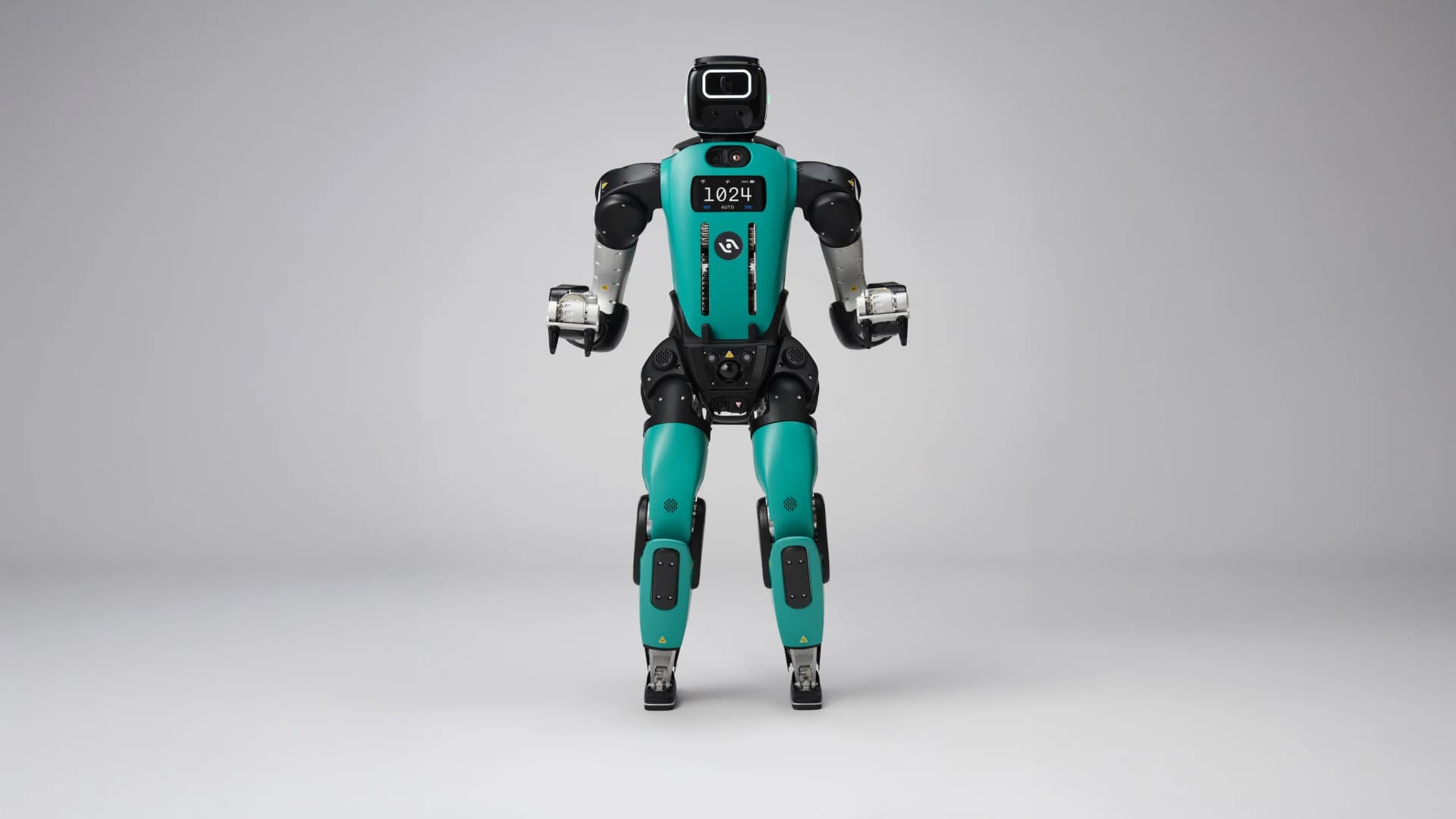
- Figure 03: Recently demonstrated shuttle runs with a flight phase, though official speed data has not been released.
Strategic Momentum Toward IPO
The timing of this record-breaking run is surgically precise. Unitree is currently in the final stages of its $580 million IPO application on the Shanghai Stock Exchange, seeking a post-listing valuation of approximately $6 billion. Demonstrating a clear lead in locomotive performance is a powerful signal to investors that the company can move beyond prototypes into "standardized high performance."
Furthermore, the record comes just as Unitree prepares for a massive international expansion via its reported partnership with Alibaba’s AliExpress. By cementing its status as the "world champion" of robotic speed, Unitree is positioning itself as the dominant force in the global humanoid market, even as it faces geopolitical headwinds in North America regarding federal procurement bans.
As Beijing prepares to host over 300 humanoid robots at the second annual Half-Marathon later this month, the H1's 10 m/s sprint sets a daunting new benchmark for the industry.
Share this article
Read next
- Published on
- Reading time
- 3 min read
Unitree Enters H1 in Beijing Marathon, Distances Itself from Independent Teams
- Published on
- Reading time
- 5 min read
Robot Combat Enters the Ring: REK and UFB Launch Competing US Fighting Leagues
- Published on
- Reading time
- 3 min read
Confirmed: Unitree H2 Specs Reveal a 31-DOF Humanoid with a Major Hardware Overhaul
- Published on
- Reading time
- 4 min read
Unitree Unveils H2, a Full-Sized Humanoid Successor to the H1
- Published on
- Reading time
- 3 min read
Unitree CEO Predicts R1 Will Be a Bestseller, Teases Larger 1.8-Meter Humanoid
- Published on
- Reading time
- 6 min read
Reborn and Unitree Team Up to Accelerate Humanoid AI with Open-Source Roboverse

The weekly humanoid robotics briefing
One email a week: the launches, funding and research that mattered, with context from Humanoids Daily.
Read recent issues