- Published on
No Robots Allowed: All Three Major US Airlines Ban Humanoids Over Battery Fire Risks
One tap, and our reporting appears more often in your Google Top Stories. It makes a real difference to a small newsroom.


- American Airlines has officially prohibited passengers from bringing robots that resemble humans or animals onto flights, following similar bans by Delta Air Lines, United Airlines, and Southwest Airlines.
- The core safety issue is battery capacity; standard humanoid robots utilize lithium-ion batteries ranging from 800 Wh to 2,500 Wh, far exceeding the Federal Aviation Administration (FAA) maximum allowance of 160 Wh.
- While flight crews are equipped to contain small electronic fires using thermal bags, a "thermal runaway" event involving a large humanoid battery in a confined cabin poses catastrophic logistical and safety risks.
- The new policies explicitly close potential loopholes by clarifying that humanoids do not qualify as emotional support devices, a preemptive move following a recent viral incident involving a robot flying in a purchased passenger seat.
The skies are officially closing to humanoid robots. American Airlines has updated its internal policies to ban passengers from bringing robots onboard its commercial flights, a move that aligns the carrier with United Airlines, Delta Air Lines, and Southwest Airlines.
According to a report from Simple Flying, the American Airlines prohibition specifically targets robots designed to resemble or imitate humans or animals in their appearance, movement, or behavior. Crucially, the airline explicitly states that these machines do not qualify as emotional support devices, sealing off a potential regulatory loophole for robotics enthusiasts and developers.
The Thermal Runaway Threat
While the image of a humanoid sitting in a passenger seat may seem like a harmless marketing stunt, the underlying hardware presents a severe, unmitigated aviation hazard. The primary catalyst for the industry-wide ban is the massive lithium-ion battery packs required to power embodied AI.
Under current Federal Aviation Administration (FAA) guidelines, devices with built-in lithium-ion batteries are strictly regulated. While everyday consumer electronics like laptops and cameras are permitted, any device featuring a built-in battery exceeding 160 Watt-hours (Wh) is entirely prohibited on commercial aircraft. A standard commercial humanoid robot typically houses a battery ranging from 800 Wh to 2,500 Wh—up to 15 times the legal limit.
The weekly humanoid robotics briefing
One email a week: the launches, funding and research that mattered, with context from Humanoids Daily.
Read recent issuesWhen lithium-ion cells fail, they can enter a state of "thermal runaway," a rapid, self-heating chain reaction that causes spontaneous combustion, intense heat, and the release of highly toxic smoke. This exact threat profile has already triggered legislative action on the ground; recent regulatory efforts in San Mateo County mandate that robotics companies pay cost-recovery fees to fund specialized HazMat training for first responders dealing with humanoid battery fires.
In the confined, pressurized tube of a passenger aircraft, managing such an event is a logistical nightmare. Flight attendants are trained to handle smoking smartphones or tablets by quickly isolating the small devices in specialized thermal containment bags. A 100-pound humanoid robot locked in an overhead bin or strapped into a passenger seat cannot be safely isolated or moved during a catastrophic battery failure.
Closing the Passenger Loophole
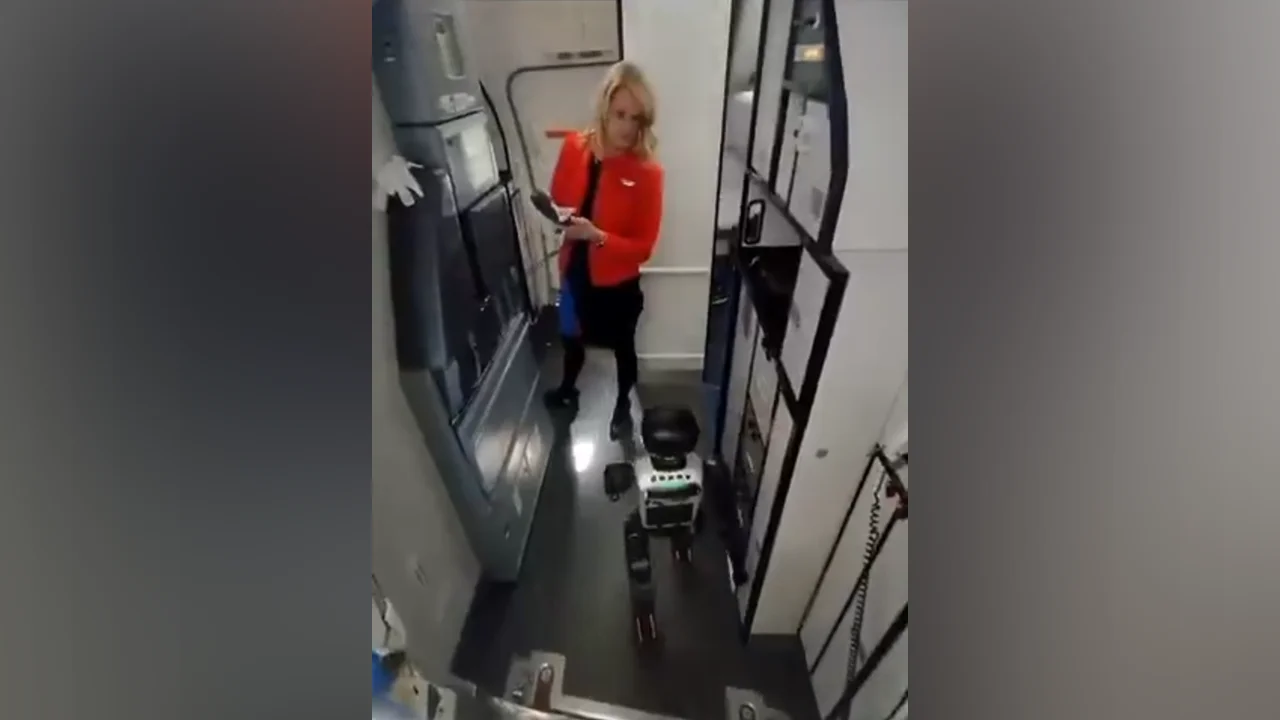
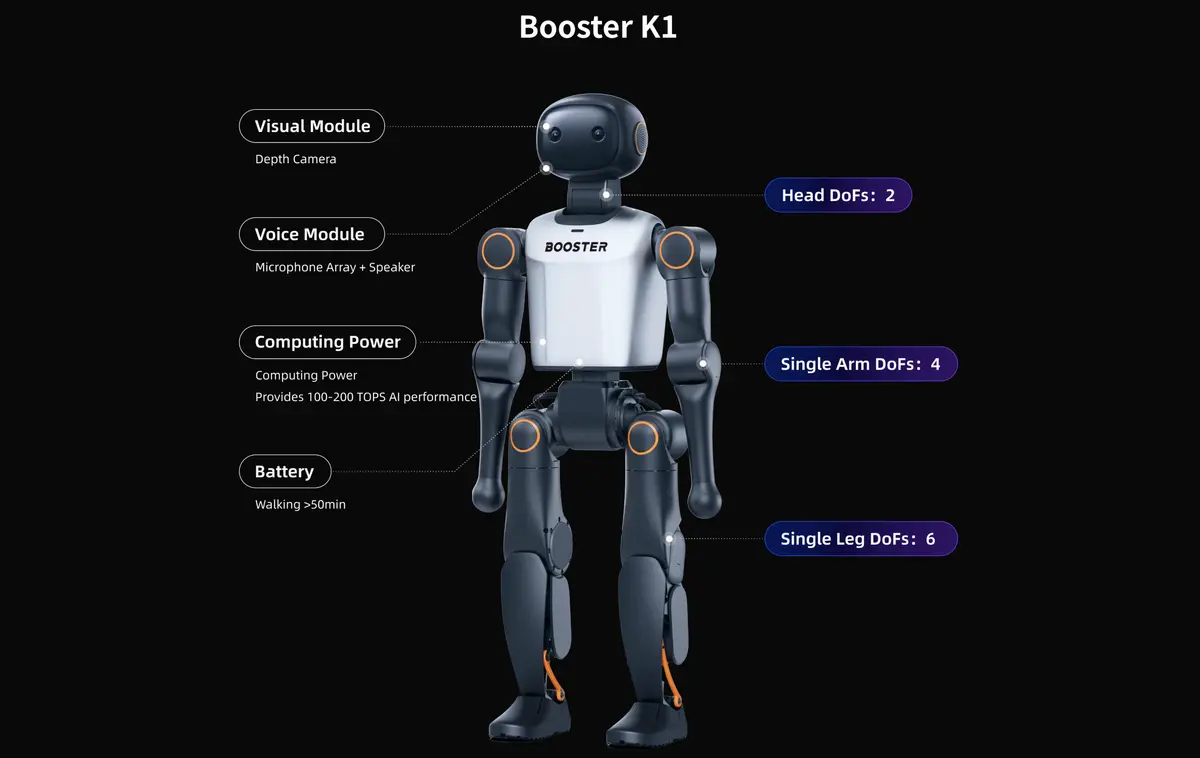
The urgency to formalize these bans stems from a recent, highly publicized incident that tested the boundaries of airline policies. Earlier this year, Aaron Mehdizadeh, owner of Dallas-based The Robot Studio, purchased a passenger ticket for his Booster K1 humanoid robot, "Stewie," on a Southwest Airlines flight from Las Vegas to Dallas.
The stunt went viral, raising immediate questions about safety protocols, cabin logistics, and the categorization of autonomous machines. By explicitly removing the emotional support designation and targeting the physical form factor of the robots, the major carriers are ensuring that similar flights will not take place.
While the airlines are moving quickly to establish these bans today, they may face future friction. As artificial intelligence and robotics increasingly converge into mobility and medical assistance tools, passenger demand for highly capable robotic aides could eventually force airlines and the FAA to develop specialized, safe-transit protocols for the next generation of physical AI.
Share this article
Read next
- Published on
- Reading time
- 4 min read
SAP Launches Major ‘Embodied AI’ Push with Humanoid, Neura Robotics, and Others
- Published on
- Reading time
- 2 min read
China's Noetix Robotics Prices 'Bumi' Humanoid Under $1,400, Targeting Consumers
- Published on
- Reading time
- 3 min read
Booster Robotics Launches K1: A RoboCup-Winning Humanoid for $5,000
- Published on
- Reading time
- 3 min read
Silicon Colosseum: Inside the Underground Event Putting Humanoid Robots in the Ring
- Published on
- Reading time
- 3 min read
Musk Says Tesla Halved AI5 RAM to Secure Memory for Optimus Production
- Published on
- Reading time
- 3 min read
Clone Shows Torso 3 Hand Demo, Targets November Launch for Redesigned Torso 4

The weekly humanoid robotics briefing
One email a week: the launches, funding and research that mattered, with context from Humanoids Daily.
Read recent issues