- Published on
The Taicang Nexus: Schaeffler Launches Dedicated Embodied AI Subsidiary in China
One tap, and our reporting appears more often in your Google Top Stories. It makes a real difference to a small newsroom.


Your guide
Rich Robinson
Jee Chee Ren · Executive tour
See China’s AI and robotics ecosystem first-hand.
Six days exploring AI, robotics and advanced manufacturing.
With Rich Robinson, Clinical Professor of Entrepreneurship at Peking University
Beijing · Guangzhou · Shenzhen
29 November–4 December 2026
Referral partnership · We earn a commission on referred bookings.

The "Schaeffler Effect"—the market's recent re-rating of the German industrial giant as a primary proxy for the humanoid robotics sector —just found its physical headquarters. On February 27, 2026, Schaeffler officially established Schaeffler Embodied Intelligent Robotics (Taicang) Co., Ltd. in Suzhou, China, marking a decisive shift from component supplier to an integrated "Physical AI" powerhouse.
This new entity is not merely an extension of Schaeffler's existing automotive footprint in Taicang, a city sometimes referred to as the "home of German companies in China." Instead, it represents a specialized vehicle designed to capture the entire humanoid value chain, from high-torque actuators to the data-driven "brains" that power them.
A Full-Stack Robotics Hub
Located in the Taicang High-Tech Zone, the new company is tasked with a dual mission: the high-volume production of core hardware and the creation of a digital infrastructure for robotic intelligence. According to company announcements, the Taicang site will feature:
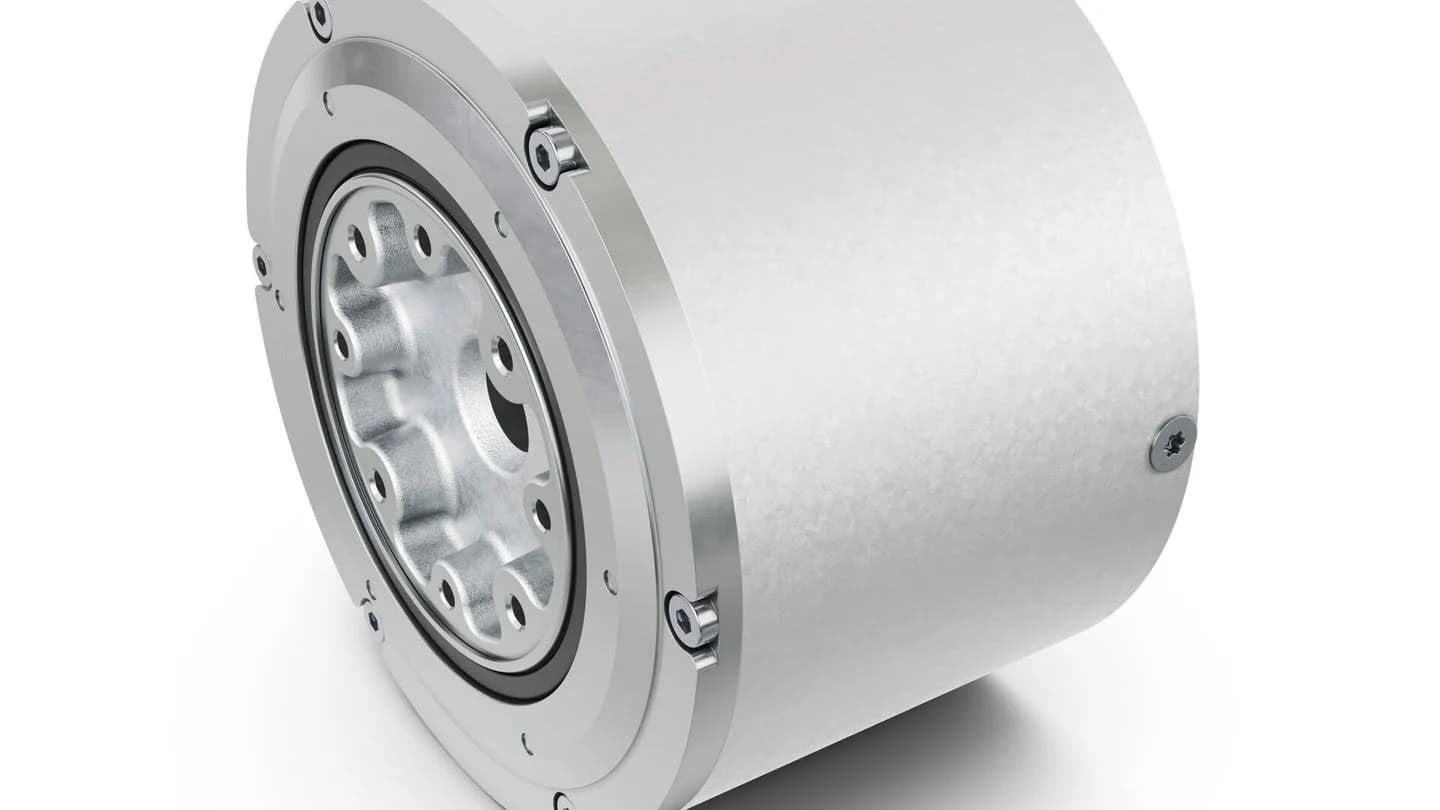
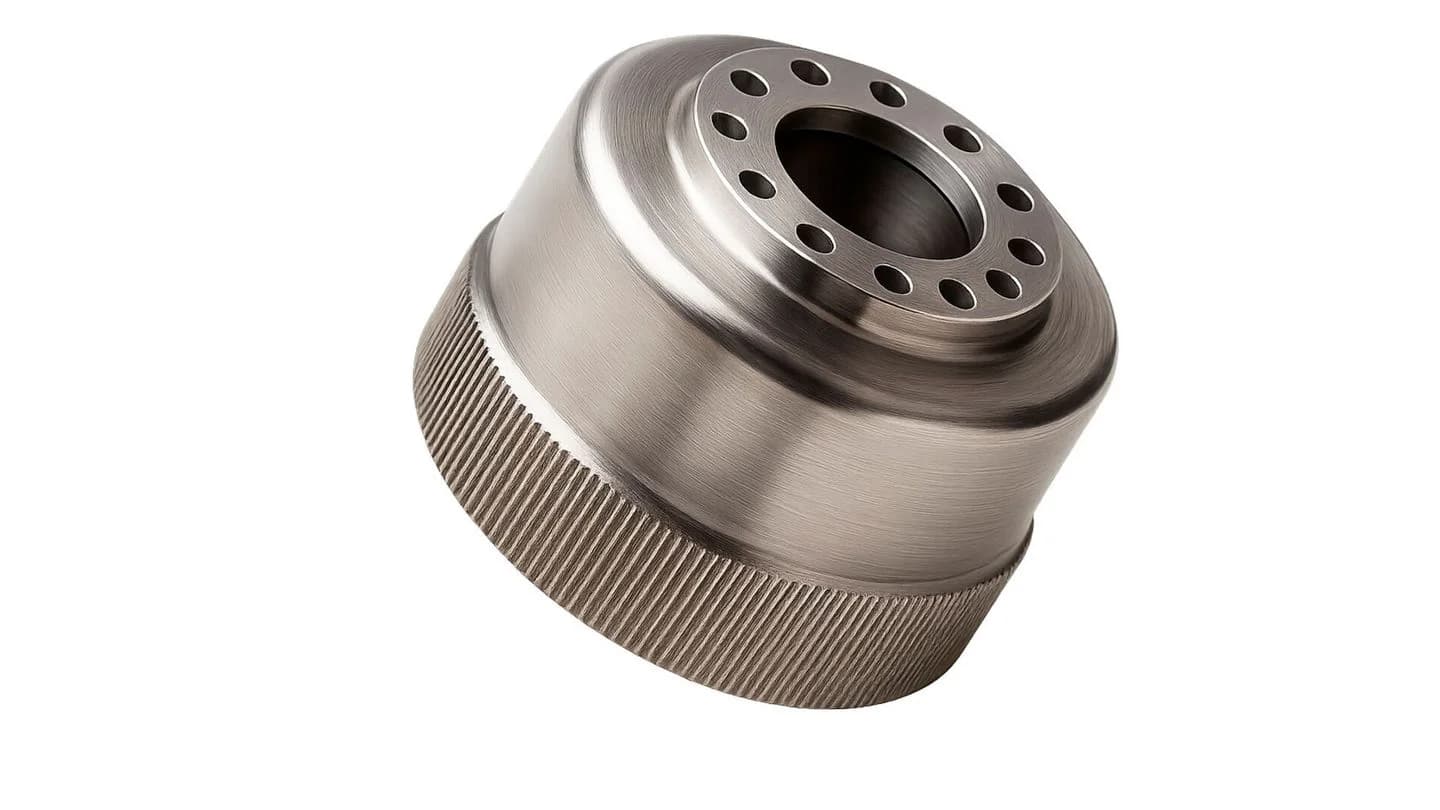
- Precision Hardware Production: Manufacturing of the all-in-one planetary gear actuators previously showcased at CES 2026, alongside rolling bearings, planetary roller screws, and specialized sensors for robotic joints.
- Modular Subsystems: Development of integrated rotary drives and linear motion systems designed to reduce the integration cycle for humanoid OEMs.
- The Computing Power Hub: A dedicated facility for AI model training, data collection, and "digital twin" simulations, reinforcing the company's partnership with NVIDIA and Microsoft to refine robot behaviors in virtual environments.
The "User-Supplier" Strategy Hits the Factory Floor
The establishment of the Taicang entity provides the infrastructure for Schaeffler's aggressive "user-supplier" strategy. The company intends to deploy humanoid robots directly into its own production lines in Taicang, using them as both "core production elements" and "data collectors" to iterate on their own hardware.
The weekly humanoid robotics briefing
One email a week: the launches, funding and research that mattered, with context from Humanoids Daily.
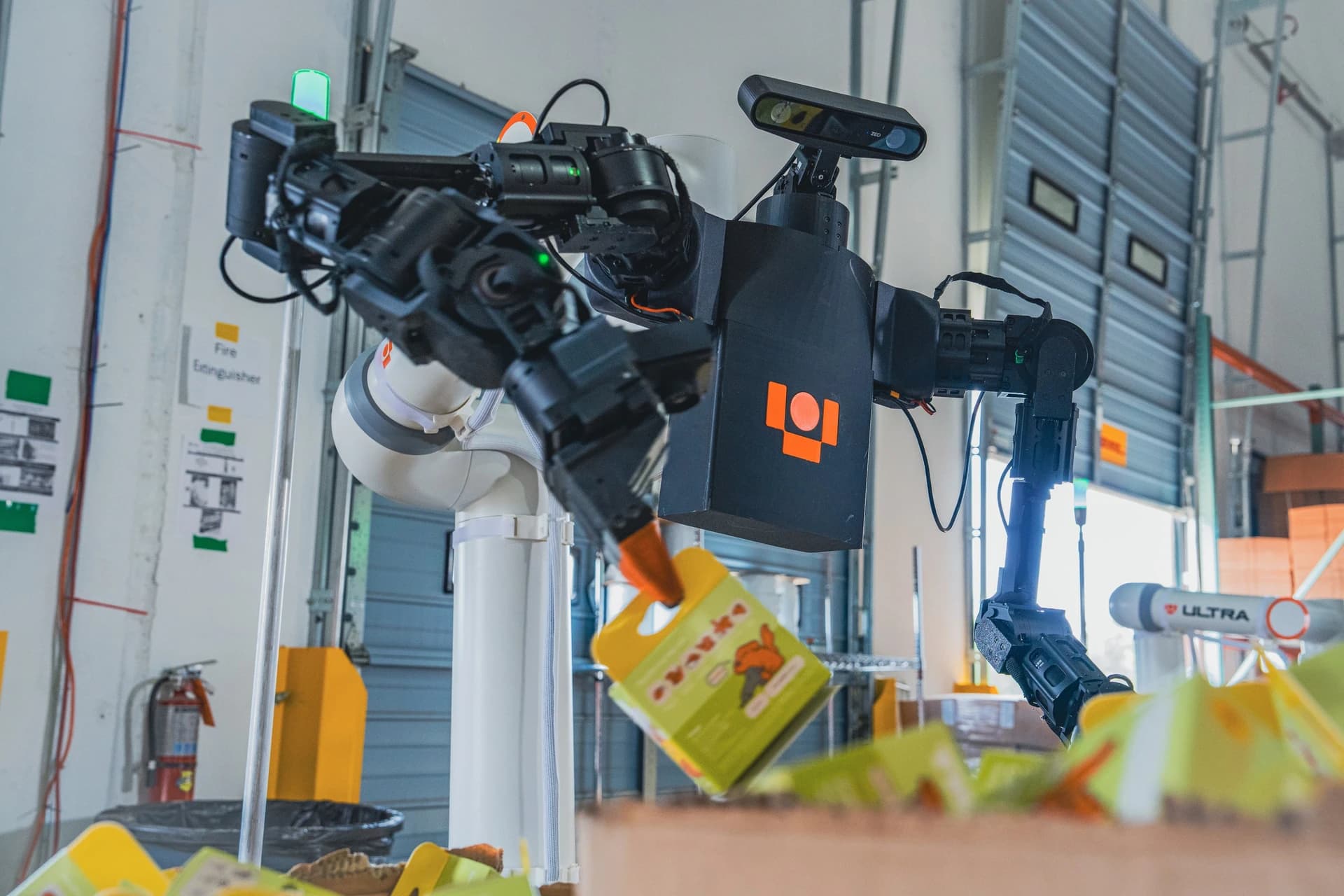
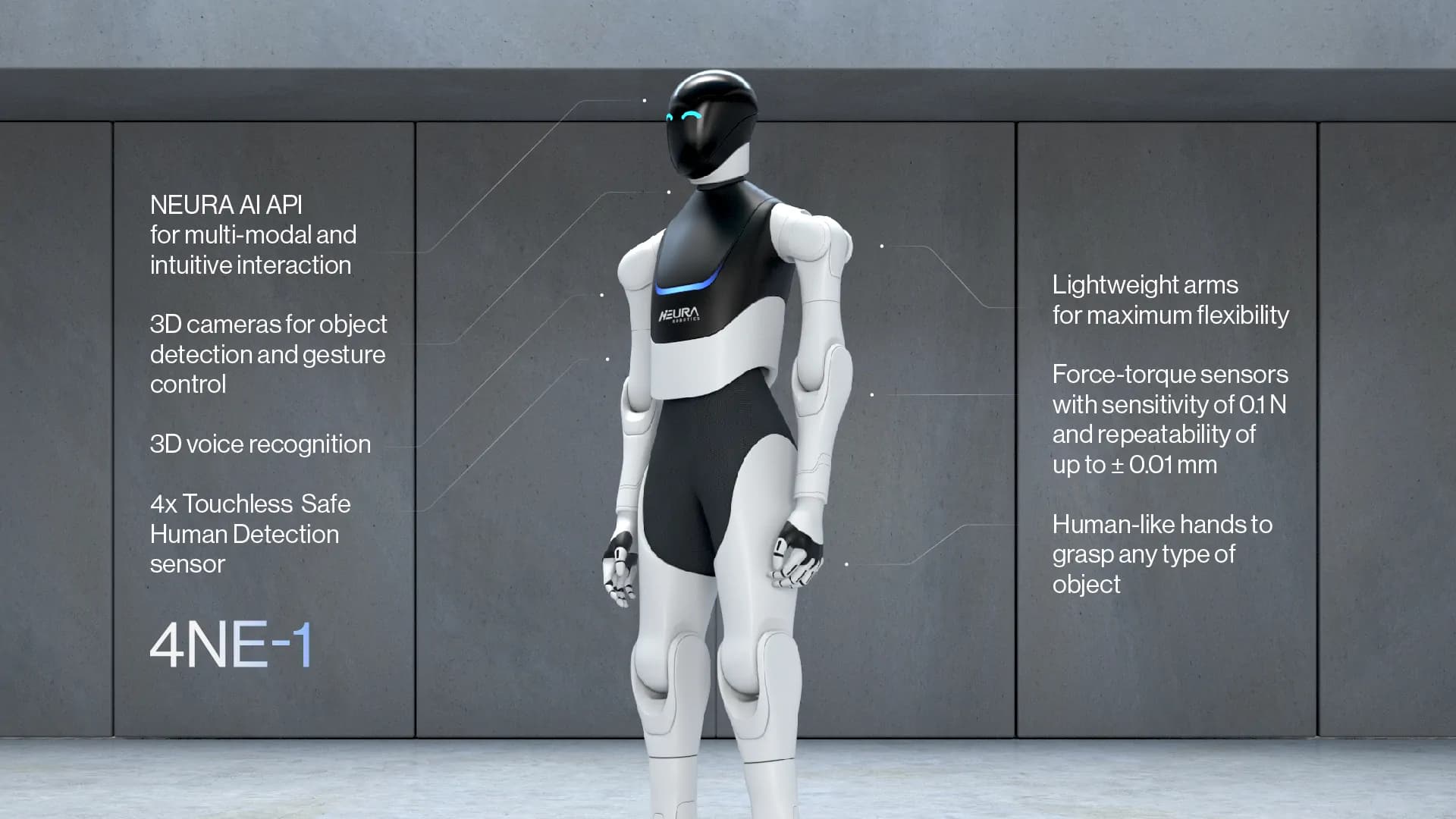
Read recent issuesThis move follows a string of high-profile industrial validations, including successful bin-picking trials with UK-based startup Humanoid and a commitment to integrate thousands of Neura Robotics units into its global network by 2035. By centering these efforts in China, Schaeffler is positioning itself at the epicenter of the world's most rapid robotics rollout.
Why Taicang?
The choice of location is no accident. Taicang has transformed from a quiet Yangtze River Delta town into a premier German manufacturing hub, hosting over 560 German enterprises with a combined annual output exceeding 67 billion yuan ($9.75 billion).
Schaeffler's local footprint has grown from a 30-person workshop in the city three decades ago to a regional powerhouse with 19,000 employees. "Taicang combines efficiency with hospitality," noted Li Youmei, a senior executive at Schaeffler China, emphasizing that the city’s deep supply chain resilience—where 70% of vehicle components can be sourced locally—is now being leveraged for the robotics era.
Geopolitical Context and the IPO Wave
The announcement coincides with a period of heightened diplomatic and economic activity. On February 26, 2026, German Chancellor Friedrich Merz visited Hangzhou to tour the headquarters of Unitree Robotics. Accompanied by 30 senior executives from leading German firms, Merz examined robotic components and discussed technical specifications, signaling Germany’s intense interest in Chinese humanoid hardware.
As the 2026 "IPO Rush" in China gains momentum, Schaeffler’s dedicated robotics subsidiary serves as a strategic moat. By controlling both the "muscles" (actuators) and the "nervous system" (data and sensors) within the Chinese market, the company ensures it remains the preferred technical partner for any robot brand looking to scale at industrial volumes.
Dr. Zhang Yilin, CEO of Schaeffler China, framed the move as a bridge from concept to reality: "We aim to drive humanoid robots from proof-of-concept to large-scale application, becoming the primary technical partner in this emerging ecosystem."
Share this article
Read next
- Published on
- Reading time
- 8 min read
Analysts See a PEEK Boom in Humanoid Robots. Kingfa’s Robotics Lead Says Most of It Is Hype
- Published on
- Reading time
- 4 min read
Schaeffler Unveils "All-in-One" Actuator for Humanoids, Targeting the Industry’s Supply Chain Bottleneck
- Published on
- Reading time
- 3 min read
Neura Robotics Quietly Establishes €45 Million Subsidiary in China, Signaling Major Supply Chain Move
- Published on
- Reading time
- 4 min read
Schaeffler Partners with Leju Robotics as CEO Klaus Rosenfeld Defends "Physical AI" Strategy Amid Cautious Outlook
- Published on
- Reading time
- 25 min read
The Humanoids of Europe: Built by Their Customers
- Published on
- Reading time
- 4 min read
Schaeffler Cracks the Cost Bottleneck: Formed Strain Wave Gearboxes Target 2027 Mass Production

The weekly humanoid robotics briefing
One email a week: the launches, funding and research that mattered, with context from Humanoids Daily.
Read recent issues