- Published on
Spirit AI Predicts a Robot-Brain Breakthrough in 2027
One tap, and our reporting appears more often in your Google Top Stories. It makes a real difference to a small newsroom.

Supported by RoboStrategySupport for Humanoids Daily comes from RoboStrategy
Sponsored
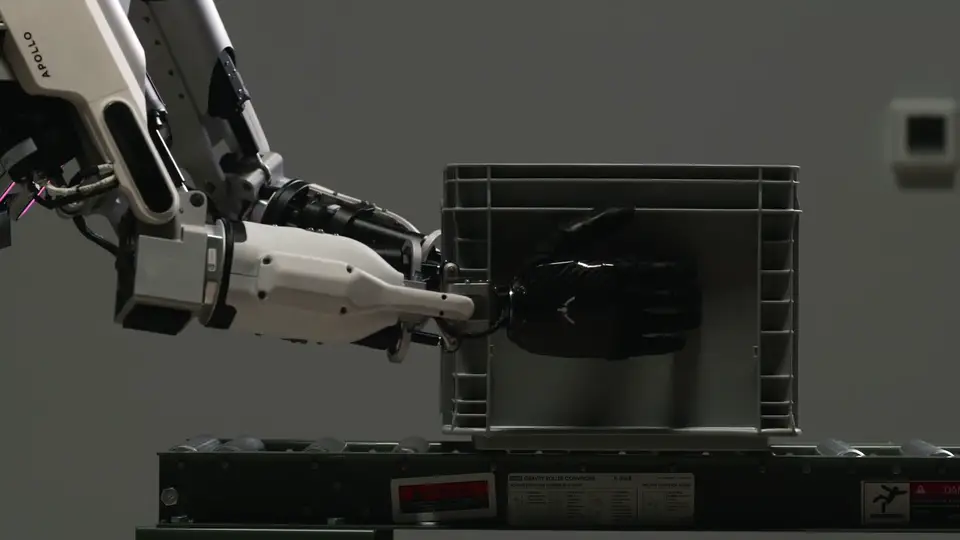
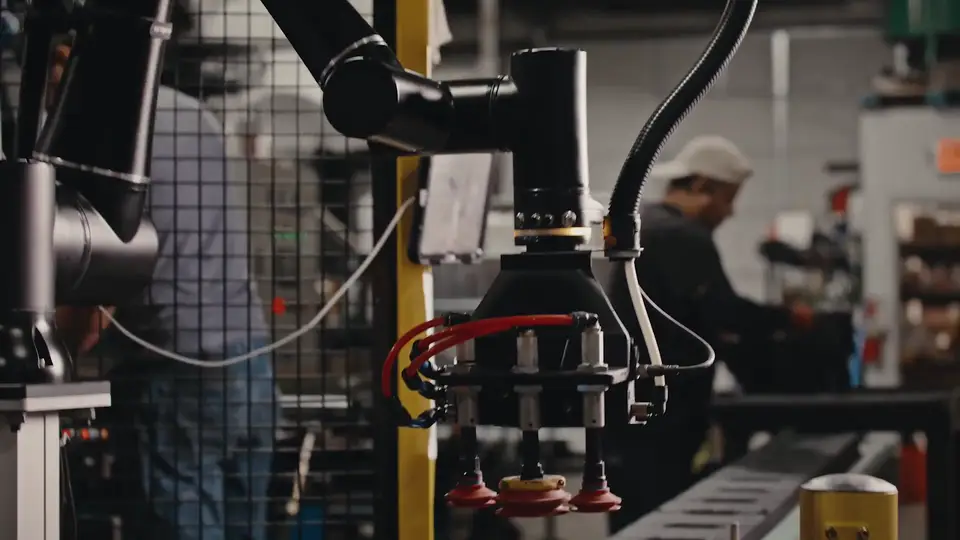
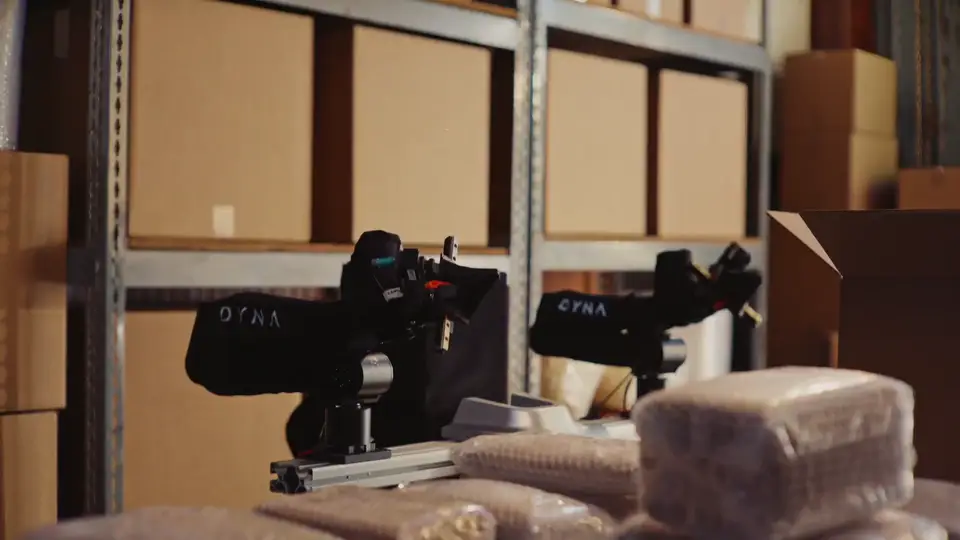
Investing involves risk, including possible loss of principal. Read the prospectus before investing.
- Spirit AI co-founder and chief scientist Gao Yang predicts a mid-2027 milestone in robots’ ability to turn spoken instructions into sequences of physical actions.
- He expects industrial and simpler commercial uses to advance before household robotics, where unfamiliar tasks and fine manipulation remain difficult.
- Spirit’s approach emphasizes real-world training data, including varied, imperfect demonstrations; its forecast is not a demonstrated general-purpose capability.
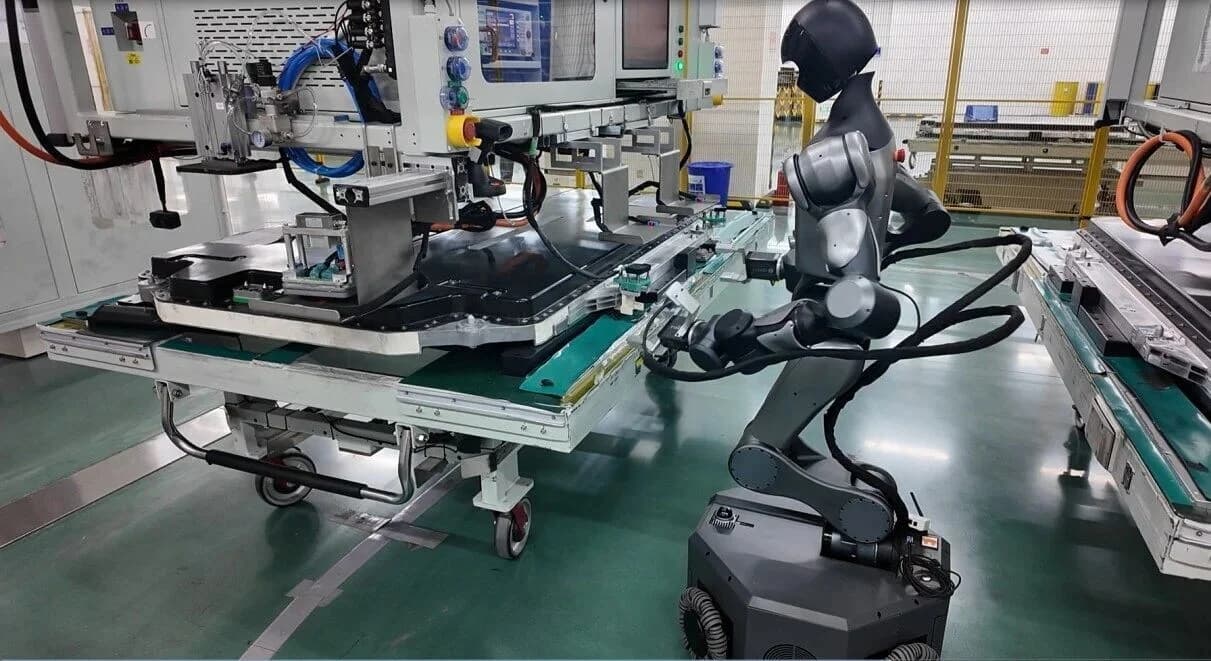
Spirit AI expects robot intelligence to make a major advance by mid-2027, but sees useful household robots taking considerably longer. The distinction comes from co-founder and chief scientist Gao Yang, who told Reuters that software remains the weak point in the robotics stack despite rapid improvements in hardware.
“We anticipate reaching the GPT-3.0 milestone by mid-2027,” Gao said. He described a robot receiving a natural-language request and producing a reasonable sequence of physical actions to attempt it.
That is a forecast about broader capability, not a promise that a machine will reliably finish any job it is given. The comparison with language-model generations is Gao’s analogy, rather than a standardized robotics benchmark.
Industry first, homes later
Gao sees the next one to two years as an opening for industrial applications, followed by simpler commercial-service work. Homes remain substantially harder. Reuters reports a 90% success rate for Spirit’s robots on simple tasks in structured living-room settings, while Gao acknowledges continuing difficulties with bottle-cap unscrewing and unfamiliar tasks.
The weekly humanoid robotics briefing
One email a week: the launches, funding and research that mattered, with context from Humanoids Daily.
Read recent issuesThe reported percentage comes without enough evaluation detail to judge performance in ordinary homes: the article does not specify the trial count, task mix or intervention rules. A structured-room result also leaves open how a robot handles a different layout, an unfamiliar object or a failed attempt.
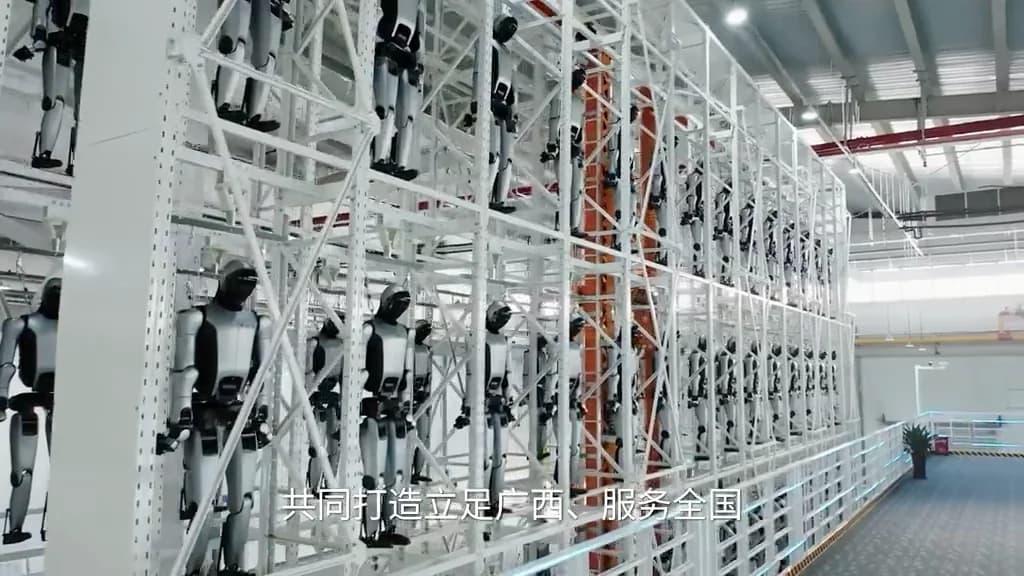
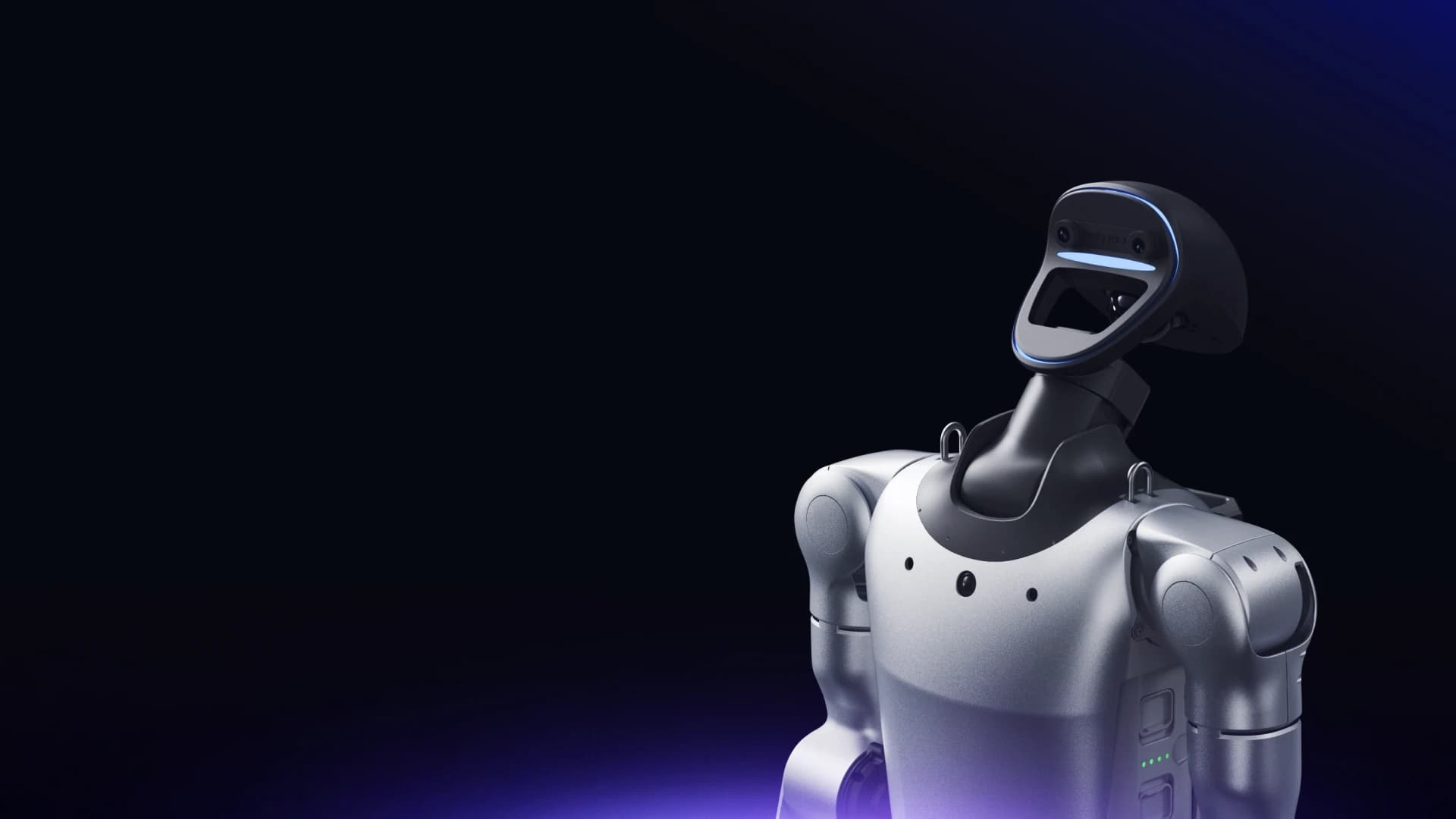
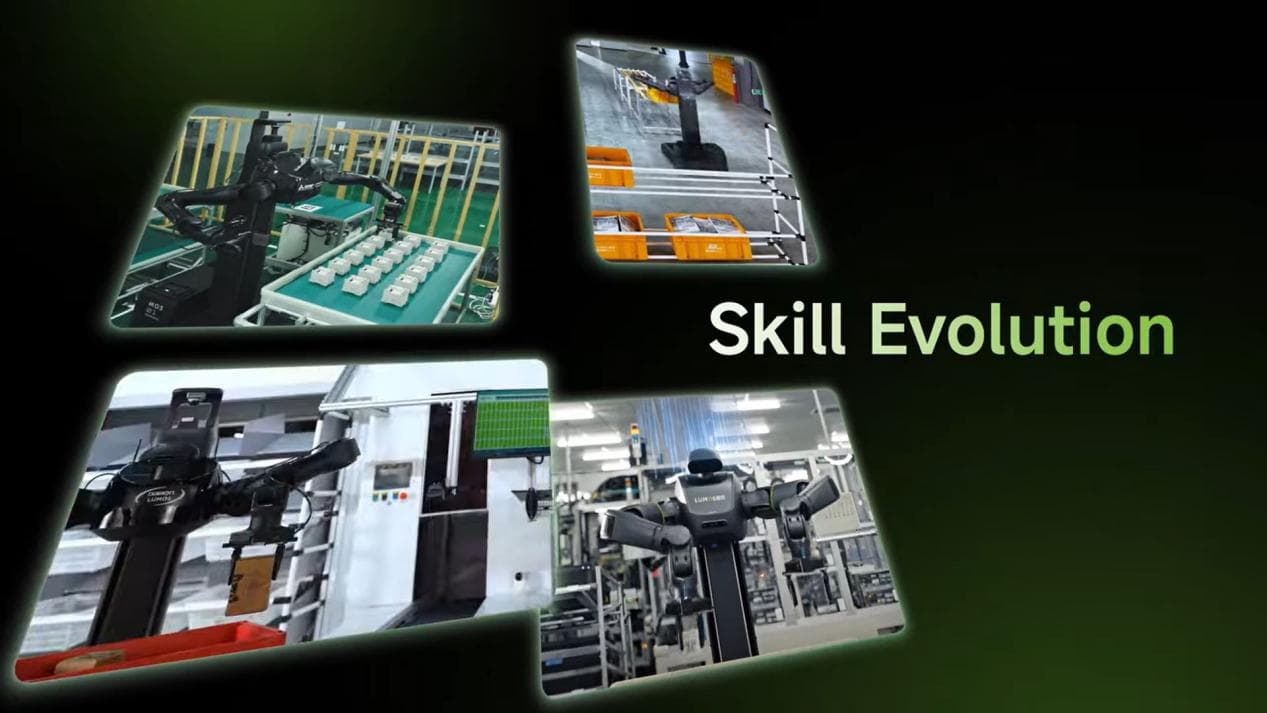
Spirit’s own Moz2 announcement follows the same sequence of markets. The company positions Moz1 around industrial work and Moz2 around commercial services, including retail and hospitality. It describes a Spirit v1.6 demonstration in which Moz1 follows one tidying instruction through several subtasks, while presenting broader Moz2 capabilities as something to develop progressively.
Reuters reports that tens of Moz1 wheeled humanoids are already deployed on production lines at CATL and JD.com. That is a more specific indication of commercial activity than a prediction about general intelligence, although deployment numbers alone do not reveal utilization or customer returns.
Why Spirit is collecting imperfect human demonstrations
Spirit employs about 1,000 contractors who wear collection equipment in homes or factories, according to Reuters. The company relies predominantly on physical-world recordings, with Gao pointing to flexible objects such as cables as a continuing challenge for simulation.
His more counterintuitive claim concerns the demonstrations themselves. Spirit found that a broader range of movements in what it calls “dirty data” helped models improve faster. The emphasis is on diversity, rather than restricting training to highly polished examples of a single motion.
That does not mean every recording is useful. The relevant question is whether variation teaches the model to handle situations it will encounter during deployment. Our UMI Effect feature explores the related engineering problem: collecting human demonstrations in a form that can transfer to robot observations and actions.
Spirit has also published Spirit-v1.5 model code and checkpoints, giving researchers a concrete artifact to examine alongside its broader claims about scaling robot learning.
A parallel with Adcock’s four chapters
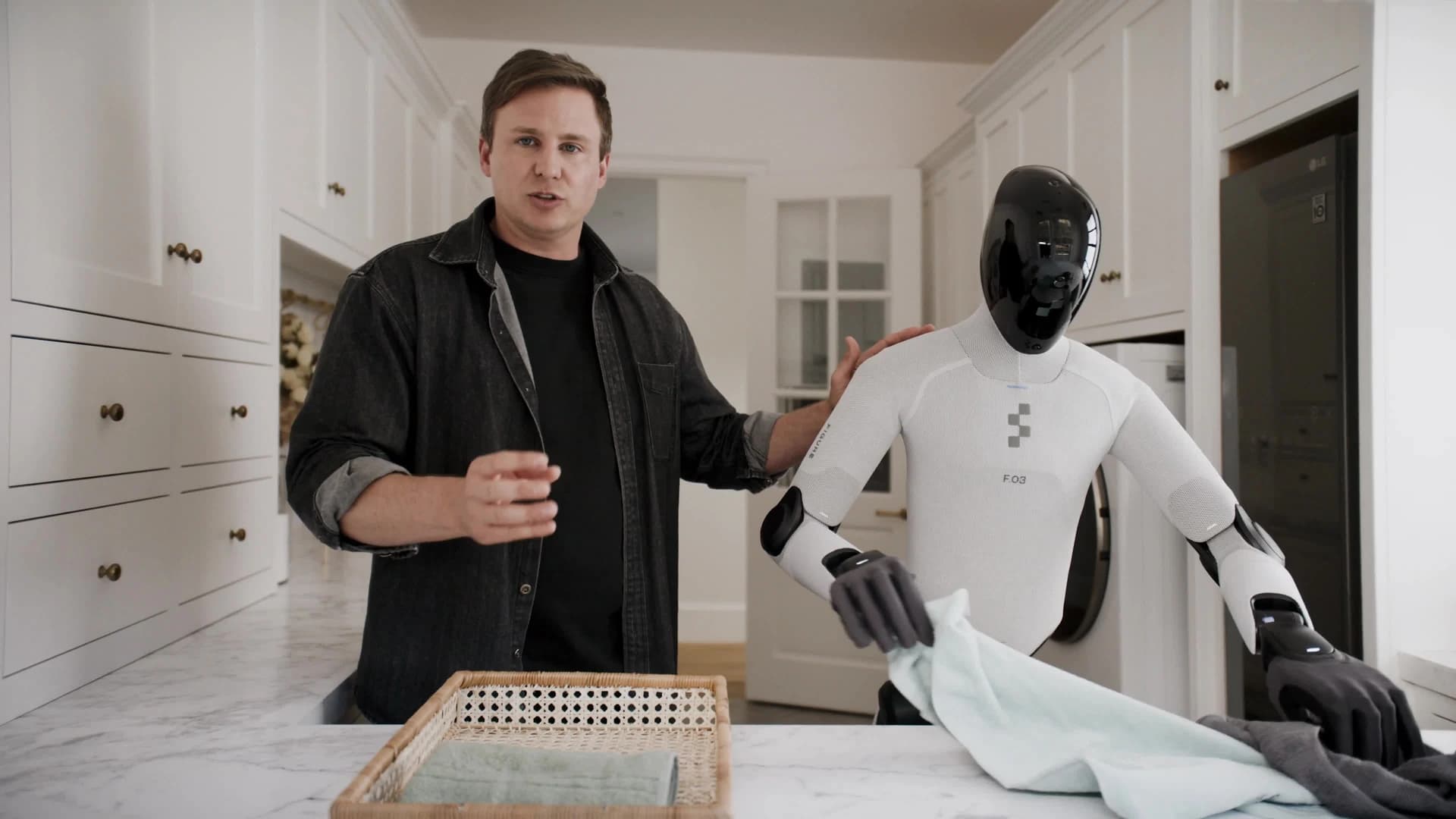
The emphasis on learning capacity echoes Brett Adcock’s four chapters of humanoid robotics: capable hardware, end-to-end autonomy, scaling intelligence and manufacturing. Following the Helix 2.5 reveal, the Figure CEO placed his company near the beginning of the third chapter, arguing that more data and compute could expand useful behavior once the underlying learning architecture works.
Gao’s account points to a similar bottleneck: machines need broader, more reliable capabilities before deployment can spread. But the two frameworks do not establish that Spirit and Figure have reached the same stage, or share a timetable for household use. Adcock also acknowledged that Helix 2.5 had not yet achieved his ambition for long-duration autonomous work in homes.
A well-funded prediction that still needs a test
Reuters puts Spirit’s funding above $670 million since its founding in 2024 and its valuation at 20 billion yuan, approximately $2.9 billion. Gao declined to discuss potential IPO plans.
The capital and deployment activity make the forecast worth following. The decisive evidence will be whether future systems can carry out unfamiliar requests across varied settings, recover from errors and maintain useful reliability with limited human support. Mid-2027 is now a date against which to assess that progress; the household milestone remains further away.
Share this article
Read next
- Published on
- Reading time
- 5 min read
The $1.4 Billion Sprint: Inside China’s Post-Gala Humanoid Funding Frenzy
- Published on
- Reading time
- 3 min read
CATL Deploys Humanoid Fleet to High-Voltage Lines, Claims Production Breakthrough
- Published on
- Reading time
- 3 min read
Lumos Says NexCore Can Teach Robots New Skills in Days
- Published on
- Reading time
- 6 min read
Figure’s Helix 2.5 Takes on Chores in 30 Unseen Homes
- Published on
- Reading time
- 3 min read
XPENG’s XPACE Trains IRON With Human Videos and Simulated Mistakes
- Published on
- Reading time
- 4 min read
Don’t Forget the Salt: Physical Intelligence Equips Robots with 15-Minute "Multi-Scale" Memory



The weekly humanoid robotics briefing
One email a week: the launches, funding and research that mattered, with context from Humanoids Daily.
Read recent issues