- Published on
XPENG’s XPACE Trains IRON With Human Videos and Simulated Mistakes
One tap, and our reporting appears more often in your Google Top Stories. It makes a real difference to a small newsroom.

Supported by RoboStrategySupport for Humanoids Daily comes from RoboStrategy
Sponsored

Investing involves risk, including possible loss of principal. Read the prospectus before investing.
- XPENG’s XPACE combines human and robot demonstrations with video prediction to train its IRON humanoid.
- Simulated recovery examples helped raise success from 61.7% to 86.7% across three tasks in XPENG’s tests.
- The results come from small, company-run experiments; additional training time also contributes to the comparison.
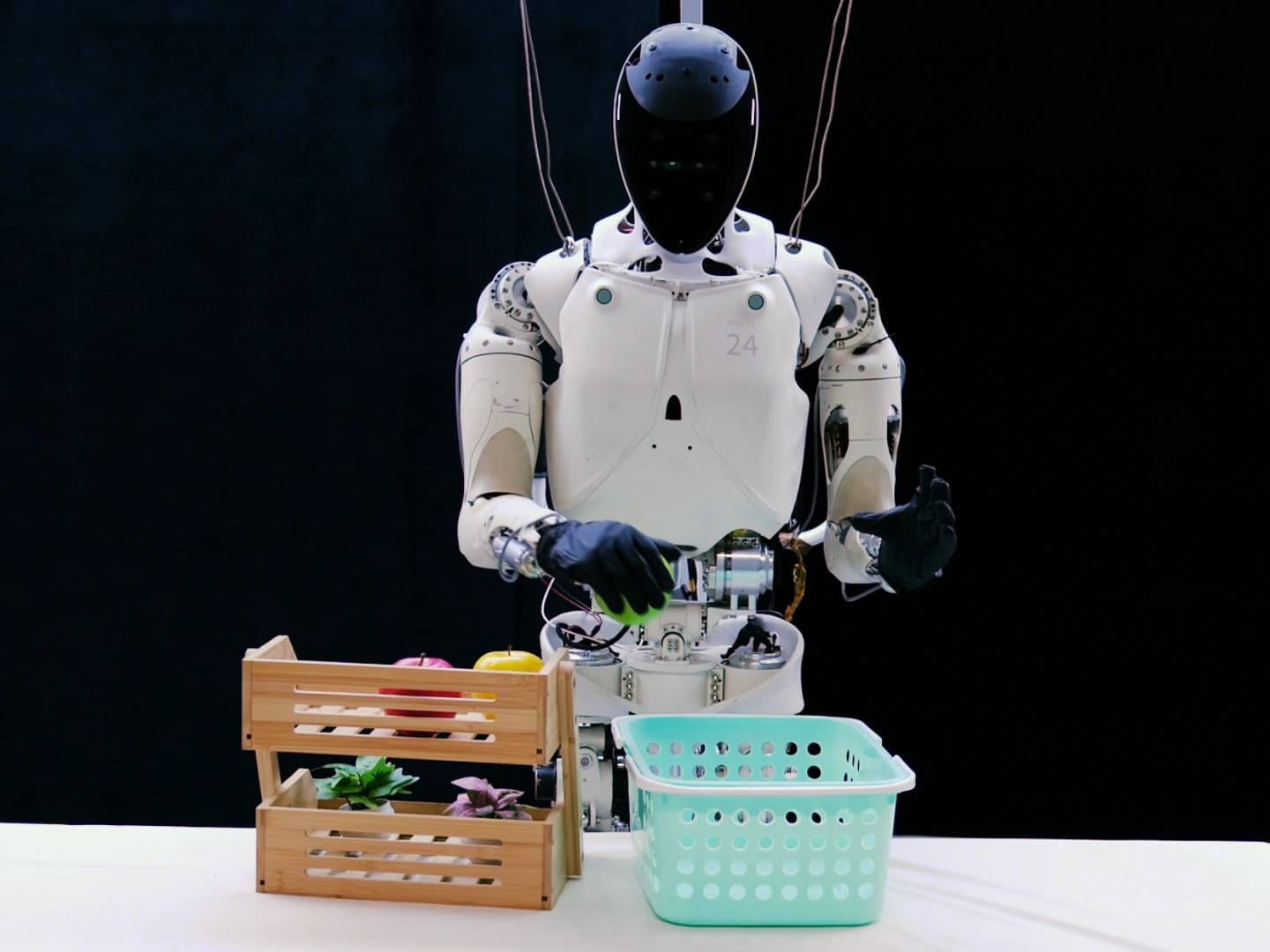
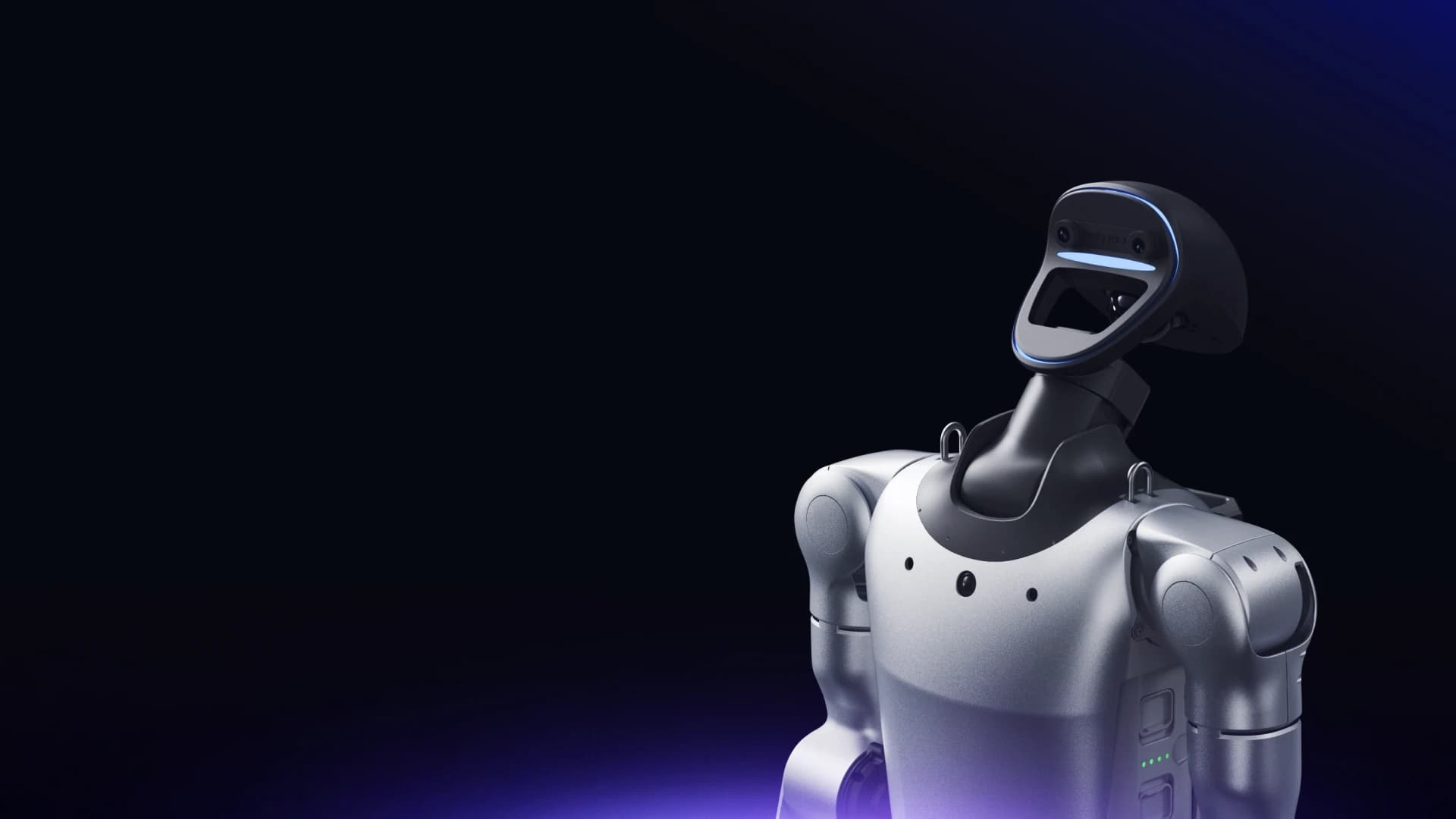
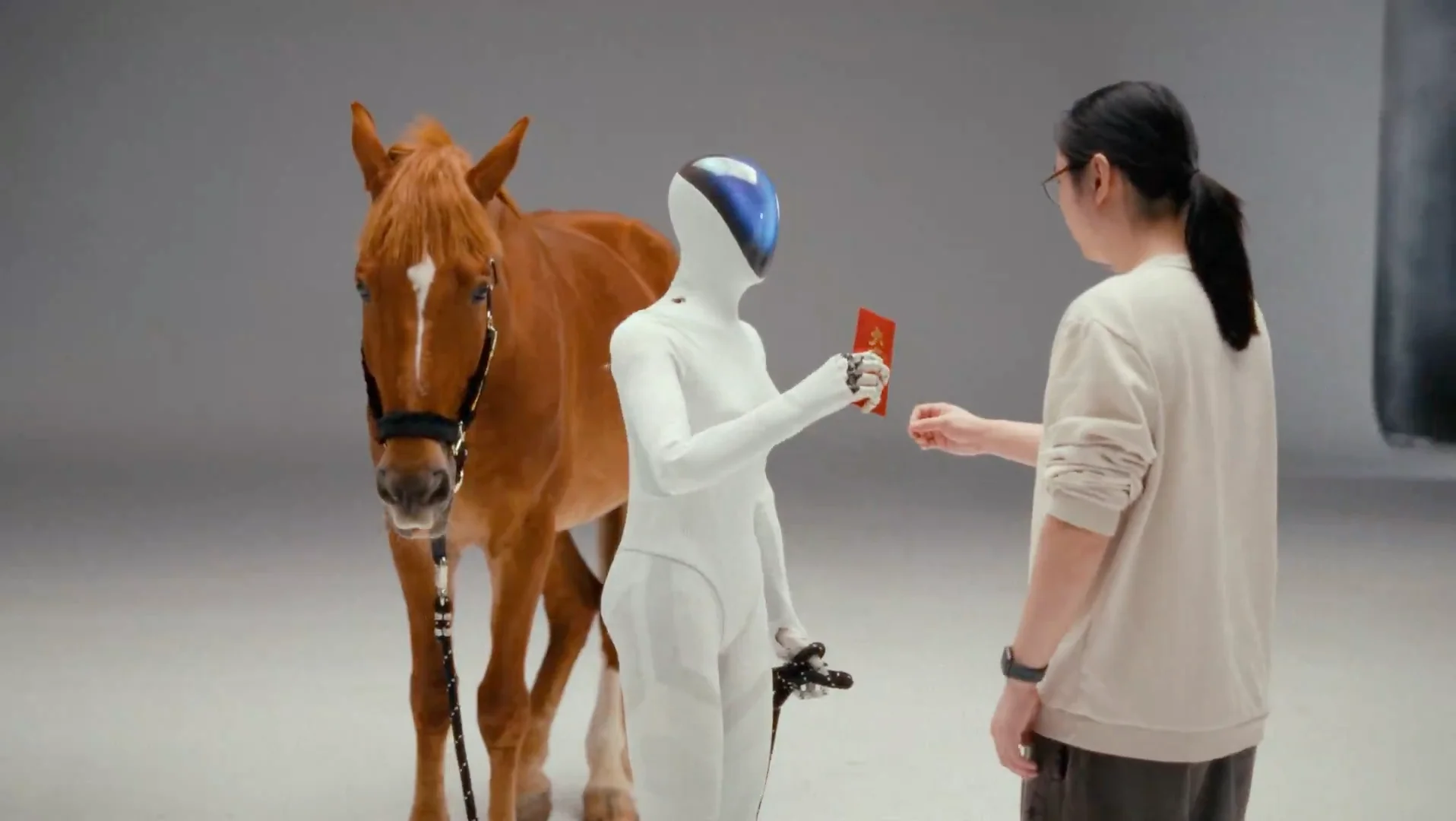
XPENG Robotics has introduced XPACE, a system that learns from human experience and uses simulated mistakes and recoveries to improve its IRON humanoid’s performance. The work addresses a practical question: how can a robot learn more without requiring a person to demonstrate every situation on the machine itself?
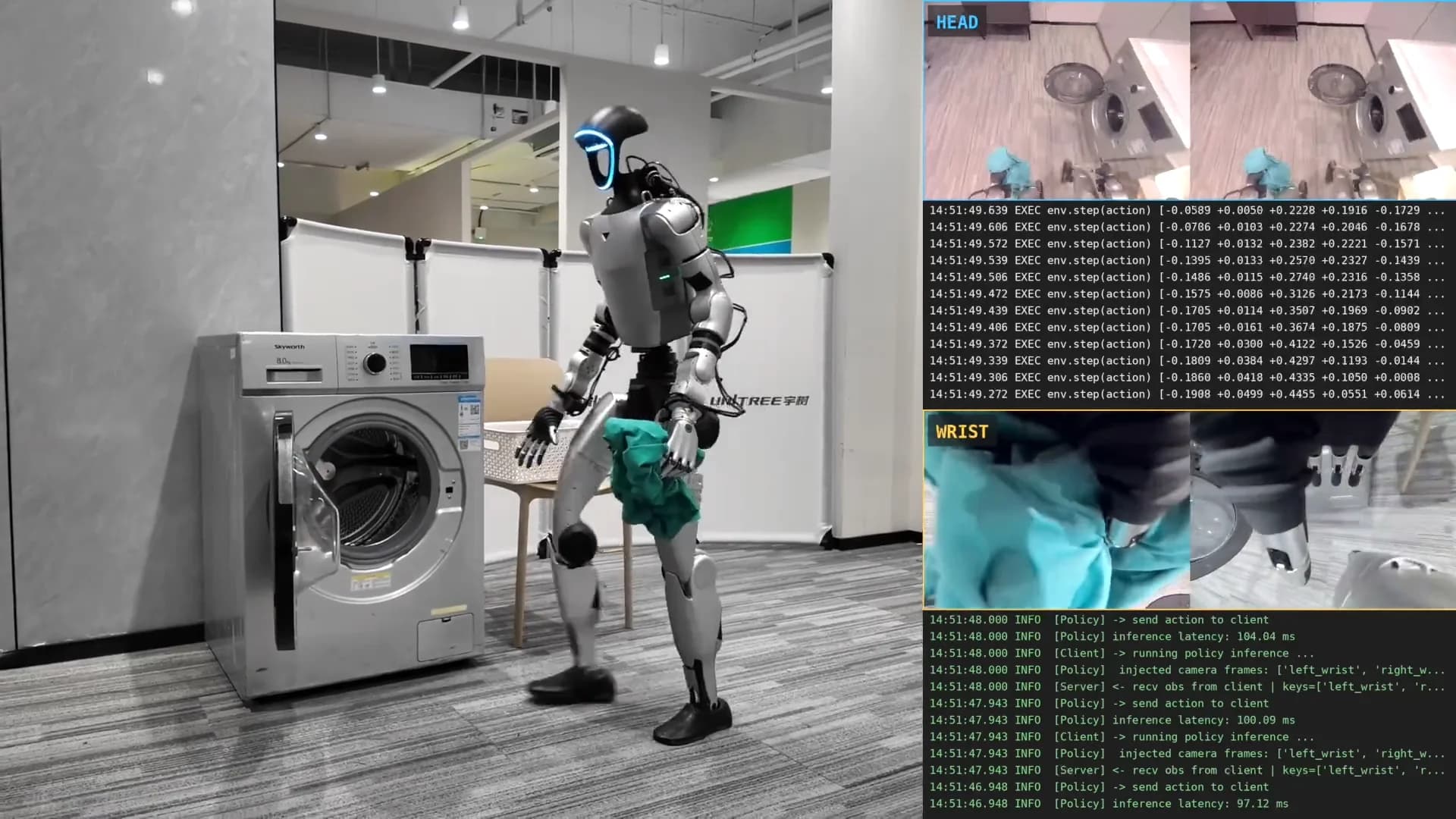
The project page describes a model with two roles: generating robot actions alongside predicted video, and simulating what supplied actions would look like. Training draws on 5,000 hours of video spanning human activity, motion-labeled demonstrations, human recordings aligned with robot tasks or surroundings, and IRON teleoperation.
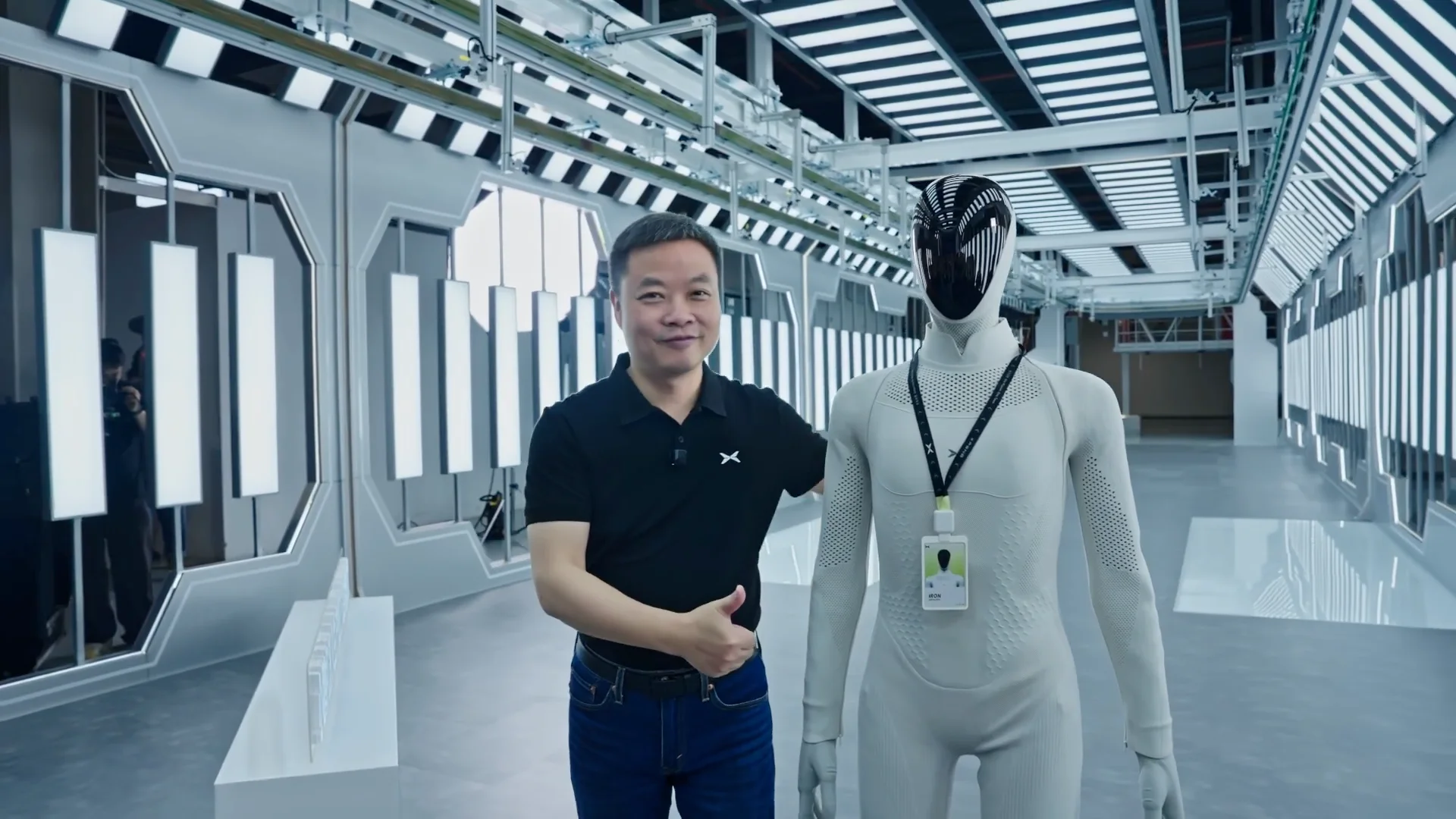
The demonstrations use previous-generation IRON hardware, rather than the newer design XPENG is targeting for mass production. The paper identifies the test platform as IRON-R01-1.11.
Learning beyond robot demonstrations
In the September 15 arXiv preprint, XPENG reports 68.3% average success across banana placement, water pouring and bowl stacking, versus 40% for DreamZero and 6.7% for GR00T. Each method received 20 trials per task.
The weekly humanoid robotics briefing
One email a week: the launches, funding and research that mattered, with context from Humanoids Daily.
Read recent issuesBowl stacking was absent from robot demonstrations but present in human and bridge data. This tests transfer between embodiments, rather than learning a task absent from all training.
The comparison also evaluates complete training recipes: XPACE received additional video adaptation. The scores therefore do not establish an architecture-only advantage over competing models.
Practicing recovery in simulation
XPENG then generated deviations from expert movements, simulated a return to the original trajectory, and filtered the resulting clips for consistency. These recoveries made up 8% of a further training mixture.
In a separate suite—banana placement, pouring and handing over a cola—mean success rose from 61.7% to 86.7%. Pouring improved from 50% to 95%. This suite replaces bowl stacking with cola handover, so its average should not be compared directly with the earlier 68.3% benchmark.
The authors acknowledge that the before-and-after test does not separate synthetic recovery data from the benefit of additional optimization. It is also a training procedure, rather than evidence of a deployed robot continuously teaching itself.
From assembly lines to useful autonomy
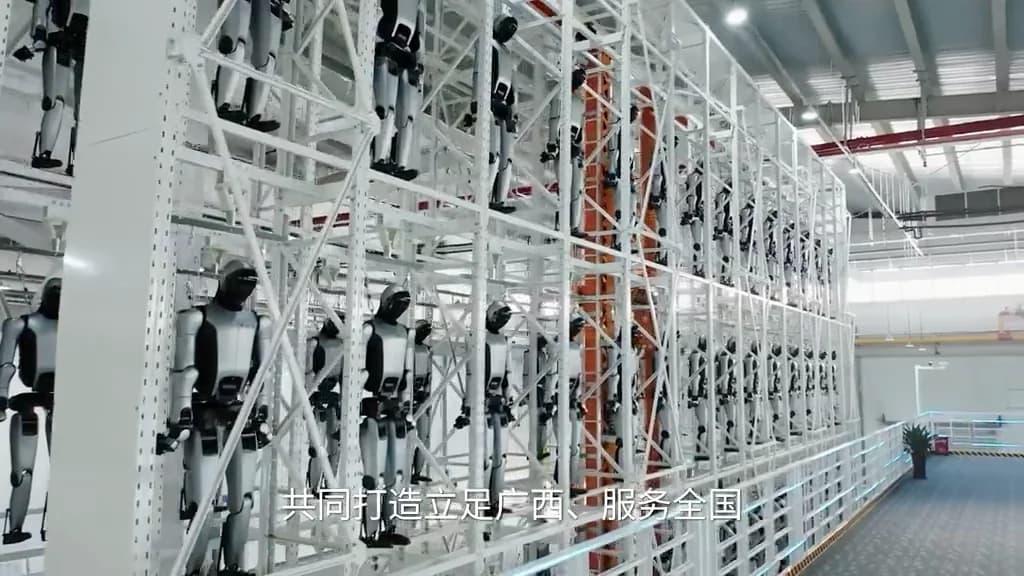
Our recent coverage of XPENG’s IRON assembly line examined the hardware side of its ambitions. XPACE puts the software question in sharper focus: manufacturing more robots and making them dependable are distinct challenges.
The useful next evidence would be broader task coverage, repeated evaluations and sustained operation outside controlled resets. A robot that can recover after an imperfect movement could need fewer human interventions. Whether that translates into reliable work remains the commercial test.
Share this article
Read next
- Published on
- Reading time
- 6 min read
Inside XPENG’s Bet on IRON: He Xiaopeng on Why the Hardest Path in Humanoid Robotics Is Never Crowded
- Published on
- Reading time
- 6 min read
XPENG Launches Mass Production of IRON Humanoid
- Published on
- Reading time
- 4 min read
XPENG's Head of Robotics Admits Hardware is 'Bottleneck' as 2026 Production Goal Looms
- Published on
- Reading time
- 4 min read
Xpeng to Break Ground on "Full-Chain" Humanoid Factory to Meet 2026 Production Goal
- Published on
- Reading time
- 3 min read
XPENG CEO Targets Late 2026 for Massive IRON Deployment
- Published on
- Reading time
- 5 min read
Simulating the 'Masterpiece': XPENG Robotics Unveils Design Framework and Lattice Musculature for IRON

The weekly humanoid robotics briefing
One email a week: the launches, funding and research that mattered, with context from Humanoids Daily.
Read recent issues