- Published on
Tesla’s Miami Mishap Highlights the Fragile Reality of Teleoperation
One tap, and our reporting appears more often in your Google Top Stories. It makes a real difference to a small newsroom.

Your guide
Rich Robinson
Jee Chee Ren · Executive tour
See China’s AI and robotics ecosystem first-hand.
Six days exploring AI, robotics and advanced manufacturing.
With Rich Robinson, Clinical Professor of Entrepreneurship at Peking University
Beijing · Guangzhou · Shenzhen
29 November–4 December 2026
Referral partnership · We earn a commission on referred bookings.
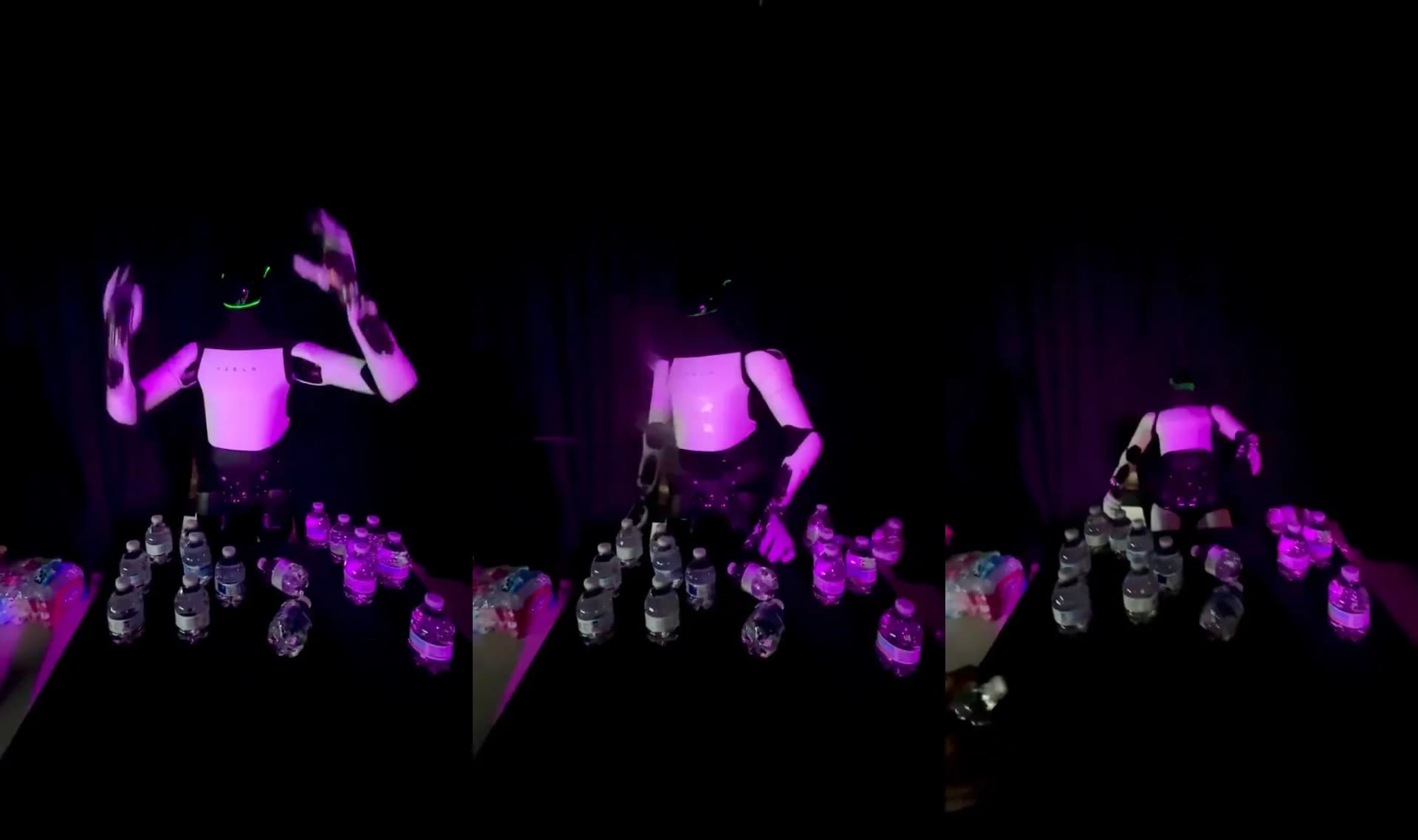
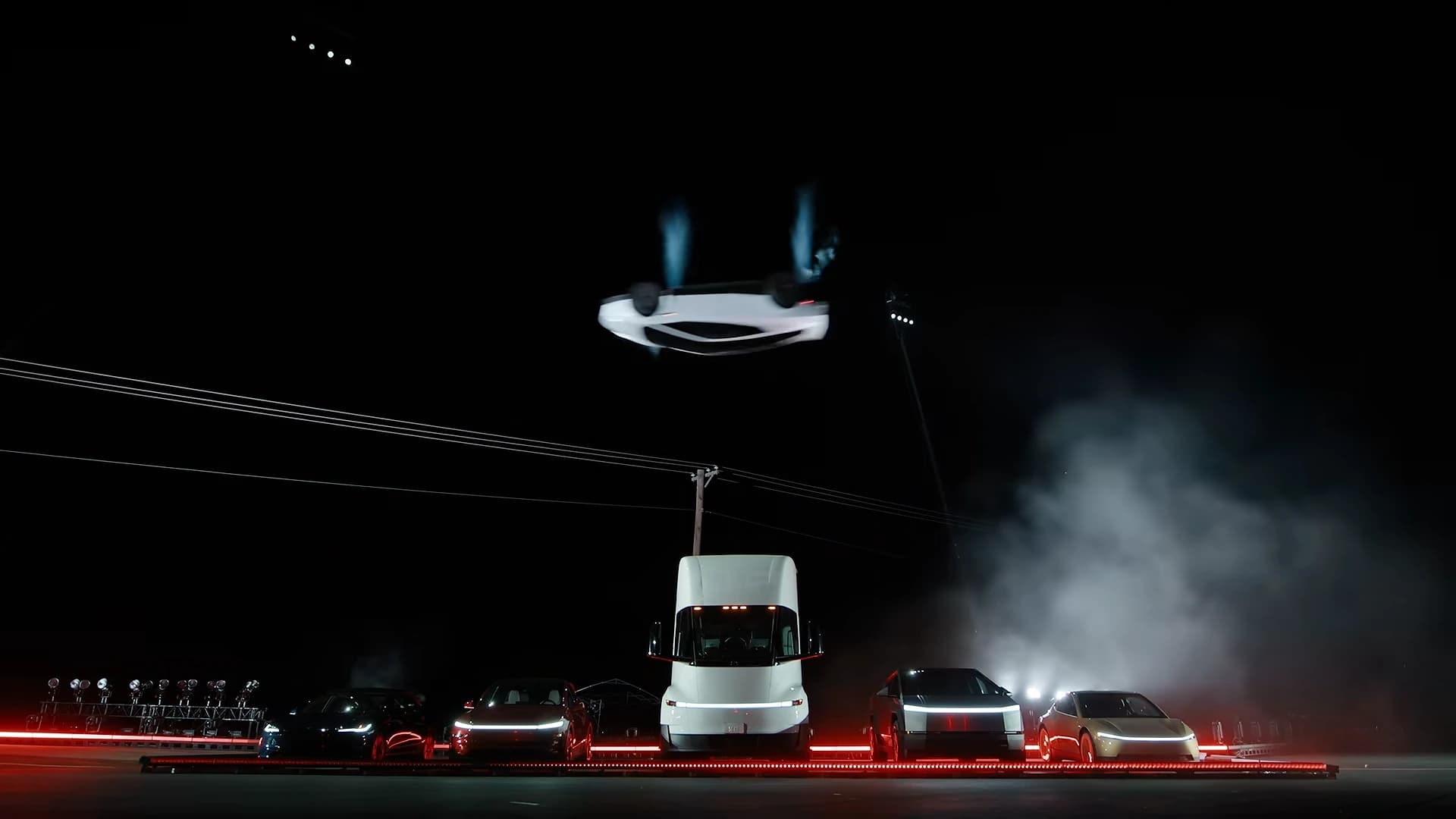
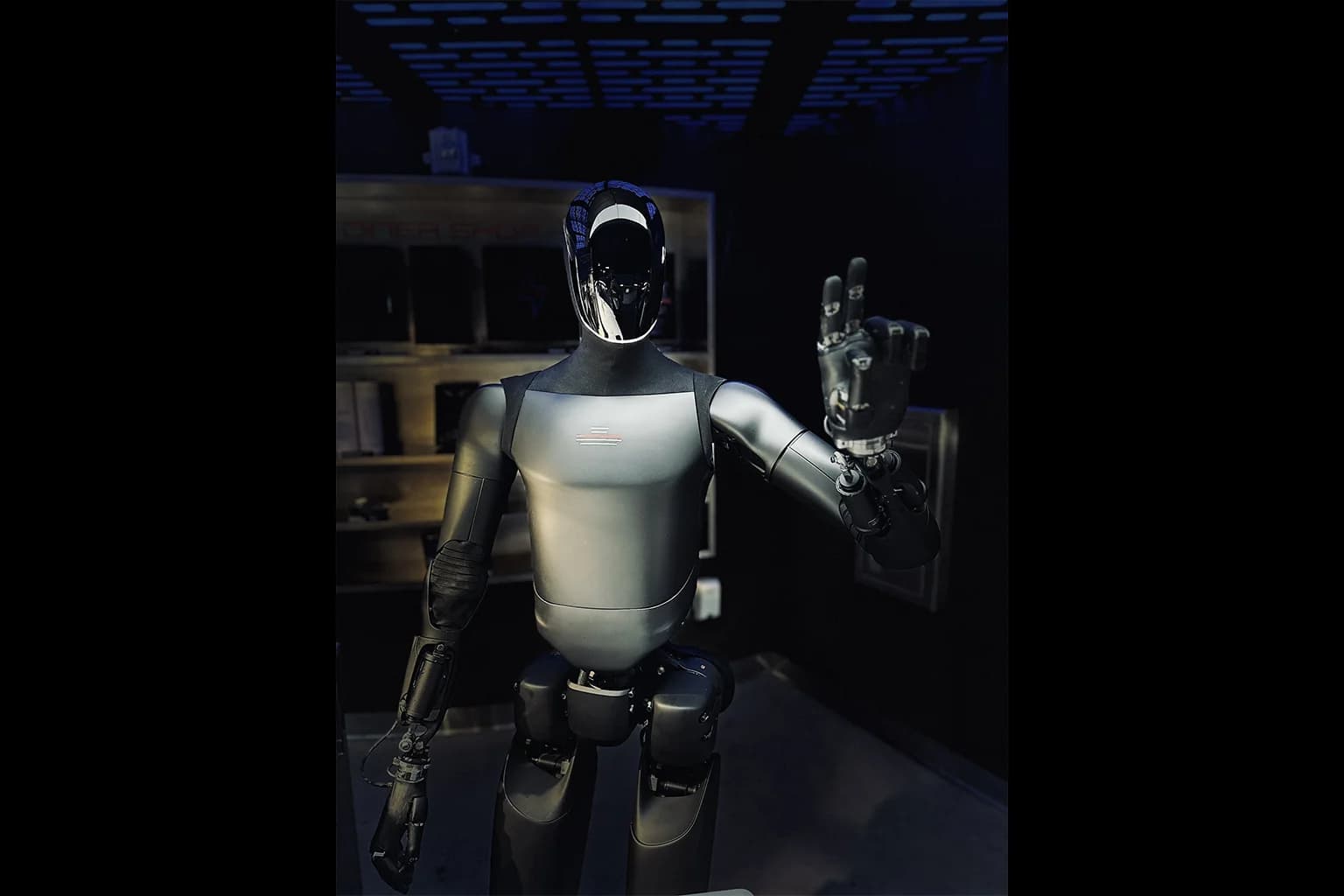
MIAMI, FL — At Tesla’s "The Future of Autonomy Visualized" event in the Miami Design District this weekend, the promise of a robotic workforce was on full display. While the event highlighted humanoid fluidity and interaction, a viral mishap served as a grounded reminder of the physical complexities that still remain on the road to widespread deployment.
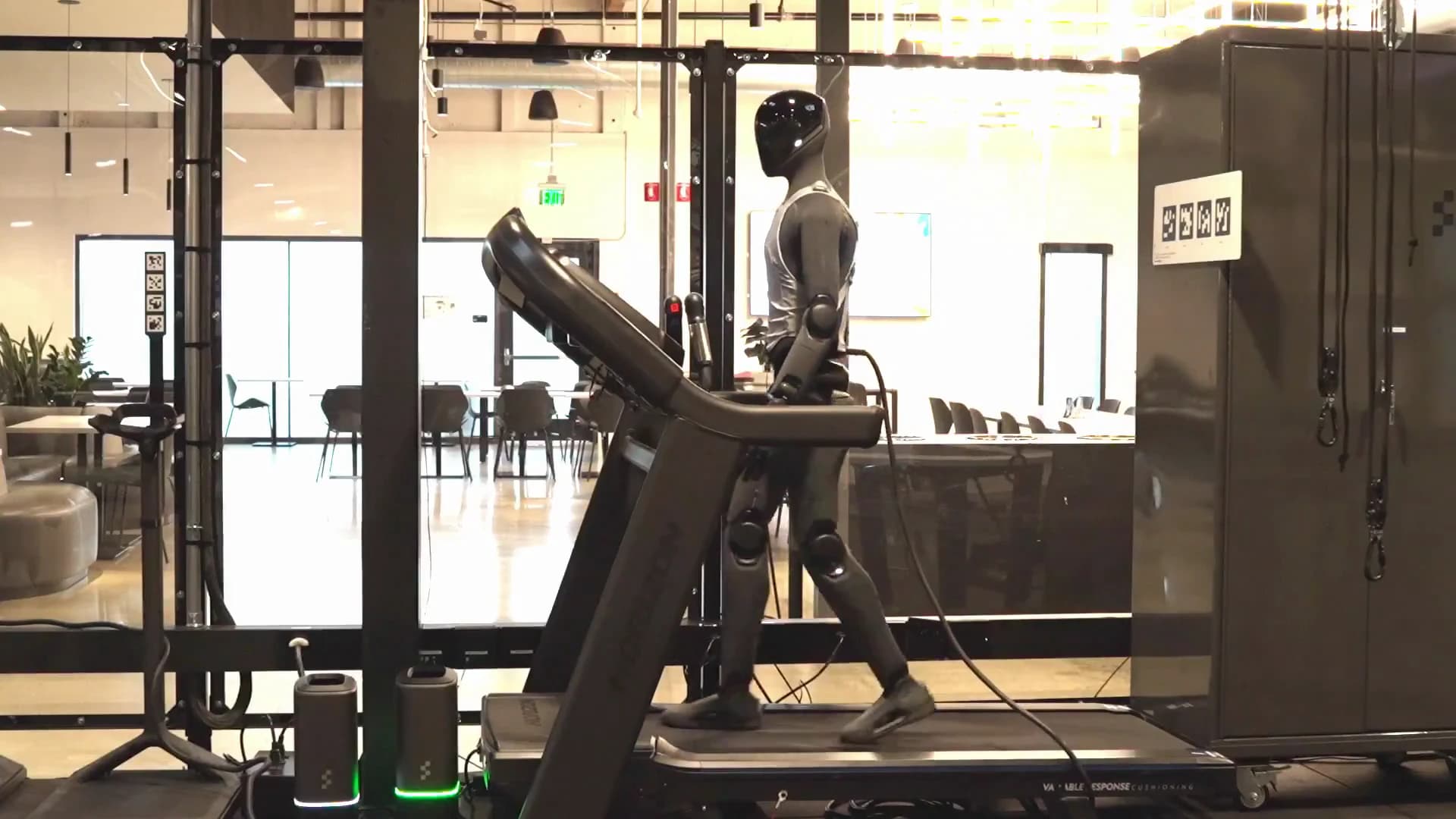
For much of the two-day showcase, Tesla’s Optimus robot charmed attendees, handing out drinks and performing fluid, human-like gestures that seemed to validate the company’s rapid progress in actuation and control. However, the illusion of seamless autonomy was shattered when a video surfaced showing one of the robots suddenly losing balance, crashing backwards, and smashing a water bottle with enough force to send liquid spraying across the display.
The incident pulls back the curtain on the industry's reliance on teleoperation. More importantly, it reignites a critical debate about the safety physics of heavy, rigid robots sharing space with humans.
The "Dead Man's Switch" Problem
According to widely shared footage and commentary on X (formerly Twitter), the collapse was not a failure of the robot's AI brain, but a failure of its human tether.
The weekly humanoid robotics briefing
One email a week: the launches, funding and research that mattered, with context from Humanoids Daily.
Read recent issuesUser @xdNiBoR, who shared footage of the aftermath, offered a simple explanation for the sudden loss of motor control: "Tele operator took off the headset."
If accurate, this explanation highlights a fundamental vulnerability in the current phase of humanoid development. Many leading companies, from Tesla to 1X Technologies, rely on human pilots wearing VR rigs to control robots in real-time, both to impress audiences and to generate training data for future AI models.
However, the Miami incident suggests that Optimus lacks a robust "passive stability" or a failsafe reflex. When the data stream from the pilot is severed (or the pilot moves unexpectedly), the robot does not freeze or crouch; it succumbs to gravity. For a bipedal machine that must actively balance every millisecond, a loss of signal is effectively a loss of consciousness.
When 150 Pounds Hits the Deck
The violence of the fall—specifically the shattering of the water bottle—serves as a visceral data point in the ongoing safety debate.
Unlike a lightweight toy, Optimus is an industrial machine built with rigid actuators. When it falls, it delivers significant kinetic energy. This risk is precisely what former Figure AI safety lead Rob Gruendel warned about in a recent whistleblower lawsuit.
In that complaint, Gruendel alleged that rigid robots moving at human speeds could generate forces "twenty times higher than the threshold of pain" and were potentially "powerful enough to fracture a human skull." While the Miami incident only resulted in a wet table, it illustrates the unpredictability of heavy, dynamically stable machines. If a child or bystander had been standing in the robot's fall path, the outcome could have been medical, not viral.
The Argument for "Passive Safety"
The incident offers a strong counter-argument to Tesla's design philosophy and validates the approaches taken by competitors who prioritize inherent safety over anthropomorphic perfection.
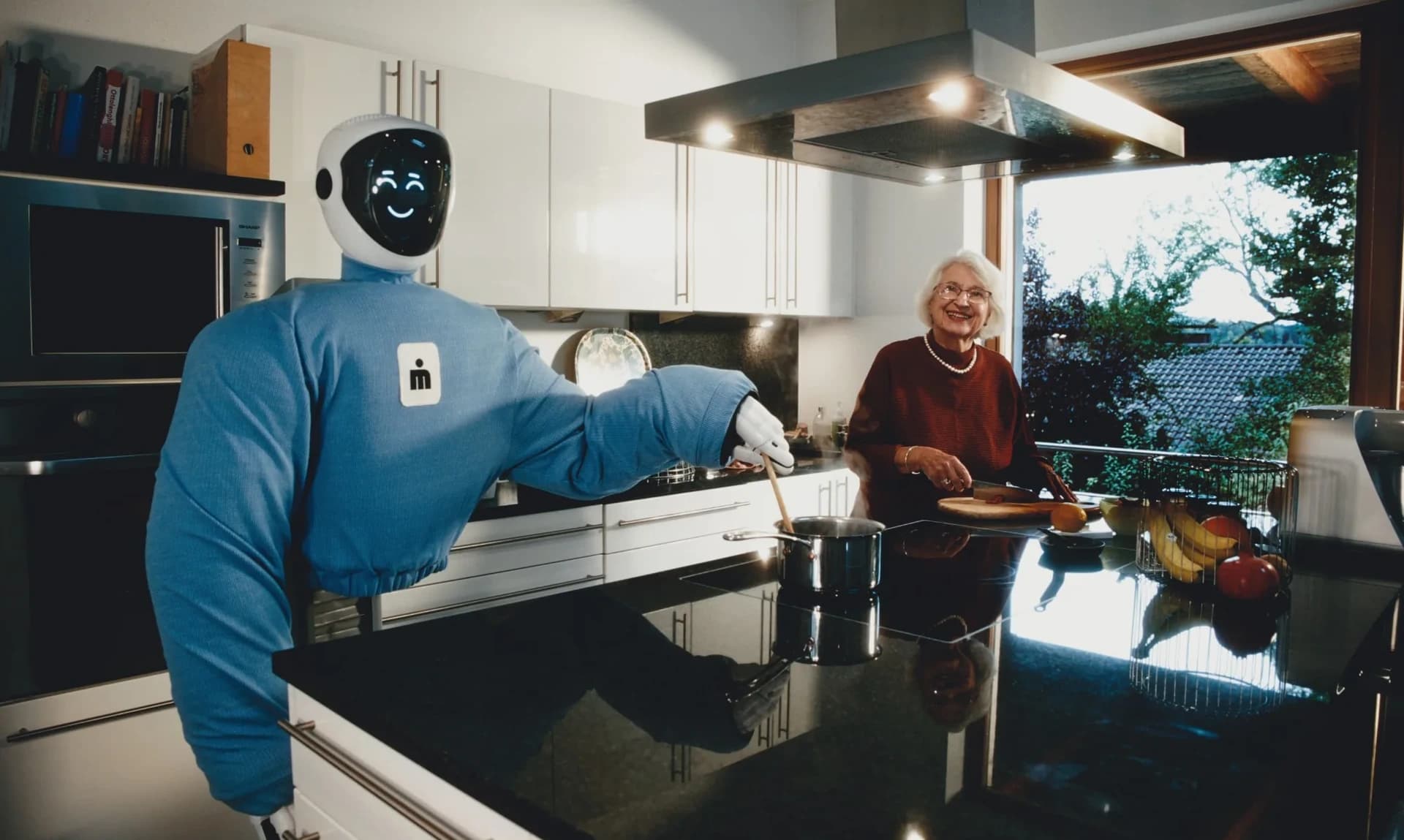
1X Technologies, for instance, has designed its NEO robot to be exceptionally lightweight and compliant. By using muscle-like actuation rather than rigid gears, 1X argues that its robot is "safe by design"—if it hits you (or falls on you), it feels more like a person than a vending machine.
Taking a completely different route, newcomer Sunday Robotics has opted to skip legs entirely. Their home robot, Memo, rests on a wheeled base. This grants it "passive stability"—if the power cuts or the operator walks away, the robot simply sits there. It physically cannot fall over.
From Demo to Reality
As the industry races toward commercialization, the gap between controlled demos and the chaos of the real world is becoming the primary hurdle.
Agility Robotics recently became the first to secure OSHA-recognized safety approval for its Digit robot, a boring but necessary step that proves the machine can fail safely. Meanwhile, groups like the IEEE and ISO are rushing to write standards that would mandate fall-protection behaviors for bipeds.
Tesla’s Miami showcase was intended to visualize the future of autonomy. In a way, it succeeded: it showed us that until these machines can handle a disconnected headset without smashing the furniture, that future remains a fragile one.
Share this article
Read next
- Published on
- Reading time
- 3 min read
Tesla Makes Its Case for Board Continuity Ahead of December 3 Shareholder Vote
- Published on
- Reading time
- 2 min read
Musk Puts Optimus and Cybercab at the Center of Tesla’s Future Value
- Published on
- Reading time
- 5 min read
Musk Details Optimus Hand Challenges, Warns of Slow Initial Production Ramp
- Published on
- Reading time
- 3 min read
Musk Says Tesla Halved AI5 RAM to Secure Memory for Optimus Production
- Published on
- Reading time
- 5 min read
Tesla App Contains Optimus Gen 3 Renders—Here’s What They Show
- Published on
- Reading time
- 4 min read
Supply Chain Rumors Hint at Massive Optimus Order as Fremont Production Line Ramps Up
The weekly humanoid robotics briefing
One email a week: the launches, funding and research that mattered, with context from Humanoids Daily.
Read recent issues