- Published on
Unitree launches G1+ with stronger motors, a moving neck and a $15,000 price
One tap, and our reporting appears more often in your Google Top Stories. It makes a real difference to a small newsroom.

Supported by RoboStrategySupport for Humanoids Daily comes from RoboStrategy
Sponsored
Investing involves risk, including possible loss of principal. Read the prospectus before investing.
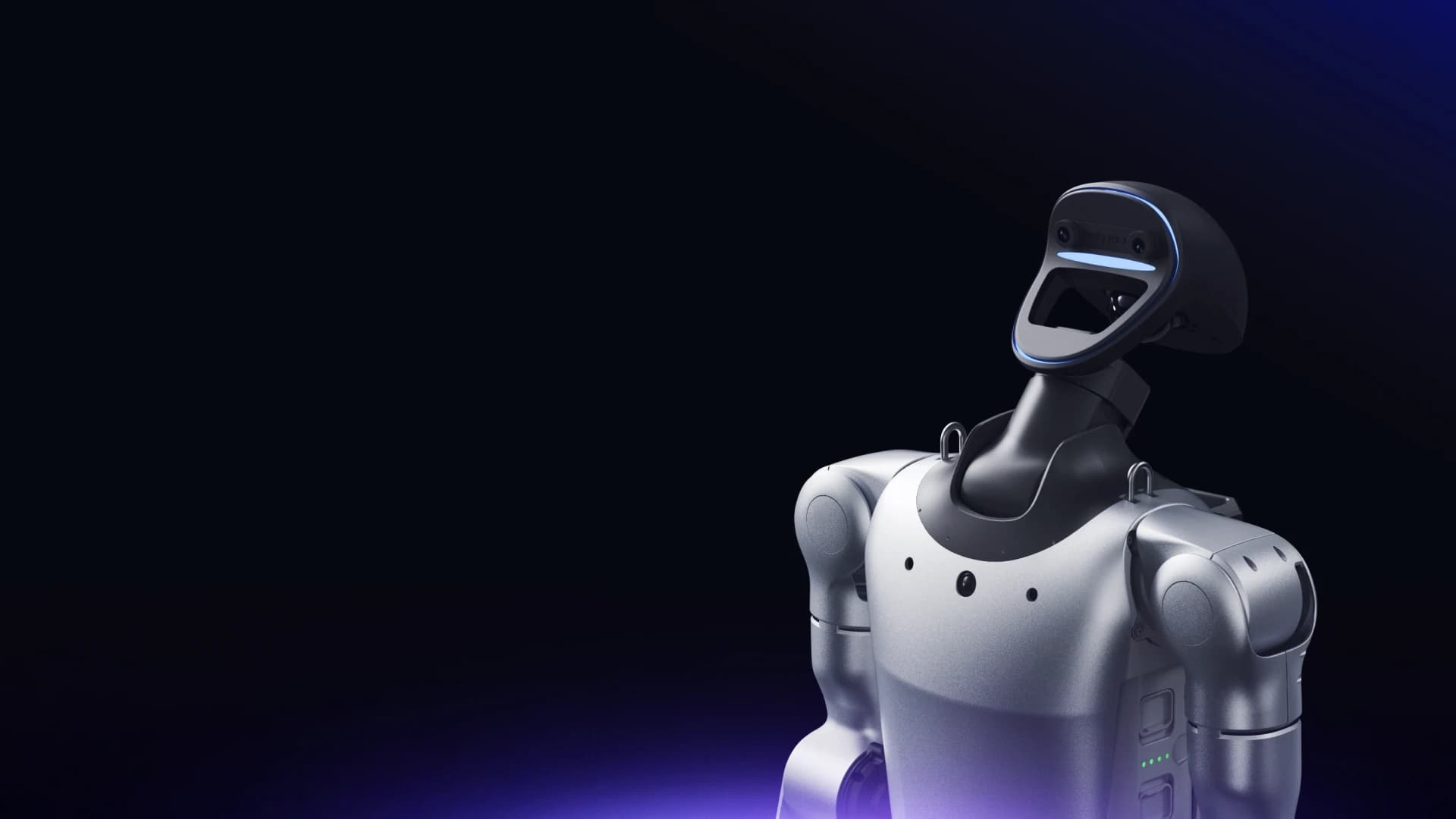
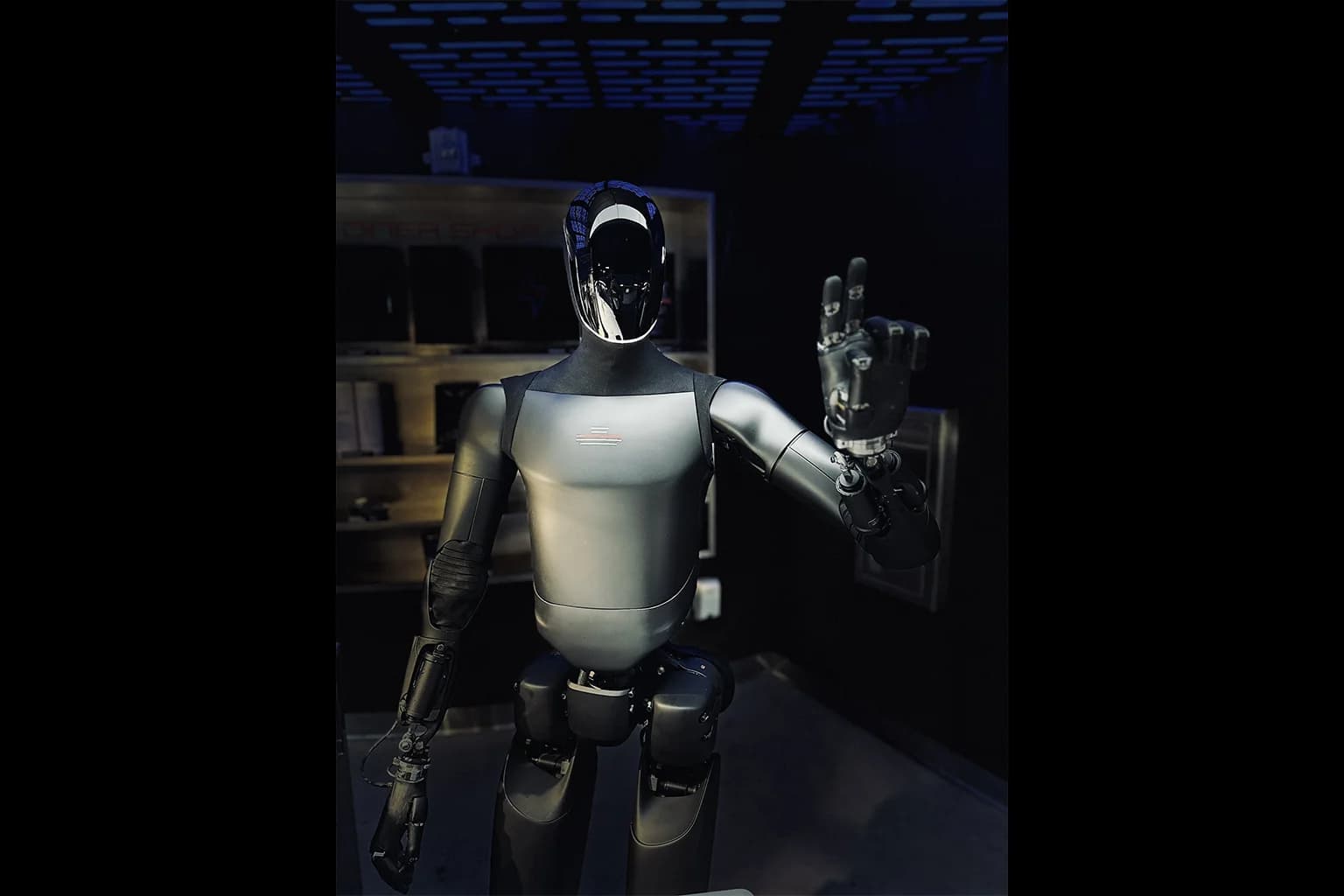
Unitree has launched G1+, an upgraded version of its compact humanoid, adding a movable neck, stronger motors and new sensing hardware. The company lists the base model at US$15,000, excluding tax and shipping, on its official product page.
The update concentrates on the hardware around everyday movement and interaction. A robot looking toward a person, carrying an object or remaining powered through a long research session benefits from more than spectacular locomotion alone.
The Standard reported the launch on Monday, September 14, with a Chinese price of 95,000 yuan including tax, compared with 85,000 yuan for G1. Those domestic prices have a different tax basis from Unitree’s dollar listing.
A moving head and stronger joints
Unitree says G1+ adds two neck degrees of freedom for pitch and yaw. It claims 110% higher peak torque at the shoulder and waist, and a 43% increase in maximum arm torque. At equal torque, the company reports reduced heating: 72% for shoulder/waist motors, 30% for arm motors and 28% for thigh motors.
The weekly humanoid robotics briefing
One email a week: the launches, funding and research that mattered, with context from Humanoids Daily.
Read recent issuesThe perception changes include binocular vision, a chest-mounted wide-angle camera, head touch sensing, six microphones and two 10-watt speakers.
These are manufacturer claims rather than independent measurements. Higher peak torque also should not be read as a matching percentage increase in what the entire robot can lift.
G1 versus G1+
| Base-model specification | G1 | G1+ |
|---|---|---|
| Height | 1.32 m | 1.34 m |
| Weight with battery | About 35 kg | About 35 kg |
| Degrees of freedom | 23 | 25 |
| Maximum arm load | About 2 kg | About 3 kg |
| Battery runtime | About 2 hours | About 2 hours |
| Listed price, before tax/shipping | US$13,500 | US$15,000 |
Sources: Unitree’s G1 and G1+ specifications. Arm load varies with posture.
The price difference is US$1,500, or roughly 11%, against the current G1 listing—not the original G1 launch price.
G1+ supports external power for longer sessions, but its listed battery runtime remains around two hours. External power extends operation while connected; it is not an increase in untethered endurance.
An EDU version offers 25–45 degrees of freedom depending on configuration, with pricing by enquiry. The base model should not be assumed to include the EDU configuration’s optional hands or development capabilities.
For Unitree Robotics, G1+ expands a family that already includes the distinct, wheeled G1-D platform. The immediate story is a hardware revision. Whether it translates into more useful autonomous work will depend on the software and applications built around it.
Share this article
Read next
- Published on
- Reading time
- 6 min read
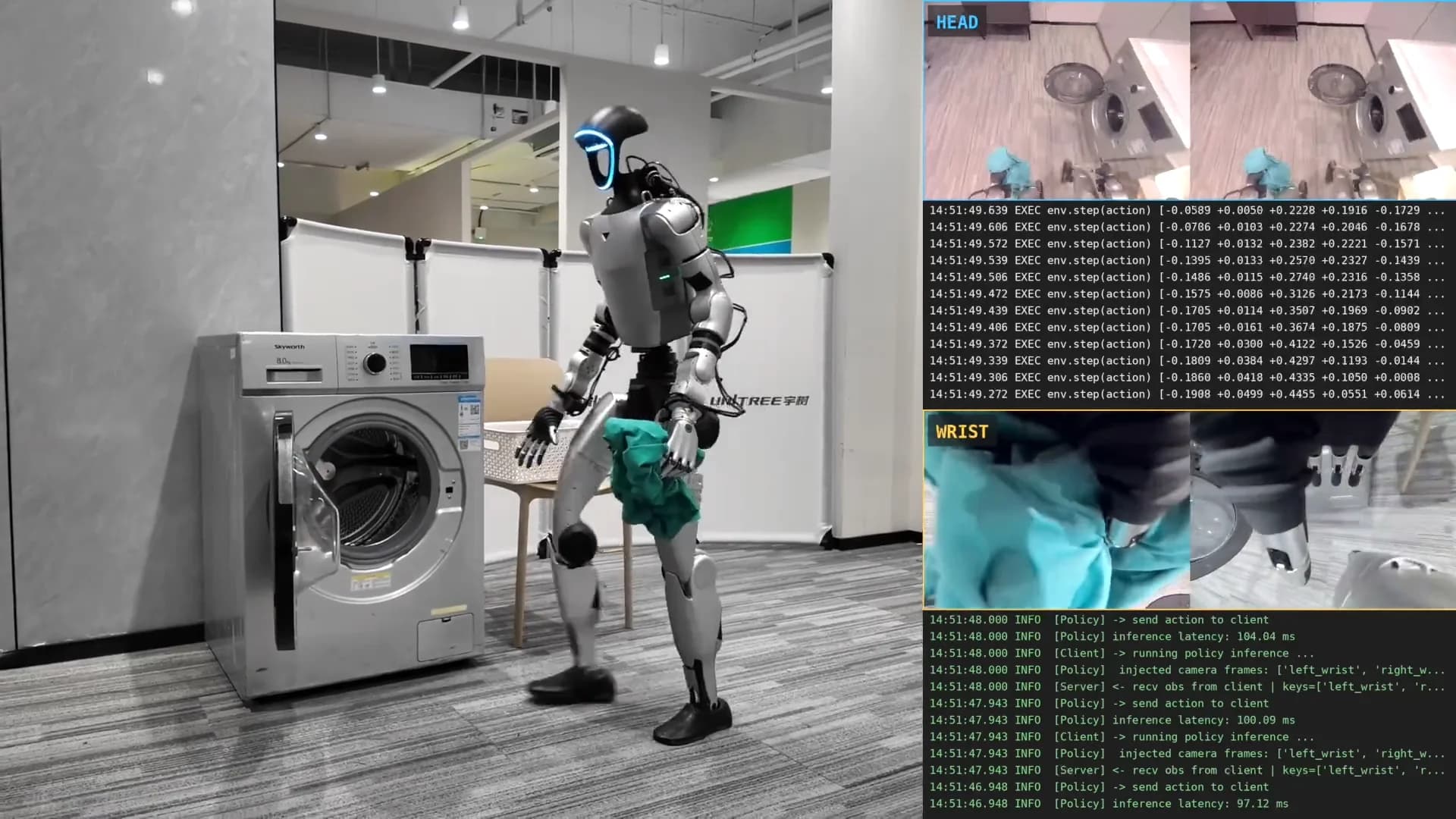
Unitree Open-Sources UnifoLM-WLA-1.0 to Tackle Humanoid Generalization
- Published on
- Reading time
- 5 min read
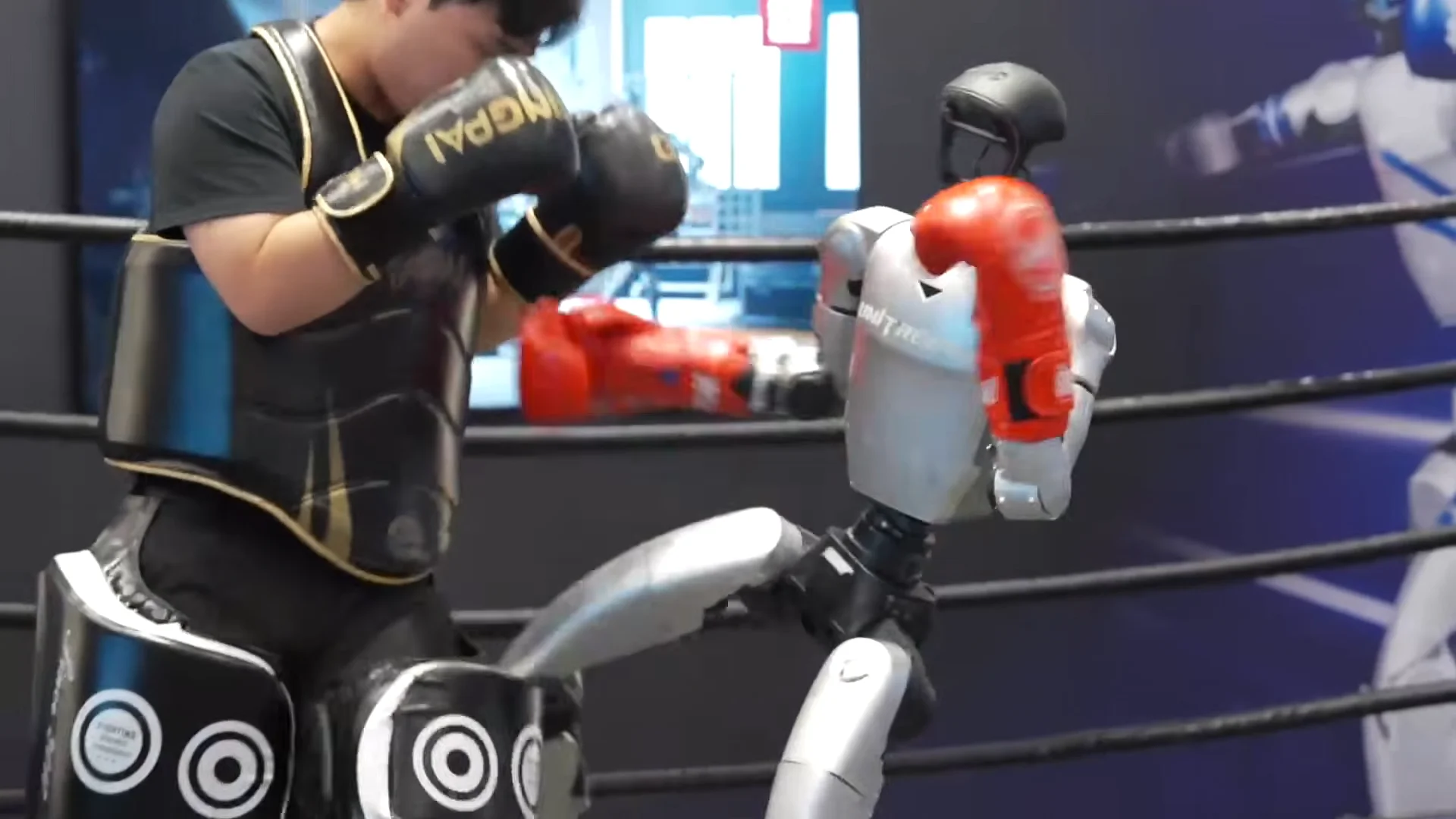
Unitree Unveils UnifoLM-X2: World Model AI Powers Fully Autonomous Robot Combat
- Published on
- Reading time
- 6 min read
Hack One Robot, Reach the Next: How Unitree’s G1 Left the Door Open to Root Takeover
- Published on
- Reading time
- 7 min read
Not Ready to Scale: Unitree CEO Wang Xingxing on Why Humanoids Still Aren’t Working in Factories
- Published on
- Reading time
- 6 min read
Global Humanoid Shipments Surpass 22,000 in H1 2026 as AGIBOT Leads and Form-Factor Debates Intensify
- Published on
- Reading time
- 4 min read
Unitree Soars Over 600% in Shanghai IPO, Cements China’s Lead in Humanoid Hardware
The weekly humanoid robotics briefing
One email a week: the launches, funding and research that mattered, with context from Humanoids Daily.
Read recent issues