- Published on
"I Fired Them": Brett Adcock on the OpenAI Split, Robot Self-Repair, and the Kid-Safety Test
One tap, and our reporting appears more often in your Google Top Stories. It makes a real difference to a small newsroom.

Supported by RoboStrategySupport for Humanoids Daily comes from RoboStrategy
Sponsored
Investing involves risk, including possible loss of principal. Read the prospectus before investing.
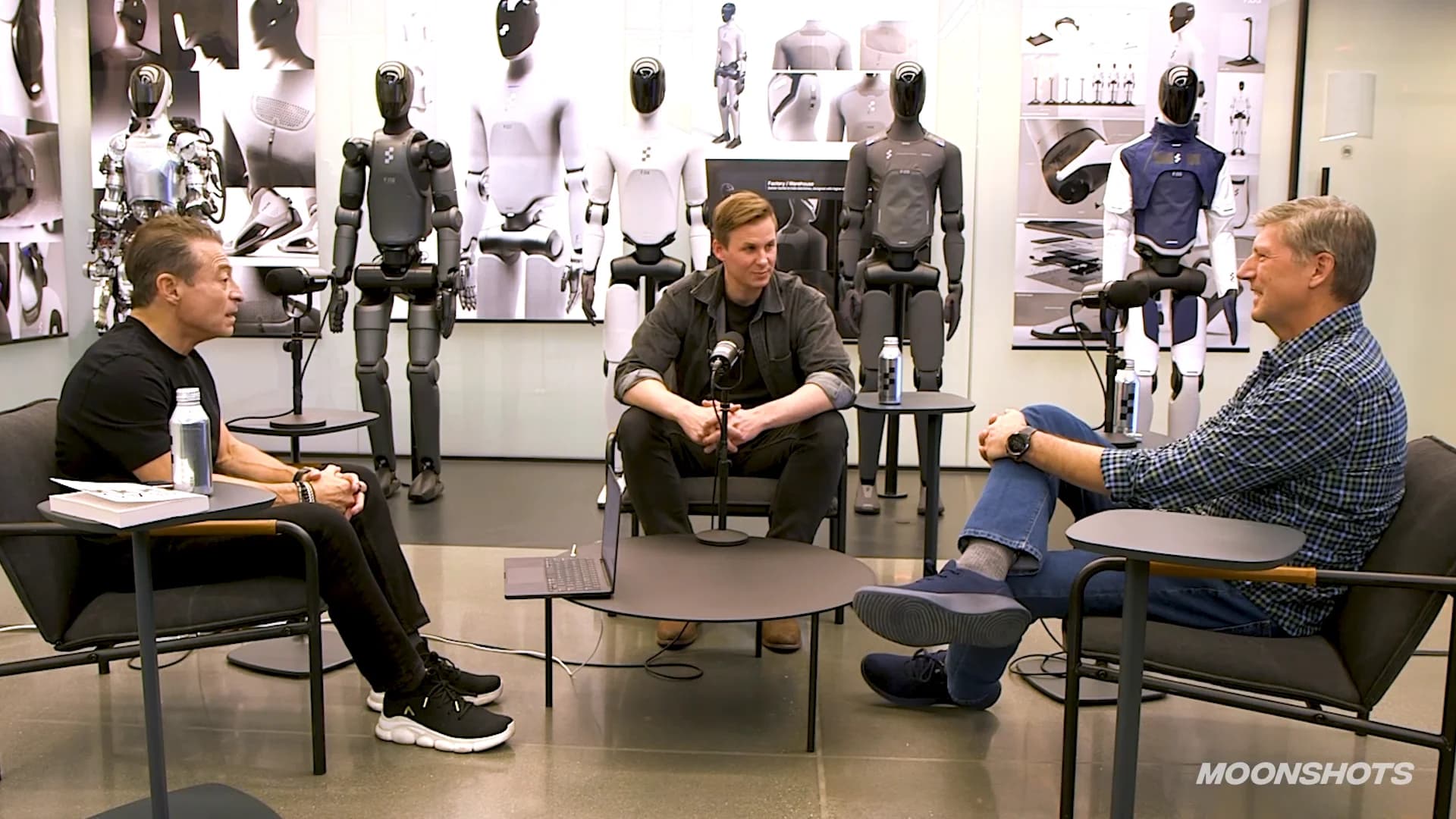
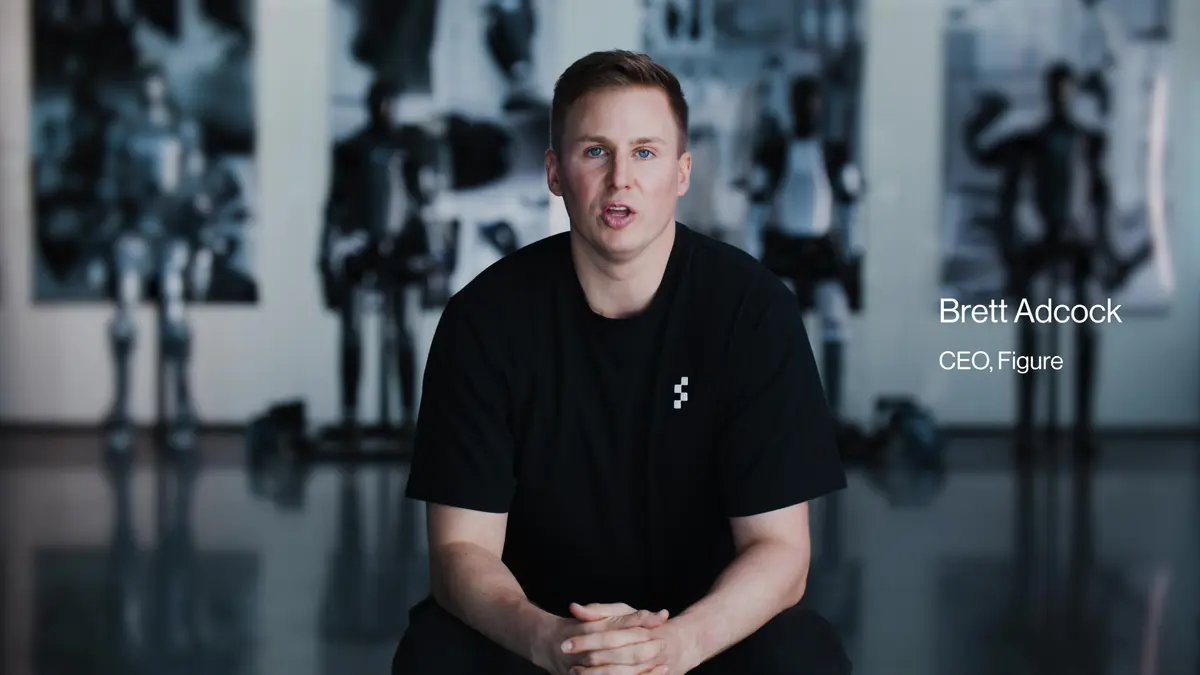
Figure CEO Brett Adcock’s recent appearance on the Shawn Ryan Show provided a raw, technical, and at times blunt look at the $39 billion startup’s internal culture and its aggressive roadmap toward a "general-purpose" future. From the boardroom drama of "firing" OpenAI to the mechanical reality of robots "limping" to a repair bay, the interview underscored a shift from theoretical AI to the grueling engineering of physical embodiment.
The OpenAI Split: "We Ran Circles Around Them"
Perhaps the most striking revelation was Adcock’s detailed account of why Figure dissolved its high-profile partnership with OpenAI. While the collaboration originally aimed to advance AI models for humanoids, Adcock claimed that Figure’s internal AI team—primarily composed of veterans from Google DeepMind—quickly outpaced the lab.
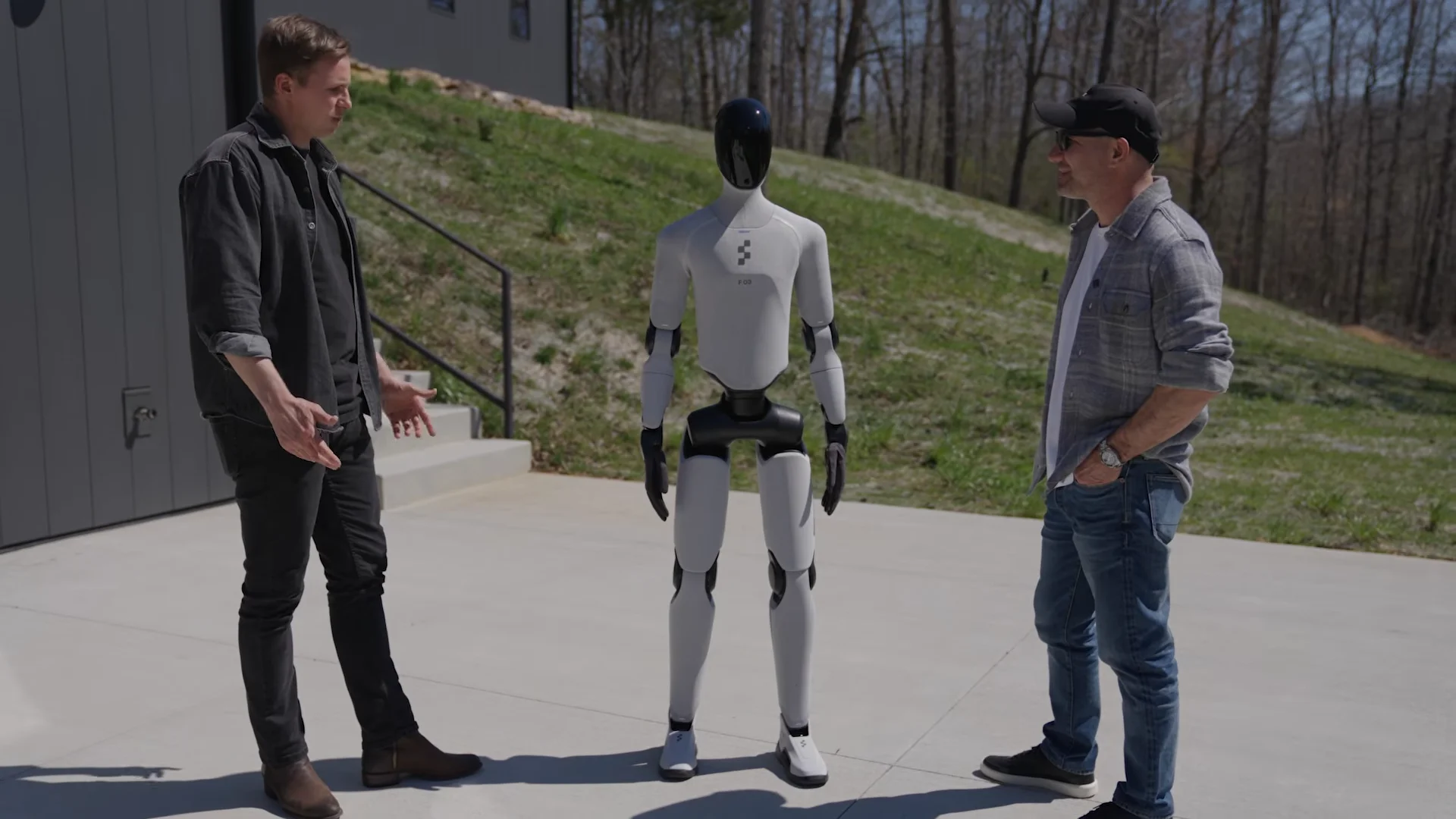
"We just found that team we had internally... we just ran kind of circles around them," Adcock told Ryan. He cited friction in the development cycle, noting that OpenAI’s team struggled to maintain the "daily, weekly" presence required to test models on physical hardware rather than in simulation. The relationship reached a breaking point when Sam Altman reportedly called Adcock to mention OpenAI was considering its own internal robotics program. "I was just like, this is over... just get out of here," Adcock recalled, noting that Figure was effectively "teaching" OpenAI how to do robot learning while receiving little value in return.
This split forced Figure to double down on its own "omni-model" architecture which now handles speech, reasoning, and action simultaneously.
The weekly humanoid robotics briefing
One email a week: the launches, funding and research that mattered, with context from Humanoids Daily.
Read recent issuesMechanical Resilience: The "Limp Mode" Breakthrough
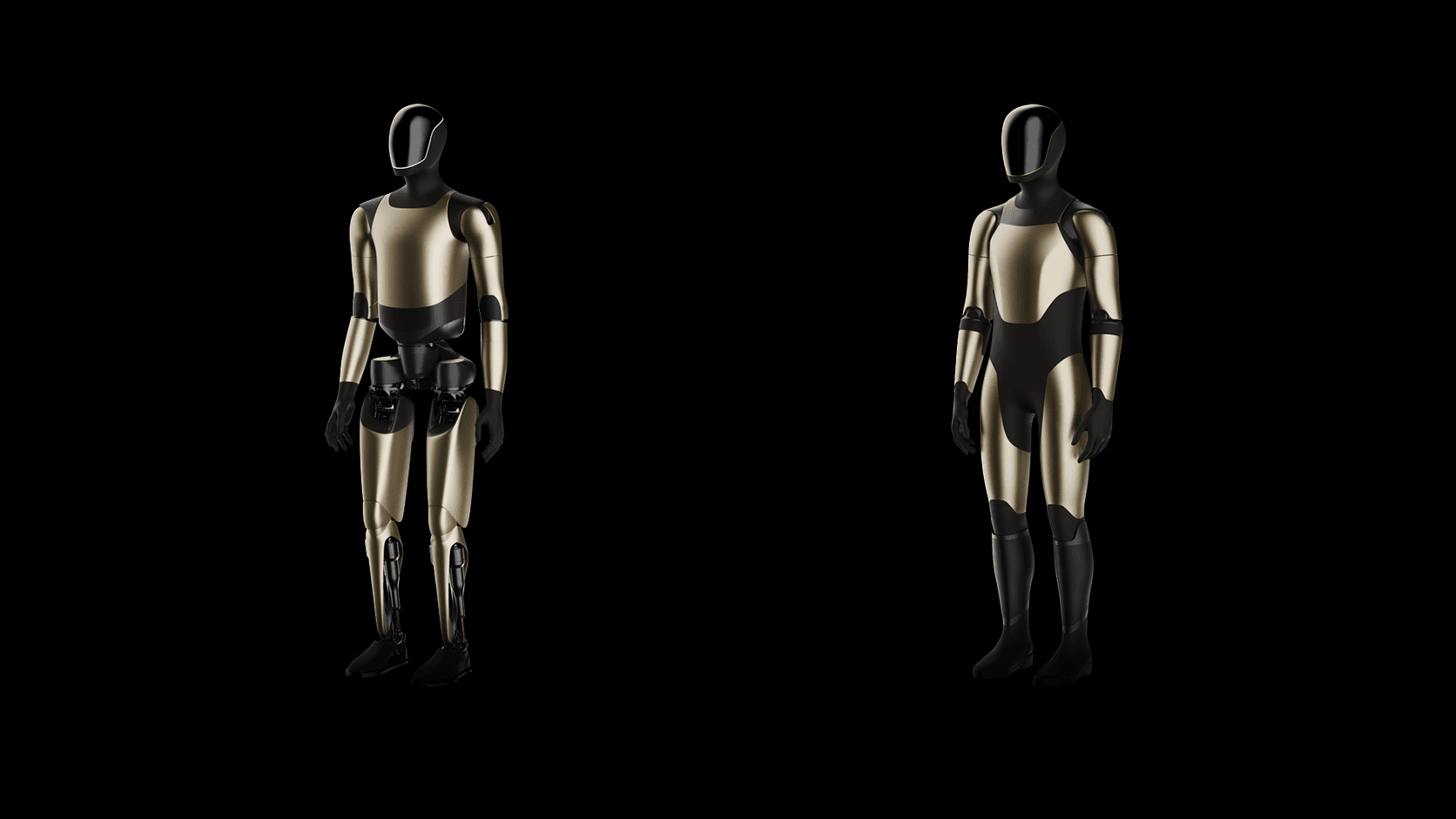
Moving beyond the software, Adcock highlighted a significant leap in the Figure 03’s ability to handle hardware failures. Historically, losing a single motor or communication link meant an immediate system collapse. However, Adcock revealed that the Figure 03 now features autonomous "self-triage" capabilities.
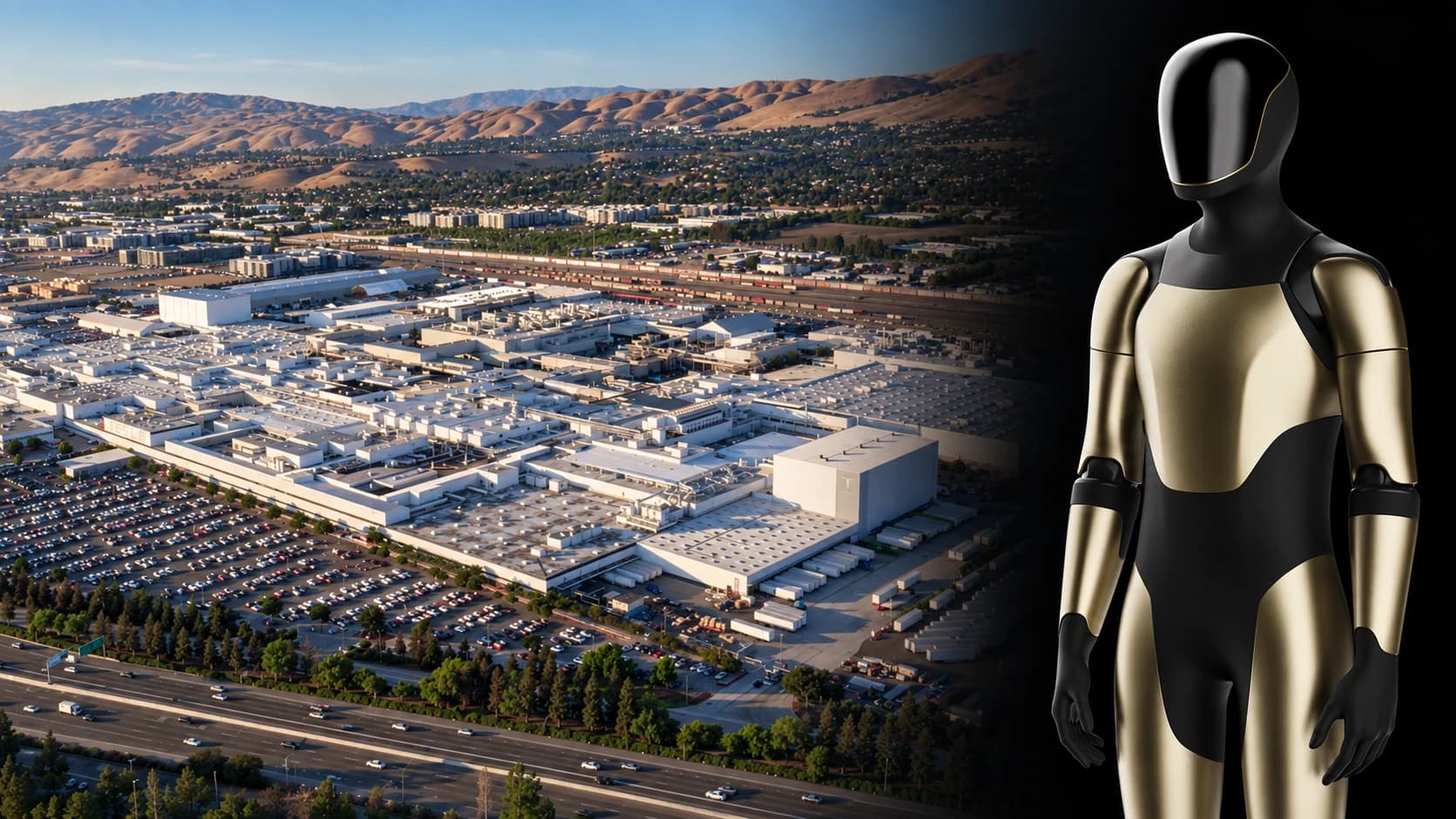
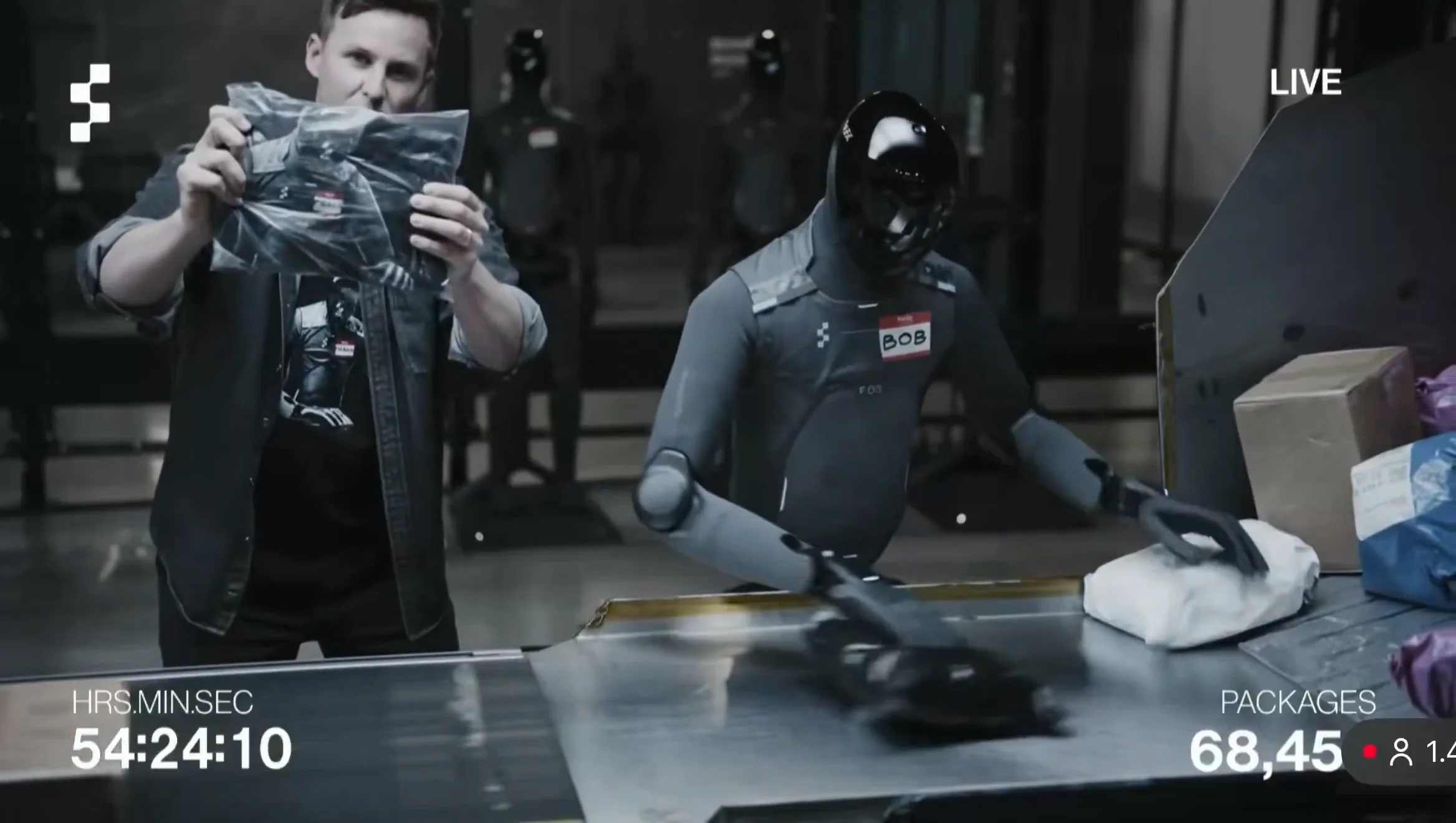
"We can lose a knee... lose full comms of the knee. We can stiffen the joint and we can limp off to the hospital," Adcock explained. This "hospital" or triage area is part of Figure’s "lights-out" Sunnyvale operation, where robots navigate to repair bays or charging docks without human intervention.
The "Kid Test": Why Homes Are Harder Than Factories
Despite the recent symbolic success of a Figure 03 appearing at the White House, Adcock remains notably cautious about domestic deployment. While the robot has performed tasks like tidying living rooms and unloading dishwashers autonomously , Adcock admits he still "babysits" the machines when they are around his own children.
"We're still not at that stage yet where I feel comfortable enough to like let loose," Adcock said. He contrasted the "chaos" and "entropy" of a home—where every toaster and floorplan is different—with the structured environment of the BMW Spartanburg pilot. In a factory, the robot's tasks can be defined on a "piece of paper," whereas a home requires a level of common-sense reasoning and safety that is still being refined.
This caution aligns with the scrutiny Figure has faced regarding safety culture, including a whistleblower lawsuit alleging that earlier models generated enough force to fracture a human skull.
Scaling Toward BotQ
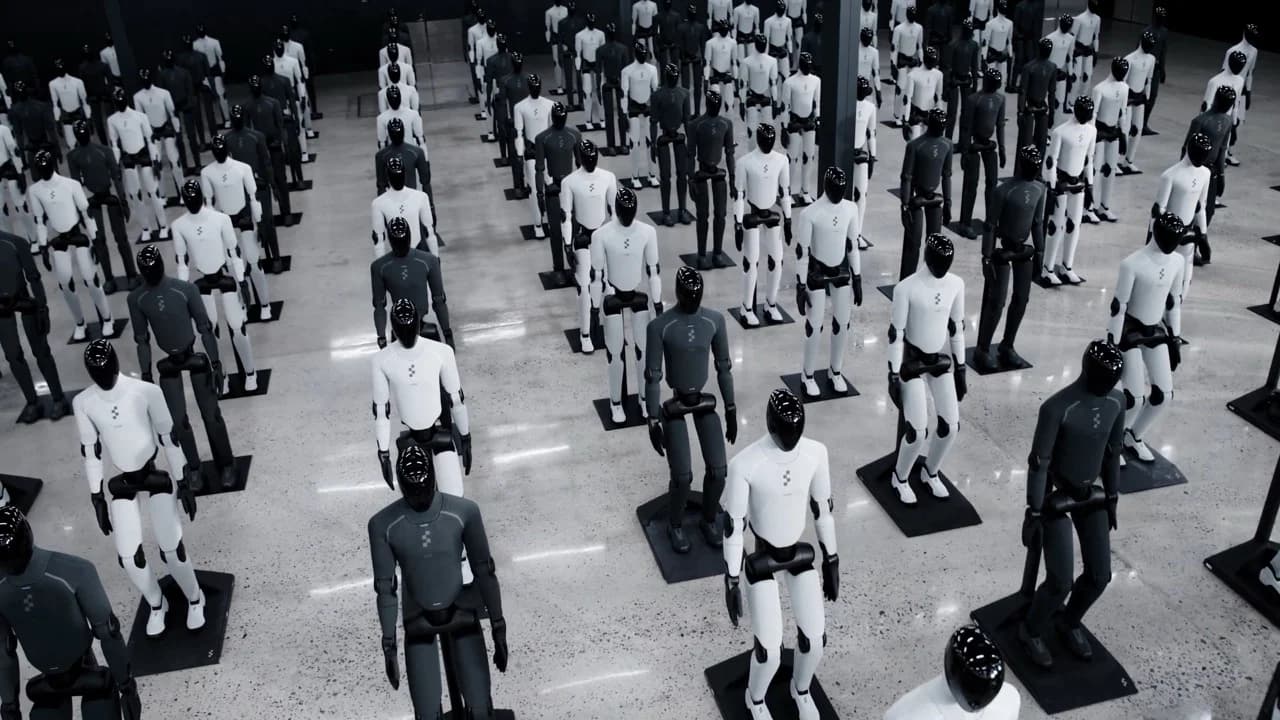
Figure is currently preparing for mass deployment to commercial customers, including BMW, Brookfield, and major logistics firms. Adcock confirmed that the company's "BotQ" manufacturing facility is now producing a robot every 90 minutes, with a long-term goal of 50,000 units per year.
To facilitate this, Adcock emphasized a "Software 2.0" strategy, having deleted over 100,000 lines of hand-coded C++ in favor of the Helix 02 neural network stack. This allows the robot to learn new tasks—like "walking the dog" or "towel folding"—simply by uploading new "weights" to its brain, much like downloading an app to a smartphone.
While the "Numbers War" with Chinese competitors like AGIBOT intensifies , Adcock’s focus remains on "Made in the USA" manufacturing and a total supply chain decoupling from China by the summer of 2026.
Watch the episode on YouTube below:
Share this article
Read next
- Published on
- Reading time
- 8 min read
Beyond the 60-Hour Mark: Figure AI’s Endurance Marathon Signals Playbook for Figure 4 and Supply Chain Independence
- Published on
- Reading time
- 3 min read
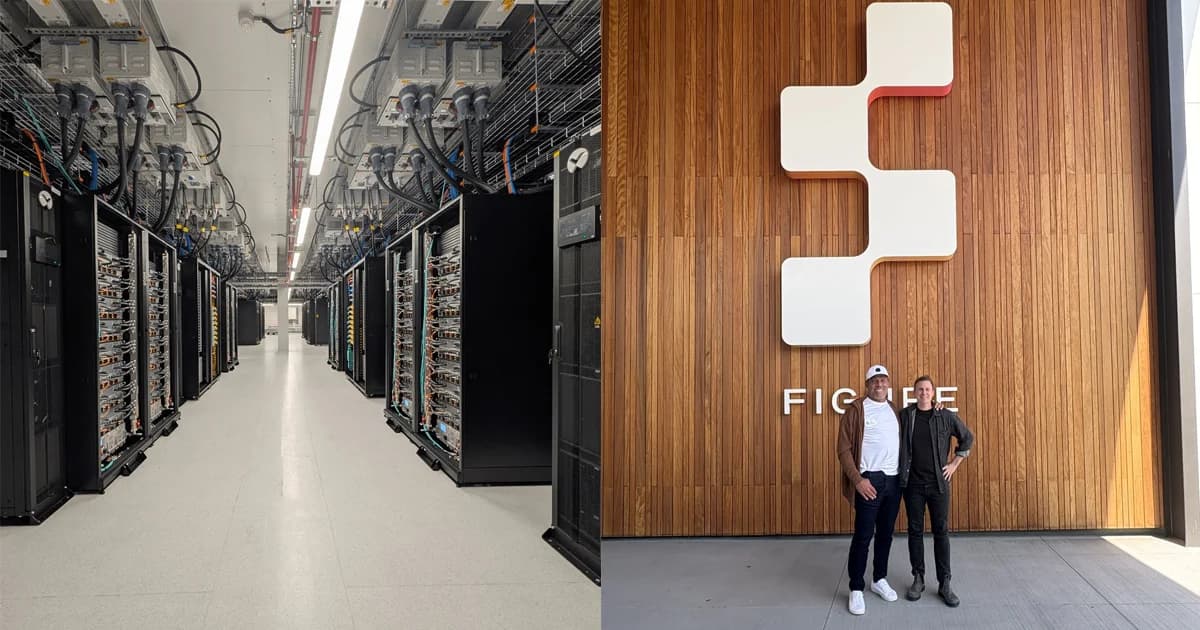
Compute War Chest: Figure and Hark Secure Full Datacenter of NVIDIA B200s
- Published on
- Reading time
- 3 min read
Lights-Out in Sunnyvale: Figure 03 Fleet Shifts to 24/7 Autonomous Operation
- Published on
- Reading time
- 4 min read
The End of C++: Brett Adcock on Helix 02 and Figure’s Path to "Room-Scale" Autonomy
- Published on
- Reading time
- 5 min read
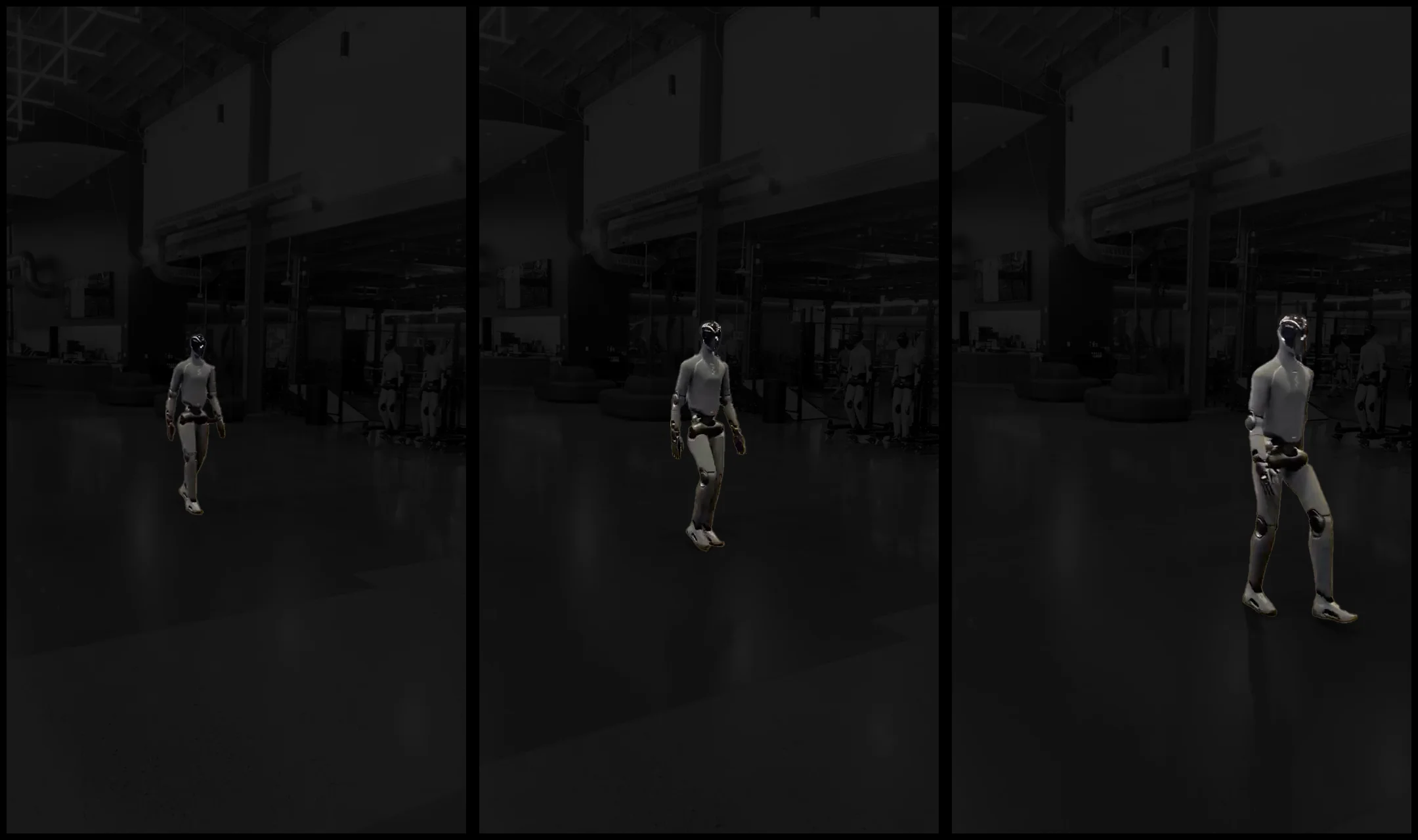
24x Throughput: Figure Scales Manufacturing to One Robot Per Hour
- Published on
- Reading time
- 3 min read
Figure AI Secures Over $1B to Accelerate Humanoid Robot Rollout
The weekly humanoid robotics briefing
One email a week: the launches, funding and research that mattered, with context from Humanoids Daily.
Read recent issues