
XPENG
XPENG is a Guangzhou-based electric-vehicle maker whose robotics unit develops the IRON humanoid robot. The business was carved out into a separately financed subsidiary in August 2026, raising over US$900 million at a post-money valuation above US$6.3 billion, and targets mass production and first deliveries of IRON in the fourth quarter of 2026, with commercial deliveries and in-store deployment from 2027.
- Founded
- 2014
- Headquarters
- GuangzhouChina
- Products
- 1
- Our coverage
- 26stories
XPENG Launches Mass Production of IRON Humanoid 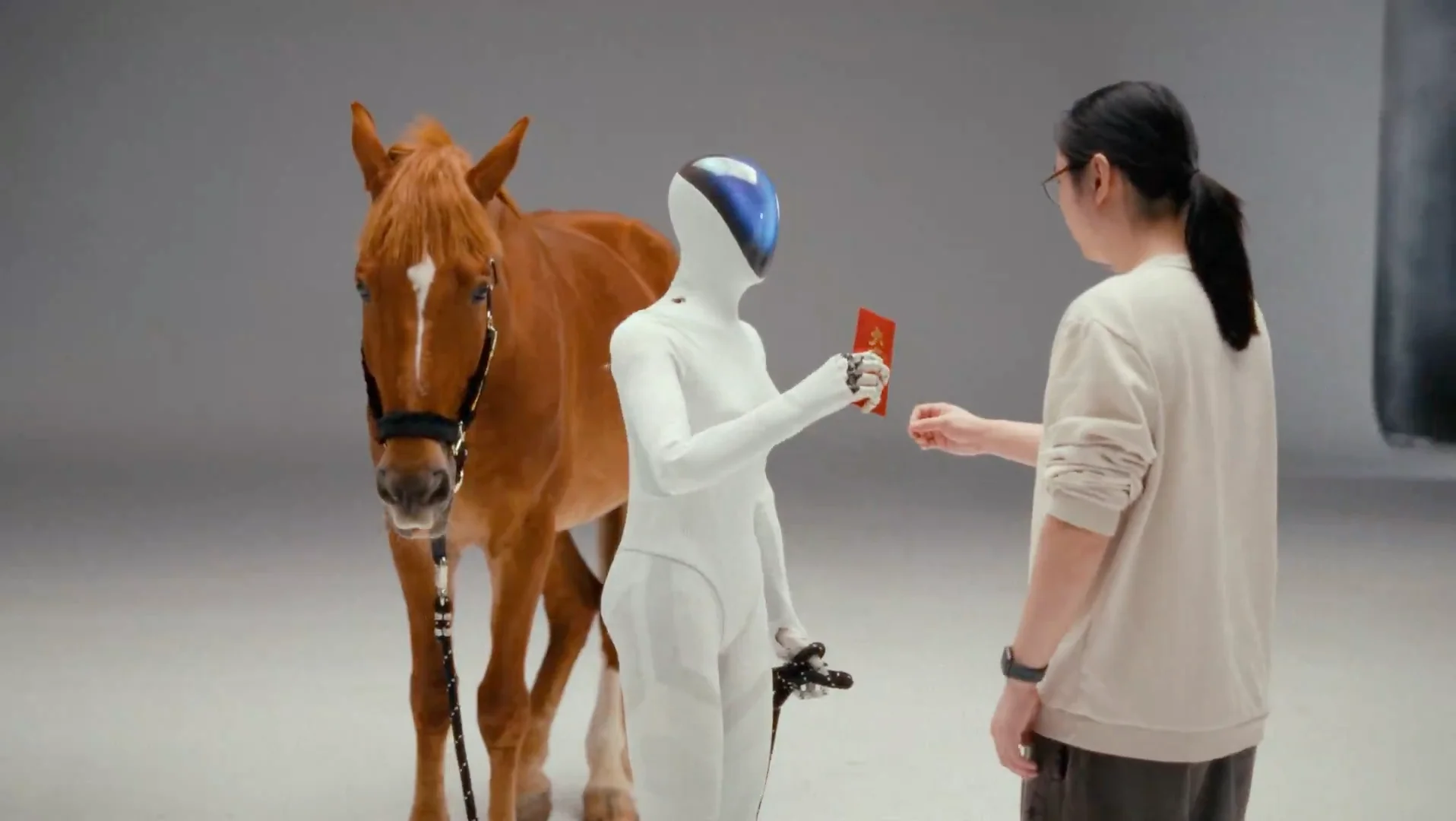
XPENG CEO Targets Late 2026 for Massive IRON Deployment 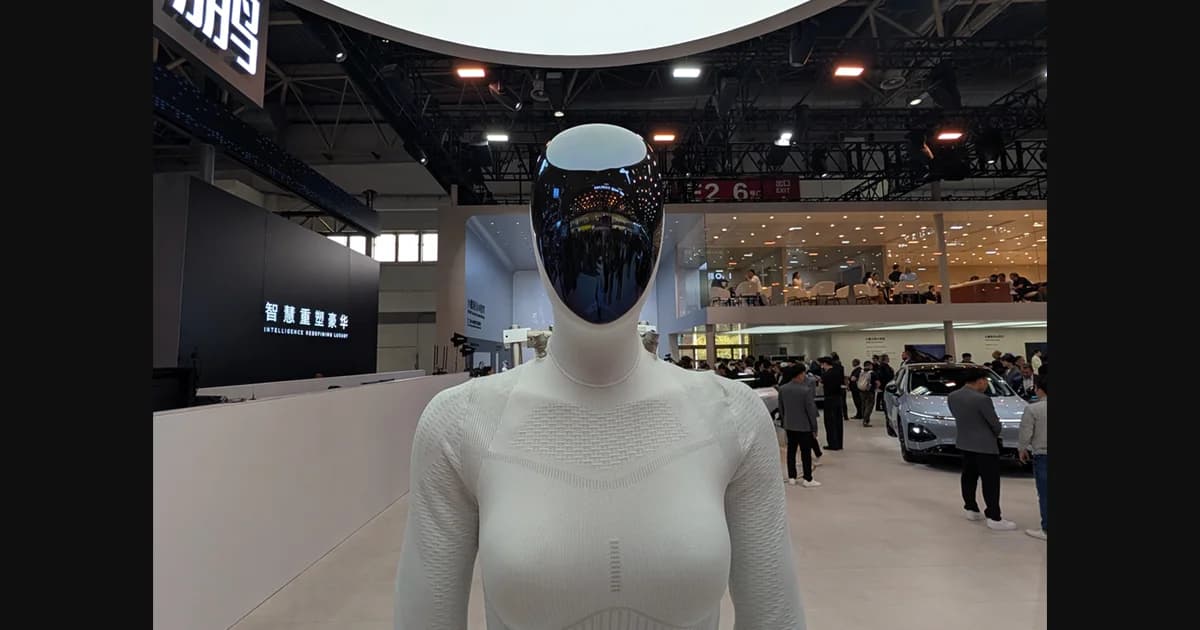
XPENG Robotics Raises Over $900 Million at $6.3 Billion Valuation to Industrialize IRON Humanoid 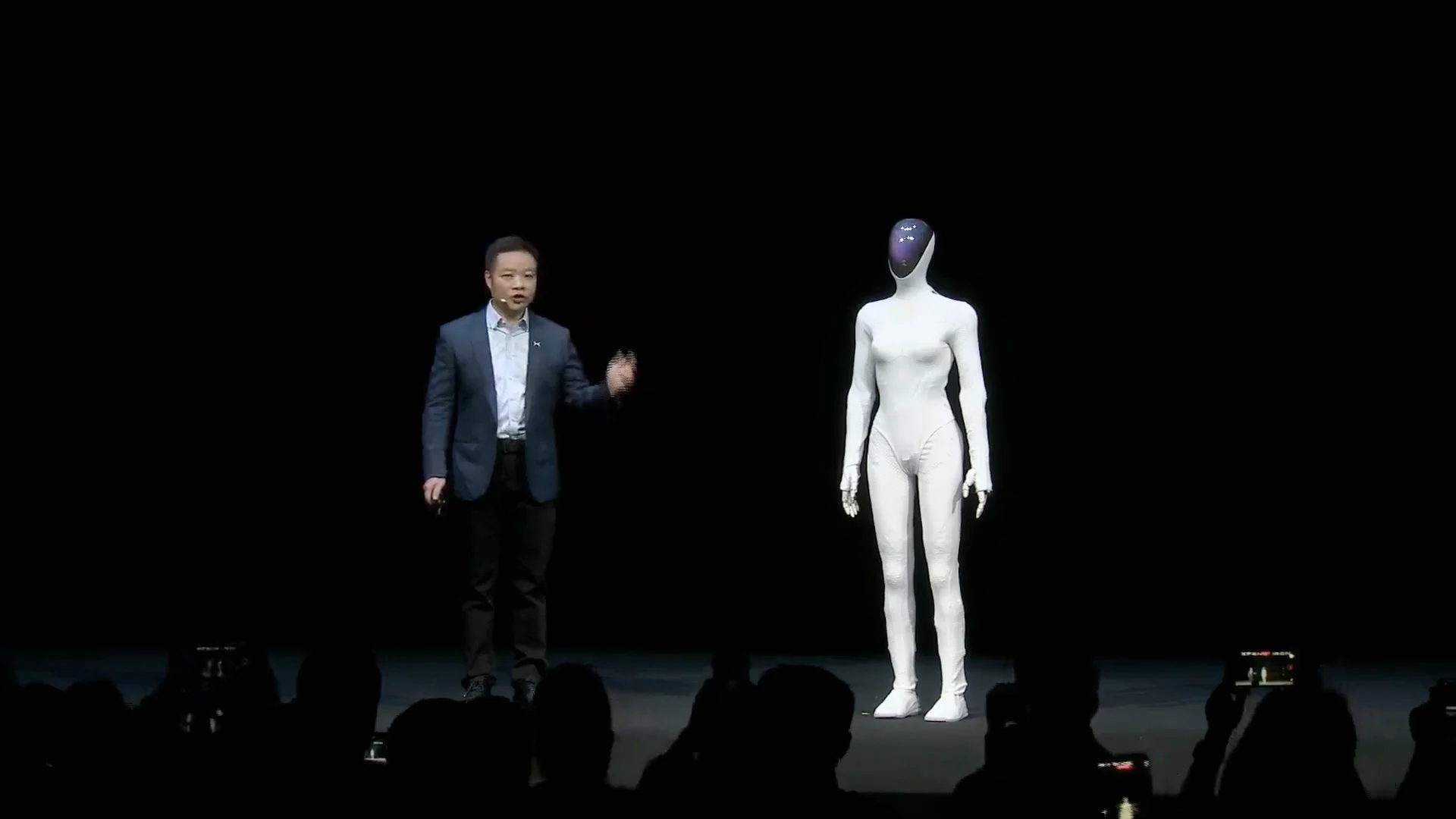
Xpeng’s ‘Human-Like’ Robot Demo Sparks Debate: Was It the New ''Iron'' or an Older Model in Disguise? 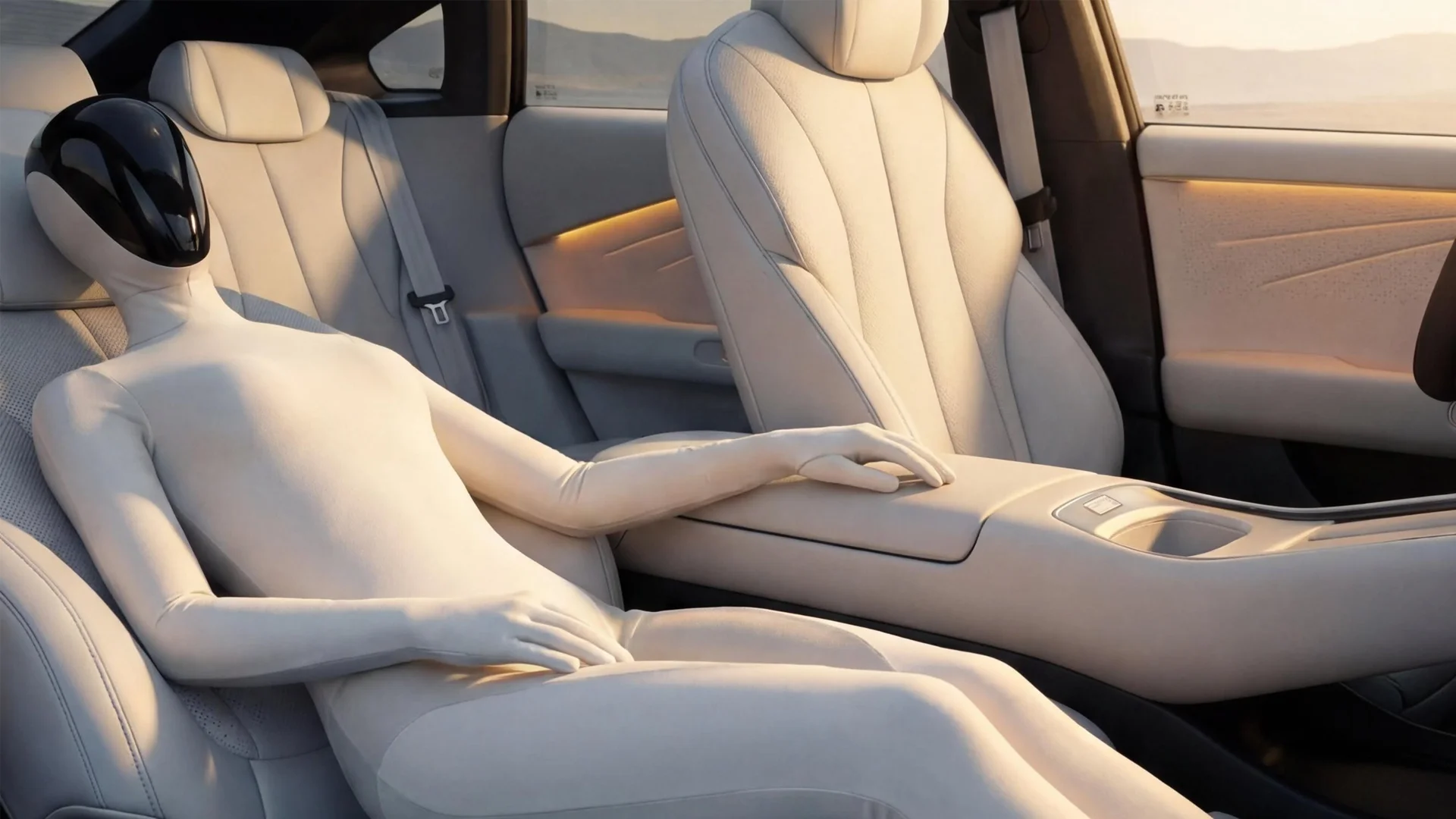
Xpeng’s ‘ET1’ Humanoid Hits Production Milestone as Race with Tesla and Hyundai Intensifies 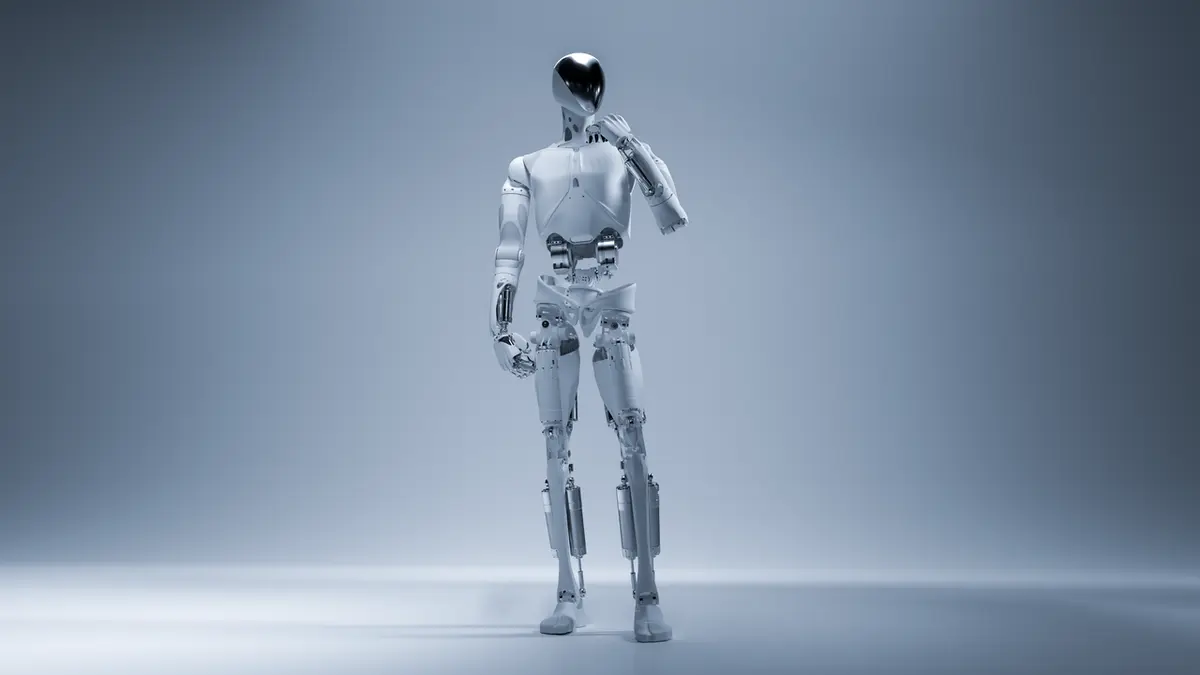
Xpeng Targets 2026 for Autonomous Humanoid Robot 'Iron' Mass Production 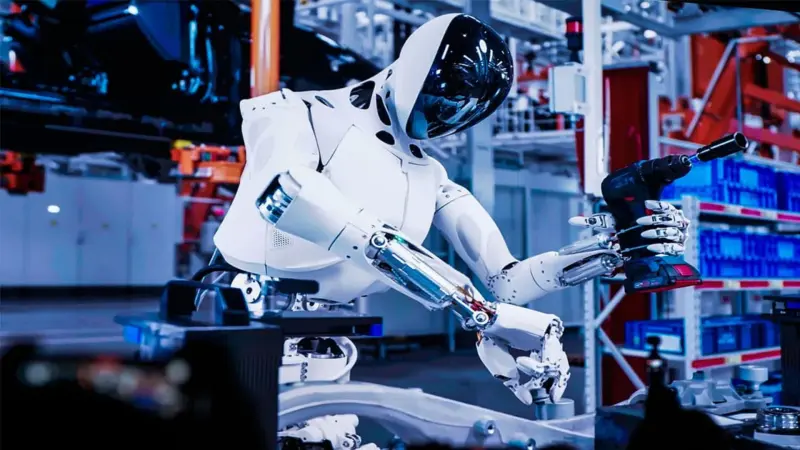
Podcast Recap: Inside the Rotary-vs-Linear Actuator Showdown Shaping Humanoid Robots
7 images — scroll for more
The programme
XPENG's humanoid work is run by a robotics unit inside the Guangzhou electric-vehicle maker. The robot effort dates to roughly 2020 and was reorganised around a humanoid platform after Mi Liangchuan took charge of the division in September 2023; its earlier output was quadruped and tracked machines. Since August 2026 the business has sat in a carved-out subsidiary reported as Dogotix, with XPENG remaining the controlling shareholder. Its one product line is IRON, debuted at AI Day in November 2025 alongside the group's robotaxi and flying-car programmes.
Technical approach
IRON is explicitly biomimetic. XPENG describes a three-layer build — mechanical skeleton, 3D-printed lattice musculature and a sensor-embedded soft skin — set out in a design framework it published in February 2026. Outside teardown analysis of the AI Day unit identified a multi-DoF spine and scapula joint that extends reach, plus a rear-mounted knee linkage. The gait was fluid enough that observers argued a person was inside the suit, which XPENG answered by cutting the leg open on camera; He Xiaopeng credited the waist design and an imitation-learning stack that learned a dance in two hours. Software and silicon come from the car programme: IRON was fitted with the VLT system in 2025, and the production robot is specified with three in-house Turing chips running the VLA 2.0 stack used in XPENG's vehicles.
Industrialisation
The unit is organised around one deadline: mass production and first deliveries in the fourth quarter of 2026, a target first set out on the Q3 2025 earnings call with a longer-range ambition of a million units by 2030. An engineering test unit, ET1, rolled off the line in January 2026, and the company broke ground on a 110,000-square-metre production base in Guangzhou's Tianhe district in February. XPENG has said it wants monthly output of 1,000 IRON units by the end of 2026, with commercial deliveries in 2027 and early units working as guides in its own retail stores from the first quarter of that year. In August 2026 the business raised over $900 million at a $6.3 billion post-money valuation, led by IDG Capital with Alibaba, Tencent and Gaorong Ventures.
Execution risk
The distance between demonstration and product remains the open question. XPENG's own robotics head called hardware reliability the bottleneck in April 2026, and public units — including a Shenzhen mall appearance — have carried earlier-generation hands. Leadership has turned over: product lead Shi Xiaoxin left in early June 2026, Mi Liangchuan departed later that month, and an AI infrastructure chief left for OpenAI in July. He Xiaopeng now holds the robotics CEO role himself.
Competitive position
XPENG sits in the automaker cohort betting that vehicle supply chains and assembly discipline transfer to humanoids, alongside Tesla with Optimus and Hyundai through Boston Dynamics, and it is among the more aggressive on stated timing. Whether automotive-grade process control resolves dexterity and durability at volume has not yet been shown.
Robots & products
A selection of the company's announced products, not a complete catalogue.
IRON (next generation) →
PrototypeBipedal humanoid · announced November 2025
Bipedal humanoid with a human-like spine, 3D-printed lattice musculature and full-body synthetic skin, unveiled at XPENG's AI Day and intended for retail, showroom and guide roles.
Funding
$900M raised| Round | Date | Amount | Valuation | Lead investors |
|---|---|---|---|---|
| Strategic | August 2026 | $900M | $6.3B | IDG Capital |
Timeline
Starts mass production of IRON humanoid
XPENG's automotive-grade line, over 80% automated and sharing 85% of its supply chain with its EV business, produced IRON units that walked off the line under their own power, with showroom deployments first and external customer deliveries slated for 2027.
XPENG Launches Mass Production of IRON HumanoidRobotics unit raises over $900M at $6.3B valuation
IDG Capital led the carve-out financing with Alibaba, Tencent and Gaorong Ventures participating, ahead of a targeted Q4 2026 production start and 2027 commercial deliveries.
XPENG Robotics Raises Over $900 Million at $6.3 Billion Valuation to Industrialize IRON Humanoid- Reported
AI infrastructure chief departs for OpenAI robotics work
Lu Siyuan was reported to be leaving XPENG to join OpenAI's embodied AI robotics effort, with no replacement named.
cnevpost.com ↗ Robotics chief Mi Liangchuan leaves XPENG
His exit, reported by 21jingji, was the second senior robotics departure in a month and left He Xiaopeng heading the robotics centre and its product division.
cnevpost.com ↗He Xiaopeng takes CEO role of the robotics business
An internal letter announced he would personally lead the unit, days after robotics product lead Shi Xiaoxin departed, framing the move as part of a shift from smart EV company to physical AI company.
cnevpost.com ↗Robotics head calls hardware reliability the bottleneck
At a Beijing technical workshop Mi Liangchuan said AI progress was outpacing mechanical reliability, with first-generation dexterous hands still being iterated.
XPENG's Head of Robotics Admits Hardware is 'Bottleneck' as 2026 Production Goal LoomsGroundbreaking on 110,000 sq m humanoid production base
The "full-chain" facility in the Guangtang Sci-Tech Innovation City of Guangzhou's Tianhe district is to cover R&D validation through volume manufacturing.
Xpeng to Break Ground on "Full-Chain" Humanoid Factory to Meet 2026 Production GoalFirst ET1 engineering trial unit rolls off the line
He Xiaopeng said the unit was built to automotive-grade standards, marking the shift from lab prototypes to a manufacturable machine.
Xpeng’s ‘ET1’ Humanoid Hits Production Milestone as Race with Tesla and Hyundai IntensifiesQ3 call sets end-2026 mass production, 1 million units by 2030
He Xiaopeng told analysts the mass-production robot would be an eighth-generation machine, with full capability integration targeted for Q2 2026.
Xpeng Sets 2026 Target for Mass-Produced ''Iron'' Robot, Eyes 1 Million Units by 2030XPENG cuts open IRON to answer 'human in a suit' claims
After the AI Day walk drew accusations that a person was inside the costume, the company released footage of staff cutting away the robot's suit to expose the mechanical leg.
Xpeng's Next-gen Iron Is Real: Follow-up Videos Settle Debate, Reveal New HardwareNext-generation IRON unveiled at AI Day
XPENG showed the humanoid alongside its robotaxi and flying car at AI Day in Guangzhou, with synthetic skin, a human-like spine and a stated end-2026 mass production goal.
Xpeng Debuts 'Most Human-Like' Iron Robot, Details VLT Brain and 2026 Production GoalHumanoid IRON project starts; Mi Liangchuan leads robot division
Mi Liangchuan, a former Nvidia manager who joined XPENG in 2021, took charge of the robot division in September 2023 and coordinated product R&D, the algorithm platform and field testing.
eu.36kr.com ↗XPENG begins robotics work under Mi Liangchuan
36Kr reporting dates the company's robot venture to early 2020, initially producing quadruped and tracked machines rather than humanoids.
kr-asia.com ↗
Latest on XPENG
All 26 stories →
XPENG Targets H2 2027 European Rollout for IRON Humanoid Robot
XPENG’s Paris presentation sets out late-2026 mass production, H1 2027 deliveries and a European rollout in H2 2027, with commercial applications first.
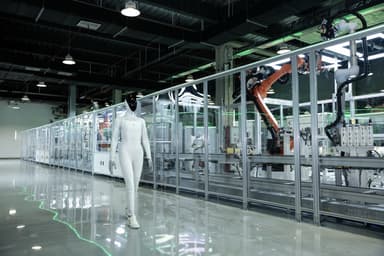
XPENG Lines Up Humanoid Suppliers Ahead of Year-End Production Target
XPENG says it has signed supplier agreements and is scheduling robot production after its first partner conference, as humanoid developers confront the challenge of securing consistent components at scale.
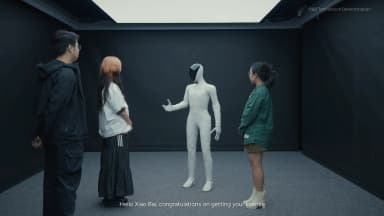
XPENG’s IRON Remembers Car Buyers in New Interaction Demo
XPENG shows IRON tracking speakers, switching languages and recalling customer preferences in a showroom-style R&D test, ahead of its planned store deployments.
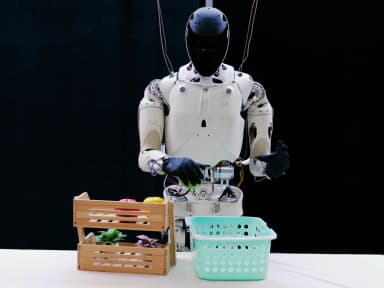
XPENG’s XPACE Trains IRON With Human Videos and Simulated Mistakes
XPENG’s XPACE combines human demonstrations and simulated recoveries to improve IRON’s manipulation skills, with gains in small real-robot tests.
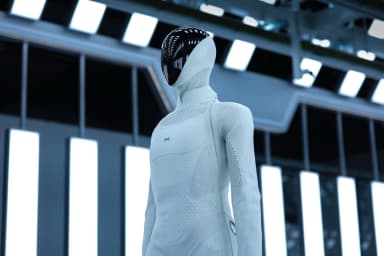
Inside XPENG’s Bet on IRON: He Xiaopeng on Why the Hardest Path in Humanoid Robotics Is Never Crowded
In an unusually candid documentary-style essay following the commissioning of XPENG’s humanoid assembly line, CEO He Xiaopeng reflects on six years of failures, why the company avoids stage demos, and how EV intelligence translates to physical AI.
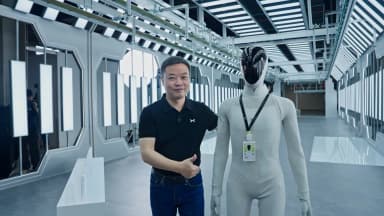
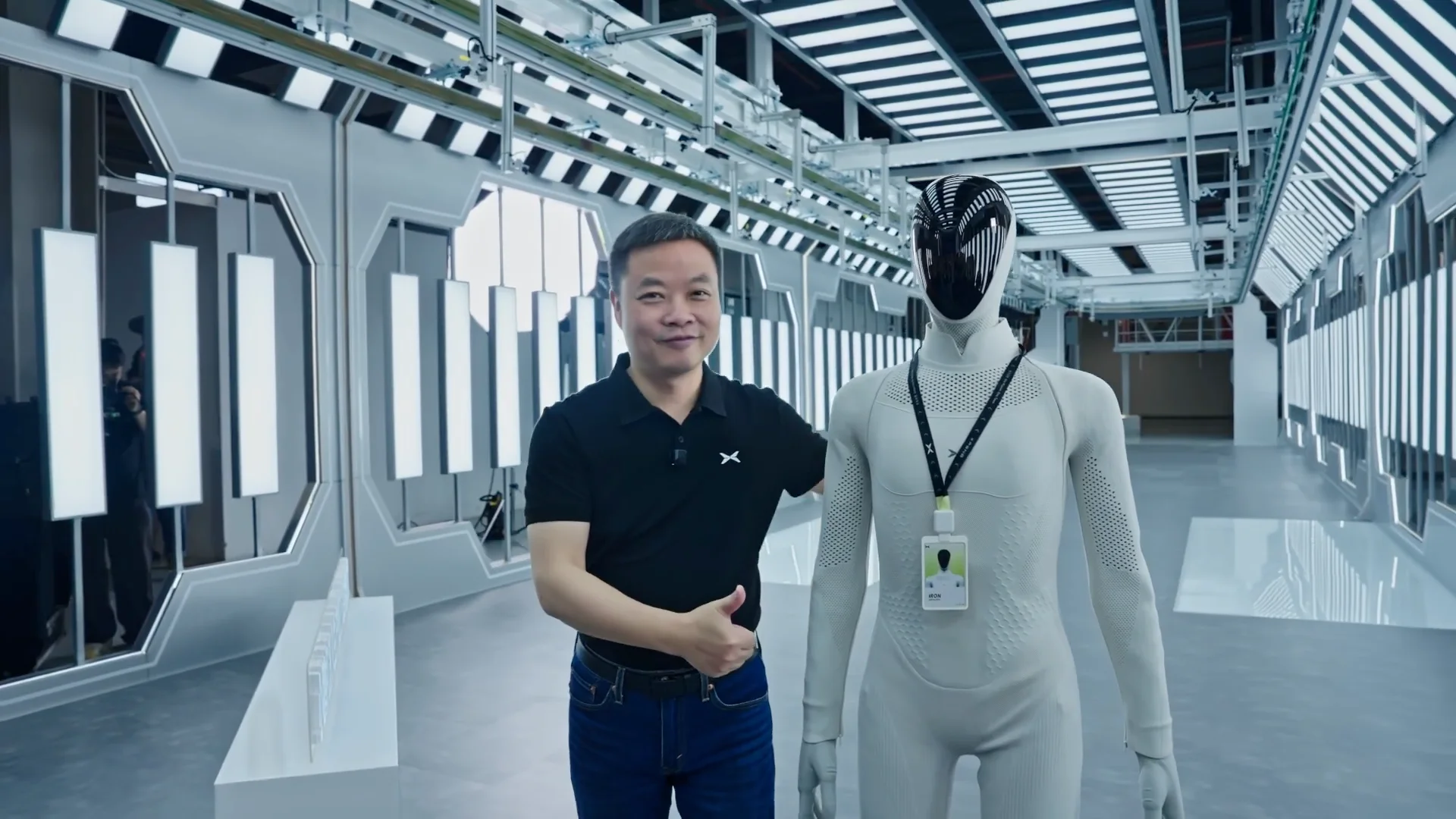
XPENG Launches Mass Production of IRON Humanoid
XPENG has officially launched its automotive-grade assembly line for the IRON humanoid, achieving a world-first autonomous walk-off milestone
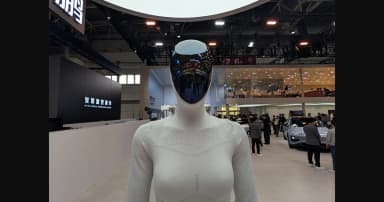
XPENG Robotics Raises Over $900 Million at $6.3 Billion Valuation to Industrialize IRON Humanoid
XPENG has closed a record-breaking $900 million financing round for its humanoid robotics division, backed by IDG Capital, Alibaba, and Tencent, ahead of late-2026 mass production.
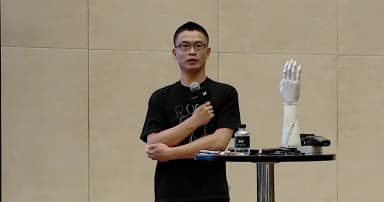
XPENG's Head of Robotics Admits Hardware is 'Bottleneck' as 2026 Production Goal Looms
During a technical workshop in Beijing, XPENG's Mi Liangchuan revealed that while robotic AI is scaling rapidly, hardware reliability and a lack of clear data strategies remain significant hurdles for the 'Iron' humanoid.
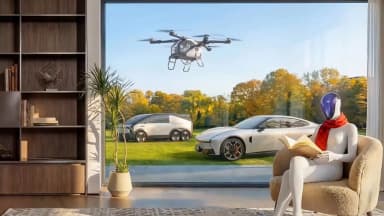
Xpeng to Break Ground on "Full-Chain" Humanoid Factory to Meet 2026 Production Goal
Xpeng is transitioning from prototypes to physical infrastructure, announcing a 110,000-square-meter production base in Guangzhou to industrialize its "Iron" humanoid platform.

XPENG CEO Targets Late 2026 for Massive IRON Deployment
In an internal letter and a festive social media demonstration, He Xiaopeng reaffirms a goal for IRON to become the world’s first mass-produced high-level humanoid.
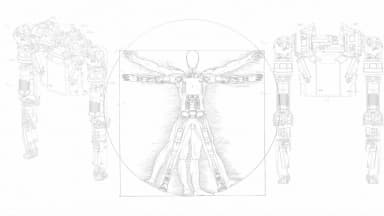
Simulating the 'Masterpiece': XPENG Robotics Unveils Design Framework and Lattice Musculature for IRON
A new technical deep-dive from XPENG Robotics reveals the 'body logic' behind the IRON humanoid, including a rebuilt reinforcement learning stack and proprietary algorithms used to simulate complex 3D-printed lattice muscles.
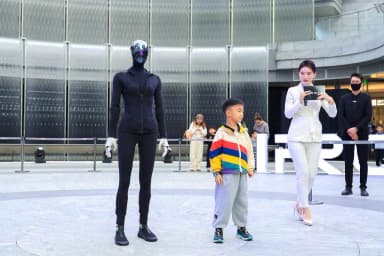
Xpeng Iron Hits the Catwalk: Humanoid Prototype Makes Surprise Debut in Shenzhen
Xpeng’s "Iron" humanoid robot took to a public stage in Shenzhen for a surprise interaction event, showcasing its "human-like" gait and "bionic" design to weekend shoppers.

Xpeng’s ‘ET1’ Humanoid Hits Production Milestone as Race with Tesla and Hyundai Intensifies
CEO He Xiaopeng confirms the first "automotive-grade" engineering trial unit of the IRON robot has rolled off the line, signaling a major push toward mass production later this year.
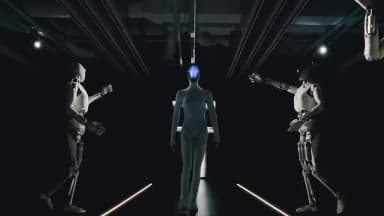
Xpeng Sets 2026 Target for Mass-Produced ''Iron'' Robot, Eyes 1 Million Units by 2030
During its Q3 earnings call, Xpeng CEO He Xiaopeng confirmed the ''Iron'' robot will enter mass production in late 2026, a timeline that places it in a direct race with Tesla''s Optimus.
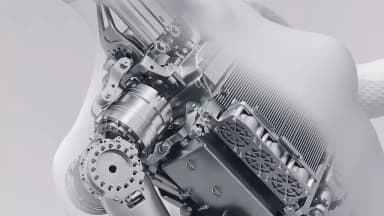
Inside Iron: Analyst Breaks Down Xpeng's Ambitious 5-DoF Spine and New Scapula
A new technical deep-dive from robotics analyst Scott Walter reveals the ambitious, and "crazy," hardware inside Xpeng''s new humanoid, including a 5-DoF waist, a 2-DoF scapula for added reach, and a relocated knee actuator. The analysis also confirms the bot on stage was a hybrid, using older-generation hands.
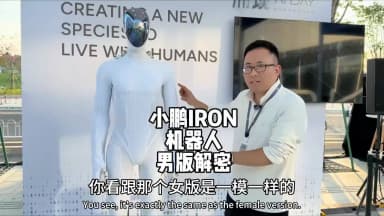
New ''Iron'' Robot Display Model Inspected in Video, Appears to Use Older-Generation Hands
A new video from a Chinese journalist provides an up-close look at the ''Iron'' humanoid robot Xpeng displayed at its AI Day. The inspection confirms details about its "bionic muscle"-like padding and, significantly, appears to validate earlier speculation that the display models do not yet feature the new ''dexterous hands'' detailed in the keynote.
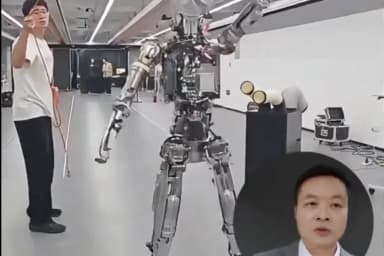
Xpeng Demos 'Iron' Robot Dancing, Credits 'Human-Like Spine' and New AI for Rapid Learning
In a new video, Xpeng CEO He Xiaopeng shows a bare-metal 'Iron' robot dancing. He claims the human-like motion, which sparked debate at AI Day, is due to a new 'human-like spine' and an AI model that can learn complex movements from human data in just two hours.
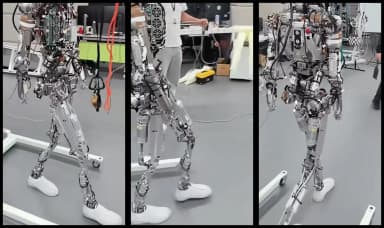
Xpeng's Next-gen Iron Is Real: Follow-up Videos Settle Debate, Reveal New Hardware
Following speculation that its AI Day demo was a human or an older robot, Xpeng has released videos showing the new ''Iron'' robot''s underlying hardware. Analysts are now detailing significant design changes, including a new hip and knee configuration.
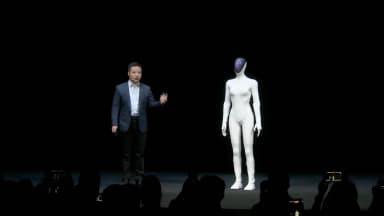
Xpeng’s ‘Human-Like’ Robot Demo Sparks Debate: Was It the New ''Iron'' or an Older Model in Disguise?
After Xpeng''s AI Day demo prompted speculation of a ''human in a suit,'' the company proved it was a robot. But new analysis suggests the bot on stage may have been its older ''Iron'' model, not the next-gen robot detailed in the keynote.
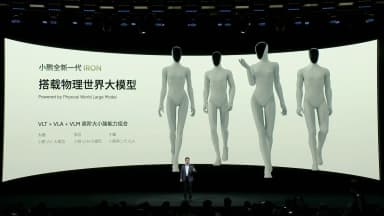
Xpeng Debuts 'Most Human-Like' Iron Robot, Details VLT Brain and 2026 Production Goal
Xpeng's 2025 AI Day featured a new, highly realistic humanoid robot walking onstage. CEO He Xiaopeng detailed the 'human-like' design, a new VLT AI model, and a commercial strategy that avoids factories and homes—for now.

Xpeng Teases 'Emergence' and 'Ultimate Human' for November 5 AI Day
The EV maker's 2025 AI Day is expected to be the formal unveiling of the 'VLT' AI system, which the company claims will allow its 'Iron' humanoid robot to 'evolve into thinking.'
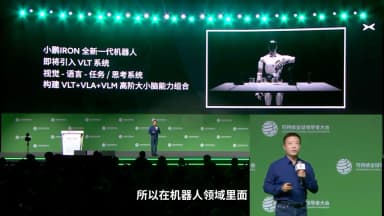
Xpeng Equips IRON Humanoid with 'VLT' AI System, Targeting Autonomy and Mass Production
Xpeng CEO He Xiaopeng announced the company's next-generation IRON humanoid robot will feature a new Vision-Language-Task (VLT) AI system. The move is part of a broader strategy to shift from remote control to true autonomy, mirroring an industry-wide push for advanced, multi-modal AI brains in robotics.
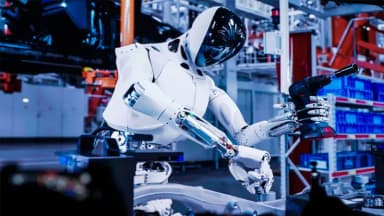
Podcast Recap: Inside the Rotary-vs-Linear Actuator Showdown Shaping Humanoid Robots
Soft Robotics Podcast host Marwa ElDiwiny and engineer Scott Walter dissect the rotary-vs-linear actuator debate shaping today’s humanoid robots—explaining why most builders favor compact rotary joints while others bet on planetary-roller-screw cylinders.
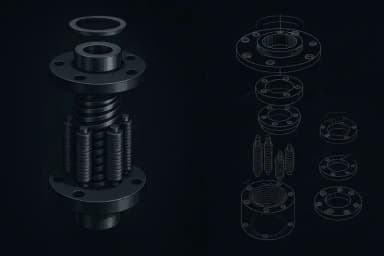
Actuator Architecture Sparks Debate: Figure CEO Refutes Claim of Using Planetary Roller Screws
Figure CEO Brett Adcock refuted a Fast Company claim that his company uses planetary roller screws, stating Figure relies on rotary actuators. The dispute highlights a key design debate in humanoid robotics: direct rotary drive versus linear actuators (which use screws) with linkages, as detailed by expert Scott Walter.
Sources
- XPeng Inc. Launches Hong Kong Public Offering· checked September 6, 2026
- XPeng drives dual-primary listing wave in HK· checked September 6, 2026
- XPENG robotics business raises over US$900 million at a post-money valuation of over US$6.3 billion· checked September 6, 2026
- XPENG Shares Achievements in Physical AI Emergence: Unveils XPENG VLA 2.0, Robotaxi, Next-Gen IRON, and Flying Car· checked September 6, 2026
- Xpeng CEO takes helm of robotics unit to drive physical AI transition· checked September 6, 2026
- XPeng· checked September 6, 2026