- Published on
Beijing’s Robot Marathon Scales Up: 300 Humanoids to Chase Autonomous Milestone

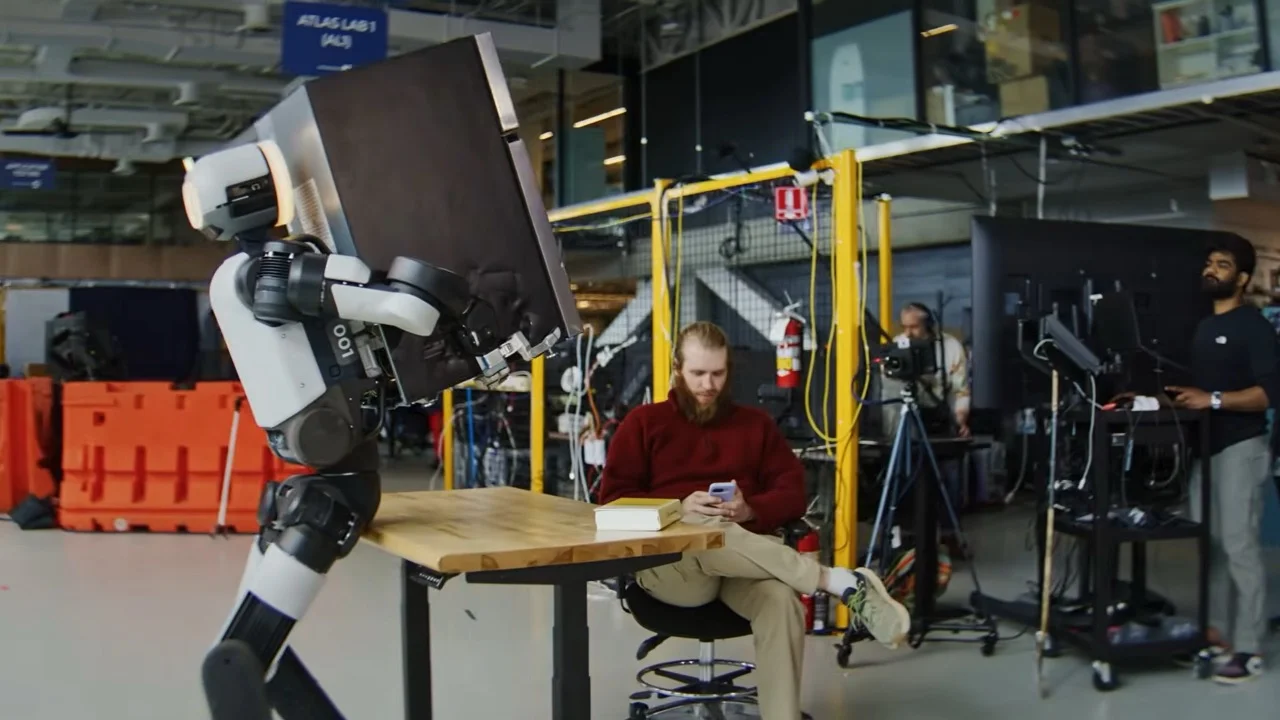
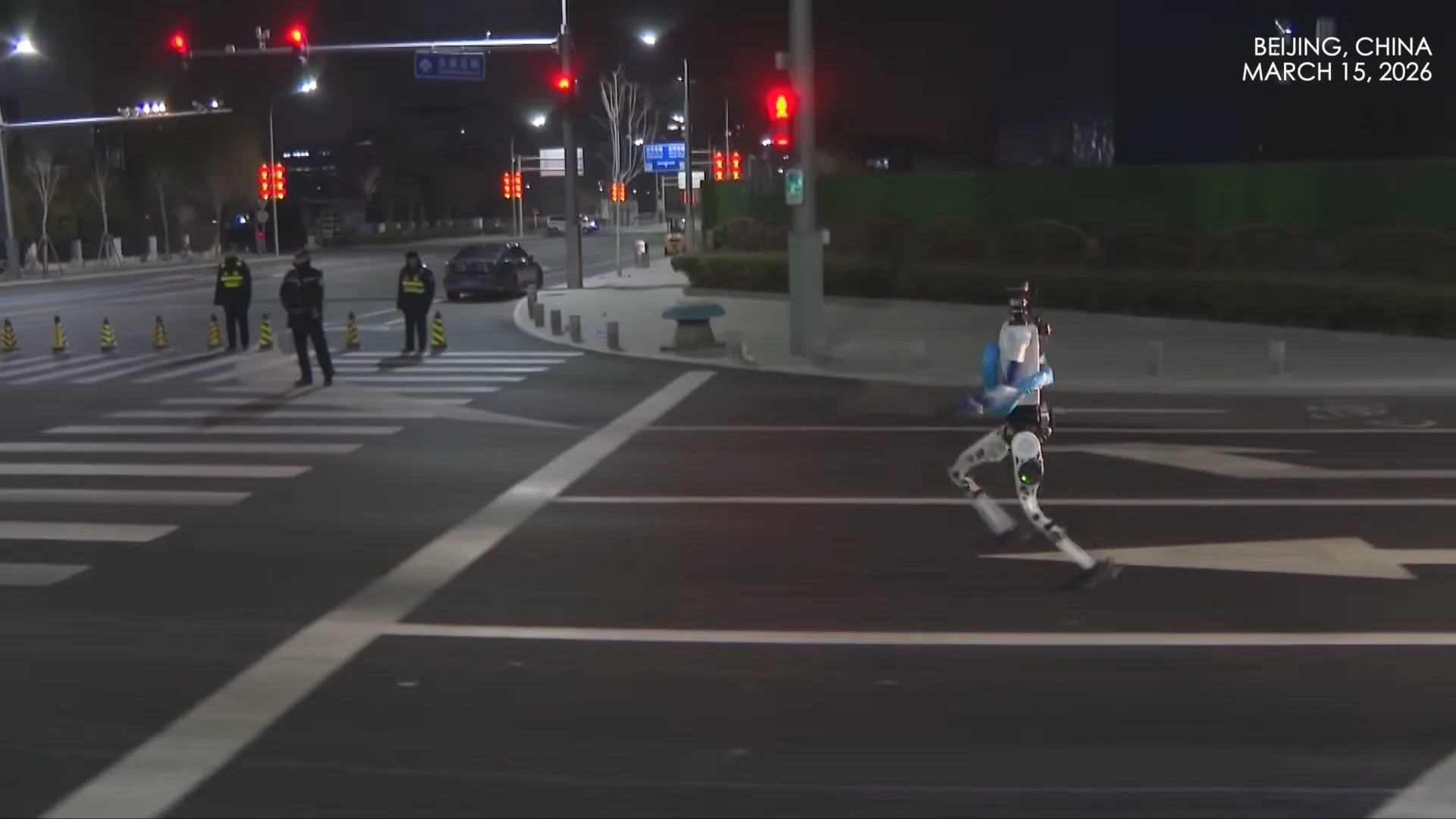
Beijing is preparing for a massive expansion of its robotic athletic ambitions. On April 19, 2026, the Yizhuang Economic and Technological Development Zone (E-Town) will host the second annual Humanoid Robot Half-Marathon, featuring more than 300 bipedal machines from 26 different brands.
The surge in participation—up from just 21 teams in 2025—signals a rapid transition from laboratory prototypes to what Chinese officials are calling "standardized high performance." While the inaugural 2025 race served as a proof-of-concept for long-distance bipedal locomotion, the 2026 edition introduces strict technical hurdles designed to separate choreographed "human-led" machines from truly autonomous systems.
The Autonomy Incentive
The most significant shift this year is the introduction of an autonomous navigation group, which currently accounts for 38% of the registered teams. To push the industry away from remote-controlled operation, organizers have introduced a "1.2 coefficient" time penalty for any robot relying on human operators. Under these rules, a remote-controlled robot’s net time will be multiplied by 1.2, effectively handing a massive competitive advantage to machines capable of independent environmental sensing and pathfinding.
Participating robots taller than 75 centimeters are required to complete the full 21.0975-kilometer (13-mile) course in a single effort. To ensure fairness and tracking, each competitor will wear a shoulder badge powered by the BeiDou Navigation Satellite System, providing centimeter-level positioning and real-time location reporting to the race marshals.
Lessons from 2025: From Stability to Agility
Last year’s race was a mixed bag of success and mechanical failure. While the Tiangong Ultra claimed victory with a time of 2 hours and 40 minutes, other contenders struggled with basic path-keeping or succumbed to environmental factors like wind.
To address the "utility gap," the 2026 event has added the Robot "Baturu" Challenge on April 18. This sub-event features 17 obstacle courses designed to simulate complex real-world scenarios, including disaster recovery and industrial environments. It represents a move toward the "80/80" metric recently championed by Unitree CEO Wang Xingxing—the idea that a robot must handle 80% of tasks in unfamiliar environments with an 80% success rate to reach a "ChatGPT moment" for embodied AI.
A $14 Billion Bet on Hardware
The scale of the event is backed by aggressive financial maneuvering. Beijing has established a government investment fund worth 100 billion yuan (approximately $14.48 billion) dedicated to "future industries," with a heavy emphasis on robotics. Since January 2025, 23 robotics companies in Beijing alone have secured nearly $2.79 billion (19.24 billion yuan) in financing.
This capital influx has already yielded results: China reportedly accounted for more than 80% of all humanoid robot installations globally in 2025. Major players like AgiBot, UBTECH, and Unitree are now pivoting from the "kung-fu" and "dancing" spectacles of the past toward mass production and factory deployment.
Technical Scrutiny and Standardized Forms
The 2026 race enforces a "complete torso and bipedal structure" requirement. Before the race, a panel of robotics experts will conduct compliance inspections on all hardware, including a strict audit of power batteries to ensure safety and fair play.
Comments
No comments yet. Be the first to share your thoughts!
Share this article
Stay Ahead in Humanoid Robotics
Get the latest developments, breakthroughs, and insights in humanoid robotics — delivered straight to your inbox.