- Published on
Unitree CEO Predicts Humanoids Will Outrun Usain Bolt by Mid-2026
One tap, and our reporting appears more often in your Google Top Stories. It makes a real difference to a small newsroom.

Supported by RoboStrategySupport for Humanoids Daily comes from RoboStrategy
Sponsored

Investing involves risk, including possible loss of principal. Read the prospectus before investing.
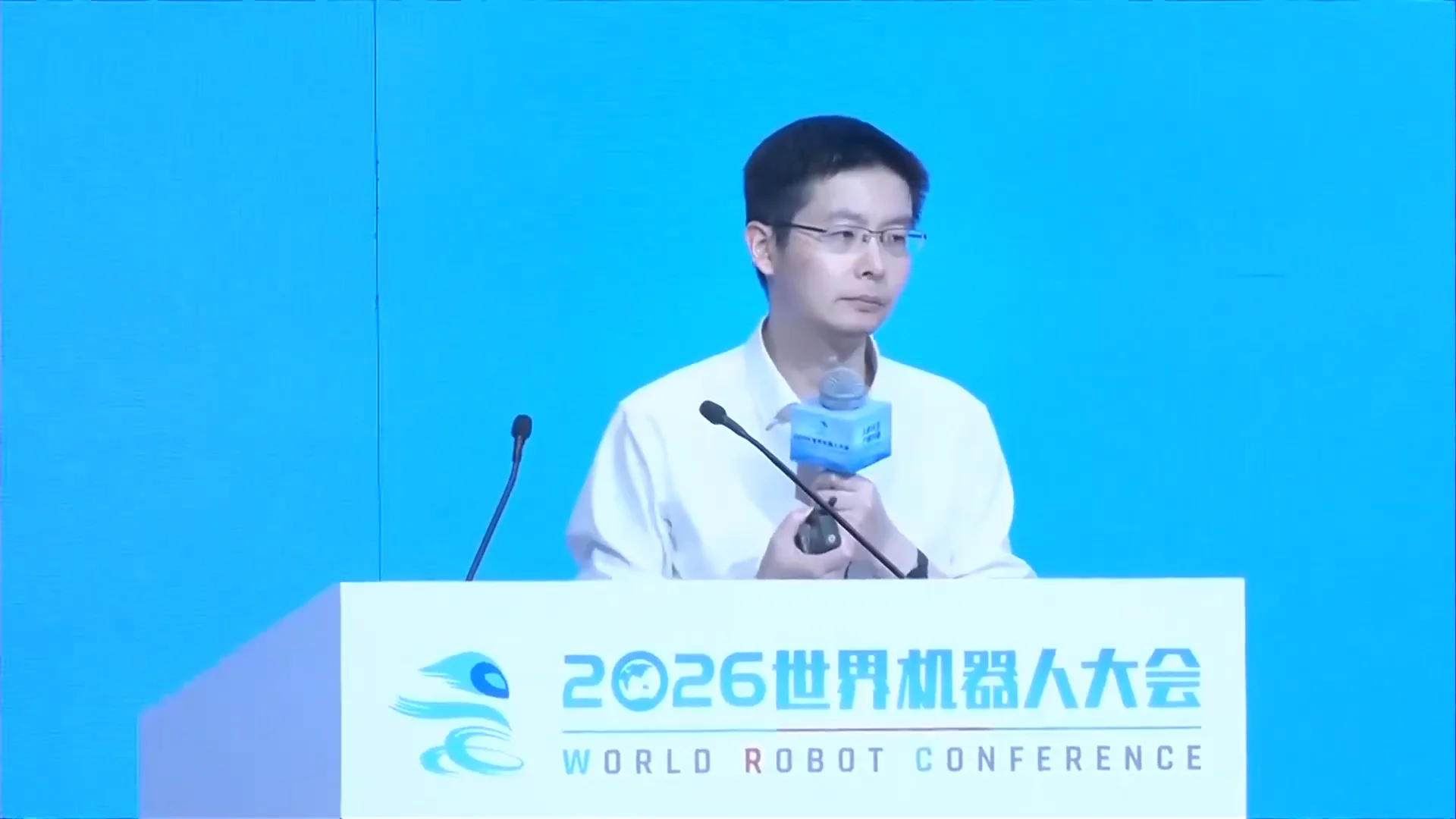
At the 2026 Yabuli China Entrepreneurs Forum on March 17, Unitree Robotics founder and CEO Wang Xingxing offered a bullish outlook on the future of bipedal locomotion, predicting that humanoid robots will surpass elite human sprinting speeds within months. The speech marked a transition in rhetoric for the Hangzhou-based company, moving from the "showmanship" of recent public appearances toward a rigorous definition of what will constitute the industry’s "ChatGPT moment."
The Usain Bolt Benchmark
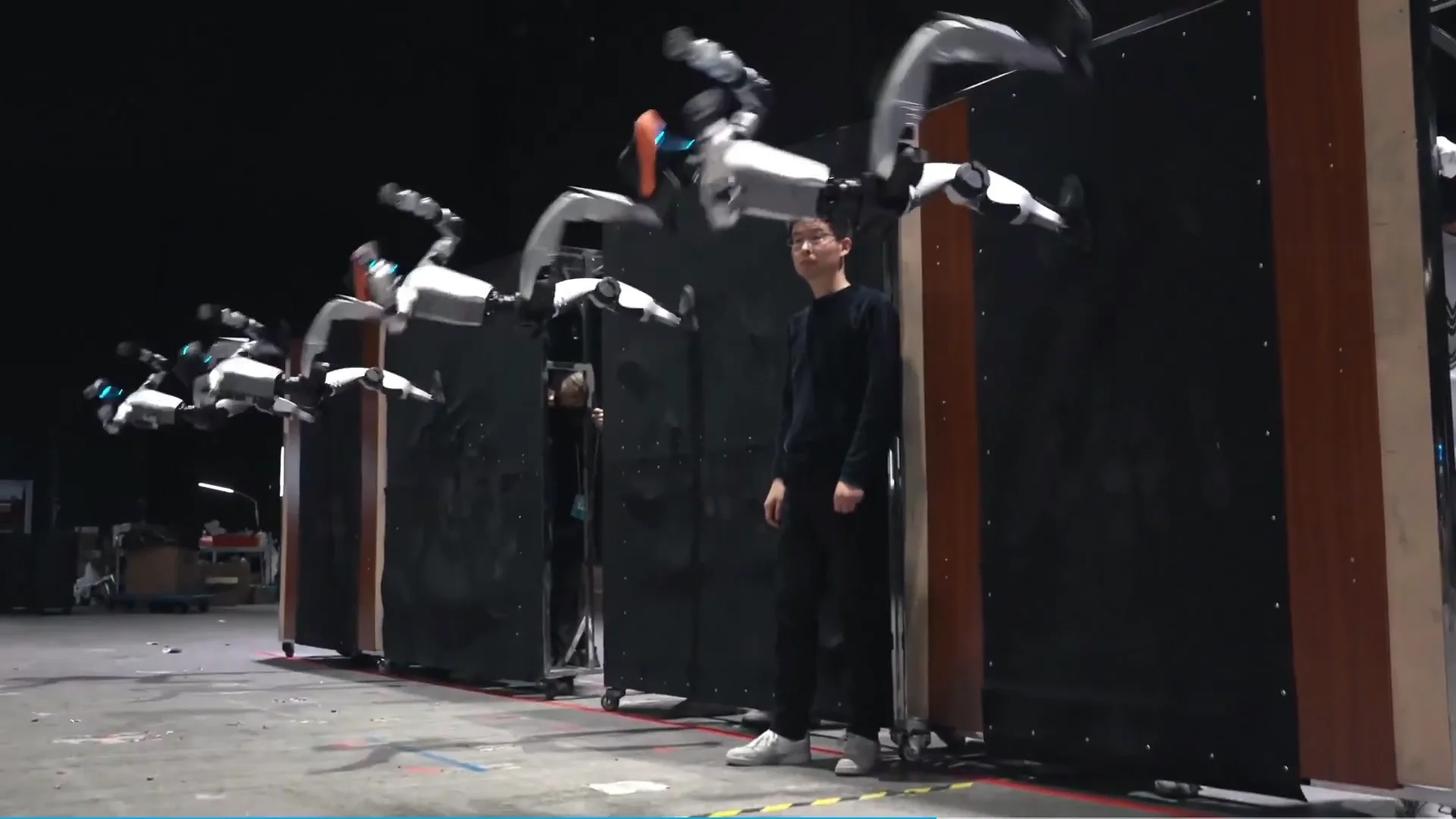
The most striking claim of Wang’s keynote was a specific performance target: by mid-2026, humanoid robots are expected to complete a 100-meter sprint in under 10 seconds. If achieved, this would effectively outpace the legendary Usain Bolt and move robotic sprinting into the realm of elite athletics.
This prediction follows a period of rapid acceleration in the sector. Just last month, Shanghai-based MirrorMe Technology unveiled its "Bolt" robot, which reached a peak speed of 10 m/s. Wang characterized this pursuit not as a gimmick, but as a critical "milestone in movement stability and power density." He noted that Unitree’s current platforms already outperform most of the company’s human staff, with a 1500-meter run time of approximately six minutes.
Scale as the New Software Strategy
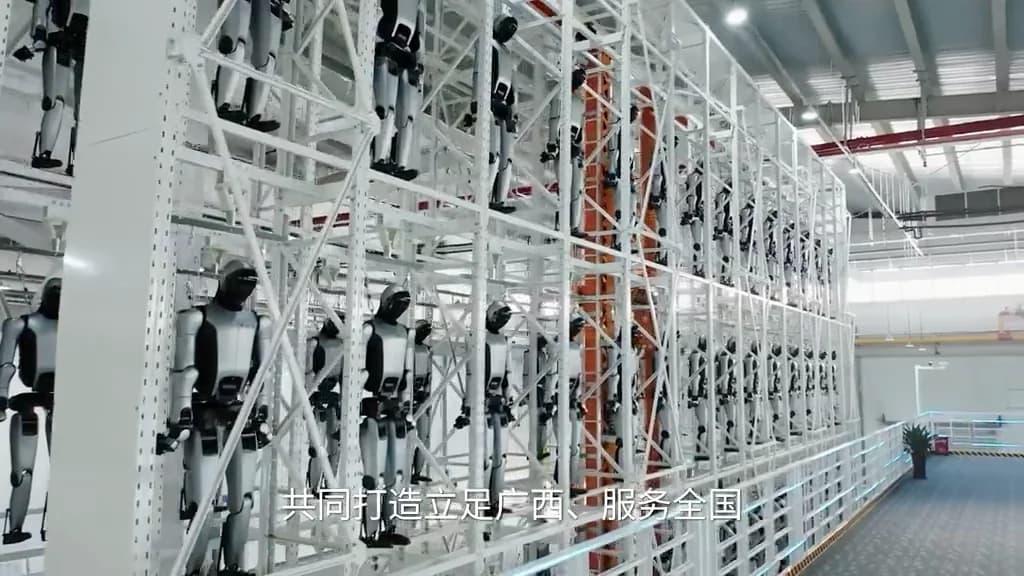
Wang reaffirmed Unitree’s position as the global volume leader, noting that the company shipped over 5,000 humanoid units in 2025—a figure that sparked a "numbers war" with rival AgiBot earlier this year. To maintain this momentum, Unitree is doubling down on accessibility, offering models for as low as 30,000 RMB (approximately $4,150 USD).
The weekly humanoid robotics briefing
One email a week: the launches, funding and research that mattered, with context from Humanoids Daily.
Read recent issues"Much like the early days of personal computers, we need scale," Wang said, echoing his previous calls for a humanoid "App Store" to crowdsource robot skills. The goal is to create a ecosystem where thousands of developers generate new applications monthly, moving beyond the choreographed spectacles that have defined the hardware's public image thus far.
Defining the "ChatGPT Moment"
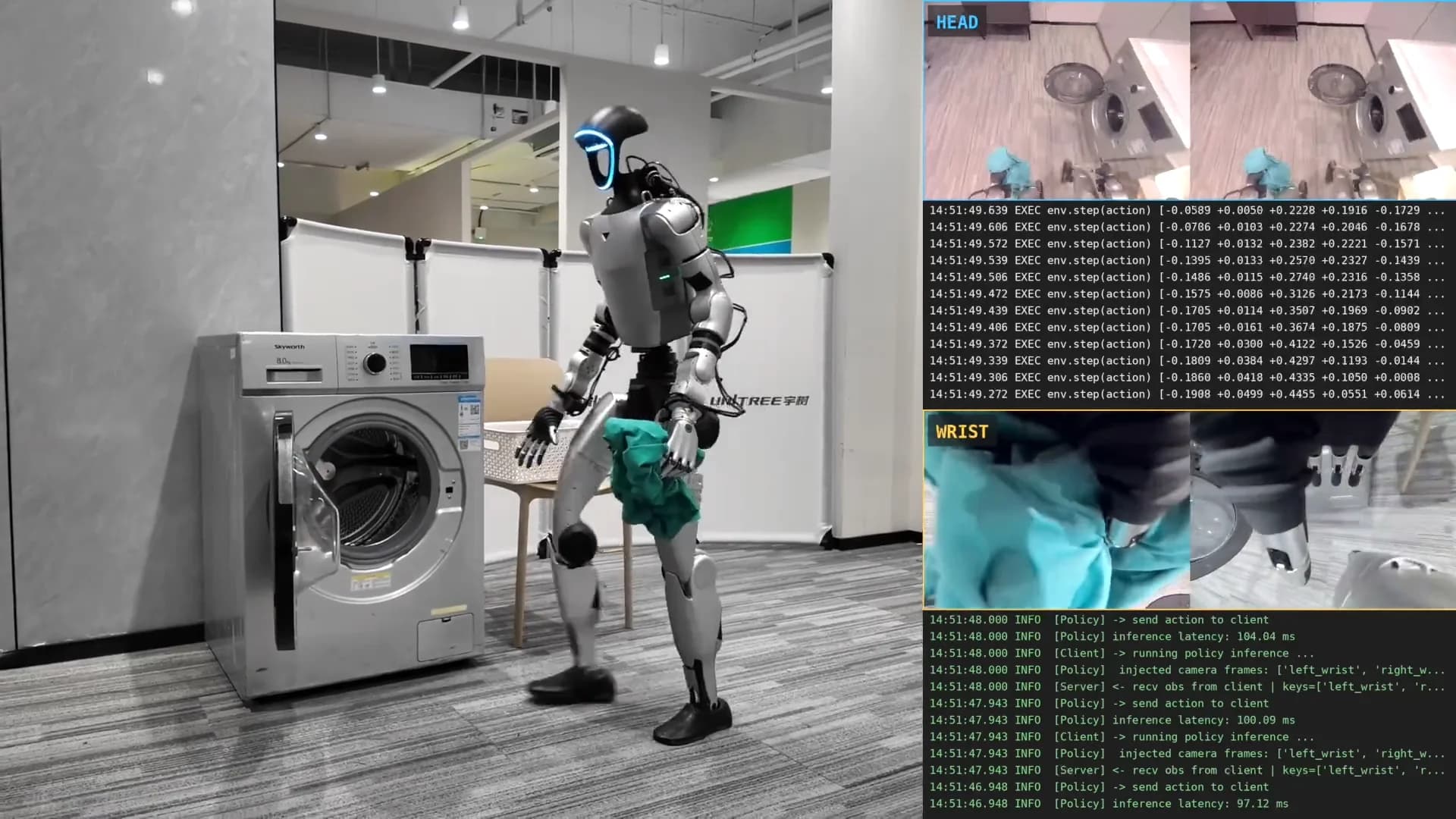
While the industry has seen significant progress in high-dynamic maneuvers through frameworks like OmniXtreme, Wang admitted that the sector is still "a bit short on heat" regarding explosive, general intelligence. He identified "generalization" as the primary technical hurdle, noting that success rates often plummet when a robot is moved into unfamiliar lighting or environments.
To reach a "ChatGPT moment," Wang argued for a shift toward "Video-Based World Models." By aligning physical robot actions with high-quality generative video—citing ByteDance’s Seedance 2.0 as an impressive example—researchers can bridge the gap between imagination and execution. Wang estimates this breakthrough is roughly two to three years away.
Closing the Loop: Robots Building Robots
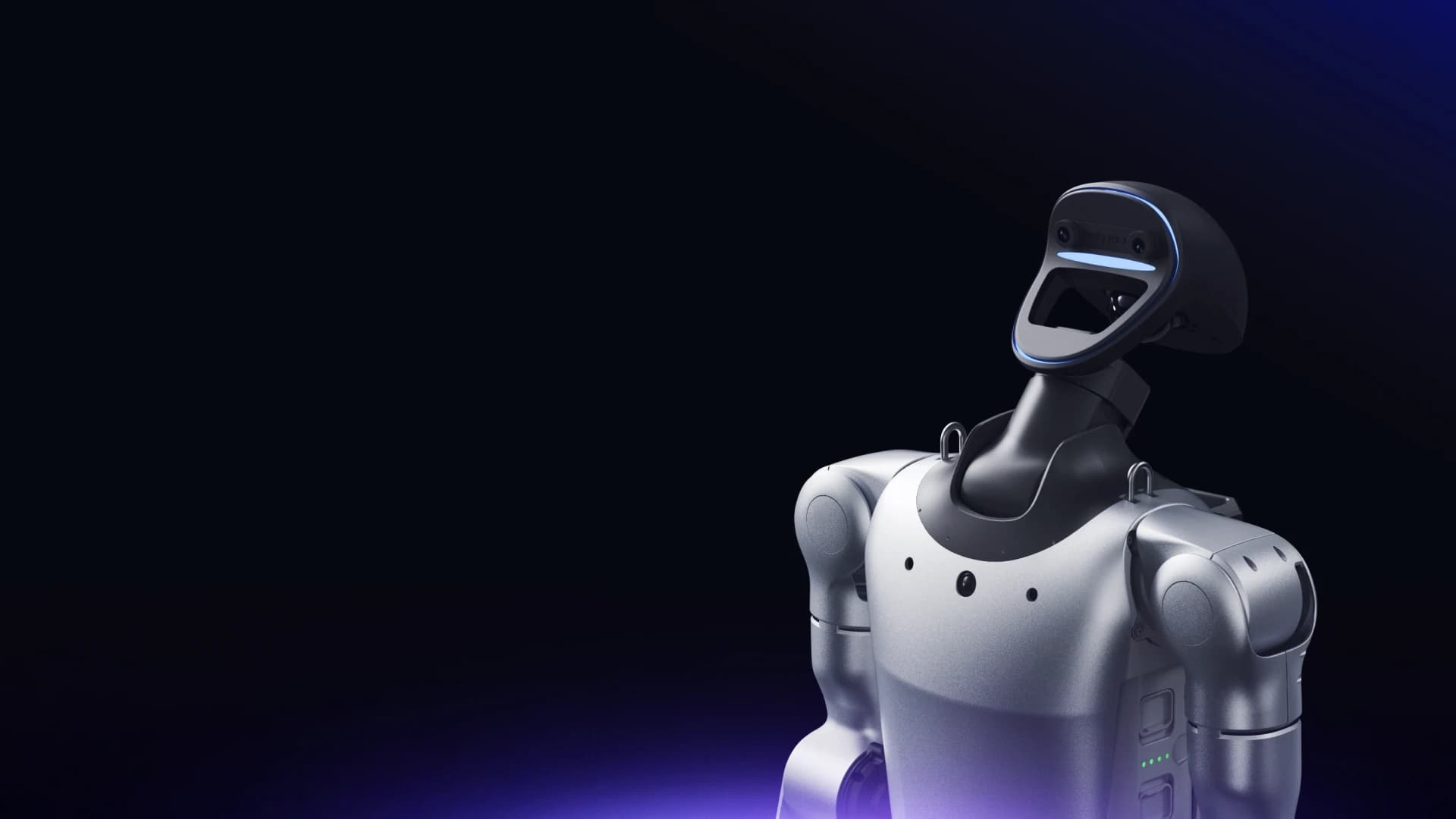
The ultimate vision for Unitree remains the "vertical growth curve" that occurs when machines become part of their own production chain. Wang revealed that Unitree is already running pilots where G1 humanoids assemble their own joint motors within the company's factories.
Wang concluded by reiterating his "80/80" metric for true Embodied AI: the moment a robot can enter an unfamiliar room and complete 80% of tasks with an 80% success rate based on a simple voice command. This focus on utility over performance is a central pillar of the newly released national standards in China, as manufacturers attempt to cross the "utility gap" and integrate humanoids into the permanent industrial workforce.
Share this article
Read next
- Published on
- Reading time
- 7 min read
Not Ready to Scale: Unitree CEO Wang Xingxing on Why Humanoids Still Aren’t Working in Factories
- Published on
- Reading time
- 4 min read
China Unveils National Standard System as Humanoid Leaders Pivot from "Kung Fu" to "Work Mode"
- Published on
- Reading time
- 2 min read
Watch: Unitree Previews "Cluster Cooperative" Tech with Mass Humanoid Performance
- Published on
- Reading time
- 3 min read
Unitree launches G1+ with stronger motors, a moving neck and a $15,000 price
- Published on
- Reading time
- 7 min read
Unitree Begins Open Release of UnifoLM-WLA-1.0 to Tackle Humanoid Generalization
- Published on
- Reading time
- 5 min read
Unitree Unveils UnifoLM-X2: World Model AI Powers Fully Autonomous Robot Combat

The weekly humanoid robotics briefing
One email a week: the launches, funding and research that mattered, with context from Humanoids Daily.
Read recent issues