- Published on
Figure 03 Sprints in New Video, Answering Tesla's Challenge
One tap, and our reporting appears more often in your Google Top Stories. It makes a real difference to a small newsroom.


Your guide
Rich Robinson
Jee Chee Ren · Executive tour
See China’s AI and robotics ecosystem first-hand.
Six days exploring AI, robotics and advanced manufacturing.
With Rich Robinson, Clinical Professor of Entrepreneurship at Peking University
Beijing · Guangzhou · Shenzhen
29 November–4 December 2026
Referral partnership · We earn a commission on referred bookings.
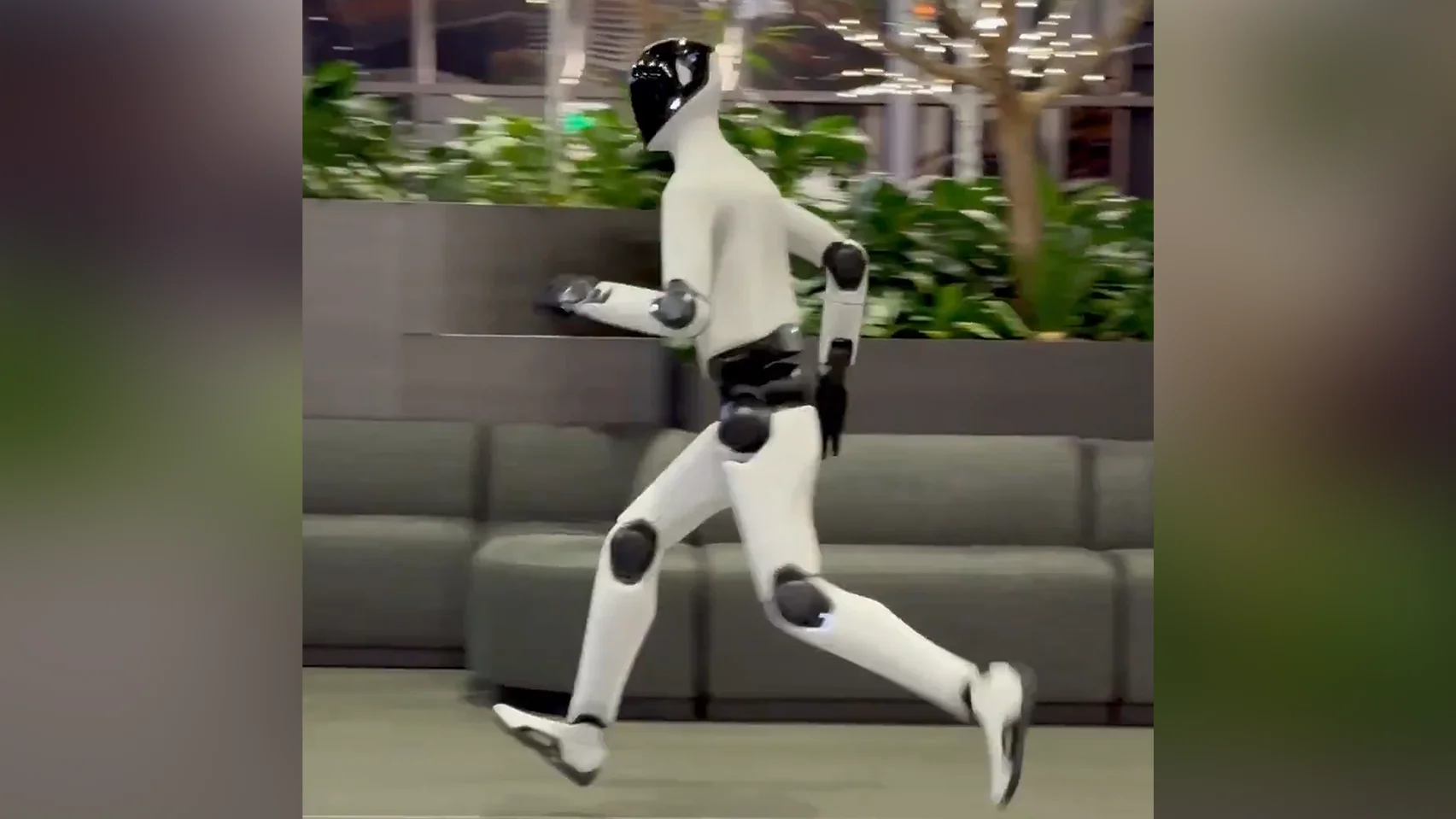
The pace of development in the humanoid robotics sector is accelerating—literally. Less than 24 hours after Tesla released footage of its Optimus robot hitting a personal speed record, Figure AI has responded with a sprint of its own.
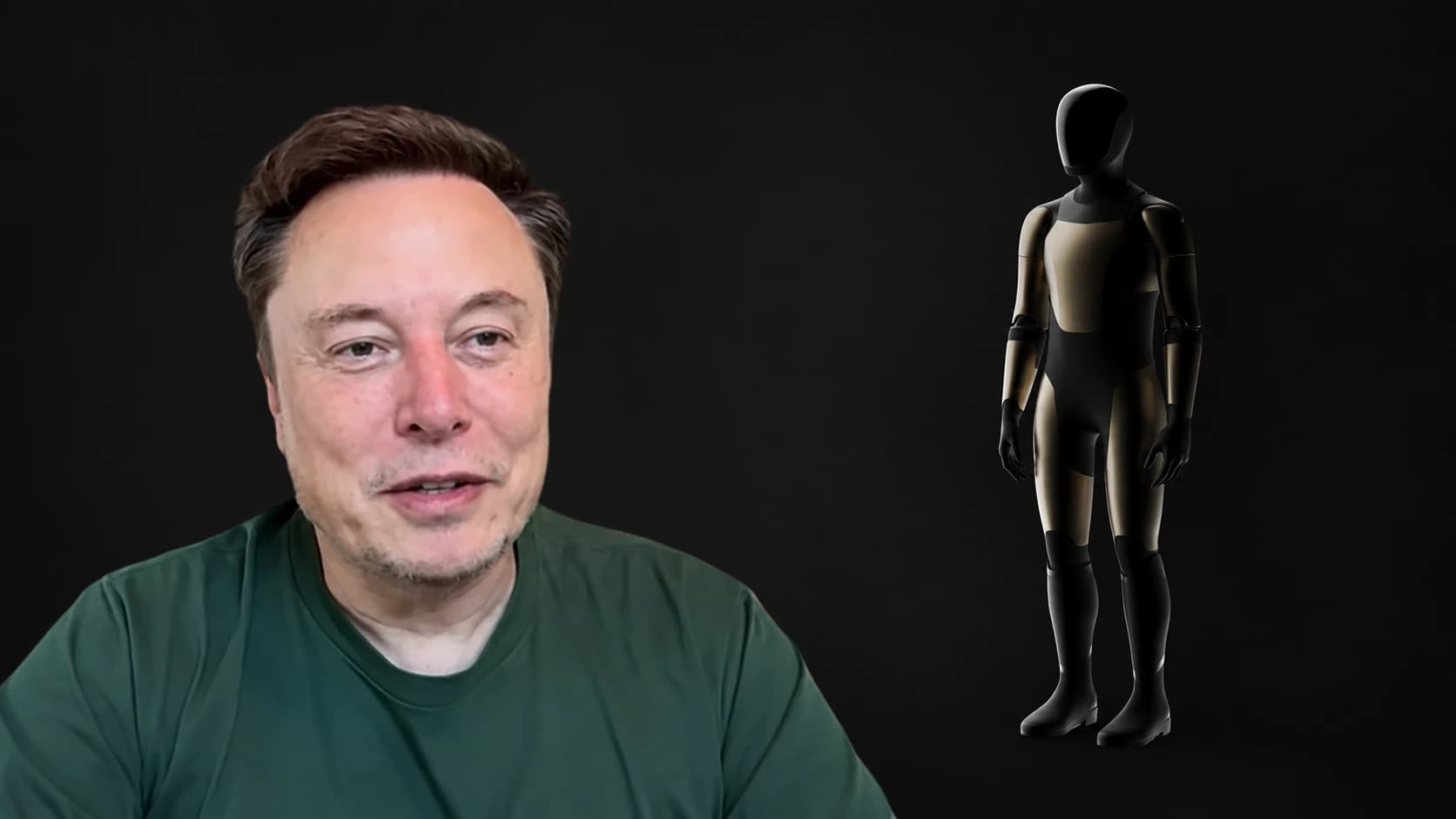
The update came in direct response to a social media challenge. Following Tesla's release of the Optimus video—which analysts estimate showed a speed of roughly 8.5 mph—user Joakim Viskinde tagged Figure founder Brett Adcock on X, stating simply: "Your move."
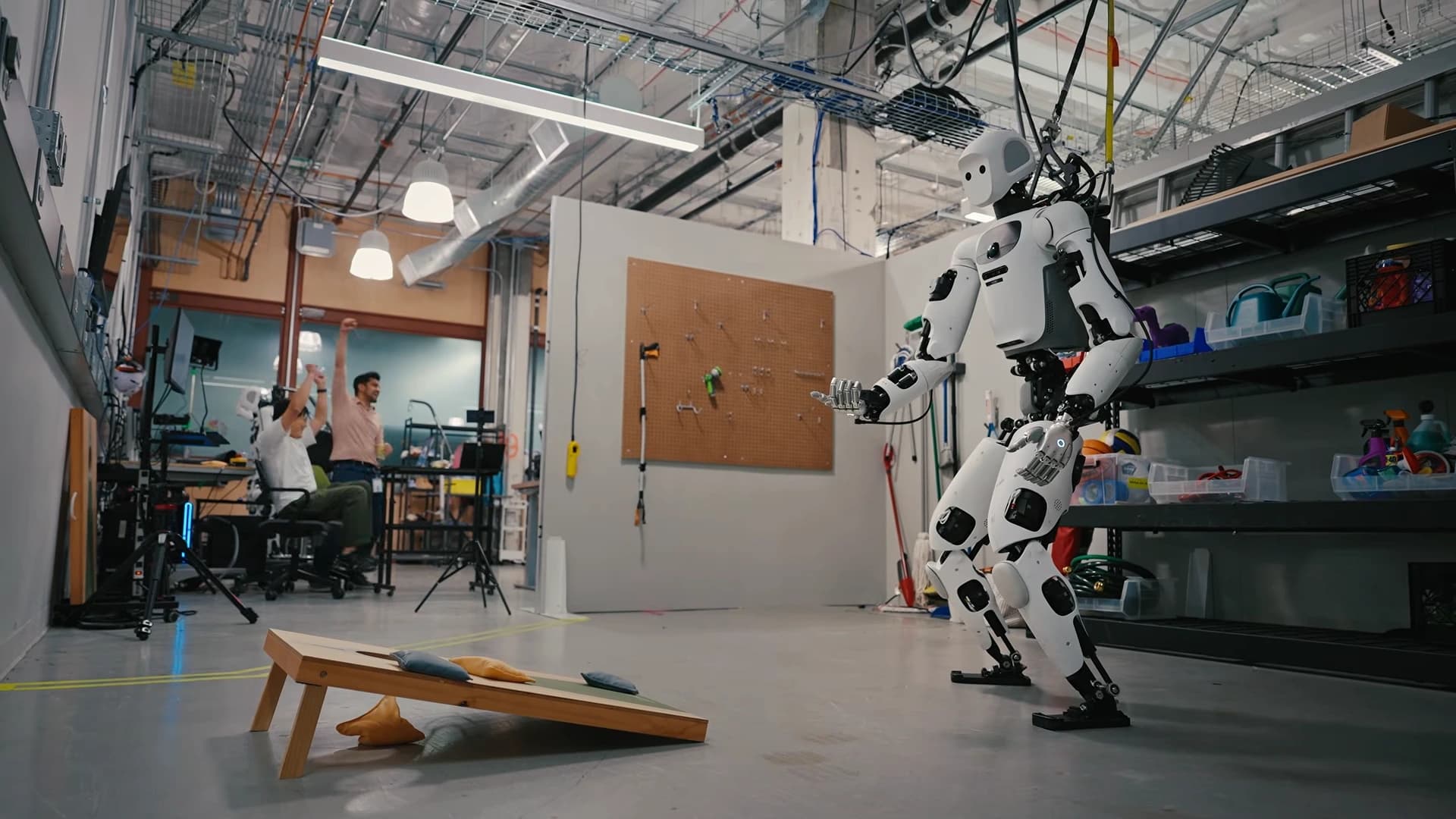
Adcock accepted the challenge, posting a video of the company’s newest model, the Figure 03, running back and forth at the Figure HQ.
The "Dude in a Suit" Effect
While Tesla's video focused on forward velocity, the Figure 03 video shows the robot executing short shuttle runs, taking several strides before decelerating, turning, and accelerating in the opposite direction.
The weekly humanoid robotics briefing
One email a week: the launches, funding and research that mattered, with context from Humanoids Daily.
Read recent issuesThe fluidity of the movement drew immediate comparisons to biological motion. One observer, X user @Al_Intellius, commented, "That's almost a dude in a suit."
Adcock seized on the comment to highlight the company's progress in actuation and control logic.
“The gap between human motion and robotic motion is closing - rapidly and irreversibly.” — Brett Adcock, Figure CEO
Like the Optimus update, the Figure 03 video demonstrates a true flight phase, where both feet are momentarily off the ground—the technical definition that distinguishes running from walking. This requires the robot to generate significant vertical impulse and manage dynamic instability, a complex engineering hurdle for bipedal machines.
Comparing the Runners
Direct speed comparisons between the two videos are difficult due to the lack of official telemetry from either company.
- Tesla Optimus: Ran a straight line. Independent pixel analysis suggests a speed of approximately 3.8 m/s.
- Figure 03: Performed shuttle runs with frequent direction changes. No speed data has been released.
Visually, the Figure 03 does not appear significantly slower than Optimus, though the short runway limits its ability to reach top speed. However, the ability to handle the deceleration and acceleration forces required to turn around quickly suggests a robust control system and high-torque actuation.
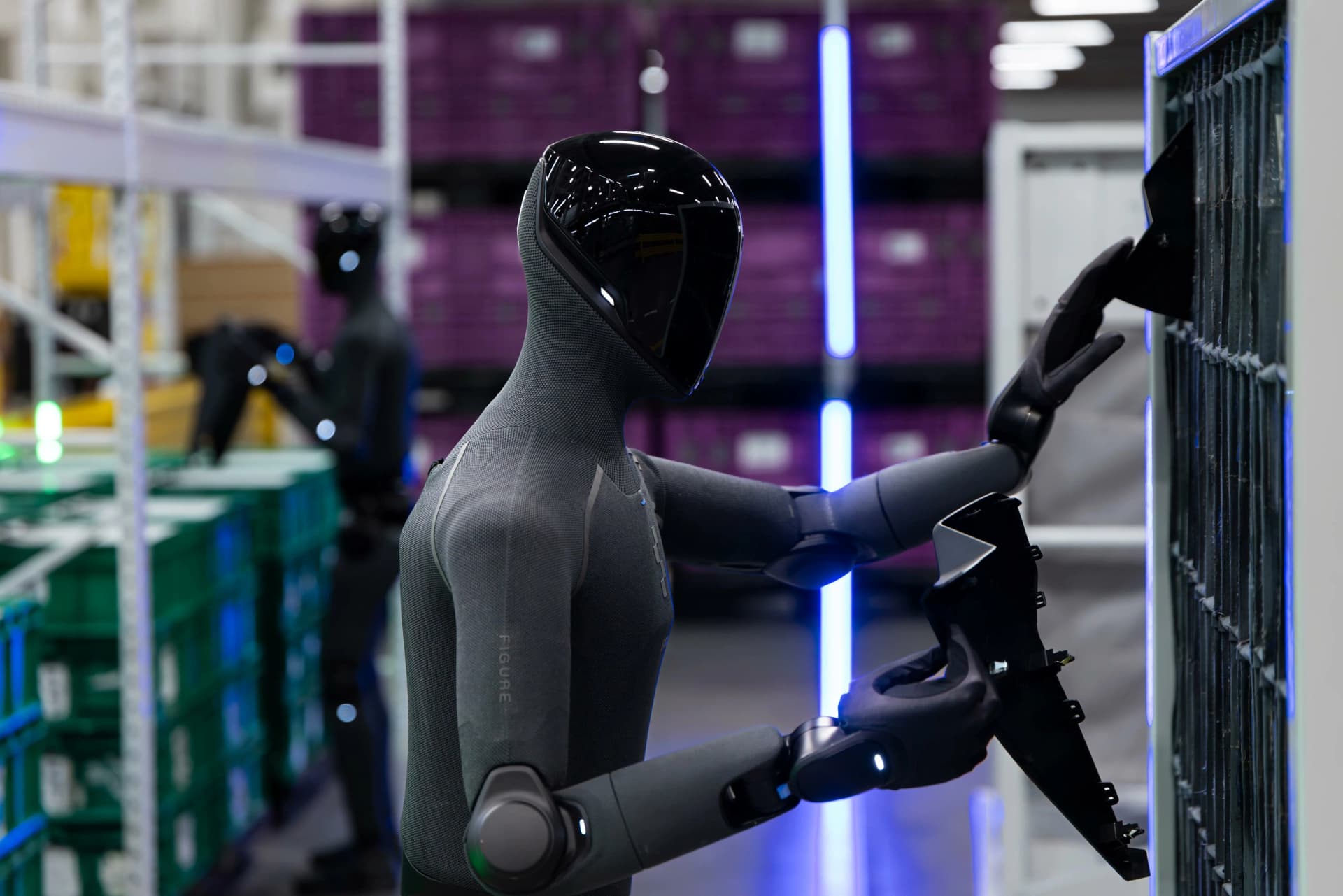
This agility aligns with the design philosophy behind the Figure 03. Unveiled in October, the robot was a ground-up redesign focused on mass manufacturability and lighter weight materials. The shift to a lighter frame likely contributes to the robot's dynamic capabilities by improving its power-to-weight ratio.
The Speed Race Heats Up
This back-and-forth between Tesla and Figure signals a convergence in the industry. For years, dynamic agility has been the domain of Boston Dynamics and Chinese innovators like Unitree and EngineAI, whose hardware has consistently pushed the envelope on agility, speed and stability.
The latest footage suggests that Figure and Tesla are now rapidly catching up to the athletic benchmarks set by these agility-first competitors. By demonstrating flight-phase running, Adcock and Musk are moving toward a single architecture capable of both delicate manipulation and high-speed locomotion.
Share this article
Read next
- Published on
- Reading time
- 2 min read
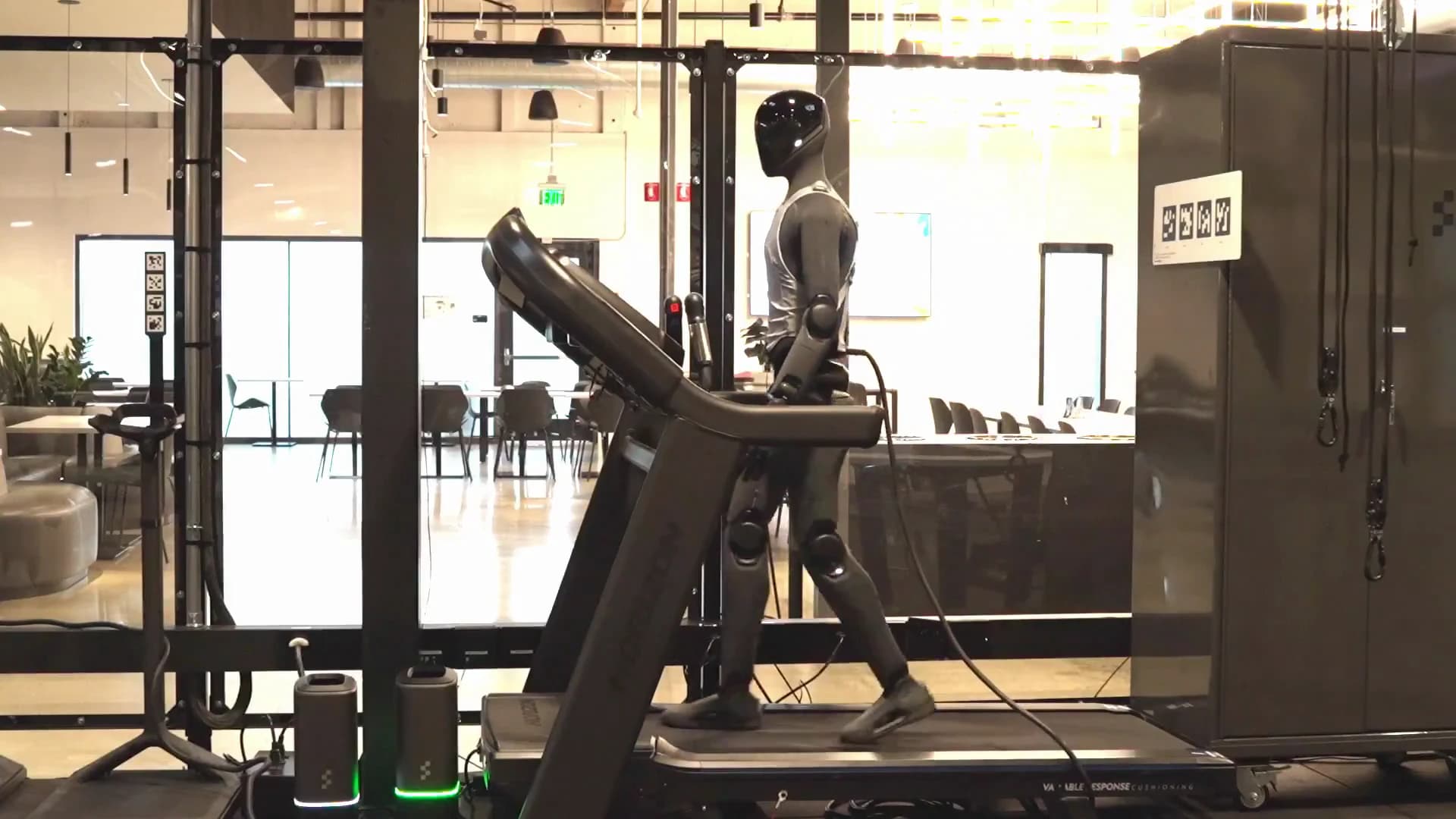
Figure’s Humanoid Has Walked 348 Miles on a Treadmill—and It’s Still Going
- Published on
- Reading time
- 6 min read
Figure CEO Brett Adcock Claims Humanoids Are Already Delivering ROI Amid Severe Labor Shortages
- Published on
- Reading time
- 4 min read
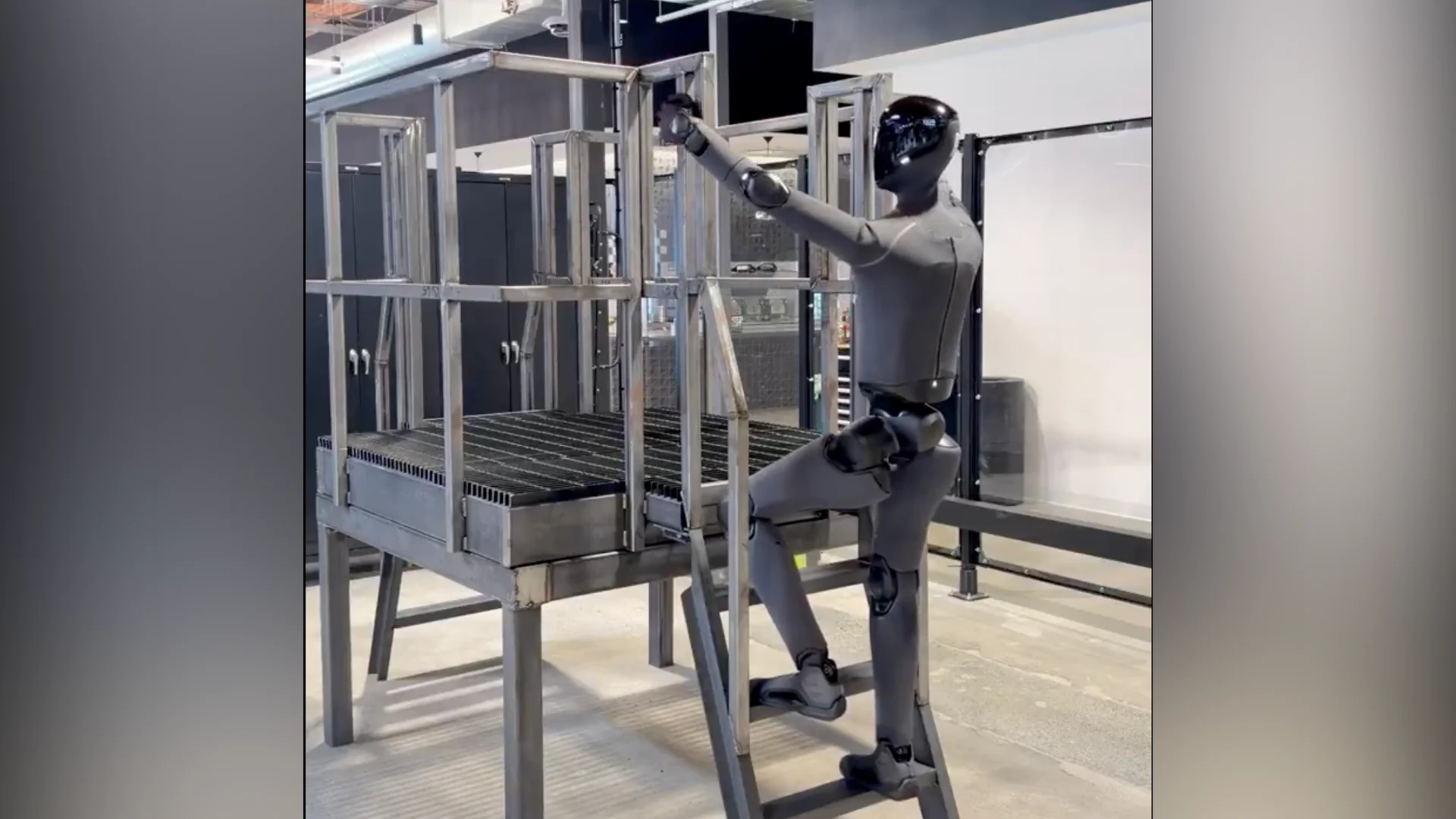
Stepping Up: Figure 03 Achieves Autonomous Ladder Climbing, Reigniting the Bipedal Debate
- Published on
- Reading time
- 4 min read
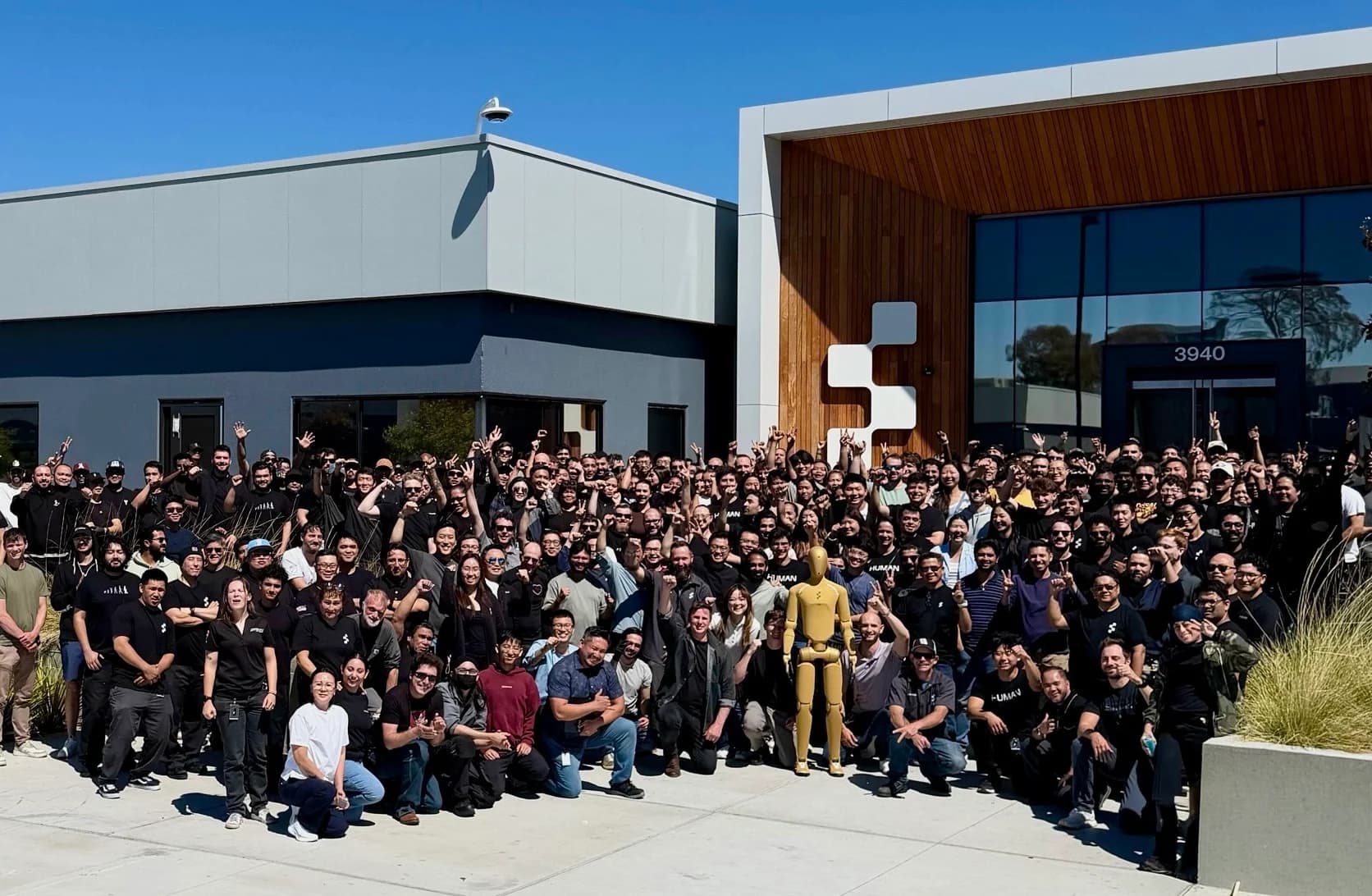
A Golden Milestone: Figure Manufactures Its 1,000th Figure 03 Humanoid
- Published on
- Reading time
- 6 min read
Back to Spartanburg: Figure 03 Deploys at BMW for Complex Logistics Sequencing
- Published on
- Reading time
- 4 min read
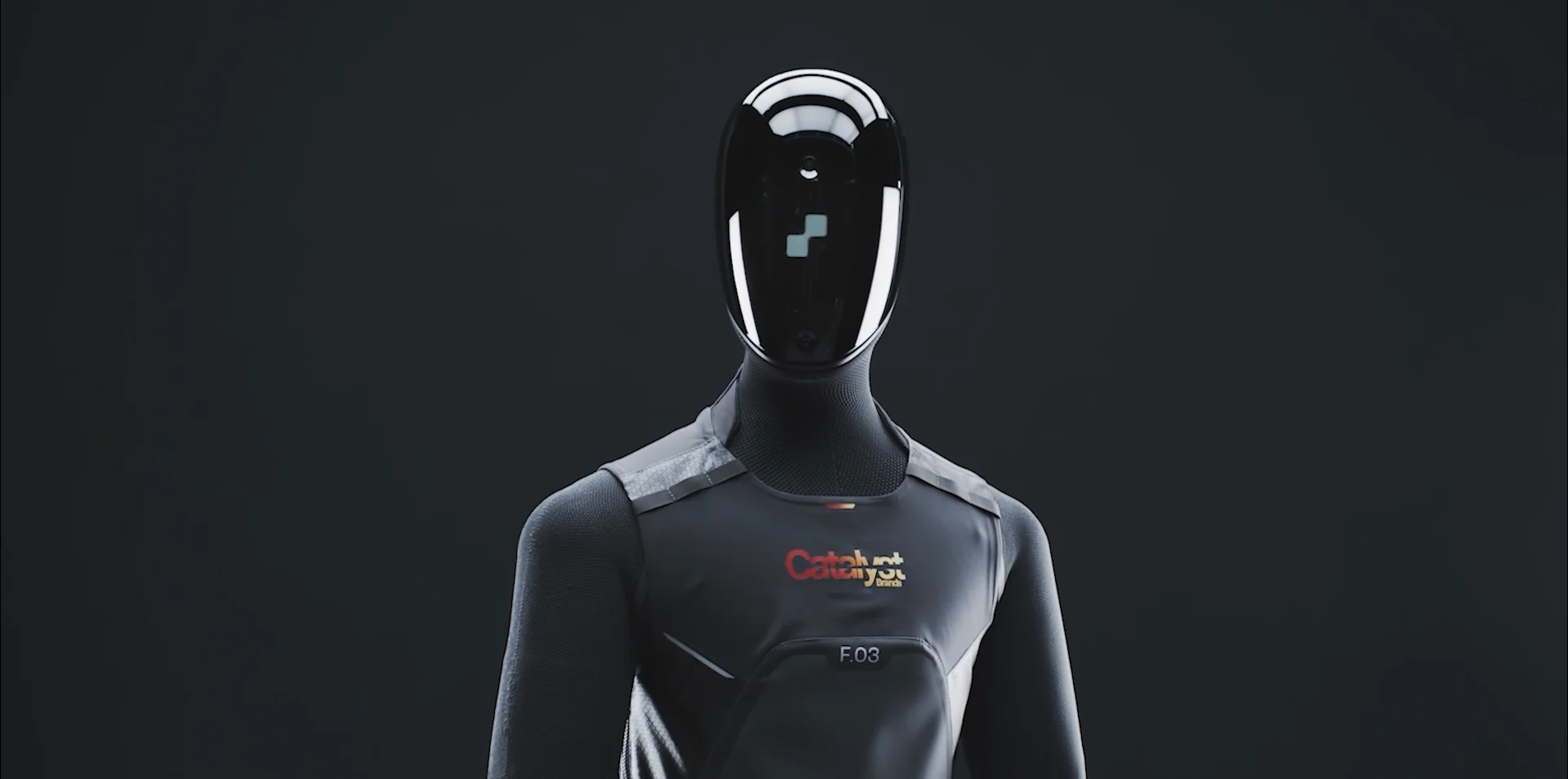
Figure Inks Commercial Deal with Catalyst Brands for Large-Scale Humanoid Deployment

The weekly humanoid robotics briefing
One email a week: the launches, funding and research that mattered, with context from Humanoids Daily.
Read recent issues