- Published on
10,000 Units a Year: Inside China’s First Automated Humanoid Production Line
One tap, and our reporting appears more often in your Google Top Stories. It makes a real difference to a small newsroom.

Supported by RoboStrategySupport for Humanoids Daily comes from RoboStrategy
Sponsored
Investing involves risk, including possible loss of principal. Read the prospectus before investing.
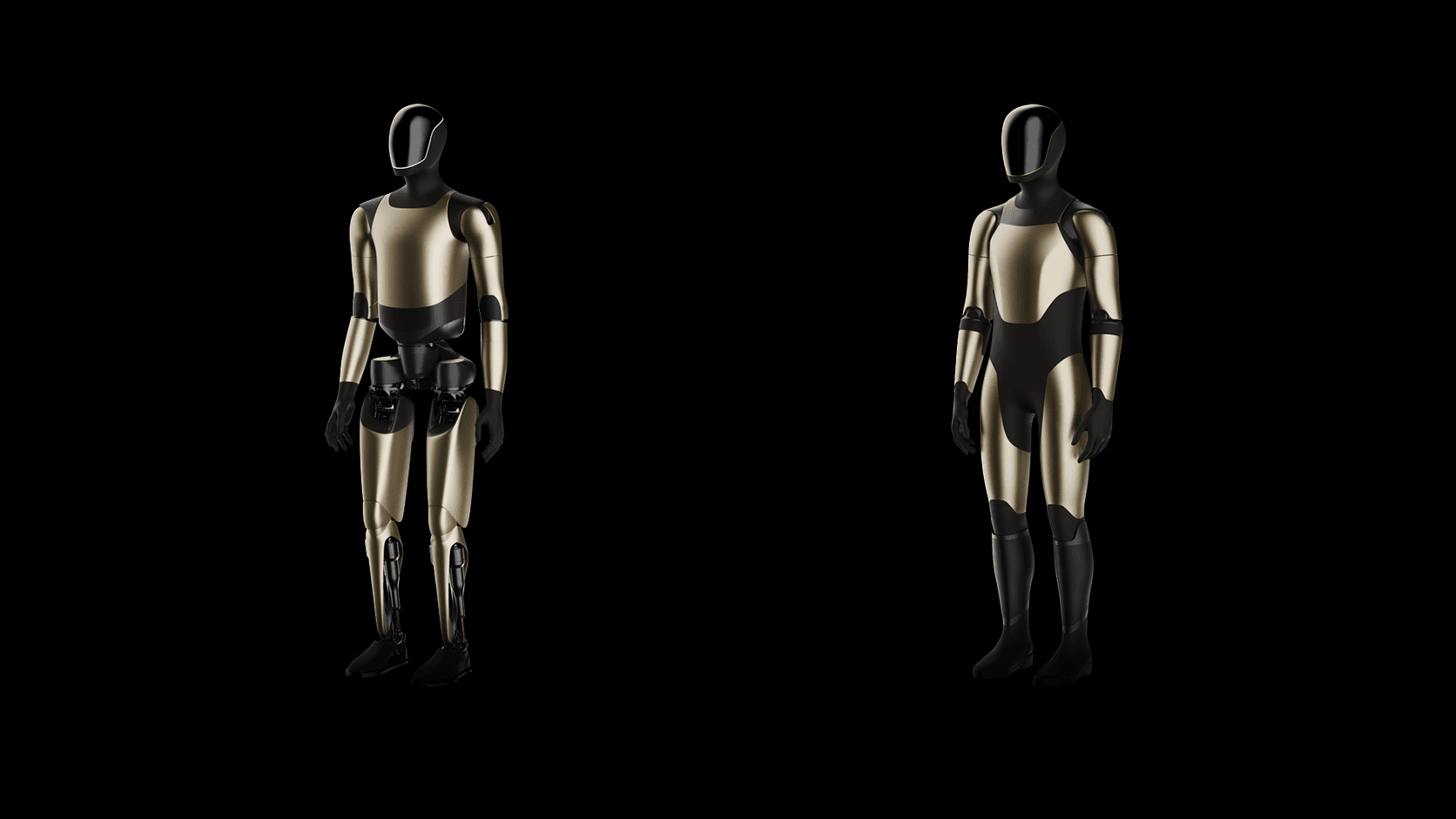
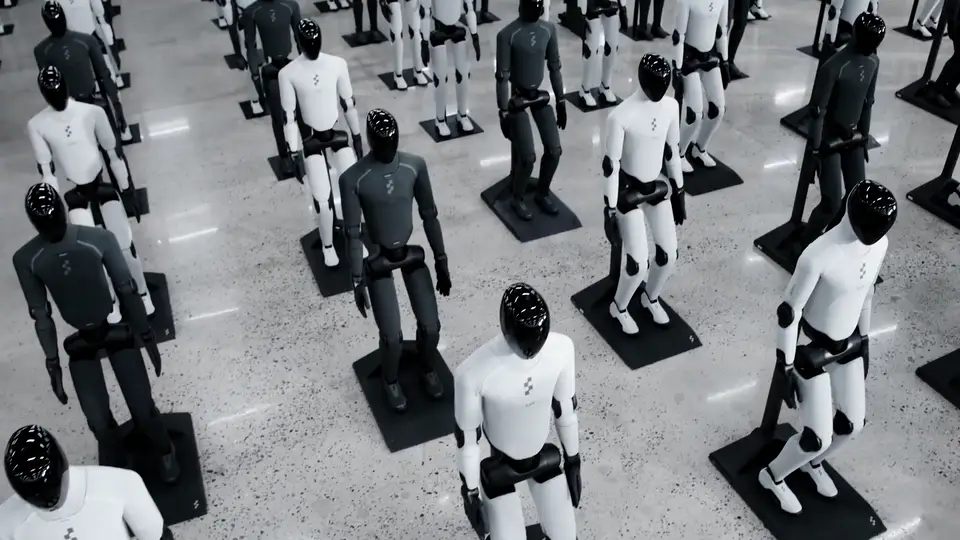
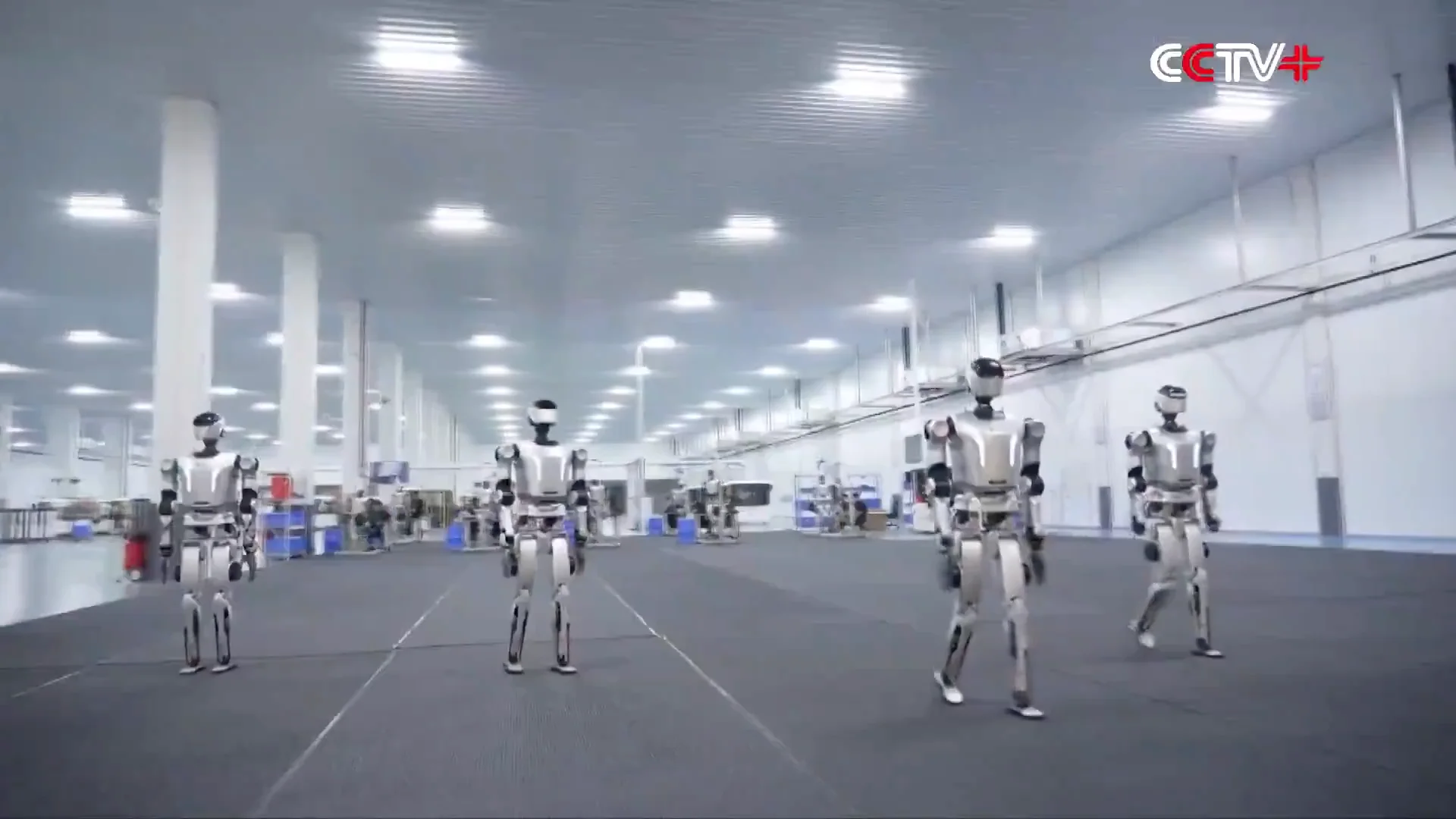
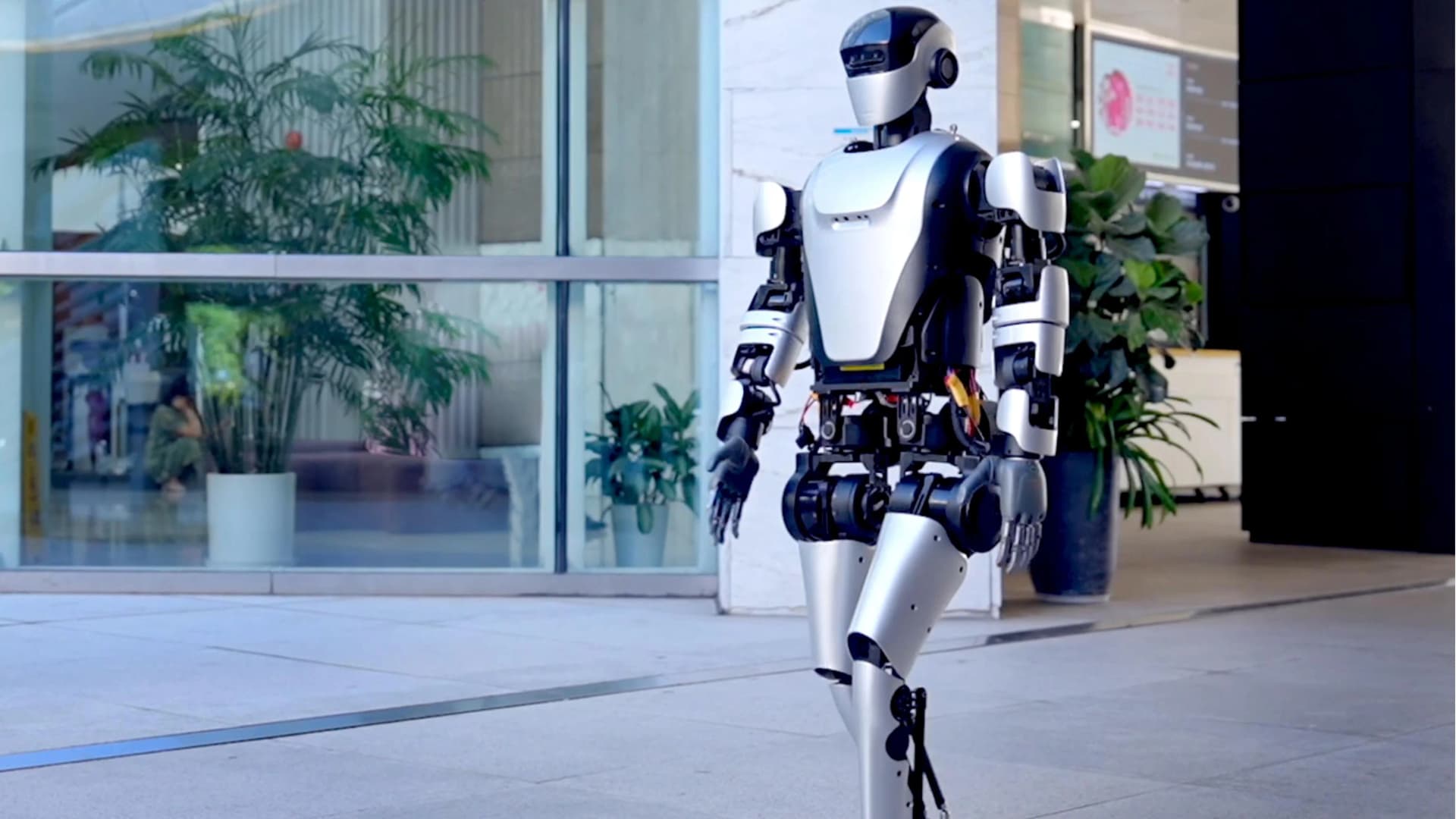
The "Numbers War" that has dominated the humanoid robotics sector throughout early 2026 just gained another contender. On March 29, 2026, a production line reportedly representing China's first automated facility capable of producing 10,000 humanoid units annually officially went into operation in Guangdong.
The facility is the result of a strategic partnership between Leju Robotics and Dongfang Precision Science and Technology, a supplier traditionally known for corrugated packaging equipment that has aggressively pivoted into robotic contract manufacturing. The launch marks a definitive transition for the industry, moving away from pilot-scale laboratory assembly and into the kind of high-throughput manufacturing that once transformed the consumer electronics and EV sectors.
One Robot Every 30 Minutes
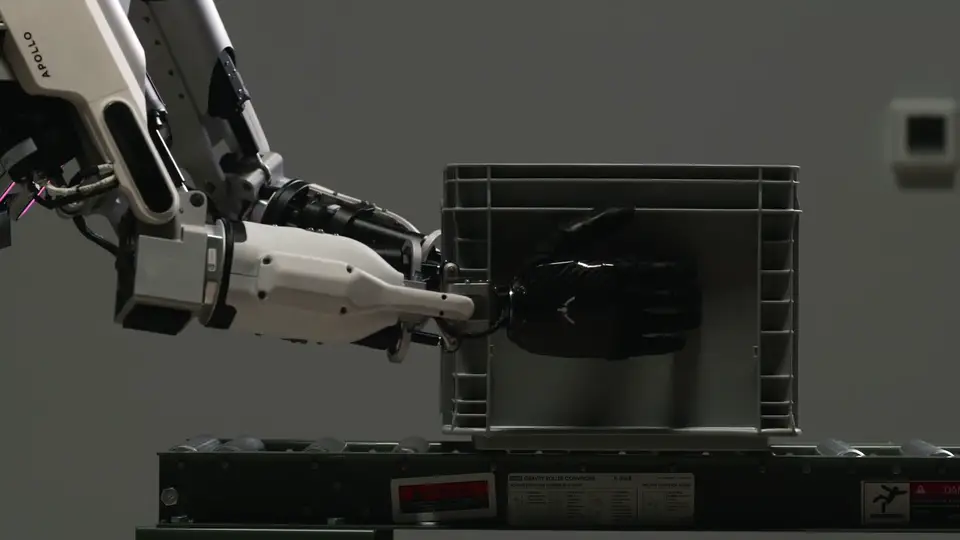
According to technical specifications released during the opening, the new line features 24 precision assembly processes and 77 all-dimensional inspection points. The facility is reportedly capable of rolling a finished humanoid off the line every 30 minutes, representing a 50% boost in efficiency compared to traditional manual or semi-automated modes.
Crucially, the line utilizes a "flexible, multi-model" design. Assisted by automated guided vehicles (AGVs) and digital management systems, the factory can shift between different robot configurations without a total retooling. This flexibility is essential as manufacturers like Leju attempt to service a diverse range of clients, from automotive giants like Nio and FAW Group to household appliance leaders like Haier.
The weekly humanoid robotics briefing
One email a week: the launches, funding and research that mattered, with context from Humanoids Daily.
Read recent issuesThe Contract Manufacturing Model
The involvement of Dongfang Precision highlights an emerging trend in the "Physical AI" ecosystem: the rise of the specialized Tier 1 contract manufacturer. While Leju provides the "brain" and design, Dongfang Precision handles the "muscle" of industrial-scale debugging, deployment, and after-sales service.
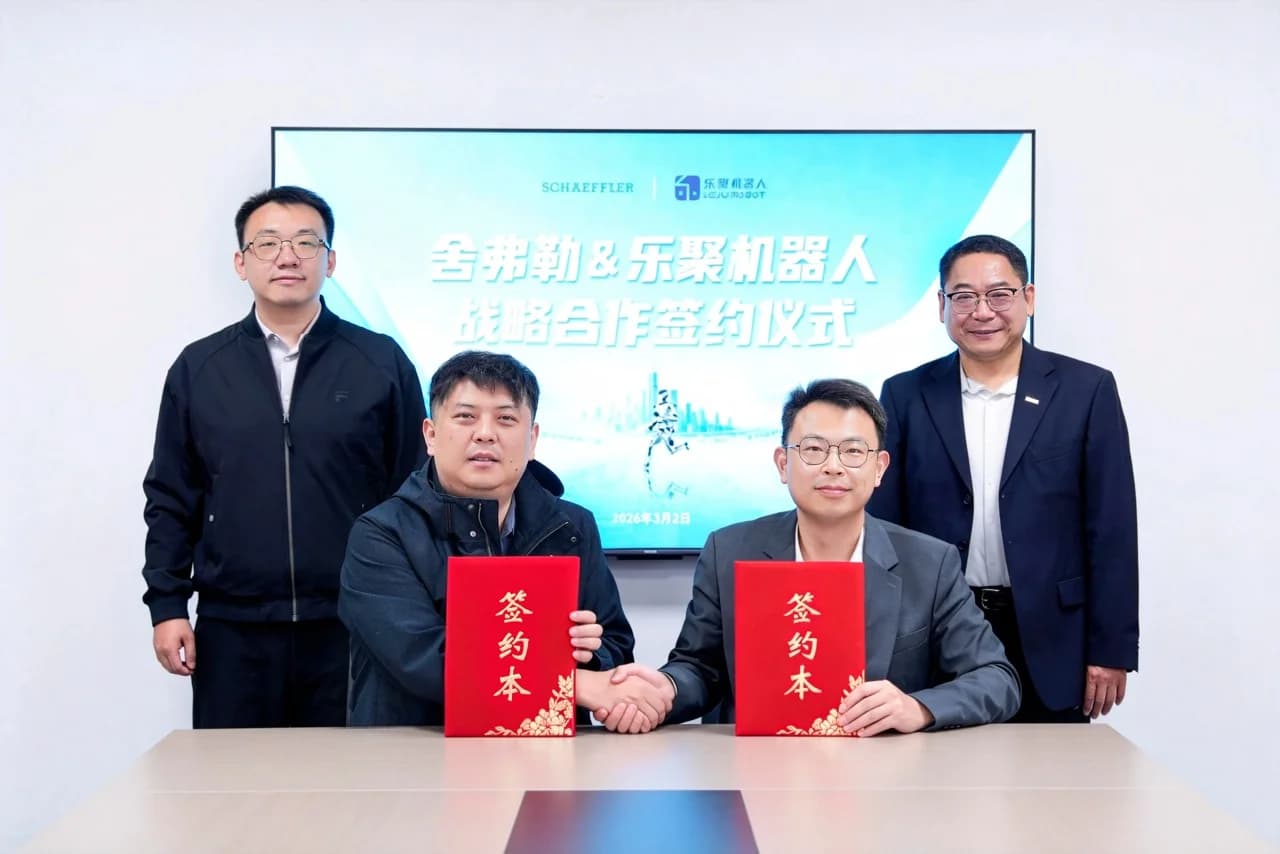
This partnership model is gaining traction globally. It mirrors the strategic cooperation between Schaeffler and Leju Robotics announced earlier this month, where the German industrial giant established a dedicated subsidiary in Taicang to capture the humanoid value chain. By leveraging Dongfang’s manufacturing expertise—bolstered by a 2.8% equity stake Dongfang holds in Leju—the duo aims to solve the "utility gap" that has historically kept high-performance humanoids confined to research labs.
Scaling Amidst a Global Race
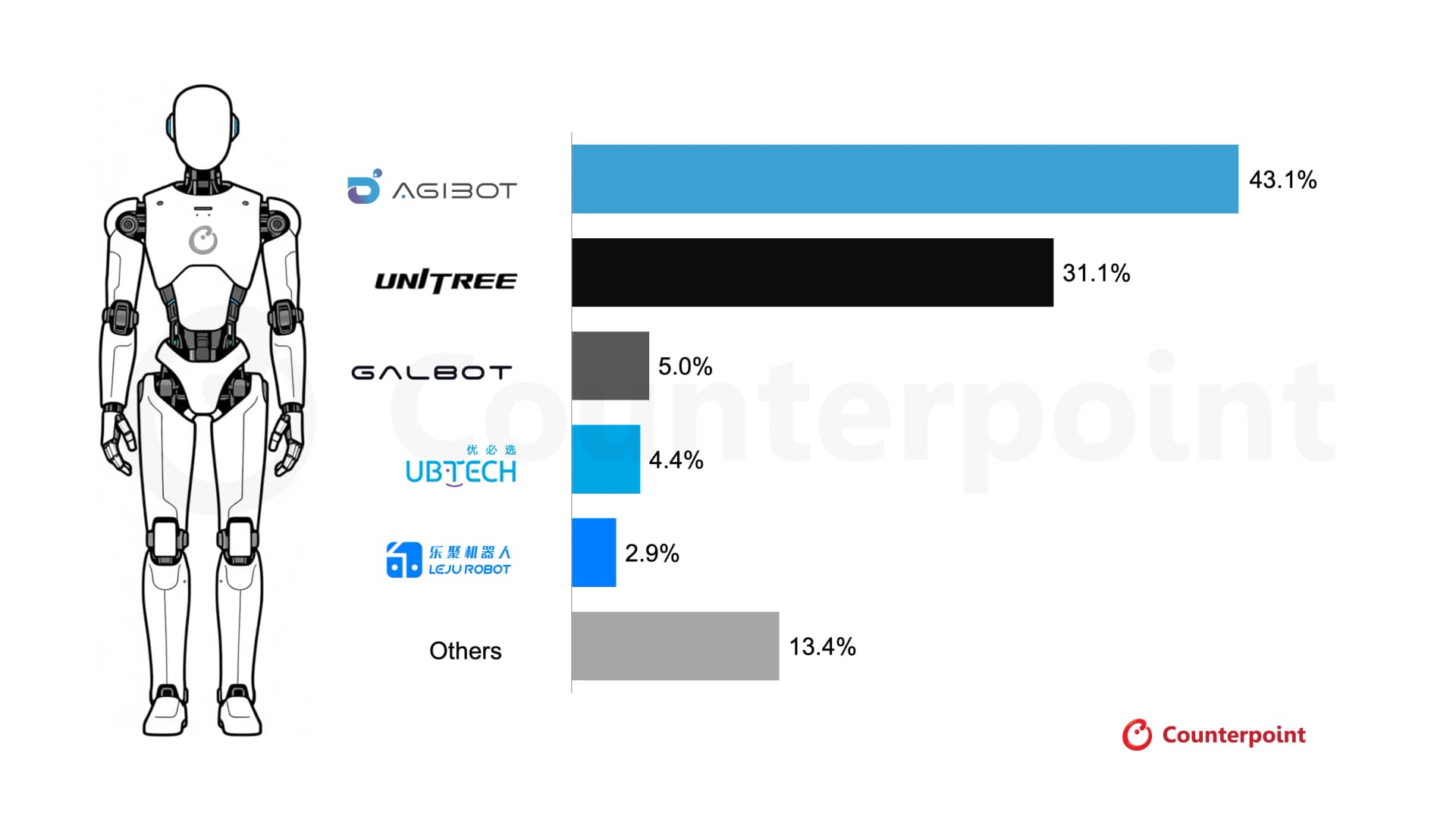
The activation of a 10,000-unit capacity line places Leju in direct competition with the industry’s most aggressive players.
- AGIBOT recently celebrated the rollout of its 10,000th humanoid unit, claiming a fourfold increase in production speed over the last three months.
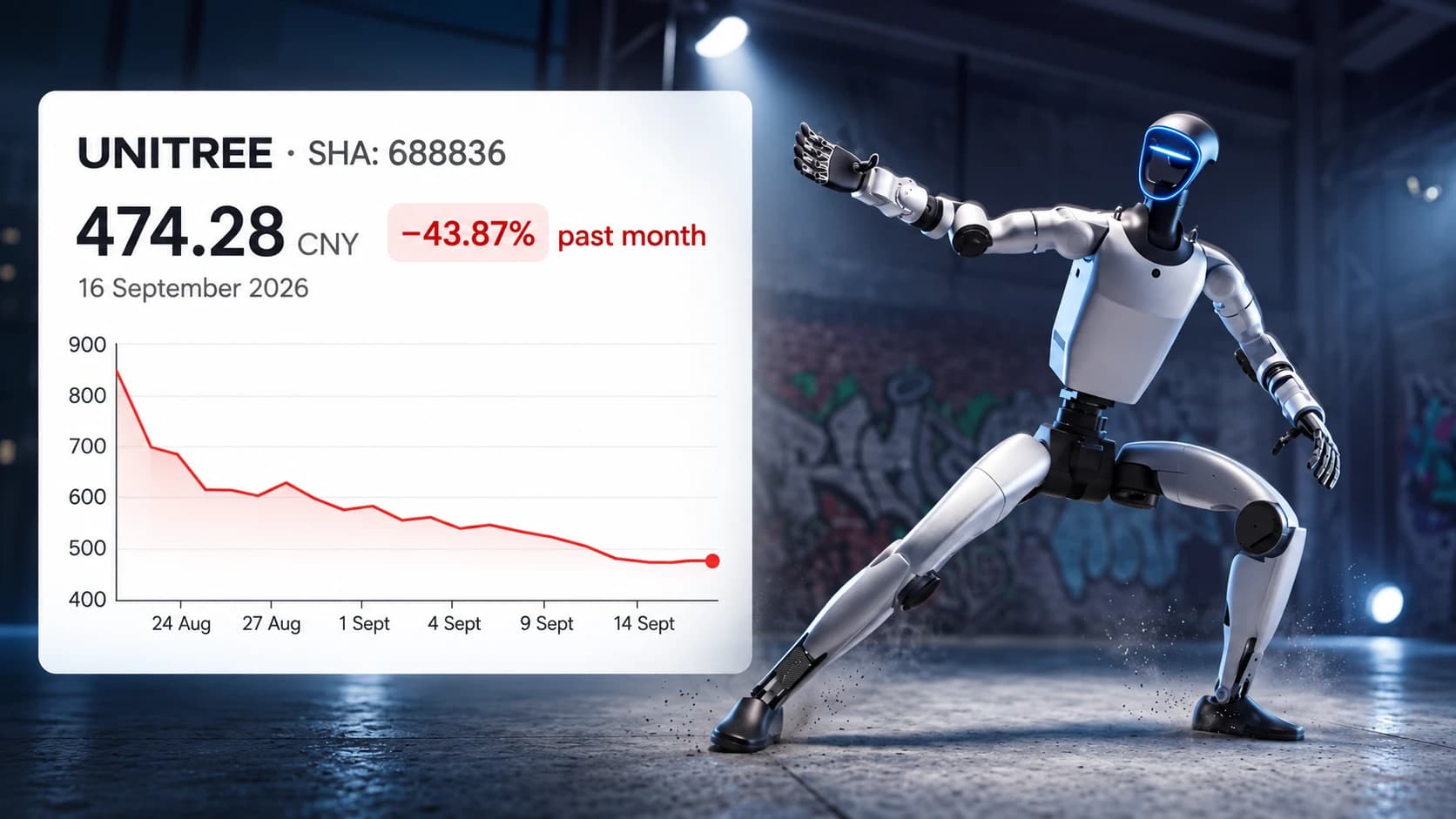
- Unitree Robotics is currently pursuing a $580 million IPO to fund a manufacturing base designed for an even more ambitious 75,000 units annually.
- UBTECH Robotics is also scaling up, targeting a ten-fold jump to 5,000 units this year as it pursues a target production cost of under $20,000 per unit.
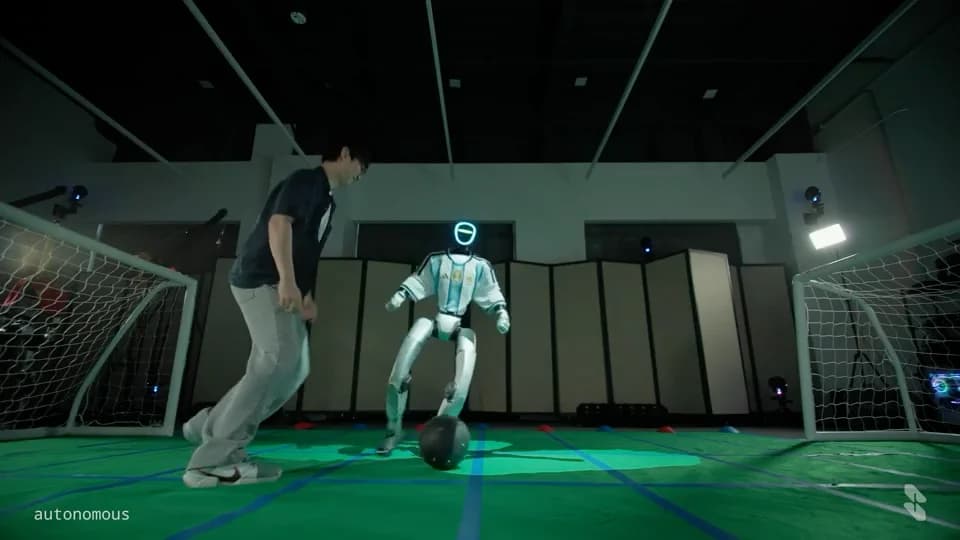
For Leju, the 10,000-unit milestone is a prerequisite for survival in a market where shipment volume has become an important metric for investor confidence. Before being shipped, each robot on the new Guangdong line undergoes 41 simulated work-condition tests to ensure reliability—a necessary step as these machines move from "showbiz" gala performances into 24/7 industrial environments.
The Reliability Test
Despite the impressive throughput, the industry still faces a "data bottleneck." While the hardware is now being produced at scale, the software required to make these 10,000 robots useful in unstructured environments is still maturing. As Bank of America recently projected, the world could see three billion humanoids by 2060, but only if manufacturers can bridge the gap between "technical spectacles" and genuine economic utility.
With the hardware supply chain now reaching maturity in Guangdong, the pressure shifts back to the AI developers to prove that there is enough "real work" to keep these thousands of new metallic workers busy.
Share this article
Read next
- Published on
- Reading time
- 10 min read
The Great Valuation Chasm: A 2025 Guide to the Humanoid Robotics Capital Race
- Published on
- Reading time
- 4 min read
China’s Humanoid Sector Sees IPO Rush as Unitree, Aelos, and AgiBot Vie for Market Lead
- Published on
- Reading time
- 5 min read
Unitree’s Stock Slump Puts China’s Robot IPOs Under Scrutiny
- Published on
- Reading time
- 6 min read
Global Humanoid Shipments Surpass 22,000 in H1 2026 as AGIBOT Leads and Form-Factor Debates Intensify
- Published on
- Reading time
- 4 min read
Schaeffler Partners with Leju Robotics as CEO Klaus Rosenfeld Defends "Physical AI" Strategy Amid Cautious Outlook
- Published on
- Reading time
- 3 min read
Goldman Sachs: Chinese Suppliers Aggressively Building Humanoid Robot Capacity Ahead of Orders

The weekly humanoid robotics briefing
One email a week: the launches, funding and research that mattered, with context from Humanoids Daily.
Read recent issues