- Published on
Unitree Files for $580M IPO: Humanoid Sales Surpass Robot Dogs as Profits Soar
One tap, and our reporting appears more often in your Google Top Stories. It makes a real difference to a small newsroom.

Supported by RoboStrategySupport for Humanoids Daily comes from RoboStrategy
Sponsored
Investing involves risk, including possible loss of principal. Read the prospectus before investing.
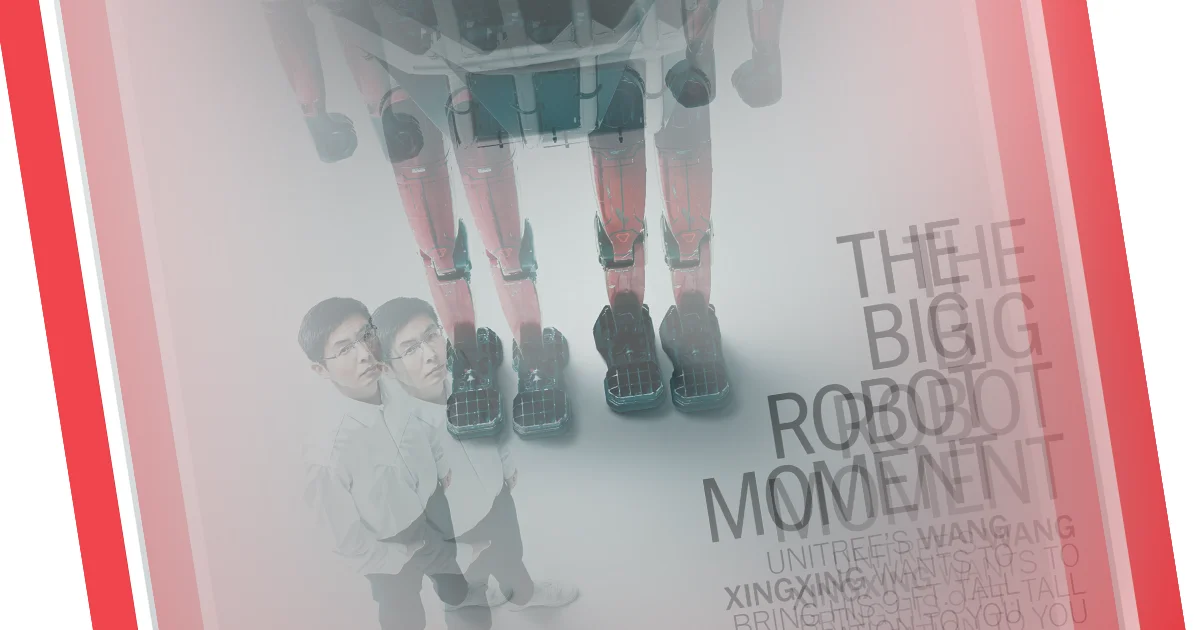
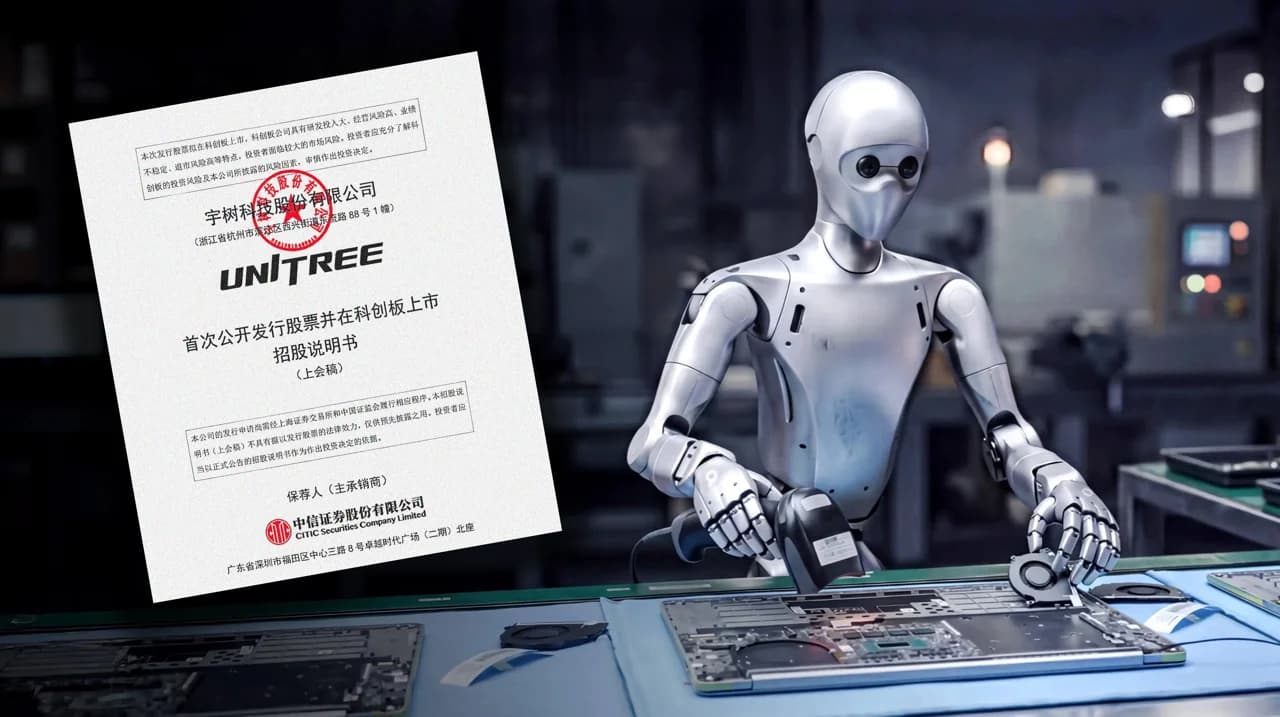
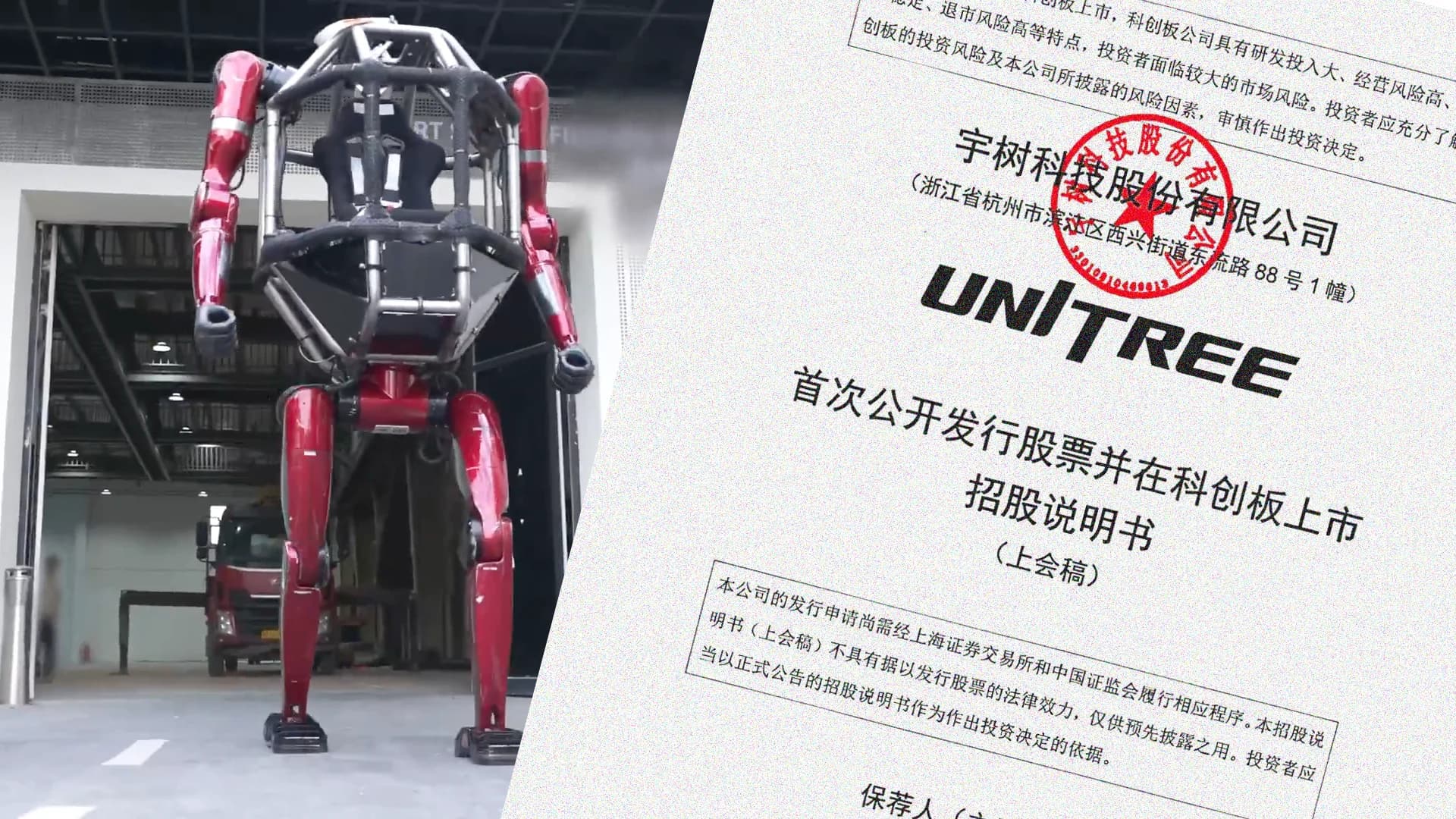
The race to become the first publicly traded "pure-play" humanoid robotics company on China’s A-share market has reached its final sprint. On March 20, 2026, the Shanghai Stock Exchange (SSE) officially accepted the IPO application for Unitree Robotics (Hangzhou Unitree Technology).
The filing reveals a company that has successfully transitioned from a niche manufacturer of quadruped "dogs" to a high-volume humanoid powerhouse. Seeking to raise 4.202 billion RMB (approximately $580 million USD), Unitree is positioning itself as the bellwether for the sector’s commercial viability.
The Financial "Leapfrog"
For an industry often criticized for being a "bubble" of repetitive prototypes, Unitree’s financial disclosures are a significant outlier. The company reported a "leapfrog" growth trajectory:
- 2025 Revenue: Over 1.7 billion RMB (approx. $235 million USD), a 335% increase year-over-year.
- 2025 Net Profit: Over 600 million RMB (approx. $83 million USD), representing a 674% surge compared to 2024.
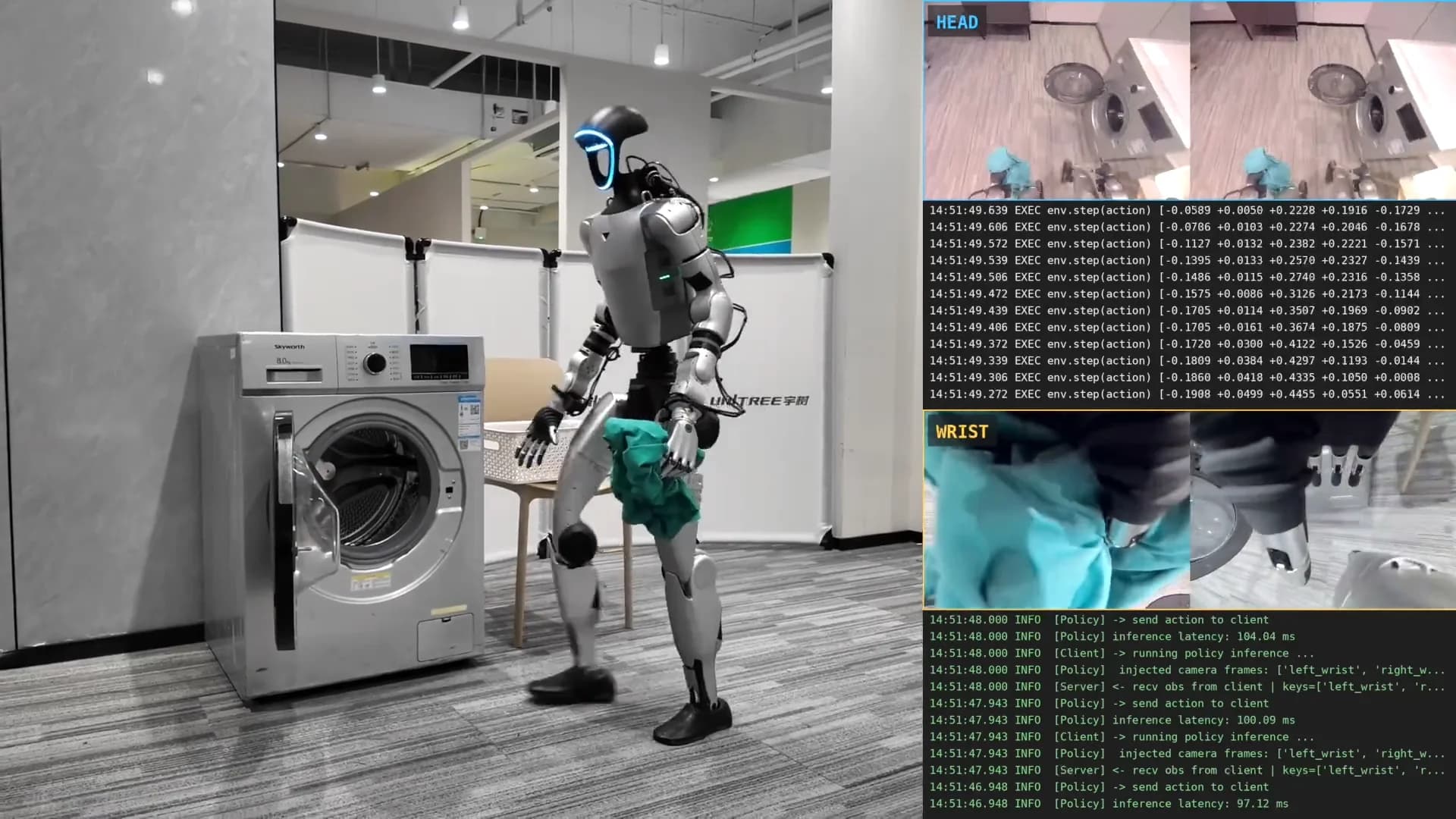
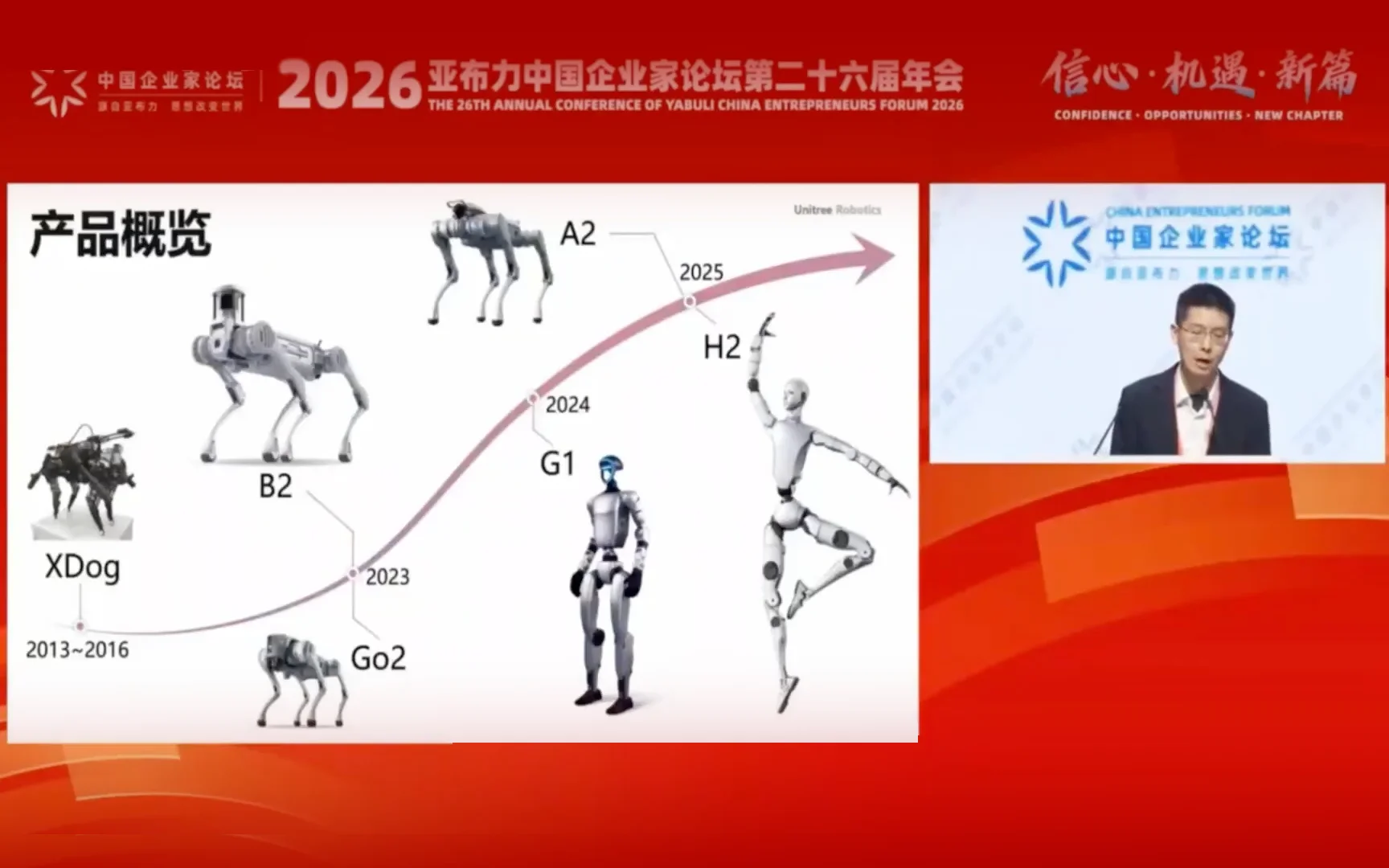
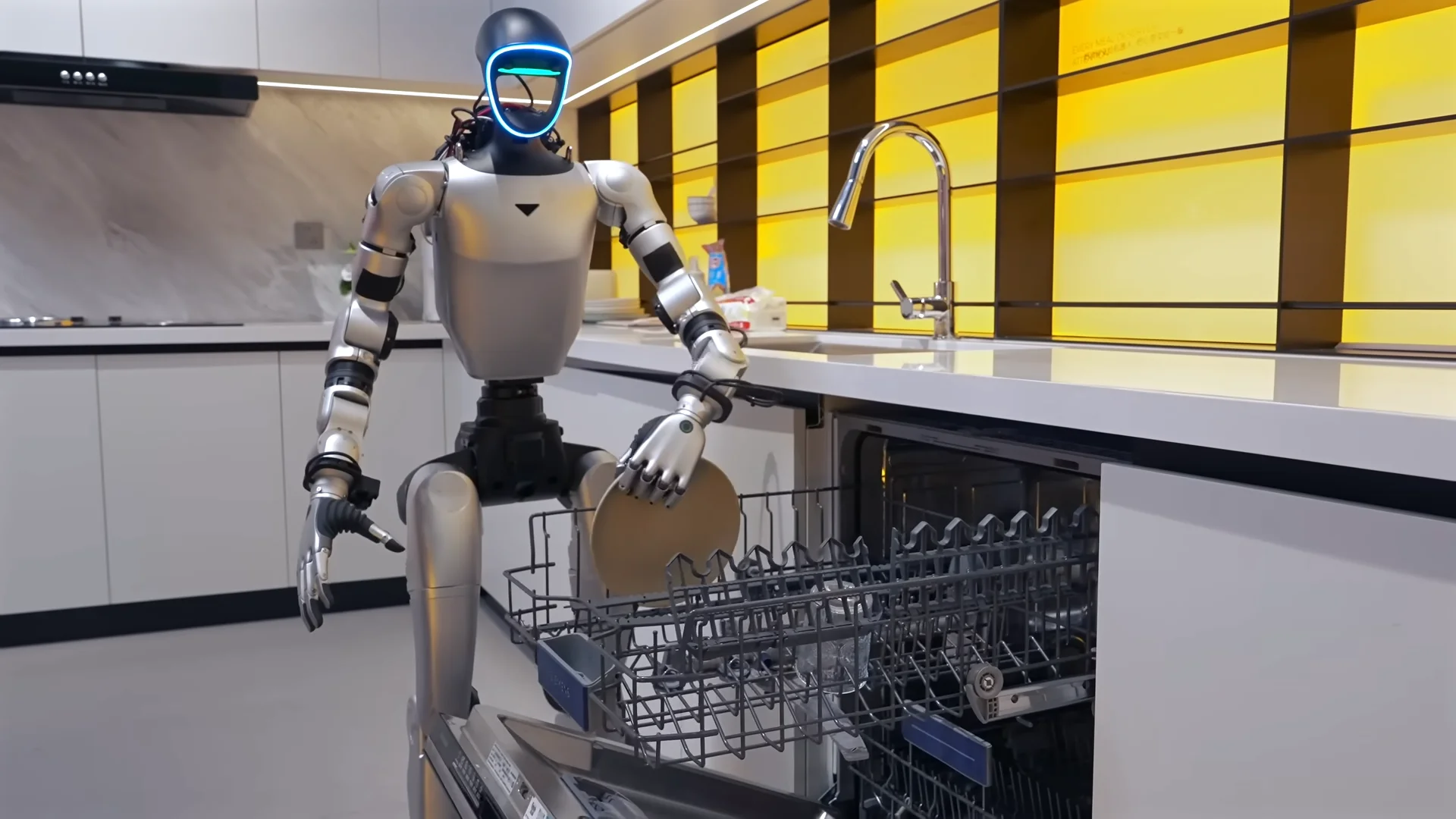
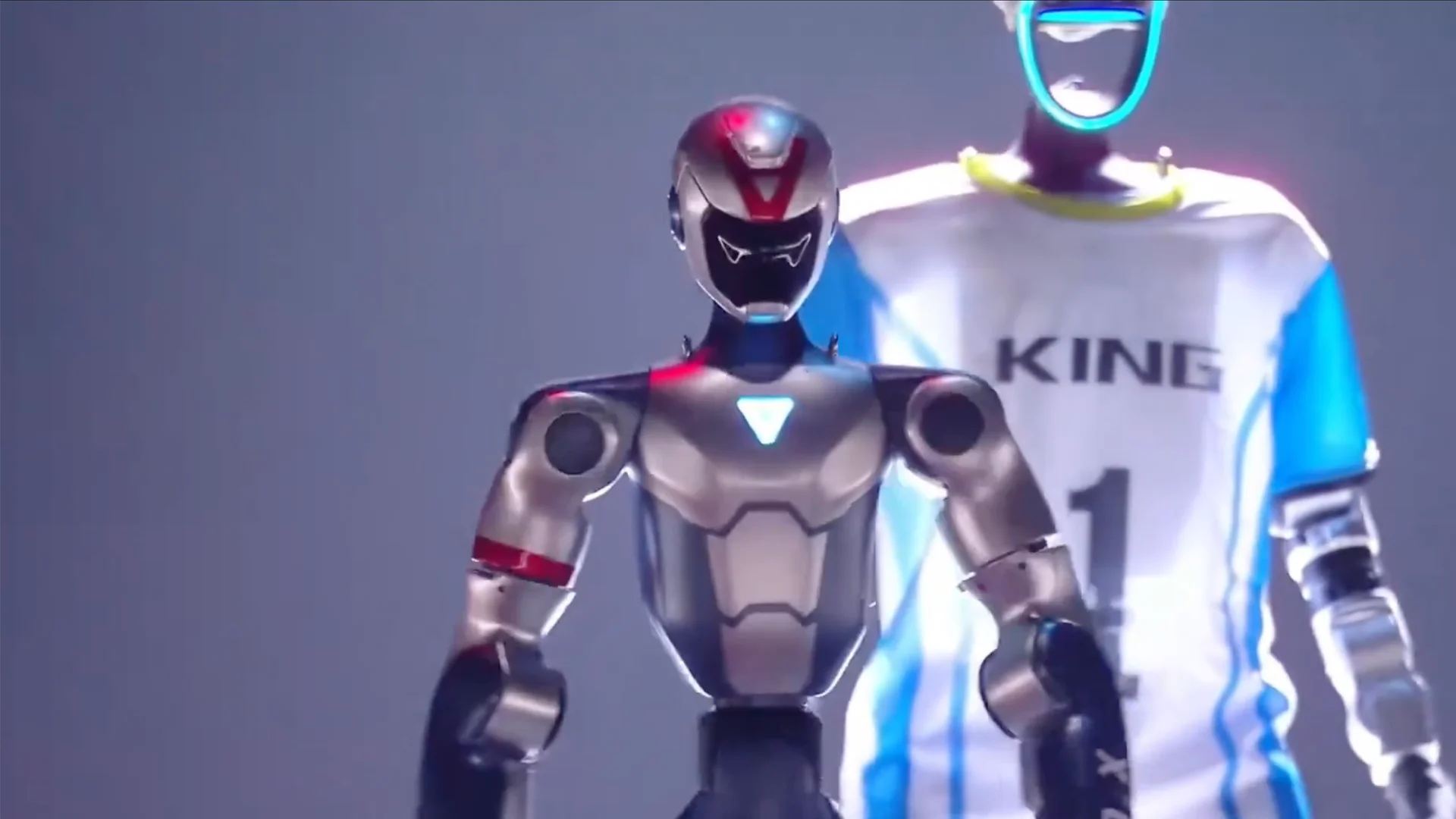
- Humanoid Dominance: While robot dogs comprised 65% of sales in 2024, the revenue structure has flipped. Humanoid robots (H1, H2, G1, and R1) now account for over 51% of the company’s core income.
Unitree officially reported shipping 5,500 humanoid units in 2025—a figure that supports the company's claim to the global shipment lead and its recent aggressive targets of 20,000 units for 2026.
The weekly humanoid robotics briefing
One email a week: the launches, funding and research that mattered, with context from Humanoids Daily.
Read recent issues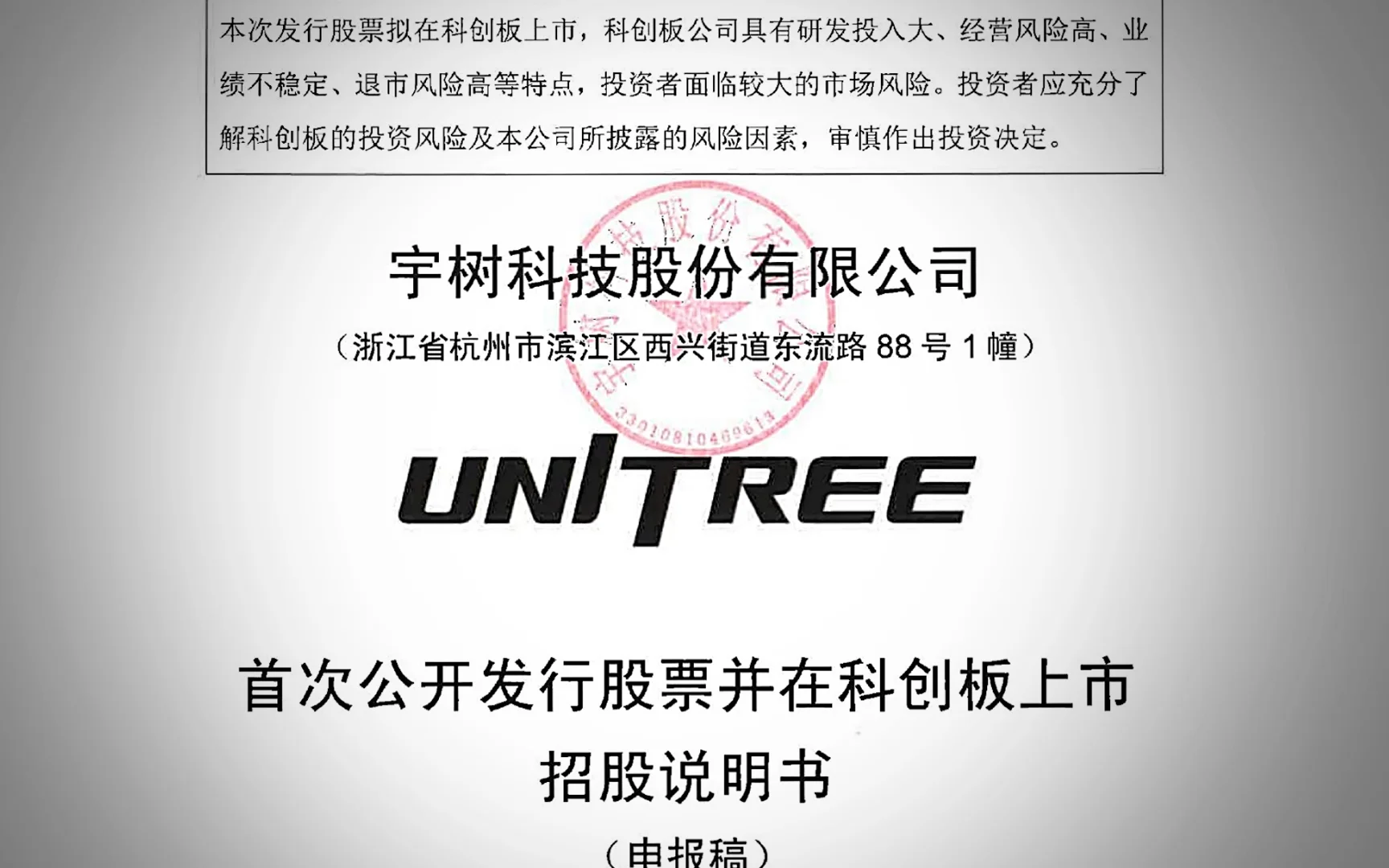
Funding the "Brain" and the Factory
Unitree plans to use nearly half of its IPO proceeds—2.02 billion RMB—to fund the development of embodied AI models. This "heavy bet" on software aligns with CEO Wang Xingxing’s recent calls for a shift toward "Video-Based World Models" to bridge the gap between hardware agility and general intelligence.
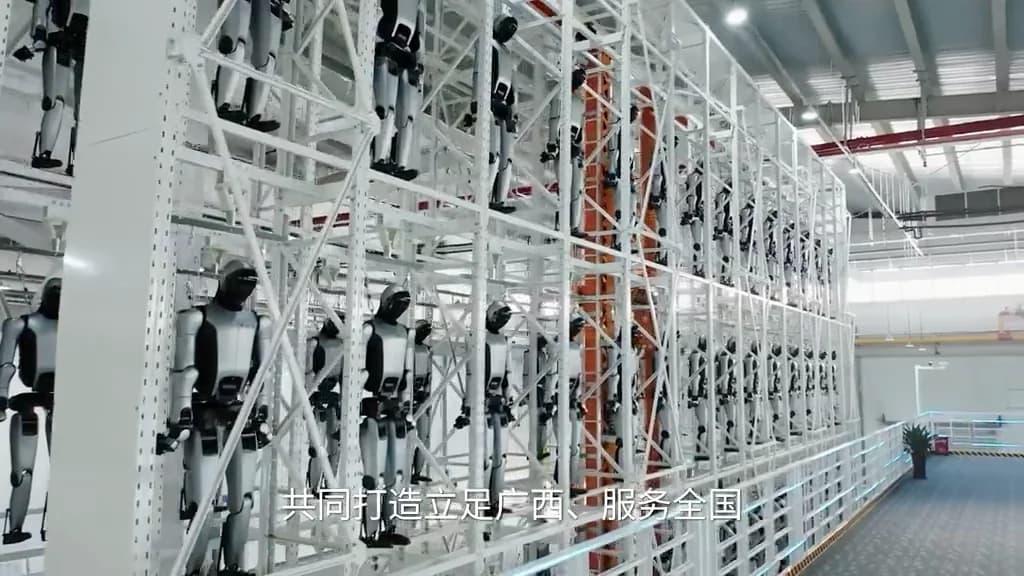
The company is moving beyond its current factory pilots to massive industrial scale. A portion of the funding is earmarked for a new manufacturing base designed to produce 75,000 humanoid robots and 115,000 quadruped robots annually. This infrastructure is critical for Unitree to meet the price-sensitivity of the market, which Morgan Stanley recently identified as a primary barrier to mass adoption.
Governance and "Pre-Review" Advantage
Unitree is utilizing a "pre-review" mechanism on the STAR Market, having already completed two rounds of inquiries from the exchange. This suggests that the company has already addressed core concerns regarding technical maturity and sustainable growth, potentially accelerating its path to listing compared to rivals like AgiBot.
The filing also clarifies the company's power structure. Founder Wang Xingxing maintains a dominant position, controlling 68.78% of the voting rights through a special share structure. Despite the heavy involvement of high-profile backers like Meituan (9.6%), Sequoia China (7.1%), and Matrix Partners (5.4%), Wang’s technical vision remains the company’s primary rudder.
The Global Leaderboard: Unitree vs. The World
The prospectus provides a rare, direct comparison between Unitree and its most high-profile international and domestic rivals, framing the company as the clear volume leader in an overheating market. While U.S.-based firms like Figure and Agility Robotics are frequently cited as technical pioneers, the filing estimates their 2025 shipment volumes at roughly 150 units each—a figure that has not been publicly confirmed by the companies themselves. Tesla, despite the massive hype surrounding its Optimus platform, is noted as having no public sales, with its robots currently limited to internal development and testing.
Unitree argues that the industry’s "ChatGPT moment" depends on moving past the prototype stage into verified product delivery. The company highlights its dominance by contrasting its 5,500 shipped units with the specialized focus of other players:
- International Competitors: Boston Dynamics is credited for its high-performance Atlas maneuvers, and Figure is noted for its recent pilot deployments in automotive factories.
- Domestic Rivals: The prospectus identifies UBTECH (9880.HK) as a leader in service and education , and lists AgiBot (Zhiyuan Robotics) and Deep Robotics as key participants in industrial and emergency inspection sectors.
Unitree asserts its leadership through a "platform ecosystem" that covers scientific research, industrial, and consumer markets simultaneously. This scale has allowed the company to claim several world records for bipedal performance, including the first "full-sized electric humanoid backflip" with the H1 in 2024 and the "fastest running speed" for a full-scale humanoid at over 5 m/s in 2025. By establishing this clear shipment lead over both Silicon Valley and its local peers, Unitree is presenting itself to investors as the only firm to have successfully crossed the "utility gap" into mass production.
A 'ChatGPT Moment' for Investors?
As Unitree prepares for its debut, the financial math suggests a massive leap in market confidence. While the company's last private funding round in June 2025 established a valuation of 12.7 billion RMB ($1.75 billion USD), the terms of the IPO filing target a significantly higher ceiling. By seeking to raise 4.202 billion RMB in exchange for a stake of at least 10%, Unitree is eyeing a post-IPO valuation of approximately 42 billion RMB ($6 billion USD)—a 3.3x increase in value in less than a year.
This valuation surge is anchored by a breakthrough 2025 fiscal year, where revenue hit 1.7 billion RMB and net profits surpassed 600 million RMB.
Share this article
Read next
- Published on
- Reading time
- 4 min read
Unitree Soars Over 600% in Shanghai IPO, Cements China’s Lead in Humanoid Hardware
- Published on
- Reading time
- 5 min read
Unitree’s Blockbuster IPO Highlights the Scramble for Embodied AI Supremacy
- Published on
- Reading time
- 4 min read
Unitree Kicks Off STAR Market IPO Amid Deepening US-China Robotics Rivalry
- Published on
- Reading time
- 6 min read
Unitree Clears Major Hurdle with Fast-Track STAR Market IPO Approval
- Published on
- Reading time
- 5 min read
Inside Unitree’s Prospectus: Revenue Climbs and Profits Dip as Star Market IPO Hearing Approaches
- Published on
- Reading time
- 4 min read
Unitree Completes IPO Tutoring, Clearing Key Hurdle for A-Share Listing
The weekly humanoid robotics briefing
One email a week: the launches, funding and research that mattered, with context from Humanoids Daily.
Read recent issues