- Published on
The 10,000-Unit Threshold: AGIBOT Accelerates Production in Bid for Global Dominance
One tap, and our reporting appears more often in your Google Top Stories. It makes a real difference to a small newsroom.

Supported by RoboStrategySupport for Humanoids Daily comes from RoboStrategy
Sponsored


Investing involves risk, including possible loss of principal. Read the prospectus before investing.
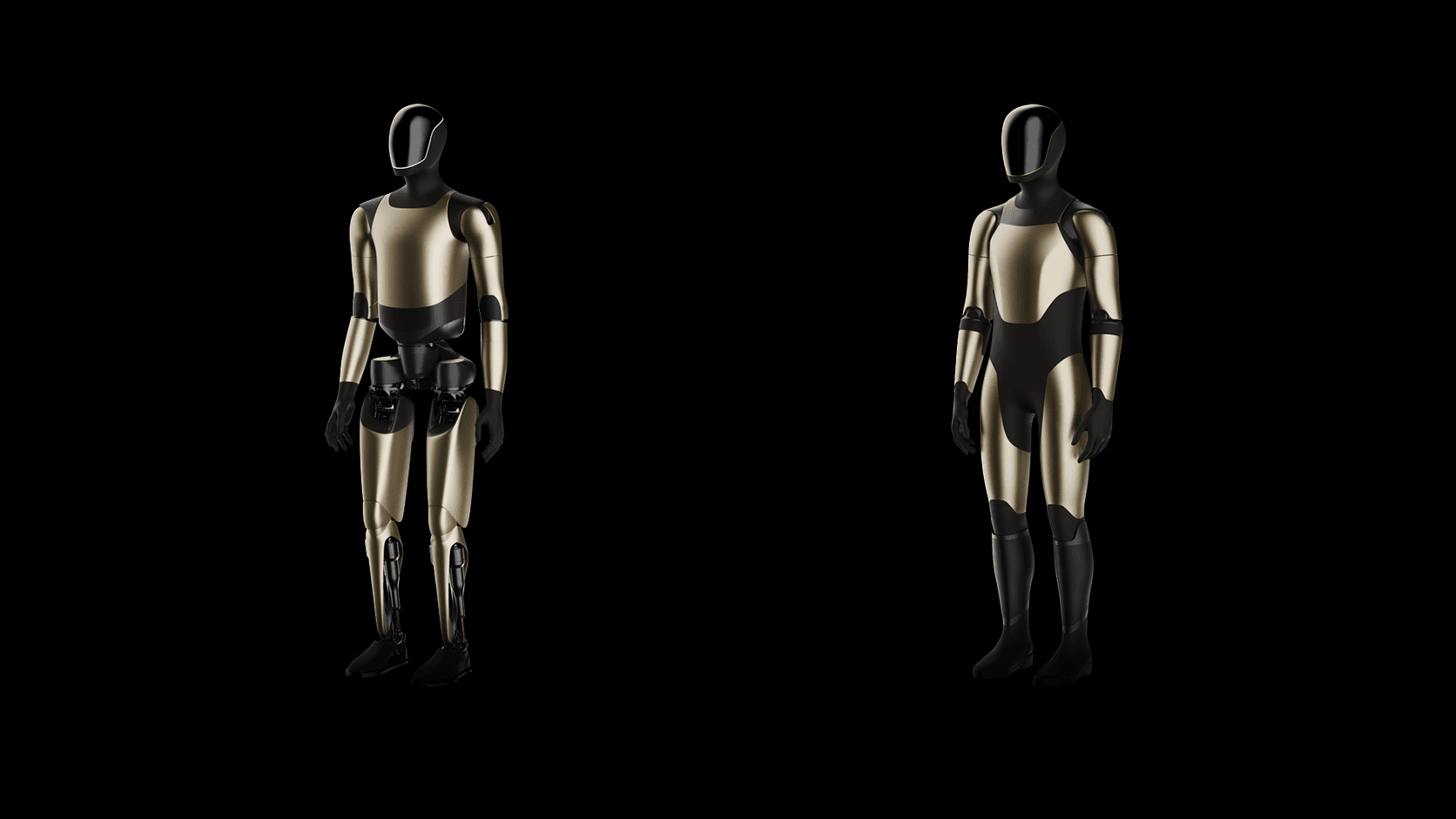
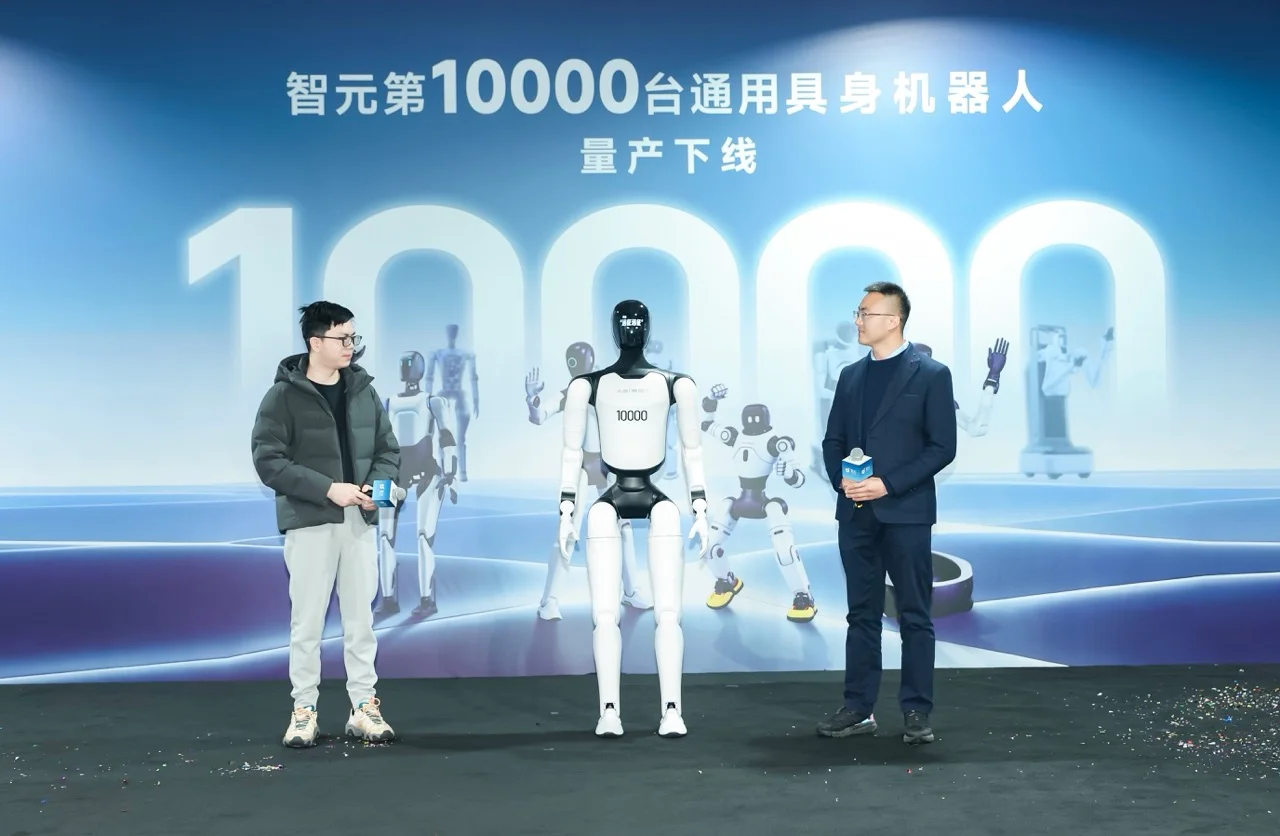
The "Numbers War" that defined the start of 2026 just reached a new order of magnitude. Shanghai-based robotics leader AGIBOT has officially announced the rollout of its 10,000th humanoid robot, a milestone that signals a transition from high-tech showmanship to genuine industrial scale.
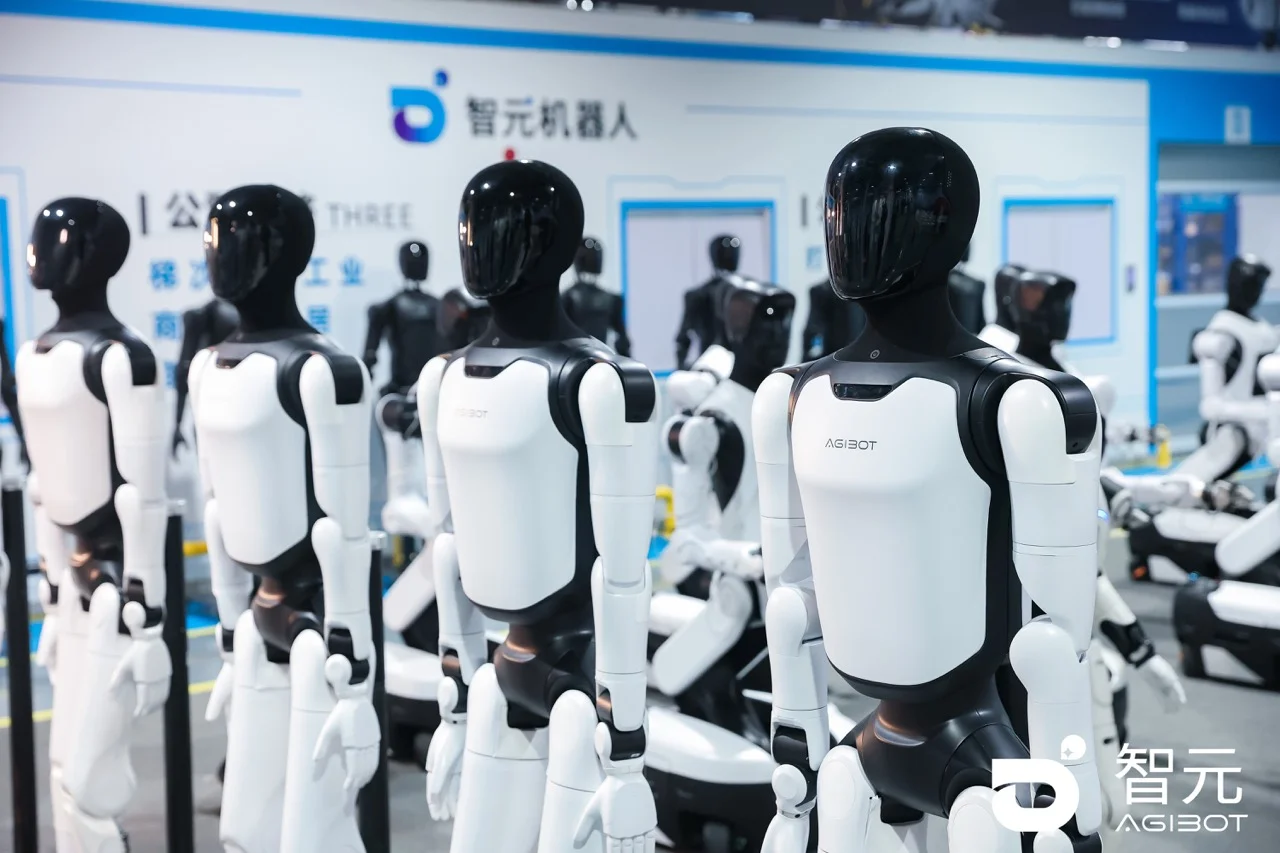
The achievement underscores a staggering acceleration in AGIBOT's manufacturing capabilities. While it took the company nearly two years to produce its first 1,000 units, and another year to reach 5,000, the jump from 5,000 to 10,000 units was completed in a mere three months. This represents a 4x acceleration in production speed compared to the previous phase, a curve that suggests the supply chain for "embodied intelligence" is finally maturing.
Beyond the Numbers War
This announcement arrives just as the industry is debating the veracity of shipment claims. Earlier this year, AGIBOT was crowned the global leader in shipments by IDC, reporting 5,200 units delivered by the end of 2025. That title was immediately contested by rival Unitree Robotics, which claimed 5,500 humanoid shipments and recently filed for a $580 million IPO.
By crossing the 10,000-unit mark, AGIBOT is attempting to pull ahead of Unitree’s stated target of 20,000 units for the full year of 2026. "Reaching 10,000 units is not simply about producing more robots; it reflects a fundamental shift in our ability to scale," said Peng Zhihui, CTO of AGIBOT. Peng, the former Huawei "genius" who has become the face of the company, argues that the industry is pivoting from niche validation to "robust, large-scale commercial demand."
The weekly humanoid robotics briefing
One email a week: the launches, funding and research that mattered, with context from Humanoids Daily.
Read recent issuesFrom "Showbiz" to the Shop Floor
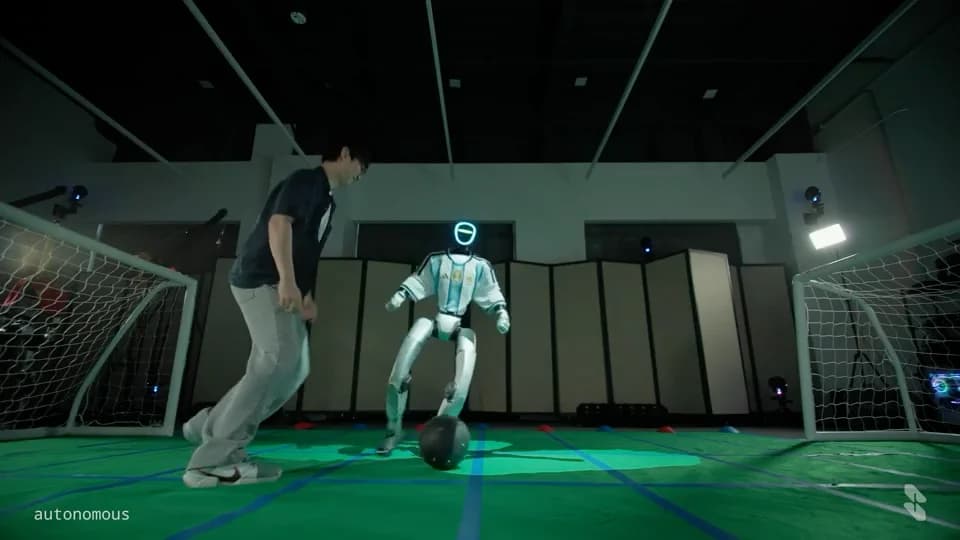
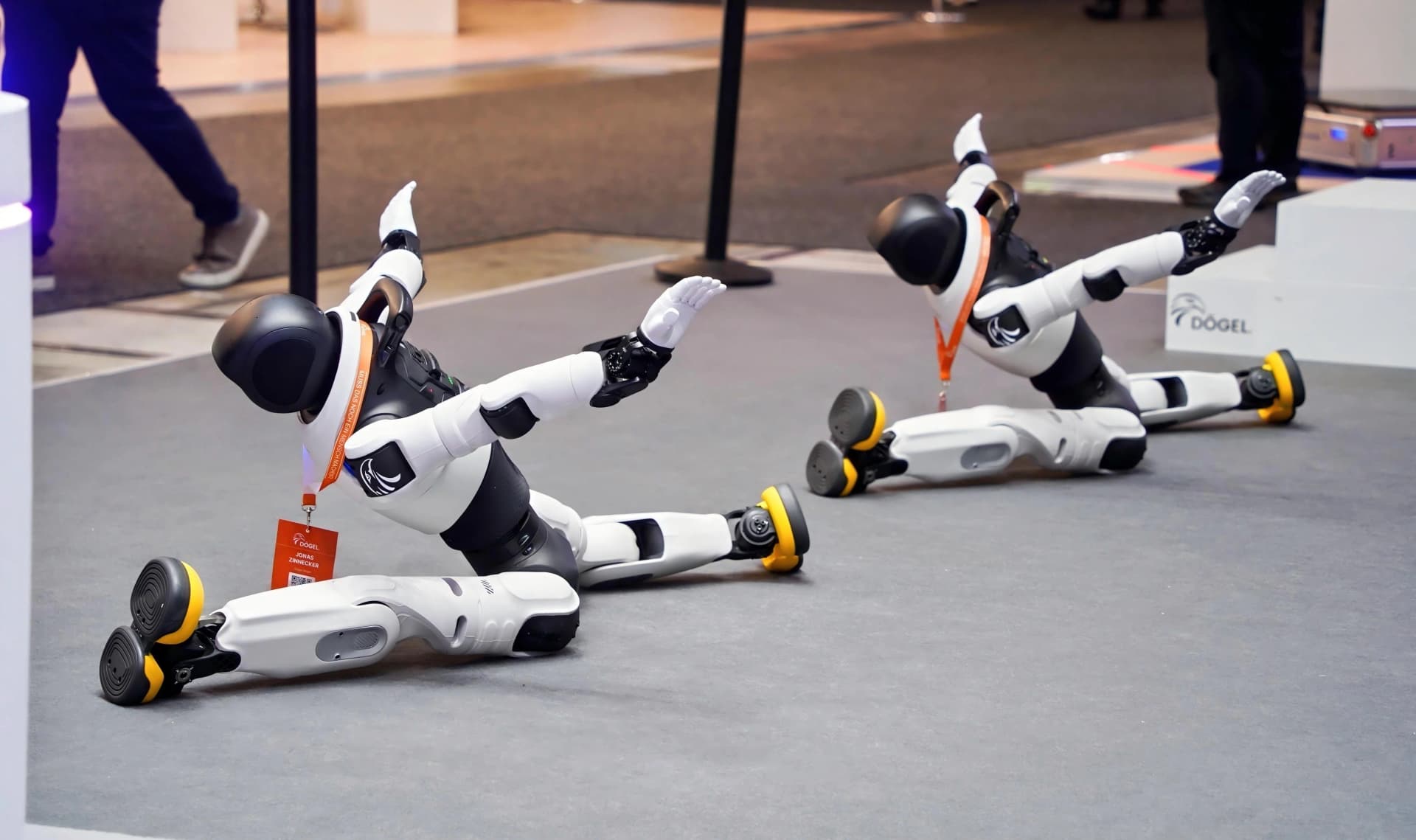
For much of 2025 and early 2026, the public face of AGIBOT was defined by entertainment. The company hosted the world’s first robot-led gala and teased the "Kung Fu" capabilities of its Expedition A3 platform. However, the 10,000-unit milestone highlights a shift toward "boring" but profitable utility.
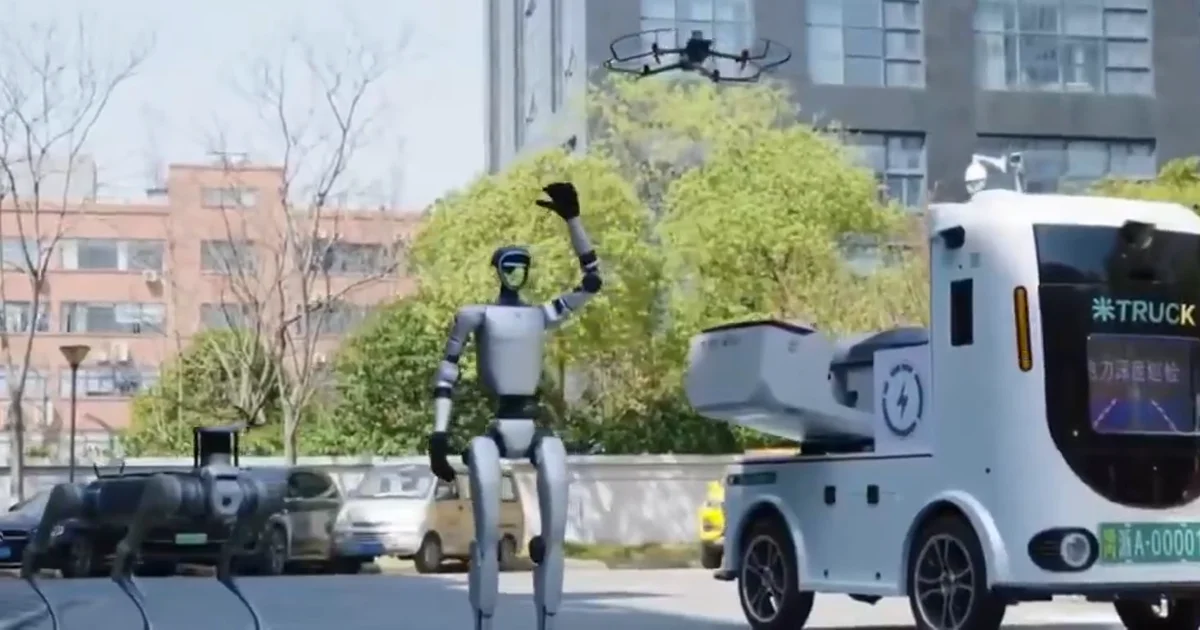
AGIBOT reports that a significant portion of its fleet is now active in real-world environments, including:
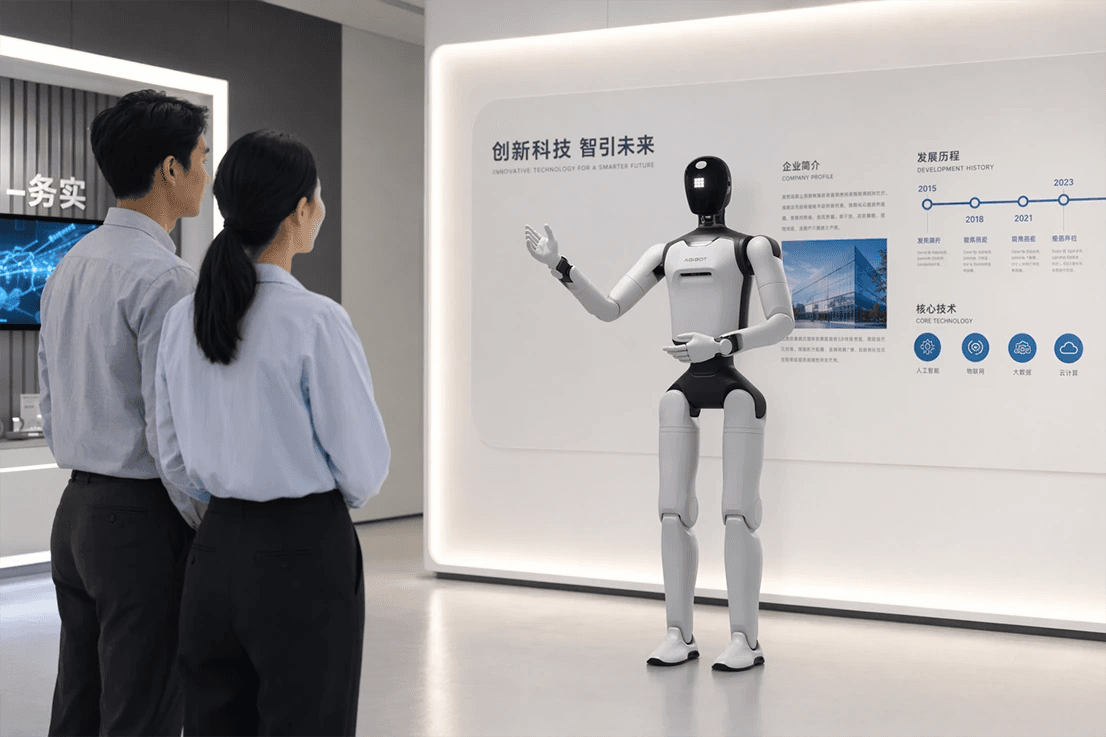
- Logistics & Showrooms: Autonomous navigation in complex retail and exhibition spaces.
- Hospitality: Deployment through its global rental platform, which offers units for €899 a day.
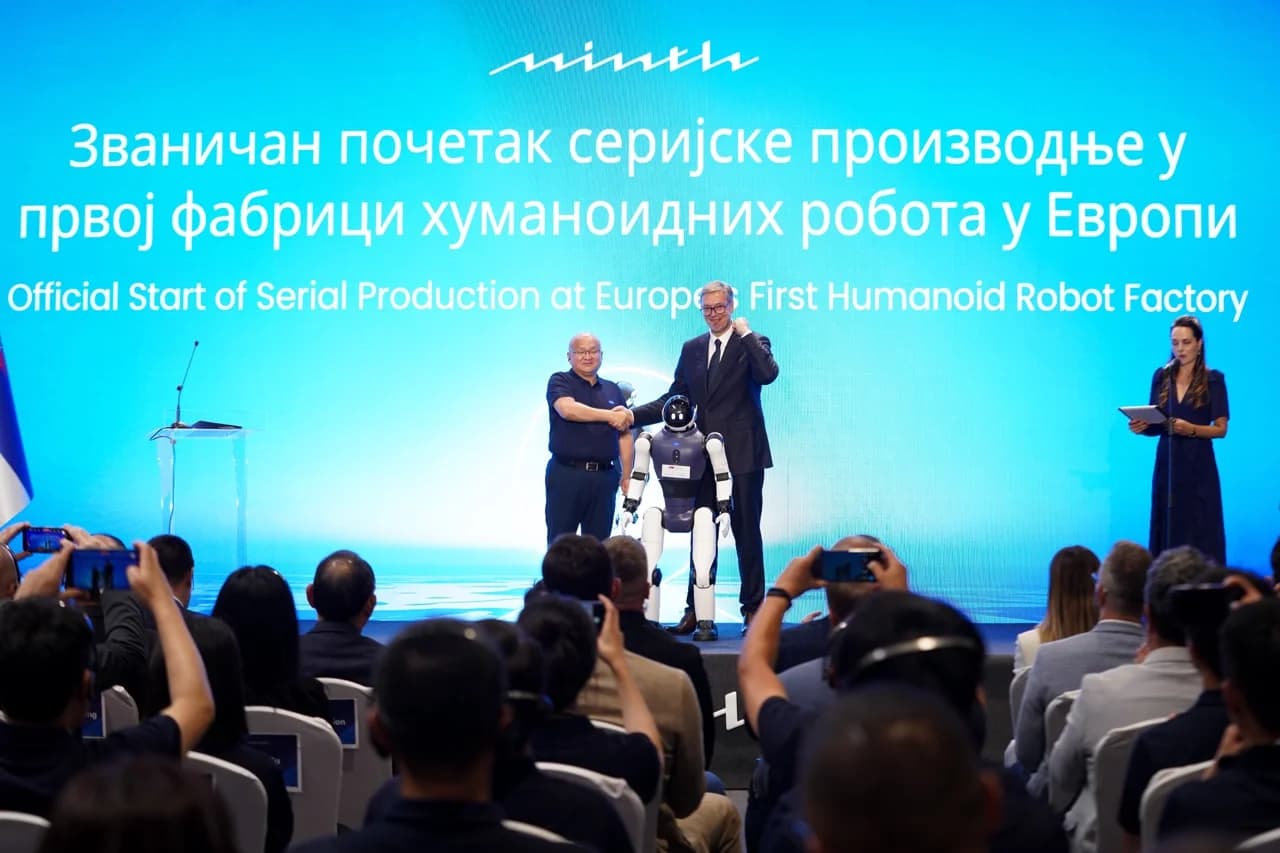
- Industrial Manufacturing: Direct integration into production lines, supported by its recent partnership with Minth Group in Europe to establish an industrial foothold in Germany.
Crossing the "Utility Gap"
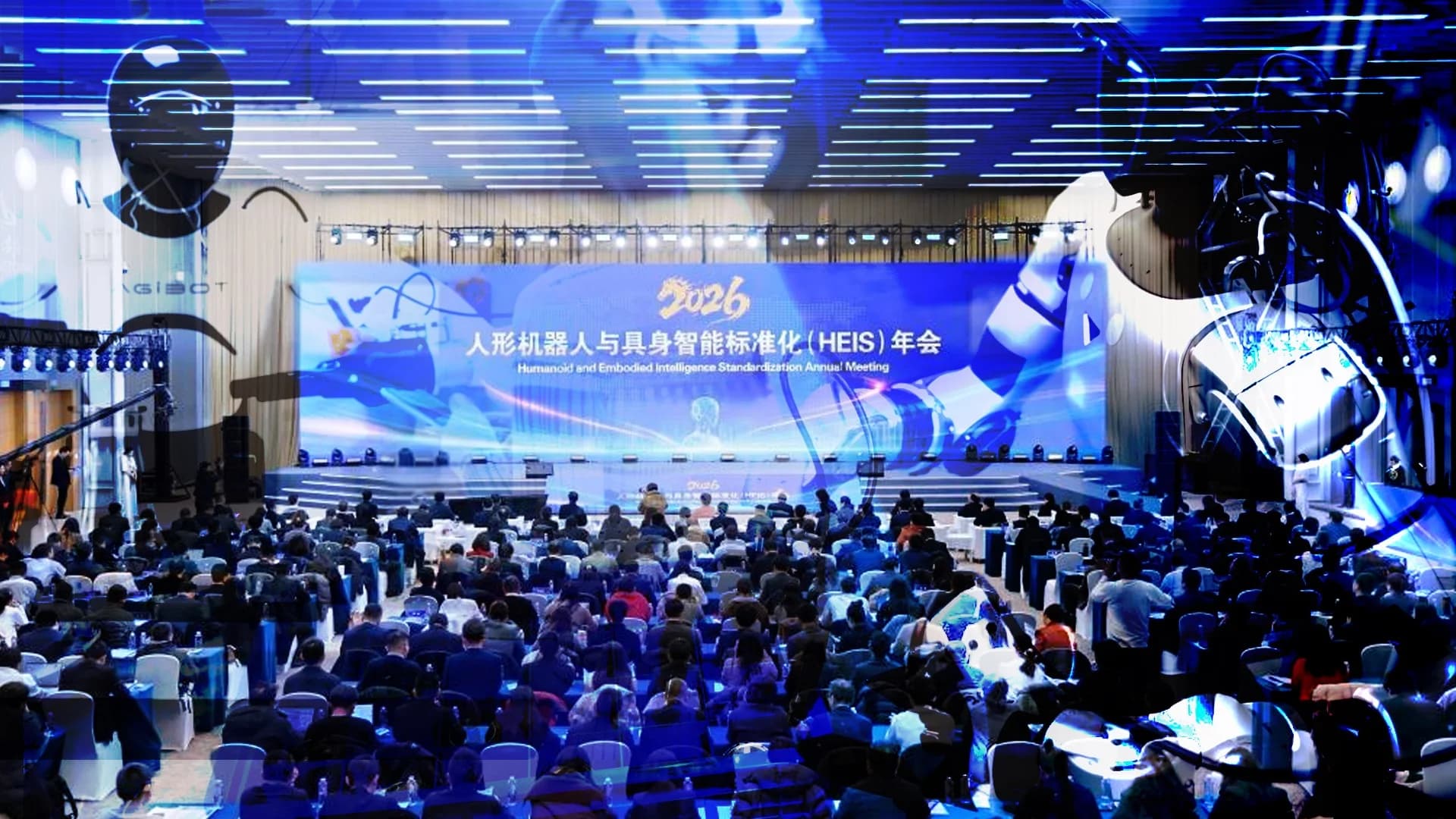
The rapid scale-up comes as Beijing implements the first national-level standard system for humanoid robotics, aiming to move the sector away from "technical spectacles" toward regulated industrial infrastructure. AGIBOT's production curve suggests it is the first to successfully navigate these new regulations while maintaining global momentum.
While the domestic Chinese market remains the primary engine for this growth—driven by the "gala effect" that surged consumer interest by 300%—AGIBOT is increasingly looking West. With its fleet now spanning 17 countries, the company is betting that localized production and a "Robot-as-a-Service" model will allow it to bypass the "utility gap" that has historically plagued the sector.
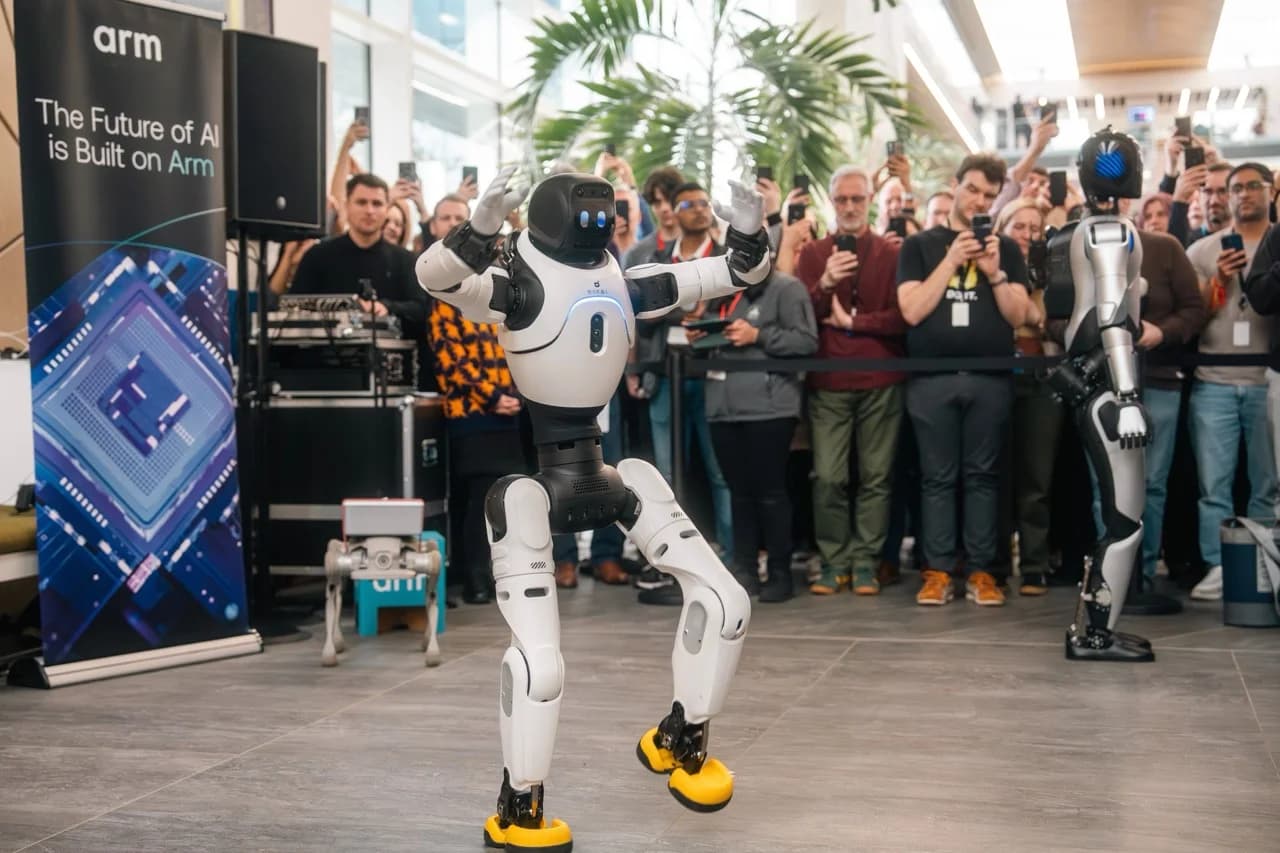
The question now is whether the demand side of the market can keep pace with this exponential supply as geopolitical headwinds intensify. While AGIBOT and Unitree both eye multi-billion-dollar IPOs, a bipartisan legislative effort in the US—the American Security Robotics Act—now seeks to implement a federal procurement ban on Chinese humanoid robots over data privacy and national security concerns. If passed, the bill could lock these firms out of government contracts and potentially prohibit US universities from using federal grants to purchase popular Chinese research platforms.
Share this article
Read next
- Published on
- Reading time
- 3 min read
AGIBOT Says A3 Ultra Is Going to Work in Hotels, Shops and Metro Inspection
- Published on
- Reading time
- 5 min read
AGIBOT Deepens European Push at IFA 2026 with TÜV Rheinland Certification and Tekpoint Retail Alliance
- Published on
- Reading time
- 5 min read
Minth Group and AGIBOT Launch Europe’s First Humanoid Mass Production Line in Serbia
- Published on
- Reading time
- 5 min read
AGILINK Hits Unicorn Status: AGIBOT’s Dexterous Hand Spin-off Raises Hundreds of Millions
- Published on
- Reading time
- 4 min read
State Grid’s $995 Million Bet: 8,500 Robots to Spearhead "Deployment Year One" in Energy
- Published on
- Reading time
- 4 min read
China Unveils National Standard System as Humanoid Leaders Pivot from "Kung Fu" to "Work Mode"
The weekly humanoid robotics briefing
One email a week: the launches, funding and research that mattered, with context from Humanoids Daily.
Read recent issues