- Published on
‘Superhero in a Suit’: Tesla Teases Optimus Gen 3 Aesthetics in Massive Recruitment Drive
One tap, and our reporting appears more often in your Google Top Stories. It makes a real difference to a small newsroom.

Supported by RoboStrategySupport for Humanoids Daily comes from RoboStrategy
Sponsored
Investing involves risk, including possible loss of principal. Read the prospectus before investing.
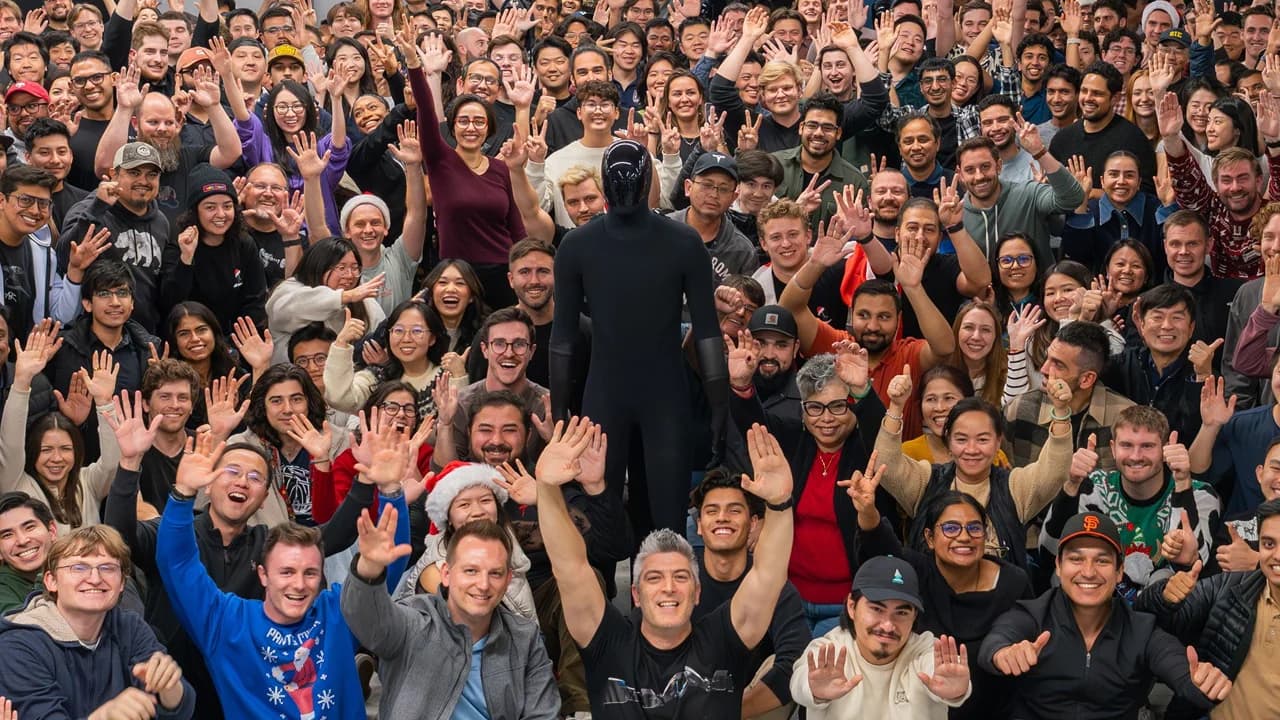
Tesla is accelerating its transition from an automaker to a "Physical AI" powerhouse. In a high-production recruitment video released today, the company offered fresh glimpses of its "hardcore" engineering culture and teased the aesthetic direction for the highly anticipated Gen 3 prototype.
The video, which frames the development of Optimus as "the extreme sports of engineering," arrives at a critical juncture as Tesla attempts to staff up for mass production while facing an ongoing talent migration to robotics startups.
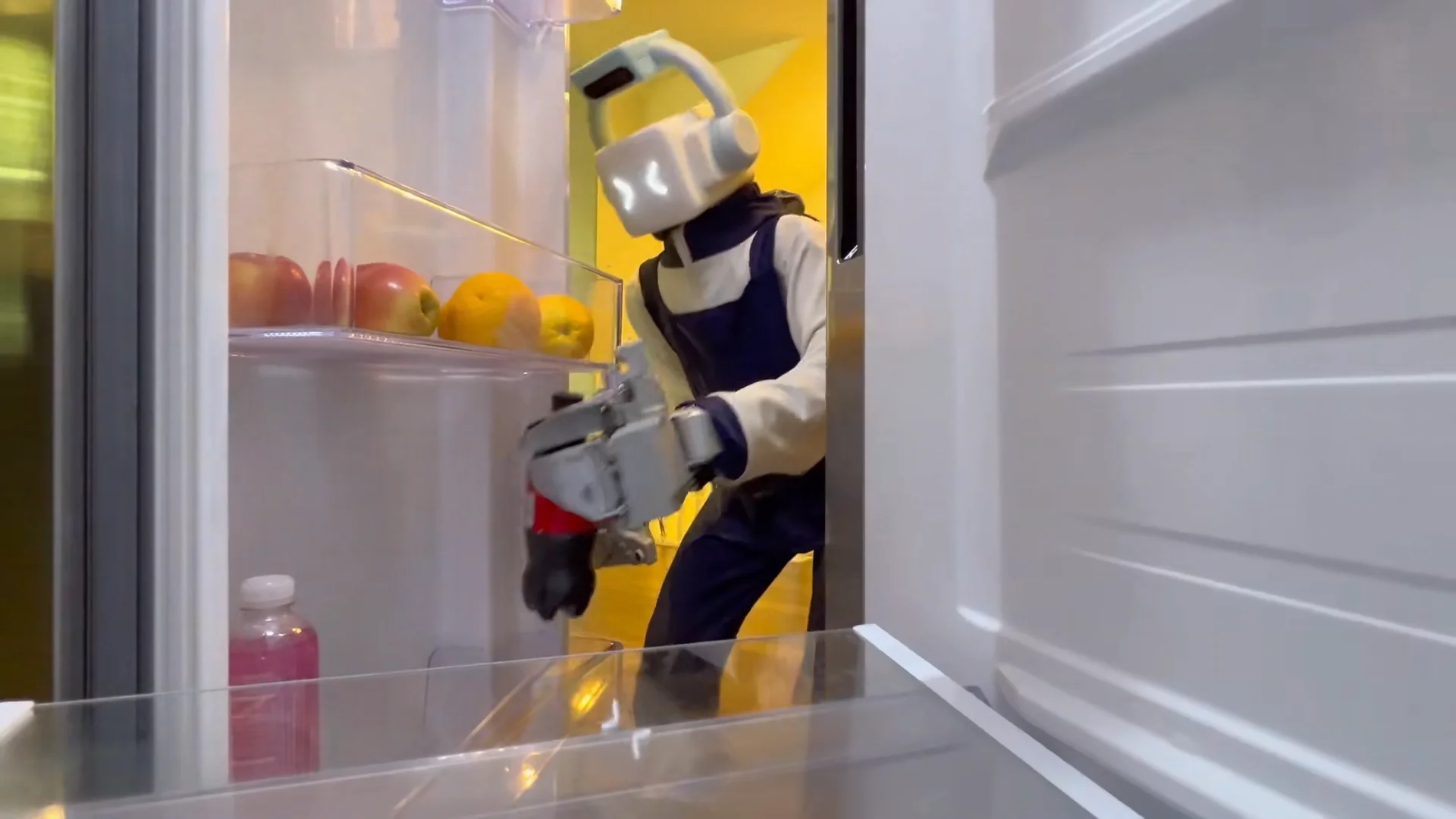
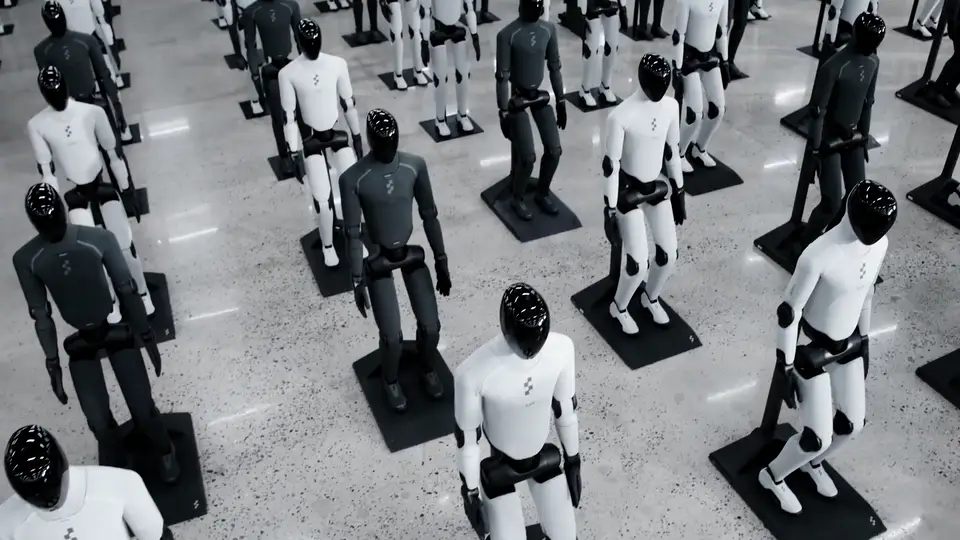
The "Superhero" Aesthetic and Human Form Factor
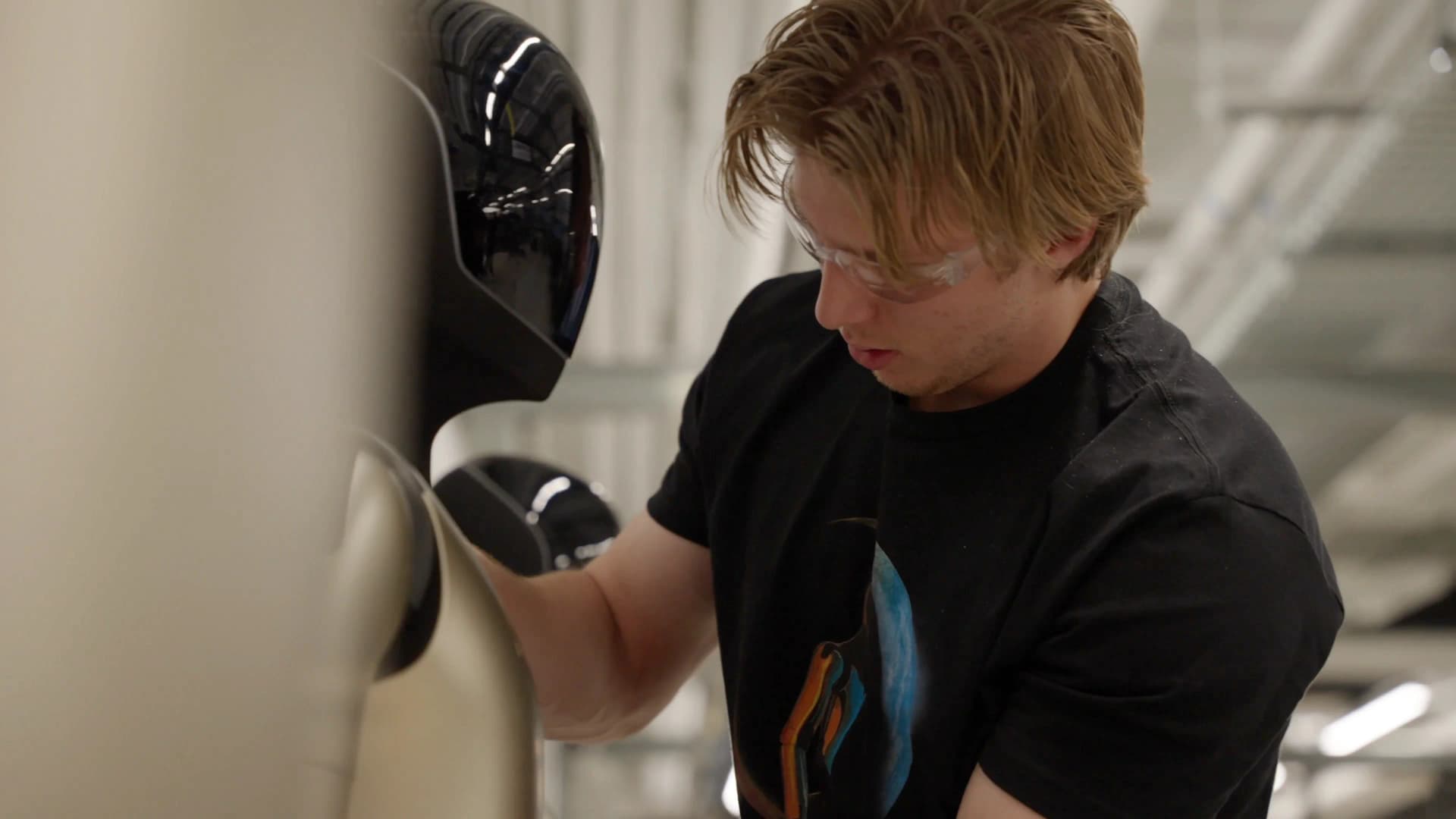
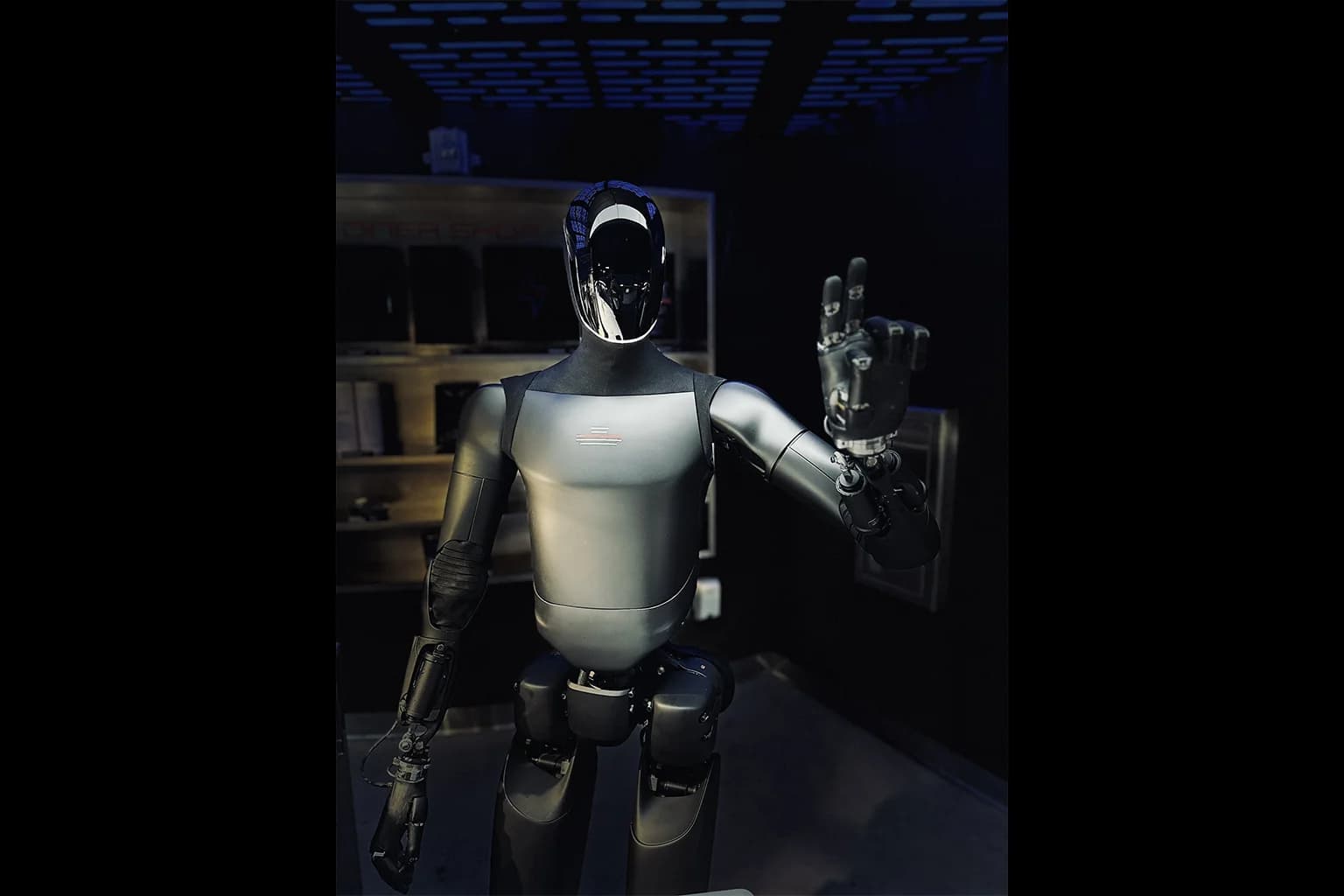
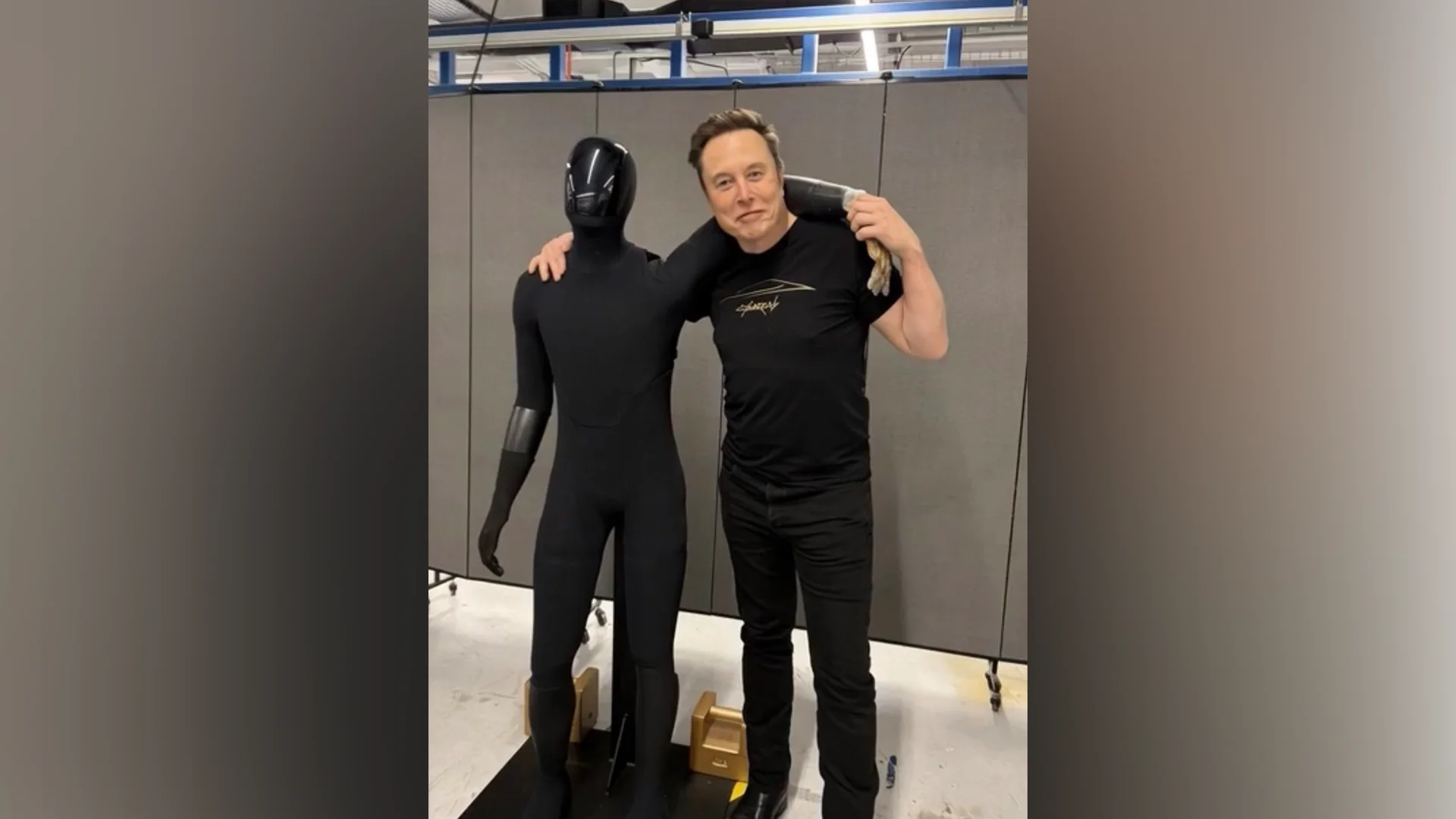
The most striking revelation in the video comes from an engineer discussing the design evolution of the robot. As the program iterates toward the "production-intent" Gen 3 model, the team claims they are approaching "human functionality and form factor."
"It won’t even look like a robot," the engineer stated in the video. "It’ll look like a human in a superhero suit."
The weekly humanoid robotics briefing
One email a week: the launches, funding and research that mattered, with context from Humanoids Daily.
Read recent issuesThis pivot toward a more streamlined, "soft-goods" aesthetic is reflected in several new job postings, including a "Mechanical Design Engineer, Robotics Soft Goods" role based in Palo Alto. This focus on exterior refinement complements the internal mechanical overhaul, which reportedly includes a 25-actuator hand and forearm system designed to achieve "superhuman" precision.
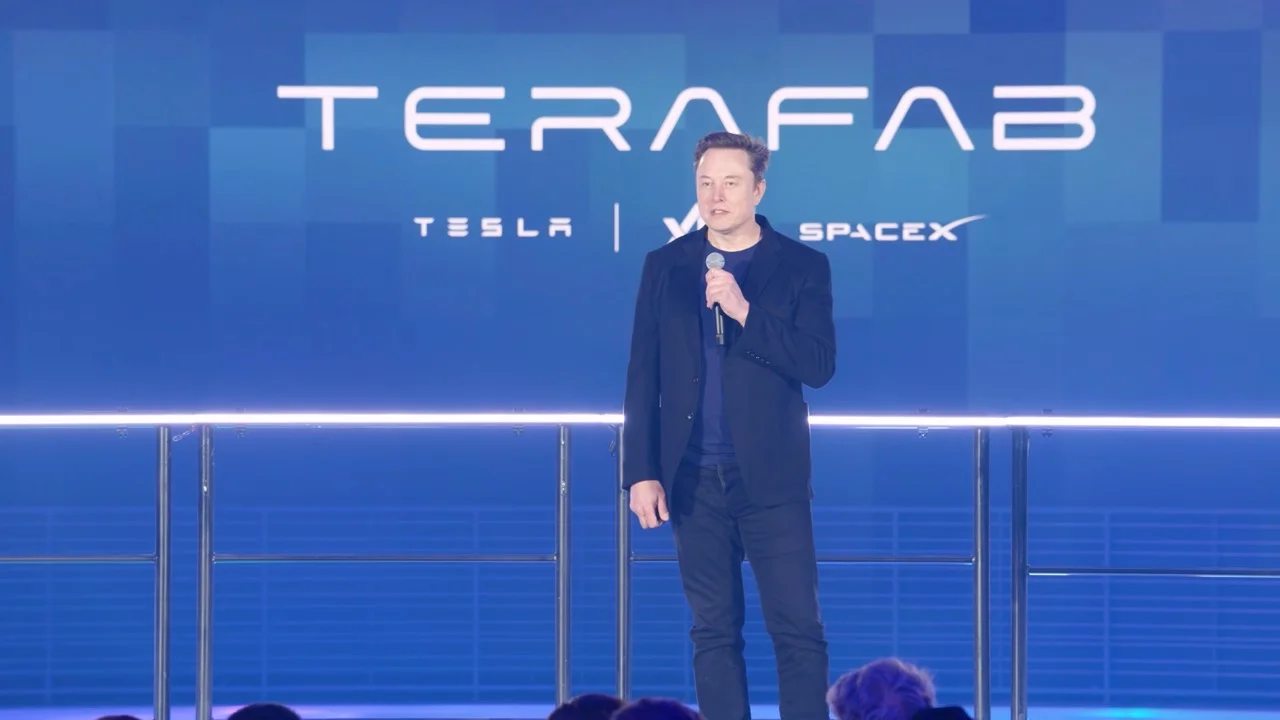
From R&D to the Fremont "Terafab"
The recruitment push covers a sprawling geography, confirming that Tesla is decentralizing the development of the robot's complex components. Key locations identified in the open roles include:
- Palo Alto, CA: Focused on AI foundations, reinforcement learning, and "Physical AI" simulation.
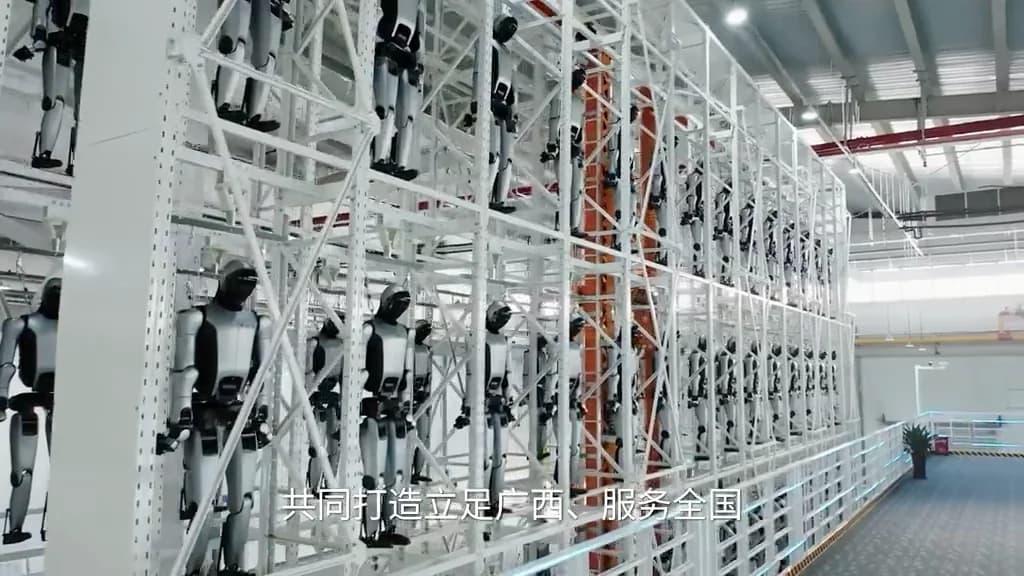
- Fremont, CA: Dedicated to the 1-million-unit annual production line currently replacing Model S and X manufacturing space.
- Langley, BC: Specializing in gear manufacturing and geartrain engineering.
- Athens, Greece: A hub for motor design and powertrain modeling.
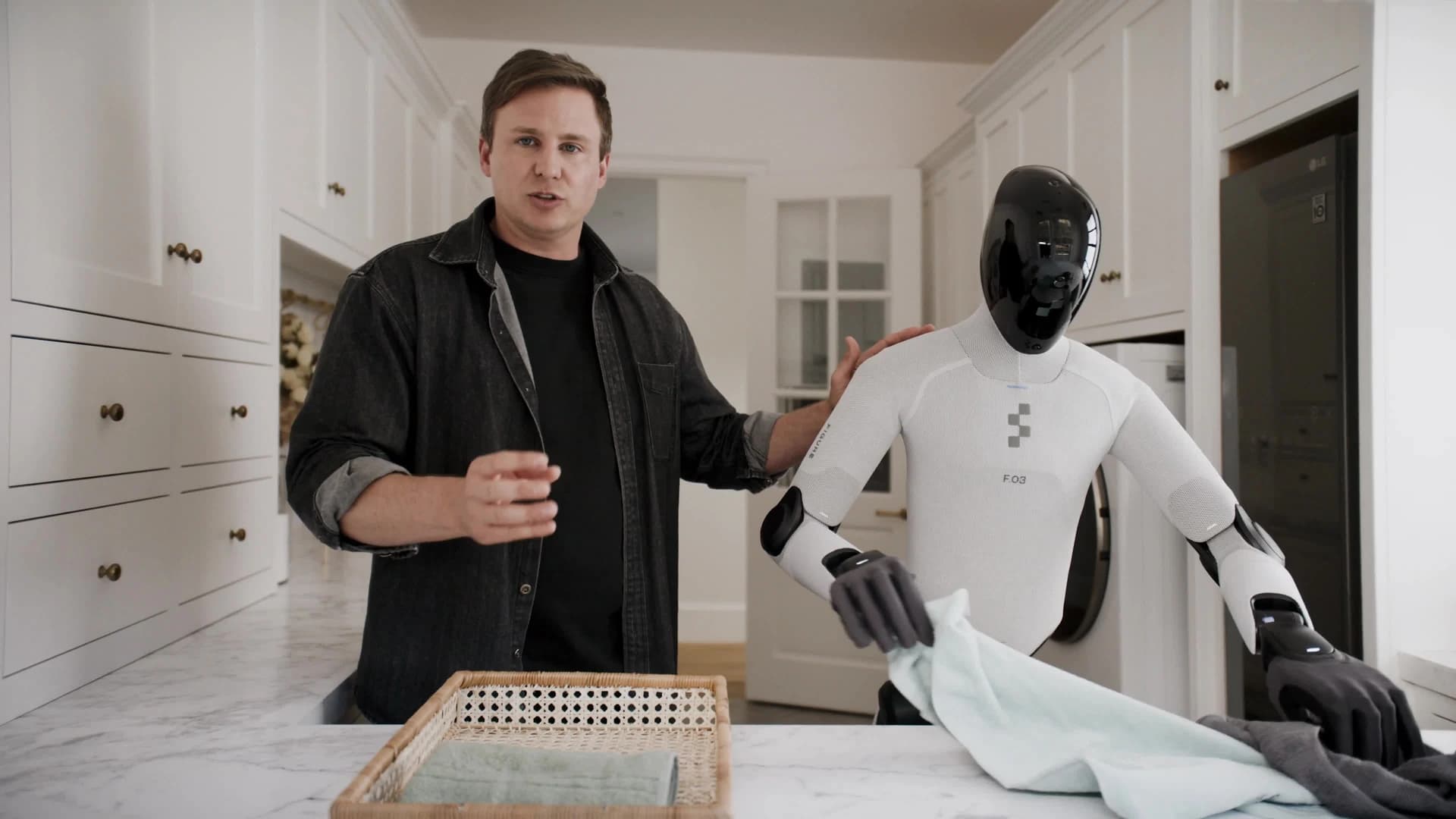
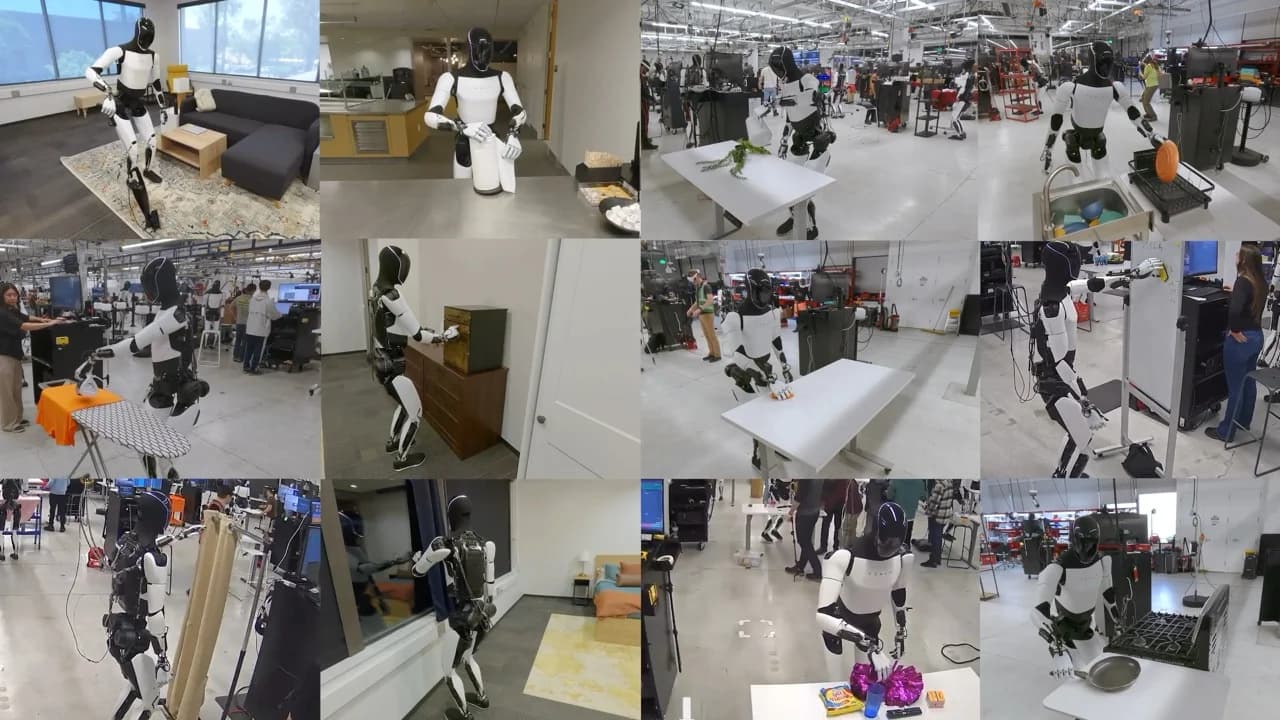
The video also corroborates earlier claims regarding the robot's current capabilities. One engineer noted that bots are already "doing laundry" in the lab, a task Board Chair Robyn Denholm recently touted as a major milestone in manipulating soft, deformable objects.
The French Connection: Talent Migration Accelerates
Despite Tesla’s "hardcore" draw, the industry is witnessing a significant migration of specialized talent toward smaller, agile startups. The latest departure involves William Verstraete, who served as Tesla's Thermal & Chassis Analytics lead before moving to the Optimus AI team to focus on large-scale pretraining and data processing.
Verstraete announced today that he has joined the Paris-based startup UMA (Universal Mechanical Assistant), starting just 36 hours after his final day at Tesla. At UMA, he reunites with founder and CEO Rémi Cadene, himself a former Tesla research scientist.
UMA, which recently exited stealth with a "supergroup" of founders from Google DeepMind and Hugging Face, represents a growing challenge to Tesla's dominance. Backed by heavyweights like Yann LeCun—who recently launched his own Paris-based lab, AMI Labs—UMA aims to deploy general-purpose robots in logistics and manufacturing by 2026.
Bridging the Data and Talent Gap
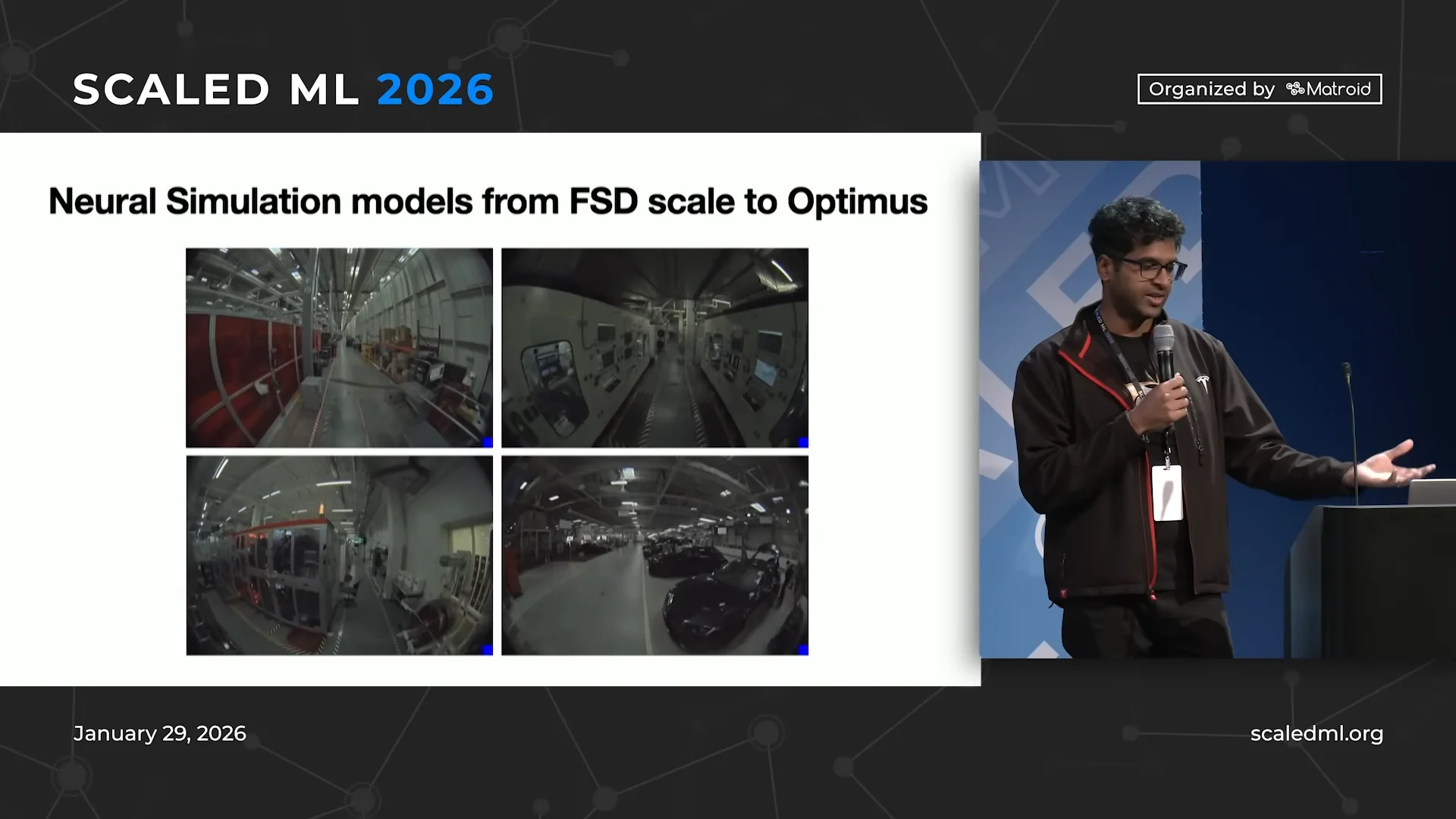
Tesla's mission of "Amazing Abundance" relies on solving the "data bottleneck". While rivals like Waymo utilize the Waymo World Model and startups like Sunday Robotics use skill-capture gloves, Tesla's recruitment efforts show a heavy investment in "Data Collection Operators" and "Simulation Program Managers".
The urgency of this hiring blitz is underscored by the recent loss of veteran talent. The departure of former Optimus head Milan Kovac to Boston Dynamics and a "brain drain" of infrastructure leads to Sunday Robotics has increased the pressure on current VP of AI Software Ashok Elluswamy to deliver the Gen 3 milestone.
As Tesla prepares for the formal Gen 3 unveiling in Q1 2026, the company is betting that the allure of building a "revolutionary" product at an unprecedented scale will attract the next wave of engineers needed to hit its $20,000 production cost target.
Share this article
Read next
- Published on
- Reading time
- 4 min read
Supply Chain Rumors Hint at Massive Optimus Order as Fremont Production Line Ramps Up
- Published on
- Reading time
- 5 min read
The Terafab Manifesto: Tesla and Intel Join Forces to Power Musk’s "Galactic" AI Ambitions
- Published on
- Reading time
- 3 min read
Finishing Touches: Tesla Misses Self-Imposed Q1 Deadline for Optimus Gen 3 Reveal
- Published on
- Reading time
- 3 min read
A 'Formula One' Pace: Tesla's Optimus Director Teases Gen 3 Prototype in New Recruitment Push
- Published on
- Reading time
- 5 min read
Abundance and the Bitter Lesson: Ashok Elluswamy Outlines Tesla’s Unified AI Future
- Published on
- Reading time
- 5 min read
The "Infinite Money Glitch": Elon Musk Outlines the Roadmap to a Billion Robots
The weekly humanoid robotics briefing
One email a week: the launches, funding and research that mattered, with context from Humanoids Daily.
Read recent issues