- Published on
Optimus Hits the Ledger: Tesla Formally Lists Humanoid Production Line in Q4 Results
One tap, and our reporting appears more often in your Google Top Stories. It makes a real difference to a small newsroom.

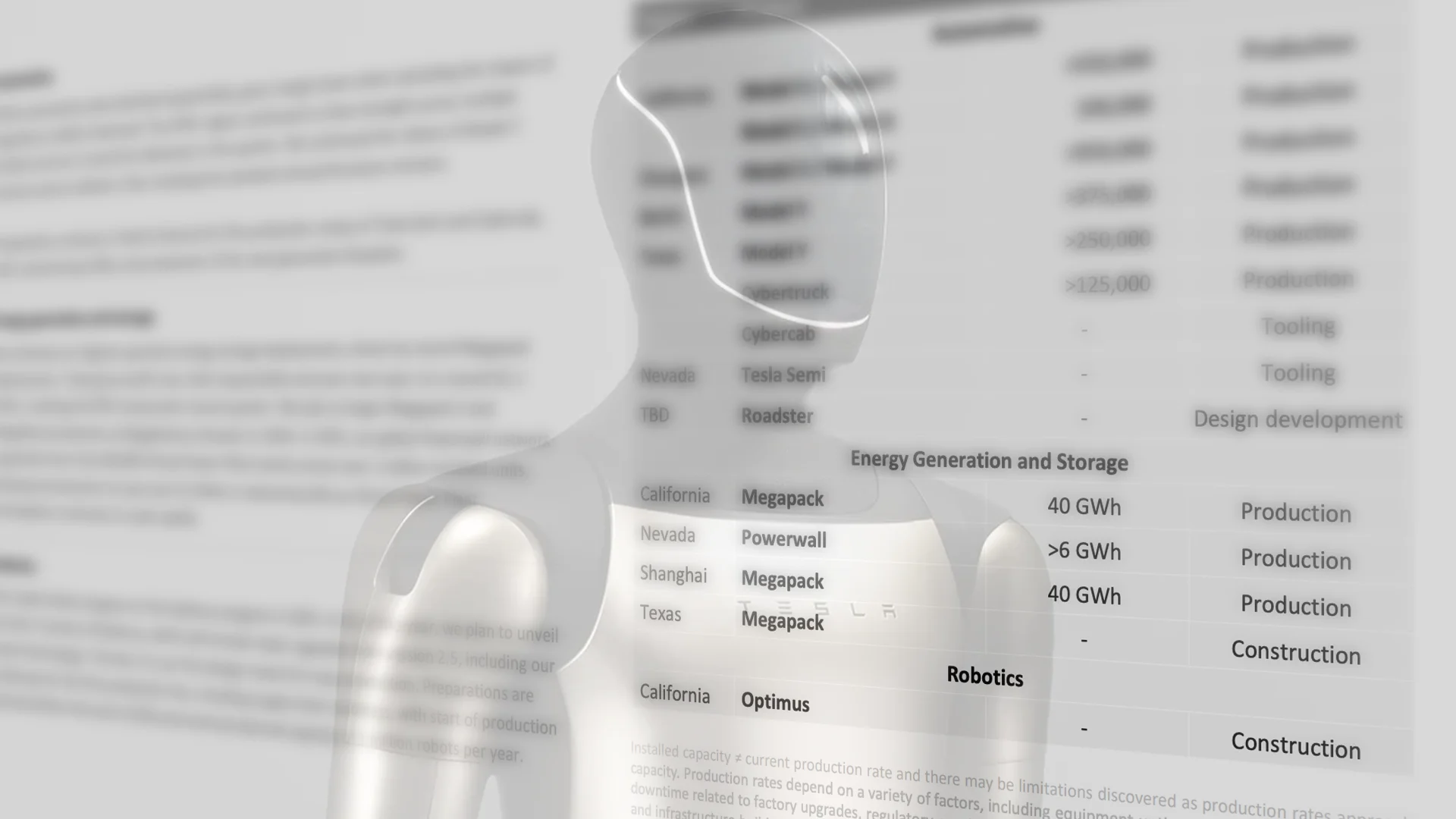
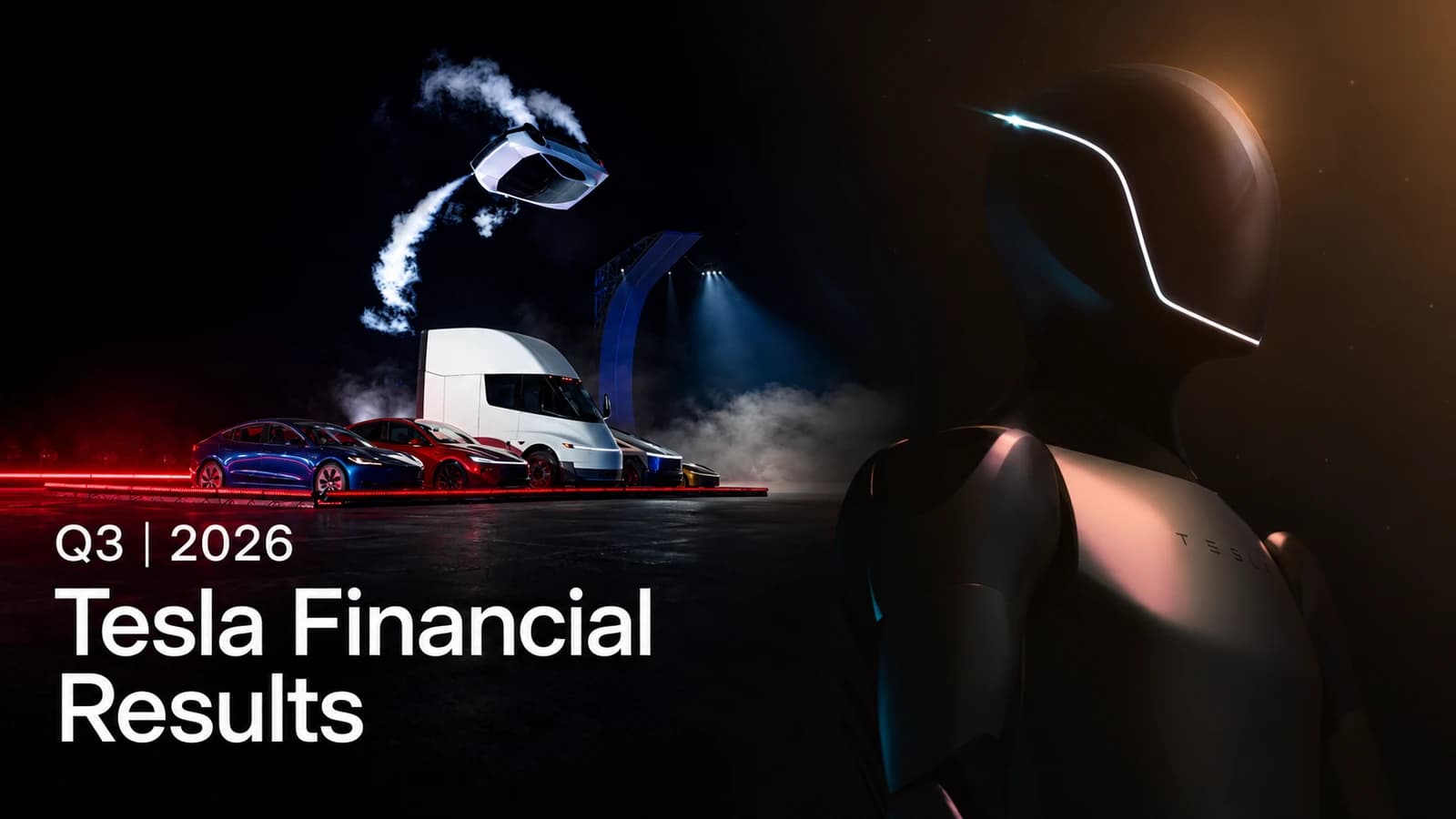
In a move that formalizes its pivot from an automotive giant to a "physical AI company," Tesla has officially added the Optimus humanoid robot to its internal manufacturing capacity ledger. In the Q4 2025 Shareholder Update released ahead of the Tesla Q4 2025 Financial Results and Q&A Webcast today, the robotics program appeared for the first time alongside the Model Y and Cybertruck in the "Installed Annual Manufacturing Capacity" table.
While the capacity for the California-based line is currently listed as "Under Construction," the inclusion signals that Tesla is moving beyond the R&D assembly phase and into the rigorous world of industrial capital expenditures.
The Roadmap to One Million
The update provides the most concrete manufacturing timeline for the program to date. According to the Robotics section of the deck, Tesla aims to start production of its humanoid platform before the end of 2026, targeting an eventual capacity of 1 million robots per year at the Fremont facility.
This confirms earlier projections from CEO Elon Musk, who has described this initial California line as "Line One"—the blueprint for an even more ambitious 10-million-unit-per-year facility currently being prepped at Giga Texas.
Follow humanoid robotics without following every announcement.
Get the week’s most important launches, funding and research—and why they matter—in one email from Humanoids Daily.
Once a week. Unsubscribe anytime.
Read recent issuesGen 3: The "Production-Intent" Milestone
Central to this ramp is the upcoming unveiling of the Optimus Gen 3, scheduled for Q1 2026. Tesla describes this iteration as its "first design meant for mass production," featuring significant upgrades over the Optimus V2.5 prototypes seen throughout late 2025.
Key technical focuses for the Gen 3 include:
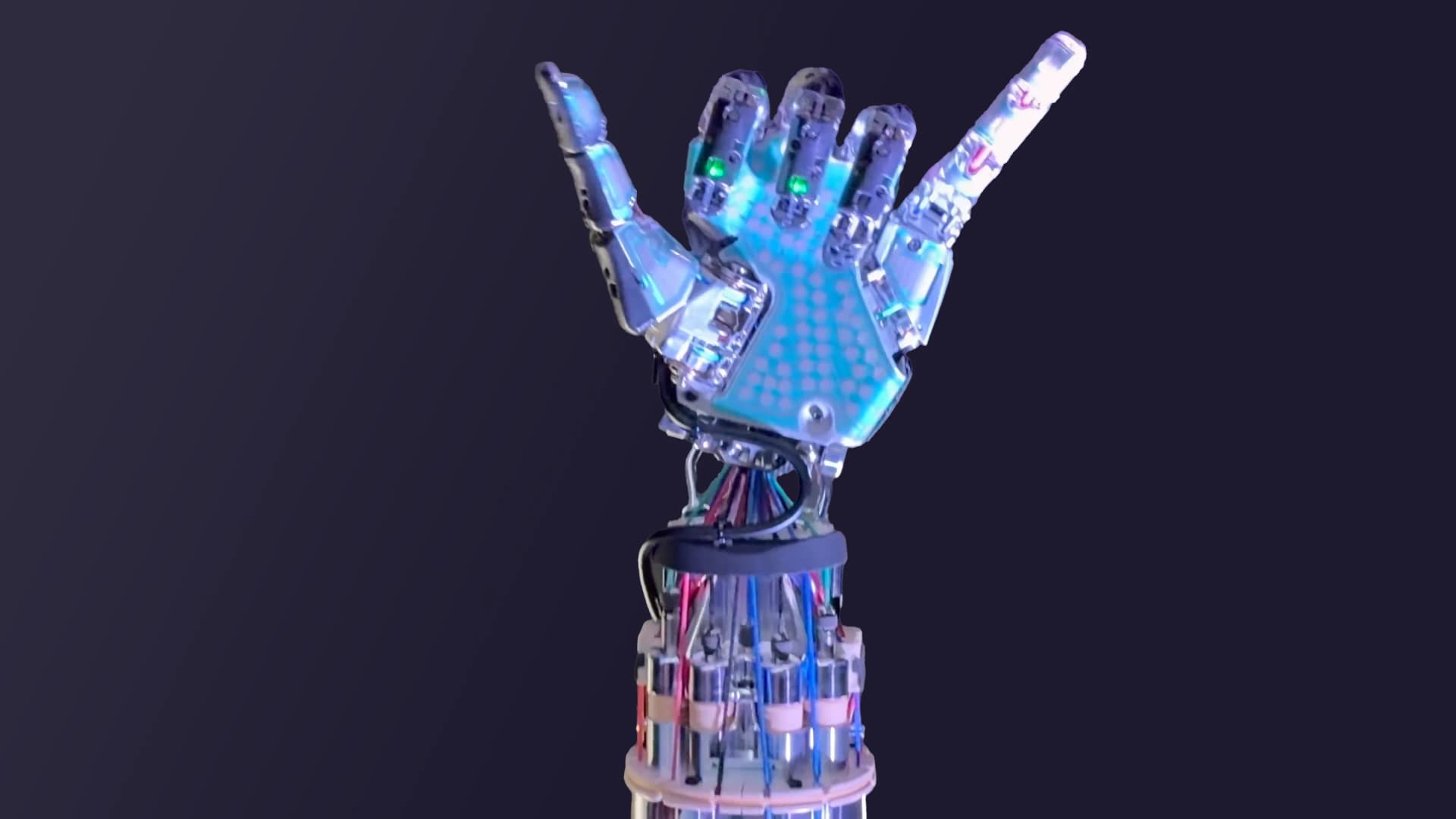
- The "Special" Hand: A major overhaul of the actuator system Musk has previously touted to achieve "superhuman" precision.
- Supply Chain Readiness: Tesla noted that preparations are already underway to secure a "non-existent" supply chain for humanoid-grade actuators and sensors.
- Mass-Production Architecture: Unlike the hand-built laboratory units, the Gen 3 is designed for the "unboxed" manufacturing techniques Tesla hopes will bring the production cost down to roughly $20,000.
Contextualizing the "Agony" of the Ramp
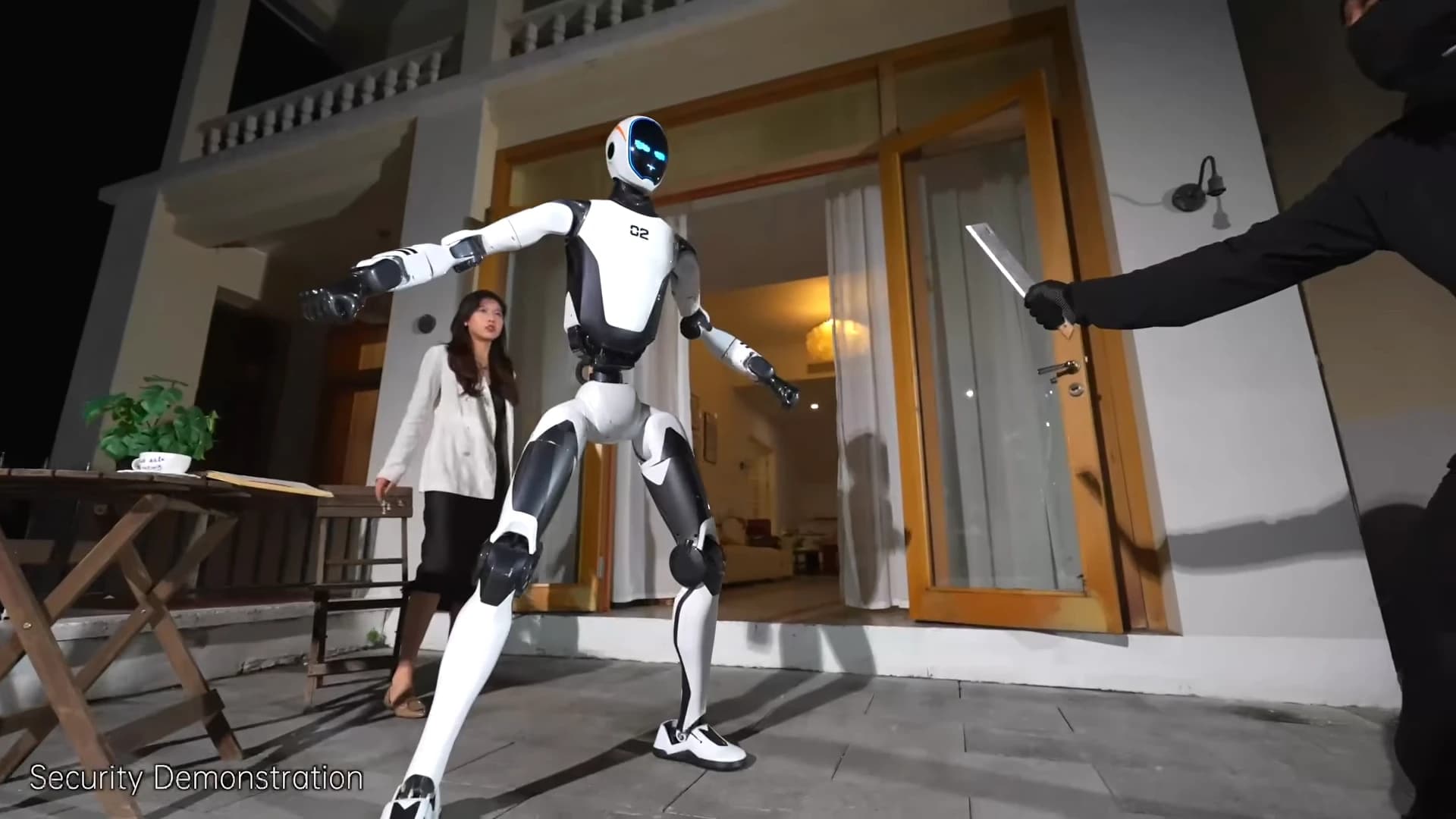
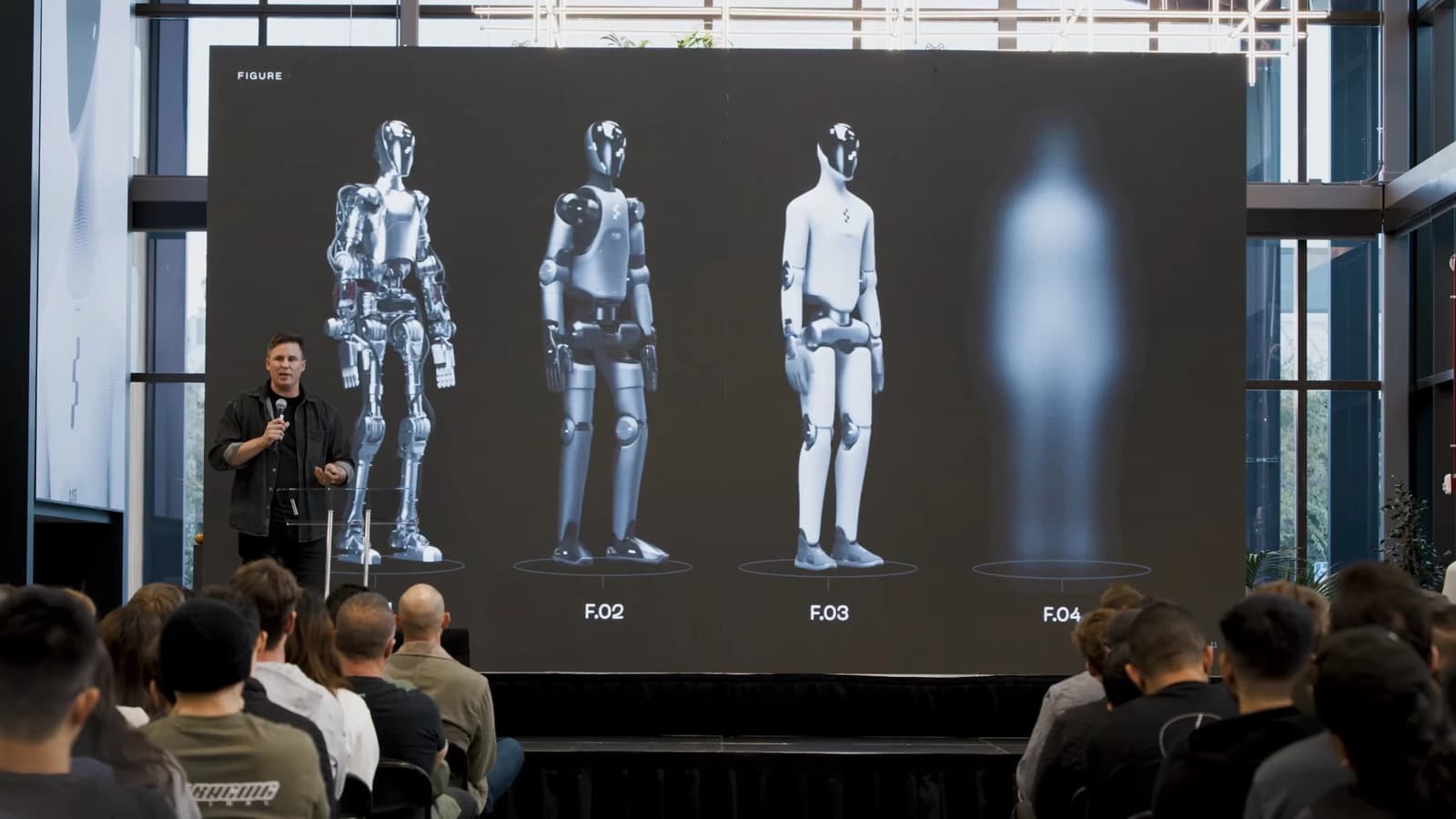
The formalization of the production line comes just days after Musk warned on social media that the initial ramp for Optimus would be “agonizingly slow” due to the sheer number of new parts involved. Tesla is currently navigating a period of high-level talent turnover, following the departure of former Optimus head Milan Kovac to Boston Dynamics, and intense competition from rivals like AgiBot and Unitree, who are already claiming shipment leads in the thousands. Domestic competitor Figure has recently announced impressive results and so has 1X.
Furthermore, Tesla is under pressure to prove the reliability of its "real-world AI." Recent incidents, such as the teleoperation mishap in Miami, have highlighted the gap between controlled demonstrations and the autonomous stability required for the factory floor.
What to Watch for in Today’s Webcast
The inclusion of Optimus in the capacity table suggests that the "Robotics" division is now a line item that shareholders can hold management accountable for. Analysts will likely press for details during today's 4:30 p.m. CT webcast regarding:
- The specific month for the Gen 3 reveal (likely March).
- The progress of internal testing, where robots are reportedly already performing simple tasks at the Fremont factory.
- The status of the "completely different" scalable production line equipment.
As the industry shifts from Phase One research to Phase Two commercialization, Tesla’s decision to put Optimus on the balance sheet marks a point of no return. Whether the Fremont line can actually hit its million-unit stride by 2027 remains the most expensive question in robotics.
Share this article
Follow humanoid robotics without following every announcement.
Get the week’s most important launches, funding and research—and why they matter—in one email from Humanoids Daily.
Once a week. Unsubscribe anytime.
Read recent issuesRead next
- Published on
- Reading time
- 2 min read
Musk Puts Optimus and Cybercab at the Center of Tesla’s Future Value
- Published on
- Reading time
- 5 min read
Musk Details Optimus Hand Challenges, Warns of Slow Initial Production Ramp
- Published on
- Reading time
- 5 min read
The Terafab Manifesto: Tesla and Intel Join Forces to Power Musk’s "Galactic" AI Ambitions
- Published on
- Reading time
- 5 min read
The "Infinite Money Glitch": Elon Musk Outlines the Roadmap to a Billion Robots
- Published on
- Reading time
- 4 min read
Abundance or Agony? Elon Musk Maps Out the Optimus Production S-Curve in Davos
- Published on
- Reading time
- 3 min read
Tesla’s Next Optimus Hand to Feature 50 Actuators, Musk Says, Eclipsing Current Prototype