- Published on
Astribot Brings Its $18,000 T1 Robot to North America at IROS
One tap, and our reporting appears more often in your Google Top Stories. It makes a real difference to a small newsroom.

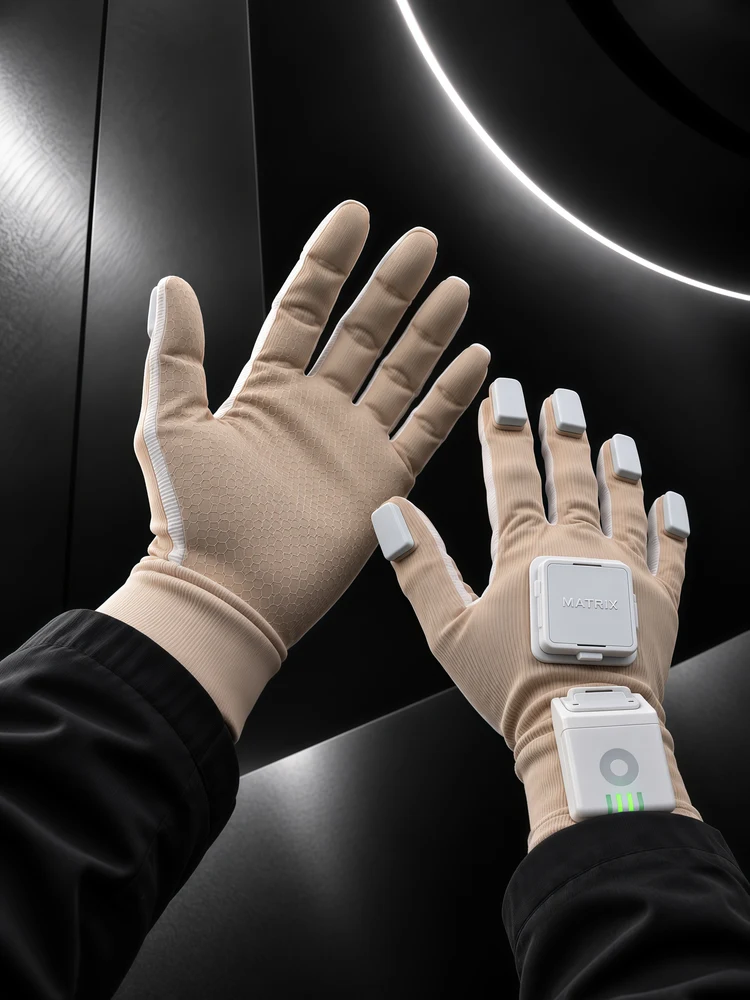
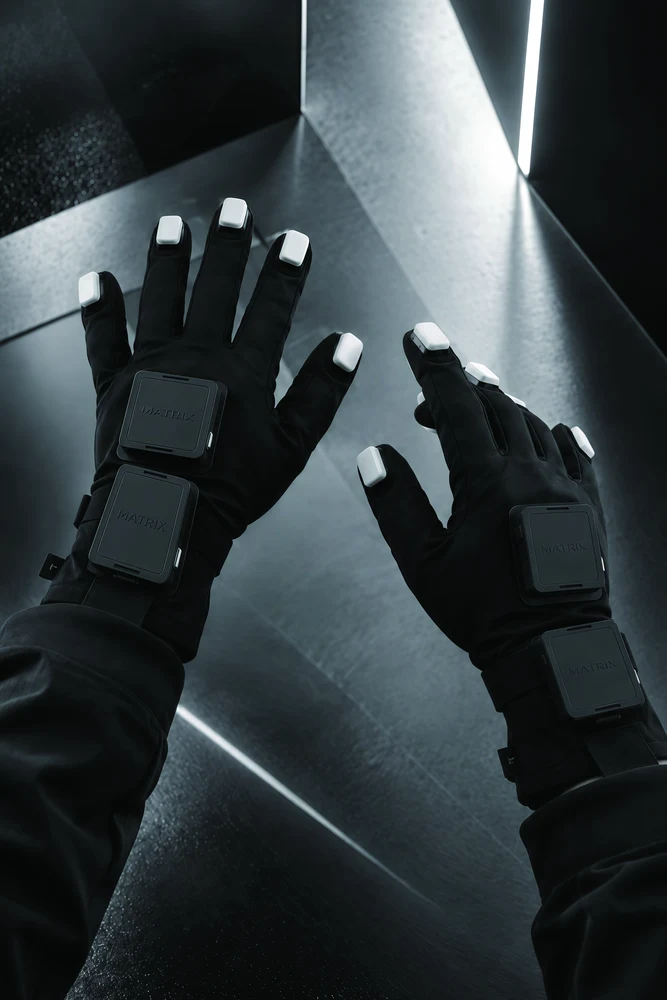

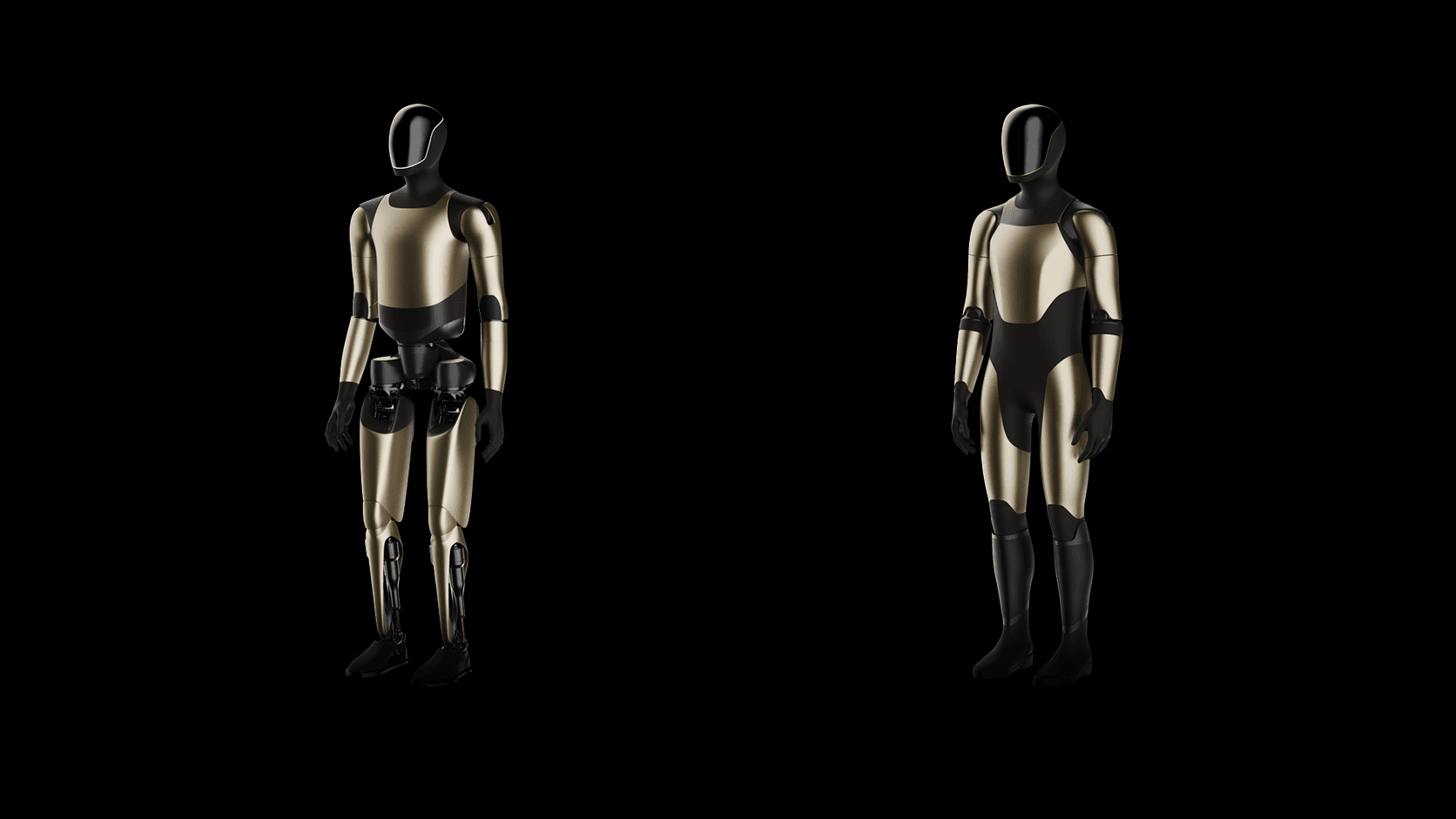
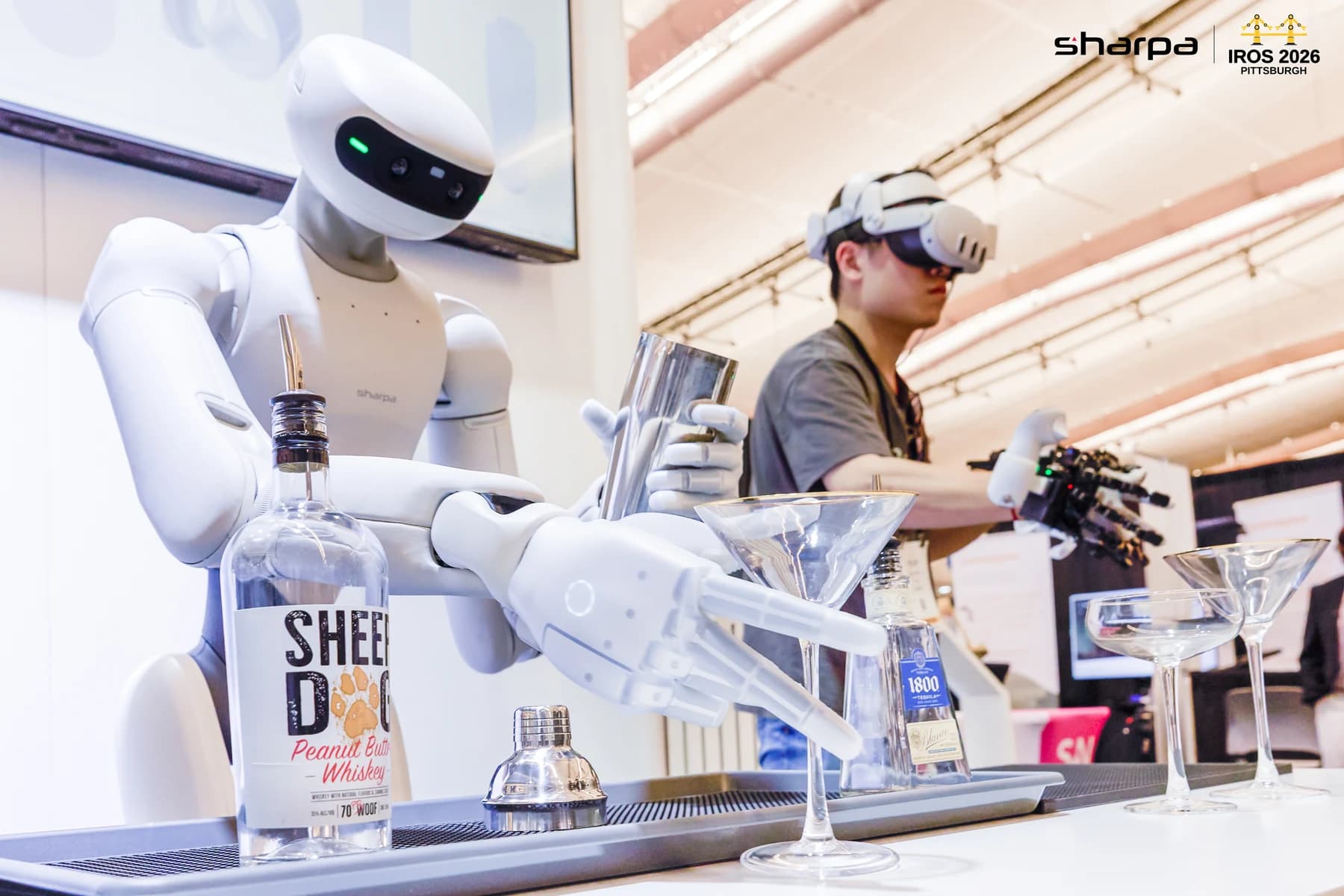
Astribot is bringing its T1 humanoid platform to North America with US pricing starting at $18,000. The Shenzhen company is showing the robot at IROS 2026 in Pittsburgh, pairing its cable-driven hardware with in-house Lumo AI models and an embodied operating system under an approach it calls “Design for AI.”
- T1 is making its North American debut at IROS; Astribot says US orders are open with immediate delivery available.
- The platform offers 23 degrees of freedom excluding end effectors, up to 5 kg of payload per arm, and developer access to controls and sensor data.
- Its Lumo-2 backpack-packing demonstration illustrates the company's manipulation focus, while additional tasks require further training.

According to Astribot’s announcement, the pitch is a development platform whose AI, software and physical design are built together. T1 is aimed at researchers and developers working on turning model capabilities into useful physical tasks.
Hardware and software developed together
T1 stands approximately 1.55 metres tall and weighs about 66 kg. Astribot says its cable-driven architecture is designed to support dexterous manipulation and compliant interaction. Modular hardware accommodates different end effectors, computing modules and sensors, with automatic charging and quick battery replacement also supported.
SDK and API access covers joint control, Cartesian motion, whole-body coordination and sensor data. Astribot OS adds reusable skills and tools for building applications, including a natural-language interface intended to turn a short requirement into a deployable robot application.
The weekly humanoid robotics briefing
One email a week: the launches, funding and research that mattered, with context from Humanoids Daily.
Read recent issuesThe company points to its second OS hackathon, which concluded in Beijing on September 21, as an early example: it says 15 teams demonstrated more than ten functional T1 applications within 36 hours.
Packing a backpack—and training for the next task
Astribot says T1, running its Lumo-2 base model, has autonomously gathered miscellaneous items into a backpack, including manipulating deformable objects. That offers a concrete example of the combination it is pursuing: deciding what to do, then controlling the robot through the physical steps.
The release also explains how capabilities improve. Data from robot operation and teleoperation is collected, curated and used to retrain models. Updated skills are then installed remotely or through on-site installation and calibration. T1 does not autonomously learn in real time during deployment.
For prospective users, the practical question is how readily that process transfers to their own tasks. The announcement provides no success-rate benchmark for the backpack demonstration, and Astribot says more complex household capabilities require additional training. The North American debut therefore offers researchers a new platform to evaluate, with the $18,000 starting price and claimed immediate availability providing a more concrete proposition than a demonstration alone.
Share this article
Read next
- Published on
- Reading time
- 6 min read
From Stadiums to the Front Line: How China and the US Are Preparing Humanoids for Combat
- Published on
- Reading time
- 4 min read
Supply Chain Rumors Hint at Massive Optimus Order as Fremont Production Line Ramps Up
- Published on
- Reading time
- 5 min read
The FCC Bans Foreign Humanoids: Unpacking the Sweeping New Restrictions on Robotic Devices
- Published on
- Reading time
- 4 min read
The Imminent Embodied AI Ban: FCC to Target Chinese Humanoids
- Published on
- Reading time
- 6 min read
The Battle Over Chinese Humanoids: As Congress Debates the GUARD Act, Industry Divides Over National Security vs. Research Reality
- Published on
- Reading time
- 5 min read
1X Accelerates NEO Developer Release to Counter U.S. Bans on Chinese Humanoids



The weekly humanoid robotics briefing
One email a week: the launches, funding and research that mattered, with context from Humanoids Daily.
Read recent issues