- Published on
Beijing’s Robot Marathon Scales Up: 300 Humanoids to Chase Autonomous Milestone
One tap, and our reporting appears more often in your Google Top Stories. It makes a real difference to a small newsroom.

Supported by RoboStrategySupport for Humanoids Daily comes from RoboStrategy
Sponsored
Investing involves risk, including possible loss of principal. Read the prospectus before investing.
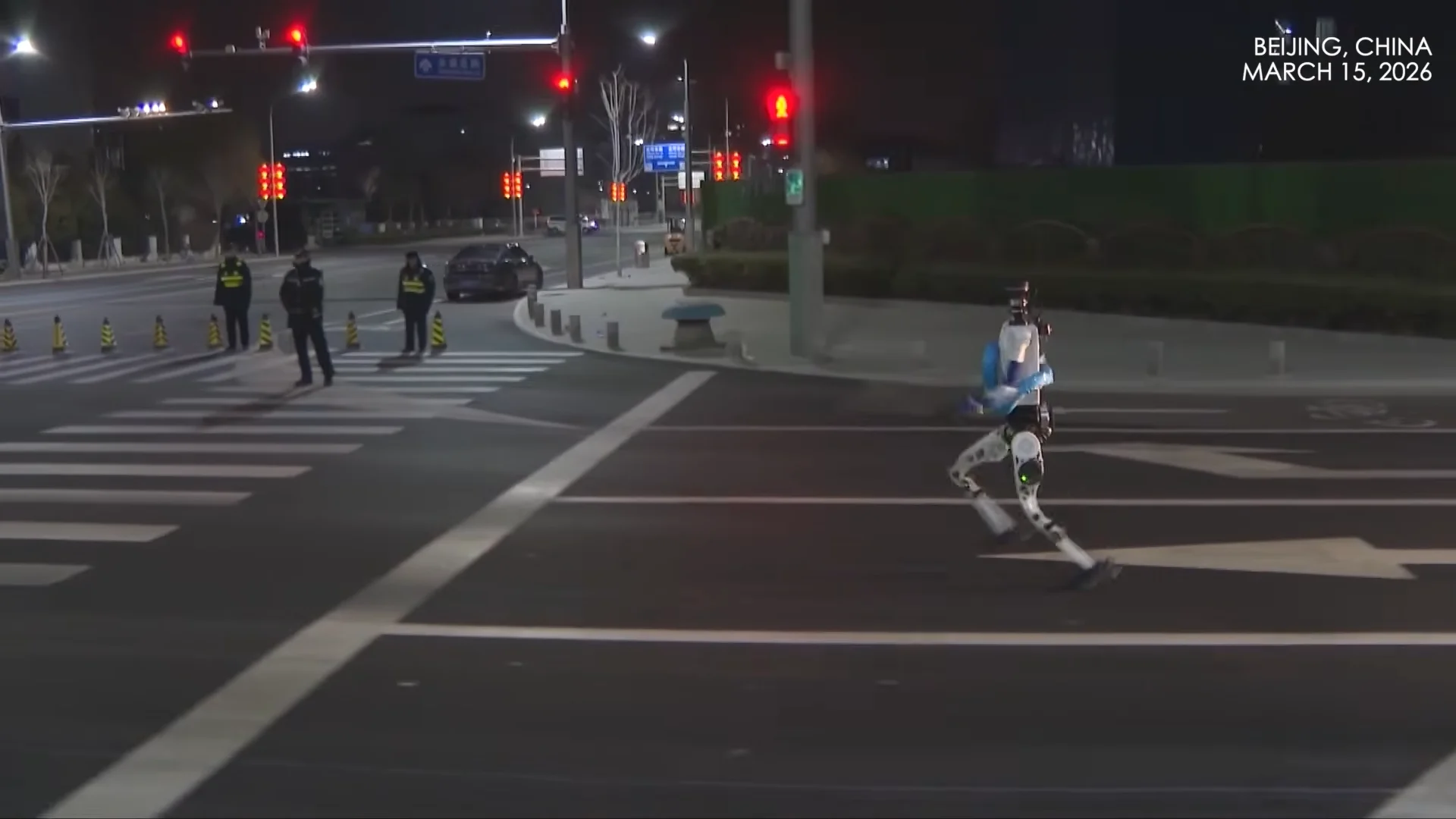
Beijing is preparing for a massive expansion of its robotic athletic ambitions. On April 19, 2026, the Yizhuang Economic and Technological Development Zone (E-Town) will host the second annual Humanoid Robot Half-Marathon, featuring more than 300 bipedal machines from 26 different brands.
The surge in participation—up from just 21 teams in 2025—signals a rapid transition from laboratory prototypes to what Chinese officials are calling "standardized high performance." While the inaugural 2025 race served as a proof-of-concept for long-distance bipedal locomotion, the 2026 edition introduces strict technical hurdles designed to separate choreographed "human-led" machines from truly autonomous systems.
The Autonomy Incentive
The most significant shift this year is the introduction of an autonomous navigation group, which currently accounts for 38% of the registered teams. To push the industry away from remote-controlled operation, organizers have introduced a "1.2 coefficient" time penalty for any robot relying on human operators. Under these rules, a remote-controlled robot’s net time will be multiplied by 1.2, effectively handing a massive competitive advantage to machines capable of independent environmental sensing and pathfinding.
Participating robots taller than 75 centimeters are required to complete the full 21.0975-kilometer (13-mile) course in a single effort. To ensure fairness and tracking, each competitor will wear a shoulder badge powered by the BeiDou Navigation Satellite System, providing centimeter-level positioning and real-time location reporting to the race marshals.
The weekly humanoid robotics briefing
One email a week: the launches, funding and research that mattered, with context from Humanoids Daily.
Read recent issuesLessons from 2025: From Stability to Agility
Last year’s race was a mixed bag of success and mechanical failure. While the Tiangong Ultra claimed victory with a time of 2 hours and 40 minutes, other contenders struggled with basic path-keeping or succumbed to environmental factors like wind.
To address the "utility gap," the 2026 event has added the Robot "Baturu" Challenge on April 18. This sub-event features 17 obstacle courses designed to simulate complex real-world scenarios, including disaster recovery and industrial environments. It represents a move toward the "80/80" metric recently championed by Unitree CEO Wang Xingxing—the idea that a robot must handle 80% of tasks in unfamiliar environments with an 80% success rate to reach a "ChatGPT moment" for embodied AI.
A $14 Billion Bet on Hardware
The scale of the event is backed by aggressive financial maneuvering. Beijing has established a government investment fund worth 100 billion yuan (approximately $14.48 billion) dedicated to "future industries," with a heavy emphasis on robotics. Since January 2025, 23 robotics companies in Beijing alone have secured nearly $2.79 billion (19.24 billion yuan) in financing.
This capital influx has already yielded results: China reportedly accounted for more than 80% of all humanoid robot installations globally in 2025. Major players like AgiBot, UBTECH, and Unitree are now pivoting from the "kung-fu" and "dancing" spectacles of the past toward mass production and factory deployment.
Technical Scrutiny and Standardized Forms
The 2026 race enforces a "complete torso and bipedal structure" requirement. Before the race, a panel of robotics experts will conduct compliance inspections on all hardware, including a strict audit of power batteries to ensure safety and fair play.
Share this article
Read next
- Published on
- Reading time
- 3 min read
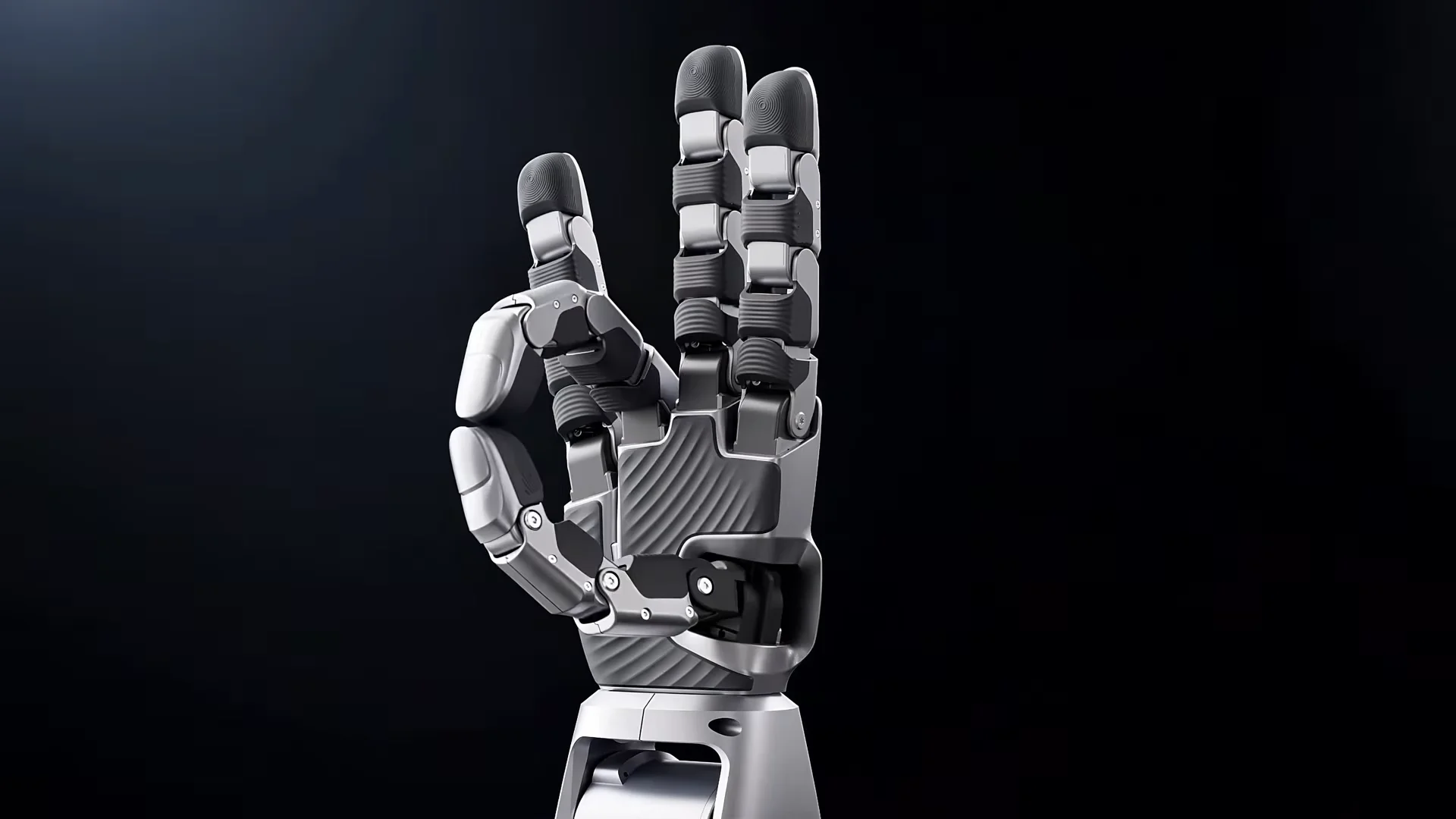
Unitree Unveils Human-Sized Robot Hand Starting at $6,500
- Published on
- Reading time
- 4 min read
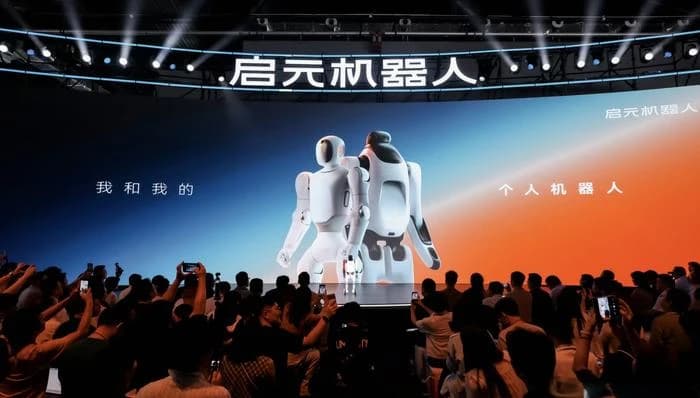
PrimeBOT Launches Personal Robots at 19,999 Yuan, Betting on Apps and Companionship
- Published on
- Reading time
- 3 min read
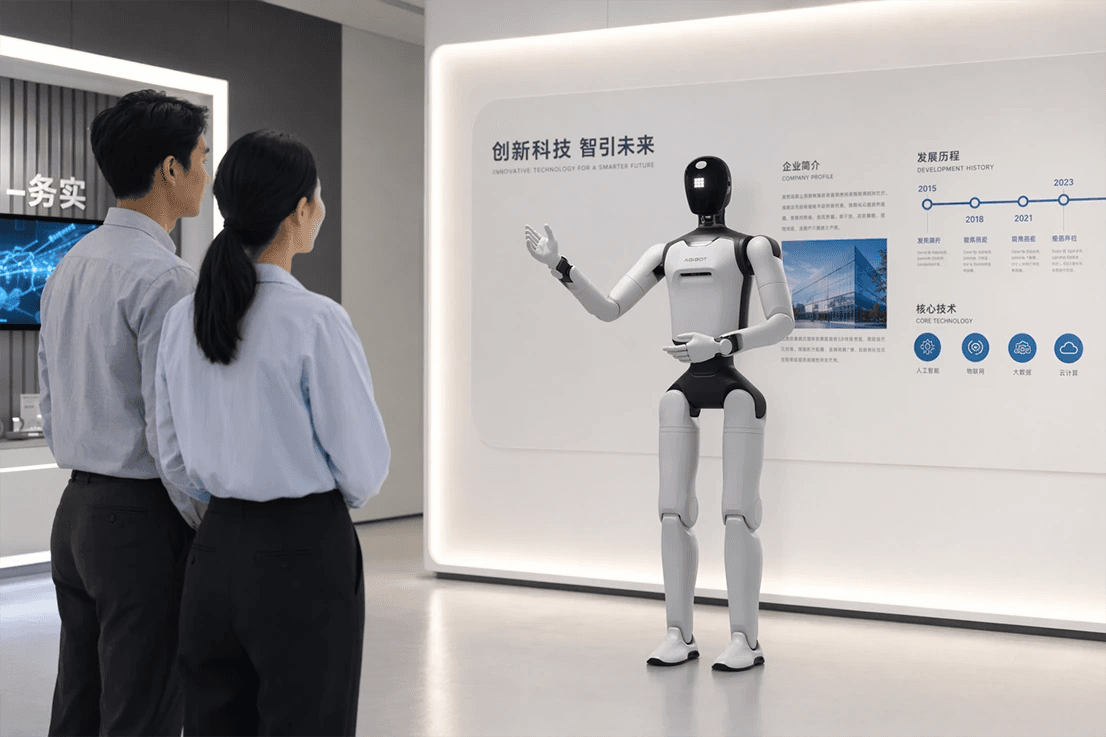
AGIBOT Says A3 Ultra Is Going to Work in Hotels, Shops and Metro Inspection
- Published on
- Reading time
- 3 min read
Unitree Says It Won’t Become a Robot Integration Company
- Published on
- Reading time
- 5 min read
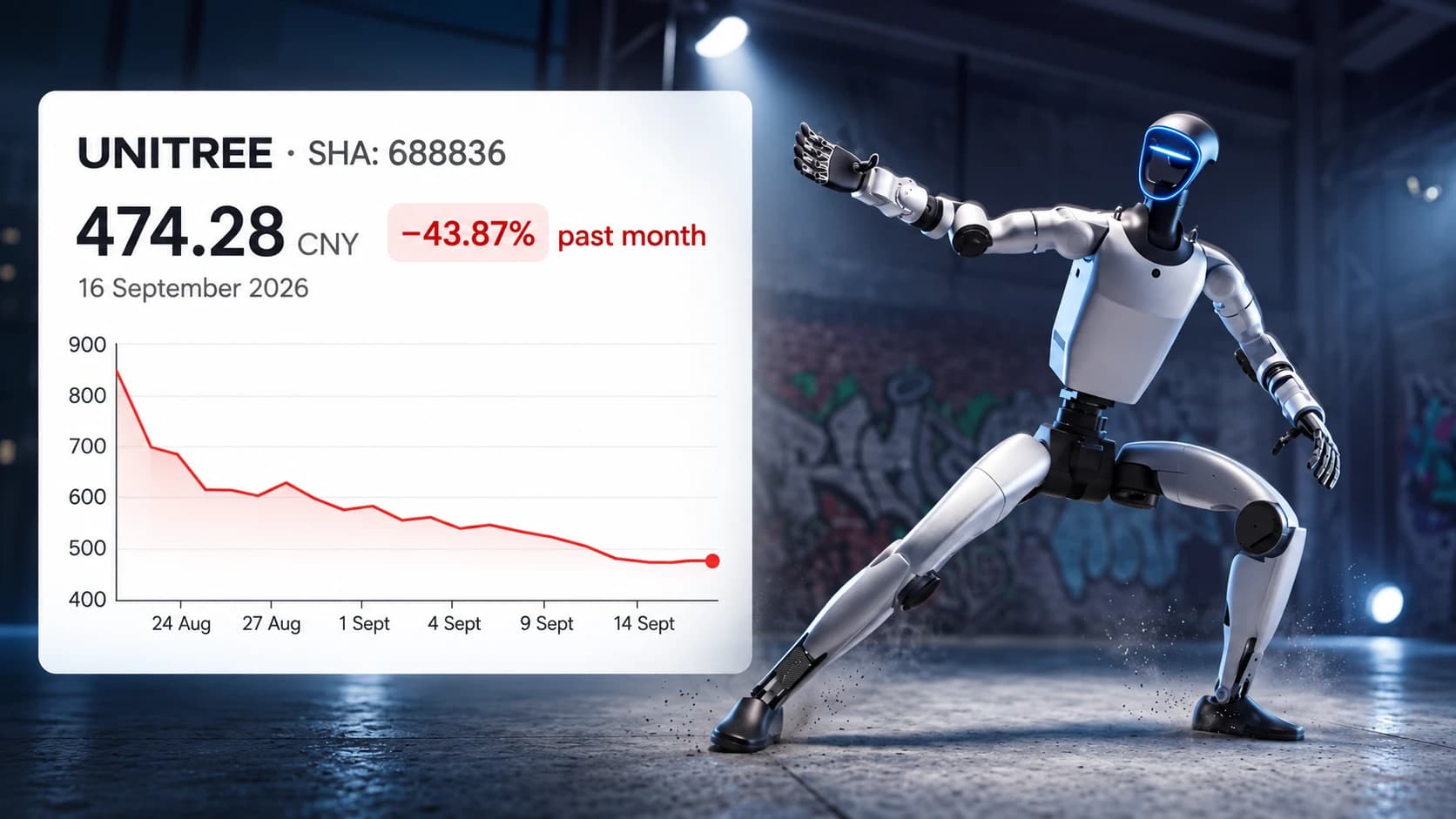
Unitree’s Stock Slump Puts China’s Robot IPOs Under Scrutiny
- Published on
- Reading time
- 7 min read
Unitree’s AI models explained: UniFoLM, WLA and X2
The weekly humanoid robotics briefing
One email a week: the launches, funding and research that mattered, with context from Humanoids Daily.
Read recent issues