- Published on
China’s Humanoid Robot Rental Prices Fall as Operators Face the Cost of Service
One tap, and our reporting appears more often in your Google Top Stories. It makes a real difference to a small newsroom.


Your guide
Rich Robinson
Jee Chee Ren · Executive tour
See China’s AI and robotics ecosystem first-hand.
Six days exploring AI, robotics and advanced manufacturing.
With Rich Robinson, Clinical Professor of Entrepreneurship at Peking University
Beijing · Guangzhou · Shenzhen
29 November–4 December 2026
Referral partnership · We earn a commission on referred bookings.
- Chinese reporting points to falling rental prices, with some Unitree listings advertised from ¥289 per day.
- Starting prices do not necessarily cover transport, setup or an operator.
- Large deployments still require substantial human support.
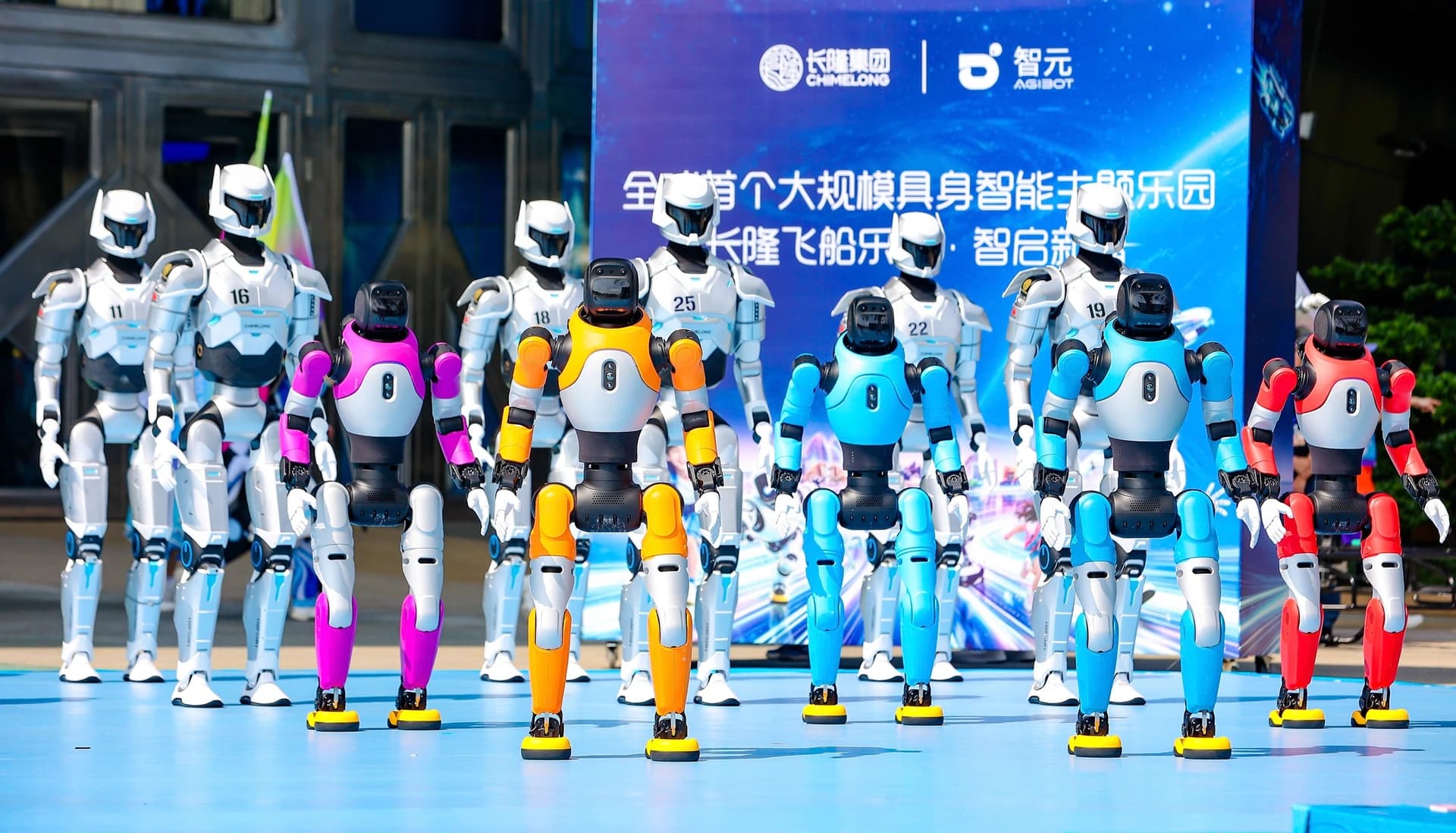
Renting a humanoid robot in China is getting cheaper. Turning that rental into a profitable service remains a more complicated proposition.
An October 9 STAR Market Daily report published by Cailian describes daily rates falling from five-figure yuan sums in early 2025 to ¥2,000–3,000 early this year. Its reporter found some current offers below ¥1,000, including Unitree humanoid listings on Xianyu starting at ¥289 per day.
That lowest figure is an advertised starting price. The report does not establish what it includes, and comparing it with earlier event bookings would not produce a reliable, like-for-like measure of the decline.
Our earlier coverage of China’s humanoid gig economy explored how short-term bookings were opening a market for robots at commercial events and celebrations. The latest prices add another question: how much can providers charge as customers gain more choice?
The weekly humanoid robotics briefing
One email a week: the launches, funding and research that mattered, with context from Humanoids Daily.
Read recent issuesWhat comes with the robot?
Earlier reporting helps explain why the service package matters. In March, Economic Observer found humanoid rentals on JD.com advertised from ¥1,796 per day, including an engineer. It attributed falling prices to expanding supply and increasing competition.
The outlet interviewed providers working through Qingtianzu, an AGIBOT-backed rental platform. Their work included transport, setup, operation and interaction with audiences. A robot booking could also require customized clothing or choreography.
One operator cited platform data indicating roughly ten bookings per robot per month at an average ¥2,500 per booking. Those were historical operating figures, rather than current October prices. Qingtianzu's strategy chief also described its ¥999 promotional experience as a way to test demand, rather than a profit-making offer.
Those distinctions matter for anyone weighing up the business: equipment availability, promotional pricing and the cost of delivering an event are different measures.
The model is expanding internationally, too. At MWC 2026, AGIBOT launched its global rental platform with prices starting at €899 per day, supported by local delivery and technical partners. That launch price concerns a different market and service offering, so it should not be treated as directly comparable with Chinese marketplace listings.
Cheaper equipment, human support
At Chimelong's theme park in Hengqin, over 300 robots have been deployed. We previously covered AGIBOT and Chimelong’s rollout across entertainment, visitor services and hospitality. AGIBOT executive Xiong Yan told STAR Market Daily that the current ratio was approximately three robots per operator. The company is targeting ten, with twenty described as an ideal goal.
Entertainment can be a paying application in its own right. The commercial test is whether operators can repeatedly deliver an experience customers value while covering the people and equipment needed to provide it. A lower rental quote may help attract bookings; it does not, by itself, answer that question.
Share this article
Read next
- Published on
- Reading time
- 3 min read
IDC Puts H1 Humanoid Shipments Near 25,000, With AGIBOT Leading
- Published on
- Reading time
- 3 min read
AGIBOT Says A3 Ultra Is Going to Work in Hotels, Shops and Metro Inspection
- Published on
- Reading time
- 3 min read
Unitree Says It Won’t Become a Robot Integration Company
- Published on
- Reading time
- 8 min read
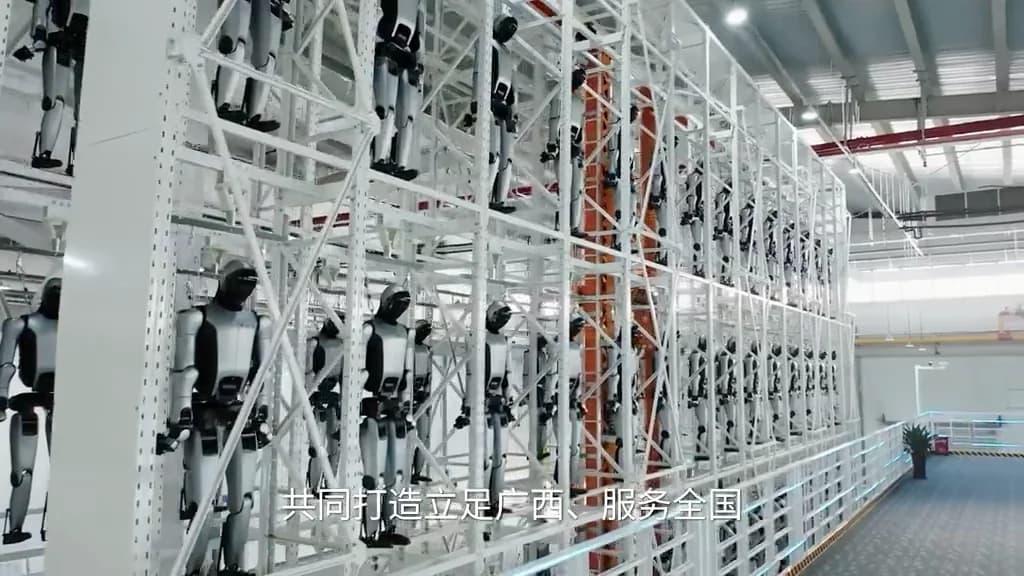
Inside UBTECH’s 10,000-Unit Super Factory: How Robots Are Building Humanoids in Liuzhou
- Published on
- Reading time
- 6 min read
Galbot Opens Pre-Orders for ET1 Bipedal Humanoid Aimed at Entertainment and Performance
- Published on
- Reading time
- 5 min read
AGIBOT Deepens European Push at IFA 2026 with TÜV Rheinland Certification and Tekpoint Retail Alliance
The weekly humanoid robotics briefing
One email a week: the launches, funding and research that mattered, with context from Humanoids Daily.
Read recent issues