- Published on
Donut Robotics Secures ¥300 Million Charm Care Alliance for Eldercare Humanoids
One tap, and our reporting appears more often in your Google Top Stories. It makes a real difference to a small newsroom.


Tokyo-based Donut Robotics is pairing a ¥300 million investment from nursing-home operator Charm Care with an experimental deployment of its cinnamon humanoid, aiming to develop robots that can assist eldercare staff.
- Charm Care will subscribe to ¥300 million in Donut Robotics shares under a capital and business alliance.
- A cinnamon humanoid has been trialed at one care facility since July 2026; the initial focus was conversation with residents.
- Nurse-call support remains a development goal, rather than an established capability of the trial.

The partnership was first announced in Japan on August 31, before an English-language release was distributed on October 5. Charm Care operates more than 100 private nursing homes, giving the startup a partner with experience of care workflows as well as potential settings for future testing.
That network should not be read as a deployment commitment across all of those homes. The release describes an experimental introduction at one facility.
From conversation to nurse-call support
The original Japanese announcement says cinnamon initially served primarily as a way to converse and communicate with residents. Donut says patrol functionality has been developed, with further improvements planned.
The weekly humanoid robotics briefing
One email a week: the launches, funding and research that mattered, with context from Humanoids Daily.
Read recent issuesThe next proposed step is responding to nurse calls: a resident would press a call button, and the robot would approach and help address the request. The October release presents this as work to be developed, alongside a gradual expansion into other support tasks.
Neither announcement provides a measured reduction in staff workload or a breakdown of autonomous versus remotely operated activity. Those details will matter when judging whether the trial translates into useful day-to-day assistance.
A growing cinnamon lineup
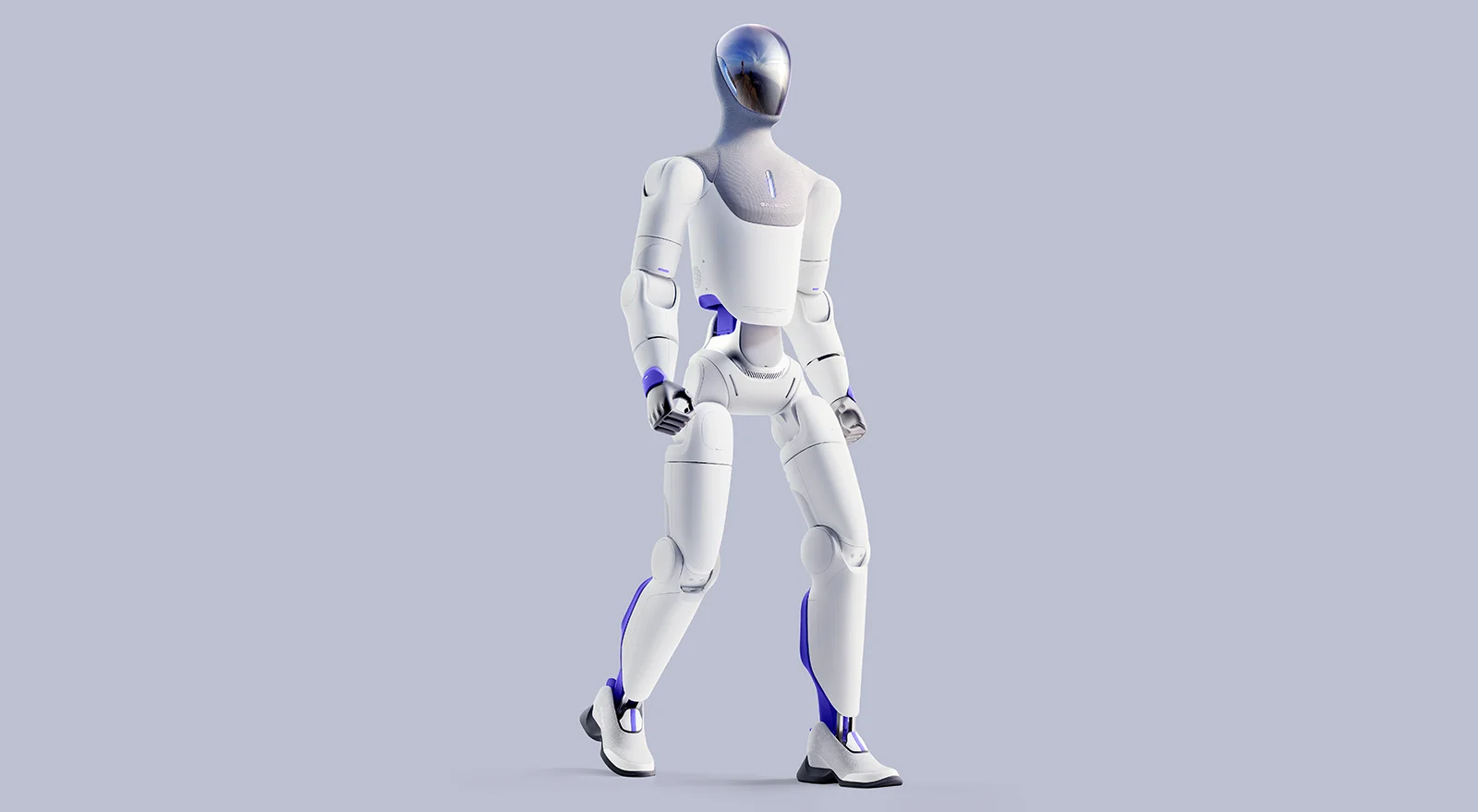
Donut’s lineup includes the roughly 170 cm cinnamon 1 and the smaller cinnamon mini, listed at around 130 cm and 35 kg. A next-generation cinnamon 2 is scheduled for an official announcement this fall, following an advance demonstration at AI Expo Summer 2026.
The company also describes a transition toward Japanese production using overseas hardware as a starting point, with chip modifications and assembly in Japan.
The story adds a care-sector example to Japan’s recent humanoid activity, alongside Panasonic’s production ambitions and Kawasaki’s staged autonomy plans for Kaleido. Here, the next test is whether a robot already being tried around residents can take on practical work that helps the people caring for them.
Share this article
Read next
- Published on
- Reading time
- 3 min read
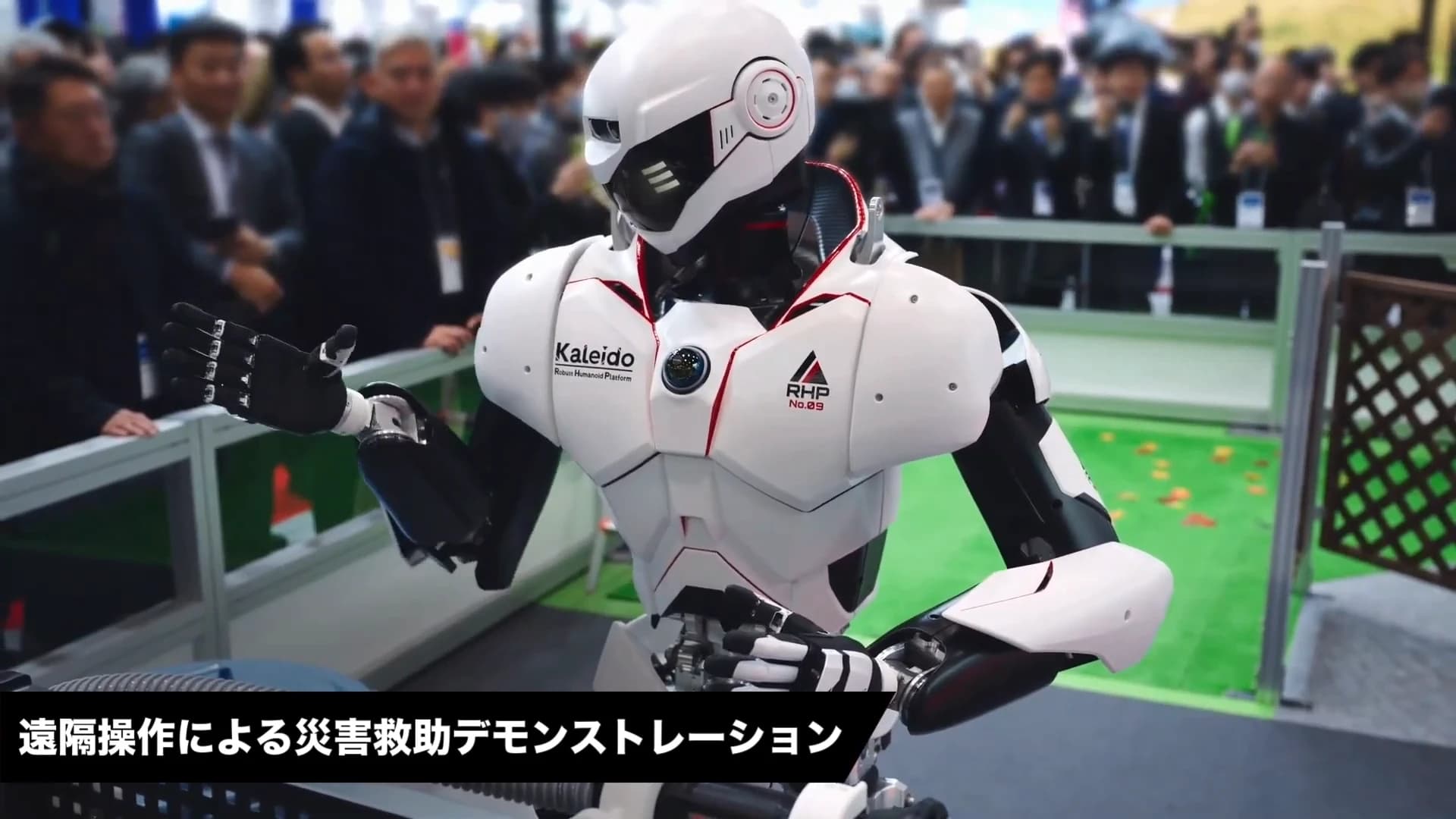
Kawasaki Plans Noetra-Powered Kaleido Rollout Around 2030, With Autonomy Expanding in Stages
- Published on
- Reading time
- 2 min read
Panasonic Targets Humanoid Robot Production by 2029, Citing Battery Safety
- Published on
- Reading time
- 6 min read
O-ID Raises $1.2M to Build Humanoids With Swappable Parts
- Published on
- Reading time
- 4 min read
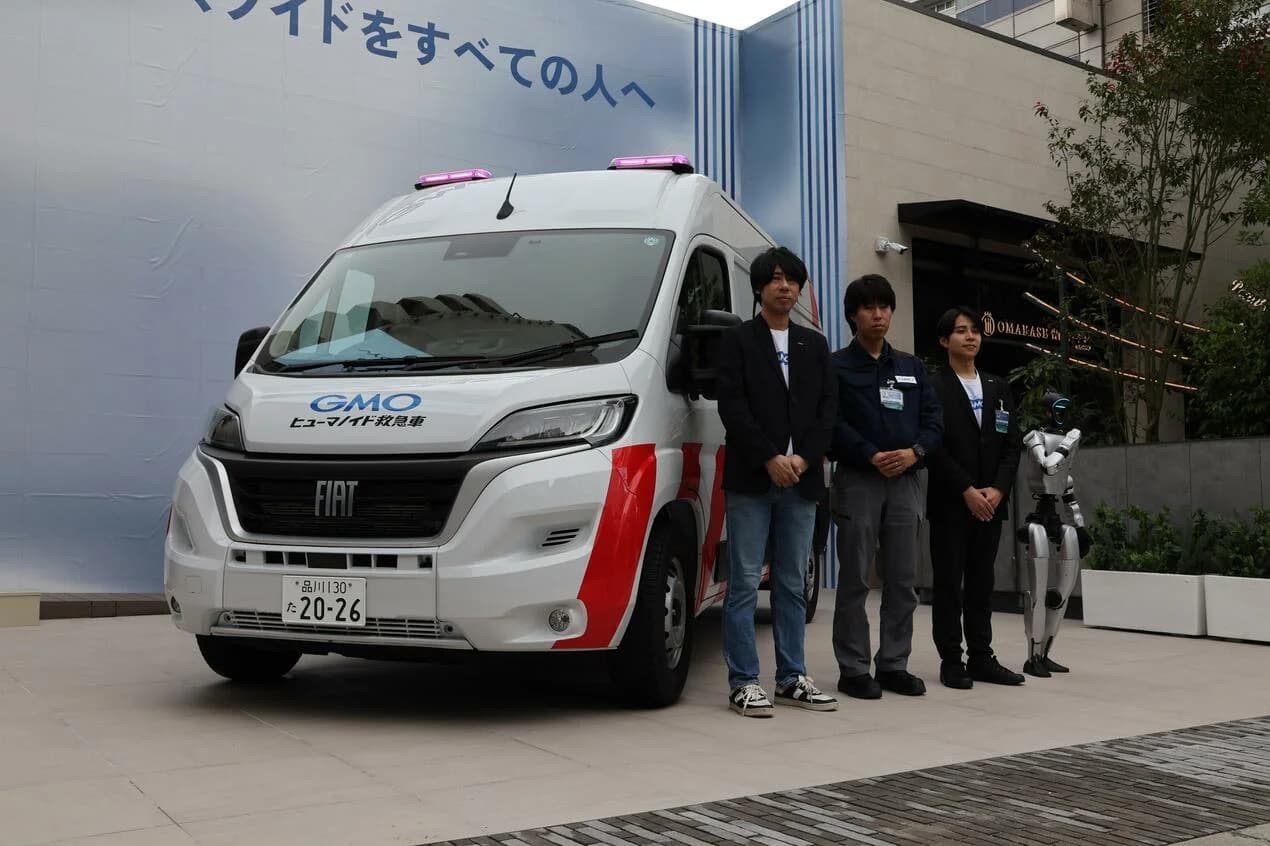
Tokyo Now Has a Dedicated 911 Service—for Busted Humanoid Robots
- Published on
- Reading time
- 6 min read
SoftBank in Talks for Majority Stake in 1X at $6 Billion — Below the $10 Billion It Sought Last Year
- Published on
- Reading time
- 4 min read
Mitsubishi Electric and Chiba Tech Forge 3-Year Pact to Build "Homegrown" Physical AI


The weekly humanoid robotics briefing
One email a week: the launches, funding and research that mattered, with context from Humanoids Daily.
Read recent issues