- Published on
Panasonic Targets Humanoid Robot Production by 2029, Citing Battery Safety
One tap, and our reporting appears more often in your Google Top Stories. It makes a real difference to a small newsroom.

Supported by RoboStrategySupport for Humanoids Daily comes from RoboStrategy
Sponsored

Investing involves risk, including possible loss of principal. Read the prospectus before investing.
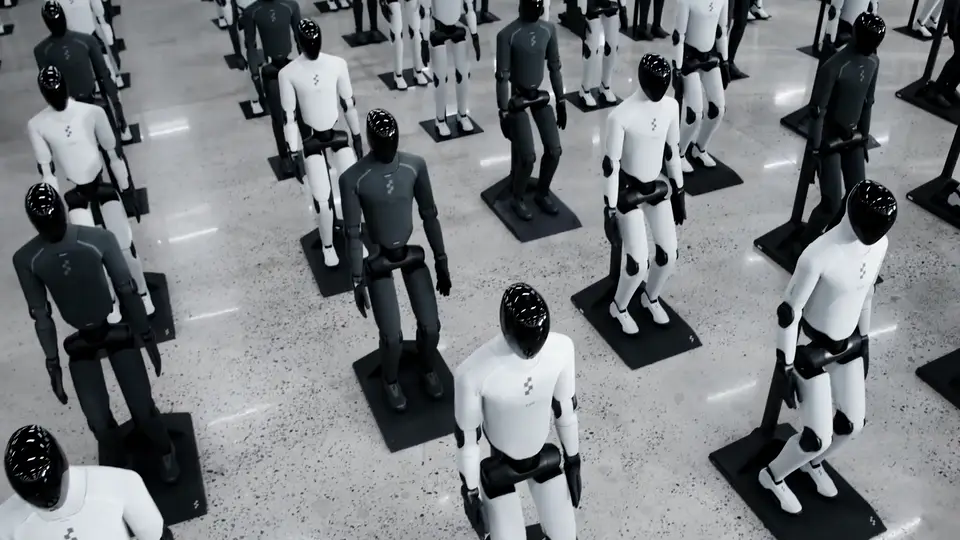
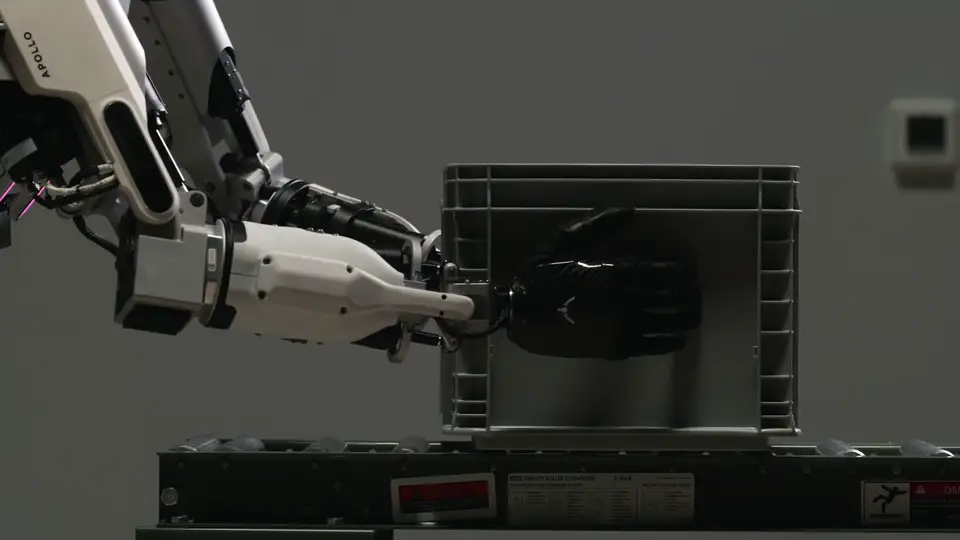
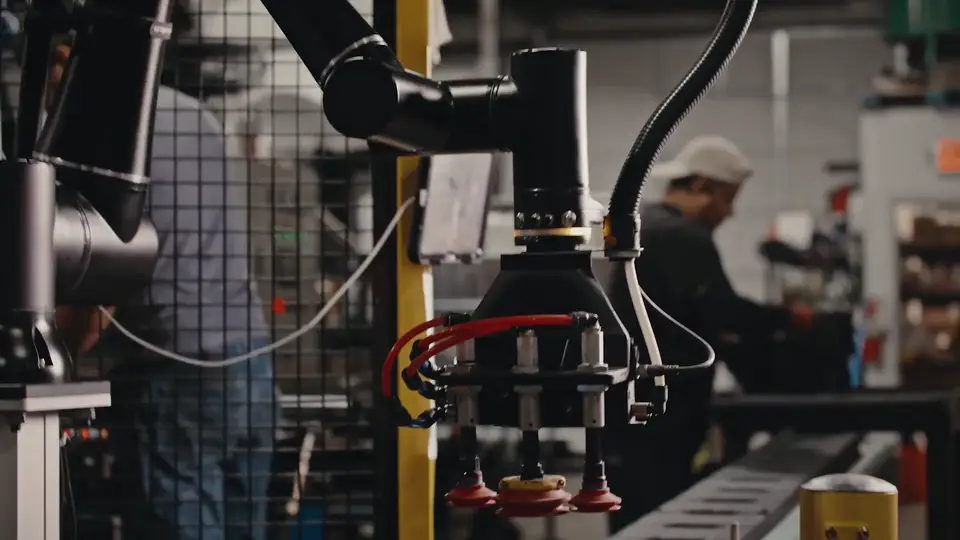
Panasonic Holdings plans to develop humanoid robots and aims to begin production by 2029, its chief AI officer Akira Sakakibara told Nikkei Asia. The company initially intends to market the machines for factory production lines and warehouses.
- Panasonic is targeting humanoid robot production by 2029, with factories and warehouses as its initial markets.
- A newly established AI and robotics R&D division will lead development.
- Sakakibara points to Panasonic Energy’s battery safety record as a potential advantage, while saying concrete achievements are not yet available to disclose.
The project remains at an early stage. Sakakibara told Nikkei there was “nothing we can disclose yet” about concrete achievements, although research and development has begun on AI models and other technologies needed for the robots. The effort will be led by an AI and robotics R&D division established on October 1.
Battery safety is central to Panasonic’s argument for entering a field where competitors are already further along. Sakakibara expressed confidence that the company could develop safer humanoids, citing the risk of battery fires as a barrier to wider adoption. He said batteries produced by subsidiary Panasonic Energy had not been involved in any serious fire incidents to date.
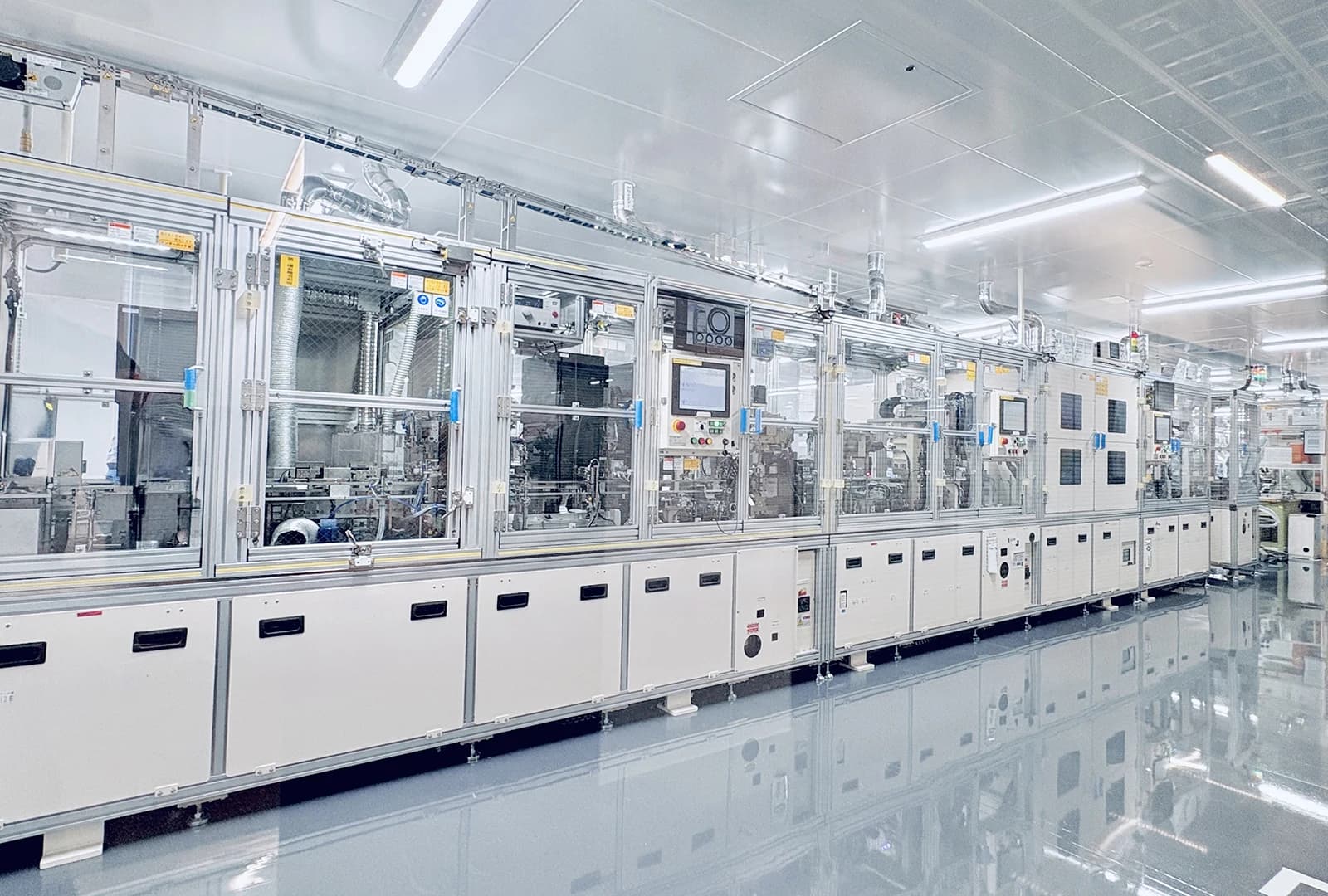
Panasonic already markets components for humanoid robotics, including power-management devices, thermal materials, tactile pressure sensors and compact motors. Its component offering gives the planned robot program an existing base of relevant technologies, although the report does not specify which will be used.
Panasonic Energy also identified humanoids as an emerging battery application when it announced a new battery R&D hub in September. The new humanoid plan would extend the group’s involvement from supplying underlying technologies to developing complete machines.
The 2029 target gives Panasonic a timetable, but the next milestone to watch is a disclosed robot design or working demonstration showing what the program can deliver.
Share this article
Follow humanoid robotics without following every announcement.
Get the week’s most important launches, funding and research—and why they matter—in one email from Humanoids Daily.
Once a week. Unsubscribe anytime.
Read recent issuesRead next
- Published on
- Reading time
- 6 min read
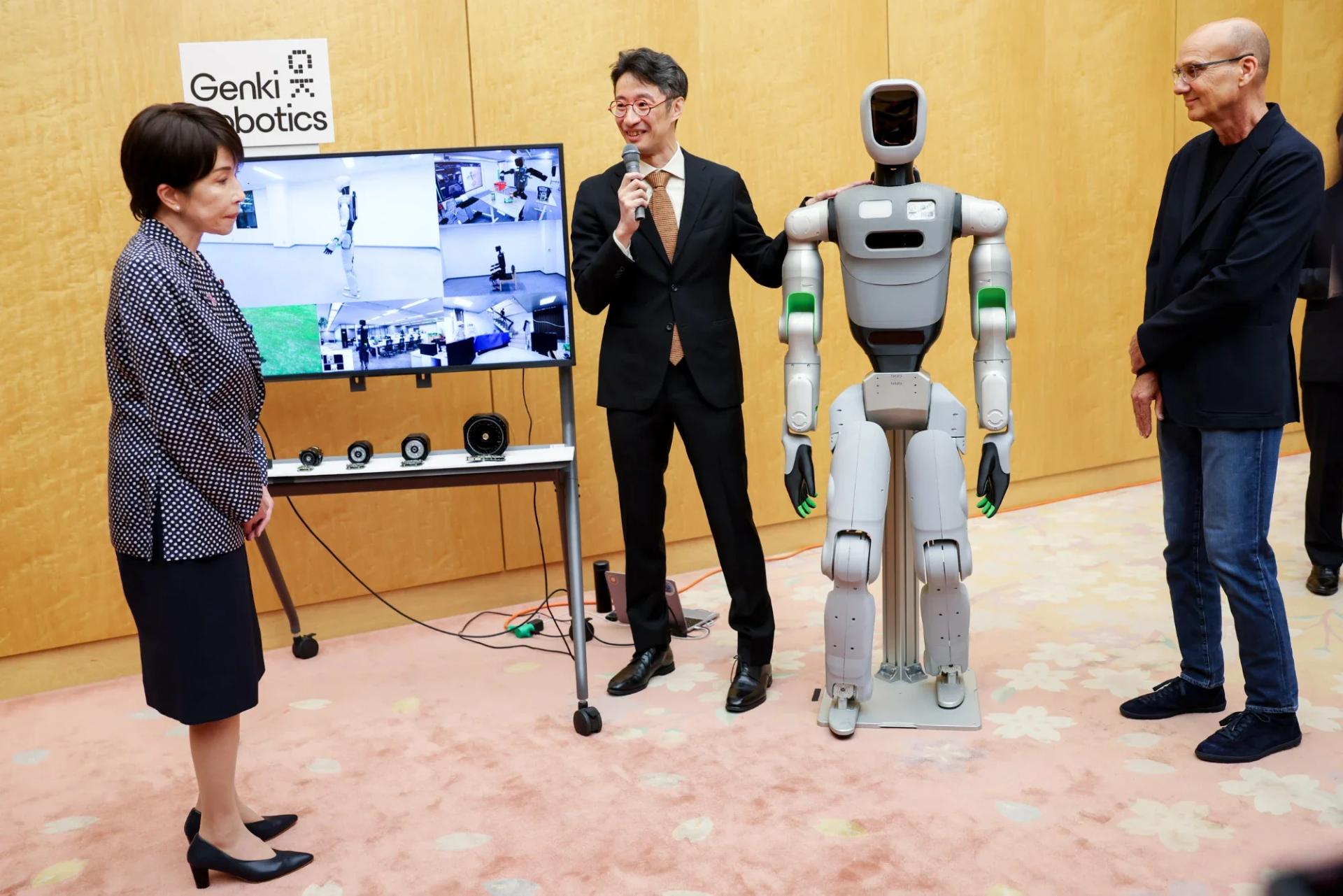
Andy Rubin's Genki Robotics Shows Its Humanoid to Japan's Prime Minister
- Published on
- Reading time
- 3 min read
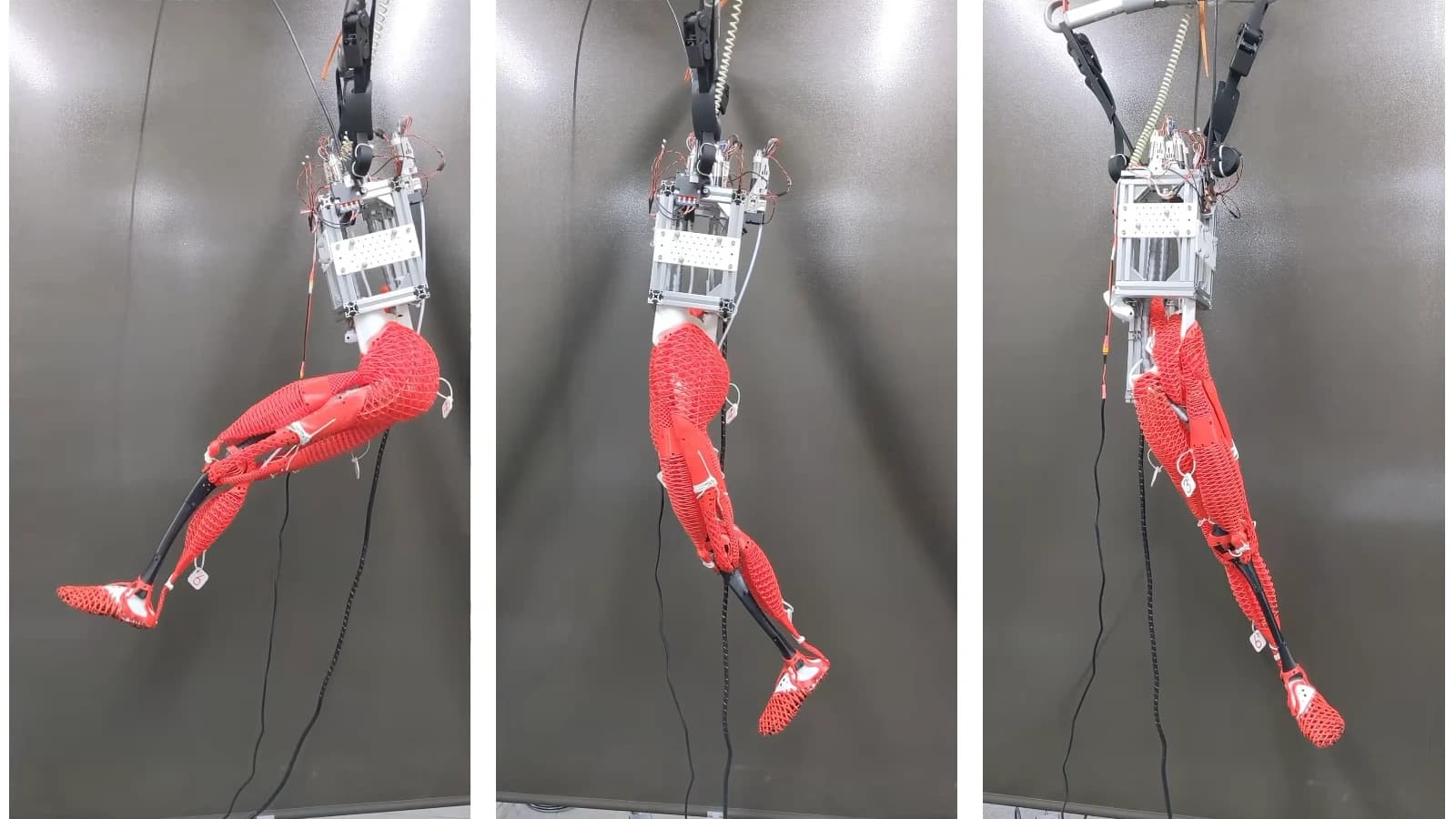
Tokyo Researchers Build Robotic Legs With 3D-Printed Muscles, Tendons and Ligaments
- Published on
- Reading time
- 3 min read
Donut Robotics Secures ¥300 Million Charm Care Alliance for Eldercare Humanoids
- Published on
- Reading time
- 3 min read
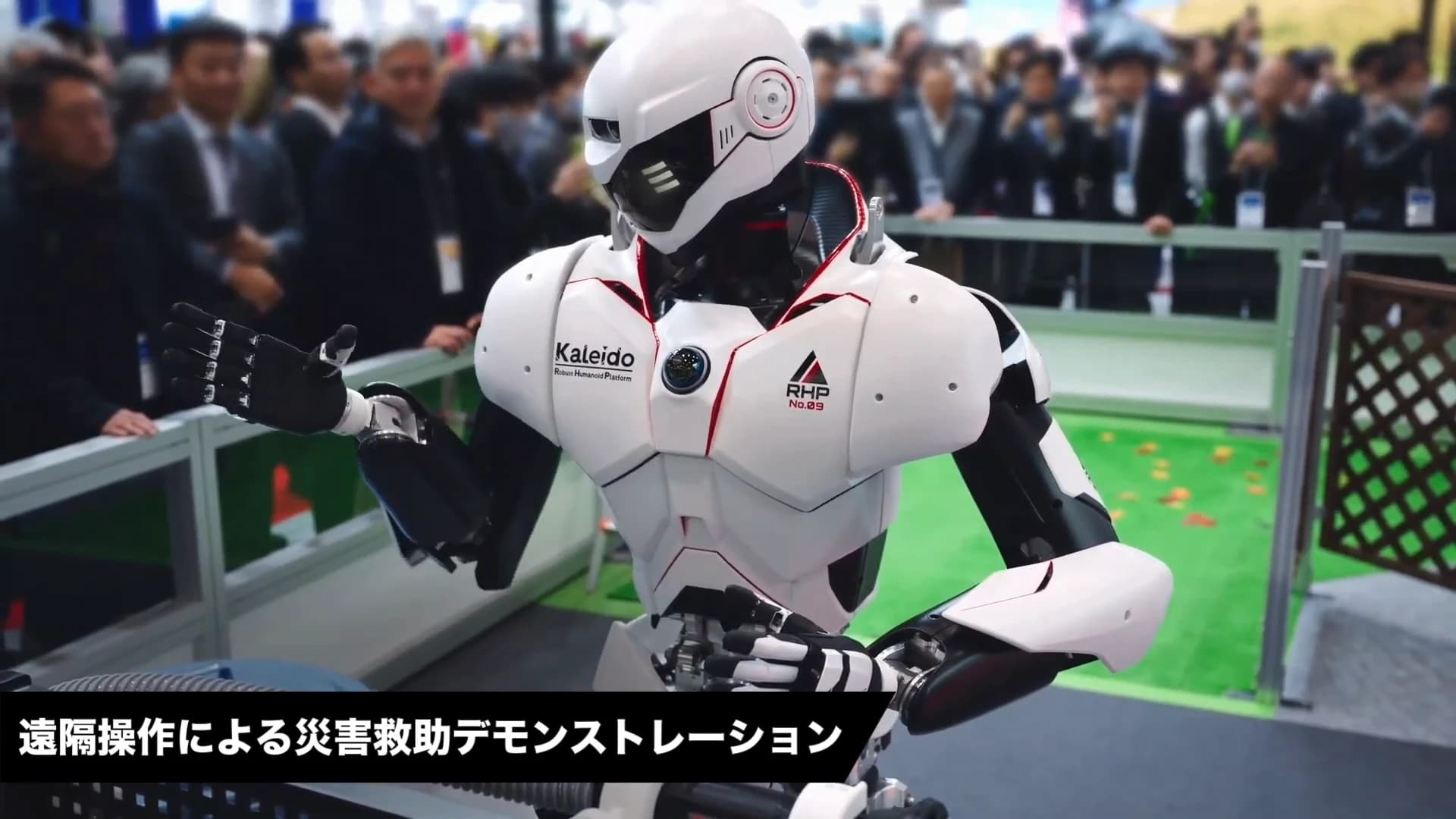
Kawasaki Plans Noetra-Powered Kaleido Rollout Around 2030, With Autonomy Expanding in Stages
- Published on
- Reading time
- 6 min read
O-ID Raises $1.2M to Build Humanoids With Swappable Parts
- Published on
- Reading time
- 4 min read
Tokyo Now Has a Dedicated 911 Service—for Busted Humanoid Robots