- Published on
Atlas Battery Pack to Use 70 Samsung SDI Cells, Report Says
One tap, and our reporting appears more often in your Google Top Stories. It makes a real difference to a small newsroom.

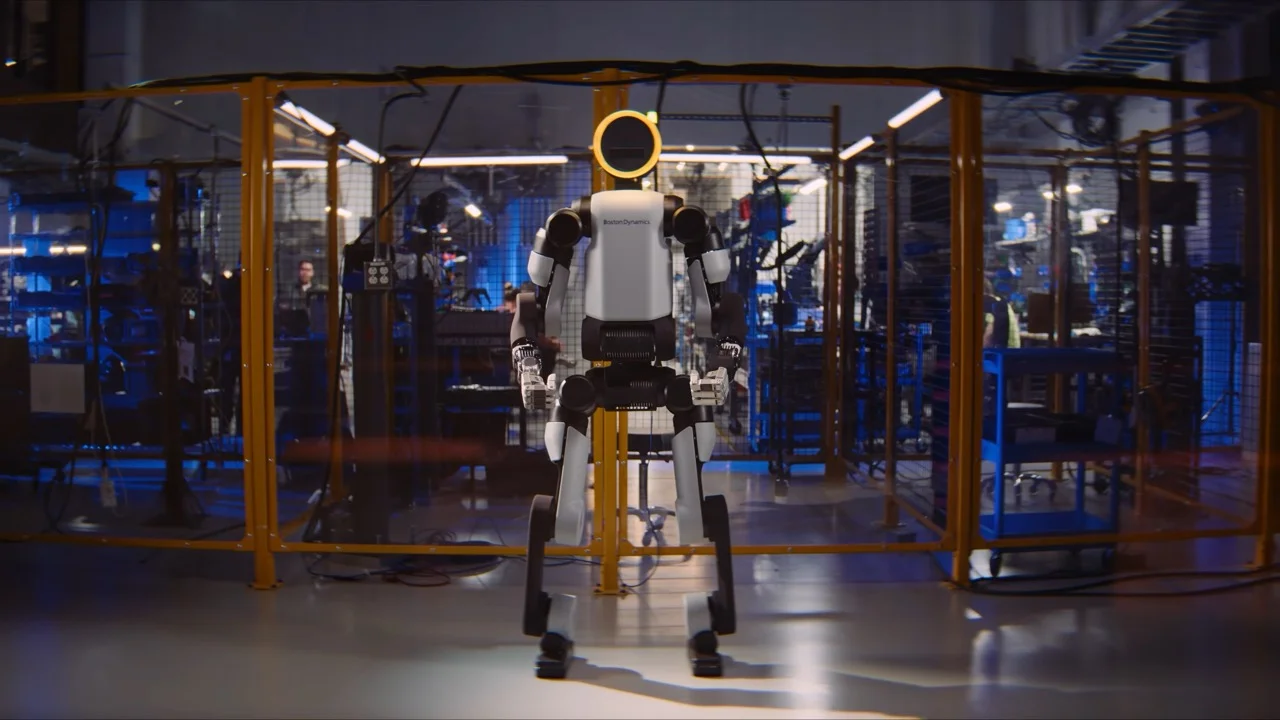
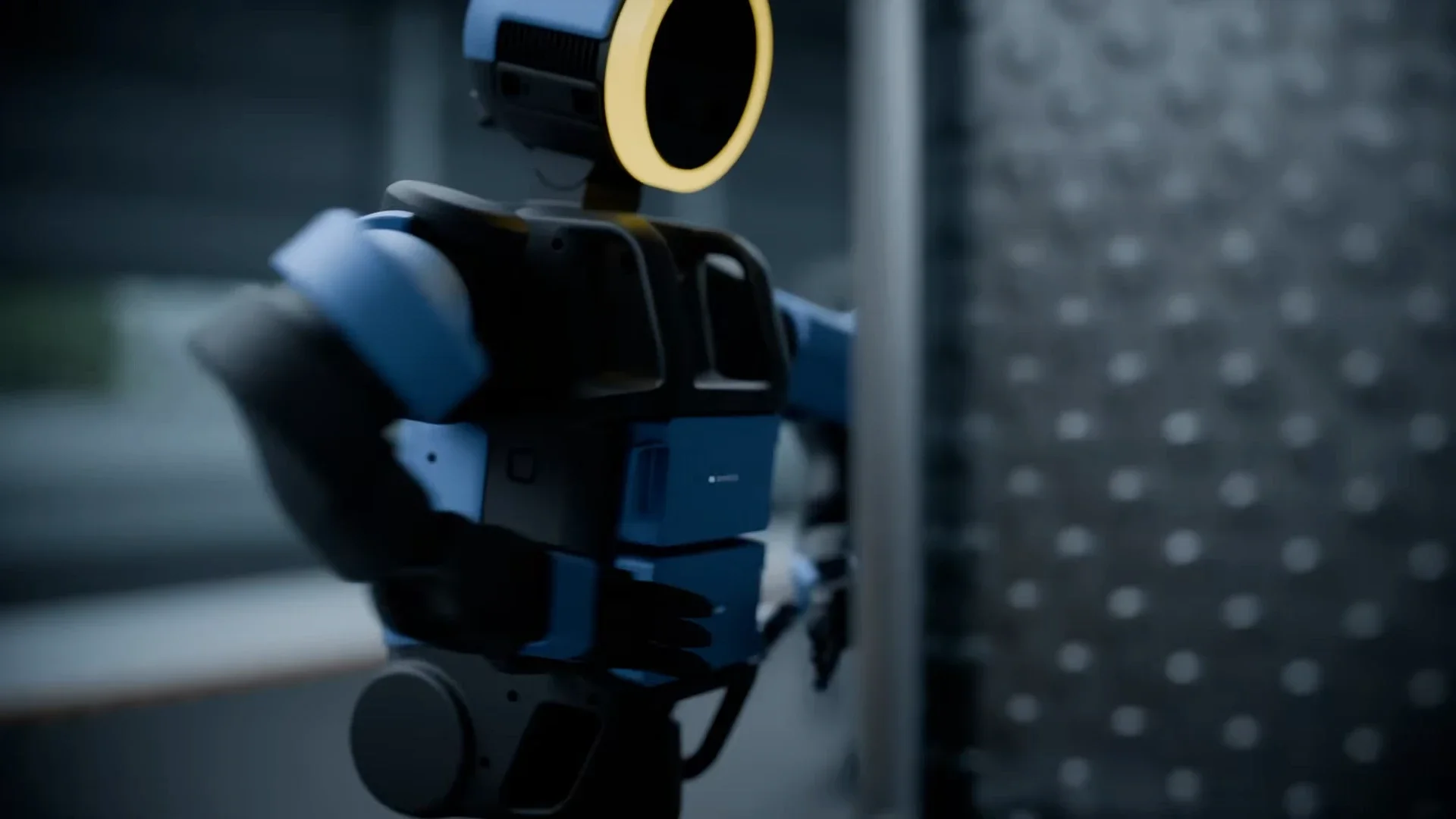
Samsung SDI is supplying the battery cells for Boston Dynamics’ Atlas humanoid, with each robot using 70 cylindrical cells in a pack of approximately 1.3 kWh, according to The Elec.
The report offers a closer look at the power supply behind Atlas as robot manufacturers pursue different ways to keep their machines working through an industrial shift.
- The Elec reports that Atlas uses 70 Samsung SDI 2170 cells, giving its battery pack approximately 1.3 kWh of capacity.
- Samsung SDI is reportedly handling most initial supply, although LG Energy Solution has also been selected.
- Battery swapping, fast charging and new chemistries offer different routes to longer working days for humanoids.
A familiar cell format for a different machine
The reported cells have a capacity of 5,000 mAh each and use the 2170 format: 21 mm in diameter and 70 mm long. The Elec attributes Samsung’s dominant initial supply position to the relatively small volumes involved.
These figures describe energy storage, rather than how long Atlas can work between battery changes. Runtime also depends on the task, payload, motion and onboard computing demands. A pack-capacity figure alone therefore provides little basis for comparing productive hours across different robots.
Follow humanoid robotics without following every announcement.
Get the week’s most important launches, funding and research—and why they matter—in one email from Humanoids Daily.
Once a week. Unsubscribe anytime.
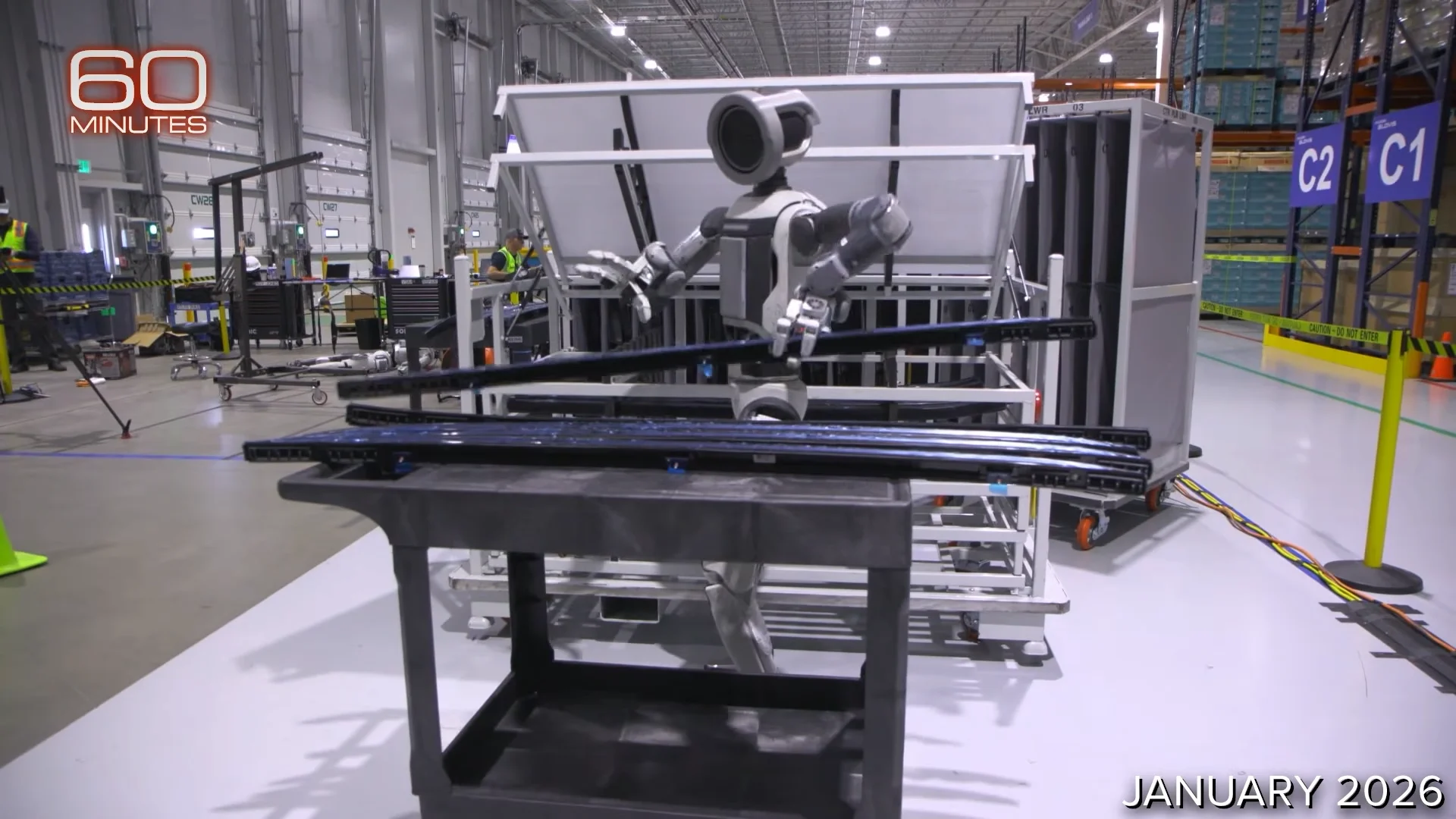
Read recent issuesBoston Dynamics has already described how Atlas is intended to manage low batteries. In its product announcement, the company said the robot can autonomously navigate to a charging station, swap its own batteries and return to work.
That makes the charging infrastructure and availability of replacement packs part of keeping the robot working. The practical question becomes how much work the whole setup can sustain, rather than how long a single pack lasts.
Different approaches to keeping humanoids working
Agility is pursuing fast charging for its next-generation Digit. As Humanoids Daily previously reported, its Nyobolt battery partnership targets 90 minutes of work followed by nine minutes of charging, supporting a planned working day of more than 20 hours. Those are operating targets, rather than independently verified deployment results.
XPENG’s focus includes a change in chemistry. The company says IRON’s solid-state battery has entered small-batch production, although it has not disclosed the capacity or runtime needed for a direct comparison. Limited battery production also does not establish that the robot itself is in mass production.
The wider opportunity is attracting attention from battery-market researchers. IDTechEx forecasts a humanoid robot battery market worth approximately $850 million by 2037, with spare packs for battery-swapping systems contributing to demand.
For manufacturers and customers, capacity is only one part of that picture. Charging time, replacement-pack logistics, battery life and reliable operation will all influence whether a humanoid can turn a successful demonstration into a dependable working shift.
Share this article
Follow humanoid robotics without following every announcement.
Get the week’s most important launches, funding and research—and why they matter—in one email from Humanoids Daily.
Once a week. Unsubscribe anytime.
Read recent issuesRead next
- Published on
- Reading time
- 4 min read
South Korea’s M.AX Alliance Taps Seoul National University to Build AI Models for Humanoids
- Published on
- Reading time
- 7 min read
Hyundai Says Atlas Will Not Replace Workers — One Day After Settling a Strike Over Exactly That
- Published on
- Reading time
- 4 min read
The Production Pivot: Leadership Exodus and Internal Pressure at Boston Dynamics
- Published on
- Reading time
- 4 min read
The Blueprint for a Bipedal Workforce: Kia Details Atlas Deployment Roadmap
- Published on
- Reading time
- 5 min read
Form as Function: Boston Dynamics Details the Industrial Design Logic Behind the Production Atlas
- Published on
- Reading time
- 5 min read
From Viral Clips to the Factory Floor: 60 Minutes Goes Inside Boston Dynamics’ Industrial Shift