- Published on
Fauna Robotics Exits Stealth with Sprout, a Soft-Bodied Humanoid for the "Messy Reality" of Shared Spaces
One tap, and our reporting appears more often in your Google Top Stories. It makes a real difference to a small newsroom.


Your guide
Rich Robinson
Jee Chee Ren · Executive tour
See China’s AI and robotics ecosystem first-hand.
Six days exploring AI, robotics and advanced manufacturing.
With Rich Robinson, Clinical Professor of Entrepreneurship at Peking University
Beijing · Guangzhou · Shenzhen
29 November–4 December 2026
Referral partnership · We earn a commission on referred bookings.
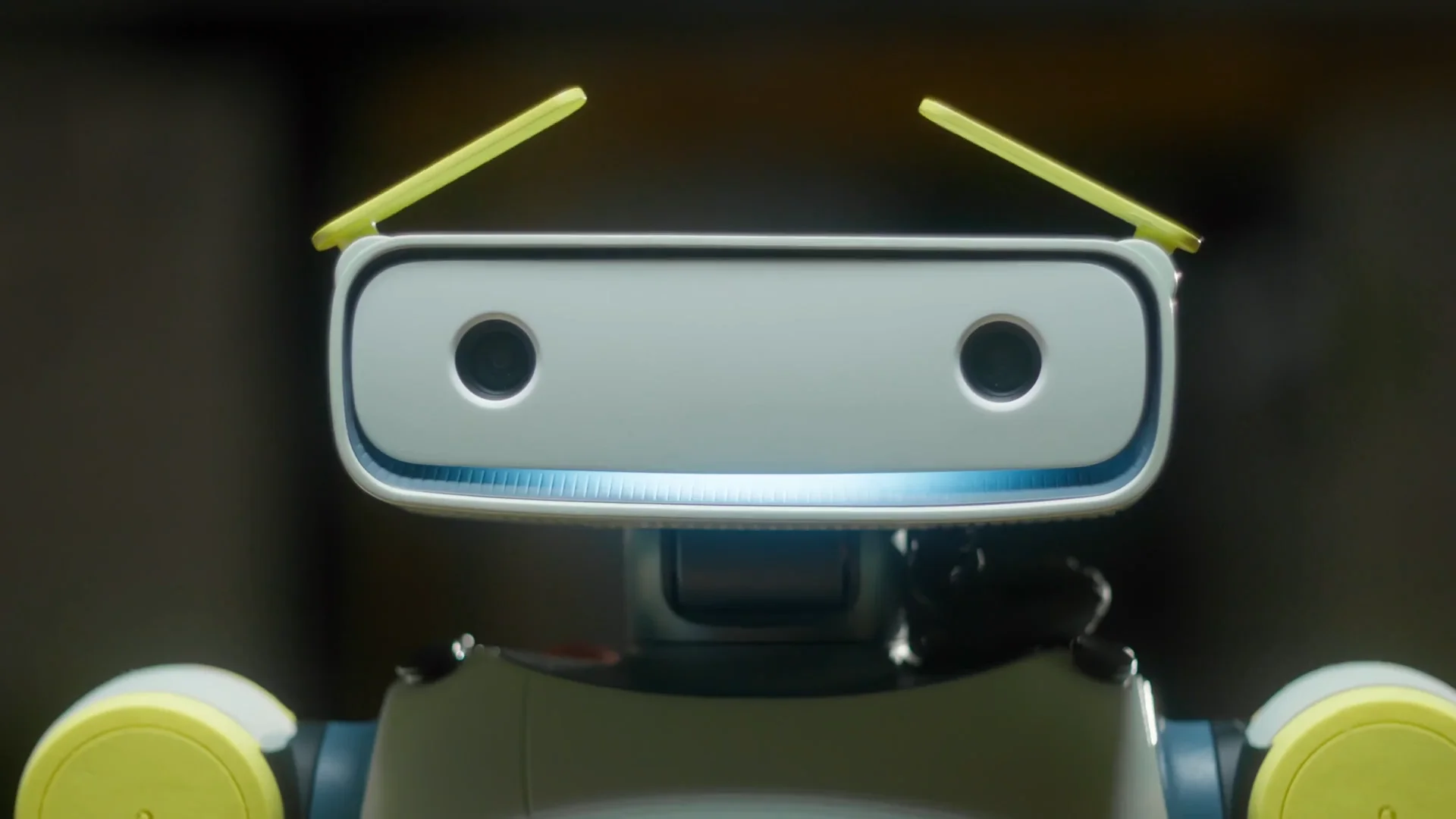
The landscape of humanoid robotics is rapidly shifting away from the "hard" industrial forms of the past toward a new generation of "soft" and approachable machines. Today, New York-based Fauna Robotics officially joined this race, stepping out of stealth to unveil Sprout, a lightweight, interactive humanoid platform designed explicitly for shared human environments.
Shipping today as a "Creator Edition," Sprout is positioned as a developer-ready canvas for researchers and creators who want to explore applications in retail, entertainment, and home services without "fighting the basics" of hardware and low-level control.
Bridging the "Deployment Gap"
Despite significant advances in simulation and learned control, the industry has struggled with a persistent "deployment gap." Most existing humanoids are either proprietary industrial systems inaccessible to independent developers or academic prototypes too fragile and dangerous for routine operation around people. The Unitree G1 has been the only real option for most.
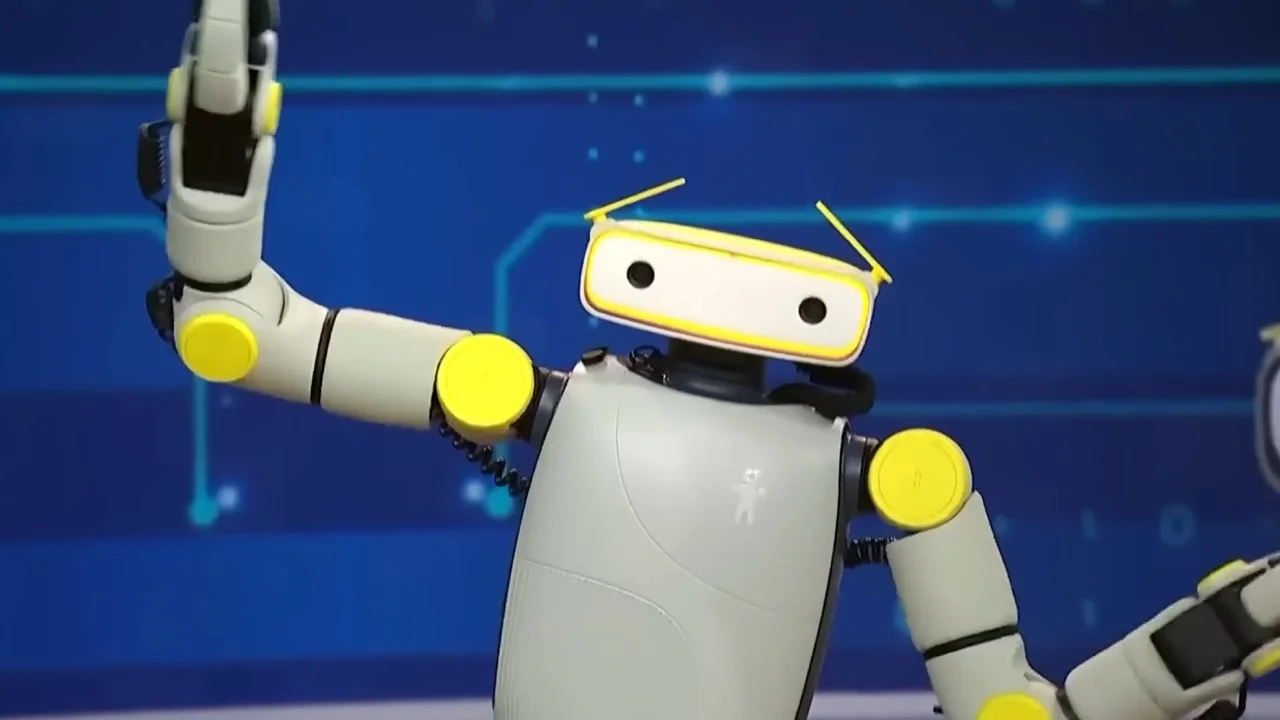
Sprout addresses these limitations through a "safety-first" design philosophy. Standing 1.07 meters (3.5 feet) tall and weighing just 22.7 kg (50 lbs), the robot is intentionally compact to reduce kinetic energy and potential impact forces. Its exterior is composed of soft, foam-like materials and padded panels, minimizing pinch points and making it approachable for direct physical interaction—even by children.
Follow humanoid robotics without following every announcement.
Get the week’s most important launches, funding and research—and why they matter—in one email from Humanoids Daily.
Once a week. Unsubscribe anytime.
Read recent issuesThis design choice aligns with recent findings from an Altman Solon consumer report, which noted a clear American preference for "visually and haptically soft" models over the imposing metal frames typical of early prototypes.
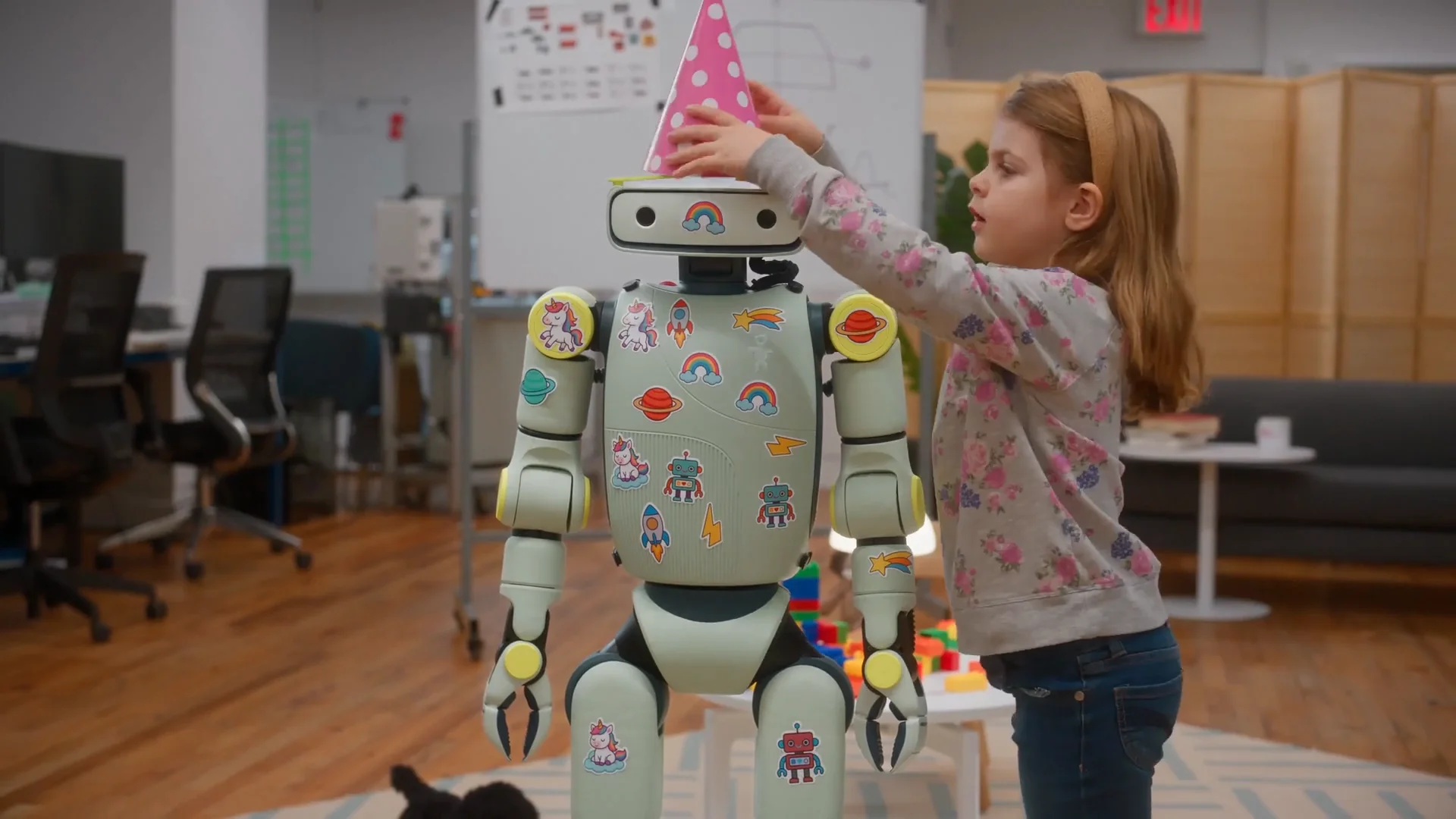
The Move Toward "Lovable" Hardware
While competitors like Sunday Robotics and Tangible Robotics have opted for wheeled bases to prioritize stability in the home, Fauna has remained committed to a bipedal form factor. However, like Cartwheel Robotics and Disney’s recent "Olaf" project, Fauna is betting that emotional connection is as critical as physical utility.
Sprout features an expressive head equipped with motorized eyebrows and a 100-pixel LED array face to convey intent and emotion. "If we want a future where robots live alongside us, we can’t just build machines that are tolerated—we have to build robots that are loved," said Anthony Moschella, VP of Hardware at Fauna.
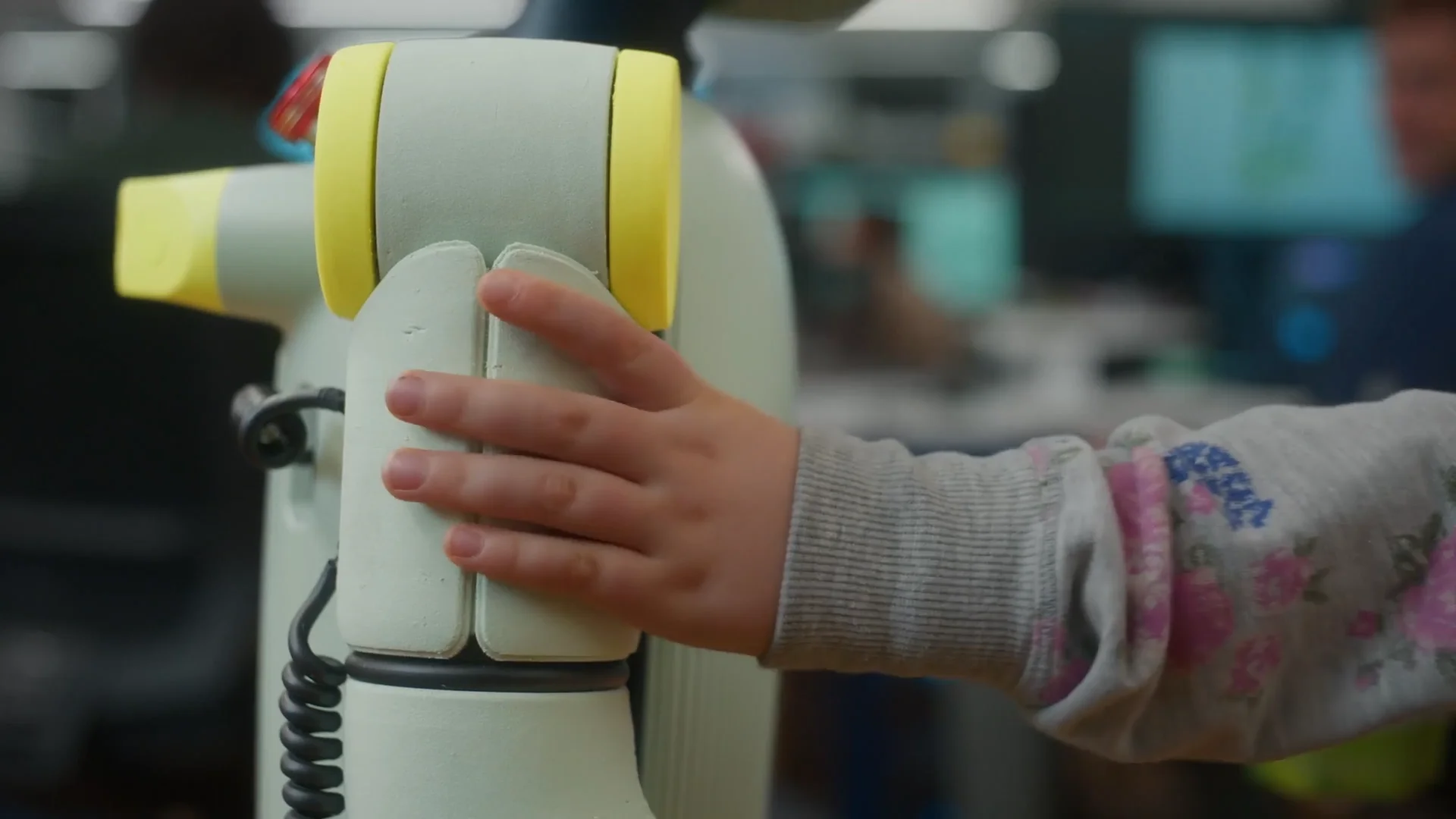
Technical Foundation and Developer Stack
Beneath its soft exterior, Sprout is a highly capable research platform. It features 29 degrees of freedom (DoF) and is powered by an NVIDIA Jetson AGX Orin 64GB. Its sensing suite includes a ZED2i stereo camera for depth perception, four Time-of-Flight (ToF) sensors for obstacle avoidance, and a four-microphone array for voice-driven interaction.
Key software highlights of the platform include:
- Modular AI Architecture: A unified stack that integrates whole-body control, manipulation, and navigation while allowing developers to swap in their own models.
- Pre-Trained Capabilities: Out-of-the-box support for behaviors like walking, kneeling, crawling, and dancing.
- VR Teleoperation: An immersive interface—compatible with Meta Quest 3—that allows operators to provide intuitive commands for dexterous tasks and collect data for imitation learning.
- Compliant Control: Software-level limits on joint torques ensure the robot yields to external forces, reducing the risk of harm during incidental contact.
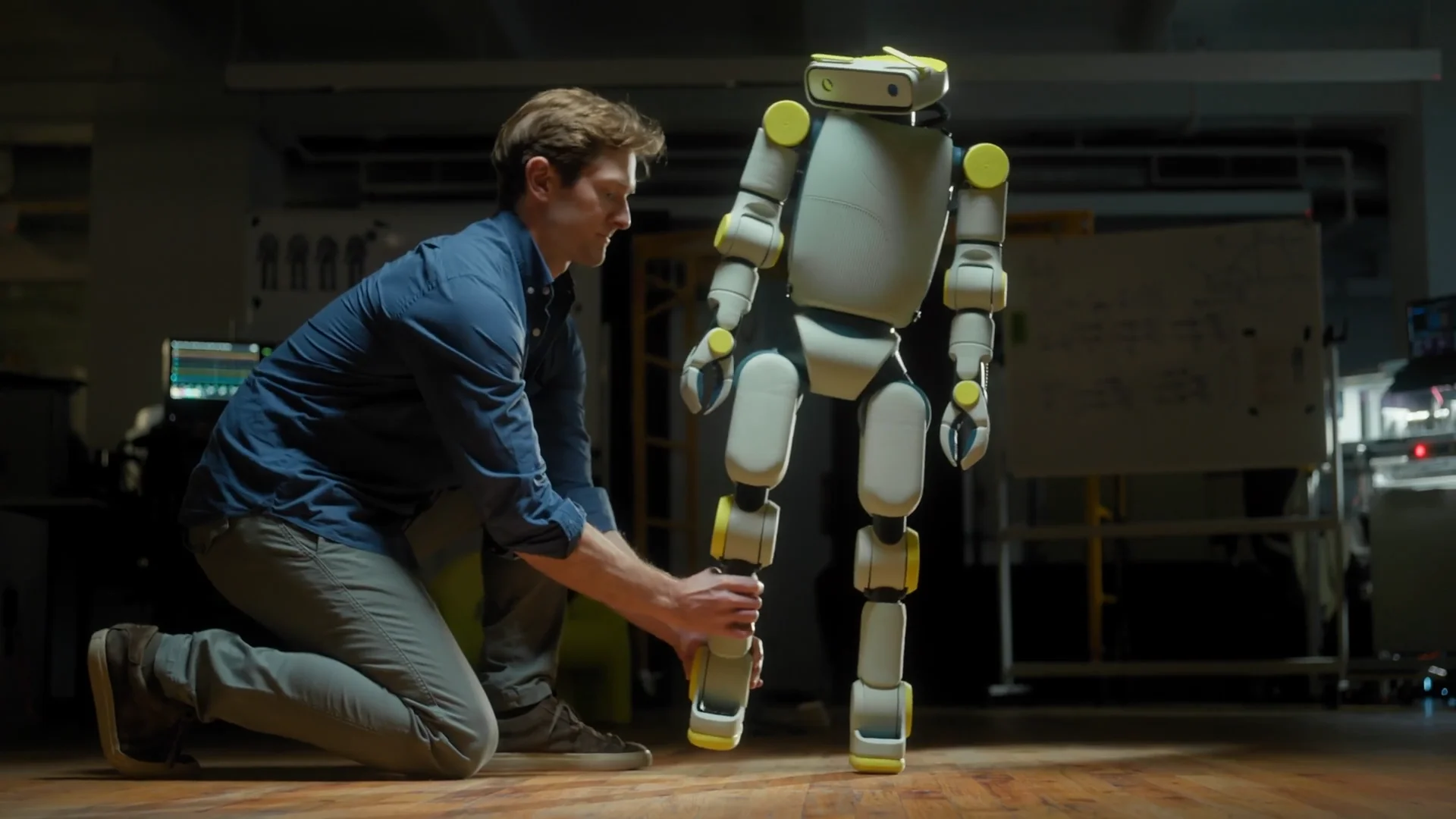
A New Era of Accessibility
The launch of the Creator Edition signals Fauna’s intent to democratize humanoid development. Early customers already include academic institutions like NYU and UC San Diego, as well as industry leaders like Disney and Boston Dynamics.
By manufacturing in the United States and providing a robust SDK, Fauna is positioning Sprout as a "canvas" for the next generation of embodied intelligence. As the industry moves toward the 2026 beta programs announced by rivals like Sunday Robotics, Fauna’s immediate shipping of a bipedal platform could give it a significant head start in the race to define the "social contract" between humans and their robotic companions.
Read more about Sprout on the Fauna Robotics Website.
Share this article
Follow humanoid robotics without following every announcement.
Get the week’s most important launches, funding and research—and why they matter—in one email from Humanoids Daily.
Once a week. Unsubscribe anytime.
Read recent issuesRead next
- Published on
- Reading time
- 3 min read
Watch: Sprout the Humanoid Robot Takes the Stage on NBC’s Top Story
- Published on
- Reading time
- 4 min read
Inside Sprout: Fauna Robotics Pulls Back the Curtain on its Soft-Bodied Humanoid
- Published on
- Reading time
- 3 min read
Amazon Acquires Soft-Bodied Humanoid Maker Fauna Robotics
- Published on
- Reading time
- 5 min read
Figure 04 Reaches Design Lock as Adcock Details a Multibillion-Dollar AI Push
- Published on
- Reading time
- 6 min read
Tesla Begins Optimus Production in Fremont, Targets Customer Deliveries in Late 2027
- Published on
- Reading time
- 3 min read
Agile Robots Unveils Agile ONE SN as NVIDIA Expands Its Isaac Robotics Platform