- Published on
HD Hyundai Wants Humanoid AI to Upgrade Its Existing Factory Robots
One tap, and our reporting appears more often in your Google Top Stories. It makes a real difference to a small newsroom.

Supported by RoboStrategySupport for Humanoids Daily comes from RoboStrategy
Sponsored
Investing involves risk, including possible loss of principal. Read the prospectus before investing.
- HD Hyundai Robotics plans to transfer AI capabilities developed for humanoids into its existing industrial and collaborative robots.
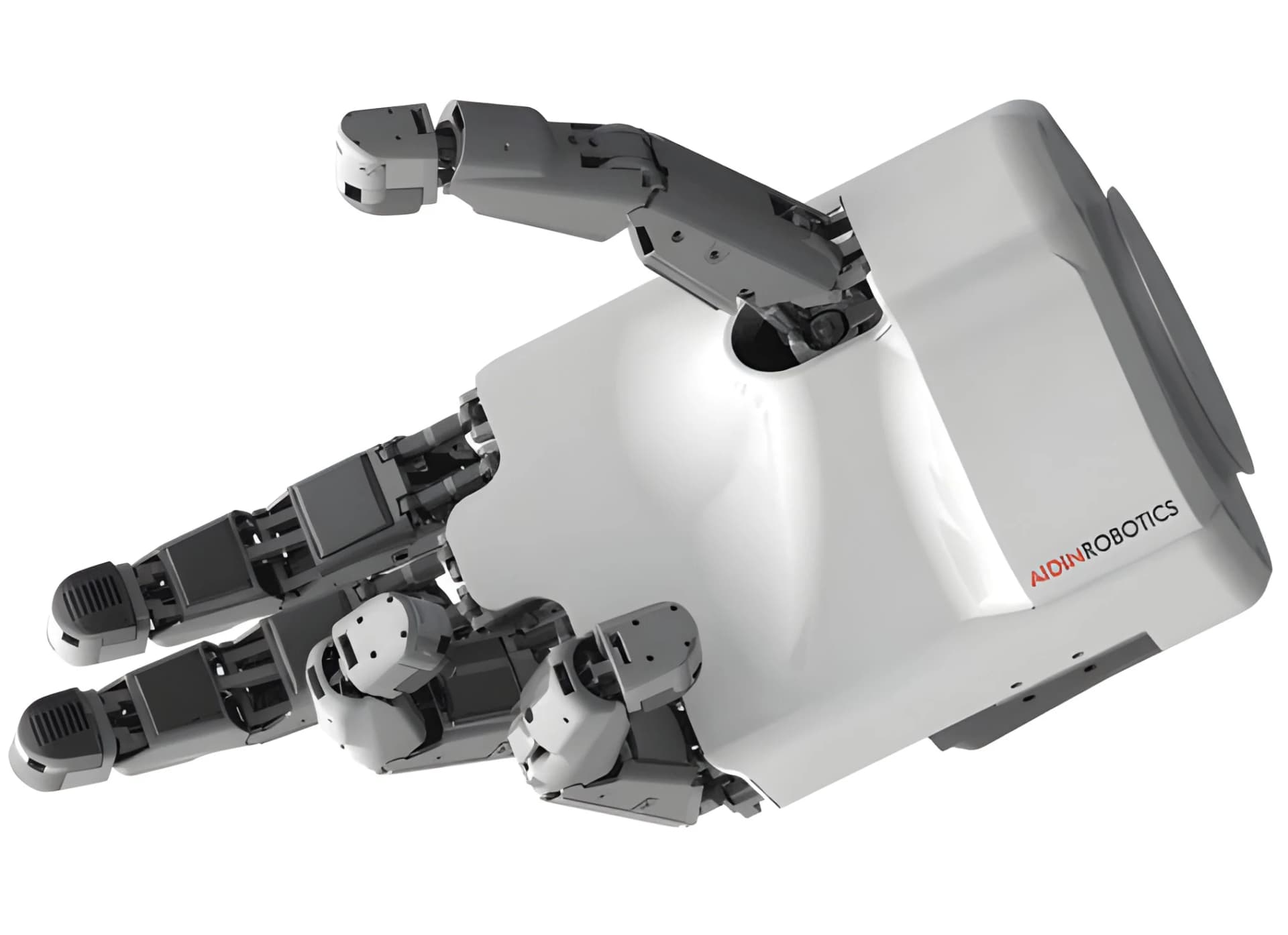
- Its recent AIDIN Robotics investment supports development of five-finger hands for heavy industry.
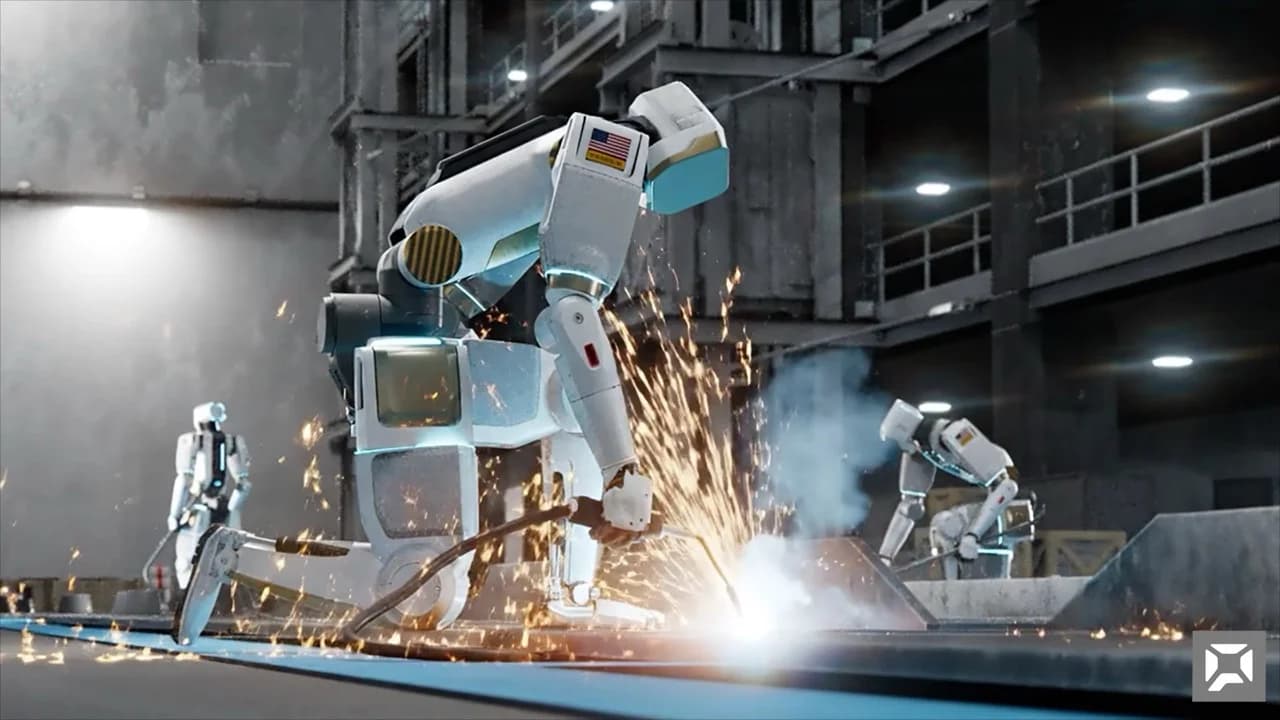
- The company also works with Persona AI on shipyard welding, contributing training data and performance validation.
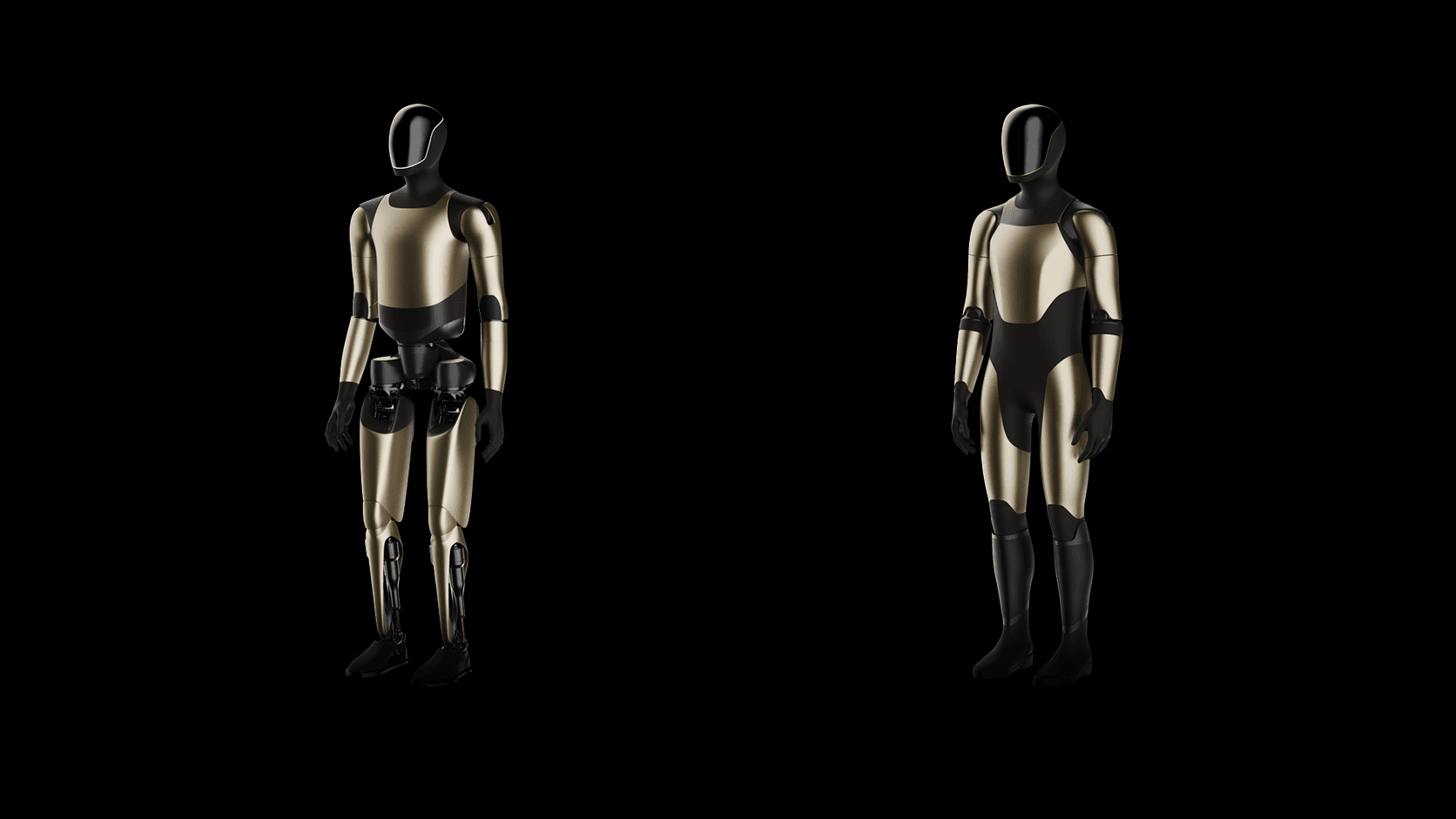
HD Hyundai Robotics is developing its own humanoid robot—and wants the AI capabilities developed for that machine to improve its existing industrial robots and collaborative robots as well.
In a September 27 written interview with Seoul Economic Daily, CTO Ahn Sung-hwan outlined plans to transfer perception, manipulation, force and tactile control, and task-planning capabilities into industrial robots and collaborative robots, or cobots.
The in-house humanoid program is at the prototype and manipulation-training stage, Ahn said, with testing planned on the company’s own controller assembly line. He gave no firm humanoid launch date. His broader ambition is a shared platform coordinating industrial robots, cobots, mobile robots and humanoids, supported by learning from manufacturing data.
HD Hyundai Robotics belongs to the HD Hyundai industrial group, separate from Hyundai Motor Group and its Boston Dynamics business.
The weekly humanoid robotics briefing
One email a week: the launches, funding and research that mattered, with context from Humanoids Daily.
Read recent issuesHands that could serve more than one robot
The strategy has a concrete component-development link. In a September 15 announcement, HD Hyundai Robotics said it had invested ₩13 billion in AIDIN Robotics, acquiring an equity stake in the sensing specialist.
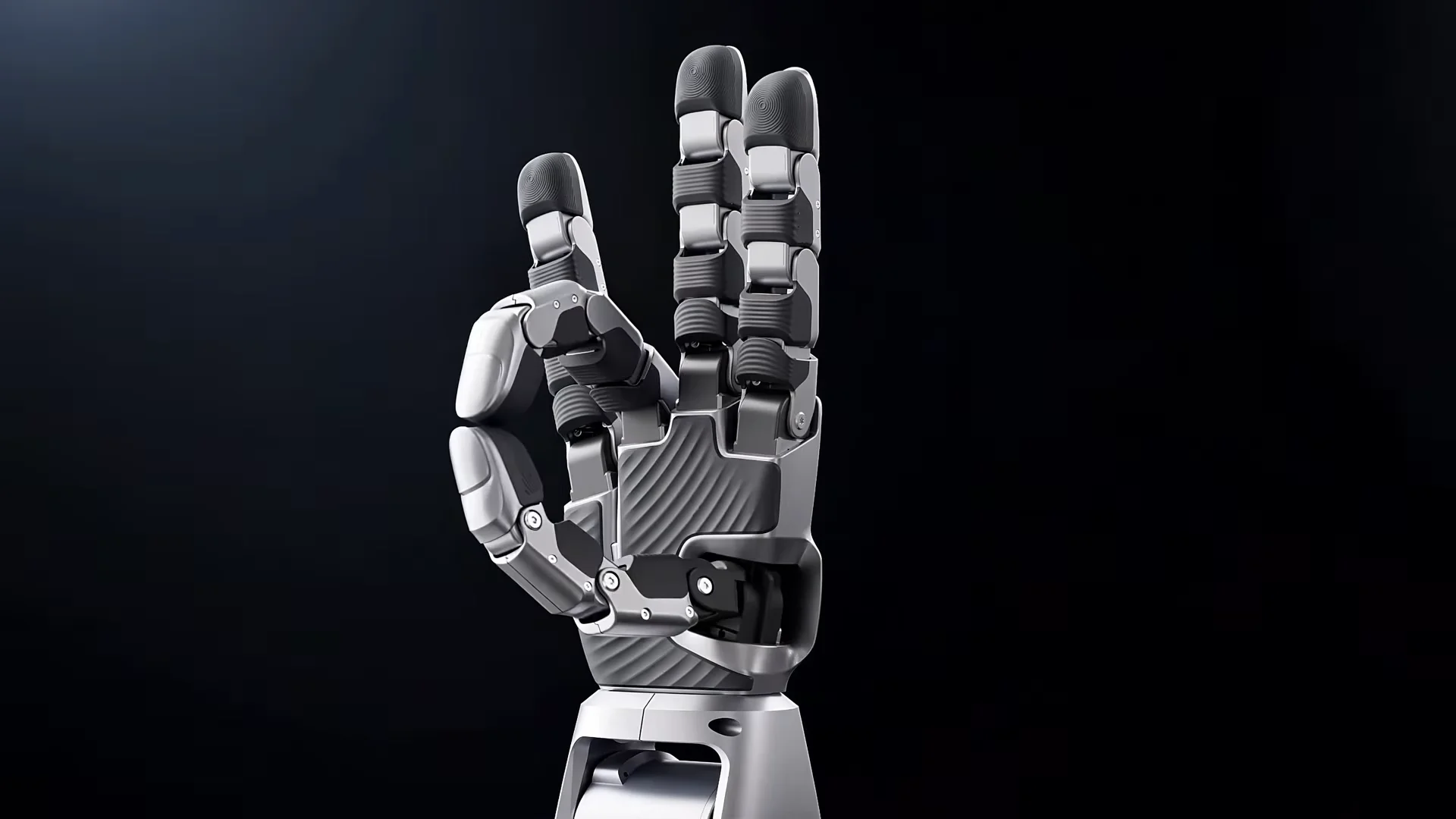
The partners plan to develop a five-finger hand for shipbuilding and heavy industry, combining force and tactile sensing with manipulation hardware. HD Hyundai says the hand will also be used in its humanoids. Their collaboration extends to proposed automation of polishing and grinding, followed by field demonstrations and commercialization.
These are development plans. The announcement does not supply production-task success rates or establish that the new hand is ready for sustained factory use.
Where Persona AI fits
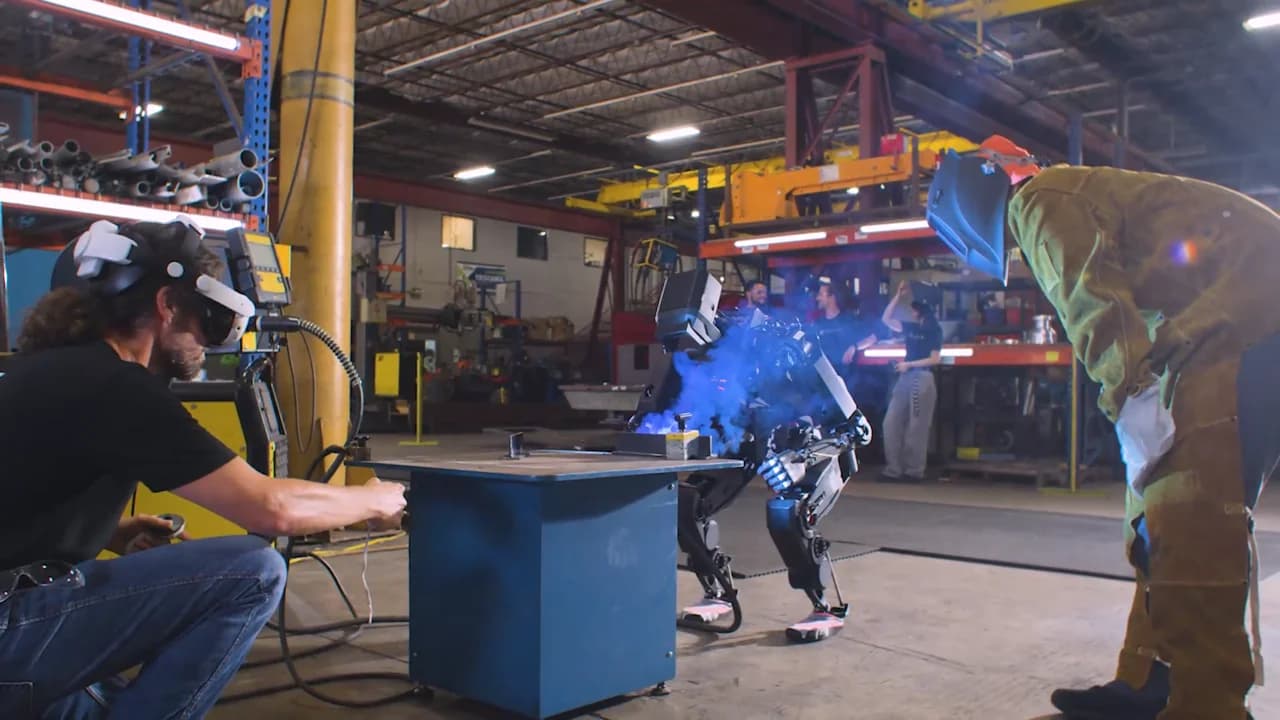
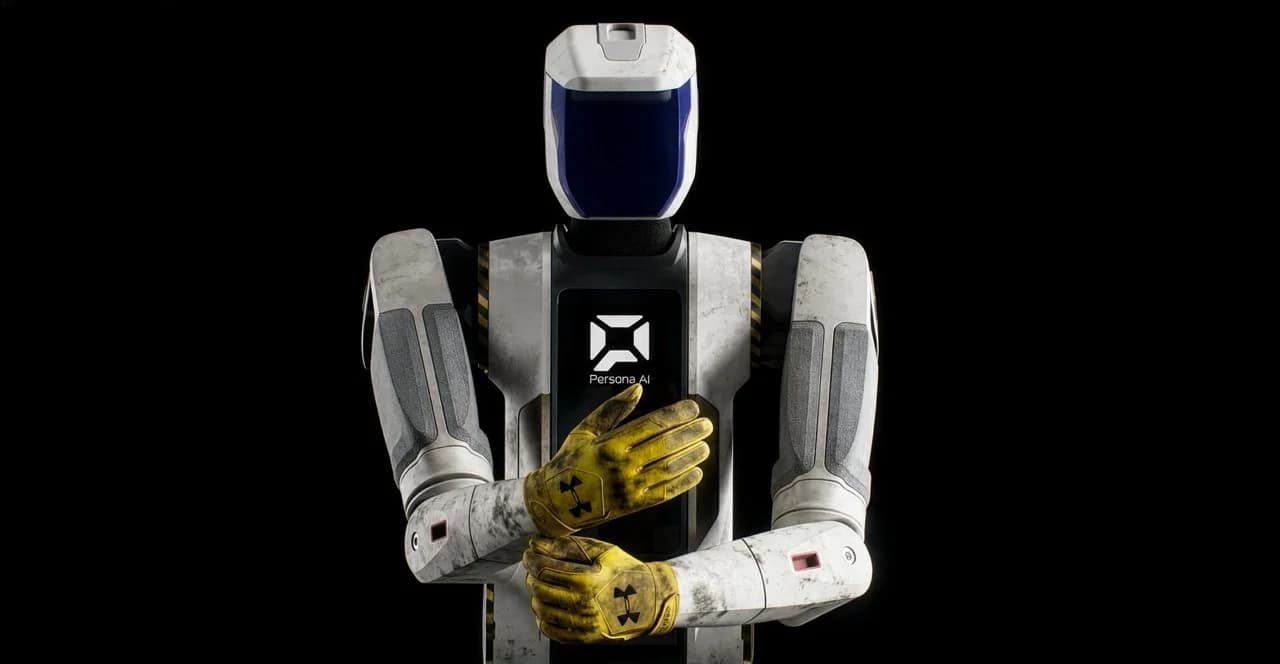
HD Hyundai Robotics is also participating in the effort to bring Persona AI’s humanoids into shipyards. As Humanoids Daily reported in August, Persona’s robots had arrived in South Korea for early integration work following a welding demonstration in Houston.
That demonstration was teleoperated: a human guided the robot through the welding task. It showed an important physical capability, but did not demonstrate autonomous welding.
The partners’ original agreement assigned humanoid hardware and AI control development to Persona, welding tools and the test environment to Vazil, and shipyard access and field engineering data to HD Korea Shipbuilding & Offshore Engineering. HD Hyundai Robotics’ role includes welding-path training data and performance validation.
That division of work illustrates why an established industrial robotics company can matter to a humanoid project beyond supplying hardware: it brings knowledge of the process the machine must perform and how to evaluate it. The Persona collaboration should nevertheless remain distinct from the in-house prototypes discussed by Ahn; the interview does not establish that they use the same hardware.
A return on humanoid research before mass deployment?
The potential commercial logic is broader than selling humanoids. If improvements in sensing, manipulation and planning can be adapted to robot arms already used in factories, the research could benefit customers who have no immediate need for a walking machine.
That is an implication of the strategy, rather than a demonstrated financial result. Transferring a capability between robot types still requires integration and validation for the particular task, hardware and safety requirements.
For readers following South Korea’s ambition to become a third major humanoid power, HD Hyundai offers a useful industrial perspective. Progress could be measured both in new humanoid deployments and in improvements to established automation. Evidence of faster commissioning, reliable handling of changing workpieces and sustained task performance would help show whether that broader payoff is arriving.
Share this article
Read next
- Published on
- Reading time
- 4 min read
Persona AI Humanoids Touch Down in Korea Following Successful Teleoperated Welding Demo
- Published on
- Reading time
- 3 min read
From Prototype to Production: Persona AI and HD Hyundai Solidify Humanoid Welding Partnership
- Published on
- Reading time
- 4 min read
Persona AI and HD Hyundai Forge Alliance for Humanoid Welding Robots in Shipyards
- Published on
- Reading time
- 3 min read
Persona AI Takes Gen 1 Humanoid for a Stroll in the Houston Heat—and It’s Wearing Under Armour
- Published on
- Reading time
- 5 min read
Industrial Armor: Persona AI and Under Armour Partner to Develop "Performance Gear" for Humanoids
- Published on
- Reading time
- 4 min read
Scaling Up: Persona AI Taps Former Amazon Robotics Exec to Lead Global Manufacturing
The weekly humanoid robotics briefing
One email a week: the launches, funding and research that mattered, with context from Humanoids Daily.
Read recent issues