- Published on
HD Hyundai Robotics Builds Its Own Robot Brain, as Skild AI Pitches Korea on Building the Bodies
One tap, and our reporting appears more often in your Google Top Stories. It makes a real difference to a small newsroom.

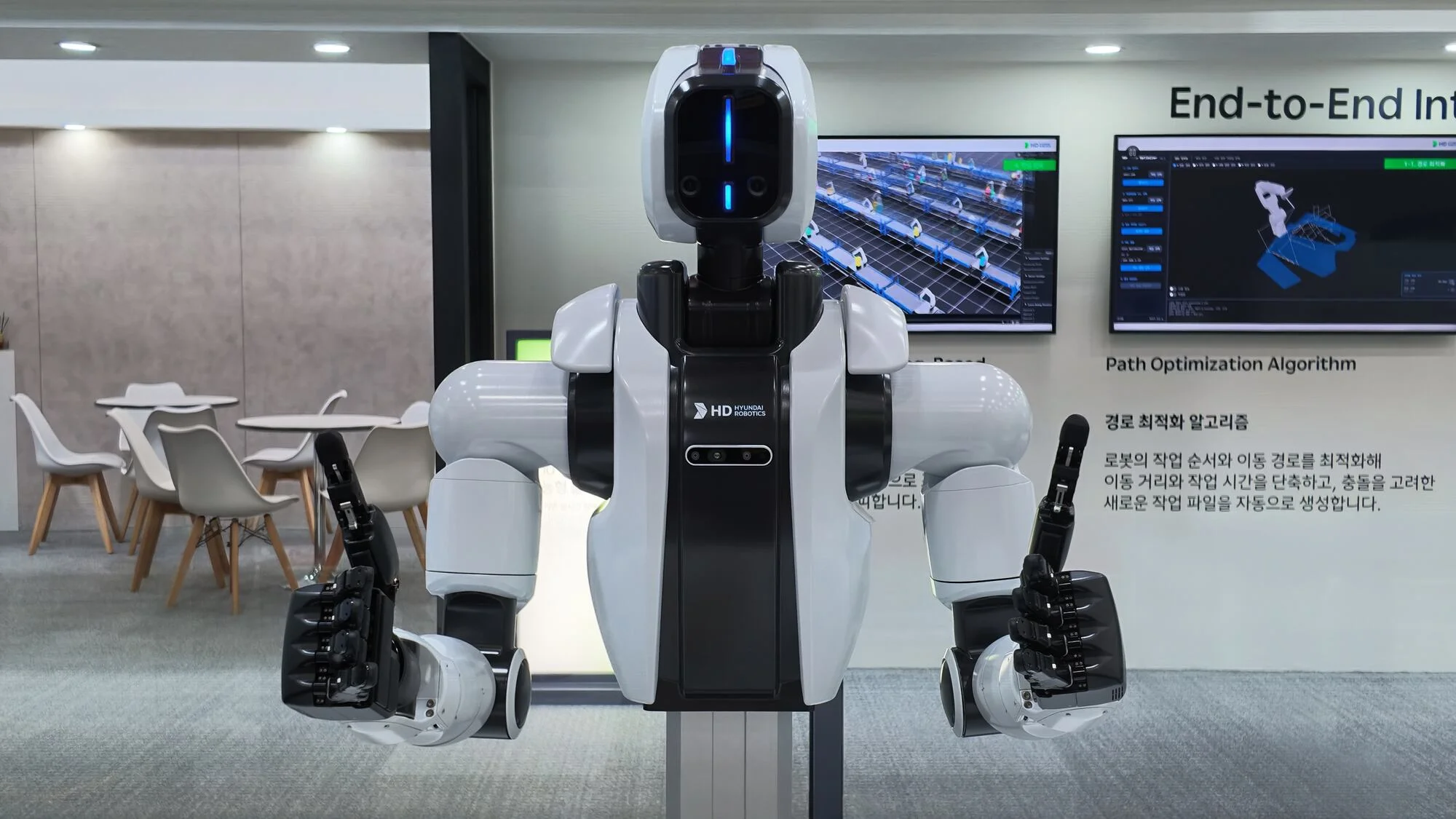
HD Hyundai Robotics has shown its first robot built around its own AI model: a dual-arm machine with five-fingered hands, running a robot foundation model the company developed in-house. The robot was unveiled at ROBEX 2026, the robot industry show held at EXCO in Daegu from 21 to 24 October alongside the Future Innovation eXpo (FIX) 2026, and the company plans to put it on kitting lines first.
- HD Hyundai Robotics' dual-arm robot has two 7 kg-payload arms with a 630 mm reach and five-fingered hands, and runs a foundation model developed in-house.
- It will start on a wheeled base in kitting, move on to welding and painting, and gain legs later.
- AI agents built with Palantir since August have cut HD Hyundai Robotics' average time to resolve problems from 21.5 days to 7.9 days, according to the company.
- In Seoul the same week, Skild AI CEO Deepak Pathak said Korea's strength is robot hardware, and that Skild wants Korean motor and actuator makers as partners for its model.
The robot
The machine has a humanlike upper body: two arms, each with a 7 kg payload and a 630 mm working radius, ending in five-fingered hands. HD Hyundai Robotics says its built-in model lets the robot perceive its surroundings and generate its own motions for a task, so programmers don't have to specify each sequence and position in advance. The company also plans to improve its handling of contact with objects using force and tactile sensors. It has not published task success rates or cycle times.
The rollout plan runs in stages. The robot will sit on a wheeled mobile platform at first, working in kitting, where parts are sorted and prepared for assembly, then move into welding, painting and other manufacturing work. Bipedal walking is planned for a later stage.
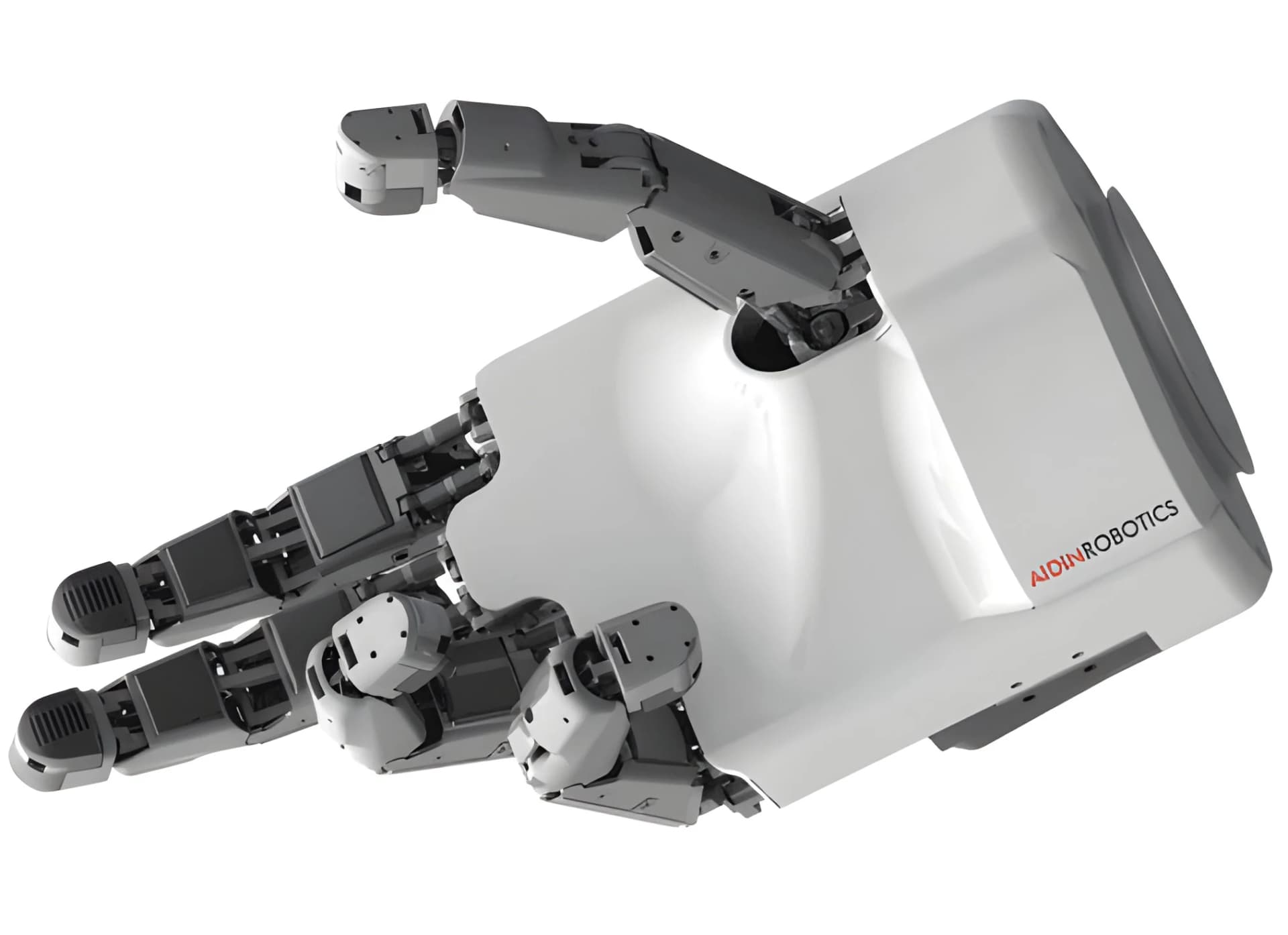
This is the first hardware to come out of the humanoid program that CTO Ahn Sung-hwan described in September. At that time the program was at the prototype and manipulation-training stage, with testing planned on the company's own controller assembly line, and Ahn said the goal was to carry the same perception and manipulation capabilities into HD Hyundai Robotics' conventional industrial robots and cobots. The five-fingered hands fit the ₩13 billion investment in sensing specialist AIDIN Robotics announced in September, which was aimed at a jointly developed hand for heavy industry.
Follow humanoid robotics without following every announcement.
Get the week’s most important launches, funding and research—and why they matter—in one email from Humanoids Daily.
Once a week. Unsubscribe anytime.
Read recent issuesHD Hyundai Robotics is an affiliate of the HD Hyundai industrial group, which is separate from Hyundai Motor Group and its Boston Dynamics business. The group is also working with Persona AI on humanoid welding in its shipyards.
The Palantir numbers
Ahn also gave a keynote on the companies' joint work at Palantir's Sovereignty Bootcamp in New York, which HD Hyundai Robotics announced on 2 November. Since August, HD Hyundai Robotics and Palantir have introduced AI agents that the company says cut its average problem-resolution time by about 63%, from 21.5 days to 7.9 days. HD Hyundai Robotics expects the work to reduce robot programming costs by more than 50%.
The agents support the engineers who troubleshoot and program robots. They are not the model that controls the new dual-arm machine. The company has not said which kinds of problems the 21.5-day average covered.
HD Hyundai Chair Chung Ki-sun agreed with Palantir CEO Alex Karp to broaden the strategic partnership when the two met at the World Economic Forum in Davos in January. Palantir's software is now being rolled out across several HD Hyundai affiliates, including HD Hyundai Electric and HD Hyundai Marine Solution as well as the robotics unit.
Skild AI's pitch to Korea
HD Hyundai Robotics is building both the body and the model. Skild AI is asking Korean manufacturers to do only the first part.
Deepak Pathak, Skild AI's co-founder and CEO, was in Seoul this week for Deep Dive Into 2026, a technology forum hosted by the Ministry of SMEs and Startups. In an interview with Seoul Economic Daily on 10 November, he said few countries outside China have real strength in robot hardware, and that Korea is one of them, particularly in motor design. He put motors at about half a robot's cost. Skild's stated plan is to partner with Korean motor and actuator makers, and the paper reported that Pathak was expected to meet LG Group and other large Korean companies during the visit. No partnership was announced.
The Pittsburgh company sells S1, its foundation model, and Skild Brain, the system built on it, for humanoids, quadrupeds and robot arms from any manufacturer. Samsung and LG are both investors, alongside SoftBank, NVIDIA's NVentures and Bezos Expeditions, and the company was valued at more than $14 billion in its $1.4 billion Series C in January. LG Chairman Koo Kwang-mo met Pathak and co-founder Abhinav Gupta in Silicon Valley in April.
Pathak also described two Korean deployments. At an LG Group battery plant, Skild's robots handle chemicals that are hazardous for people to work with, while workers control them from outside the area. Seoul Economic Daily also reported that the system automates food packaging at a Market Kurly distribution center.
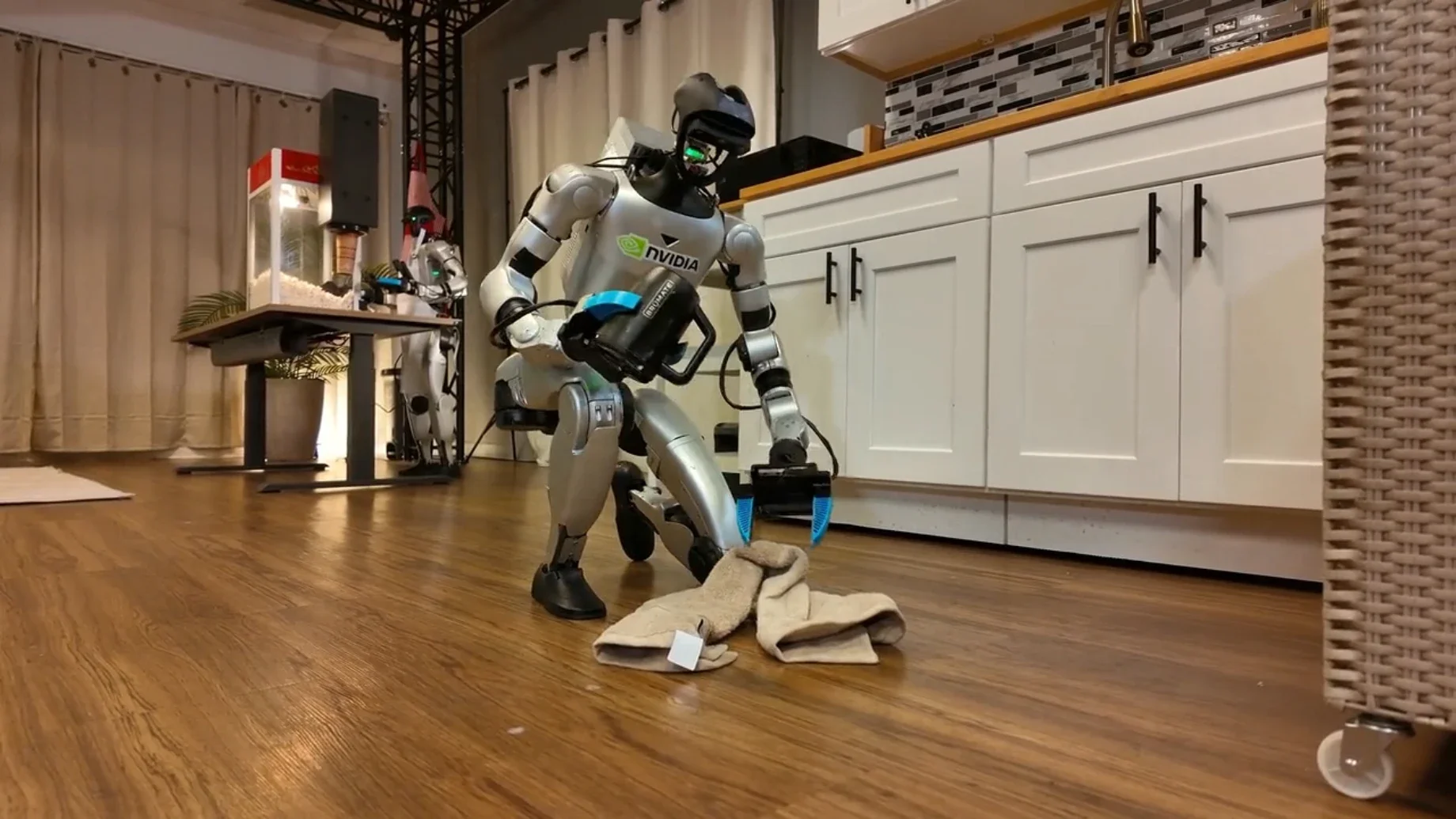
He gave new figures for the Houston line where Skild robots assemble NVIDIA Blackwell systems, a deployment Humanoids Daily covered in September as a project with Foxconn and NVIDIA. According to Pathak, the line has run since June, and setting it up took about three hours of data collection, two days of robot training and three days of installation, without changes to the existing equipment.
His case for focusing on the model rather than the body rests on hardware limits. He said no robot hand can yet run more than 100 hours continuously at high quality, and that a capable model can get useful work out of a simple gripper. He expects robots to spread through factories within one to two years, and said those deployments will need models that run on the robot itself, because many sites cannot use the cloud.
Korean hardware, foreign brains
Skild is the latest foreign robotics company to look to Korea for parts. Boston Dynamics has lined up Korean suppliers for Atlas, and its battery pack will reportedly use 70 Samsung SDI cells. At home, KIST says its KAPEX humanoid now uses over 90% Korean-made core components, and the government has committed ₩2.3 trillion to a full-stack humanoid ecosystem by 2030.
Korean robot makers are choosing differently on the model. LG plans to build its next-generation humanoid on NVIDIA's Isaac GR00T, while also investing in Skild. HD Hyundai Robotics is training its own.
Share this article
Follow humanoid robotics without following every announcement.
Get the week’s most important launches, funding and research—and why they matter—in one email from Humanoids Daily.
Once a week. Unsubscribe anytime.
Read recent issuesRead next
- Published on
- Reading time
- 9 min read
"Robotics Is No Longer an Elitist Sport": NVIDIA Unveils GR00T 2 and Open-Sources the Stack Behind It
- Published on
- Reading time
- 2 min read
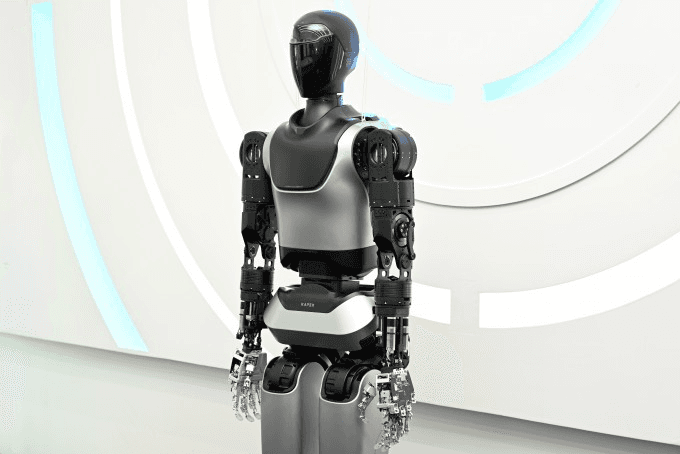
KIST’s KAPEX Humanoid Reportedly Uses Over 90% Korean-Made Core Components
- Published on
- Reading time
- 3 min read
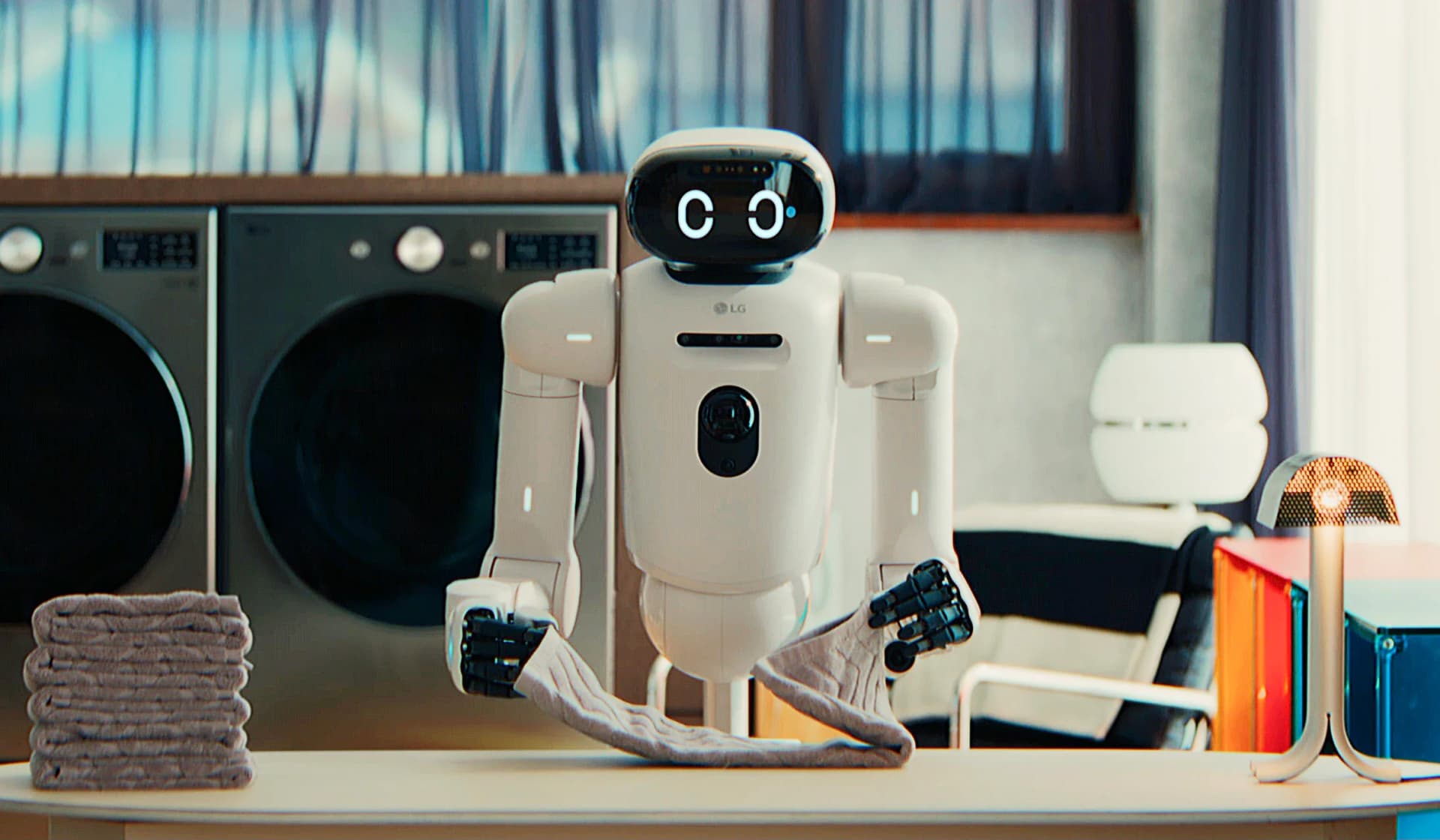
LG Targets Home Humanoids Around 2030, With Robots and Appliances Designed to Work Together
- Published on
- Reading time
- 5 min read
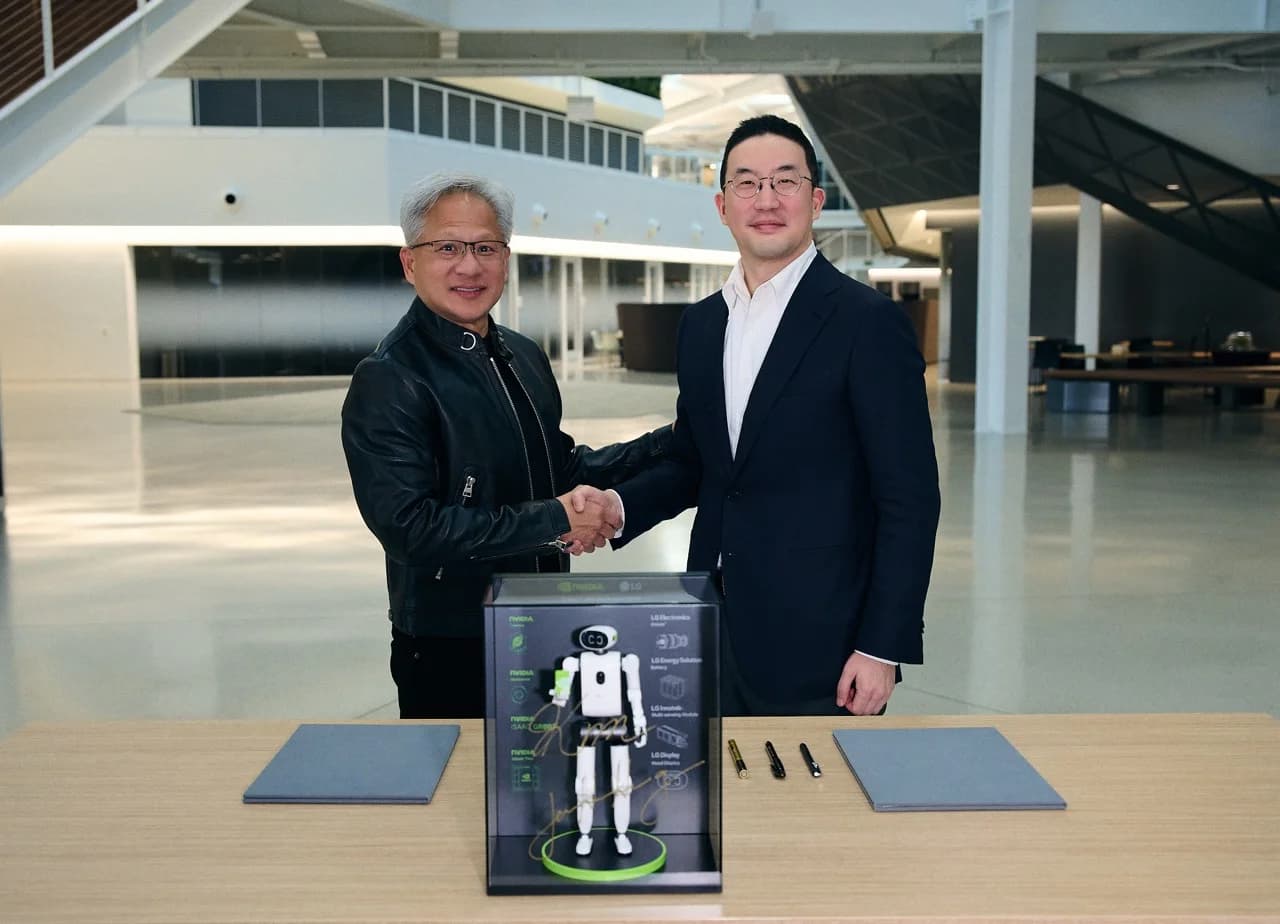
LG to Unveil Next-Gen Humanoid Built on NVIDIA Isaac GR00T in Early 2027
- Published on
- Reading time
- 4 min read
The "One LG" Play: How the Korean Giant is Engineering a Humanoid Supply Chain
- Published on
- Reading time
- 4 min read
HD Hyundai Wants Humanoid AI to Upgrade Its Existing Factory Robots