- Published on
Home Truths: Why the Humanoid Butler Is Further Away Than It Looks
One tap, and our reporting appears more often in your Google Top Stories. It makes a real difference to a small newsroom.

- Agility has issued a sobering assessment of the domestic robotics market, citing capability, safety, and cost as massive structural barriers to home deployment.
- Unlike large language models trained on abundant internet text, embodied AI suffers from a critical scarcity of real-world physical interaction and locomotion data.
- American competitors like 1X Technologies and Sunday Robotics are pushing aggressive home timelines for late 2026, while Figure AI targets home capability but acknowledges the "long tail" of domestic edge cases.
- Chinese challenger GigaAI is bypassing industrial steps entirely, aiming to deploy 100 pilot units of its wheeled SeeLight S1 domestic butler to employees before expanding to public trials in 2027.
The robotics industry is currently locked in a high-stakes marketing war over who will put the first general-purpose robot into a consumer's home. In recent months, Silicon Valley has treated the domestic sphere as an imminent frontier. We have seen bipedal platforms rehearsing bedroom resets, wheeled machines competing in highly publicized dishwasher wars, and pre-order books filling up for domestic androids slated to ship by the end of 2026.
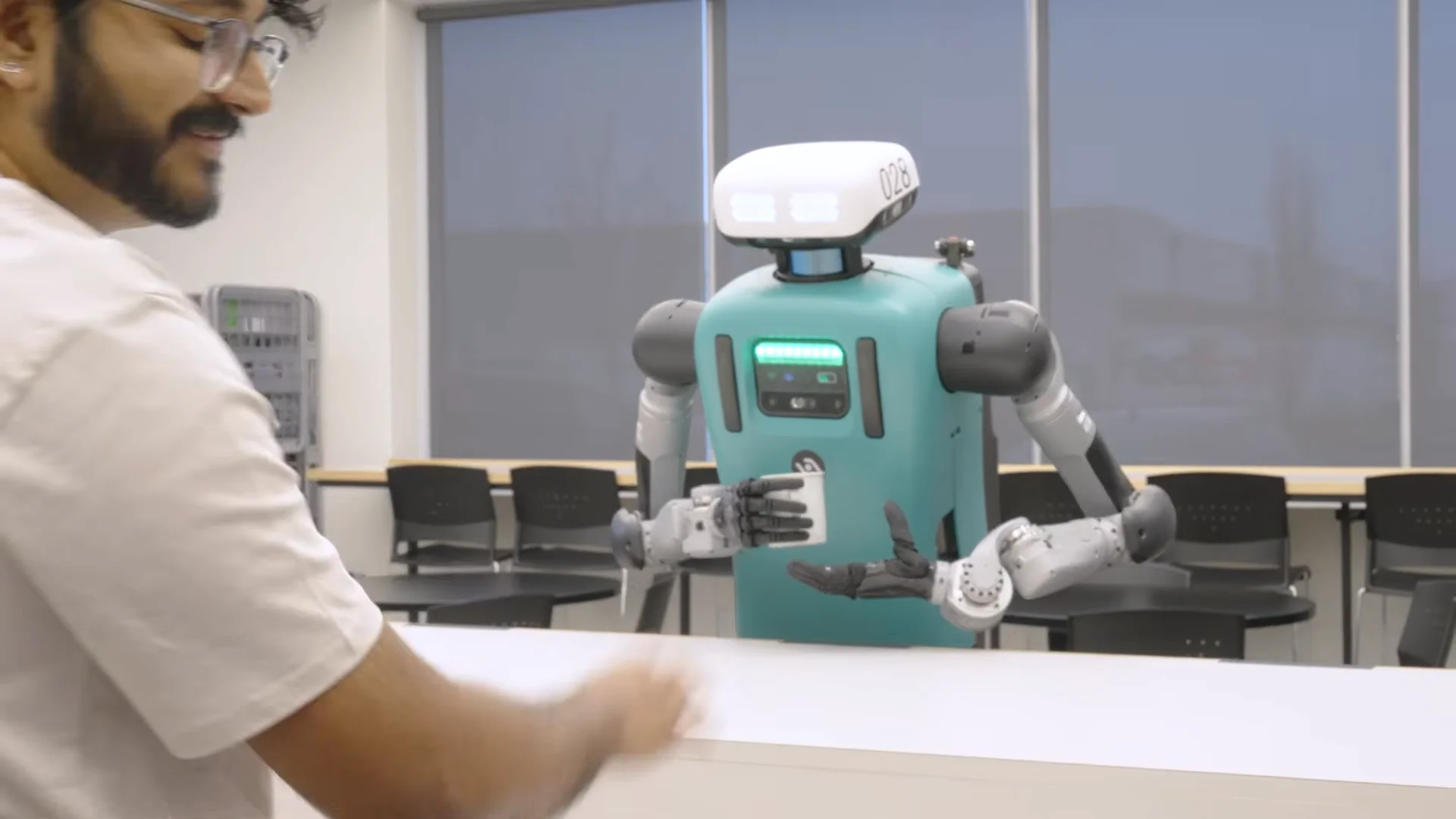
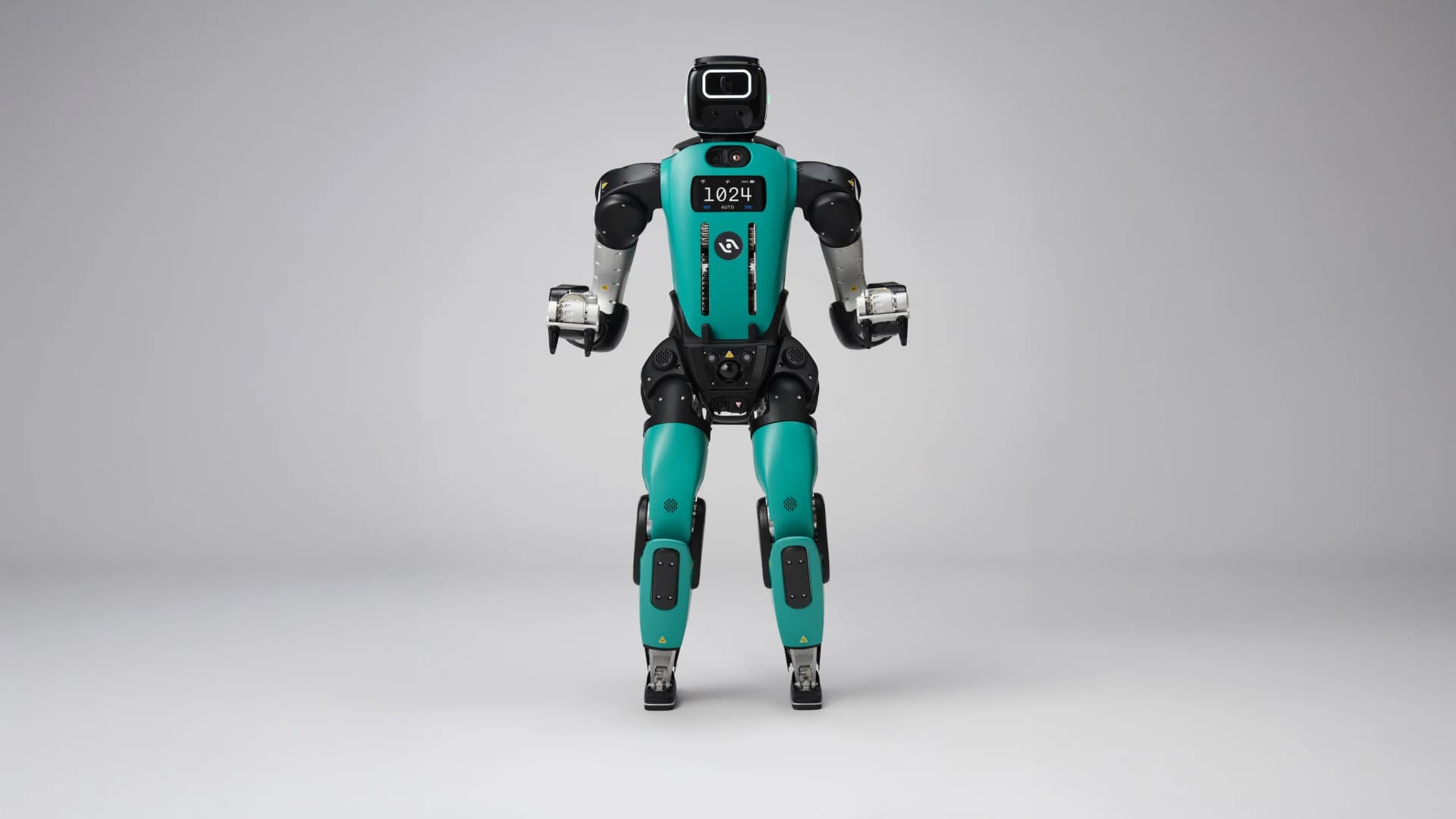
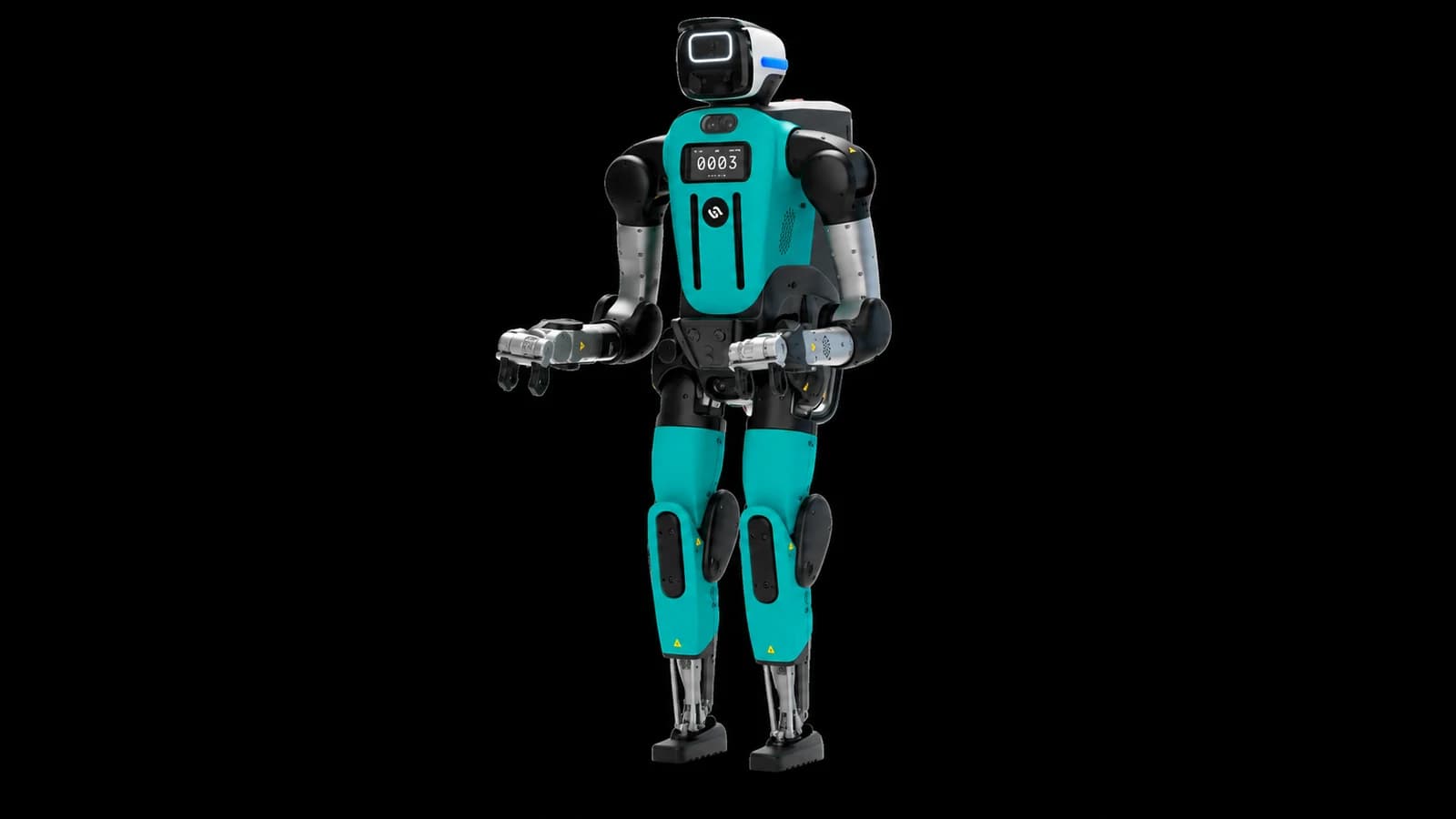
However, Agility—the company behind the bipedal Digit robot—has published a remarkably candid, sobering reality check. In a detailed breakdown of the consumer market, the pioneer of mature automation solutions argues that the broader industry is making unrealistic promises. According to Agility, three massive barriers—software capability, hardware economics, and third-party validated safety—stand between today's laboratory prototypes and the "messy reality" of the family living room.
The Data Deadlock: LLMs vs. Embodied AI
A central thesis of Agility’s critique targets a foundational misunderstanding about artificial intelligence: the assumption that rapid breakthroughs in large language models (LLMs) will naturally translate into physical competence.
The software architectures powering today's conversational systems were built on top of a massive, virtually free reservoir of human text and imagery spanning the entire internet. Conversely, no corresponding reservoir of locomotion or tactile interaction data exists for hardware platforms. Training a robot to move safely and autonomously through space requires coordinating disparate datasets—ranging from velocity and contact dynamics to changing lighting conditions and joint limits.
The weekly humanoid robotics briefing
One email a week: the launches, funding and research that mattered, with context from Humanoids Daily.
Read recent issuesAgility warns that public perceptions are being heavily skewed by teleoperated demonstrations—which the company explicitly calls a "deceptively disguised trick." While a robot may appear to autonomously navigate a crowd or execute a complex task on camera, it is frequently being puppeteered by a human operator wearing a virtual reality headset or tracking gloves out of sight.
Even as companies like Figure advance their "pixels-to-torque" networks via systems like the Helix 02 neural network, the gap between structured commercial work and the unconstrained chaos of a home remains vast. Warehouses and factories operate under highly regulated, predictable conditions. The home, by contrast, changes minute by minute, requiring a scale of scenario planning that exponentially exceeds what is needed for industrial material handling or even self-driving cars.
The Industrial Runway vs. Direct-to-Home Gambits
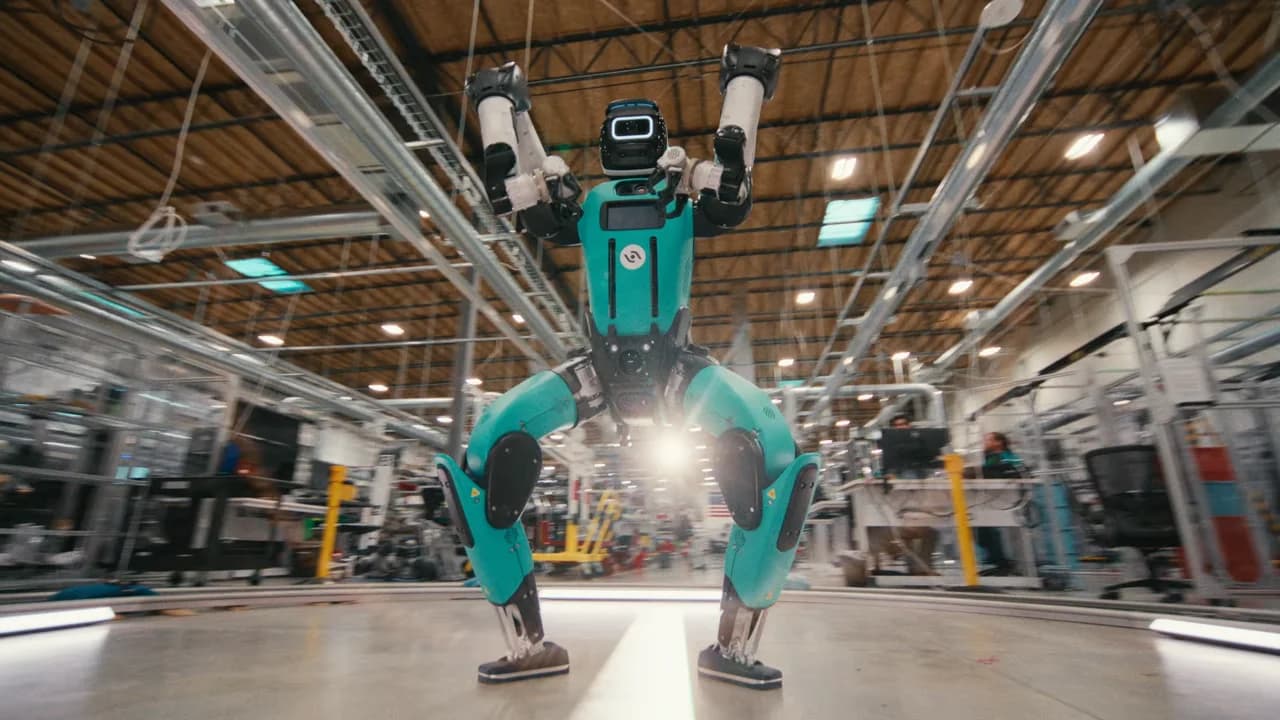
This technical bottleneck has divided the industry into two distinct philosophical camps. Agility's strategy relies on a deliberate, industrial-first approach. By deploying Digit to move boxes, palletize, and depalletize for enterprise customers like Toyota and the ongoing pilot at a Schaeffler auto-parts plant, the company can accumulate millions of cycles of real-world operational data.
This commercial runway is also designed to solve the problem of manufacturing economics. For a home robot to achieve widespread consumer adoption, its final price tag must drop to roughly the cost of a family car. By scaling production lines for industrial clients first, Agility intends to drive down component costs before shifting to consumer-scale manufacturing.
Share this article
Read next
- Published on
- Reading time
- 7 min read
Agility's Investor Day: Digit 5 Launches at a $150,000 Bill of Materials, and Its $300M Order Unlocks Skill by Skill
- Published on
- Reading time
- 2 min read
Agility Hosts Analyst & Investor Day Today, With Digit 5 and Scaling Plans in Focus
- Published on
- Reading time
- 2 min read
Agility CEO Peggy Johnson Joins Project Meridian, Bringing Humanoid Logistics Expertise to Defense Study
- Published on
- Reading time
- 3 min read
Agility and FORT Extend Digit 5’s Safety Systems Beyond the Robot
- Published on
- Reading time
- 4 min read
Agility’s Digit 5 Reveal Includes a Wheeled Robot Concept
- Published on
- Reading time
- 8 min read
Uncaged: Agility CEO Peggy Johnson and Co-Founder Jonathan Hurst Detail Digit 5 Architecture, AI Stack, and Supply Chains


The weekly humanoid robotics briefing
One email a week: the launches, funding and research that mattered, with context from Humanoids Daily.
Read recent issues