- Published on
NEURA Launches HealthTech Unit, With MiPA on Its Healthcare Roadmap
One tap, and our reporting appears more often in your Google Top Stories. It makes a real difference to a small newsroom.


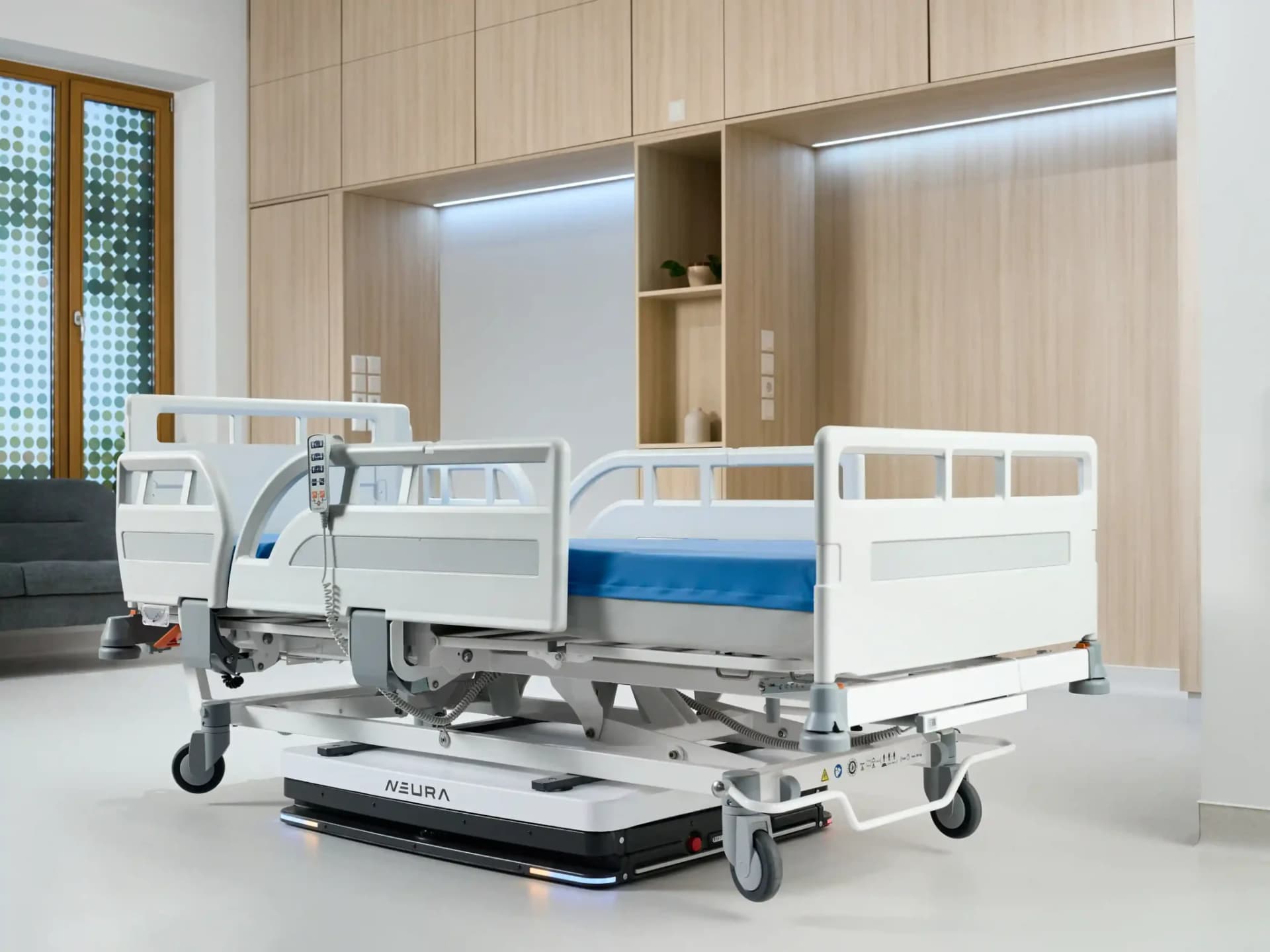
NEURA Robotics has established NEURA HealthTech, a dedicated business unit for healthcare and life sciences. Its first application is an autonomous mobile platform for transporting empty hospital beds, with the company's wheeled service robot MiPA intended to follow.
- NEURA HealthTech gives the company a dedicated healthcare business, led by Sven Lange.
- The initial platform moves empty beds; MiPA is being trained for patient-room assistance and medication support.
- The announcement sets out a healthcare expansion across several robot types, without announcing a role for the bipedal 4NE-1.
According to NEURA's September 30 announcement, MiPA is training in its Gyms and pilot environments. MAiRA robot arms are also planned for instrument assistance and internal logistics.
The bed-moving platform will be offered through partners on a monthly Robotics-as-a-Service basis. NEURA estimates that around 20 moves daily could save a facility more than 1,300 staff hours annually. That is a company projection, not a published hospital trial result. The platform is for empty beds, not patient transport.
Where MiPA fits
MiPA is NEURA's wheeled personal-assistant platform. Its product page describes modular hardware, configurable software and developer access to data and APIs, allowing integrators to adapt it to different service tasks. Navigation combines mapping, LiDAR and planning, while interfaces include voice, gestures and touch.
The weekly humanoid robotics briefing
One email a week: the launches, funding and research that mattered, with context from Humanoids Daily.
Read recent issuesThose features help explain its place in a healthcare portfolio: mobility, interaction and configurable attachments can support different workflows without requiring a legged machine. They do not, by themselves, demonstrate that the robot can perform clinical tasks reliably. The healthcare announcement does not specify what “medication support” entails or give a launch date for MiPA's hospital application.
A dedicated business around the robots
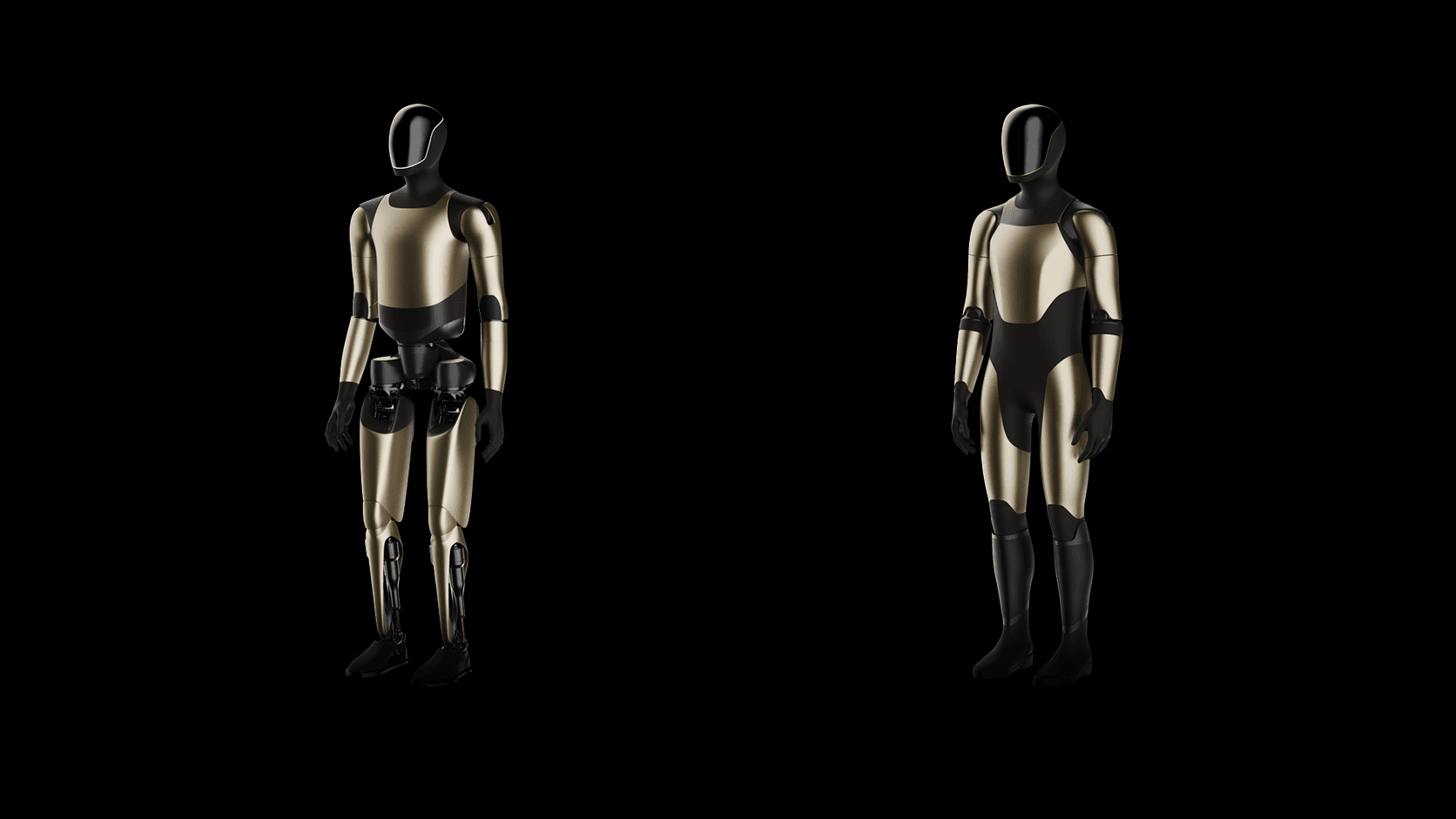
We previously covered MiPA's unveiling alongside the next-generation 4NE-1 at Automatica 2025. The latest announcement gives that broader service-robot portfolio a specific sector to address.
The distinction matters for readers following NEURA primarily as a humanoid developer. Hospital automation encompasses transport platforms, robot arms and mobile assistants, each suited to different jobs. A dedicated healthcare unit can organize those products around the requirements of hospitals rather than a single robot shape.
For prospective customers, the next evidence to watch is operational: named installations, measured staff time saved, intervention rates and the cost of keeping the systems running. Moving beds offers a concrete starting point; MiPA's planned patient-room role will require its own demonstration of useful, dependable assistance.
Share this article
Read next
- Published on
- Reading time
- 25 min read
The Humanoids of Europe: Built by Their Customers
- Published on
- Reading time
- 5 min read
NEURA Robotics and SECO Team Up to Scale European Physical AI Hardware
- Published on
- Reading time
- 6 min read
NEURA Robotics Secures Record $1.4 Billion Series C, Led by Tether, to Build the "Machine Economy"
- Published on
- Reading time
- 4 min read
NEURA Robotics and TUM Launch Europe’s Largest Physical AI Training Center
- Published on
- Reading time
- 3 min read
Neura Robotics and Qualcomm Partner to Standardize "Brain and Nervous System" for Physical AI
- Published on
- Reading time
- 4 min read
Neura Robotics Reportedly Secures €1 Billion from Tether to Scale Humanoid Vision

The weekly humanoid robotics briefing
One email a week: the launches, funding and research that mattered, with context from Humanoids Daily.
Read recent issues