- Published on
XPENG Lines Up Humanoid Suppliers Ahead of Year-End Production Target
One tap, and our reporting appears more often in your Google Top Stories. It makes a real difference to a small newsroom.

Supported by RoboStrategySupport for Humanoids Daily comes from RoboStrategy
Sponsored
Investing involves risk, including possible loss of principal. Read the prospectus before investing.
- XPENG held its first robotics supply-chain partner conference on September 22, bringing together suppliers of joint modules, actuators and precision structural parts.
- The company says it has signed supplier designation agreements and is scheduling production, while retaining its target of mass production by the end of 2026 and market launch and deliveries in 2027.
- The announcement puts component supply at the center of IRON’s next phase, echoing the manufacturing questions behind Tesla’s reported Ningbo audits and Apptronik CEO Jeff Cardenas’s warning about U.S. parts shortages.
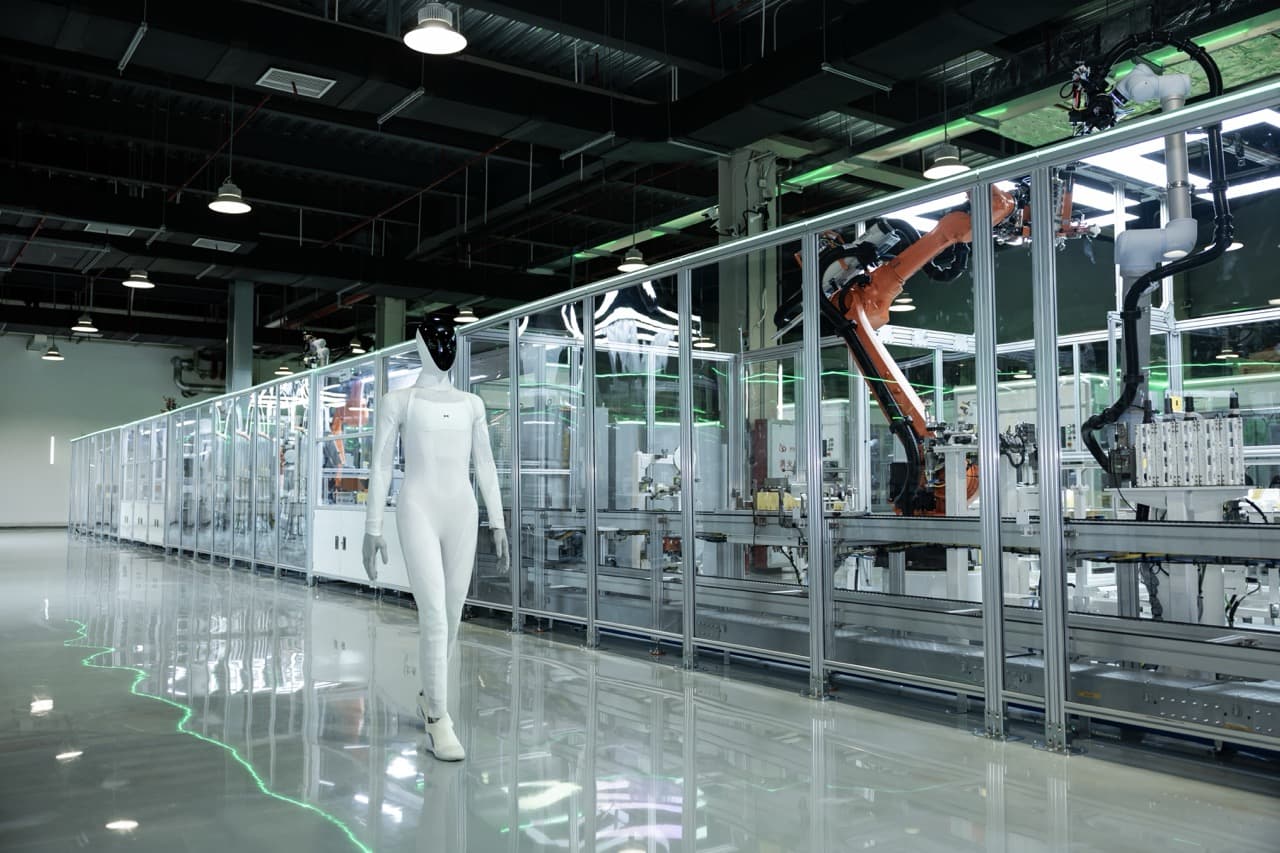
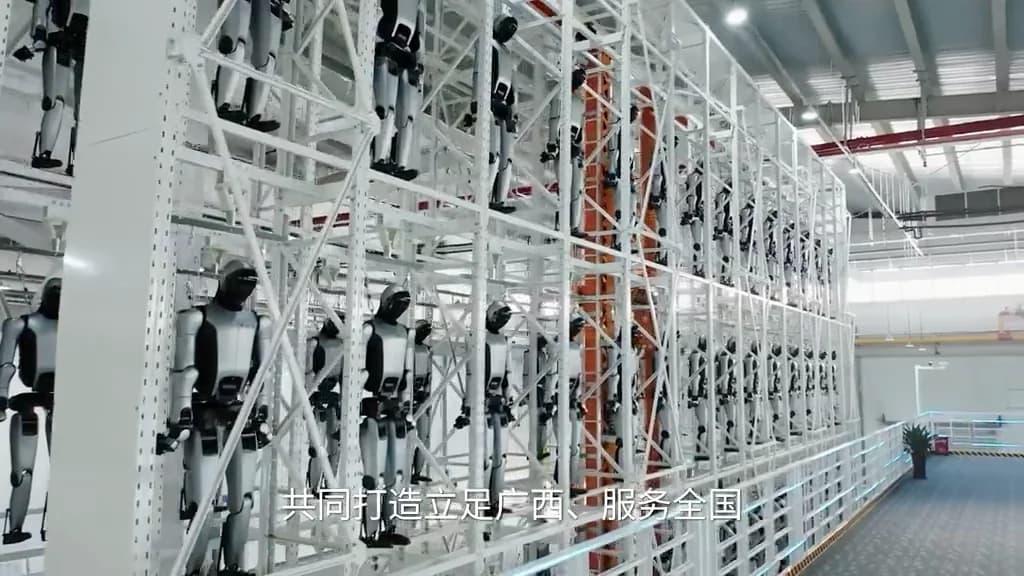
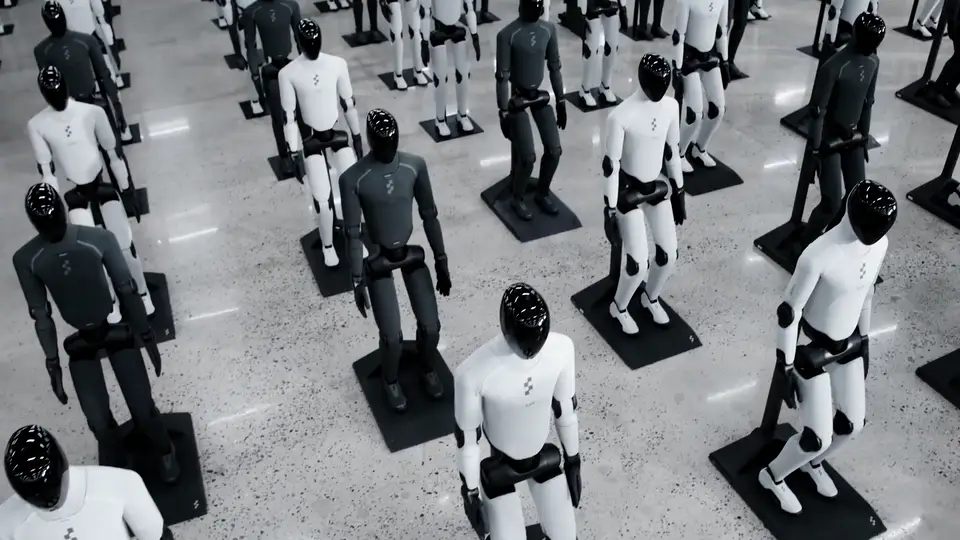
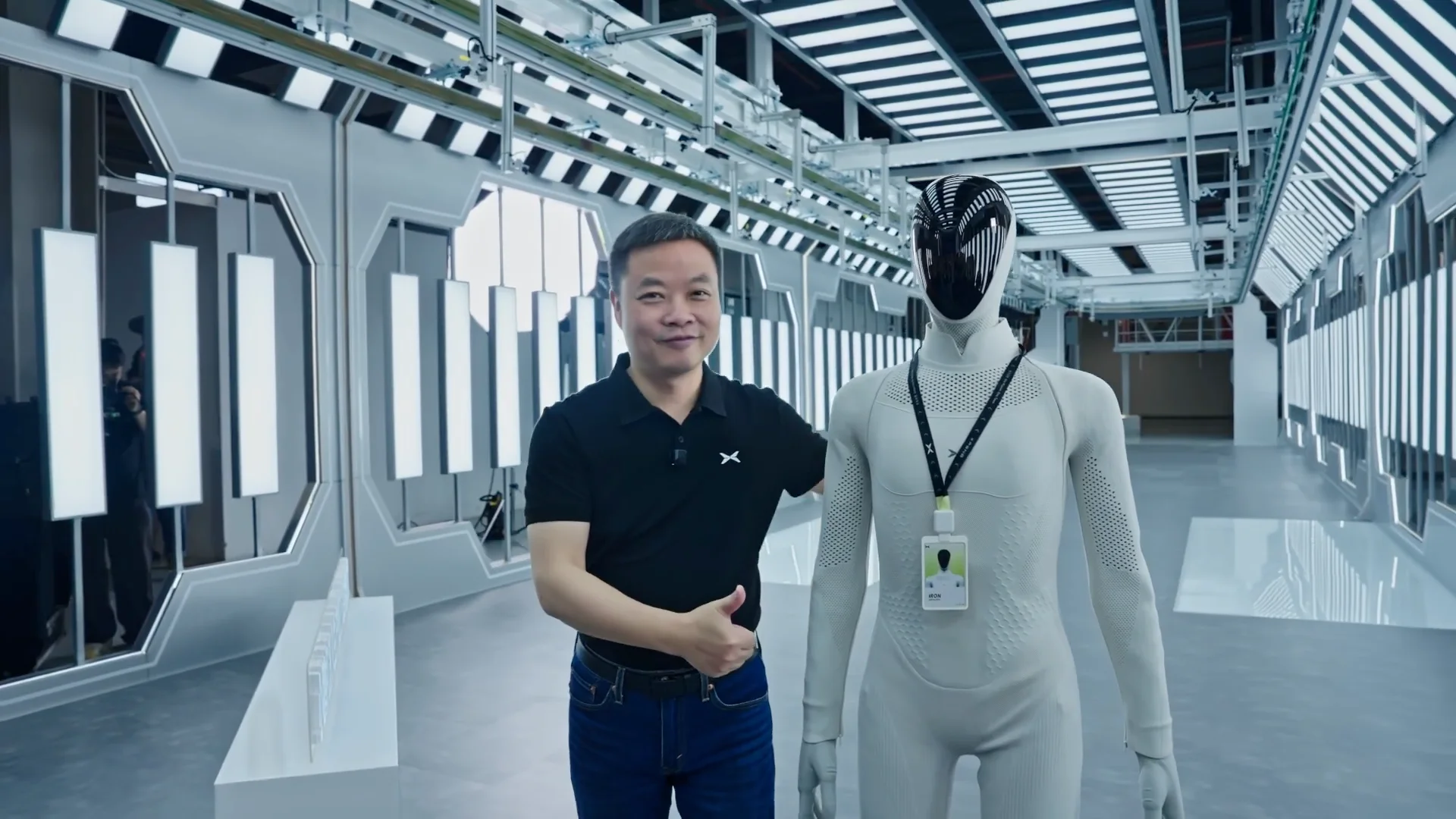
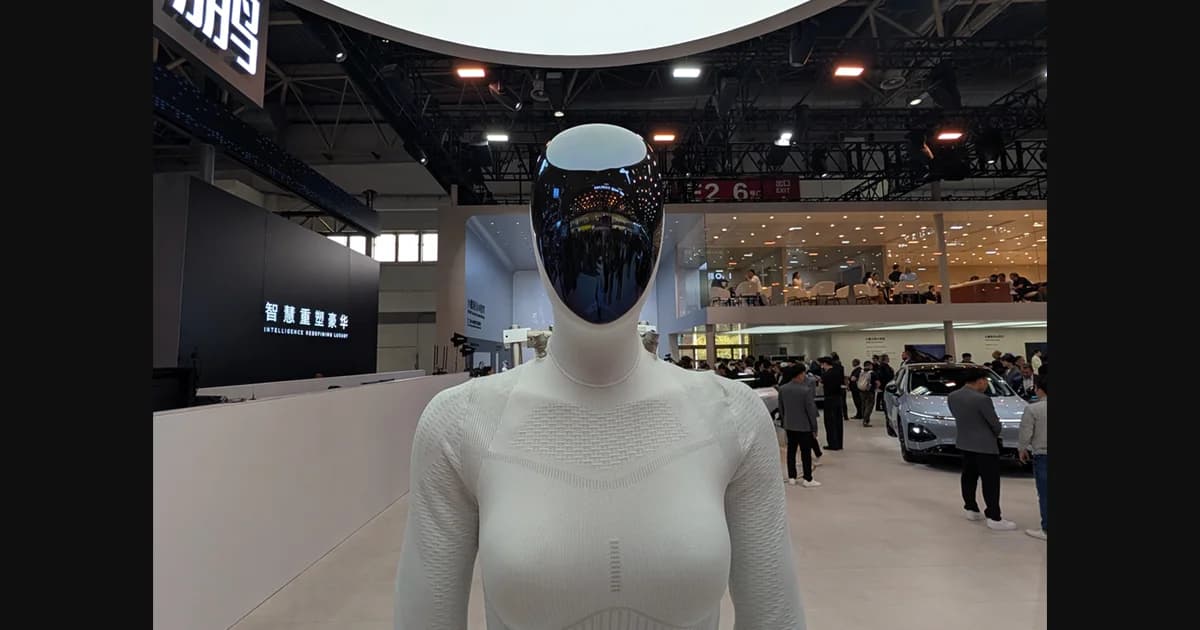
XPENG is bringing its humanoid suppliers together as it prepares to manufacture IRON in volume. The company held its first Robotics Supply Chain Partner Conference on September 22, with participants from fields including joint modules, actuators and precision structural parts.
In its September 23 announcement, XPENG said its robotics business had signed supplier designation agreements and was scheduling production on its manufacturing lines. It did not identify the suppliers, disclose contract values or specify committed component volumes.
The news is a step toward organizing production around a robot already being demonstrated. It also highlights a question confronting humanoid developers well beyond China: whether suppliers can deliver demanding parts consistently, affordably and at scale.
Supplier agreements meet a year-end target
XPENG says its robot production line has entered operation and continues to target mass production by the end of 2026. Initial commercial rollouts are planned for its own stores and campuses, followed by an official market launch and deliveries in China and overseas markets in 2027.
The weekly humanoid robotics briefing
One email a week: the launches, funding and research that mattered, with context from Humanoids Daily.
Read recent issuesThose remain company plans. An operating line and supplier agreements establish manufacturing preparation; the announcement does not quantify sustained output, manufacturing yields or customer shipments.
The distinction follows our earlier coverage of IRON’s production-line milestone. Commissioning equipment and producing initial machines are stages on the way to volume manufacturing, rather than interchangeable descriptions of a completed ramp-up.
Chairman and CEO He Xiaopeng described humanoid robotics as more complex than the automotive industry and requiring longer-term investment. He called for suppliers to invest and iterate alongside XPENG as it develops a general-purpose robot capable of adapting to different settings. That is the company’s intended destination, rather than a capability established by the conference.
The interaction demo gives suppliers a use case
IRON’s presentation at the event included orientation and following, multilingual conversation, identity memory and question-answering, according to XPENG.
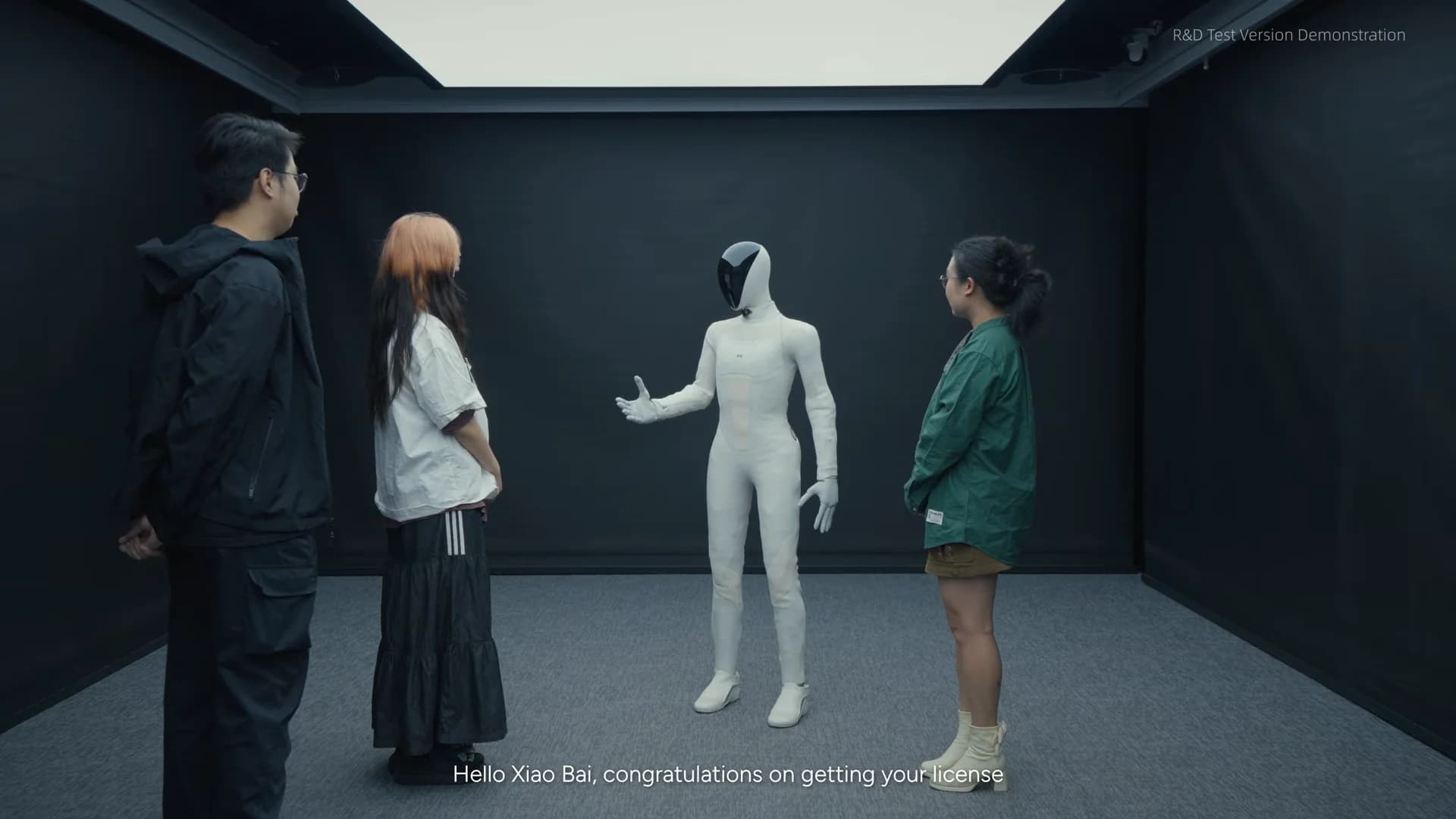
Those capabilities fit the store and campus roles the company plans to pursue first. They also connect with its recent showroom interaction demonstration, in which IRON tracked speakers and recalled information about testers playing prospective car buyers.
That earlier footage was labeled an R&D test-version demonstration. The conference release adds another presentation of the intended product, but does not provide an independent assessment of interaction reliability or unattended operation with customers.
The supply-chain race behind the robots
XPENG’s supplier push offers a direct corporate announcement alongside reports of Tesla’s Optimus supplier audits in Ningbo. Our analysis of why Ningbo matters examined the potential value of the region’s automotive manufacturing experience in precision parts, quality control and repeatable production.
The reported Tesla visits remain less firmly established than XPENG’s conference. Supplier representatives confirmed ongoing robotics cooperation in follow-up reporting, but did not confirm the latest audit round. Nor does XPENG’s announcement establish any overlap between its suppliers and Tesla’s.
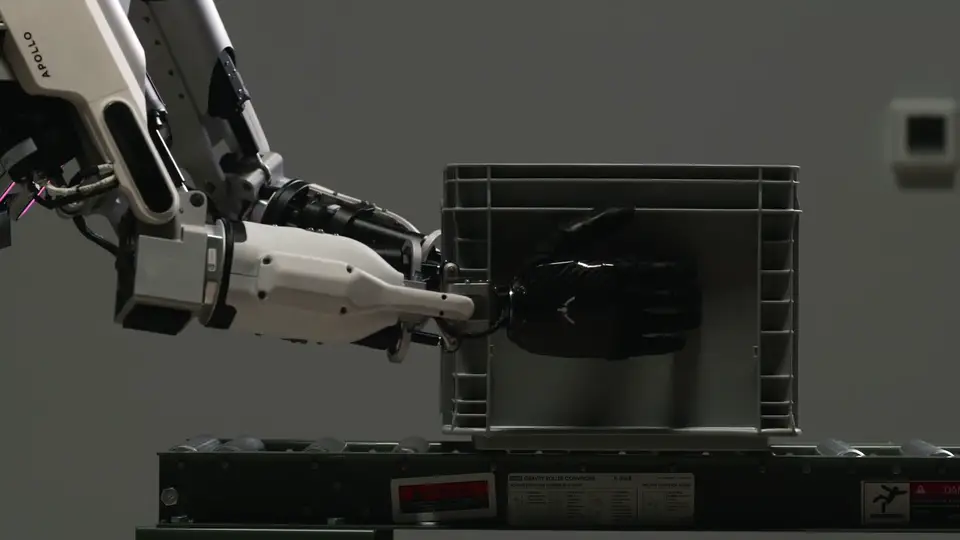
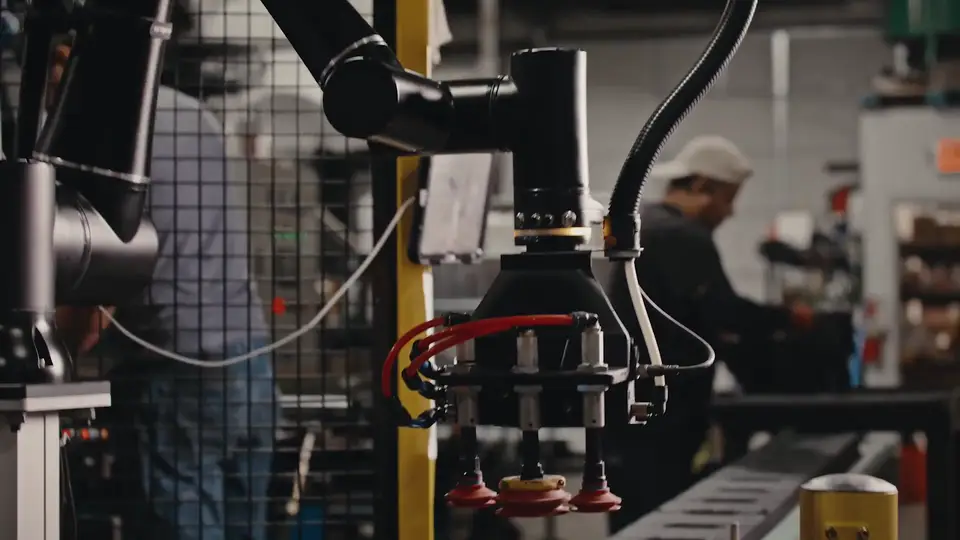
The shared issue is the industrial capability behind a finished humanoid. Designing a joint that works in a prototype is one challenge; repeatedly sourcing motors, gears, electronics and structures that meet specification is another.
Apptronik CEO Jeff Cardenas raised the American side of that problem in a recent Fox Business interview. He pointed to gaps in the U.S. gear supply base and constraints on rare-earth materials used in motors. He also said actuators can account for up to 60% of a robot’s bill of materials, explaining why component supply matters to the economics of humanoids.
Cardenas was not responding to XPENG. Read together, however, the announcements show robot makers treating supplier development as part of the product itself. XPENG’s next test is whether its agreements and production scheduling translate into consistent output—and robots that can justify deployment beyond a demonstration.
Share this article
Read next
- Published on
- Reading time
- 3 min read
The Taicang Nexus: Schaeffler Launches Dedicated Embodied AI Subsidiary in China
- Published on
- Reading time
- 3 min read
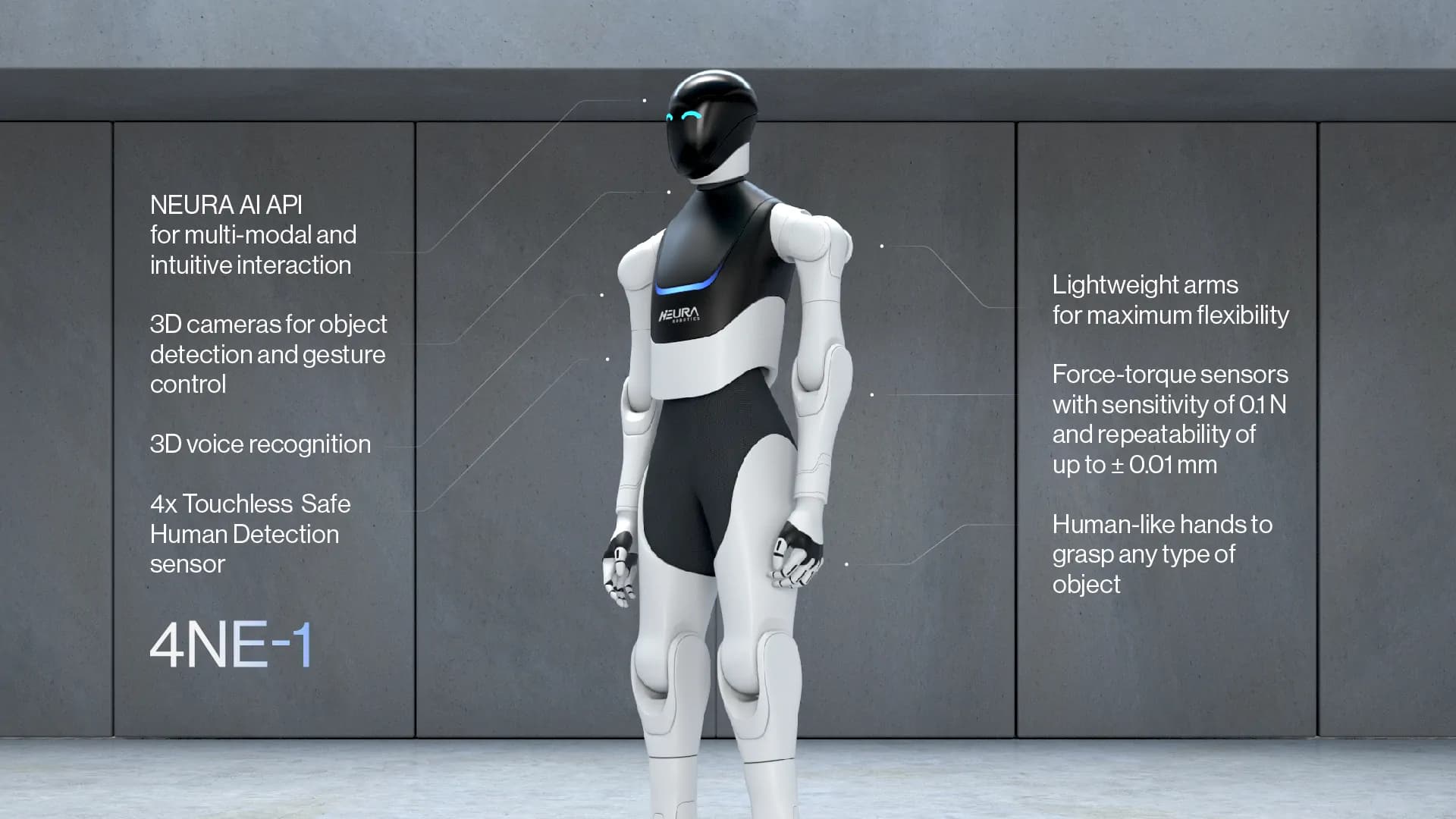
Neura Robotics Quietly Establishes €45 Million Subsidiary in China, Signaling Major Supply Chain Move
- Published on
- Reading time
- 4 min read
XPENG’s IRON Remembers Car Buyers in New Interaction Demo
- Published on
- Reading time
- 6 min read
Inside XPENG’s Bet on IRON: He Xiaopeng on Why the Hardest Path in Humanoid Robotics Is Never Crowded
- Published on
- Reading time
- 6 min read
XPENG Launches Mass Production of IRON Humanoid
- Published on
- Reading time
- 4 min read
XPENG Robotics Raises Over $900 Million at $6.3 Billion Valuation to Industrialize IRON Humanoid

The weekly humanoid robotics briefing
One email a week: the launches, funding and research that mattered, with context from Humanoids Daily.
Read recent issues