- Published on
Physical AI Arms Race Accelerates: Generalist AI Secures $400M to Scale Robot Learning
One tap, and our reporting appears more often in your Google Top Stories. It makes a real difference to a small newsroom.


Your guide
Rich Robinson
Jee Chee Ren · Executive tour
See China’s AI and robotics ecosystem first-hand.
Six days exploring AI, robotics and advanced manufacturing.
With Rich Robinson, Clinical Professor of Entrepreneurship at Peking University
Beijing · Guangzhou · Shenzhen
29 November–4 December 2026
Referral partnership · We earn a commission on referred bookings.
- Generalist AI has raised $400 million in new funding, bringing its total capital raised to more than $500 million.
- The round was led by Radical Ventures, with participation from NVIDIA’s NVentures, Bezos Expeditions, and prominent tech angels including Fei-Fei Li and Eric Yuan.
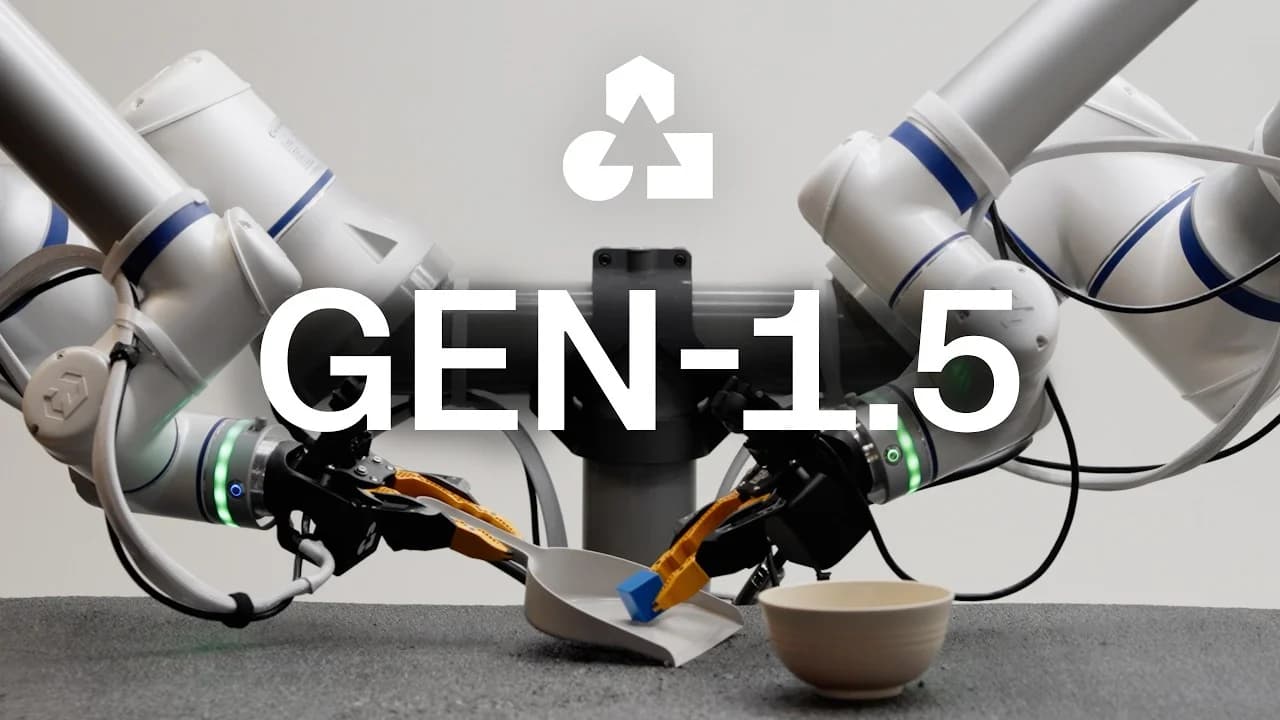
- The capital will fund the scaling of Generalist's physical data engine and training infrastructure, coming just two months after the launch of its commercially oriented GEN-1 model.
- Rather than focusing on a single embodiment, Generalist is positioning its software as a cross-form-factor "intelligence layer" for humanoids, industrial arms, and mobile platforms.
Capitalizing on the Embodied AI Boom
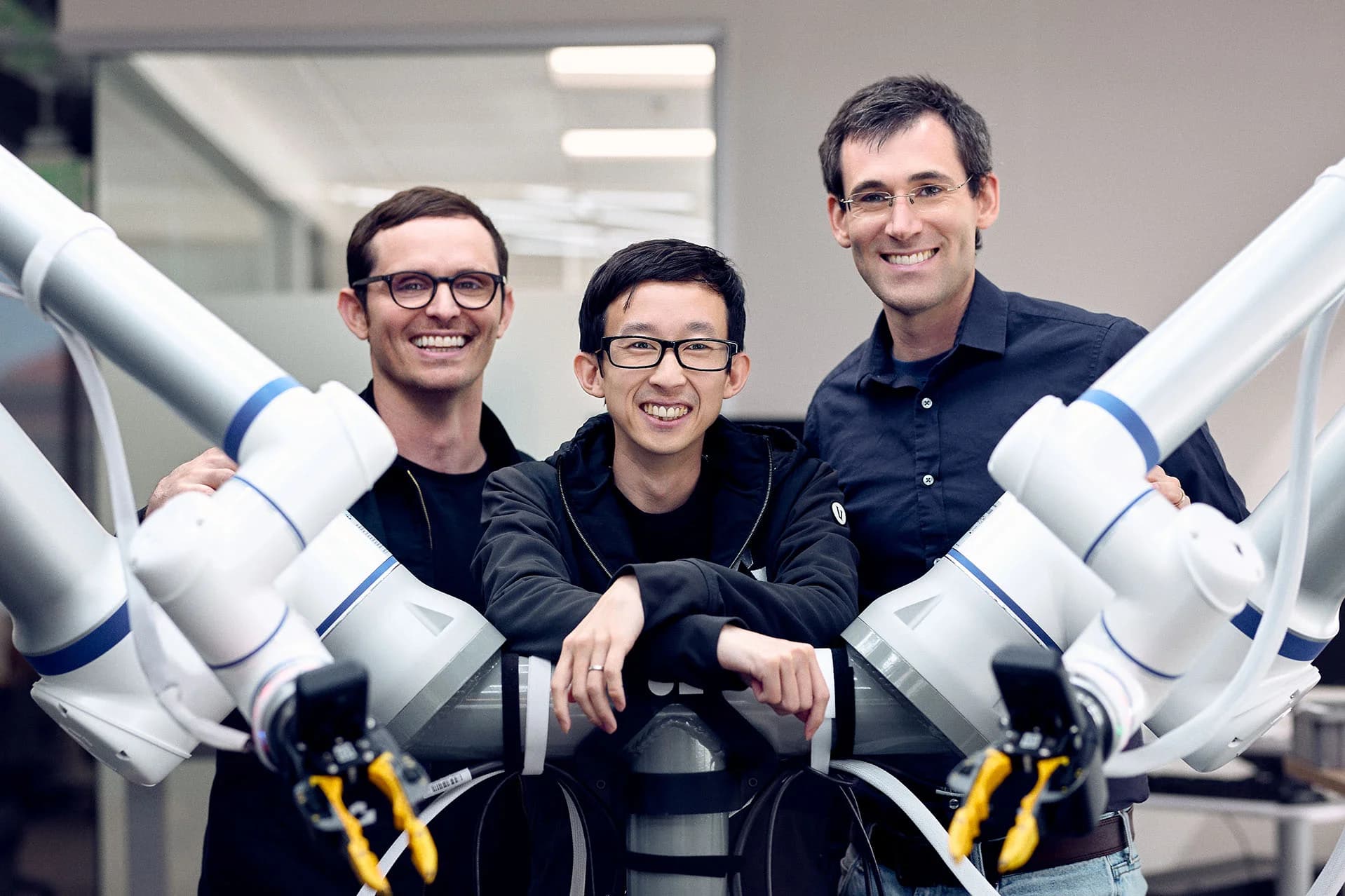
The capital flood into the physical artificial intelligence sector shows no signs of slowing down. Generalist AI, a frontrunner in training robotics foundation models from scratch, announced it has secured $400 million in new funding. The massive injection pushes the company’s total capitalization past the half-billion-dollar mark, establishing it as one of the most well-funded independent software plays in modern robotics.
The round was led by Radical Ventures, with additional new institutional backing from 8VC, Union Square Ventures, Hanabi Capital, and Norwest. Existing heavyweights also doubled down, with NVIDIA’s NVentures, Boldstart Ventures, Spark Capital, Bezos Expeditions, and NFDG participating significantly. The round is further bolstered by high-profile angel investors, including Zoom CEO Eric Yuan, Xiaomi co-founder Bin Lin, Spatial Intelligence pioneer Fei-Fei Li, and Naval Ravikant.
The capital will be deployed directly toward scaling Generalist's compute infrastructure, expanding its physical data engine, and advancing partnerships across industries ranging from factory floors to laboratories.
Driving the Physical AI Flywheel
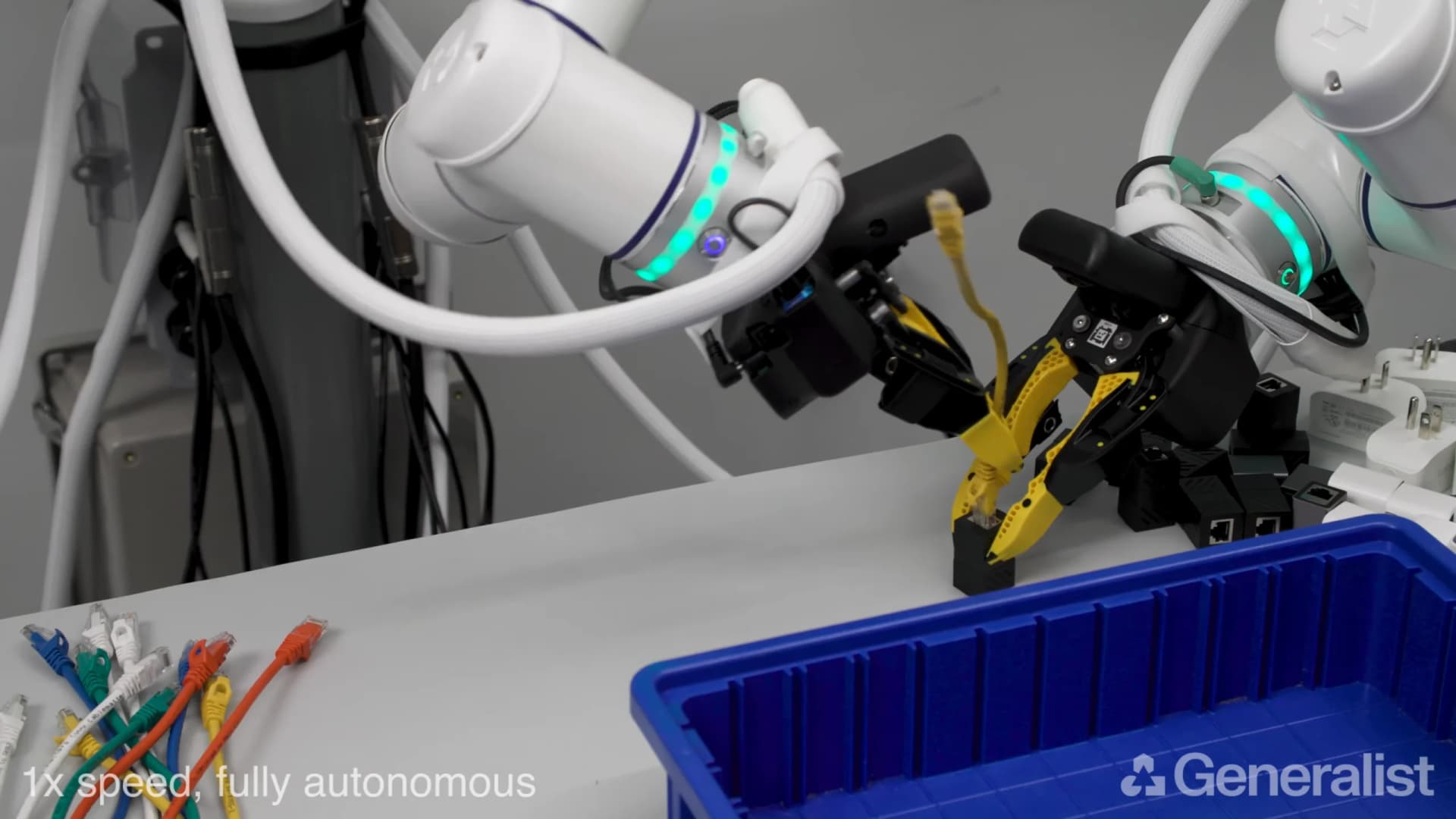
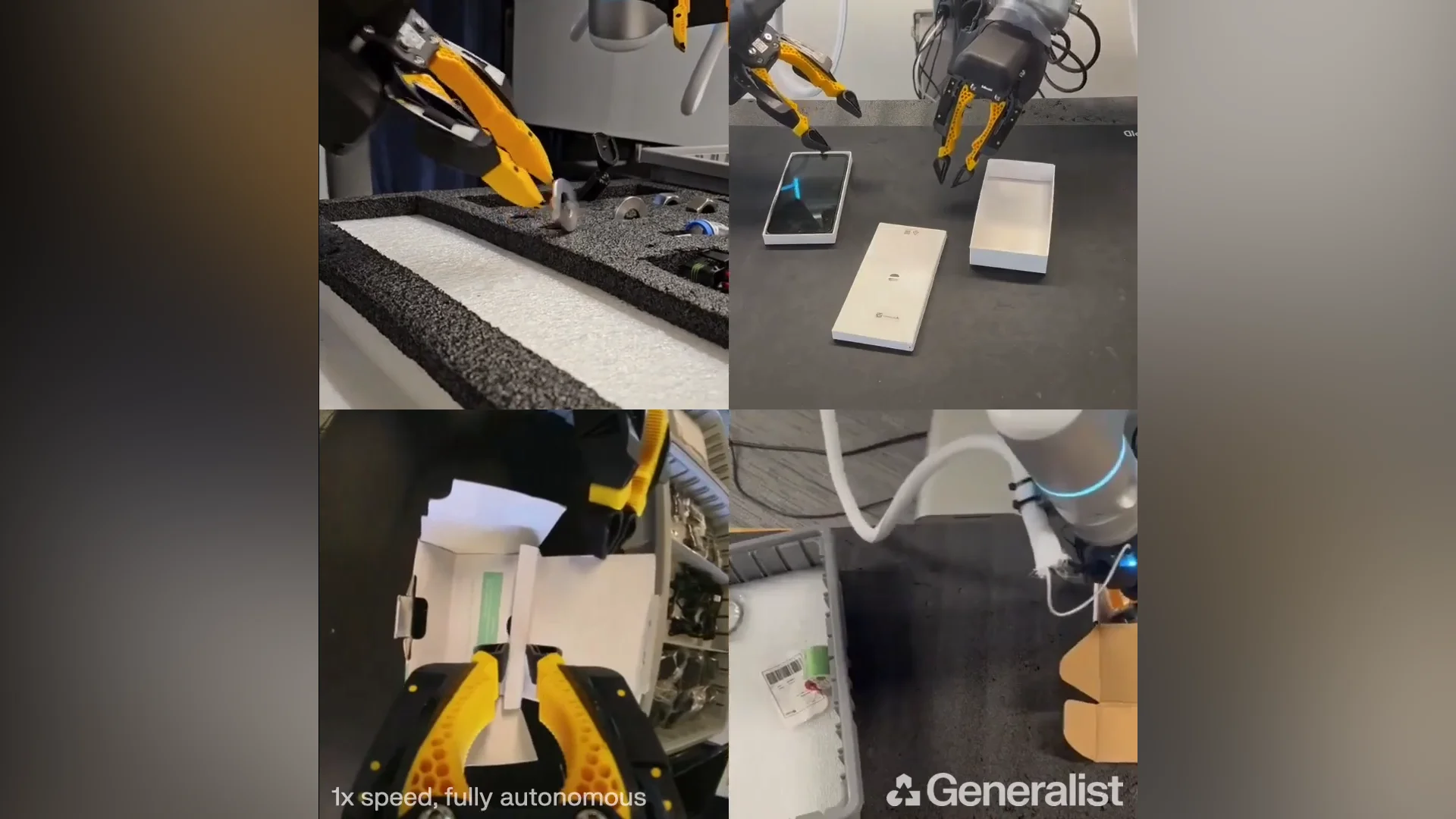
The funding arrives at a critical juncture for Generalist AI. Only two months ago, the startup shook up the industry by launching GEN-1, a foundation model that the company claims marks the transition from research prototype to true "commercial viability". According to Generalist, GEN-1 demonstrated a 99% success rate on unstructured tasks and executed movements up to three times faster than previous state-of-the-art systems.
The weekly humanoid robotics briefing
One email a week: the launches, funding and research that mattered, with context from Humanoids Daily.
Read recent issuesIn its funding announcement, Generalist articulated a compounding data flywheel that this new capital is designed to spin faster: scaling robot learning yields more competent models; these models perform practical work for real enterprises; and the resulting edge-case data from real businesses is fed back into training the next generation of systems.
This data-driven focus highlights Generalist’s contrarian approach to machine intelligence. While much of the robotics sector has trended toward "LLM-pilled" designs—relying on pre-existing Vision-Language Models as a reasoning backbone—Generalist has famously resisted what it terms the "VLA crutch." As documented in our previous coverage of the death of the 'world model' label, CEO Pete Florence has argued that true physical mastery requires native foundation models trained predominantly from scratch on physical interaction, rather than adapting models built originally for internet text.
From GEN-0 to Internet-Scale Physics
Generalist's rapid ascent relies on an aggressive scaling roadmap. Last November, the firm introduced GEN-0, demonstrating that predictable scaling laws apply to robotics when models cross a critical 7-billion parameter threshold. At that scale, Generalist observed a "phase transition" where models stopped ossifying and instead began to internalize basic physical properties.
Key to this training methodology is Generalist's proprietary dataset, which expanded from 270,000 hours during the GEN-0 era to over 500,000 hours of real-world interaction data for GEN-1. The team achieves this high-fidelity data collection via lightweight, wearable "data hands" that bypass traditional teleoperation lag, allowing human operators to seamlessly log the "micro-corrections" and reflexes central to Andy Zeng’s research into physical commonsense.
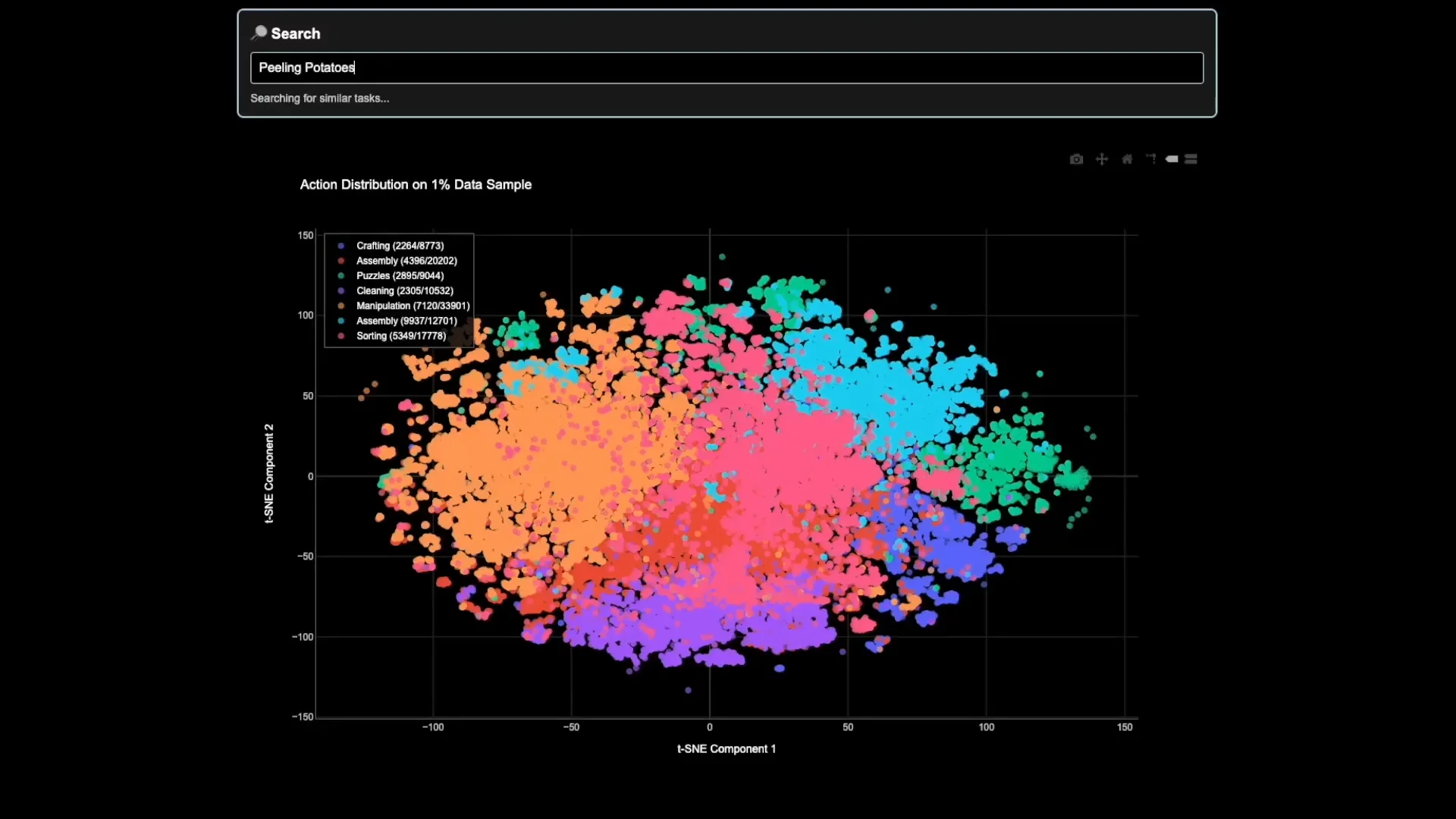
How the team manages this ballooning data repository remains a core technical differentiator. Rather than focusing solely on brute-force volume, Generalist previously disclosed its reliance on advanced pretraining data mixtures, tracking semantic breadth through custom t-SNE mapping tools to ensure their models learn generalized problem-solving rather than rote repetition.
A Bet on Cross-Embodiment Software
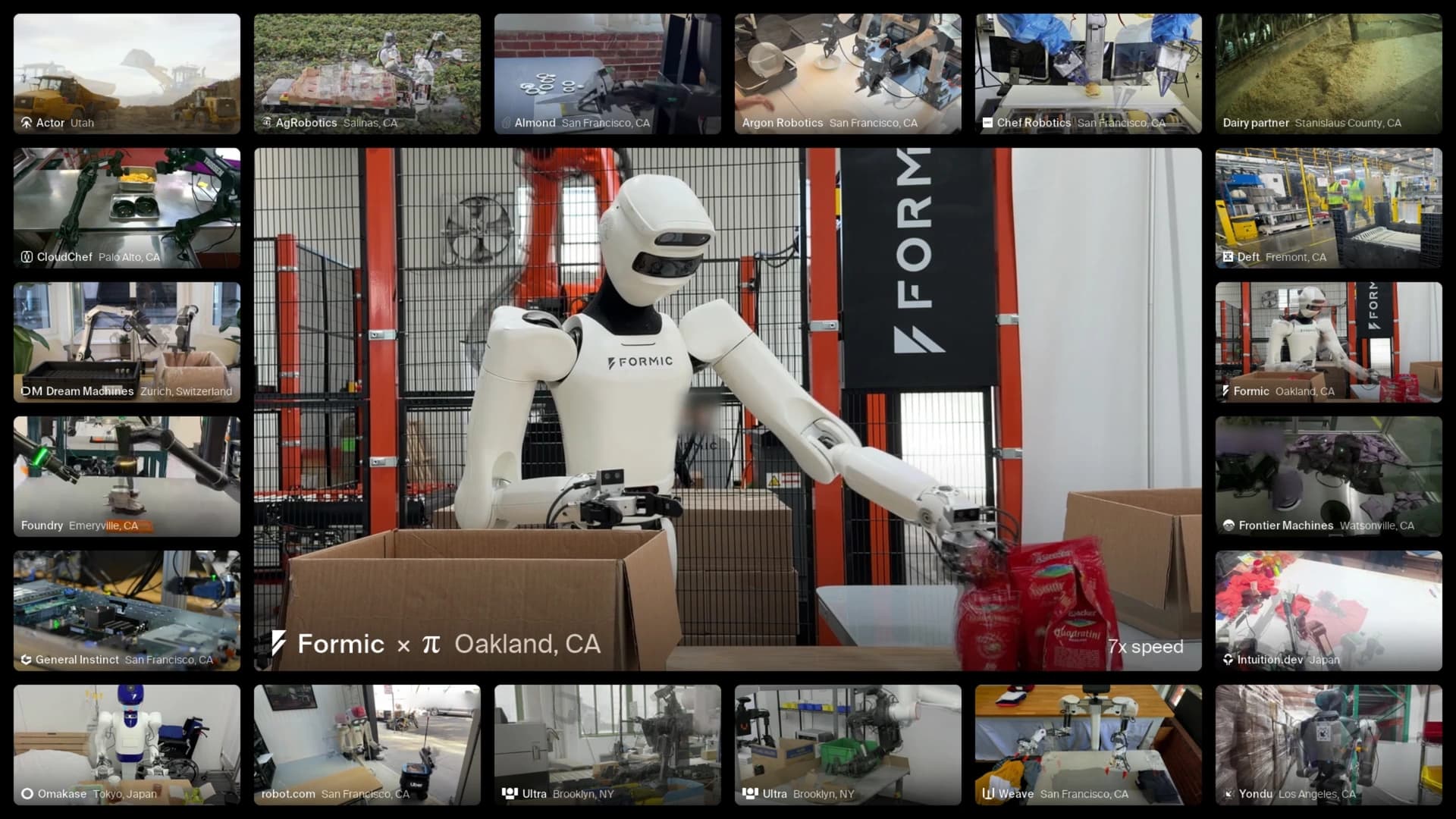
Importantly, Generalist is not building its own hardware. The company's blog post emphasizes that the future of robotics spans a diverse spectrum of form factors—including humanoids in domestic spaces, robotic arms on assembly lines, mobile warehouse platforms, and autonomous aerospace systems.
"The vital technology will be the intelligence that works across form factors, environments, and applications," the company noted. This hardware-agnostic stance positions Generalist in direct competition with deep-pocketed software rivals like Physical Intelligence (Pi), which has similarly raised massive rounds to construct a universal intelligence layer for third-party robotics.
By raising $400 million, Generalist AI has secured the financial runway required to compete for scarce compute resources and top-tier AI talent. However, as these models enter real-world commercial pilots, the company faces the open challenge of embodied alignment—ensuring that the "improvisational intelligence" praised in research environments translates safely and predictably to volatile commercial settings.
Share this article
Read next
- Published on
- Reading time
- 4 min read
Generalist AI Unveils GEN-1: The Quest for Robot Mastery and “Intelligent Improvisation”
- Published on
- Reading time
- 4 min read
The Death of the Label: Generalist AI Rejects 'World Models' in Favor of First-Class Physical Foundation
- Published on
- Reading time
- 5 min read
Generalist AI Unveils GEN-1.5: One-Shot Robot Learning and the End of Heavy Fine-Tuning
- Published on
- Reading time
- 5 min read
Genesis AI Unveils Eno: The Minimalist Robot Making an "Opposite Bet" on Humanoid Design
- Published on
- Reading time
- 4 min read
The Dark Matter of Robotics: Generalist AI’s Andy Zeng on the Quest for Physical Commonsense
- Published on
- Reading time
- 4 min read
Generalist AI Releases "Science of Pretraining" Deep Dive: Why Data Quality Trumps Volume in Robotics


The weekly humanoid robotics briefing
One email a week: the launches, funding and research that mattered, with context from Humanoids Daily.
Read recent issues