- Published on
RoboParty Unveils RP1 Humanoid at IROS, Plans Broader Open-Source Release in Q4
One tap, and our reporting appears more often in your Google Top Stories. It makes a real difference to a small newsroom.


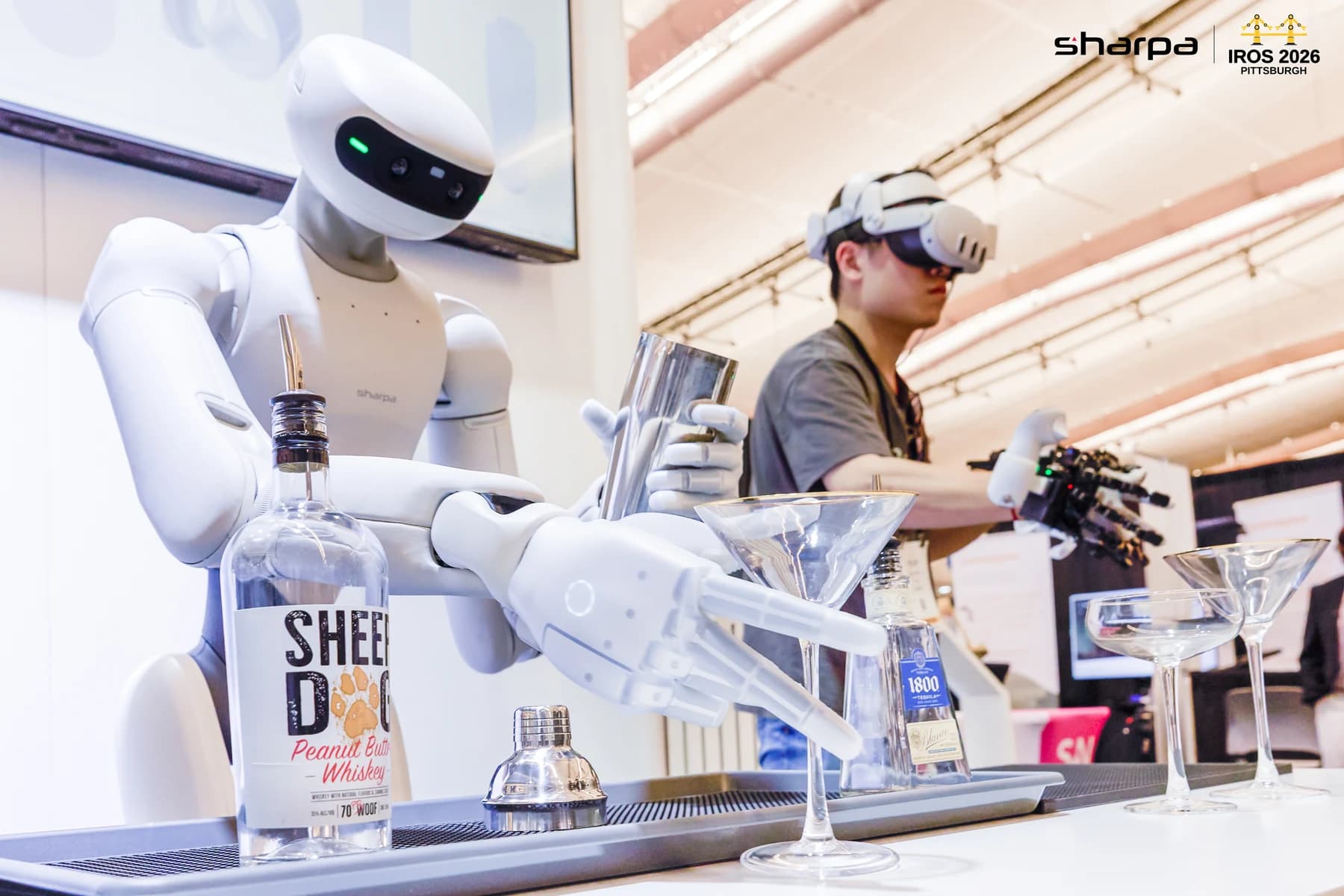
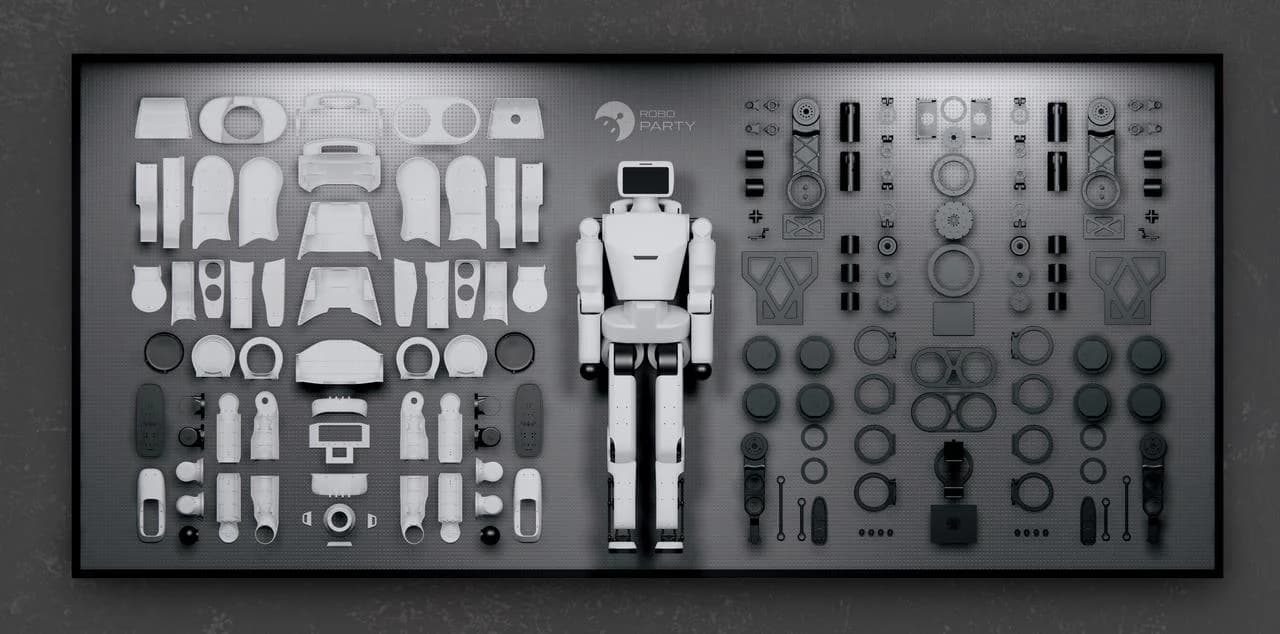
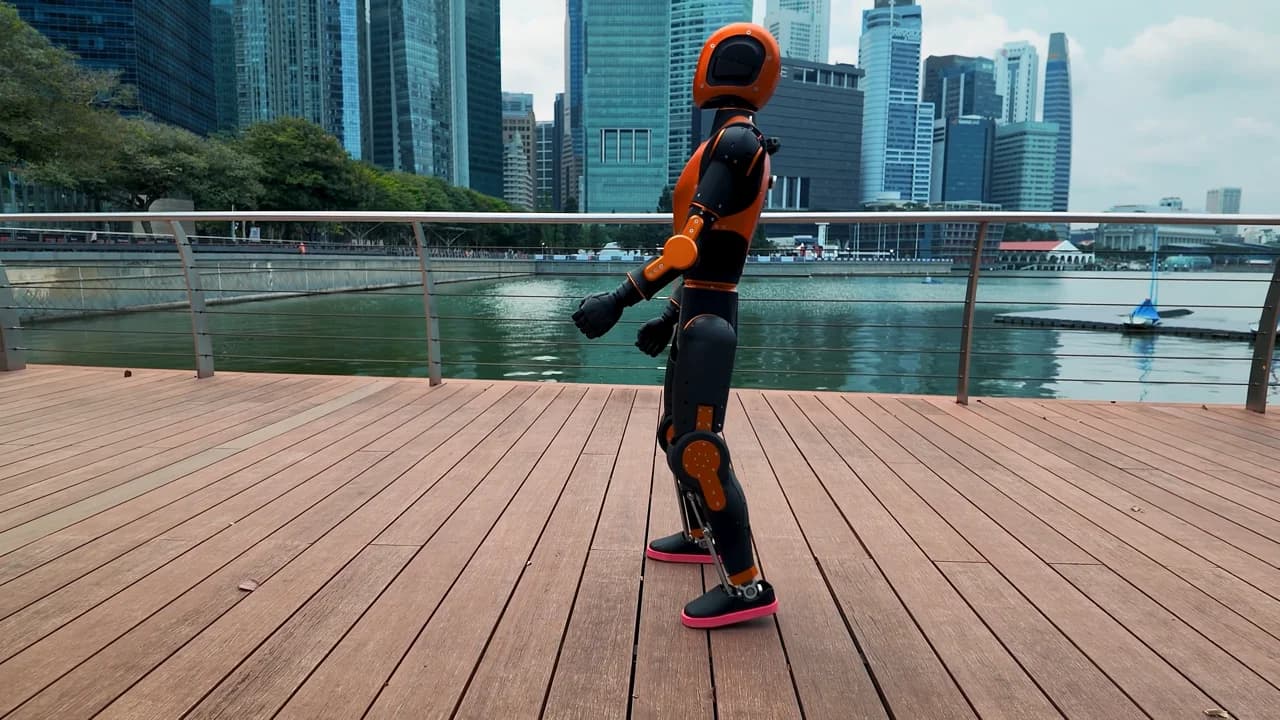
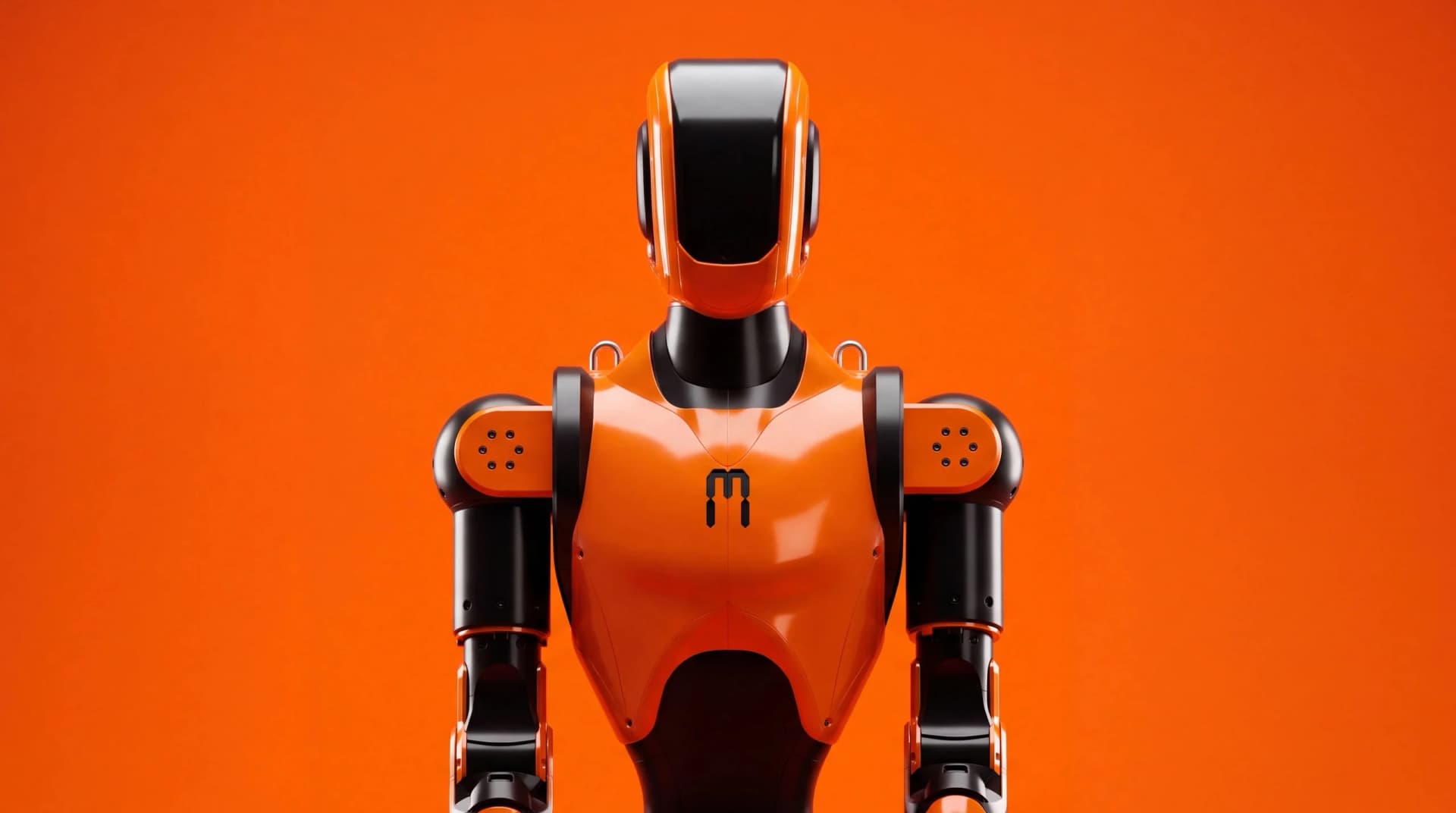
RoboParty has unveiled RP1 (ROBOTO 01), a bipedal humanoid aimed at robotics researchers and developers, with a planned rollout of hardware and software resources. The robot debuted at IROS in Pittsburgh on September 28, according to the company’s October 3 announcement.
- RP1 extends RoboParty’s open-source humanoid effort beyond its earlier ROBOTO ORIGIN prototype.
- The company reports balance-recovery demonstrations and peak joint torque of up to 160 N·m.
- Broader RP1 releases are planned for Q4; the full proposed stack is not presented as available today.
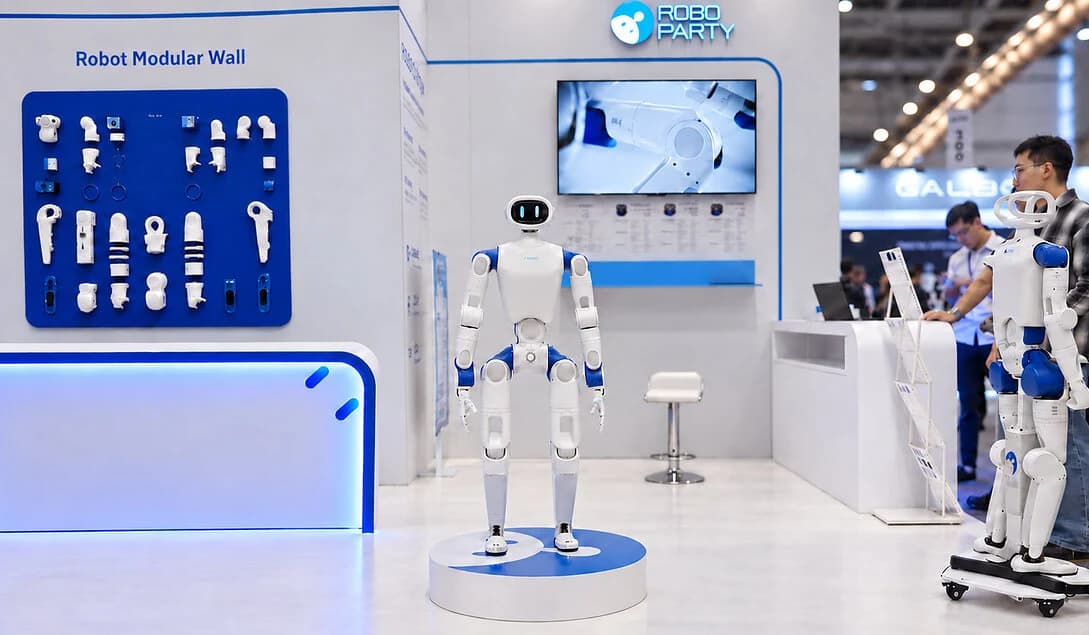
Balance recovery at IROS
RoboParty says visitors pushed and kicked RP1 during an interactive booth demonstration, with the robot adjusting its posture to regain balance. The company attributes its motion capabilities to PartyOS, incorporating the UFO unsupervised reinforcement-learning framework, and its Romomo actuators.
What developers can access
RoboParty plans to progressively release motion control, simulation environments, SDKs, training tools and PartyOS. More roadmap details are due in October, followed by broader hardware and software releases and a mass-production program later in Q4. Pricing is not disclosed in the announcement.
The existing ROBOTO ORIGIN GitHub repository provides a concrete starting point for understanding the company’s approach. It aggregates resources for the earlier prototype, including mechanical and electronics designs, a ROS2 deployment framework, reinforcement-learning training code, simulation models and firmware. These are resources for ROBOTO ORIGIN, rather than evidence that all equivalent RP1 materials have already been released.
The repository also distinguishes licensing at different levels: RoboParty’s own aggregation-layer material is GPLv3 unless otherwise stated, while individual modules and third-party materials retain their applicable licenses. Developers should therefore check the terms for the specific components they intend to use.
We previously covered ROBOTO ORIGIN’s open-source release. For RP1, the practical test will be whether outside teams can reproduce its demonstrated capabilities using the published designs, training resources and deployment tools. That would make the platform useful beyond the exhibition floor, giving researchers a shared system they can inspect and modify.
Share this article
Read next
- Published on
- Reading time
- 4 min read
120 Days to a Run: RoboParty Open-Sources Its "ROBOTO ORIGIN" Humanoid Baseline
- Published on
- Reading time
- 7 min read
AGIBOT Open-Sources GE-Act 2.0, Challenging Unitree in the Open Embodied AI Race
- Published on
- Reading time
- 7 min read
Unitree Begins Open Release of UnifoLM-WLA-1.0 to Tackle Humanoid Generalization
- Published on
- Reading time
- 4 min read
The Synthetic Engine: How AGIBOT Genie Sim 3.0 Resolves the Embodied AI Data Bottleneck
- Published on
- Reading time
- 4 min read
Asimov Open-Sources the Training Code Behind Its Humanoid’s Walk
- Published on
- Reading time
- 4 min read
Asimov 1 DIY Humanoid Kits Begin Shipping as Team Details Final Costs

The weekly humanoid robotics briefing
One email a week: the launches, funding and research that mattered, with context from Humanoids Daily.
Read recent issues