- Published on
South Korea Plans Robot AI Push in 2027, Starting With Logistics
One tap, and our reporting appears more often in your Google Top Stories. It makes a real difference to a small newsroom.

Supported by RoboStrategySupport for Humanoids Daily comes from RoboStrategy
Sponsored


Investing involves risk, including possible loss of principal. Read the prospectus before investing.
- South Korea plans a large robot foundation model and world-model R&D project from 2027, combining AI developers, data providers, robot makers and industrial users.
- Early postal and logistics trials would generate operational data for further training, alongside a planned physical-data library.
- The project’s budget remains unfinalized. Officials’ warning about a three-year competitive window is a strategic assessment, not a technical deadline.
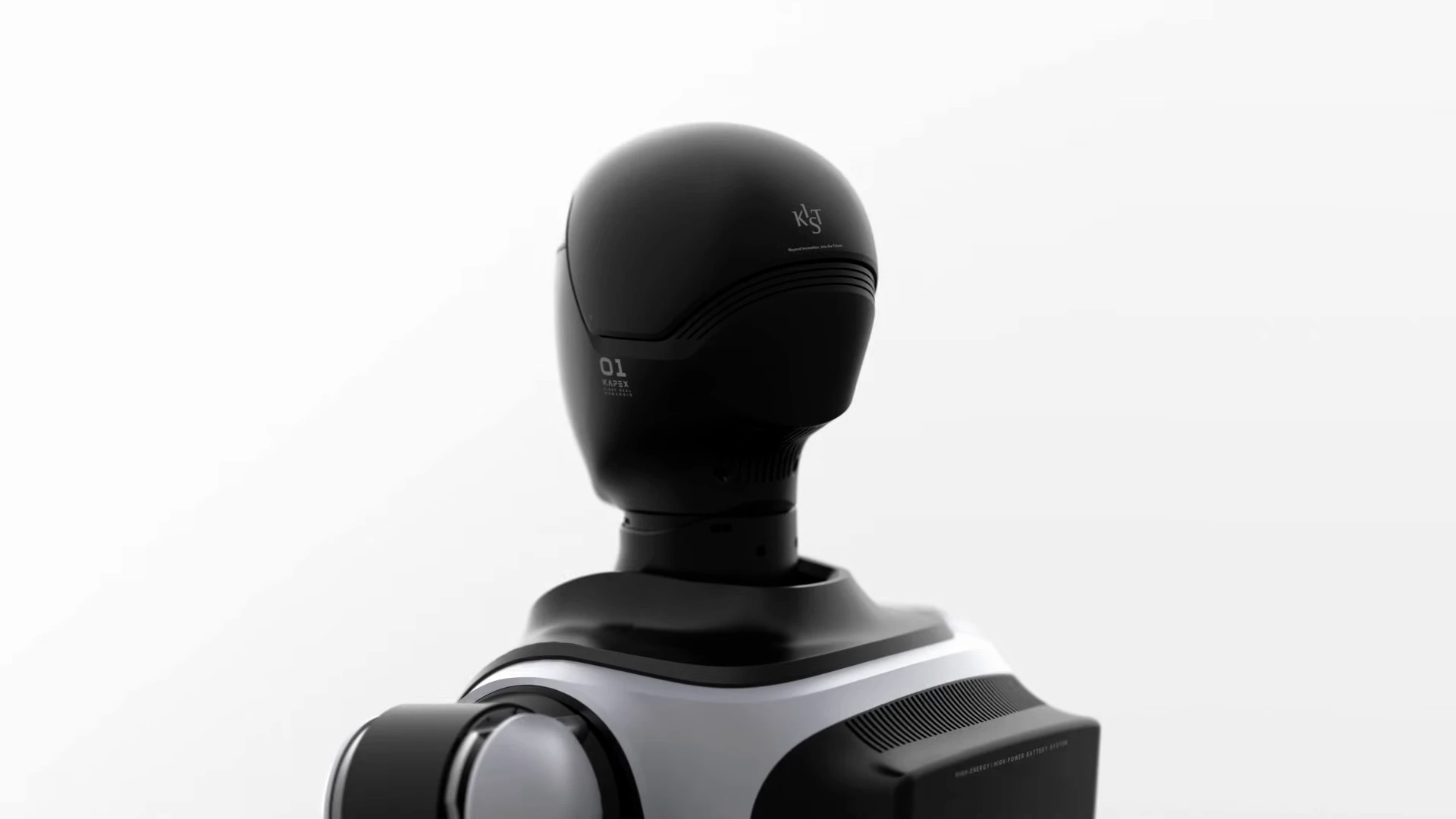
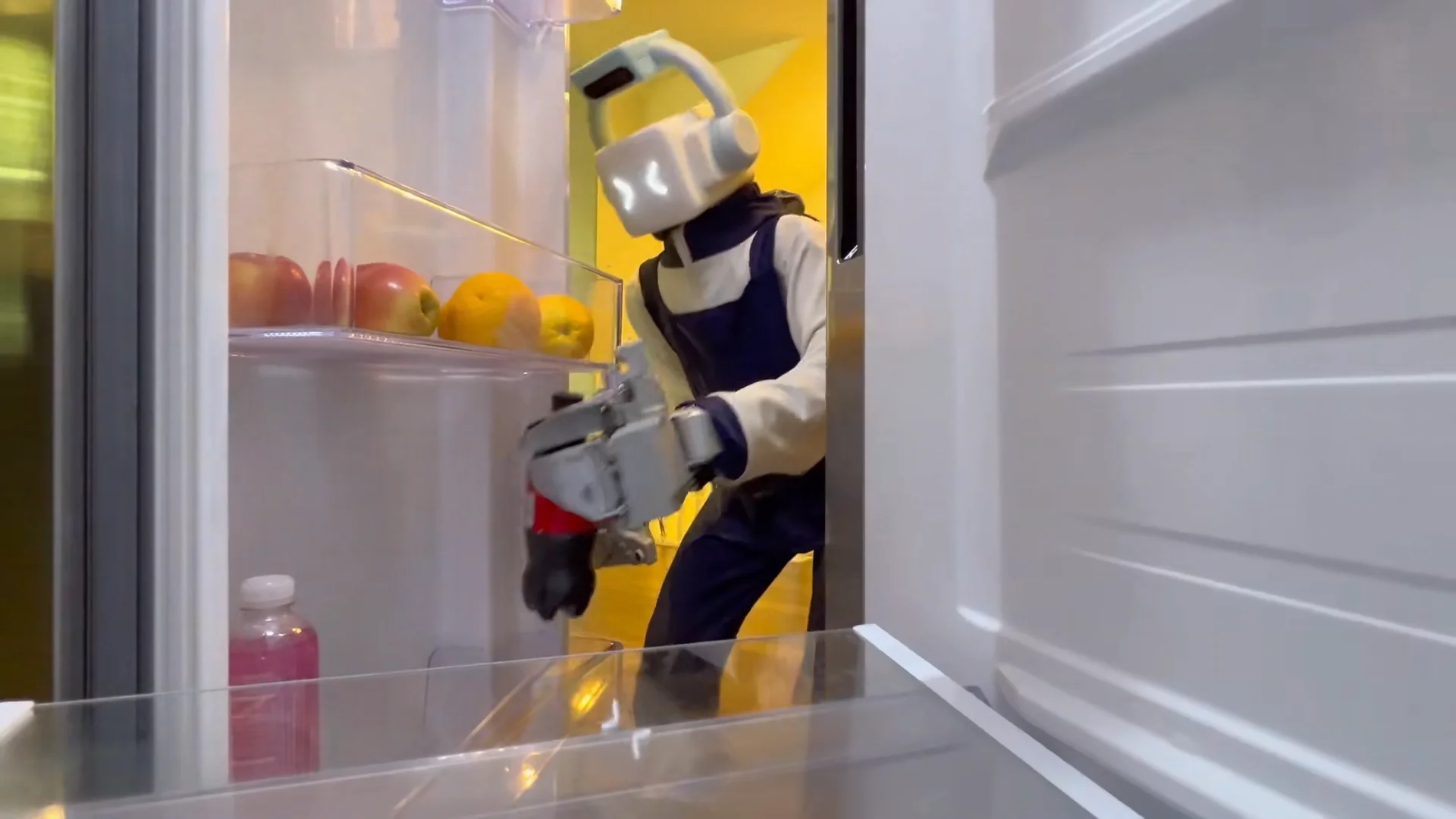
South Korea plans to begin a major robot-AI research program in 2027 while putting the technology into early field trials, aiming to learn from deployment as development proceeds.
Song Chang-jong, head of the Ministry of Science and ICT’s Device AX Innovation Team, outlined the approach at Humanoid Summit Seoul on September 22. According to Edaily’s reporting from the event, the planned R&D project will support robot foundation models and world models, using data generated at worksites to improve the systems.
The distinction is significant: the ministry wants operational testing to inform development throughout the program, rather than waiting for research to finish before trying to apply it.
Models, data and customers in the same program
DigitalToday reports that the initiative would bring together AI models, data, robots and companies providing real-world application settings. The ministry intends to support multiple technical approaches because the best model architectures and collection methods remain unsettled.
The weekly humanoid robotics briefing
One email a week: the launches, funding and research that mattered, with context from Humanoids Daily.
Read recent issuesA physical-data library is also planned for 2027, with systems to produce and evaluate training material. Song emphasized questions such as which sensors to use and which information to capture, making data quality part of the research agenda.
Robot foundation models are intended to support a range of tasks and machines. World models learn representations of how environments evolve, potentially helping robots anticipate the consequences of actions. The labels cover different implementations; this proposal does not identify a finished national model or establish a winning architecture.
Postal services and logistics as early test grounds
MTN’s coverage also identifies postal services and logistics as initial application areas. The aim is a feedback cycle: apply models at worksites, collect experience from their operation, and use it to improve subsequent versions.
For that approach to work, deployments need to produce usable evidence. A failed grasp or an interrupted delivery becomes valuable training material only if the system captures enough information to understand what happened. Evaluation also needs to show whether retraining improves reliability outside the original test setting.
The scope is broader than humanoids. Physical AI can apply to different robot bodies and other systems acting in the real world, so postal and logistics trials should not automatically be read as commitments to deploy bipedal robots.
More detail on Korea’s wider ambition
The proposal fits the direction explored in our coverage of South Korea’s KRW 2.3 trillion humanoid ecosystem plan through 2030. That wider roadmap combines component development, procurement and data infrastructure.
However, DigitalToday reports that the investment amount for the project discussed at the summit has not been finalized. The earlier funding total should therefore not be treated as this program’s confirmed budget.
Song’s warning about a three-year opportunity also has a history. Yonhap reported similar ministry language in July. It expresses concern that competitors could establish an enduring advantage, rather than proving that entry becomes impossible after a fixed date.
Our recent KIST coverage captured the ambition for Korea to compete alongside the U.S. and China. The summit remarks add a proposed method: develop models, collect data and test practical applications together. The next concrete milestones are a finalized budget, project selections and evaluation criteria that show what those trials actually achieve.
Share this article
Read next
- Published on
- Reading time
- 3 min read
SoftBank Reportedly Agrees to Buy Marc Raibert’s Robotics Institute
- Published on
- Reading time
- 5 min read
Faraday Future Expands Robot Lineup With $9,990 Master Mini
- Published on
- Reading time
- 3 min read
IFR Counts 7,000 Humanoid Sales in 2025—Many for Research
- Published on
- Reading time
- 3 min read
GPT-6 Astra Rarely Refused Unsafe Robot Commands in New Test
- Published on
- Reading time
- 7 min read
GPT-6 Is Beating Specialist Models in Robotics Tests
- Published on
- Reading time
- 9 min read
The UMI Effect: Why Robotics Companies Are Building the Data Collector First
The weekly humanoid robotics briefing
One email a week: the launches, funding and research that mattered, with context from Humanoids Daily.
Read recent issues