- Published on
The Production Pivot: Leadership Exodus and Internal Pressure at Boston Dynamics
One tap, and our reporting appears more often in your Google Top Stories. It makes a real difference to a small newsroom.

Supported by RoboStrategySupport for Humanoids Daily comes from RoboStrategy
Sponsored
Investing involves risk, including possible loss of principal. Read the prospectus before investing.
- A reported "C-suite exodus" at Boston Dynamics includes the retirement of CEO Robert Playter and the departures of the CTO, CSO, and COO.
- Former VP of Robotics Research Scott Kuindersma recently confirmed his departure, marking another loss of high-profile talent following the exit of CTO Aaron Saunders.
- Sources suggest a board-level push for faster commercialization to meet Hyundai's mandate for "tens of thousands" of humanoids in its manufacturing plants.
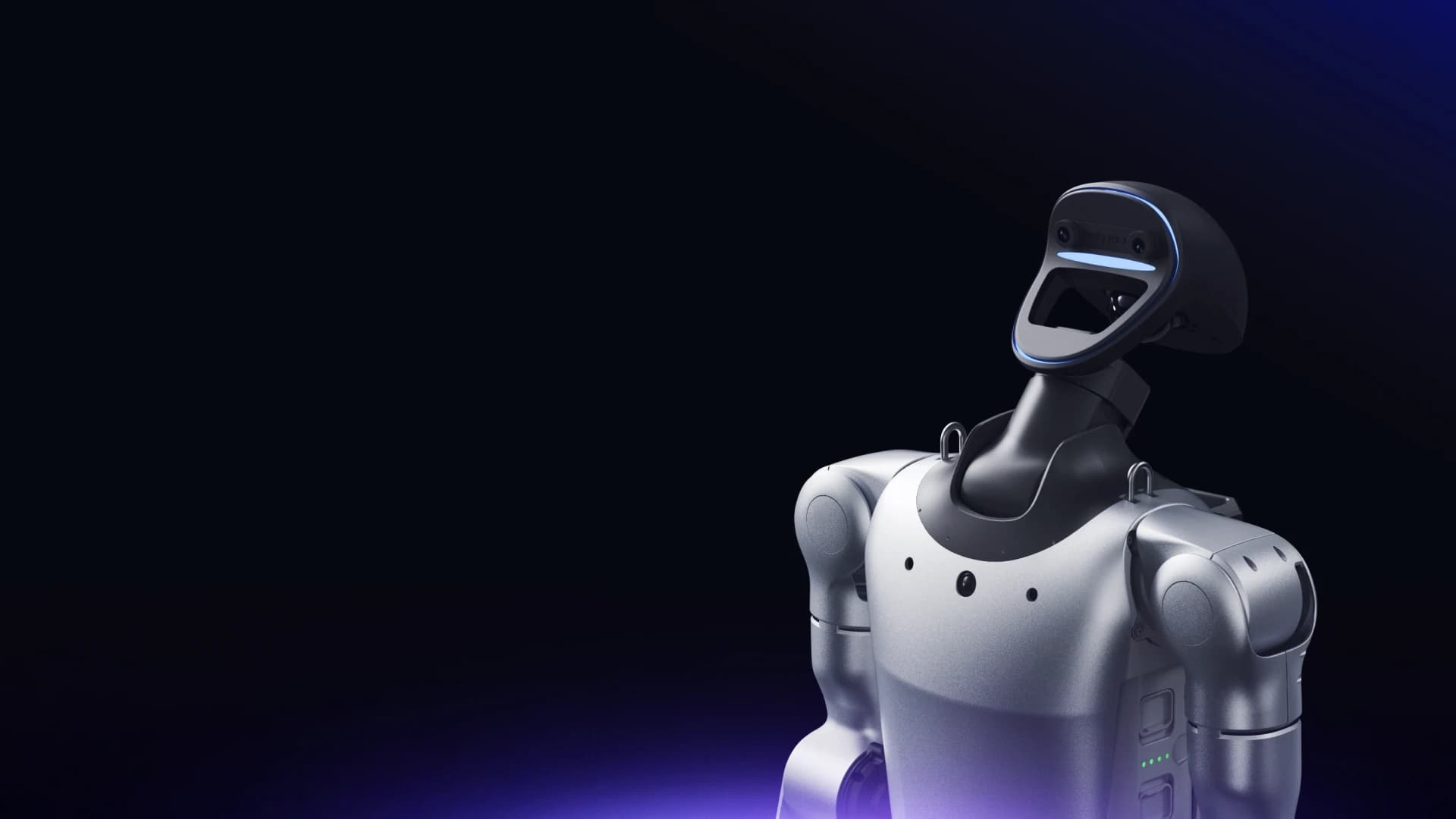
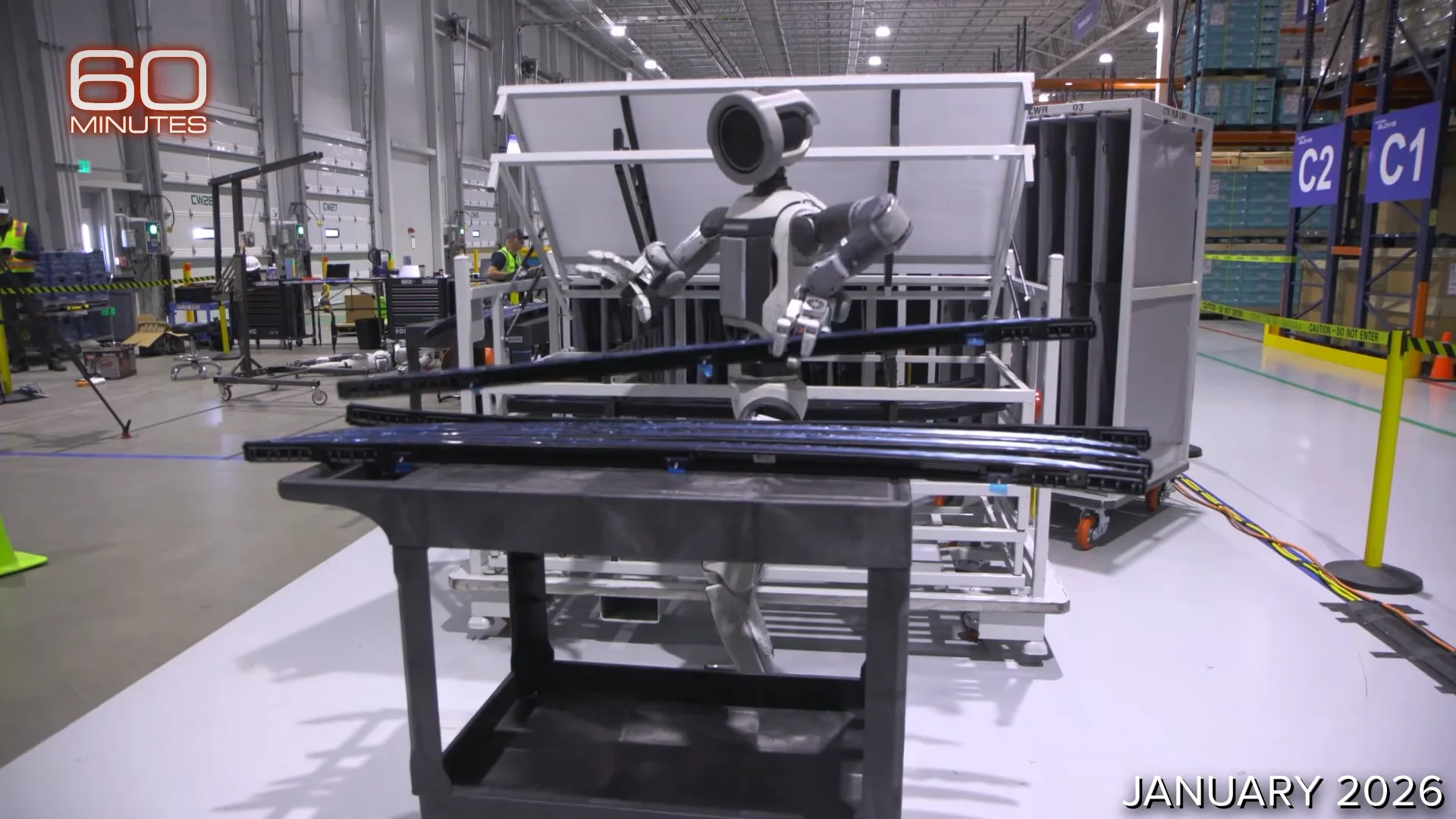
- Amidst the leadership turnover, the company released its first video of the production-ready Atlas performing high-agility maneuvers without CGI.
The transition from a world-class research laboratory to a high-volume manufacturing powerhouse is proving to be a turbulent chapter for Boston Dynamics. While the company recently showcased new footage of its all-electric Atlas performing impressive physical feats, the view from the executive suite looks significantly more unsettled.
According to a report from Semafor, the company is grappling with a "C-suite exodus." While Humanoids Daily cannot independently verify the internal motivations behind these moves, the timeline of confirmed departures paints a picture of a company under immense pressure to deliver on the promises made during its acquisition by Hyundai Motor Group.
A Changing of the Guard
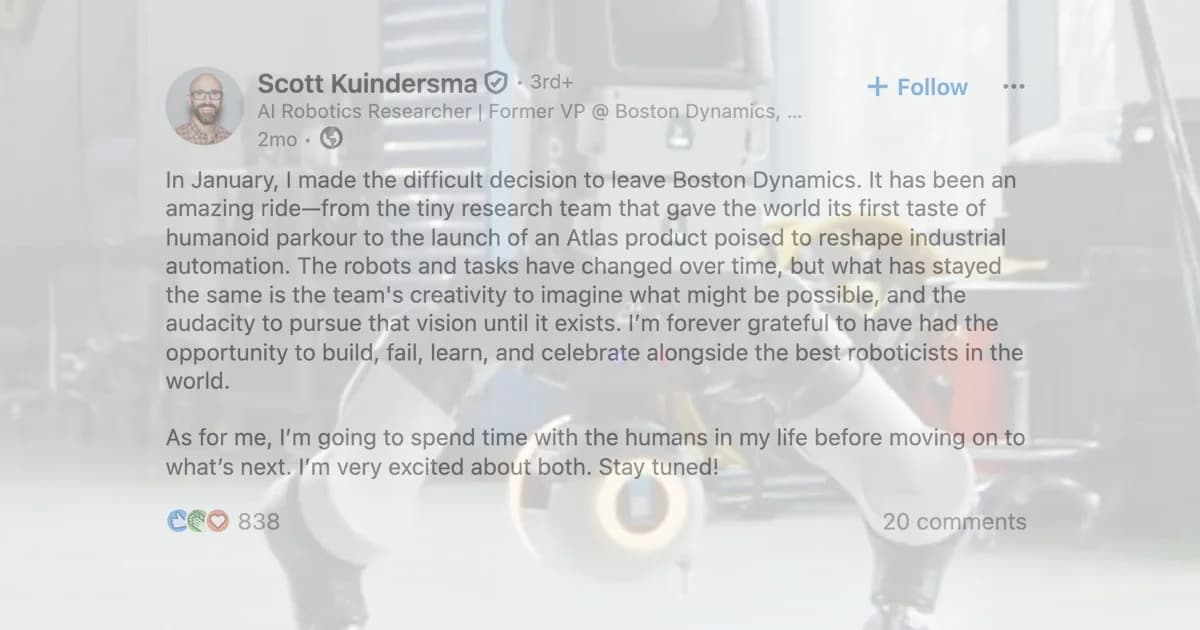
The most prominent departure is that of longtime CEO Robert Playter, who retired in February 2026 after over three decades with the firm. However, the drain of institutional knowledge extends deeper. Former CTO Aaron Saunders recently moved to Google DeepMind, and more recently, Scott Kuindersma—a key figure in the recent CBS 60 Minutes segment on the company—confirmed his departure via LinkedIn.
Kuindersma, who served as Vice President of Robotics Research, noted that he left the company in January. His exit follows a career that spanned the transition from the experimental hydraulic Atlas to the current electric production model.
The weekly humanoid robotics briefing
One email a week: the launches, funding and research that mattered, with context from Humanoids Daily.
Read recent issuesReports suggest these departures may not be purely voluntary. Former employees told Semafor that executives were pushed out by a board of directors critical of the company's "narrowing lead" against a surge of well-funded competitors.
The Hyundai Mandate and the "Bit of Friction"
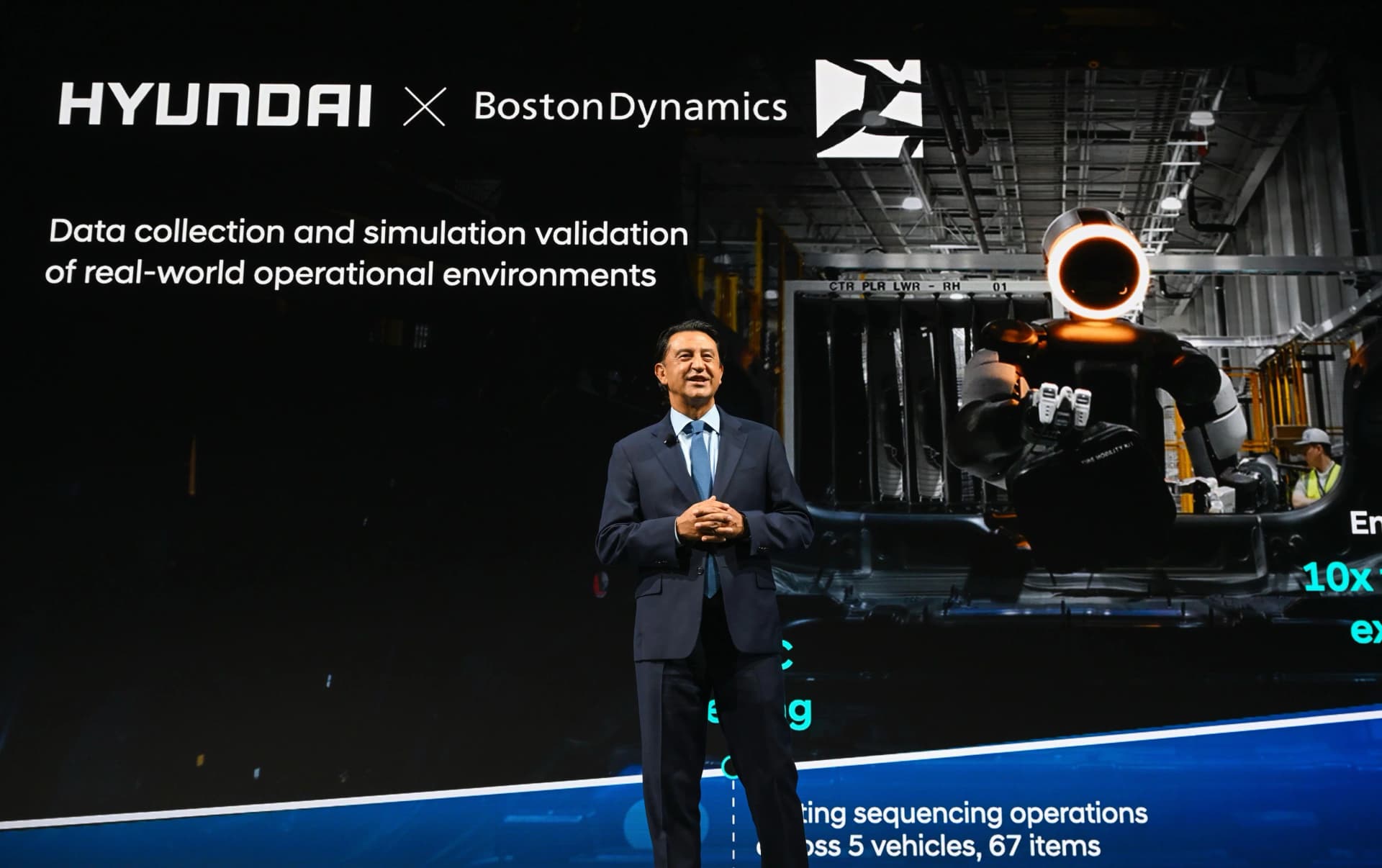
The friction appears to stem from a clash between Boston Dynamics’ traditional research-heavy culture and the industrial exigencies of its majority owner, Hyundai. The South Korean conglomerate has set aggressive targets, including the integration of "tens of thousands" of humanoid robots into its carmaking plants within the next few years.
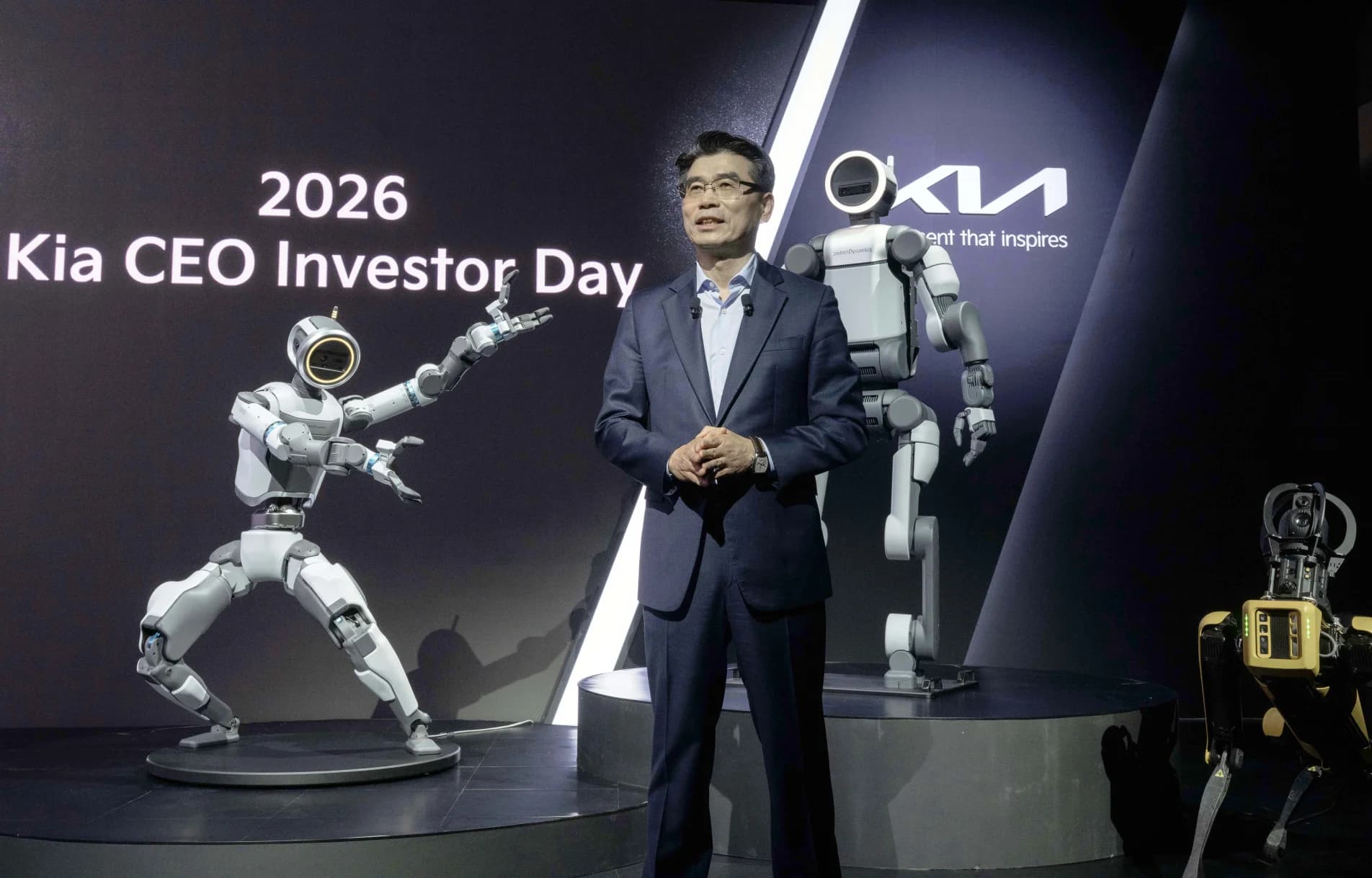
As part of the Kia deployment roadmap, the production-ready Atlas is expected to begin full-scale operations at the Hyundai Motor Group Metaplant America (HMGMA) by 2028. To meet this, the company must shift from making roughly four Atlas robots per month to a projected capacity of 30,000 units annually.
"These changes are designed to help us prepare for the next chapter of Boston Dynamics, where we will need a structure that supports our ability to mass manufacture robots," a company spokesperson told Semafor.
Hardware Progress Amidst the Storm
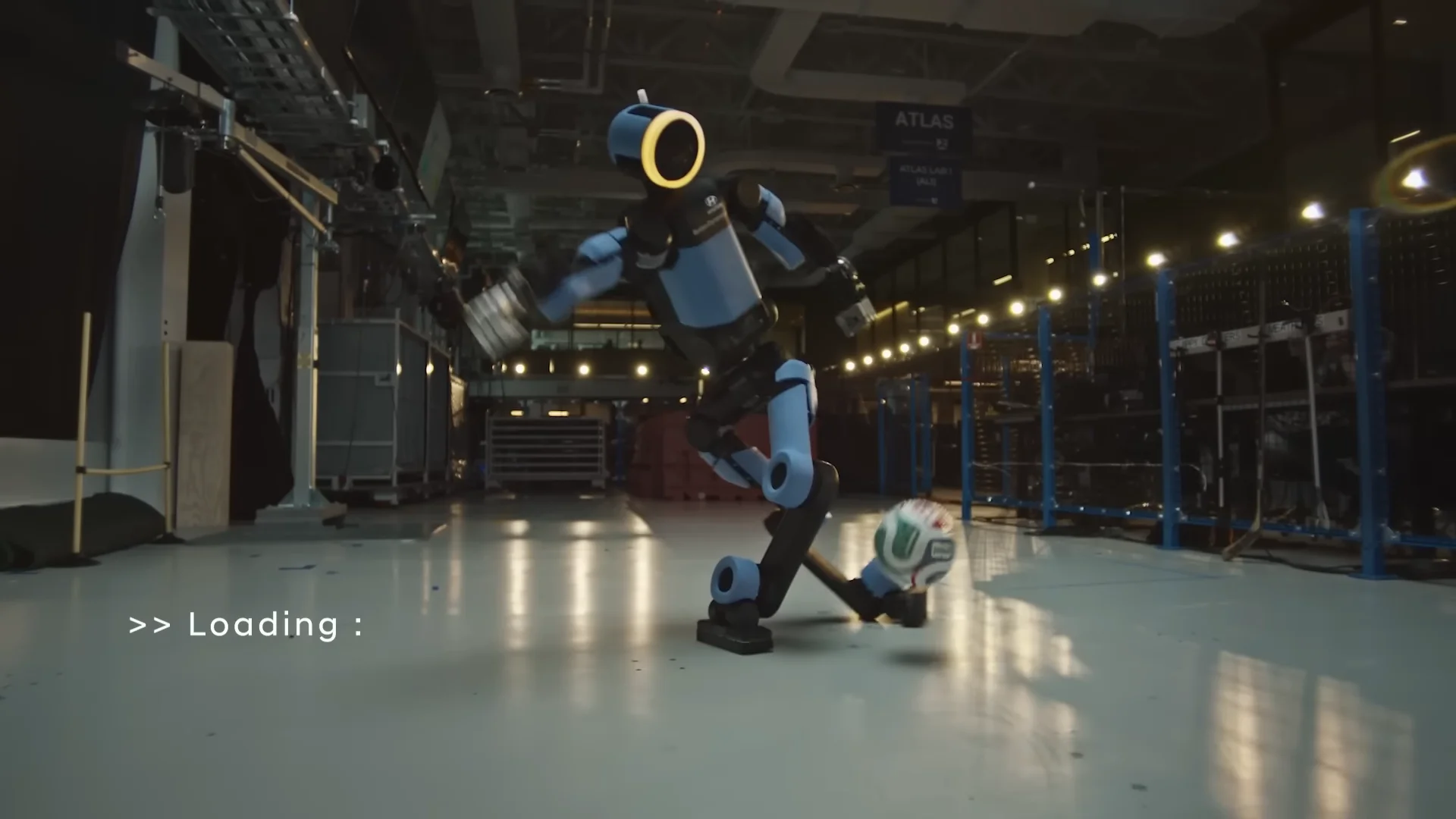
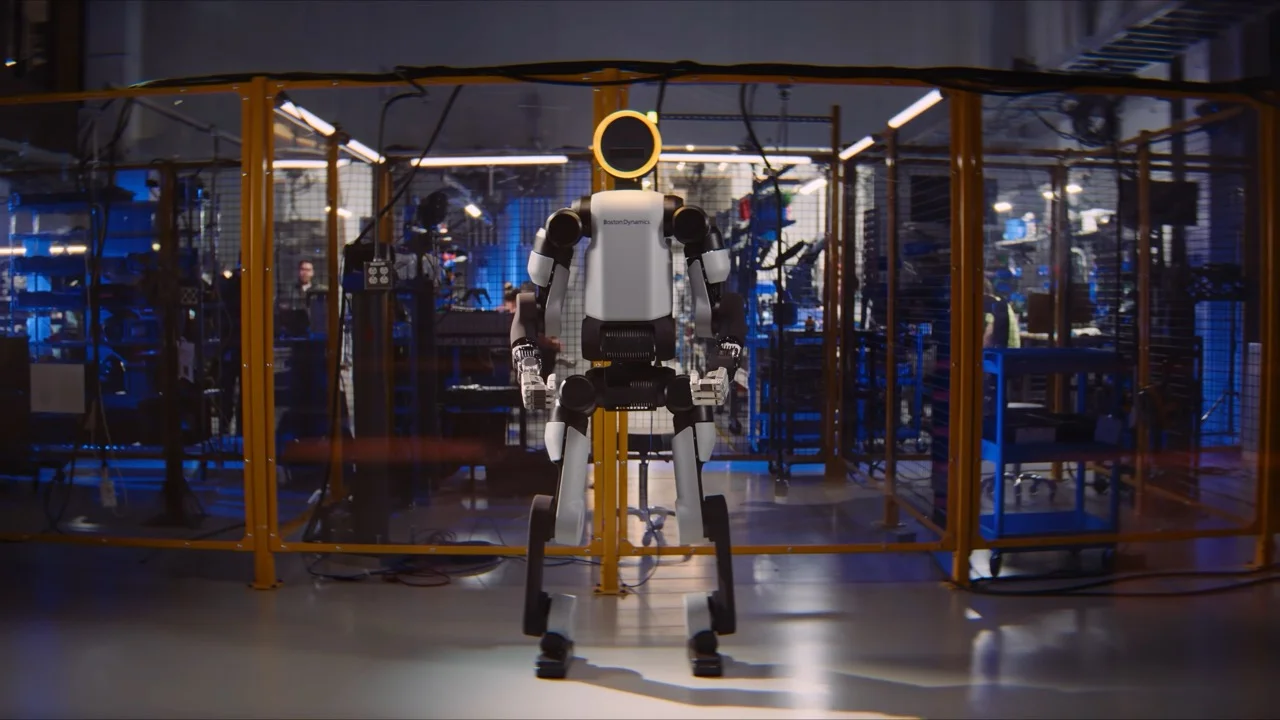
Despite the internal reshuffling, the engineering team continues to hit technical milestones. Today, Boston Dynamics published the first video of the production-ready Atlas moving.
The clip shows the robot performing a handstand and utilizing its unique 360-degree actuators to rotate its torso and limbs in ways that defy human skeletal limits. The company’s social media post acknowledged the difficulty of the current moment, stating, "Balancing commercial goals and robotics research can be tricky, but with Atlas we're making it work."
The Competitive Squeeze
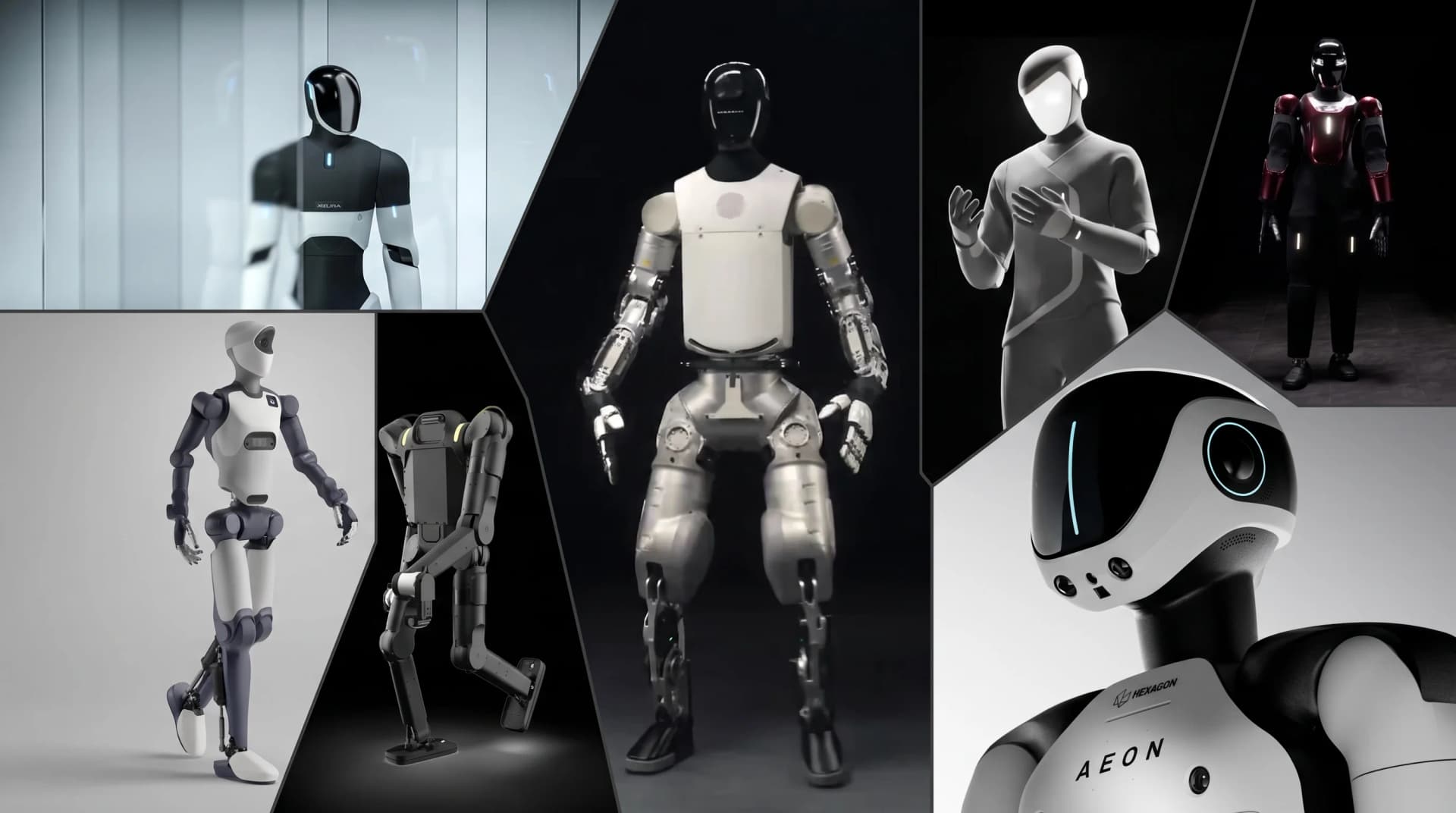
The urgency felt by the Boston Dynamics board is likely exacerbated by a rapidly maturing competitive field. American rivals like Figure and 1X have both demonstrated significant leaps in manufacturing throughput, with Figure now producing one robot per hour at its BotQ facility.
Simultaneously, Chinese firms are pulling ahead in the commercial volume race. Unitree Robotics has expanded its lineup with modular dual-arm platforms starting at $4,290, while AGIBOT and UBTECH have already crossed significant production milestones, shipping hundreds or thousands of units to industrial partners.
As Boston Dynamics moves toward a potential IPO, the new leadership must prove it can maintain its legendary technical edge while adopting the "move fast" mentality of its younger, more agile competitors. The "Phase Two" of the humanoid mission has begun, and the stakes for the Waltham-based pioneer have never been higher.
Share this article
Read next
- Published on
- Reading time
- 4 min read
The Blueprint for a Bipedal Workforce: Kia Details Atlas Deployment Roadmap
- Published on
- Reading time
- 4 min read
Hyundai to Take Full Ownership of Boston Dynamics in $325 Million SoftBank Buyout
- Published on
- Reading time
- 7 min read
Hyundai Says Atlas Will Not Replace Workers — One Day After Settling a Strike Over Exactly That
- Published on
- Reading time
- 5 min read
Form as Function: Boston Dynamics Details the Industrial Design Logic Behind the Production Atlas
- Published on
- Reading time
- 5 min read
From Viral Clips to the Factory Floor: 60 Minutes Goes Inside Boston Dynamics’ Industrial Shift
- Published on
- Reading time
- 3 min read
End of an Era: Boston Dynamics CEO Robert Playter to Retire
The weekly humanoid robotics briefing
One email a week: the launches, funding and research that mattered, with context from Humanoids Daily.
Read recent issues