- Published on
Unitree Reclaims the Spotlight with 18,000 Cumulative Bipedal Humanoids Produced
One tap, and our reporting appears more often in your Google Top Stories. It makes a real difference to a small newsroom.

Supported by RoboStrategySupport for Humanoids Daily comes from RoboStrategy
Sponsored
Investing involves risk, including possible loss of principal. Read the prospectus before investing.
- Unitree announced it has cumulatively produced approximately 18,000 bipedal humanoid robots as of July 2026.
- The company explicitly specified that the figure includes only bipedal models, deliberately excluding wheeled platforms or hybrid designs.
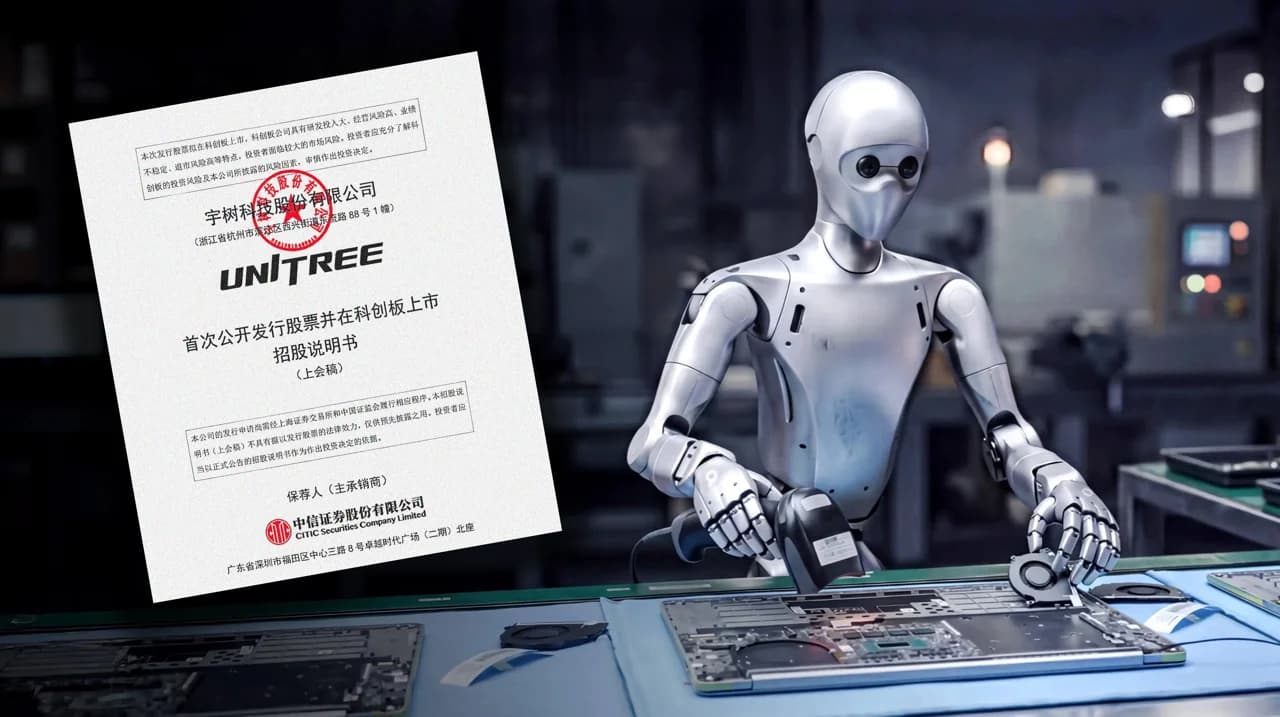
- The update comes directly on the heels of Unitree’s record-breaking $904 million STAR Market IPO.
- The milestone draws a sharp line in its competitive volume battle against rival AGIBOT, which recently claimed top shipment numbers with a multi-form fleet.
- Both Chinese market leaders continue to face regulatory barriers in Western markets following sweeping US FCC import restrictions.
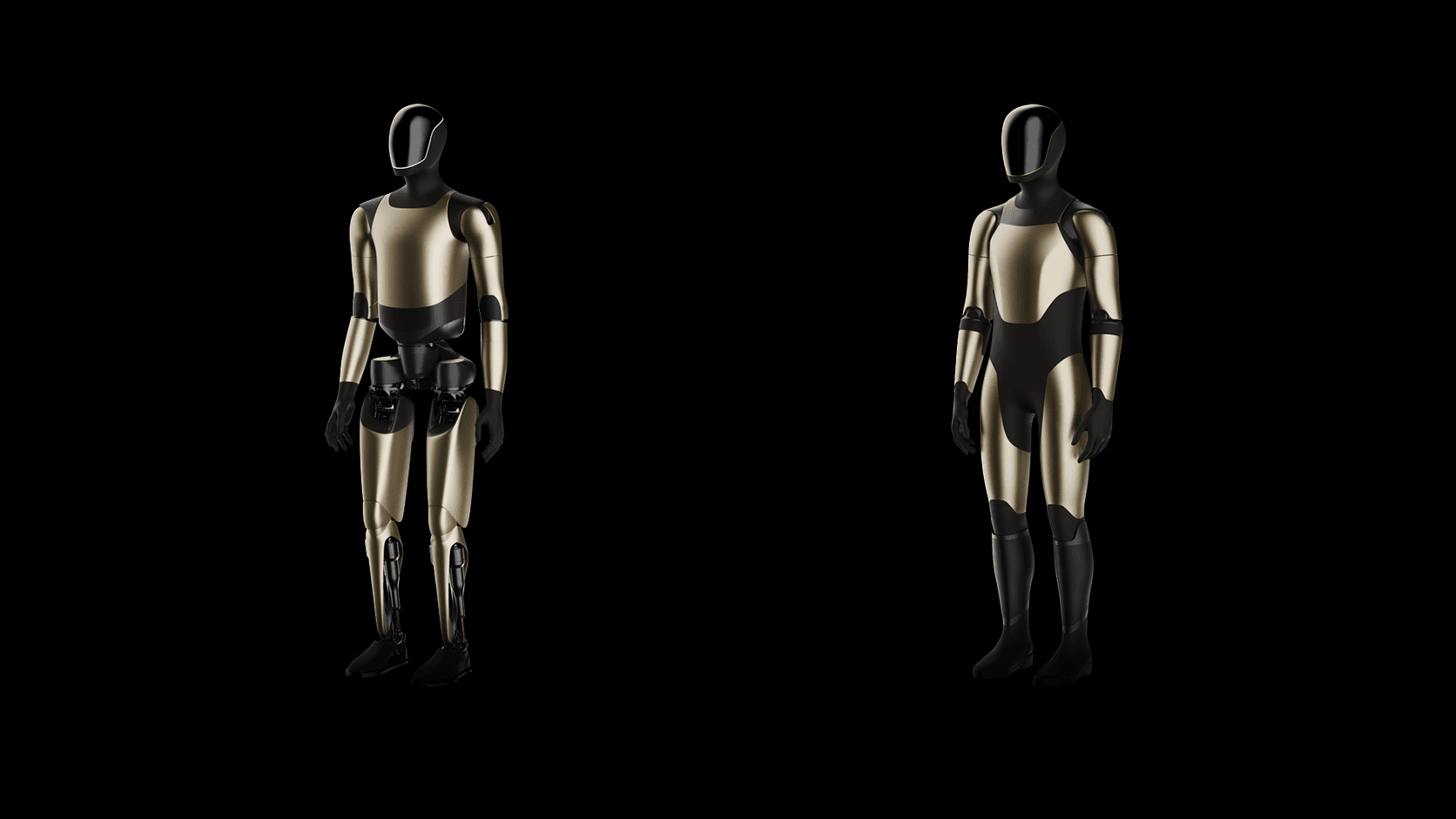
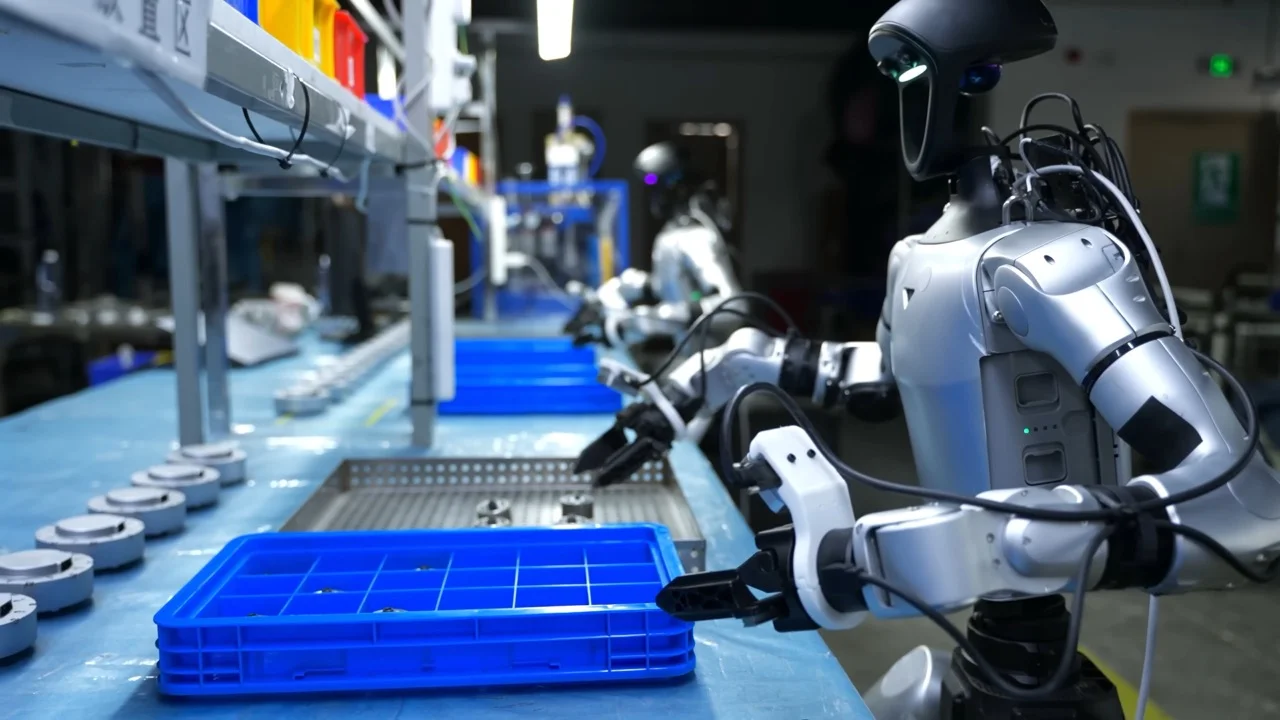
Unitree Robotics has announced a major manufacturing threshold, declaring that it has produced and rolled off approximately 18,000 cumulative humanoid robots as of July 2026.
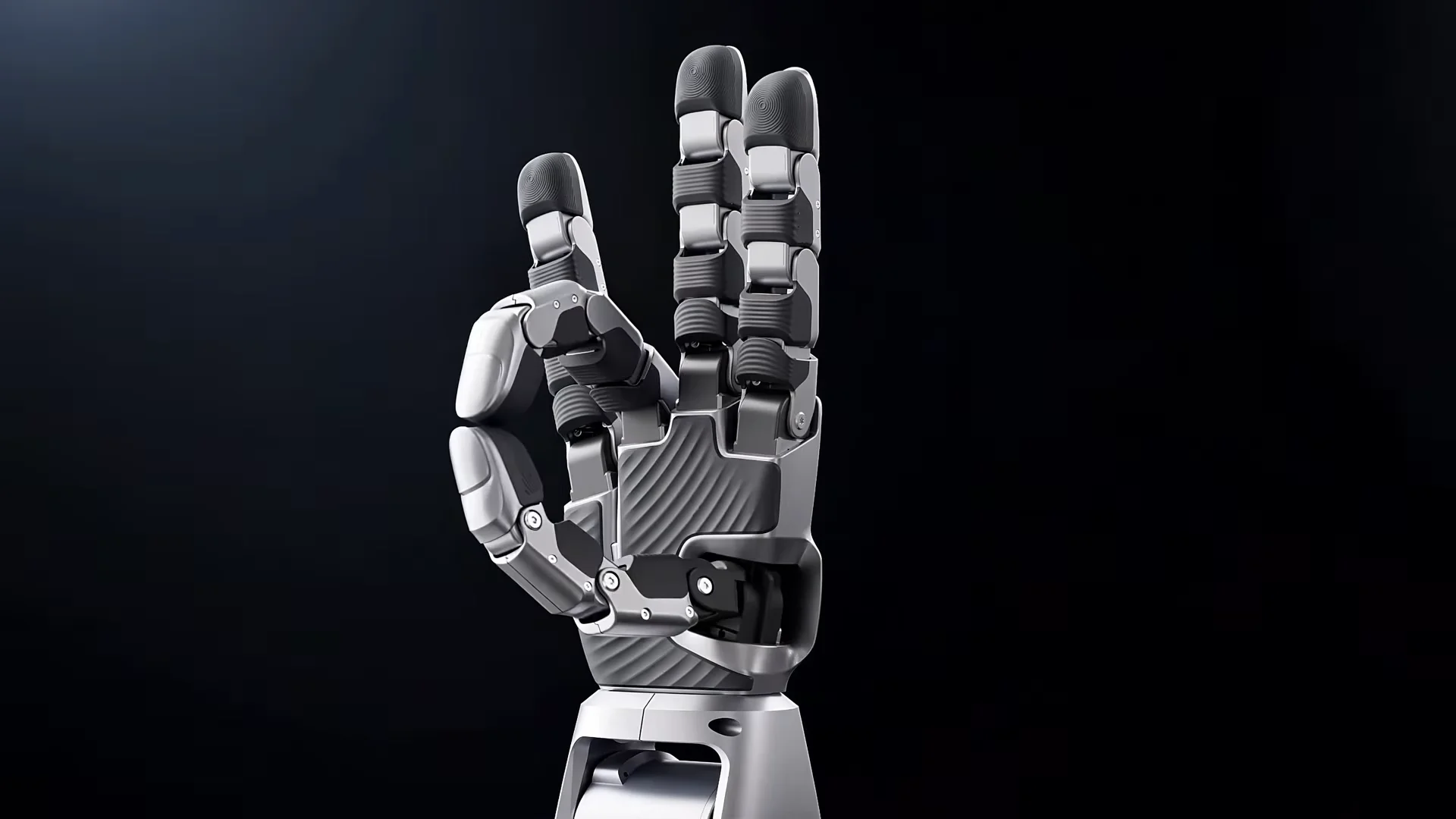
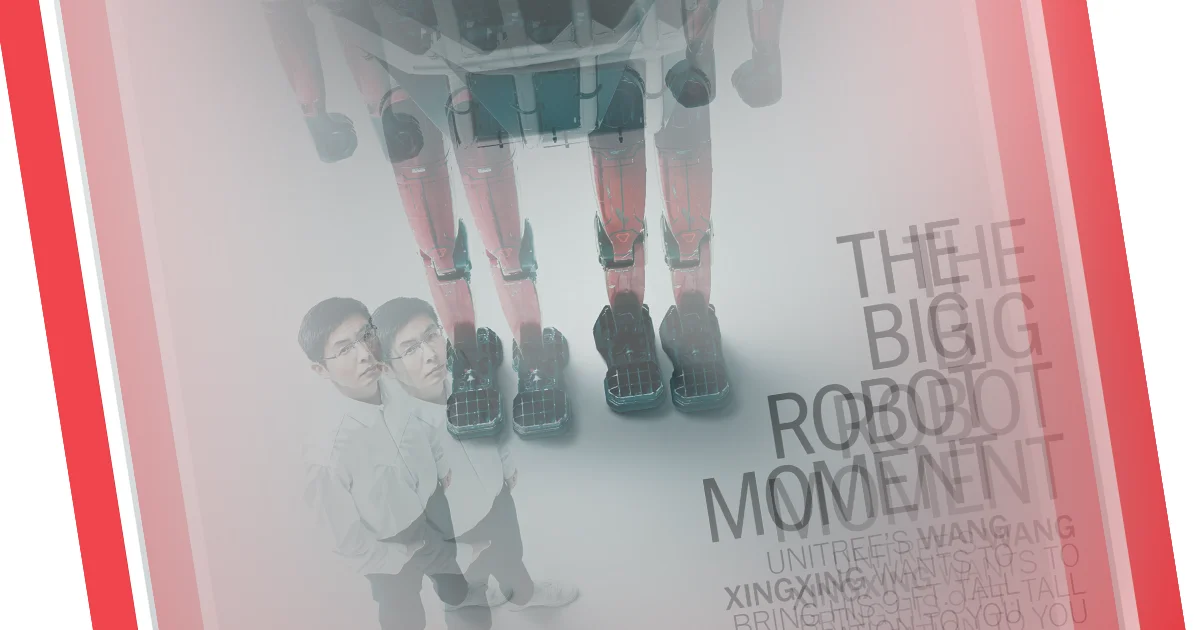
The update, shared via social media alongside promotional artwork featuring a bipedal robot in a dramatic pose, underscores the Hangzhou-based manufacturer’s massive production velocity. However, the most telling aspect of the announcement lies in its fine print: Unitree explicitly noted that the 18,000-unit count covers "Bipedal Humanoid Robot Units Across Multiple Models" and strictly excludes "other humanoid robot types and wheeled humanoid platforms."
A Calculated Move in the "Numbers War"
The specific emphasis on pure bipedal locomotion is no coincidence. It represents a direct salvo in the ongoing volume rivalry between Unitree and Shanghai-based AGIBOT.
According to recent market data, AGIBOT overtook Unitree in first-half 2026 shipments, commanding a 44% market share after rolling out its 15,000th cumulative robot in June. However, AGIBOT's fleet includes a diverse mix of form factors, including full-size bipeds (A-series), half-size models (X-series), and wheeled task platforms (G-series).
The weekly humanoid robotics briefing
One email a week: the launches, funding and research that mattered, with context from Humanoids Daily.
Read recent issuesBy pointedly excluding wheeled humanoids and hybrid form factors from its 18,000-unit total, Unitree is seeking to frame the conversation around true legged hardware. While competitors leverage "wheeled compromises" to accelerate commercial adoption in structured logistics and factory environments, Unitree continues to assert its identity as the world's leading volume producer of purely bipedal machines.
Capital Strength Fuels Mass Production
Unitree’s announcement arrives during a period of significant momentum for the company. Unitree completed its long-awaited initial public offering on the Shanghai Stock Exchange's STAR Market, raising approximately 6.1 billion yuan ($904 million) and taking on strategic investment from AI developer DeepSeek to co-develop embodied foundation models.
A significant portion of Unitree’s cumulative volume has been driven by its compact G1 bipedal robot, which accounted for more than 11,000 manufactured units by mid-2026. By applying its aggressive, vertically integrated supply chain strategy—a tactic analysts call the DJI playbook—Unitree has consistently reduced per-unit production costs, enabling research labs, educational institutions, and industrial clients to deploy its hardware at scale.
Scaling Hardware in a Fractured Market
While reaching 18,000 units reinforces China's overwhelming dominance in physical robotics manufacturing—where domestic firms account for over 97% of global humanoid shipments—the broader market environment remains complex.
Maintaining this production cadence will require navigating severe geopolitical headwinds. Recent sweeping FCC import restrictions in the United States have severely curtailed Chinese humanoid imports into American research and commercial sectors. As Western trade barriers harden, high-volume producers like Unitree will increasingly rely on China's domestic ecosystem and friendly international markets to absorb their expanding manufacturing output.
Nonetheless, Unitree's latest figure makes one thing clear: as the industry shifts away from prototype demonstrations toward industrial-scale assembly, the battle for humanoid supremacy will be fought as much on factory floor capacity as on AI benchmarks.
Share this article
Read next
- Published on
- Reading time
- 3 min read
Unitree Says It Won’t Become a Robot Integration Company
- Published on
- Reading time
- 4 min read
Unitree Soars Over 600% in Shanghai IPO, Cements China’s Lead in Humanoid Hardware
- Published on
- Reading time
- 5 min read
Unitree’s Blockbuster IPO Highlights the Scramble for Embodied AI Supremacy
- Published on
- Reading time
- 4 min read
Unitree Kicks Off STAR Market IPO Amid Deepening US-China Robotics Rivalry
- Published on
- Reading time
- 5 min read
The DJI Playbook: How Unitree’s Aggressive Vertical Integration is Cornering the Humanoid Market
- Published on
- Reading time
- 6 min read
Unitree Clears Major Hurdle with Fast-Track STAR Market IPO Approval

The weekly humanoid robotics briefing
One email a week: the launches, funding and research that mattered, with context from Humanoids Daily.
Read recent issues