- Published on
Unitree Scales Global Ambitions with Reported Alibaba Strategic Partnership
One tap, and our reporting appears more often in your Google Top Stories. It makes a real difference to a small newsroom.

The "One-Click" Humanoid Goes Global
The boundary between specialized research hardware and mass-market consumer electronics is thinning. Unitree Robotics, currently the global leader in humanoid shipments, is reportedly set to enter a strategic partnership with Alibaba Group to facilitate a massive overseas expansion via the AliExpress marketplace.
According to reports from Pandaily and the South China Morning Post, the initiative is expected to launch as early as next week, targeting key markets including North America, Europe, Japan, and Singapore. The move follows the sighting of Unitree’s latest model, the R1, at Alibaba’s Xixi campus on April 9, 2026, signaling a deepening tie between the robotics powerhouse and the e-commerce giant.
Scaling Through the "Brand+" Channel
The partnership is reportedly centered on the AliExpress "Brand+" channel, a tier reserved for internationally recognized household names that offers standardized free shipping and returns. This infrastructure is critical for Unitree as it attempts to bridge the utility gap between high-tech prototypes and reliable consumer products.
By leveraging Alibaba’s cross-border logistics, Unitree aims to provide a more seamless procurement experience than traditional international shipping allows. This strategy echoes the company’s recent listing of the G1 humanoid on Amazon and Walmart, where it introduced a "convenience premium" for buyers seeking domestic protections and simplified customs clearance.
The weekly humanoid robotics briefing
One email a week: the launches, funding and research that mattered, with context from Humanoids Daily.
Read recent issuesThe R1: Democratizing Bipedal Motion
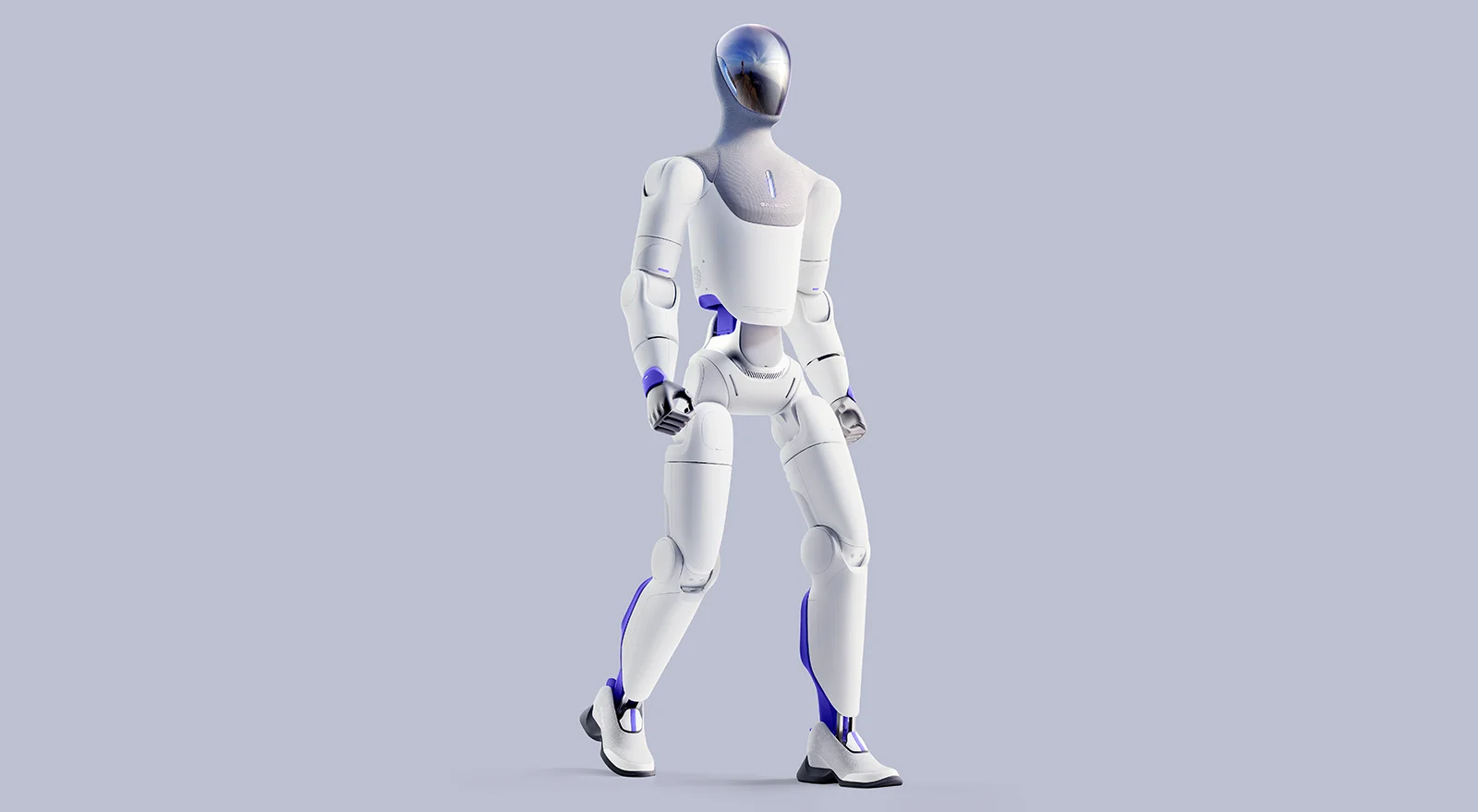
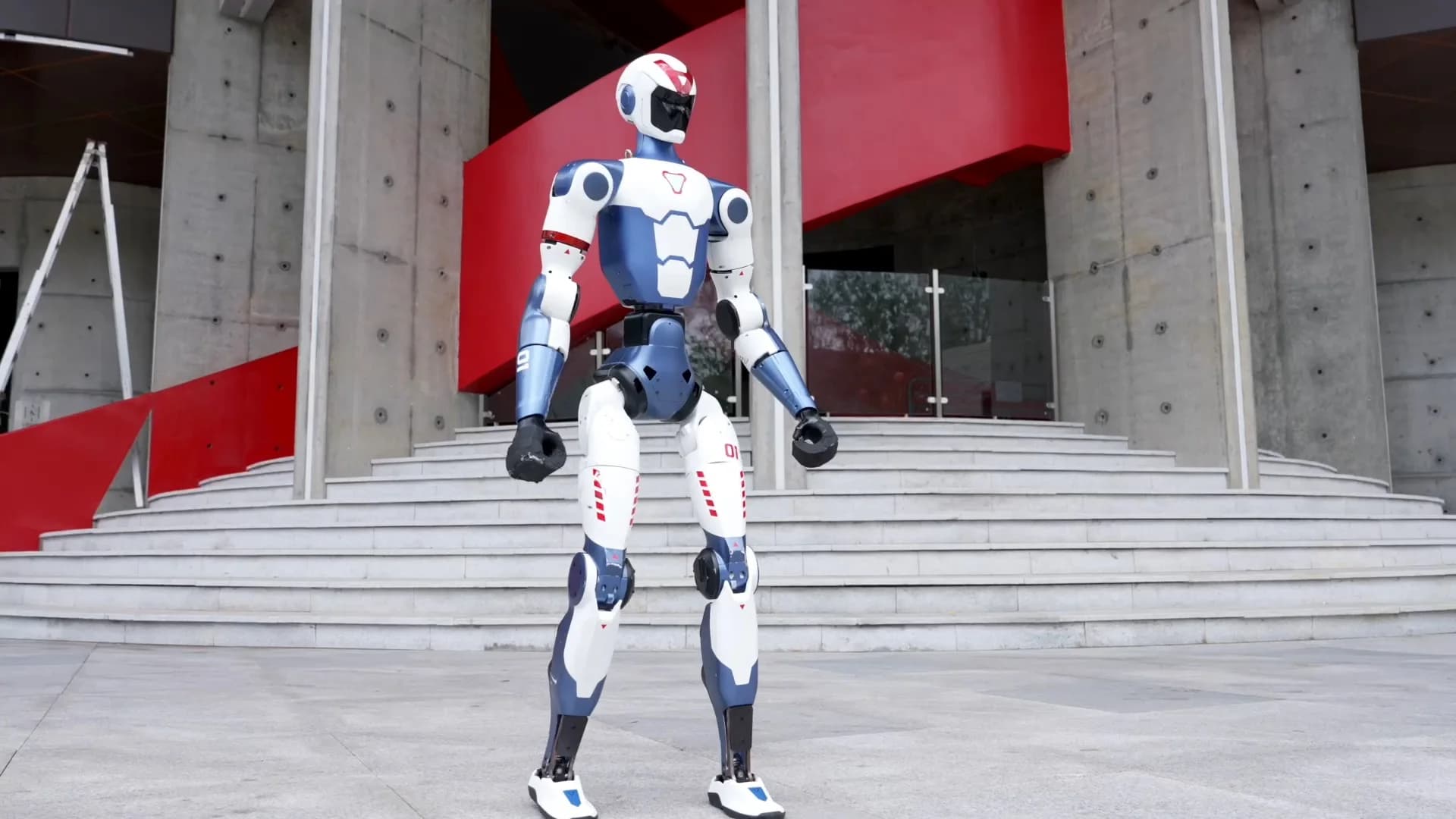
The spearhead of this expansion is the Unitree R1, which was recently named one of TIME’s Best Inventions of 2025. Marketed with the tagline "born for sport," the R1 represents the company’s most accessible humanoid platform to date:
- Price Point: Currently priced in mainland China at 29,900 yuan (approx. $4,370 USD).
- Physical Specs: Standing 123cm tall and weighing 27kg, the unit is designed for agility, capable of performing cartwheels, running downhills, and standing up autonomously.
- Hardware: Features 26 joints and integrated AI for voice and image processing.
While Unitree has not yet disclosed the official international MSRP for the R1 on AliExpress, the platform is expected to use the model to lower the barrier to entry for researchers and tech enthusiasts worldwide.
IPO Stakes and the 20,000-Unit Goal
The timing of this global push is surgically precise. On March 20, 2026, the Shanghai Stock Exchange officially accepted Unitree’s IPO application, with the company seeking to raise 4.202 billion RMB (approx. $580 million USD).
Unitree reported a "leapfrog" growth trajectory in 2025, with revenue hitting 1.7 billion RMB (approx. $235 million USD) and a net profit surge of 674%. Having shipped 5,500 humanoid units last year , CEO Wang Xingxing has set an aggressive target of 20,000 units for 2026.
Securing a high-volume retail channel like AliExpress is likely a prerequisite for meeting these shipment targets. As the company transitions from the "showmanship" of martial arts routines at the Temple of Heaven to industrial and consumer utility, the ability to move hardware at scale will be the primary metric investors use to judge its post-IPO valuation, which is targeted at approximately $6 billion USD.
A Strategic Milestone in Shenzhen
The partnership is expected to be officially unveiled at a brand conference in Shenzhen in mid-April. This event will likely clarify how Unitree plans to handle the "No Secondary Development" restrictions seen on its other retail models and whether the AliExpress launch will include the more advanced G1 or the bigger H2.
The Geopolitical Counter-Wind
Unitree's aggressive push into North America arrives just as Washington moves to lock the door. On March 28, 2026, US lawmakers introduced the American Security Robotics Act, a bipartisan bill aimed at banning the federal government from purchasing or operating Chinese-manufactured humanoid robots.
The legislation, spearheaded by Senators Tom Cotton and Chuck Schumer, cites severe national security risks, including concerns that internet-connected robots could exfiltrate sensitive data via "hidden backdoors". Schumer specifically argued that Chinese firms are attempting to "flood the US market with subsidized technology". While the bill offers carve-outs for research and evaluation, it threatens to bar the use of federal funds for purchasing platforms like the R1 or G1, potentially hamstringing American university labs that rely on affordable Chinese hardware.
Share this article
Read next
- Published on
- Reading time
- 3 min read
Unitree Says It Won’t Become a Robot Integration Company
- Published on
- Reading time
- 4 min read
Unitree Soars Over 600% in Shanghai IPO, Cements China’s Lead in Humanoid Hardware
- Published on
- Reading time
- 3 min read
Unitree Reclaims the Spotlight with 18,000 Cumulative Bipedal Humanoids Produced
- Published on
- Reading time
- 5 min read
Unitree’s Blockbuster IPO Highlights the Scramble for Embodied AI Supremacy
- Published on
- Reading time
- 4 min read
Unitree Kicks Off STAR Market IPO Amid Deepening US-China Robotics Rivalry
- Published on
- Reading time
- 5 min read
The DJI Playbook: How Unitree’s Aggressive Vertical Integration is Cornering the Humanoid Market

The weekly humanoid robotics briefing
One email a week: the launches, funding and research that mattered, with context from Humanoids Daily.
Read recent issues