- Published on
From Totes to Bearings: Agility’s Digit Hits the Production Floor in South Carolina
One tap, and our reporting appears more often in your Google Top Stories. It makes a real difference to a small newsroom.

Supported by RoboStrategySupport for Humanoids Daily comes from RoboStrategy
Sponsored
Investing involves risk, including possible loss of principal. Read the prospectus before investing.
The "Schaeffler Effect"—the market’s aggressive re-rating of the German industrial giant as a primary proxy for humanoid robotics—is no longer confined to financial spreadsheets or digital twin simulations. While the company has spent years building virtual replicas of its factories and establishing specialized subsidiaries in China, the reality of "Physical AI" has officially arrived in Cheraw, South Carolina.
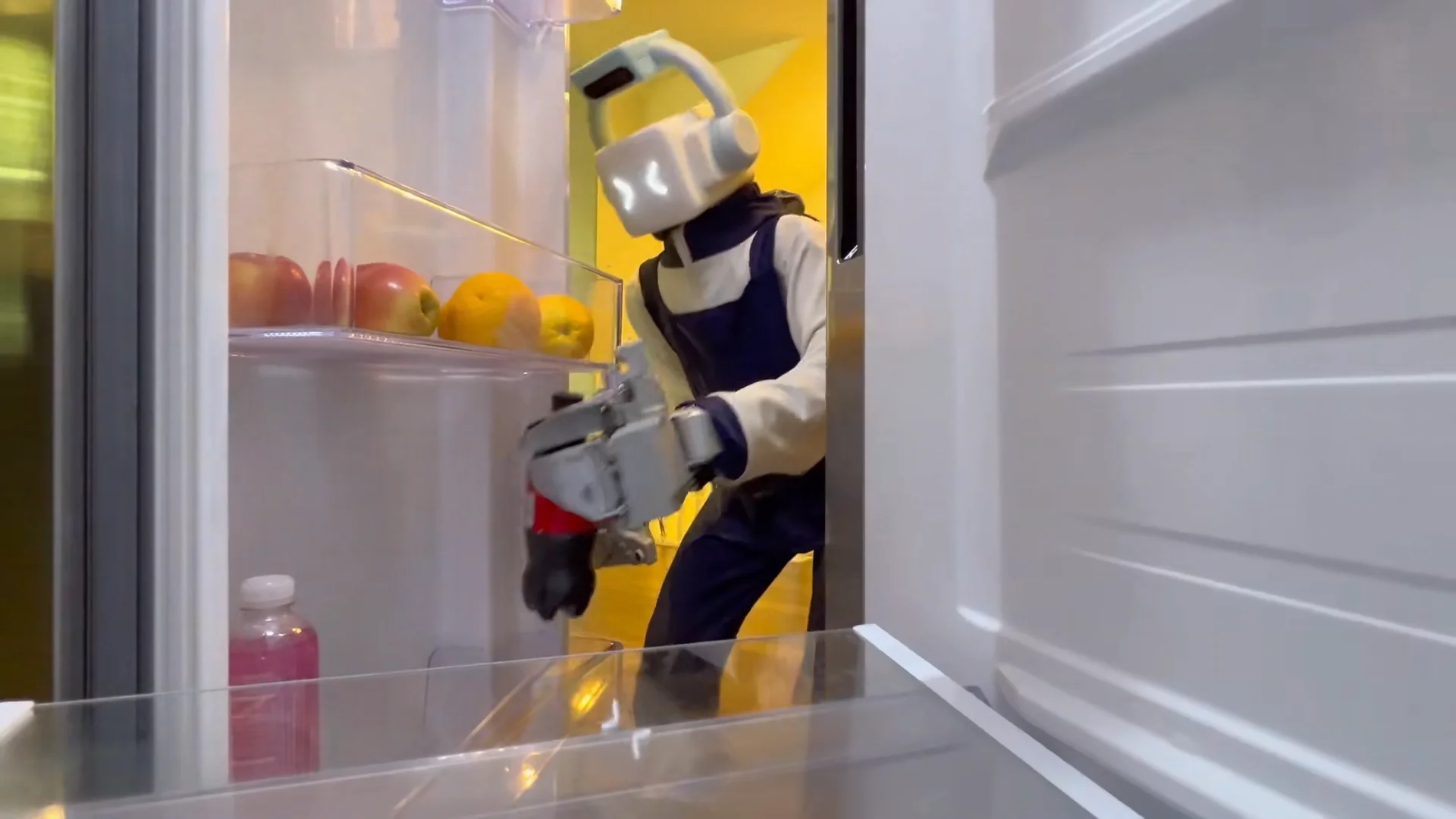
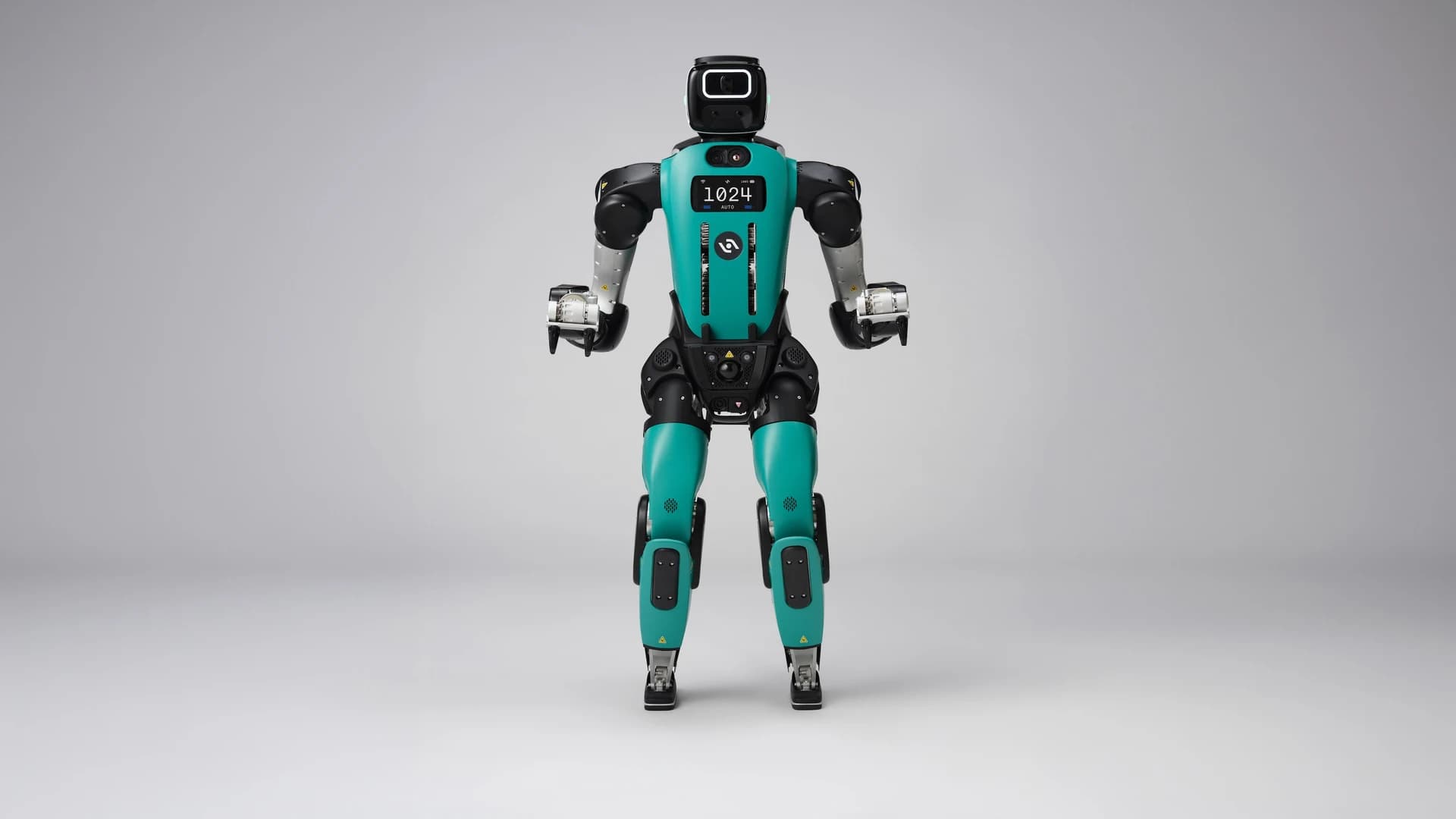
A recent report from the Wall Street Journal provides a rare look at Agility’s Digit humanoid performing "grunt work" inside a Schaeffler auto-parts plant. The deployment represents a significant step forward in the commercialization of humanoid labor, moving the technology out of the third-party logistics (3PL) sector and directly into the heart of heavy manufacturing.
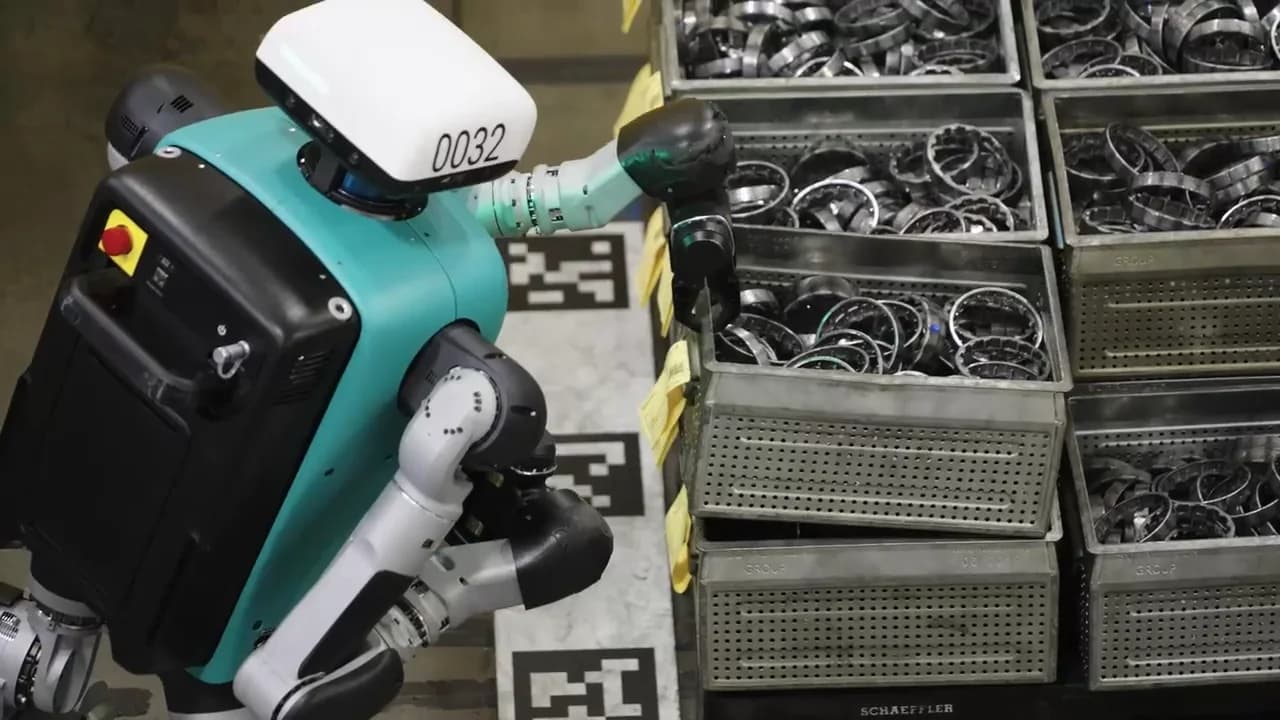
The Cheraw Deployment: Baskets over Backflips
In the Cheraw facility, which employs 750 people, a Digit unit is tasked with moving 25-pound baskets of bearing components from a stamping press to an industrial washing machine. The robot operates for eight hours a day, divided into two four-hour shifts with a recharge break in between.
This specific workflow aligns with the "reliability-first" strategy championed by Agility. Unlike certain competitors, Agility has focused on the "boring" consistency of material handling. At Schaeffler, this means "basket after basket, pallet after pallet"—a task previously performed by a human worker who has since been transitioned to a higher-skilled inspection role.
The weekly humanoid robotics briefing
One email a week: the launches, funding and research that mattered, with context from Humanoids Daily.
Read recent issuesThe Economics of the New Coworker
The financial data emerging from the Cheraw deployment underscores the growing case for robotic labor in regions struggling with workforce shortages. Schaeffler’s Cheraw plant currently features a "Now Hiring" sign, a common sight in an area that has faced decades of economic upheaval.
While entry-level positions at the plant start at $20 an hour, the operational cost of Digit is currently estimated at $10 to $25 an hour, depending on the service model. Agility co-founder Damion Shelton suggests these costs could eventually plummet to as low as $2 or $3 per hour. This cost-efficiency is a primary driver behind Schaeffler’s goal to have hundreds of humanoids working across its global footprint by 2030.
Breaking Out of the Cage
Currently, Digit labors alone inside a Plexiglas cage to comply with federal safety standards. However, this barrier is intended to be temporary. Agility’s Chief Business Officer, Daniel Diez, noted that a new model coming at the end of 2026 will feature advanced human-detection sensors, allowing the robot to work without physical barriers.
This move toward cage-free operation is a critical milestone in Agility's 25-year vision for human-robot coexistence. The company has already laid the groundwork for this transition by securing OSHA-recognized safety approval for its current deployments, distinguishing it from startups that are still navigating the regulatory "uncanny valley."
A Multi-Pronged Strategy
Schaeffler’s use of Digit in South Carolina is just one component of a massive, multi-vendor robotics strategy. The company has already:
- Signed a strategic partnership with Leju Robotics in China.
- Committed to thousands of units from Neura Robotics.
- Entered a five-year alliance with UK-based startup Humanoid.
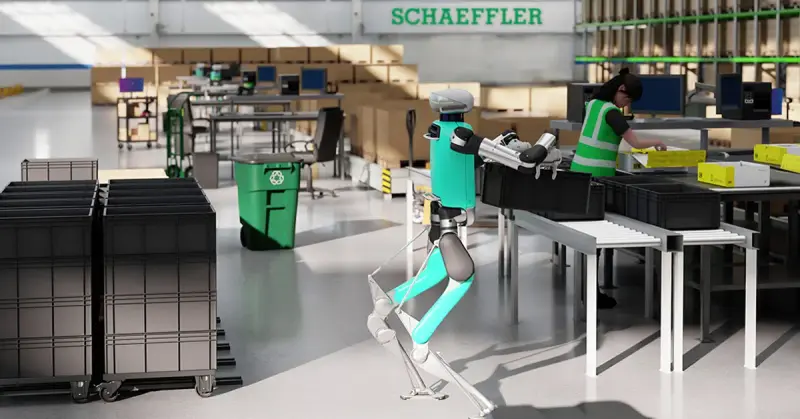
By acting as both a primary customer and a specialized component supplier (manufacturing the very actuators that power these machines), Schaeffler is positioning itself as the indispensable infrastructure of the robotics era. As Digit’s ostrich-like legs become a familiar sight on factory floors from South Carolina to Suzhou, the industry is moving past the "if" of humanoid deployment and into the rigorous, repetitive "how."
Share this article
Read next
- Published on
- Reading time
- 4 min read
Beyond the Bot: Agility Robotics Rebrands to "Agility" to Signal Broader Ambitions
- Published on
- Reading time
- 3 min read
Corporate Investors Bet Big on Robotics Revolution: CVC Deals Jump 183% in Q1
- Published on
- Reading time
- 4 min read
Schaeffler Explores AI-Driven Factories and Humanoid Co-Workers with Accenture, NVIDIA, Microsoft
- Published on
- Reading time
- 4 min read
Podcast Recap: Inside the Rotary-vs-Linear Actuator Showdown Shaping Humanoid Robots
- Published on
- Reading time
- 4 min read
Noble Machines Exits Stealth: The "Anti-Human" Approach to Industrial Humanoids
- Published on
- Reading time
- 4 min read
Agility’s Digit 5 Reveal Includes a Wheeled Robot Concept



The weekly humanoid robotics briefing
One email a week: the launches, funding and research that mattered, with context from Humanoids Daily.
Read recent issues