- Published on
1X Accelerates NEO Developer Release to Counter U.S. Bans on Chinese Humanoids
One tap, and our reporting appears more often in your Google Top Stories. It makes a real difference to a small newsroom.

Supported by RoboStrategySupport for Humanoids Daily comes from RoboStrategy
Sponsored
Investing involves risk, including possible loss of principal. Read the prospectus before investing.
- In response to U.S. political pressure on Chinese robotics, 1X Technologies is accelerating plans to distribute its NEO humanoid robot directly to developers.
- The move follows a warning from the House Select Committee on China targeting Hangzhou-based Unitree Robotics, which has long served as the de facto hardware baseline for Western AI labs.
- Public criticism of the proposed GUARD Act has highlighted a major vulnerability: Western robotics companies have largely restricted their humanoids to closed enterprise pilots rather than open commercial sales.
- 1X CEO Bernt Børnich frames the decision as a strategic necessity to ensure Western researchers have access to a "safe, affordable, and capable" alternative platform.
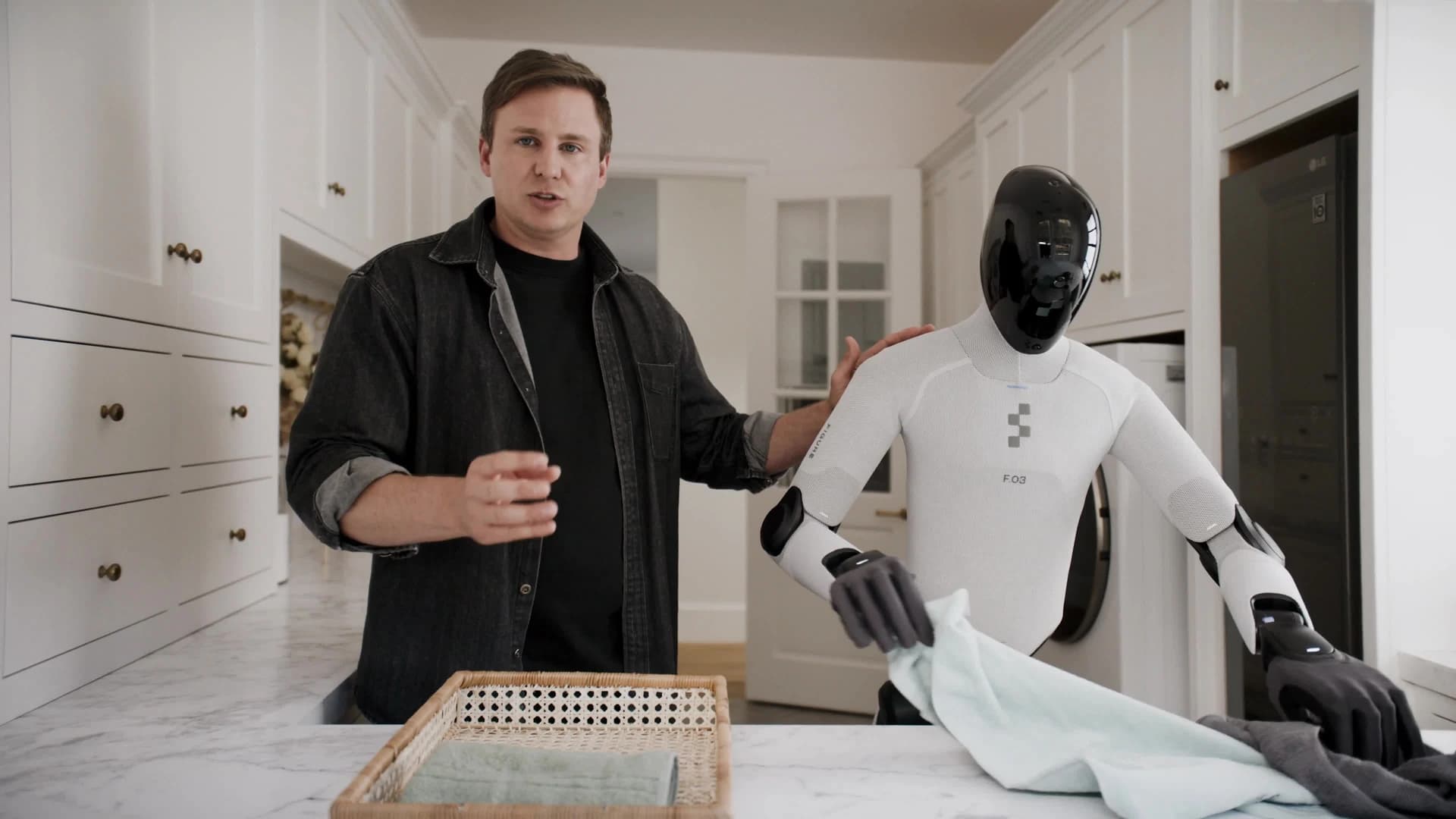
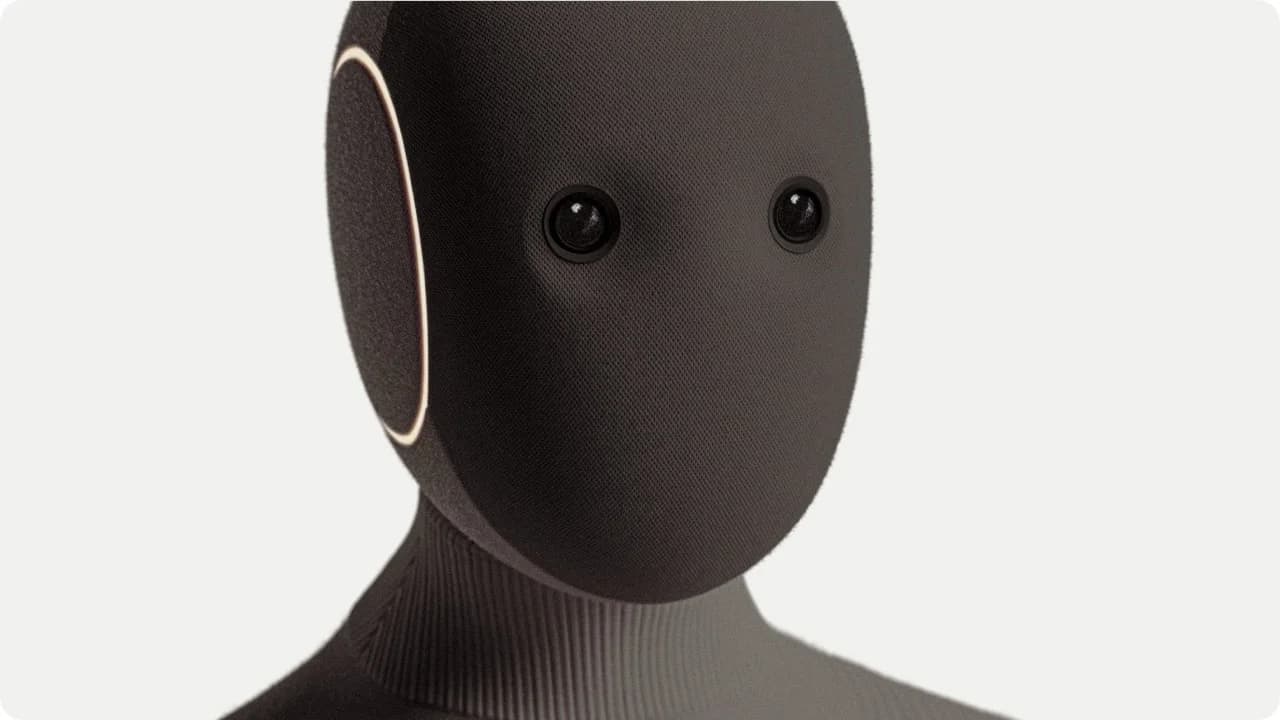
The political push to purge Chinese hardware from Western artificial intelligence laboratories has triggered an unexpected countermove from the domestic robotics industry. On June 24, 2026, Bernt Børnich, CEO of Norwegian-American robotics firm 1X Technologies, announced that the company is accelerating its timeline to deliver its highly anticipated NEO humanoid robot directly to software developers.
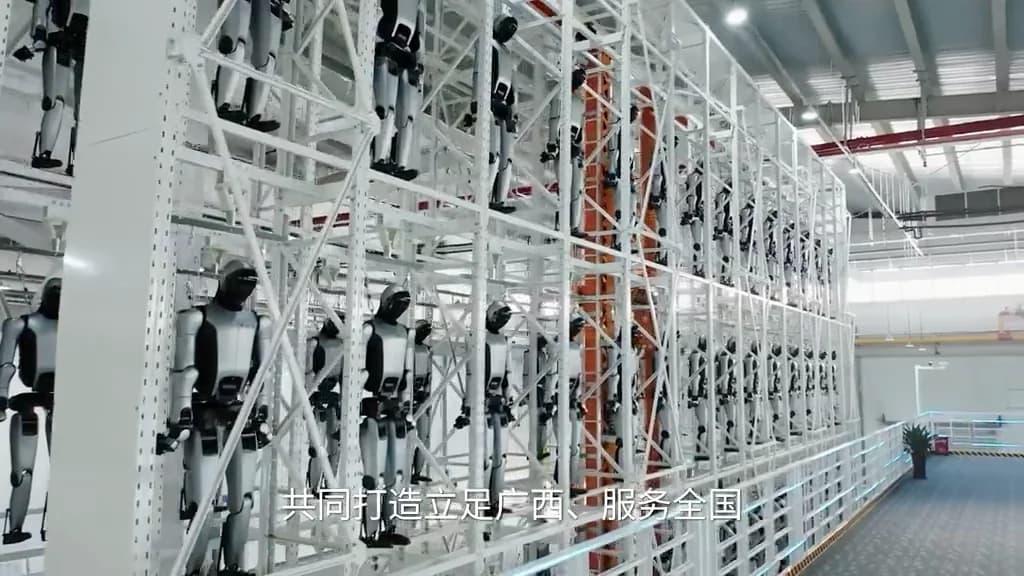
The strategic pivot represents a direct bid to fill a looming hardware vacuum. For years, Western AI researchers have relied almost exclusively on low-cost, high-volume bipedal platforms from Chinese suppliers—chiefly Hangzhou-based Unitree Robotics—to test their machine learning models. However, escalating national security anxieties are threatening to sever that supply chain overnight.
A Geopolitical Flashpoint on Amazon
The catalyst for 1X’s announcement was an aggressive public warning issued two days prior by the U.S. House Select Committee on China. In a social media post, the committee called out the commercial availability of Chinese humanoids on domestic retail platforms:
"Unitree was recently designated as a Chinese military company and its products are a threat to our national security, yet here is @Amazon selling a Unitree robot in America," the committee stated, renewing calls for Chairman John Moolenaar’s GUARD Act of 2026 to halt the imports.
The GUARD Act seeks to block adversary-built robotics by leveraging the FCC’s Covered List. While the bill aims to shield American infrastructure, its introduction sparked immediate panic and criticism across the tech sector. Online commentary pointed out a glaring systemic vulnerability: American and European robotics firms have been notoriously late to actually sell their machines.
The weekly humanoid robotics briefing
One email a week: the launches, funding and research that mattered, with context from Humanoids Daily.
Read recent issuesWhile Unitree aggressively commoditized bipedal movement by selling the G1 on Amazon for $17,990, Western alternatives have remained frustratingly out of reach. Prominent domestic humanoids are largely restricted to closed, enterprise-first corporate pilots rather than being sold as open, off-the-shelf research platforms. The few exceptions, such as Fauna Robotics' Sprout platform recently acquired by Amazon.
Breaking the Gatekeeping Model
Recognizing that an import ban could leave Western AI labs starved of physical testing hardware, 1X is stepping into the breach. Quote-tweeting the Select Committee's warning, Børnich revealed that 1X would shift its rollout strategy to support the broader developer ecosystem.
"I’ve been putting a lot of thought into this, and we’re going to accelerate our plans of delivering NEO to developers," Børnich stated. "The West having a proper humanoid development platform is too important for the future of humanity for us to gate-keep."
Børnich argued that NEO’s physical architecture—characterized by a passively safe, low-energy tendon drive system—makes it uniquely qualified to serve as a widespread research baseline. "The NEO hardware, by way of being safe, affordable, and capable (able to carry heavy loads with human-level dexterity) is uniquely well positioned to accelerate humanoid robotics research and the robotics startup ecosystem by orders of magnitude," he added.
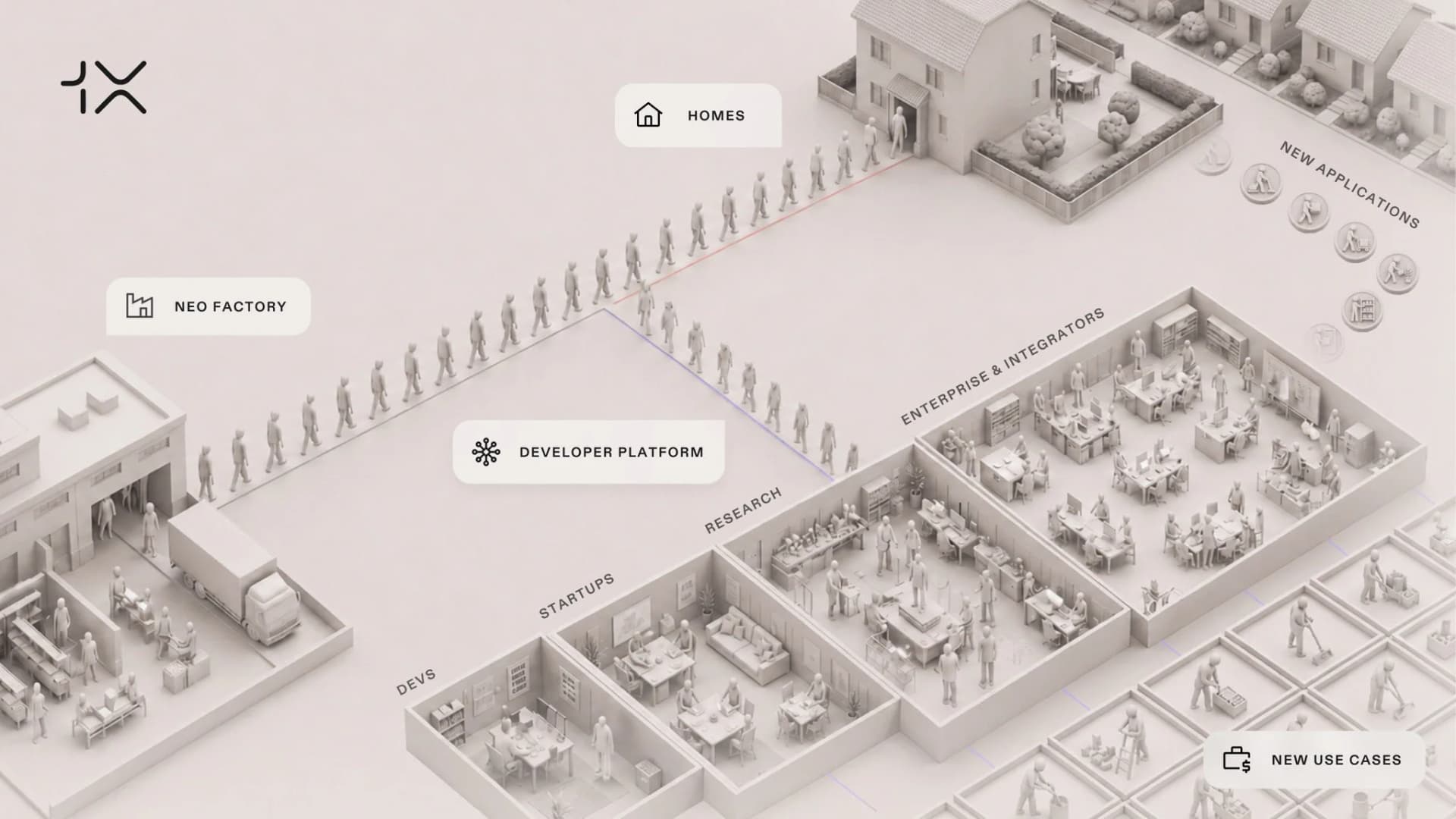
An accompanying architectural graphic, shared by Bernt Børnich, illustrates this new multi-pronged distribution pipeline. The diagram visualizes the flow of hardware from the "NEO Factory" splitting into two distinct lines: one maintaining the direct path to consumer "Homes," and a newly prioritized "Developer Platform" branch funneled straight into labs, startups, and enterprise research divisions.
The Hardware Race Quantified
The acceleration of the developer program does not disrupt 1X's consumer roadmaps; rather, Børnich claims it will make the consumer product "10x better," likely by accelerating the data collection loop necessary to train the robot's newly restructured World Model Lab. 1X previously announced that consumer pre-orders for the $20,000 humanoid would begin shipping late this year, supported by a newly operational 58,000-square-foot production facility in Hayward, California.
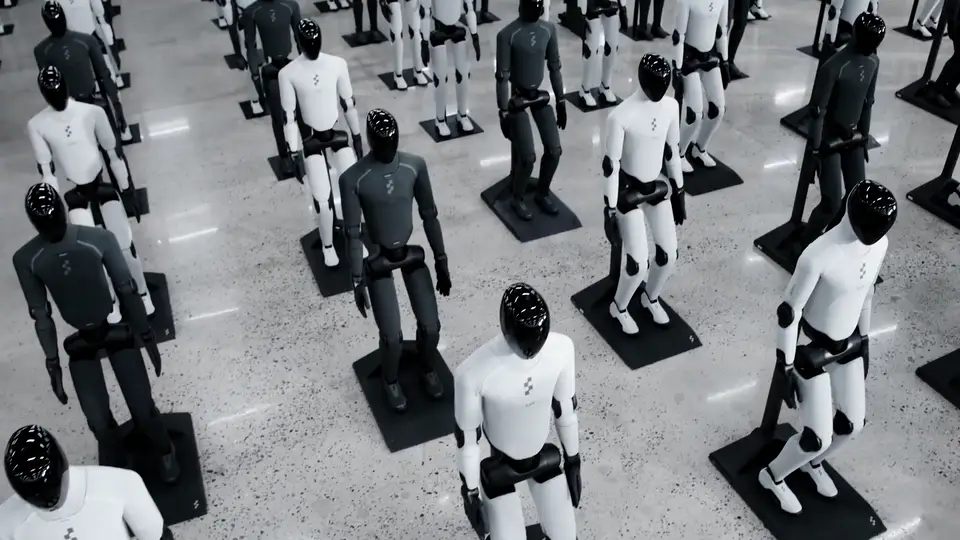
However, matching the sheer manufacturing scale of its Chinese counterparts remains a monumental hurdle. Unitree has leveraged deep municipal subsidies to construct production lines capable of targeting tens of thousands of units annually, allowing it to secure massive international software integrations, such as standardizing NVIDIA's Isaac GR00T reference platform on Unitree hardware.
By transforming NEO into an open developer platform, 1X is attempting to offer a politically clean, reliable alternative before Congress passes legislation that could freeze Western physical AI research. Whether 1X can scale manufacturing fast enough to satisfy a sudden influx of displaced researchers remains an open question, but the company promises to release specific dates and deployment details shortly.
Share this article
Read next
- Published on
- Reading time
- 4 min read
The Imminent Embodied AI Ban: FCC to Target Chinese Humanoids
- Published on
- Reading time
- 6 min read
1X CEO Bernt Børnich Predicts "Hard Takeoff" in 3 Years, Details NEO Platform and Data Strategy
- Published on
- Reading time
- 5 min read
1X Goes "All In" on World Models, Hires Luma AI’s Samarth Sinha Amid Leadership Reshuffle
- Published on
- Reading time
- 4 min read
One Roof, Four Weeks: Inside 1X’s Vertical Speed Hack as NEO Ramps for 2026 Deliveries
- Published on
- Reading time
- 4 min read
The Robot in the Box: 1X Teases NEO Delivery Logistics as Humanoid Production War Heats Up
- Published on
- Reading time
- 5 min read
1X Unveils 1XWM: The Video-to-Action "Brain" That Lets NEO Imagine Its Chores




The weekly humanoid robotics briefing
One email a week: the launches, funding and research that mattered, with context from Humanoids Daily.
Read recent issues