- Published on
Europe’s First Pure-Play Humanoid Unicorn: Humanoid Raises $152M at $1.35B Valuation
One tap, and our reporting appears more often in your Google Top Stories. It makes a real difference to a small newsroom.

- Humanoid closed a $152 million Series A round at a $1.35 billion post-money valuation, becoming Europe's first pure-play humanoid robotics unicorn.
- The investment was led by Prime Movers Lab, with participation from strategic industrial partners Bosch and Schaeffler, alongside Fubon Financial Holding VC and Aglaé Ventures.
- Proceeds will accelerate mass production of wheeled humanoid platforms, support the rollout of Beta units in Q4 2026, and further develop the company's KinetIQ AI framework.
- The funding validates Humanoid's pragmatic commercialization strategy as it moves to fulfill a backlog of 30,000 pre-orders.
In a major milestone for Western hardware automation, UK-based robotics startup Humanoid recently announced that it has raised $152 million in Series A financing, propelling its post-money valuation to $1.35 billion. The funding makes Humanoid the first pure-play humanoid robotics startup in Europe to achieve "unicorn" status.
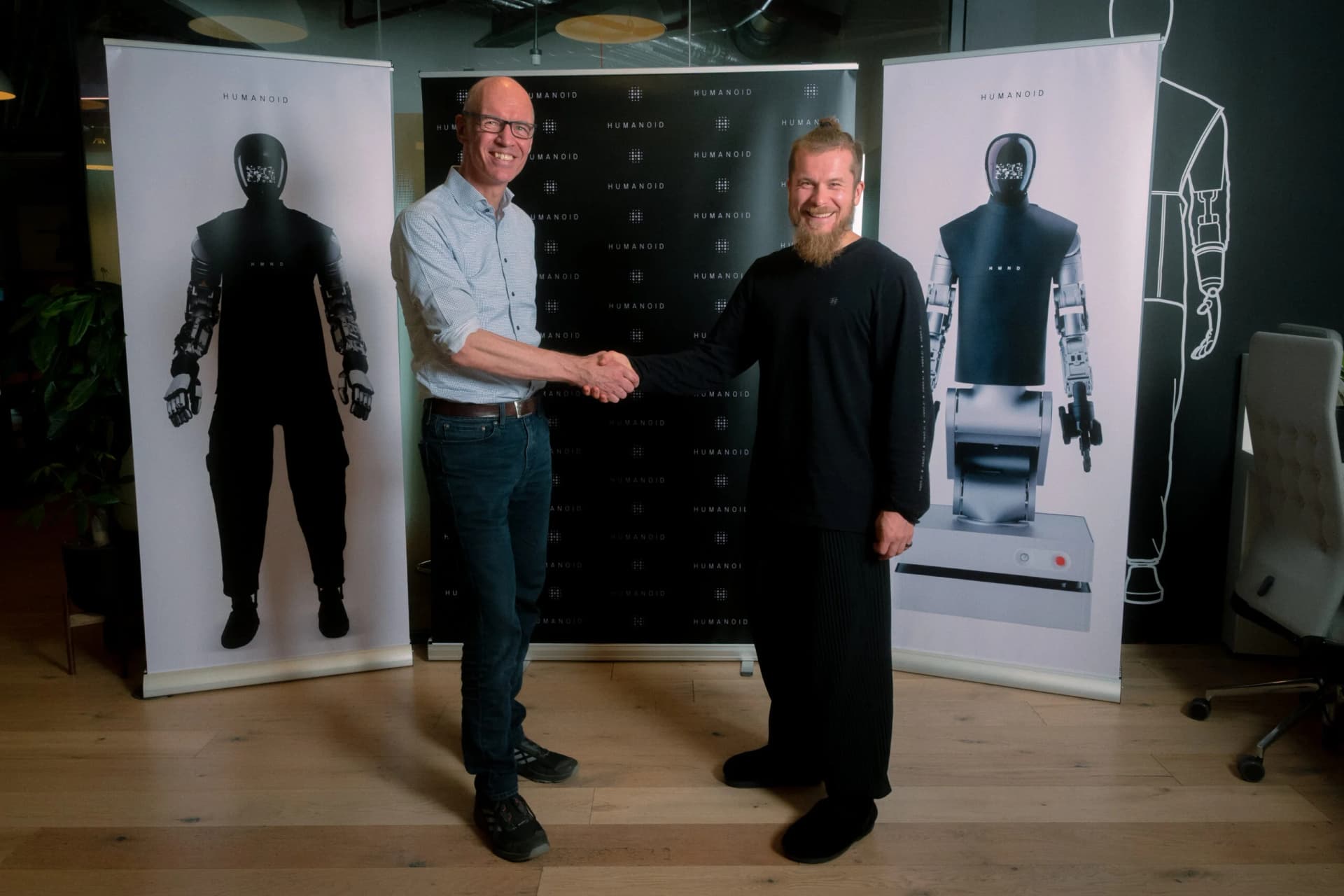
Led by venture capital firm Prime Movers Lab, the round also drew participation from Fubon Financial Holding Venture Capital, Aglaé Ventures, and two of Europe’s largest industrial powerhouses: Schaeffler and Bosch. The deal brings Humanoid’s total capital raised to $270 million just two years after its founding in May 2024.
The capital injection marks a shift in momentum for the Physical AI ecosystem, which has historically seen venture capital concentrated in North American and Chinese robotics ventures.

Capital Meets Industrial Scale
What distinguishes Humanoid’s Series A is not merely the headline valuation, but the strategic composition of its cap table. Rather than relying solely on traditional financial venture funds, the round includes two Tier 1 European industrial players who double as operational partners.
Follow humanoid robotics without following every announcement.
Get the week’s most important launches, funding and research—and why they matter—in one email from Humanoids Daily.
Once a week. Unsubscribe anytime.
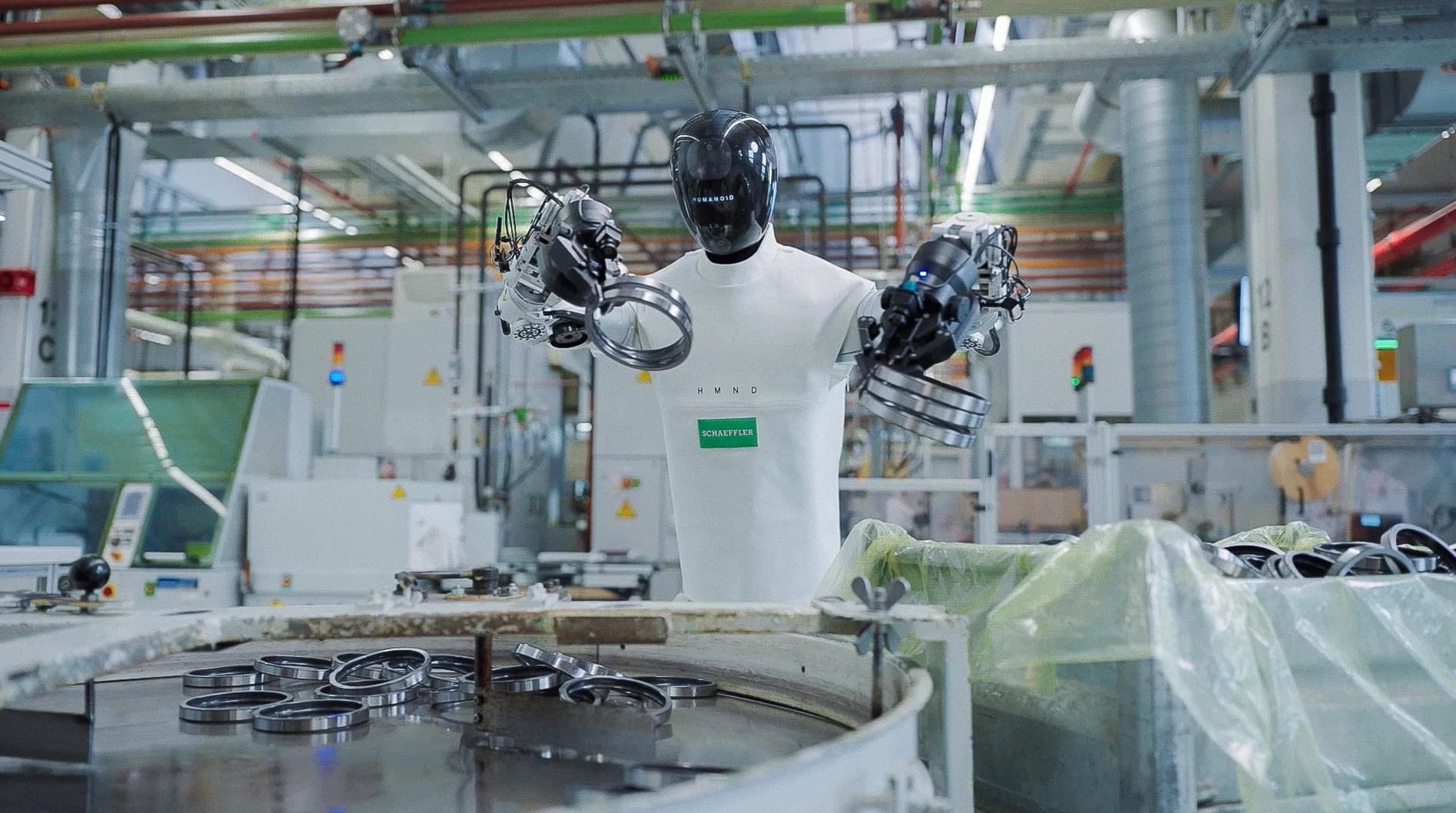
Read recent issuesMotion technology leader Schaeffler recently signed a binding agreement to deploy a multi-thousand unit fleet of humanoids through 2032 while acting as a primary supplier for high-torque joint actuators. Meanwhile, engineering giant Bosch entered into a contract manufacturing agreement through Robert Bosch Robotics GmbH to scale production and refine hardware design using its "Design for Excellence" framework.
Having key customer-suppliers co-invest directly into the platform creates a tightly integrated feedback loop between development, hardware manufacturing, and real-world deployment.
Funding the Leap from Alpha to Beta
Humanoid plans to direct the $152 million toward four primary operational goals:
- Next-Generation Hardware: Accelerating the development of its production-intent humanoid platform.
- Beta Rollout: Initiating long-term commercial deployments across logistics, manufacturing, and retail beginning in Q4 2026.
- Mass Manufacturing: Scaling factory capacity for its wheeled humanoid platforms.
- Software & AI Stack: Expanding its four-layer KinetIQ Physical AI platform toward general-purpose task autonomy.
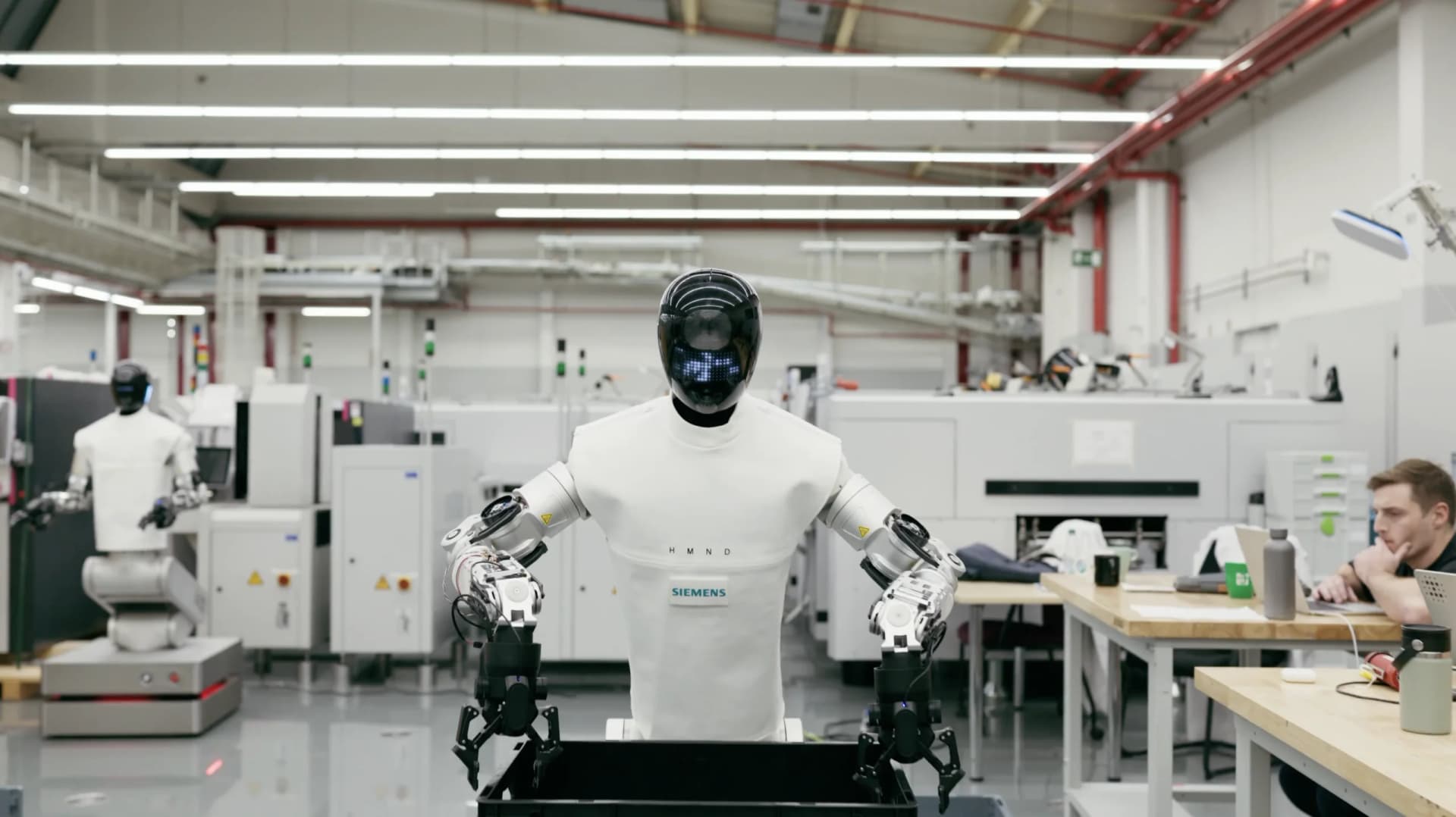
The transition to Beta hardware is critical for the startup. While the company's HMND 01 Alpha units demonstrated impressive operational metrics in factory trials—such as achieving a 90% success rate during logistics tests at Siemens and exceeding throughput targets at Ford's Cologne facility—these early platforms remain research-grade machines. Moving to low-rate initial production (LRIP) Beta units will test whether Humanoid can deliver the long-term reliability and low Total Cost of Ownership (TCO) required for round-the-clock factory floor operations.
The Pragmatic Commercialization Play
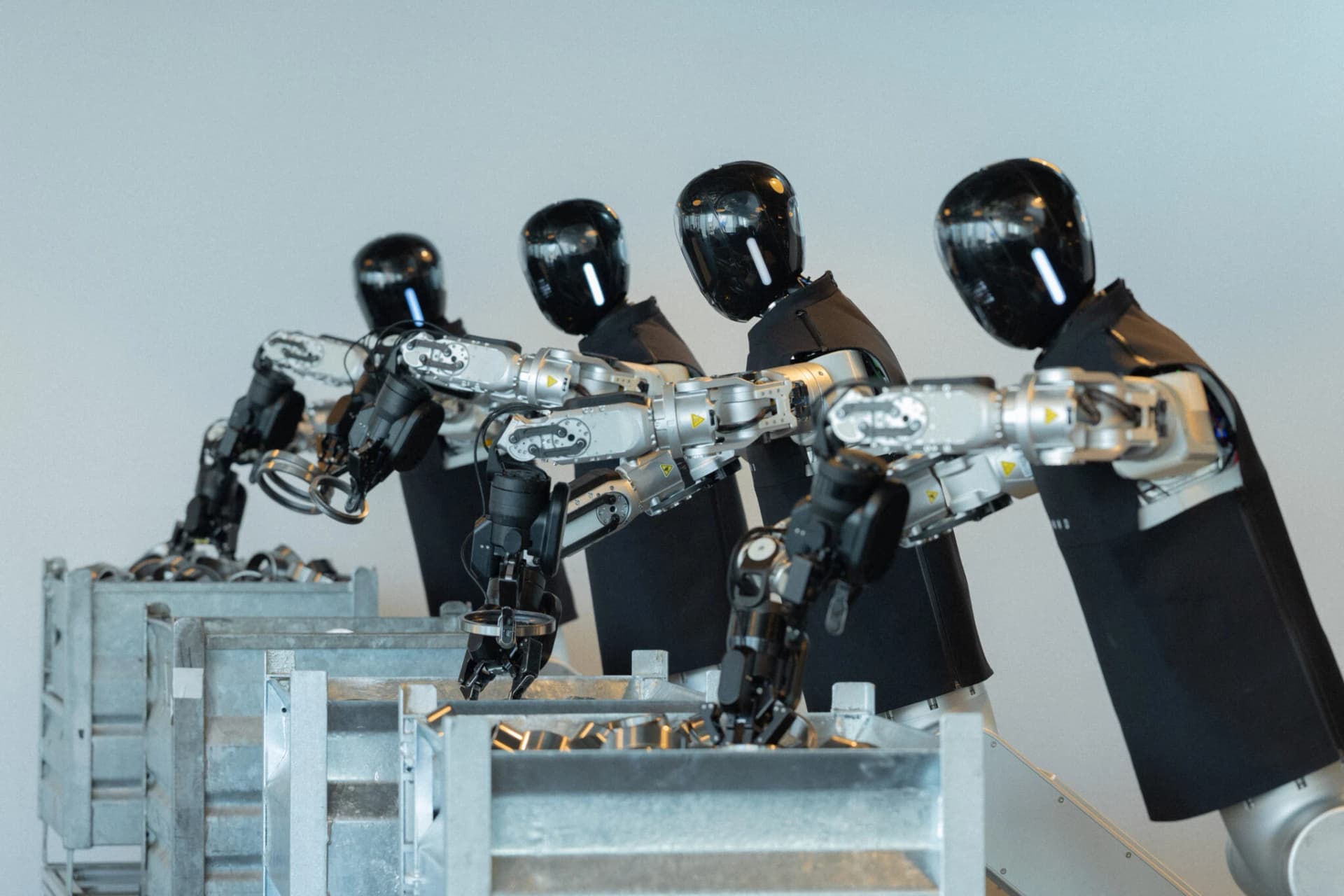
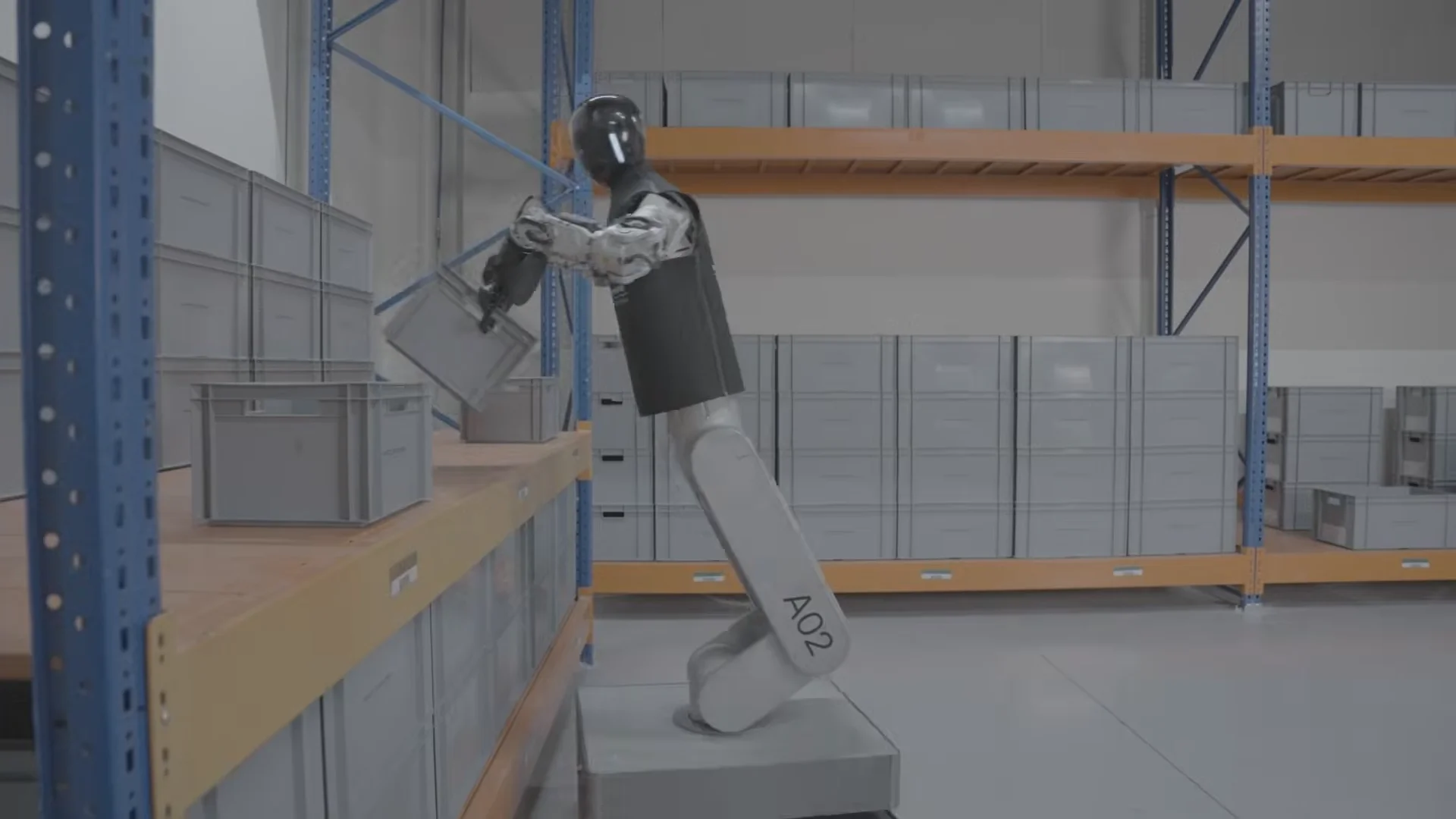
Humanoid founder and CEO Artem Sokolov has consistently advocated for a market-ready, utility-first approach. Rather than focusing on high-difficulty bipedal locomotion for early industrial use cases, Humanoid initially prioritized a heavy-lifting wheeled chassis paired with a humanoid upper torso. This strategy allowed the engineering team to solve high-value manipulation tasks in structured environments first, while continuing to iterate on a bipedal variant for complex brownfield sites.
That practical focus appears to be resonating with enterprise customers. The company reports a non-binding backlog of 30,000 pre-orders, alongside software integrations with enterprise management systems like SAP EWM and hardware frameworks built on NVIDIA's Jetson Thor edge compute platform.
Remaining Questions for the Sector
Despite the influx of capital and backing from industrial leaders, significant execution hurdles remain ahead.
Scaling hardware manufacturing from dozen-unit prototype runs to thousands of mass-produced commercial robots is notoriously difficult, even with Bosch’s manufacturing expertise. Furthermore, transitioning from human-supervised "shared autonomy" to true 24/7 unassisted task execution across variable factory environments will test the limits of current Vision-Language-Action (VLA) models.
However, with $152 million in fresh capital and deep ties to Europe’s industrial heartland, Humanoid is well-positioned to prove whether Physical AI can evolve from high-profile factory pilots into an everyday industrial tool.
Share this article
Follow humanoid robotics without following every announcement.
Get the week’s most important launches, funding and research—and why they matter—in one email from Humanoids Daily.
Once a week. Unsubscribe anytime.
Read recent issuesRead next
- Published on
- Reading time
- 3 min read
Humanoid Expands NVIDIA Collaboration, Replacing Two Robot Computers With One
- Published on
- Reading time
- 25 min read
The Humanoids of Europe: Built by Their Customers
- Published on
- Reading time
- 4 min read
From Prototype to Production: Humanoid Taps Bosch for European Manufacturing Push
- Published on
- Reading time
- 4 min read
Scale at Speed: Humanoid and Schaeffler Move to Massive Multi-Thousand Unit Rollout
- Published on
- Reading time
- 4 min read
Siemens and Humanoid Formalize Partnership Following Successful "Physical AI" Trials in Erlangen
- Published on
- Reading time
- 3 min read
From ERP to the Edge: Humanoid and SAP Bridge the Gap in Martur Fompak Logistics Trial