- Published on
The Imminent Embodied AI Ban: FCC to Target Chinese Humanoids
One tap, and our reporting appears more often in your Google Top Stories. It makes a real difference to a small newsroom.

- The Trump administration plans to unveil Federal Communications Commission (FCC) bans targeting imports of new Chinese humanoid and quadruped robots, as well as connected power inverters.
- The impending restrictions are designed to safeguard the U.S. artificial intelligence supply chain from cyberattacks and data theft, while encouraging the reshoring of manufacturing.
- The ban is expected to directly impact industry heavyweight Unitree, which currently holds nearly a fifth of the global market share and was recently added to a Pentagon list of alleged Chinese military-backed companies.
- While the restrictions apply immediately to unreleased models, the FCC retains the authority to revoke authorizations for robots already available in the United States, raising stakes for U.S. research labs heavily reliant on affordable Chinese hardware.
The geopolitical firewall surrounding the American artificial intelligence sector is expanding from the digital realm into physical infrastructure. The Trump administration is preparing to unveil new bans on today targeting the importation of Chinese-made robots and connected power inverters, according to U.S. officials (as reported by Reuters).
The impending measures, to be rolled out by the Federal Communications Commission (FCC), will bar imports of new humanoid and quadruped robots from Chinese suppliers. The restrictions are framed as a critical defensive maneuver to protect the U.S. AI buildout from national security threats—such as data exfiltration and cyber sabotage—while simultaneously attempting to reshore industries projected for explosive growth.
"Economic security is national security, and the Trump administration continues to implement a nuanced and multi-faceted policy agenda to reindustrialize America," an unnamed administration official noted, pointing to the need for secure supply chains in emerging tech.
The executive action arrives at a moment of deep division within the domestic robotics industry. Momentum for a blockade has been building for months, highlighted by the introduction of the GUARD Act, which proposed leveraging the FCC's Covered List to block adversary-built robotics. Domestic manufacturers have largely supported these protectionist measures, warning that heavily subsidized Chinese imports could mirror the commercial capture seen in the commercial drone market.
Follow humanoid robotics without following every announcement.
Get the week’s most important launches, funding and research—and why they matter—in one email from Humanoids Daily.
Once a week. Unsubscribe anytime.
Read recent issuesUnitree in the Crosshairs
The impending FCC ban is expected to land squarely on Unitree Robotics. The Hangzhou-based firm is currently a world leader in the humanoid sector, controlling just under 20% of the global market share according to Counterpoint Research.
Unitree's aggressive scale and cost-efficiency—executing what analysts have dubbed the DJI Playbook and driving hardware costs below the $30,000 threshold—has made its platforms the de facto baseline for Western AI researchers. However, the company was recently placed on the Pentagon's list of alleged Chinese military-backed companies, often a harbinger of tougher U.S. action.
The proposed ban complicates high-profile international partnerships. Unitree recently partnered with Nvidia and Singaporean startup Sharpa to supply the physical chassis for the NVIDIA Isaac GR00T Reference Humanoid Robot, utilizing the chipmaker's cutting-edge Blackwell architecture to power the system's brain. While Nvidia has maintained that data from these robots will remain in the United States and that Unitree’s primary U.S. customers are academic and research institutions, China hawks in Washington remain unconvinced, fearing the mobile sensor platforms could spy on key industries or disrupt vital functions.
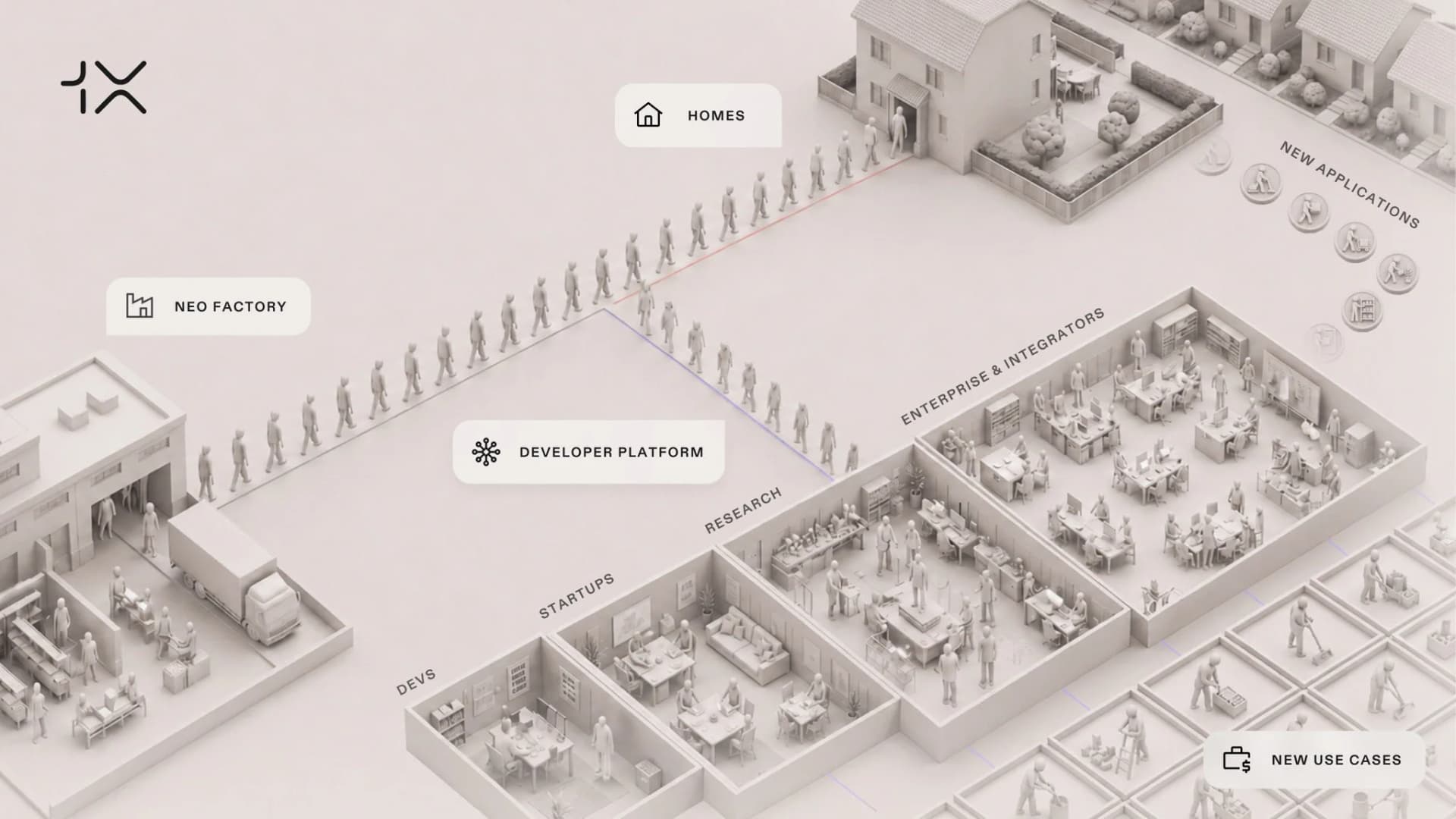
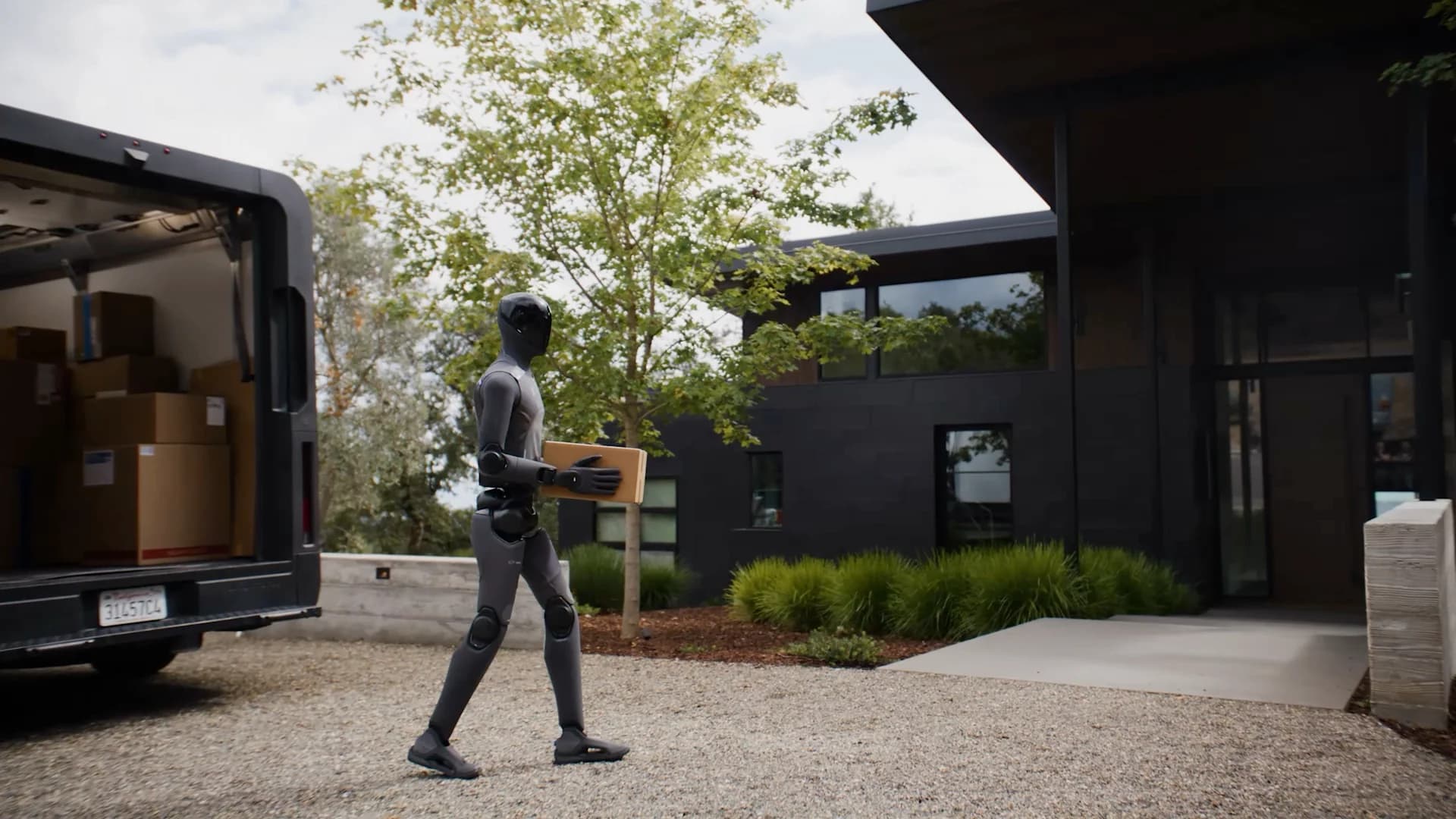
The FCC's new rules will apply to targeted robot and inverter models that have not yet been released. Crucially, however, the agency possesses the authority to revoke existing sales authorizations for models already authorized for purchase in the U.S. This creates an immediate headache for American AI labs. With domestic hardware alternatives remaining scarce and largely confined to closed enterprise pilots, companies like 1X Technologies have been forced to accelerate developer releases of their own humanoids to fill the looming physical hardware vacuum.
The sweeping actions represent a marked shift in the Trump administration's second-term tech policy. After taking a relatively dovish approach recently when faced with Beijing’s aggressive export controls on rare earth minerals last year, the imminent FCC bans suggest Washington is moving aggressively to ensure its artificial intelligence supply chain is protected from disruption.
Share this article
Follow humanoid robotics without following every announcement.
Get the week’s most important launches, funding and research—and why they matter—in one email from Humanoids Daily.
Once a week. Unsubscribe anytime.
Read recent issuesRead next
- Published on
- Reading time
- 5 min read
1X Accelerates NEO Developer Release to Counter U.S. Bans on Chinese Humanoids
- Published on
- Reading time
- 6 min read
The Battle Over Chinese Humanoids: As Congress Debates the GUARD Act, Industry Divides Over National Security vs. Research Reality
- Published on
- Reading time
- 4 min read
US Lawmakers Target Chinese Humanoids with Federal Procurement Ban
- Published on
- Reading time
- 5 min read
The FCC Bans Foreign Humanoids: Unpacking the Sweeping New Restrictions on Robotic Devices
- Published on
- Reading time
- 10 min read
The Great Valuation Chasm: A 2025 Guide to the Humanoid Robotics Capital Race
- Published on
- Reading time
- 8 min read
The Unitree G1 Is Becoming a Platform for American Robot Startups