- Published on
Tesla Looks to Berlin Factory Workers to Help Train Optimus
One tap, and our reporting appears more often in your Google Top Stories. It makes a real difference to a small newsroom.

Supported by RoboStrategySupport for Humanoids Daily comes from RoboStrategy
Sponsored
Investing involves risk, including possible loss of principal. Read the prospectus before investing.
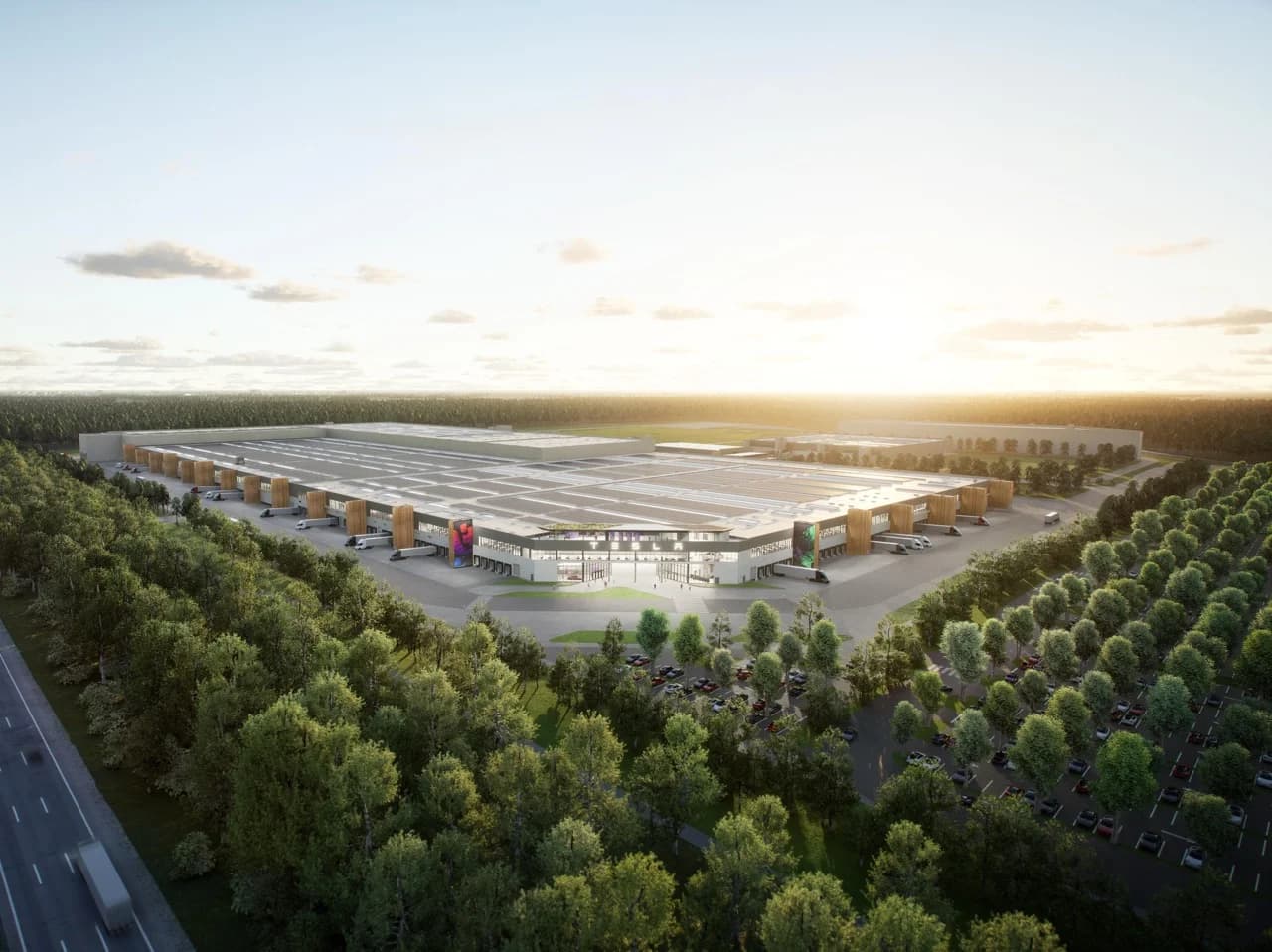
- Tesla reportedly planned to have selected Grünheide employees record their work with wearable cameras to provide Optimus training data.
- The plan was reported in July, ahead of an August start. A new social-media post has renewed attention, but does not establish the program’s current scale or results.
- Factory workers’ demonstrations could be valuable training material without Optimus itself performing production work at the site.
Tesla’s German car factory could contribute to Optimus through the work its employees already perform. Reporting from July described plans to equip selected Grünheide workers with cameras, turning human movements into training material for the humanoid robot.
The initiative has resurfaced following a September 22 post by Tesla enthusiast account TeslaXander. It attributes a statement to factory management describing camera-equipped backpacks and helmets for selected teams from mid-August. The account also claims an Optimus prototype is behind frosted glass at the factory, while explicitly speculating about a connection between the two.
Humanoids Daily has not independently authenticated that statement or the claimed prototype sighting. However, the underlying data-collection plan has a stronger source than the social-media post alone.
A plan reported before the summer break
Handelsblatt reported the initiative on July 17. A July 21 account published by Tagesspiegel, by the same reporters, described an internal Tesla email outlining participation after the summer shutdown.
The weekly humanoid robotics briefing
One email a week: the launches, funding and research that mattered, with context from Humanoids Daily.
Read recent issuesThe proposed recordings would capture employees’ handling of tools and components and the sequence of their work. Electrive’s July follow-up also traced the information to Handelsblatt. These reports share a source; they are not separate confirmations that the program subsequently began.
That timing matters. This is an earlier plan attracting renewed attention, rather than a newly announced September rollout. The material reviewed does not establish how many workers are participating today or how much usable data has been collected.
Why the data collection matters
A working vehicle factory offers a potential source of demonstrations grounded in actual production: people reaching for components, orienting tools and performing sequences that have a practical purpose. The value would lie in capturing useful examples of work the developer eventually wants a robot to perform.
Human recordings are not ready-made robot instructions. A robot has different joints, hands and physical constraints, and its learning system still needs to turn observations into actions it can execute reliably. Collecting footage is one step in that process; measuring the resulting improvement is another.
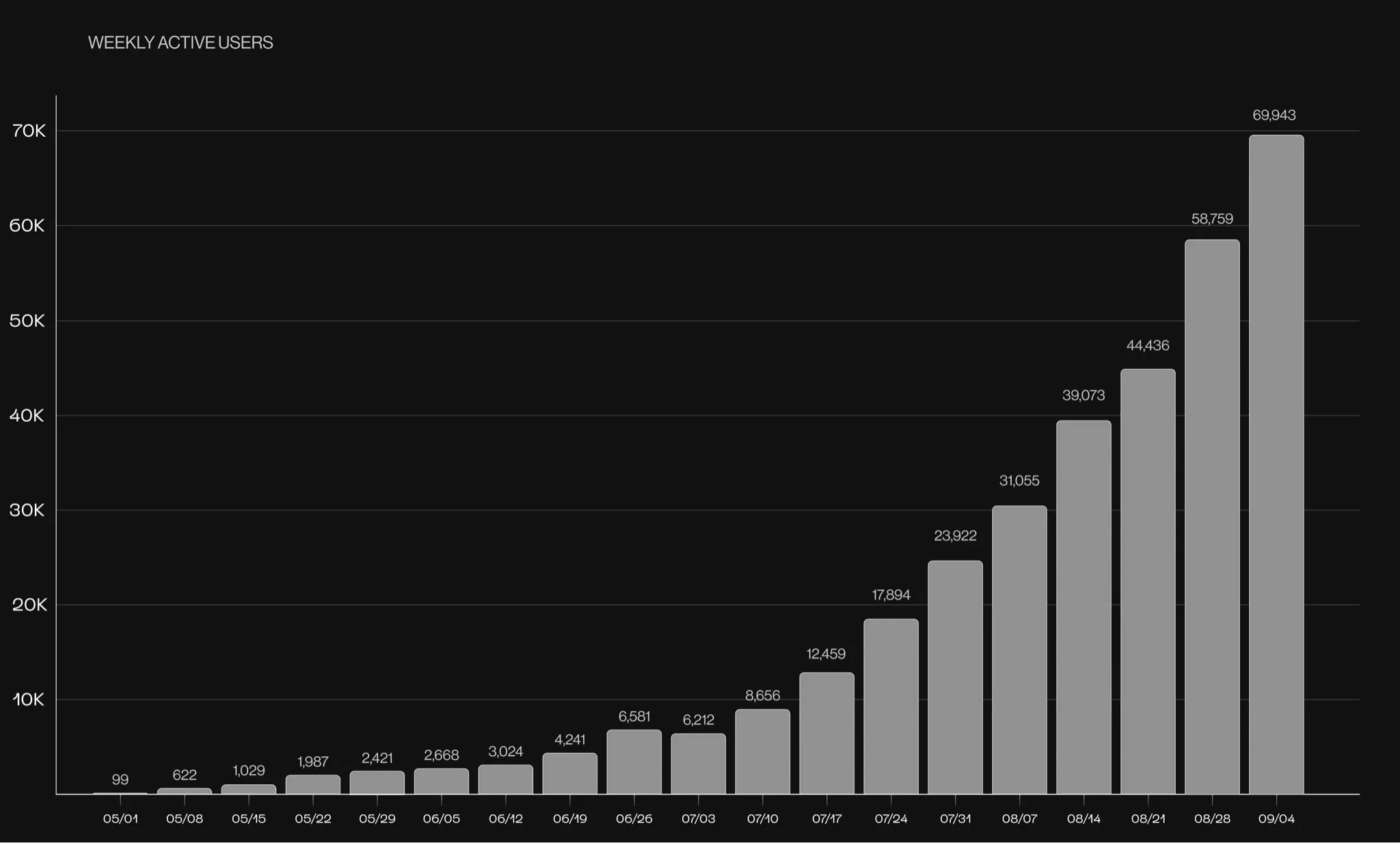
A parallel is Figure’s Index initiative, which collects recordings of people performing everyday activities to help train its Helix robot AI. Both approaches seek useful training examples from humans doing physical work, rather than requiring a robot to perform every demonstration. The reported Tesla setup concentrates on factory employees, while Index recruits contributors across a broader range of activities.
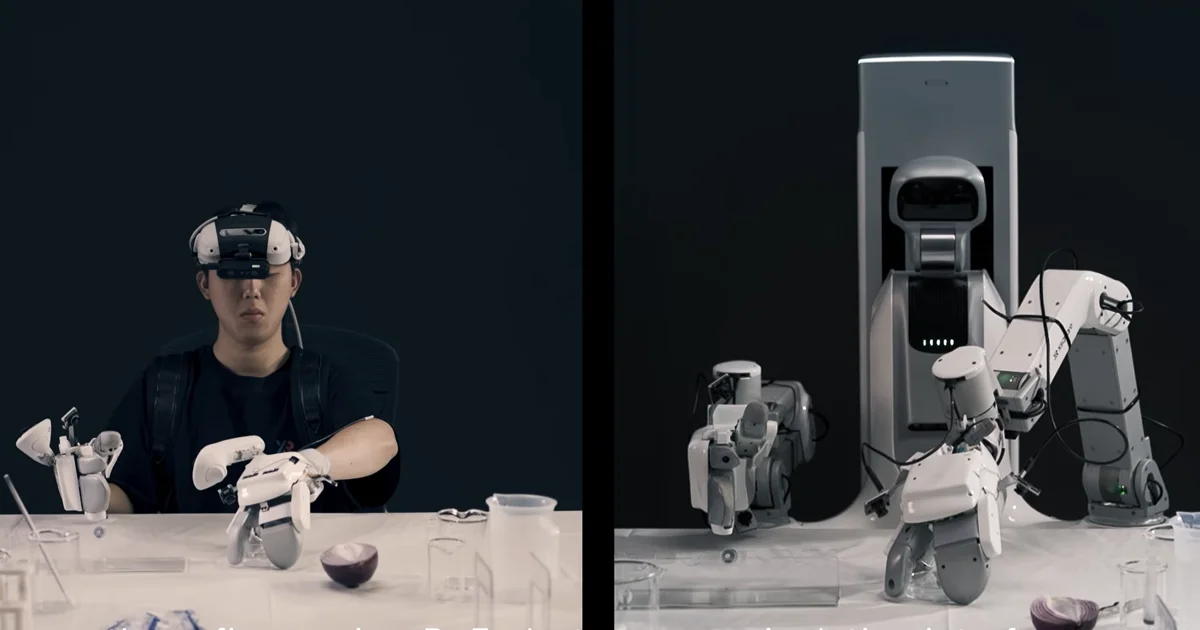
That differs from the robot-oriented handheld and wearable interfaces explored in our UMI Effect feature. Those approaches put particular emphasis on matching the collection device to the robot’s manipulation capabilities. Wearable video collection and UMI-style systems share an interest in learning from people, but should not be treated as interchangeable training methods.
Another approach is taking shape at Boston Dynamics’ new Atlas training center at Hyundai’s Georgia Metaplant, where robots are learning automotive parts sequencing. That facility brings robot training into a manufacturing setting; Tesla’s reported Berlin initiative instead captures human workers’ demonstrations. Both illustrate how automakers can contribute practical workflows to humanoid development, while leaving production readiness to be demonstrated.
Share this article
Read next
- Published on
- Reading time
- 5 min read
The Physical AI Bottleneck: Comparing the Data Strategies of 1X, Figure, Tesla, and Neura
- Published on
- Reading time
- 4 min read
South Korea Plans Robot AI Push in 2027, Starting With Logistics
- Published on
- Reading time
- 9 min read
The UMI Effect: Why Robotics Companies Are Building the Data Collector First
- Published on
- Reading time
- 4 min read
Figure AI Reports Rapid Growth for Index, Surpassing 69,000 Weekly Active Users
- Published on
- Reading time
- 5 min read
Isomorphism Over Imitation: X Square Unveils TwinDEX to Bridge the Robot-Free Data Gap
- Published on
- Reading time
- 4 min read
Kinetic Blocks Opens Marketplace for Humanoid Training Data
The weekly humanoid robotics briefing
One email a week: the launches, funding and research that mattered, with context from Humanoids Daily.
Read recent issues