- Published on
Asimov 1 DIY Humanoid Kits Begin Shipping as Team Details Final Costs
One tap, and our reporting appears more often in your Google Top Stories. It makes a real difference to a small newsroom.

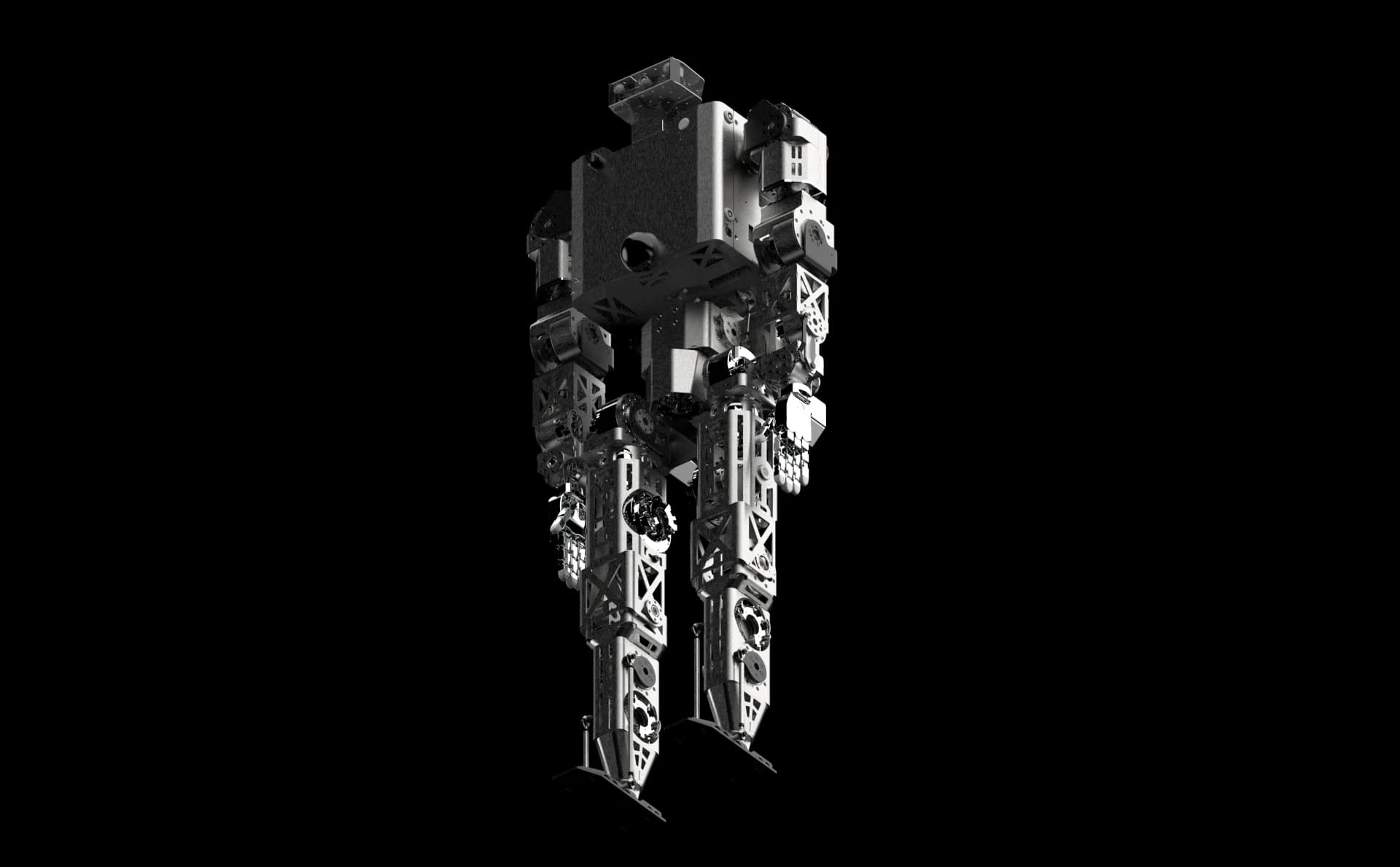
- The first production batch of the open-source Asimov 1 DIY humanoid kit is shipping to early builders after moving through fabrication.
- Pricing is finalized at $20,000 delivered, accounting for international shipping and tariffs alongside bulk actuator procurement.
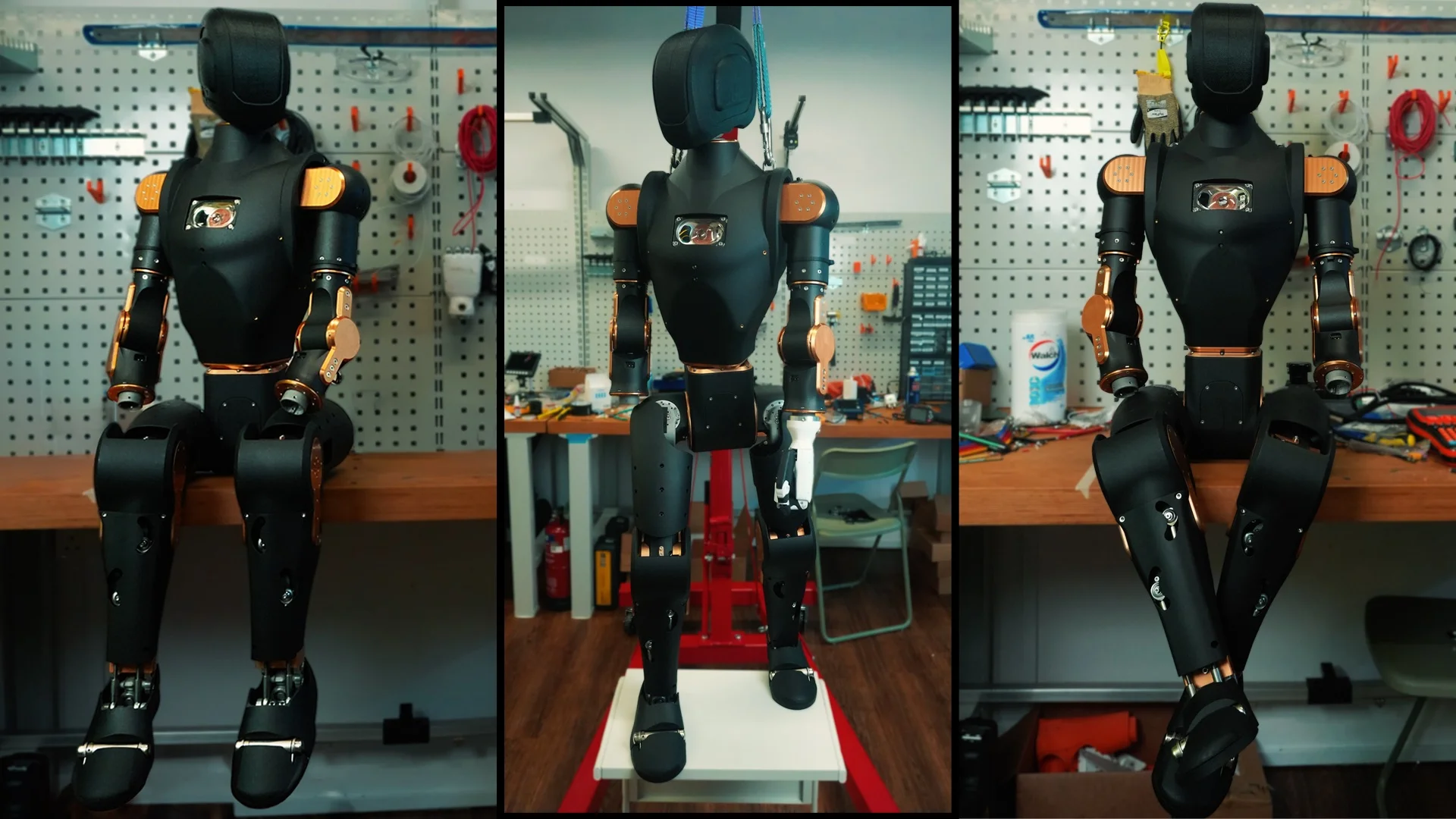
- The 1.2-meter bipedal platform arrives as a modular kit requiring an estimated 100 hours of assembly across mechanical, wiring, and compute systems.
- The project relies on off-the-line 3D-printed parts and open-source CAD blueprints to bypass proprietary supply chain bottlenecks and repair friction.
The transition from open-source CAD files to physical hardware on workbenches is officially underway. The Asimov team has confirmed that the first production batch of the Asimov 1 DIY humanoid robot is shipping to builders in a matter of days, marking a major operational milestone for the Menlo Research project.
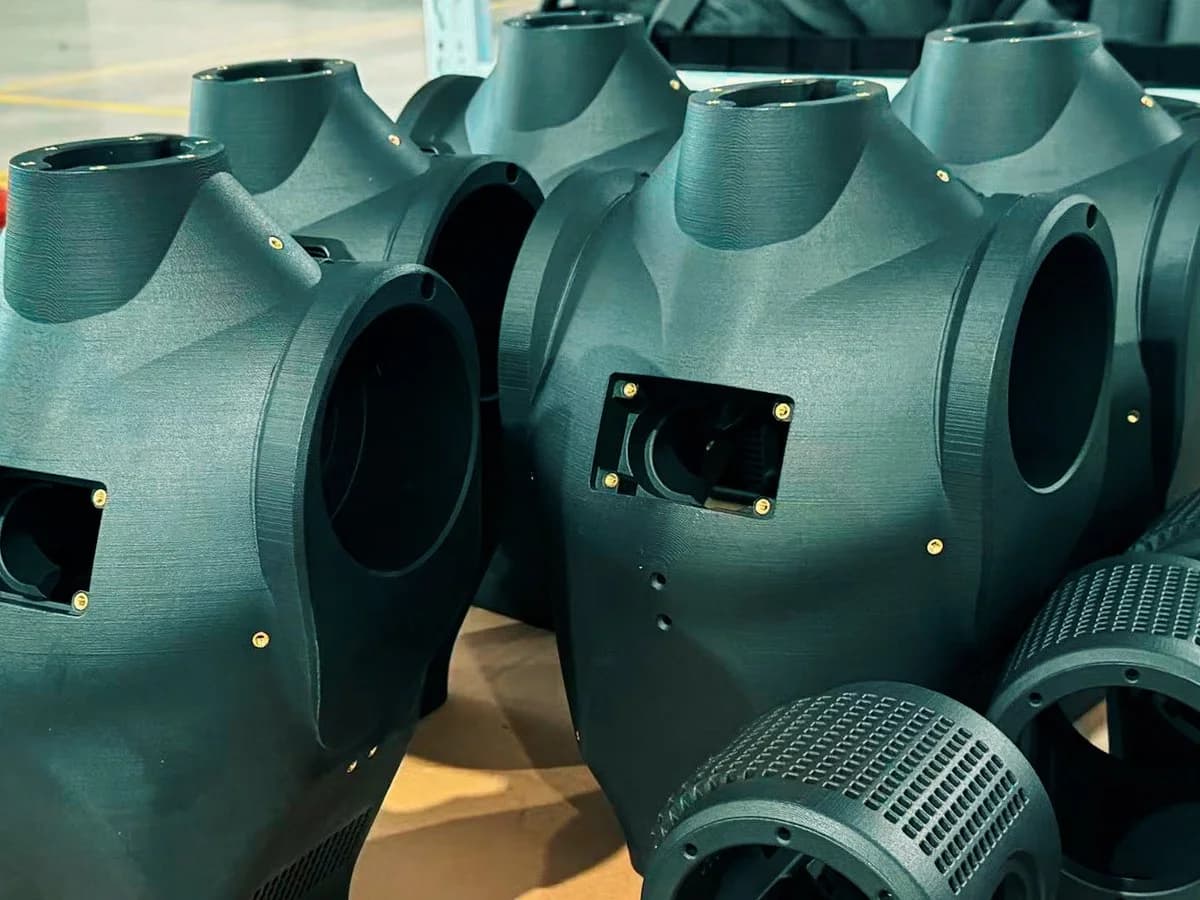
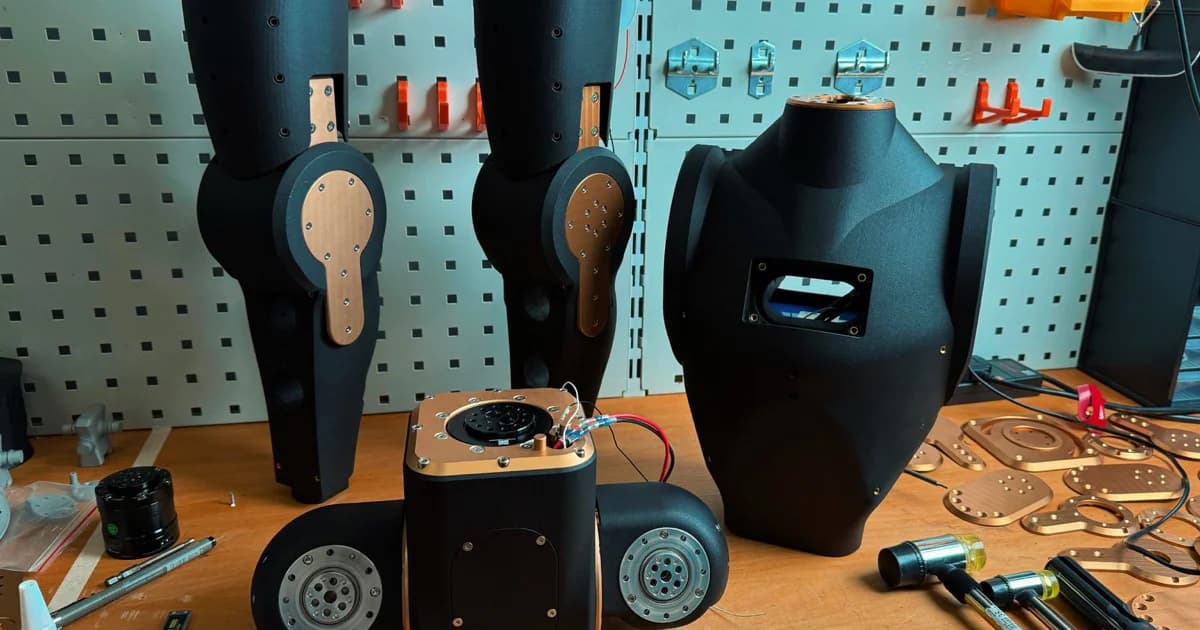
Accompanied by photos of freshly fabricated, 3D-printed modular body panels, the update signals that the initial assembly phase with manufacturing partners is complete. For early adopters who backed the initiative following the open-sourcing of the robot's CAD and simulation models, the arrival of physical kits tests whether a community-built humanoid can thrive outside of centralized industrial labs.
The Economics of a $20,000 Hardware Group Buy
When Menlo Research first introduced the bipedal platform as the Here Be Dragons edition, the team targeted a bare-metal bill-of-materials cost of roughly $15,000. In a detailed letter addressed to builders, the team clarified the final financial realities of delivering heavy, high-spec robotics hardware globally.
According to the team, standalone industry-grade actuators of this class typically cost upwards of $30,000 when purchased individually at low volumes. By operating the kit distribution essentially as a structured group buy, the team negotiated actuator pricing down near factory cost. Factoring in the full mechanical assembly, custom fasteners, international logistics, and import tariffs, the total landed cost sits at $20,000 delivered to your door.
The weekly humanoid robotics briefing
One email a week: the launches, funding and research that mattered, with context from Humanoids Daily.
Read recent issuesThe pricing strategy is designed to keep hardware accessible to research labs and independent engineers without exposing the team to the high capital expenditure risks that previously led to manufacturing failures elsewhere in the open-source space.
Breaking the "Black Box" Repair Cycle
The core motivation behind Asimov 1 remains rooted in overcoming supply chain lock-in. The creators noted that proprietary platforms frequently leave developers stranded for weeks waiting on single replacement parts from overseas manufacturers.
"A robot you can't repair isn't really yours," the team emphasized in their address to the robotics community. "We started building Asimov because we were tired of robots we couldn't open... So we decided to build an open one and open-source everything for every builder to build, train, and deploy robots."
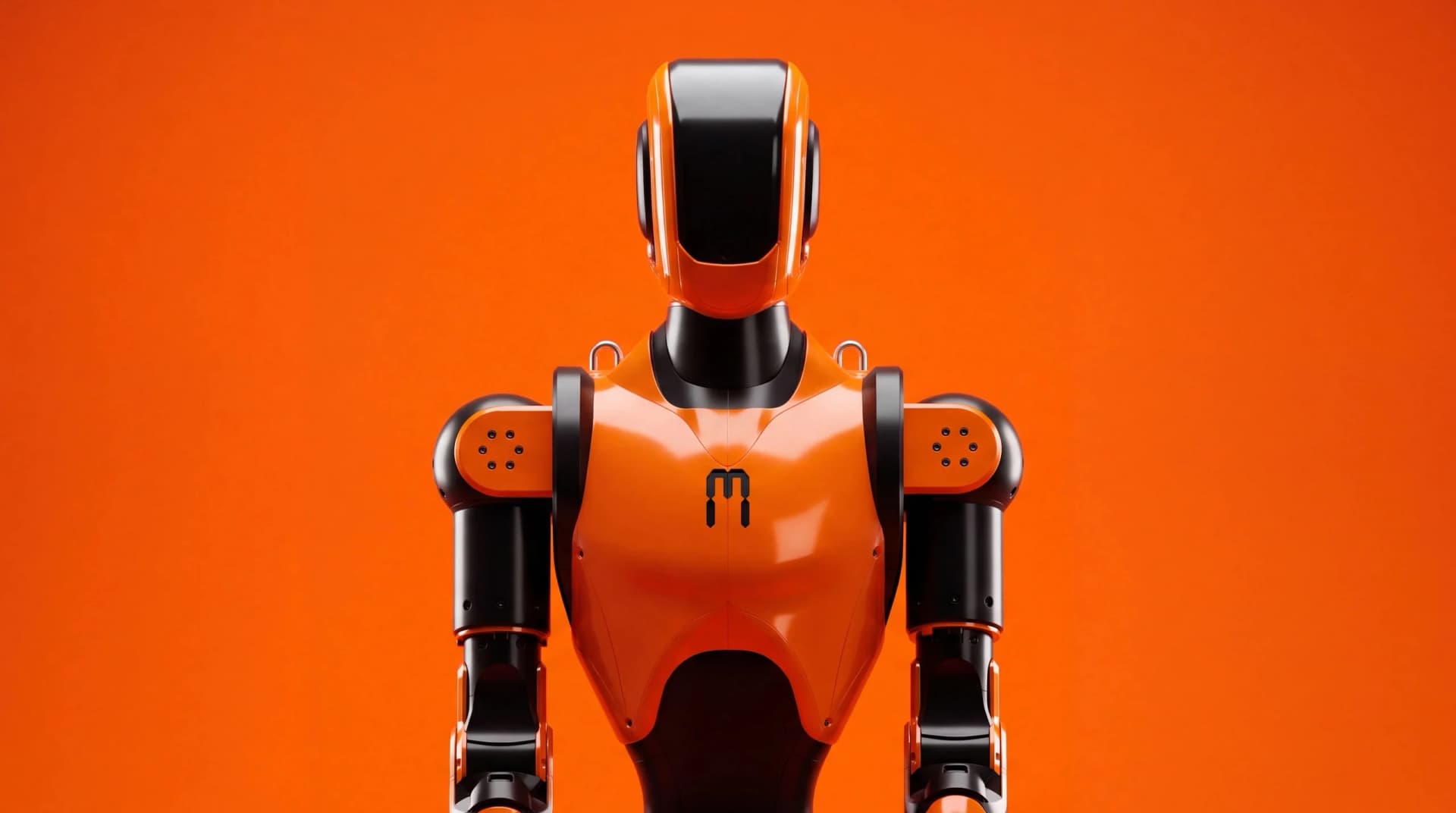
The physical build revolves around an accessible fabrication pipeline:
- Structural Machining & 3D Printing: Load-bearing joints utilize CNC-machined 7075 aluminum, while outer body housings and shells rely on Multi Jet Fusion (MJF) nylon printing straight off the line.
- Parallel Actuation: The legs integrate the custom RSU (Revolute-Spherical-Universal) ankle mechanism, pairing two 36 Nm motors in parallel to distribute ground reaction forces.
- Modular Compute: Compute tasks remain separated between a Raspberry Pi 5 handling communications and high-level logic, and a Radxa CM5 managing real-time CAN bus motor loops.
A 100-Hour Build Challenge
Despite the inclusion of a comprehensive instruction manual, Asimov reiterates that the kit is not a plug-and-play appliance. Builders are receiving a full box of raw components that requires roughly 100 hours of hands-on labor to properly torque, wire, flash, and calibrate.
By coordinating shipments in small, synchronized batches, the team aims to foster cohort-based troubleshooting across software setup, wiring harness assembly, and sim-to-real reinforcement learning deployment. New orders placed through the project's portal are slated to fulfill in the subsequent monthly batch as production scaling continues.
Share this article
Read next
- Published on
- Reading time
- 4 min read
Asimov Open-Sources the Training Code Behind Its Humanoid’s Walk
- Published on
- Reading time
- 4 min read
Menlo Research Open-Sources Asimov v1, Releasing CAD and Simulation Files for "The Rest of Us"
- Published on
- Reading time
- 4 min read
Beyond the Kit: Asimov Details the 100-Hour Path to a Walking Humanoid
- Published on
- Reading time
- 4 min read
Asimov Launches $15,000 "Here Be Dragons" DIY Humanoid Kit
- Published on
- Reading time
- 2 min read
RoboParty Unveils RP1 Humanoid at IROS, Plans Broader Open-Source Release in Q4
- Published on
- Reading time
- 7 min read
AGIBOT Open-Sources GE-Act 2.0, Challenging Unitree in the Open Embodied AI Race

The weekly humanoid robotics briefing
One email a week: the launches, funding and research that mattered, with context from Humanoids Daily.
Read recent issues