- Published on
SoftBank and NVIDIA Reportedly Near Deal to Value Skild AI at $14 Billion
One tap, and our reporting appears more often in your Google Top Stories. It makes a real difference to a small newsroom.


Your guide
Rich Robinson
Jee Chee Ren · Executive tour
See China’s AI and robotics ecosystem first-hand.
Six days exploring AI, robotics and advanced manufacturing.
With Rich Robinson, Clinical Professor of Entrepreneurship at Peking University
Beijing · Guangzhou · Shenzhen
29 November–4 December 2026
Referral partnership · We earn a commission on referred bookings.
The race to build a universal "brain" for robots appears to be entering a new, stratospheric phase of capitalization.
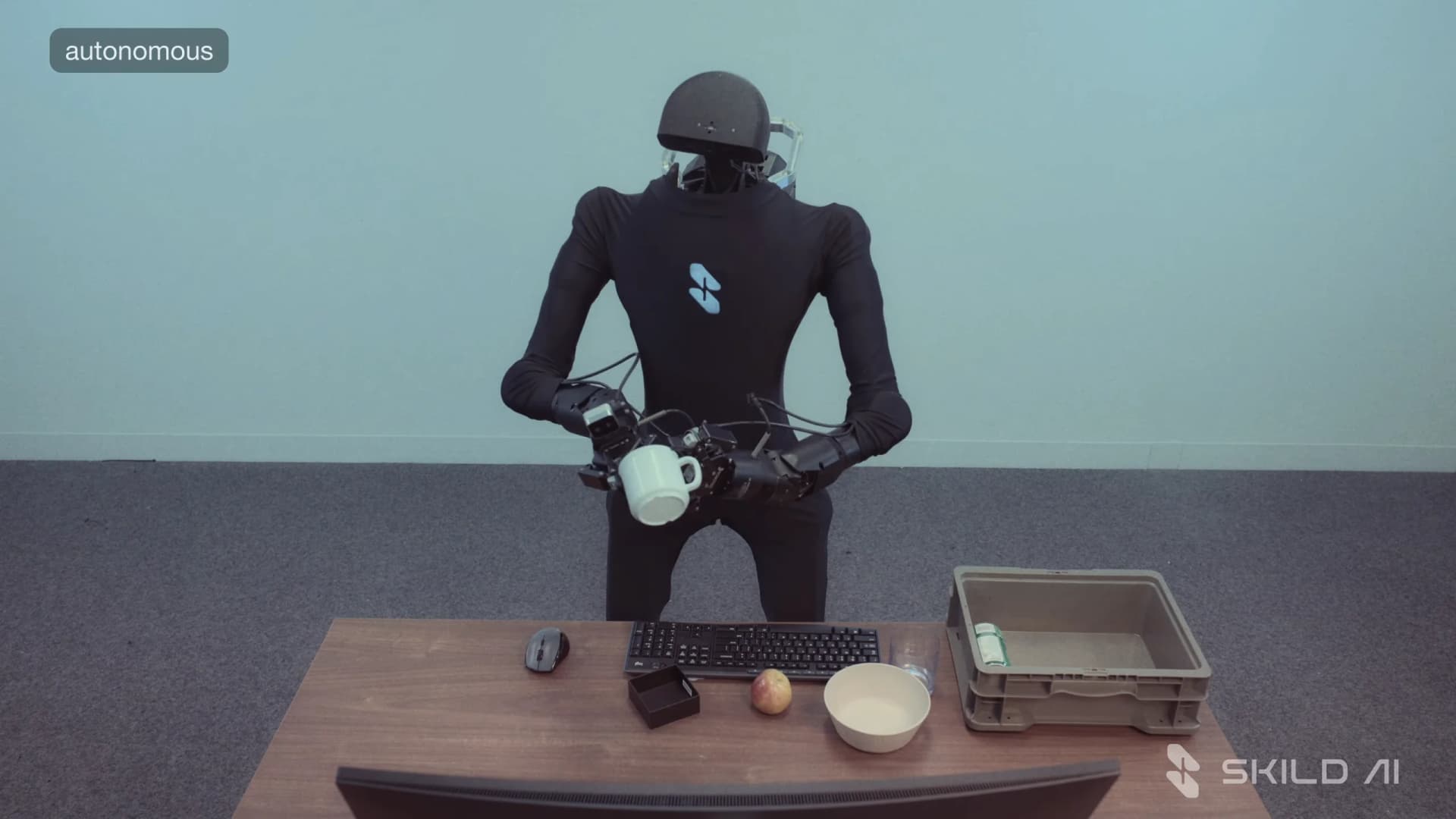
According to a report from Reuters, SoftBank Group and NVIDIA are in advanced talks to lead a funding round of more than $1 billion in Skild AI. The deal, which is expected to close before Christmas, would reportedly value the Pittsburgh-based startup at roughly $14 billion—nearly tripling its valuation from a Series B round earlier this year.
If completed, the deal would be a defining moment for the embodied AI sector, signaling that investors view general-purpose robotic software as a distinct and arguably more valuable asset class than the hardware itself. It also marks a significant escalation in SoftBank's renewed robotics hunt, following earlier reports that the conglomerate was targeting Skild AI as a key piece of its "brains and bodies" strategy.
The $14 Billion Thesis: An "Omni-Bodied" Brain
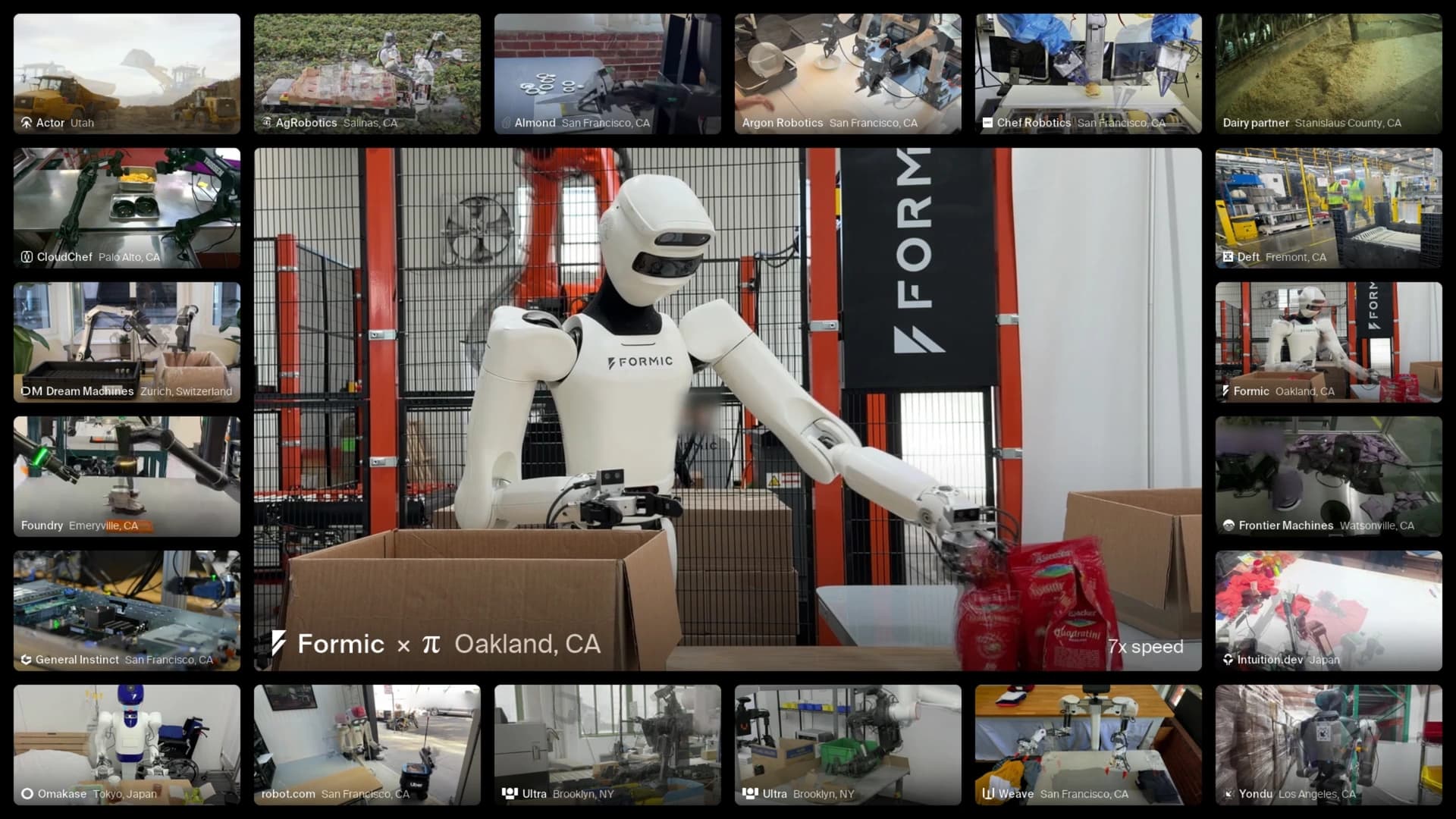
The reported valuation places Skild AI far above its competitors in the software-first robotics space. For context, Physical Intelligence (Pi) recently raised $600 million at a $5.6 billion valuation.
The weekly humanoid robotics briefing
One email a week: the launches, funding and research that mattered, with context from Humanoids Daily.
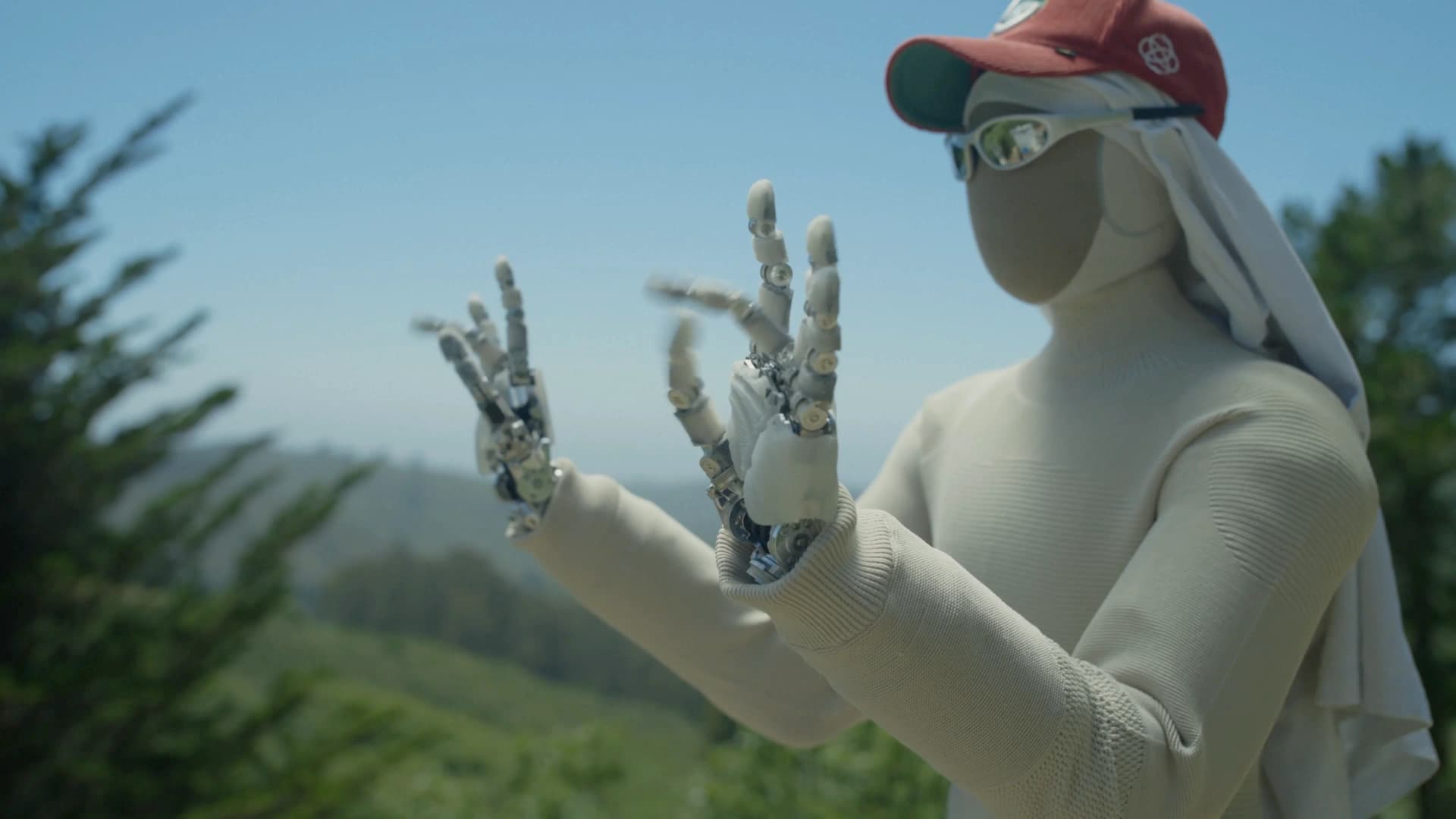
Read recent issuesThe premium appears to be driven by Skild’s specific technical approach to generalization. While competitors like Flexion validate their software on specific platforms like the Unitree G1, Skild AI advocates for massive-scale simulation to achieve what it calls an "omni-bodied brain."
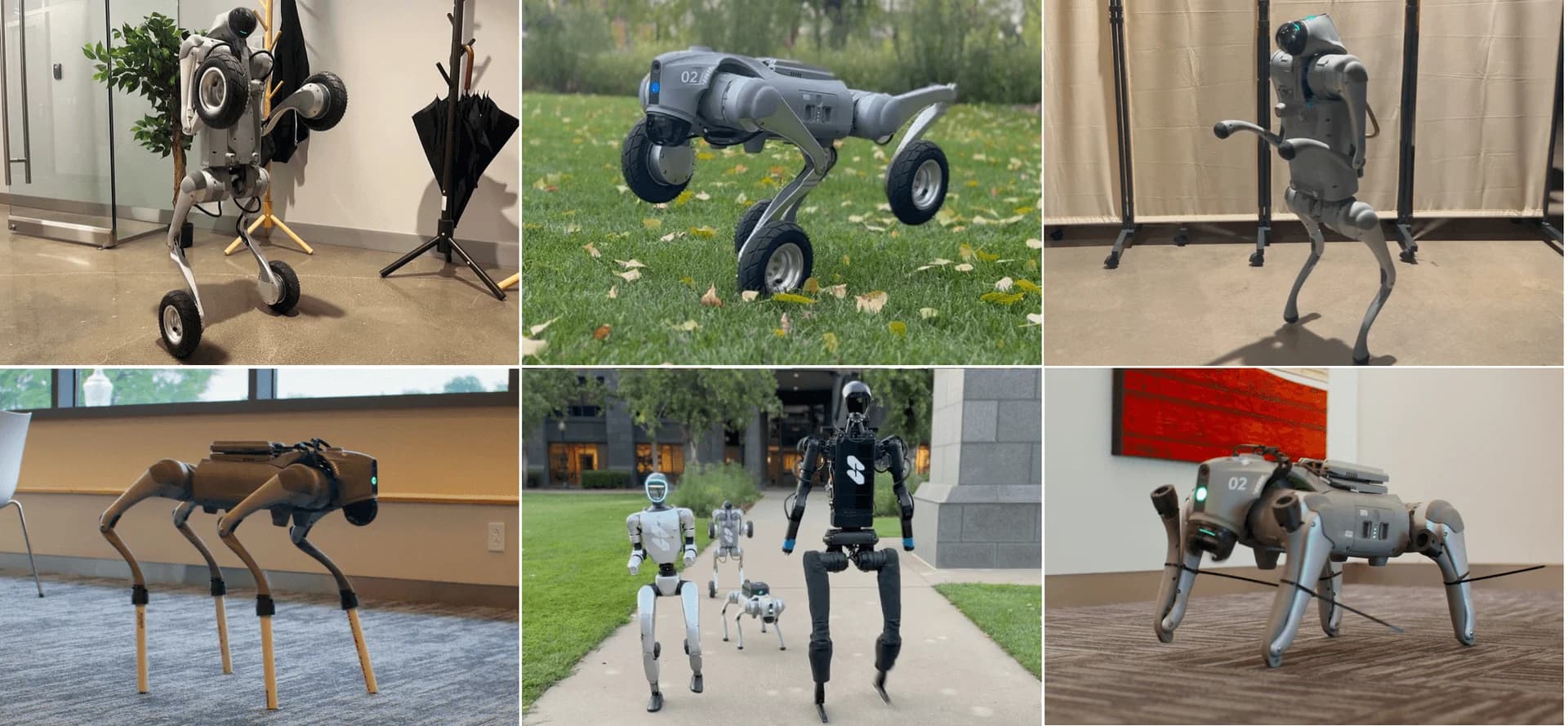
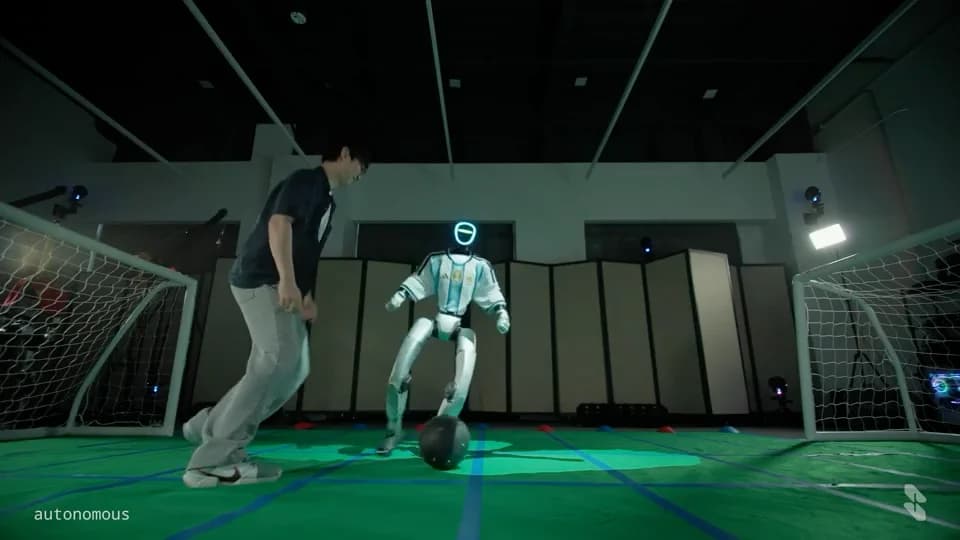
In a technical blog post published recently, the Skild AI team detailed a training regiment involving 100,000 different simulated robots across a "millennia of simulated time." The core thesis is that by forcing an AI to control a "multiverse" of bodies—from quadrupeds to hexapods to humanoids—the model cannot "overfit" or memorize movement patterns for a single chassis.
Instead, the model reportedly develops in-context learning capabilities, allowing it to adapt to physical changes in real-time. The company highlighted several zero-shot experiments to illustrate this:
- Limb Loss: When a simulated robot had its calf "cut" to the thigh, the model struggled for 7-8 seconds before discovering a new locomotion strategy involving large amplitude swings.
- Jammed Wheels: When a wheeled robot’s wheels were locked, the brain detected the failure and autonomously switched to a walking gait.
- Stilts: When stilts were attached to a robot, raising its center of mass, the model adjusted its foot placement to maintain balance without falling.
Skild claims this approach mimics biological survival: "Life is unpredictable, and only those who can adapt are the ones who survive."
SoftBank’s Strategic Pivot
For SoftBank and Masayoshi Son, this investment would represent the "brain" half of a massive pincer movement on the robotics industry.
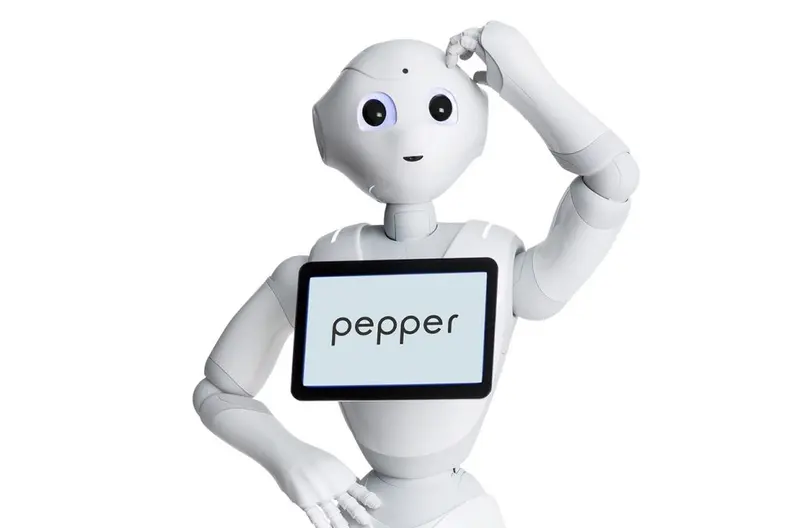
SoftBank has previously struggled with vertical integration in robotics, most notably with the Pepper robot, which failed to achieve widespread commercial success. However, the conglomerate has recently pivoted to a portfolio approach. On the hardware side, SoftBank has acquired ABB’s robotics division for $5.4 billion and participated in a funding round for Agility Robotics, the maker of the bipedal Digit robot.
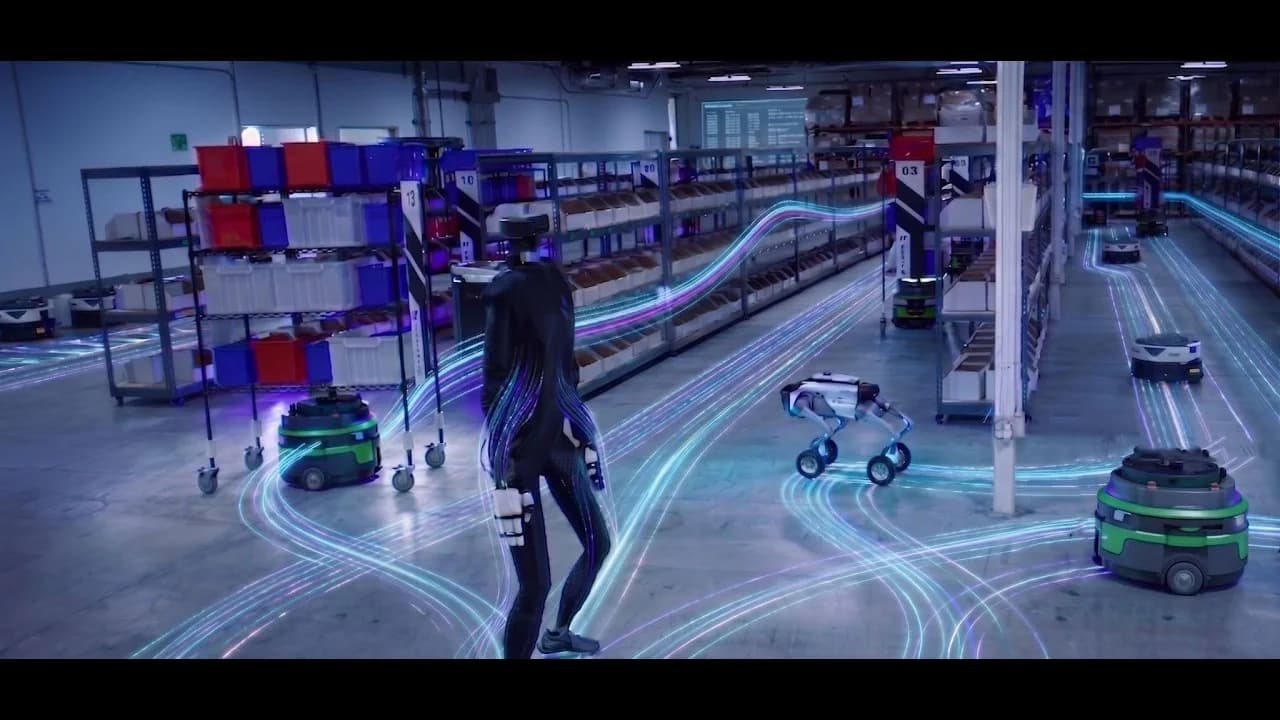
By injecting capital into Skild AI, SoftBank could theoretically aim to deploy Skild’s "universal" software across its growing library of industrial and logistical hardware assets.
A Crowded Field of "Universal" Minds
The report underscores a rapid shift in venture capital focus from hardware manufacturers to "intelligence" providers. Skild AI is now competing in a crowded, high-stakes arena:
- Physical Intelligence (Pi): Backed by Jeff Bezos and CapitalG, Pi advocates for a mix of reinforcement learning and real-world data.
- Flexion: The Zurich-based startup recently raised $50 million to build the "Android of Humanoids," focusing specifically on a three-layer autonomy stack.
- OpenMind: This startup is taking a decentralized approach, selling a "BrainPack" hardware kit to retrofit existing robots with intelligence.
With NVIDIA’s participation in the Skild AI talks, the GPU giant continues to act as the industry's kingmaker. NVIDIA has now invested in or partnered with nearly every major player in the field, including Flexion , OpenMind, and Physical Intelligence, ensuring that regardless of whose "brain" wins, it will likely run on NVIDIA silicon.
The deal between SoftBank, NVIDIA, and Skild AI remains in negotiation, with Reuters noting that details could change before the expected close in late December.
Share this article
Read next
- Published on
- Reading time
- 4 min read
Skild AI Secures $1.4 Billion Series C, Tripling Valuation to Over $14 Billion
- Published on
- Reading time
- 3 min read
Masayoshi Son's SoftBank Renews Humanoid Robotics Hunt, Targeting AI-Driven Startups
- Published on
- Reading time
- 4 min read
Skild AI Acquires Zebra’s Robotics Division to Build the "Orchestrated" Warehouse
- Published on
- Reading time
- 6 min read
SoftBank in Talks for Majority Stake in 1X at $6 Billion — Below the $10 Billion It Sought Last Year
- Published on
- Reading time
- 5 min read
Skild AI’s S1 Learns Soccer Through More Than 140 Years of Simulated Self-Play
- Published on
- Reading time
- 8 min read
Skild AI Crosses $100M ARR in 10 Months, Mounting an Enterprise Assault on Robotics "Demo Culture"
The weekly humanoid robotics briefing
One email a week: the launches, funding and research that mattered, with context from Humanoids Daily.
Read recent issues