- Published on
Robots Outrun Usain Bolt: Inside the Record-Shattering Spree at the 2nd World Humanoid Robot Games
One tap, and our reporting appears more often in your Google Top Stories. It makes a real difference to a small newsroom.

- Chinese humanoid robots shattered iconic human track-and-field records at the 2nd World Humanoid Robot Games, clocking sub-10-second 100m dashes and sub-40-second 400m runs.
- Beijing Innovation Center of Humanoid Robotics' Tiangong series and smartphone maker Honor's Robotics D1 dominated the leaderboards across sprinting, middle-distance, and jumping events.
- The athletic leaps fulfill predictions that machines would outrun Usain Bolt by mid-2026, marking a massive leap from the 20-second 100m marks recorded in 2025.
- Despite blistering speeds, robots struggled with deceleration and directional stability, with multiple units crashing into safety barriers post-finish line.
- Industry experts emphasize that while high-dynamic locomotion showcases raw actuator and thermal performance, the ultimate test remains translating these physical leaps into practical utility.
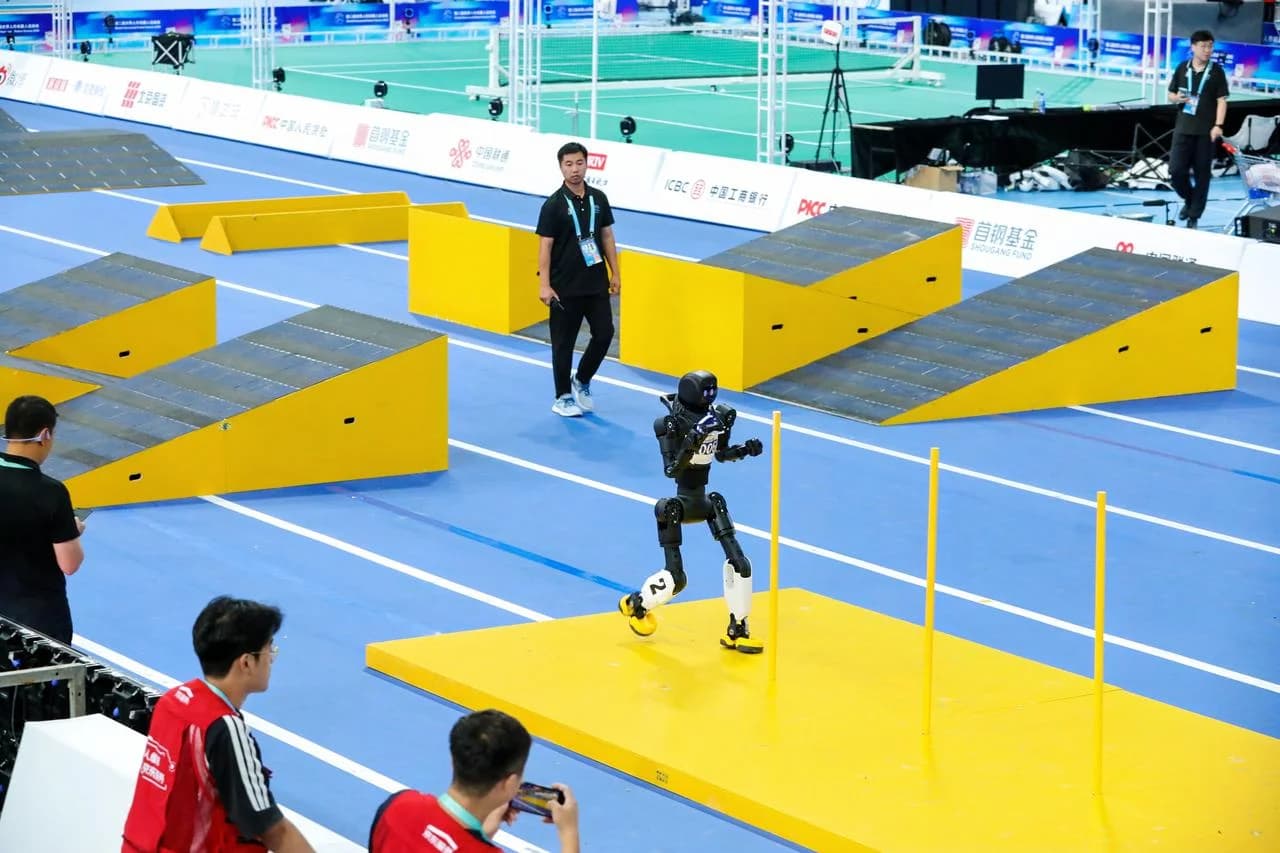
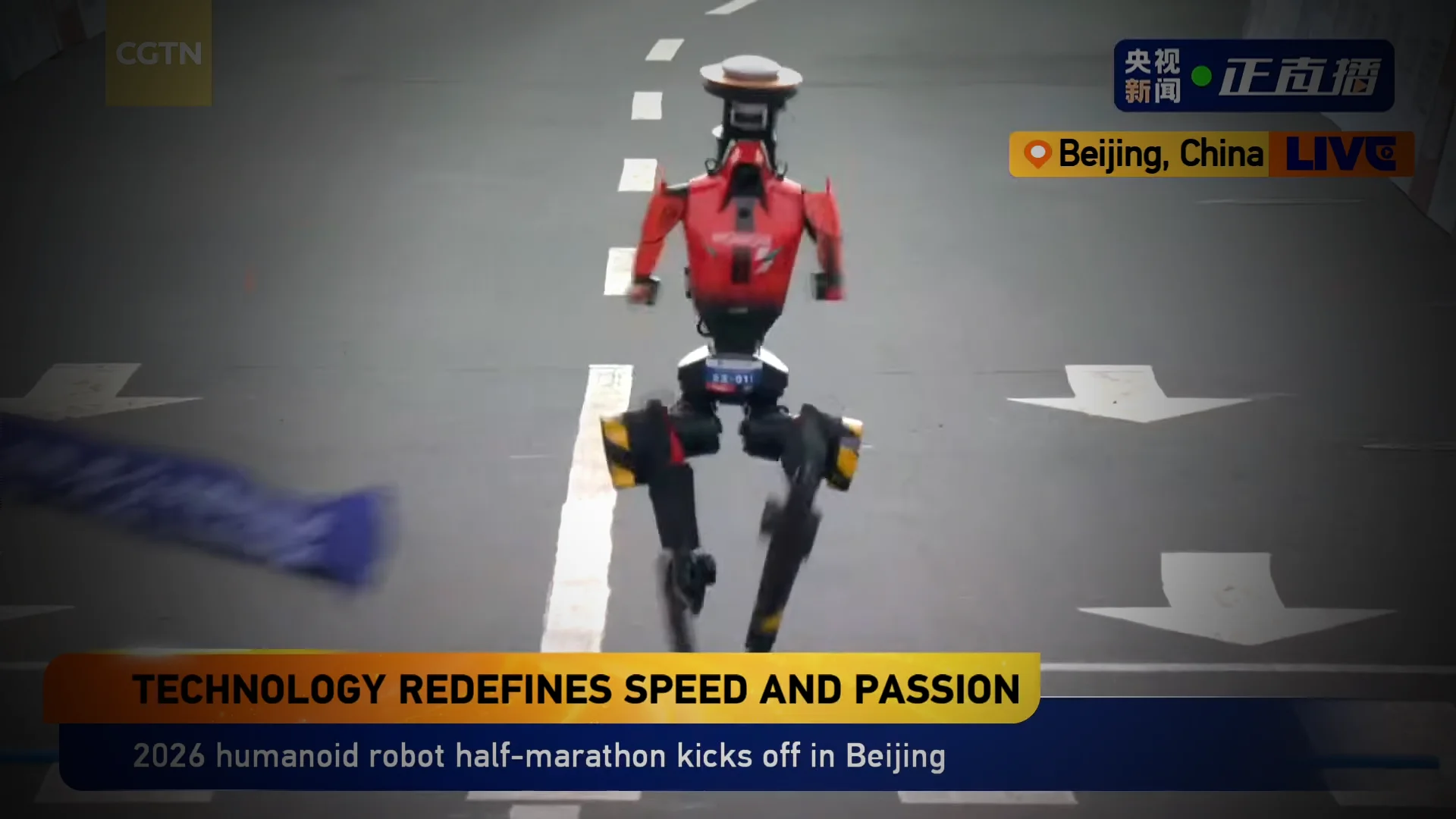
Human athletic supremacy on the running track has officially been eclipsed by silicon, steel, and electric actuators. At the 2nd World Humanoid Robot Games at Beijing's National Speed Skating Oval, bipedal machines systematically toppled some of the most storied benchmarks in human sports.
Just months after roboticists began chasing the 10 m/s sprint threshold, the Beijing games delivered an onslaught of record-shattering performances across sprints, endurance runs, and jumping events. While the underlying focus of the games has pushed toward simulated industrial and commercial utility, it was the track-and-field spectacle that captured global attention.

Toppling Bolt, Van Niekerk, and Sotomayor
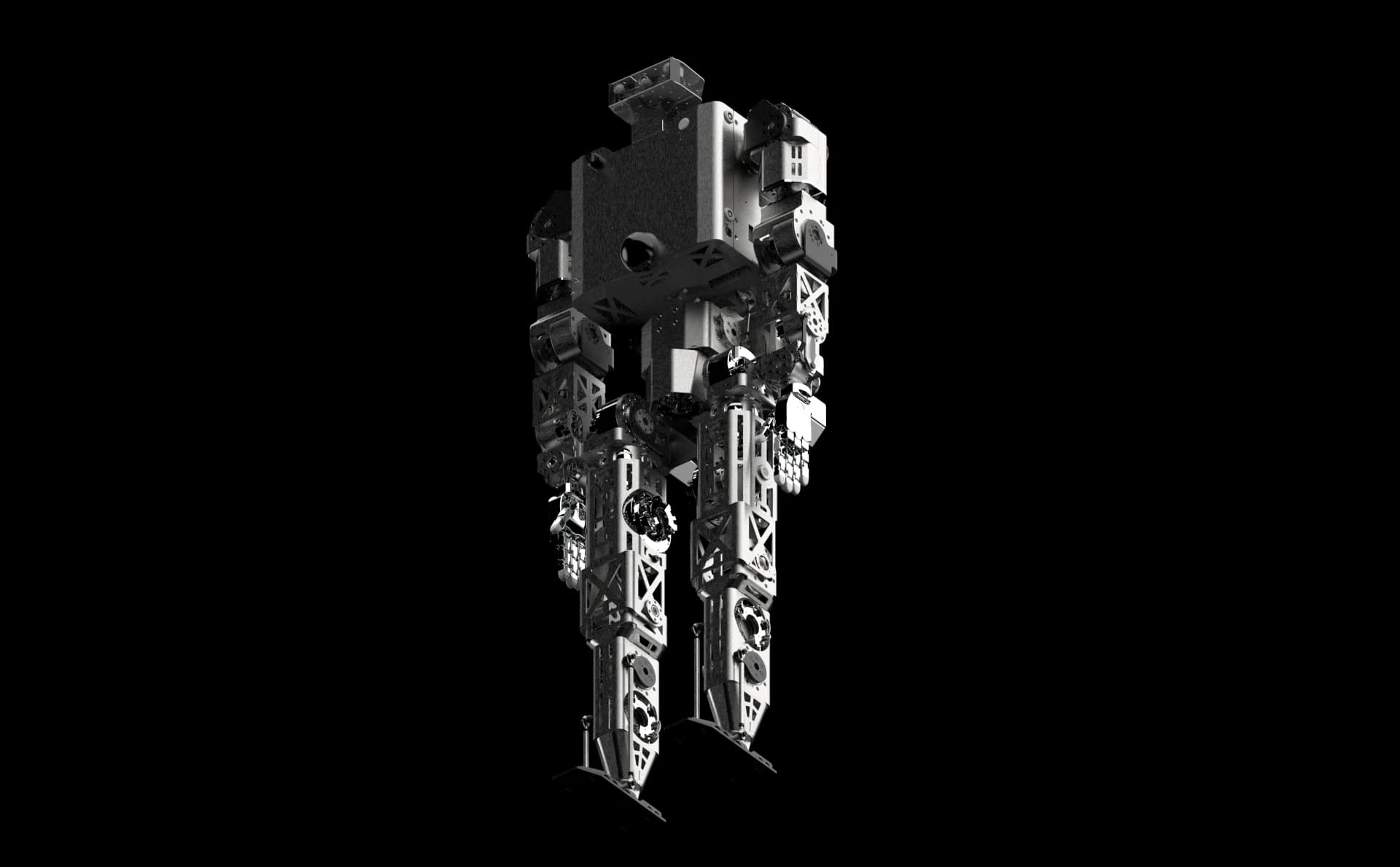
The headline performance came in the 100-meter dash. On the opening weekend, humanoid sprinters decisively surpassed Usain Bolt’s legendary 9.58-second world record. Leading the field, the Tiangong Ultra—developed by the Beijing Innovation Center of Humanoid Robotics (X-Humanoid)—clocked official track times between 9.32 and 9.39 seconds. The feat fulfilled the bullish timeline laid out earlier this year when Unitree CEO Wang Xingxing predicted machines would surpass Bolt within months.
The speed benchmarks did not stop at 100 meters:
The weekly humanoid robotics briefing
One email a week: the launches, funding and research that mattered, with context from Humanoids Daily.
Read recent issues- 400-Meter Dash: Tiangong recorded a blistering 38.15-second finish in the Large Group final. Smartphone maker Honor’s Robotics D1 platform also outpaced the human benchmark with a 39.45-second final run. Both times beat South African sprinter Wayde van Niekerk’s decade-old human world record of 43.03 seconds. In a video message, Van Niekerk acknowledged the milestone, offering congratulations to the engineering teams behind the record-breaking runs.
- 1500-Meter Run: Demonstrating extended battery endurance and thermal dissipation under load, Tiangong completed the 1500m distance in 2 minutes and 21 seconds—shaving 1 minute and 6 seconds off the human world mark. Honor Robotics D1 followed closely with a 2-minute, 30-second mark.
- Standing High Jump: Clearing vertical space with immense power density, a competitor completed a 2.88-meter standing high jump. The mark easily cleared Javier Sotomayor’s human record of 2.45 meters and vastly outperformed the 0.95-meter high jump recorded at the inaugural games in 2025.
- Long Jump: Tiangong Ultra rounded out the field events by securing a 7.97-meter leap, demonstrating explosive horizontal propulsion and landing balance.
- Peak Velocity & Half Marathon: Honor reported that its D1 platform reached peak velocities of 14.5 m/s during trials and notched a 50-minute, 26-second half-marathon run.
Honor dominated the humanoid half-marathon in Beijing earlier this year.
Hardware Maturity Meets Braking Realities
The rapid compression of race times illustrates how swiftly dynamic locomotion control has advanced. In 2025, winning robots completed the 100m sprint in roughly 21.50 seconds. Slashing that time down to 9.32 seconds represents a monumental leap in torque delivery, reinforcement learning policies, and joint thermal management.
Yet, the raw acceleration also laid bare clear kinematic limitations. Deceleration proved to be a persistent hurdle throughout the track events. Multiple bipedal machines, unable to execute controlled braking after crossing the line at full tilt, violently collided with safety foam pads and crash barriers erected meters beyond the finish. Other units lost directional stability at high velocity or suffered internal mechanical failures, requiring staff to carry them off on stretchers.
Viral clips of the crashes prompted banter across social media, including retweets from Elon Musk, prompting developer X-Humanoid to actively clarify official competition results from lab-bench testing data.
The Utility Question
While track feats demonstrate actuator strength and high-speed balance, the broader robotics community remains grounded regarding what athletic records actually represent.
The games feature 51 total competitions—30 sports events and 21 scenario-based tests—with Huawei noting that over 40% of the events require full operational autonomy. The real commercial pressure on humanoid developers lies not in running faster than Olympic sprinters, but in navigating messy physical environments: inserting cables, handling uneven logistics packages, and managing precise assembly tasks.
Share this article
Read next
- Published on
- Reading time
- 4 min read
AGIBOT Tops Medal Table at 2nd World Humanoid Robot Games as Beijing Showdown Concludes
- Published on
- Reading time
- 3 min read
Beijing Humanoid Robot Innovation Center Secures $100 Million to Scale Commercial Operations
- Published on
- Reading time
- 5 min read
Beijing Humanoid Half-Marathon: Honor Sweeps Podium as Robots Shatter Human World Record
- Published on
- Reading time
- 3 min read
Video: Honor Teases Humanoid Debut for MWC 2026 as "Alpha Plan" Pivot Accelerates
- Published on
- Reading time
- 2 min read
Wuxi to Host 2025 World Robot Contest
- Published on
- Reading time
- 3 min read
Honor Enters Humanoid Robotics Fray, Claims 4 m/s Speed for AI-Trained Unitree Robot



The weekly humanoid robotics briefing
One email a week: the launches, funding and research that mattered, with context from Humanoids Daily.
Read recent issues