- Published on
Samsung Accelerates In-House Humanoid Development with Dedicated RX Unit and World Model AI
One tap, and our reporting appears more often in your Google Top Stories. It makes a real difference to a small newsroom.


- According to reporting from ZDNet Korea, Samsung Electronics is secretly developing an advanced proprietary humanoid robot independent of its robotics affiliate, Rainbow Robotics.
- The company has established a dedicated Robotics eXperience (RX) Business Promotion Office reporting directly to CEO TM Roh and hired former Hyundai executive Lee Dong-geon to steer robotics strategy.
- Samsung is building a physical AI software stack combining its proprietary Gauss foundation model with new "world models" designed to simulate physical dynamics before execution.
- The company's Gumi manufacturing site is being converted into a "Data Factory" to ingest real-world operational data directly into robot training pipelines.
- The move intensifies South Korea’s industrial robotics rivalry, coming shortly after rival LG partnered with NVIDIA to develop a next-generation humanoid.
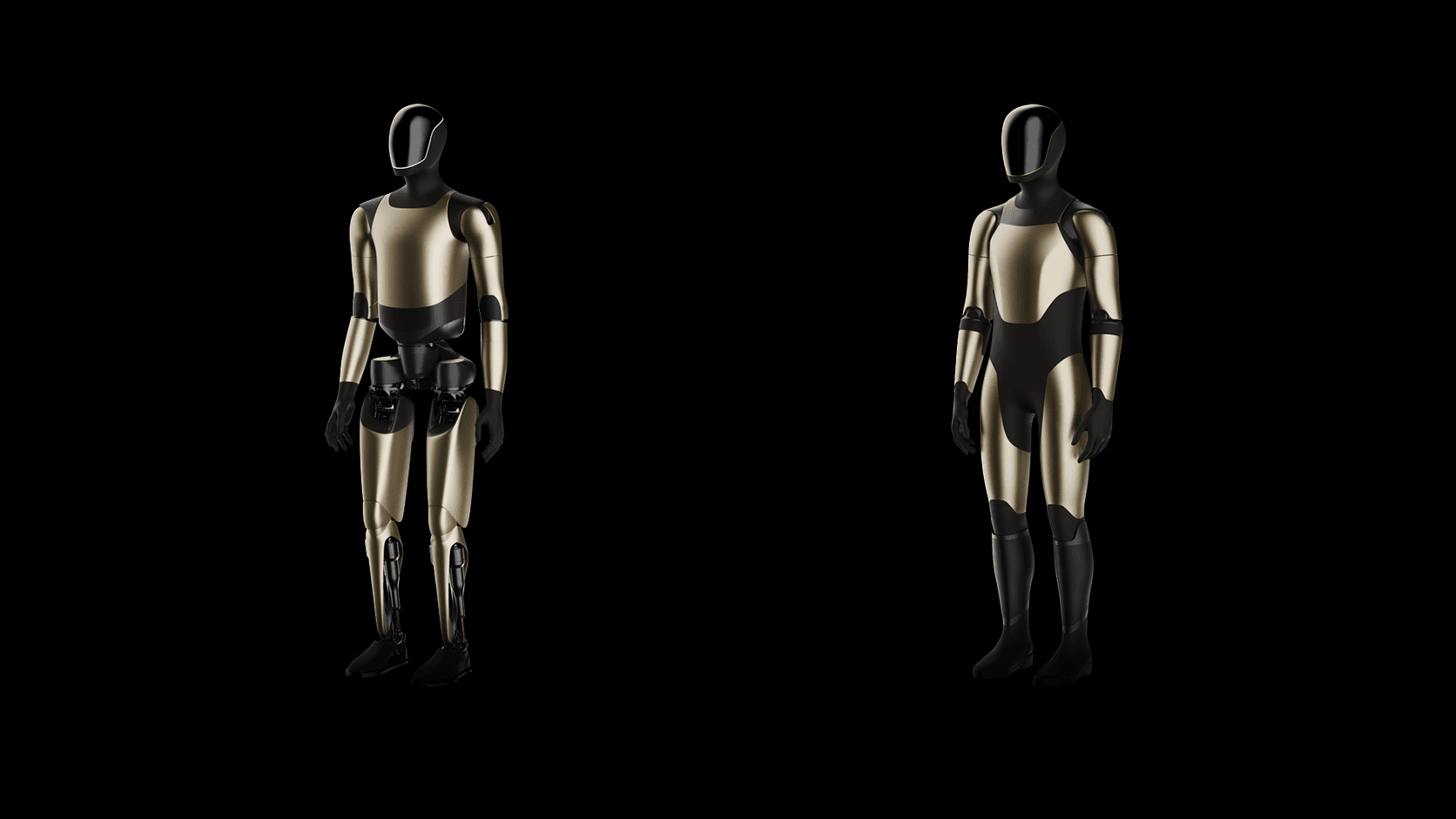
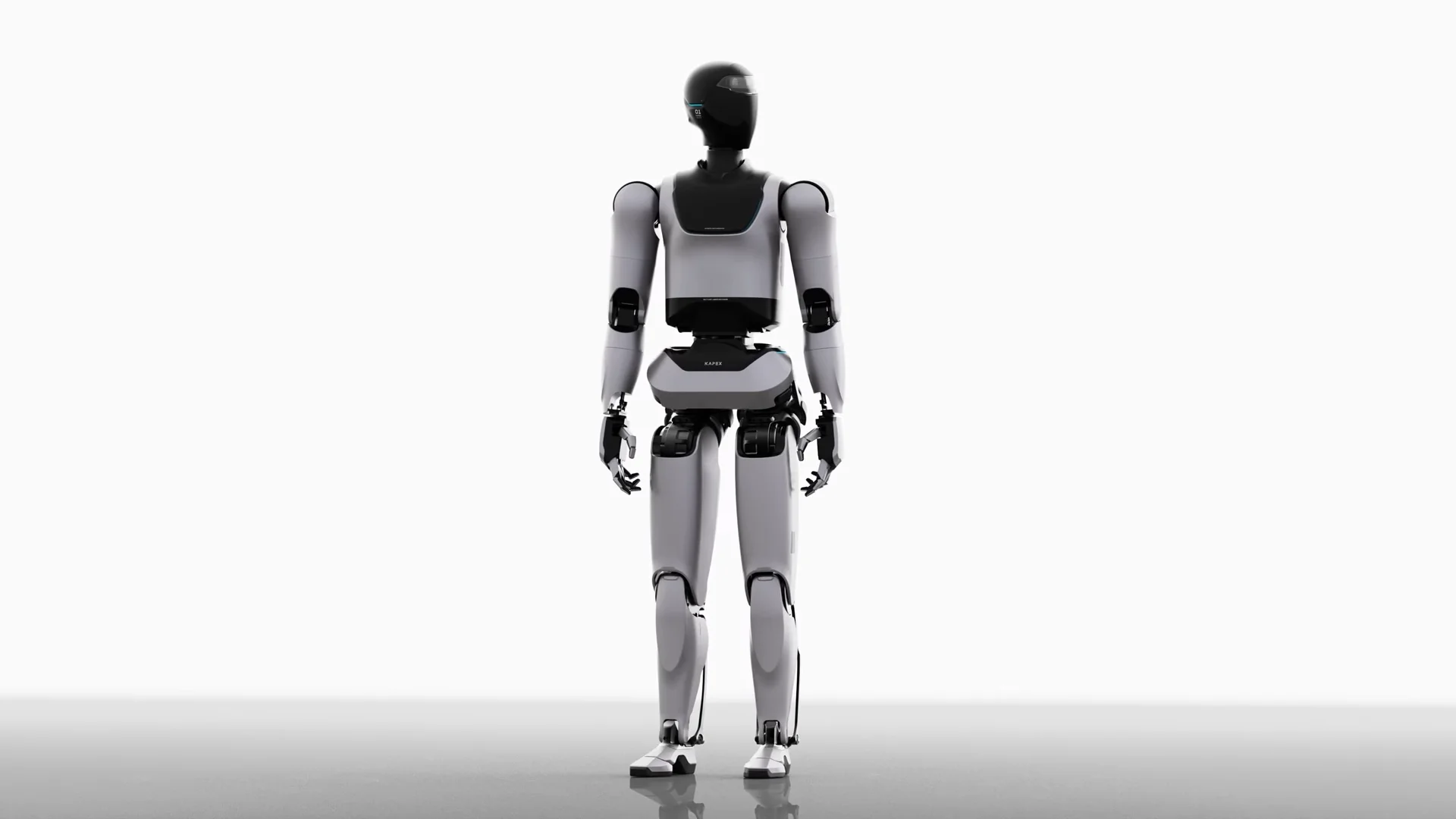
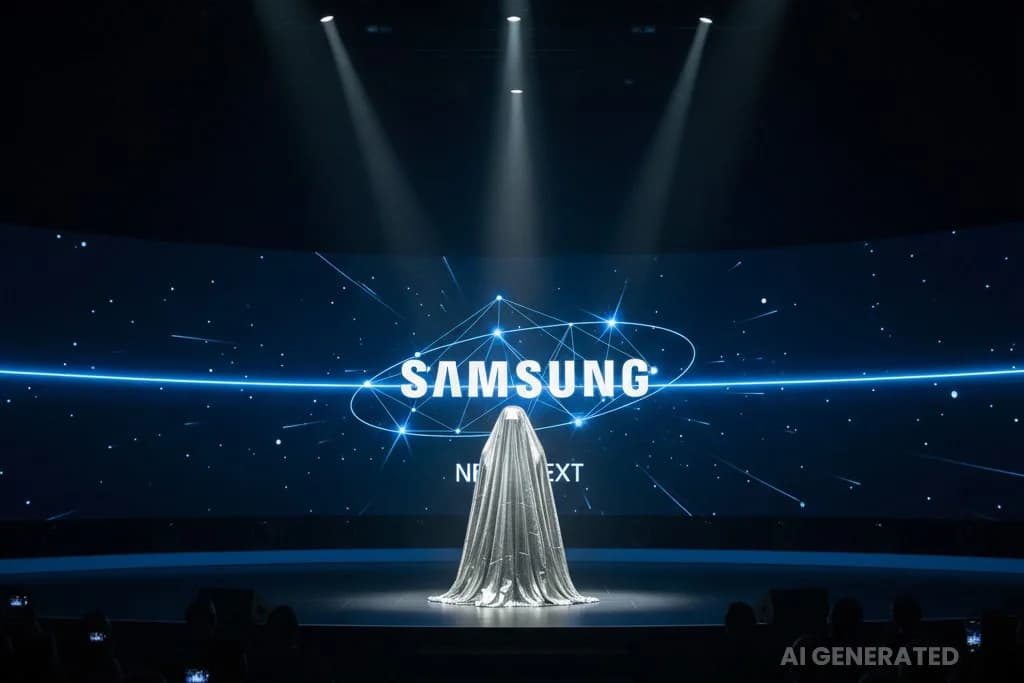
Samsung Electronics is quietly accelerating the development of its own proprietary humanoid robot, integrating internal manufacturing data, custom hardware, and foundation AI models into a centralized effort.
According to reporting from South Korean outlet ZDNet Korea, the tech giant’s humanoid initiative is operating independently from its affiliate, Rainbow Robotics—in which Samsung holds a substantial stake—and has already reached an advanced stage of development. Industry insiders cited in the report claim that Samsung’s internal prototypes may already surpass existing domestic platforms in operational capability.
The revelation comes amid an intensifying race among South Korea's largest conglomerates to claim leadership in physical AI. LG recently announced a major collaboration with NVIDIA to build an Isaac GR00T-powered humanoid and Hyundai has consolidated its control over Boston Dynamics. Now, Samsung is marshaling its vast industrial footprint to develop a full-stack robotics ecosystem in-house.
Beyond Rainbow Robotics: An In-House Platform
While Samsung previously made headlines for its strategic investment in Rainbow Robotics—the creator of the Hubo bipedal robot—the conglomerate has long maintained its own internal research pipelines. The latest reporting confirms that Samsung is pursuing a dual-track approach, developing a proprietary humanoid platform designed from the ground up to support high-precision manufacturing.
The weekly humanoid robotics briefing
One email a week: the launches, funding and research that mattered, with context from Humanoids Daily.
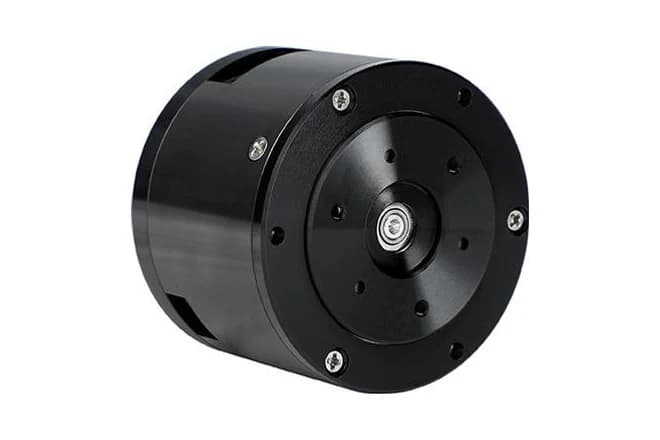
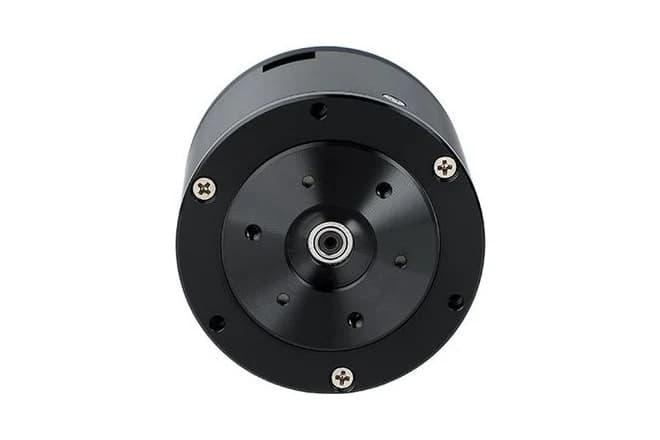
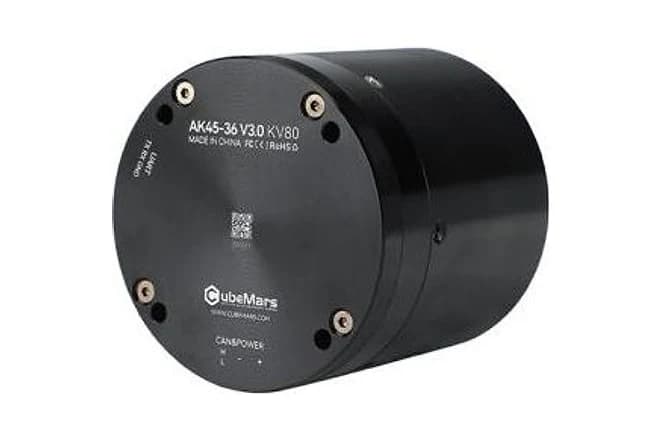
Read recent issuesAccording to component suppliers and robotics industry sources, Samsung’s hardware development extends into core mechanical subsystems, including proprietary actuators. The company is reportedly adapting high-performance electric motor designs from its home appliances division to build high-torque, compact joint assemblies.
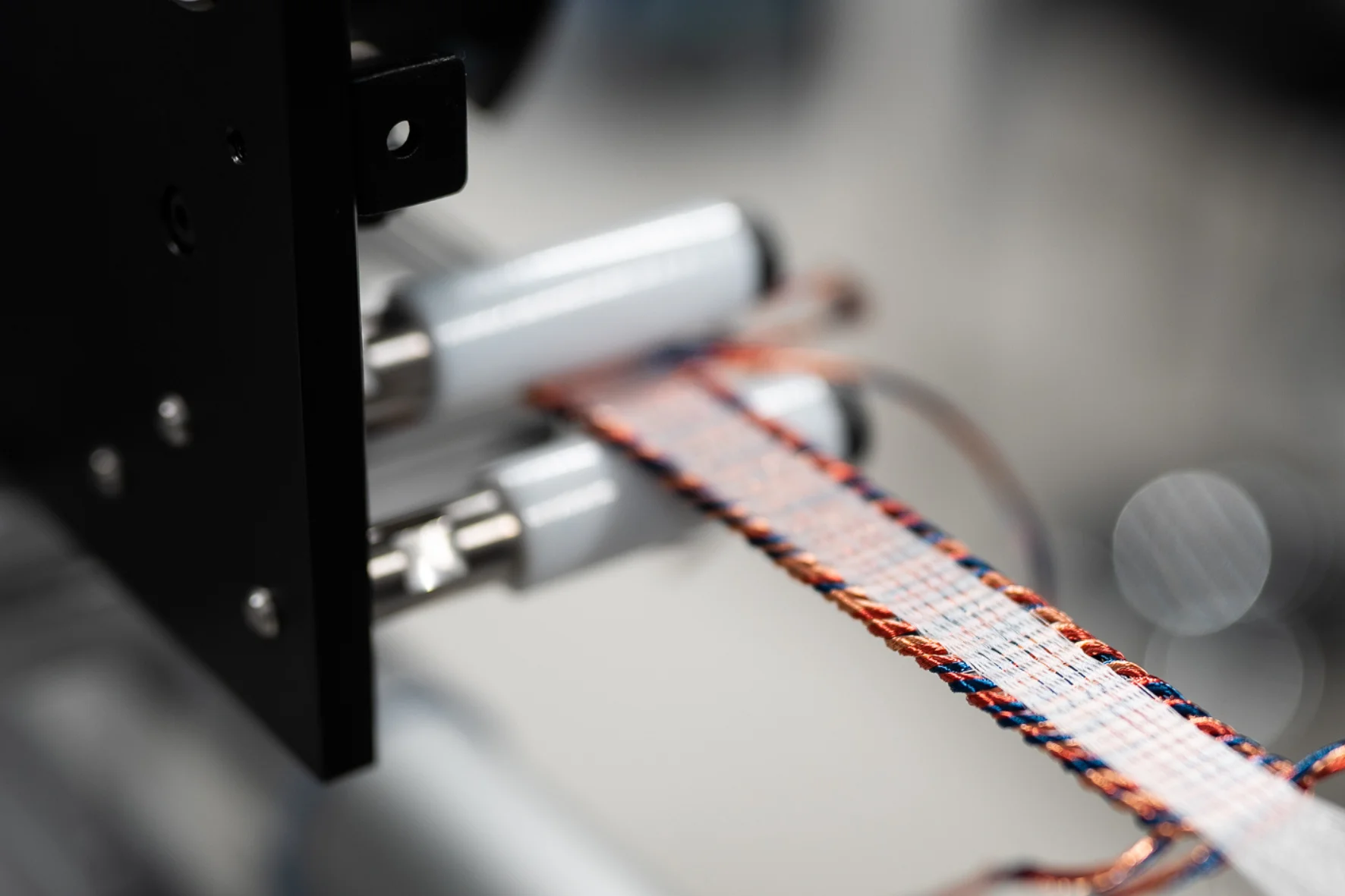
This internal actuator development aligns with Samsung's broader hardware roadmap. Late last year, the company made a strategic investment in Norwegian motor developer Alva Industries to secure access to ironless FiberPrinting stator technology specifically optimized for lightweight humanoid hands and arms. By pairing external actuator innovations with in-house precision manufacturing, Samsung is seeking to resolve the weight and thermal bottlenecks that often limit dexterous manipulation.
Physical AI: Gauss, World Models, and the Gumi "Data Factory"
Hardware is only half the equation. To power the robot's cognitive and motor systems, Samsung is developing a multi-layered artificial intelligence architecture centered on its proprietary Gauss AI model.
Crucially, industry sources revealed that Samsung is building specialized "world models"—AI architectures trained on physical dynamics and video datasets that enable a robot to simulate the physical outcome of an action before executing it in the real world. By running predictive physics simulations on board, humanoid platforms can significantly reduce trajectory errors and adapt to dynamic factory conditions without requiring explicit pre-programming for every task.
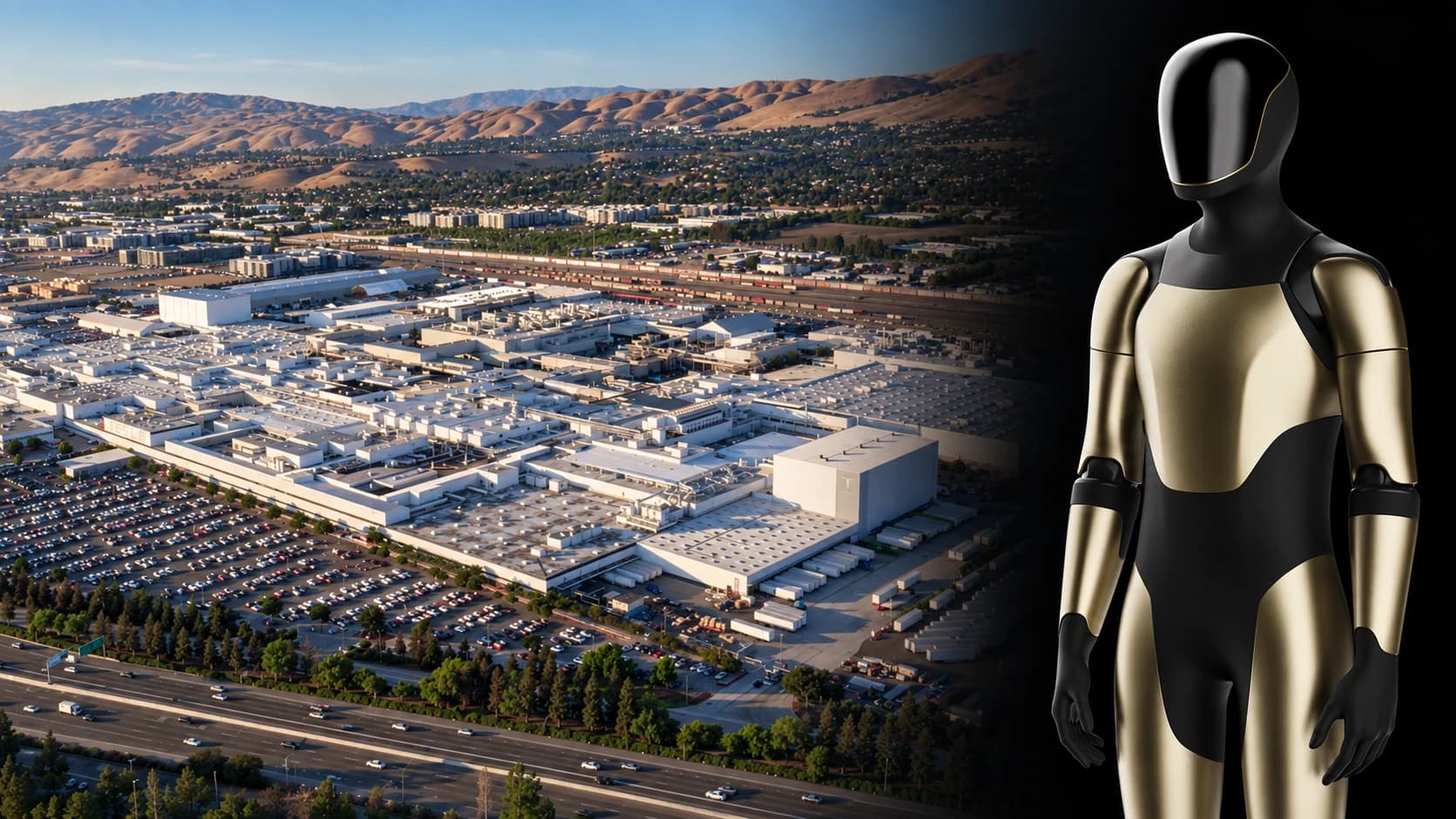
To feed these models with high-fidelity training data, Samsung plans to establish a dedicated "Data Factory" at its Gumi manufacturing complex. The facility will ingest sensor and workflow data from active production lines—spanning smartphones, home appliances, and display assembly—to create simulation-to-real (sim-to-real) pipelines.
This closed-loop environment directly reinforces Samsung's stated "provider and customer" strategy, allowing the company to validate bipedal robots on its own factory floors before marketing them to external enterprise clients.
Restructuring Around Robotics: The Direct-to-CEO RX Office
Samsung’s humanoid push is being backed by significant organizational restructuring. The company recently established a dedicated Robotics eXperience (RX) Business Promotion Office reporting directly to Device eXperience (DX) Division CEO TM Roh.
The move centralizes robotics R&D, product planning, and software engineering into an agile, top-tier division, removing traditional departmental silos. To steer this strategy, Samsung recruited Vice President Lee Dong-geon, a former Hyundai Motor executive who previously played a key role in shaping corporate strategy and operational direction around Boston Dynamics. Lee now heads Samsung's Robotics Strategy Team, tasked with formulating the mid-to-long-term roadmap for commercial physical AI.
The operational realignment is accompanied by aggressive external expansion. During its recent Q2 earnings call, Samsung explicitly stated that it is reviewing mergers, acquisitions, and strategic partnerships with overseas robotics startups to accelerate commercialization.
Concurrently, the conglomerate is tailoring its semiconductor divisions to support the physical AI boom, preparing dedicated solutions across high-bandwidth memory (HBM), low-power DRAM, on-device neural processing units (XPUs), advanced vision sensors, and specialized AI foundry packaging.
The Chaebol Humanoid Race Heats Up
Samsung's accelerated internal push highlights how South Korea’s industrial giants are aggressively competing for dominance in physical automation.
Through government-backed initiatives like the K-Humanoid Alliance and the M.AX Alliance, South Korea has targeted mass production of industrial humanoids before the end of the decade. However, while national alliances encourage broad collaboration, the country's top conglomerates are fiercely positioning their own vertically integrated stacks:
- LG Electronics: Partnering with NVIDIA to launch a GR00T-powered bipedal humanoid in early 2027, supported by components from LG Innotek and battery technology from LG Energy Solution.
- Hyundai Motor Group: Preparing full-scale commercial deployments of Boston Dynamics' electric Atlas at its automotive manufacturing plants starting in 2028.
- Samsung Electronics: Combining proprietary Gauss AI, internal actuator manufacturing, and semiconductor foundry integration under a dedicated executive unit.
While Samsung has yet to reveal a formal public unveiling date for its internal humanoid prototype, the establishment of the direct-to-CEO RX unit and the deployment of real-world training lines in Gumi indicate that the company’s robotics ambitions are transitioning rapidly from exploratory research to active industrial execution.
Share this article
Read next
- Published on
- Reading time
- 4 min read
Samsung Backs Norwegian Motor Specialist Alva Industries in Push for Humanoid Hardware
- Published on
- Reading time
- 4 min read
South Korea’s M.AX Alliance Taps Seoul National University to Build AI Models for Humanoids
- Published on
- Reading time
- 3 min read
Samsung Confirms Humanoid Robot Development, Touting "Provider and Customer" Strategy
- Published on
- Reading time
- 4 min read
Boston Dynamics Gives Atlas Four-Finger Hands Built for Tools and AI Training
- Published on
- Reading time
- 4 min read
Boston Dynamics Makes Its Case for Atlas and a Two-Year Payback Target
- Published on
- Reading time
- 4 min read
Boston Dynamics Takes a Drone Through Atlas Production in New Hiring Push
The weekly humanoid robotics briefing
One email a week: the launches, funding and research that mattered, with context from Humanoids Daily.
Read recent issues